SHAPING AMERICA'S PRODUCTS
Don Wallance
First edition. Quarto. Gray cloth stamped in black. Printed dust jacket. 193 pp. Black and white illustrations throughout. This copy with the preferred photo illustrated dust jacket [no priority established] with trivial wear, including a tiny chip with closed tear to rear panel and lightly worn spine ends. Pair of former owner notations to front free endpaper, otherwise a nearly fine copy in a nearly very good dust jacket. A rare book in this dust jacket.
8.25 x 10.5 hardcover book with 193 pages and well illustrated with black and white photographs. The material for this book was obtained by Wallance while serving as a research consultant for the Walker Art Center and the American Craftsmen's Council of New York. Features 31 case studies demonstrating how good design has broadened markets and increased sales. Includes products of General Electric, Herman Miller Furniture Co, Corning Glass Works, Amelia Earhart Luggage, Jantzen, and Sitterle Ceramics.
SHAPING AMERICA'S PRODUCTS perfectly captures the "designer-crafsman" ideal in postwar America, the idea that craft should be integrated into manufacturing as a way of improving quality and functionality. Wallance offers a series of profiles, from George Nakashima and Ray and Charles Eames to manufacturers like Heath Ceramics, Corning Glass Works and Jantzen, with each presented as an exemplification of the integration of design and craft. While Wallance's ideas were not unusual -- clearly derived from the Bauhaus theories sweeping the country after the War -- his book was unique in providing concrete instances of the "designer-craftsman" ideal in action.
Foreword
PART I. DESIGN AND CRAFTSMANSHIP IN AN INDUSTRIAL SOCIETY
PART II. PATTERNS OF PRODUCT CREATION
Design and Crafstmanship in Large-Scale Industry
THE INDUSTRIAL DESIGNER AND LARGE-SCALE INDUSTRY:
The Telephone [Bell Telephone Laboratories]: Henry Dreyfuss
Cooking Utensils [Revere Copper and Brass Company]: W. Archibald Welden
Radio Receivers [The Hallicrafters Company]: Raymond W. Loewy Associates
THE DESIGN DEPARTMENT IN LARGE-SCALE INDUSTRY:
Glassware: Corning Glass Works
Electrical Appliances: General Electric Company
Swimming Garments: Jantzen, Inc.
Design and Craftsmanship In Small-Scale Industry:
THE SMALL MANUFACTURER AS DESIGNER-CRAFTSMAN
Luggage: Amelia Earhart Luggage
Cutlery: Gerber Legendary Blades
Ceramic Tablewear: Heath Ceramics
Woven Fabrics: Menlo Textiles
Printed Fabrics: D.D. and Leslie Tillett
Sports Clothing: White Stag Manufacturing Company
THE INDUSTRIAL DESIGNER AND SMALL-SCALE INDUSTRY
Furniture [Herman Miller Furniture Company]: Gilbert Rohde, George Nelson, Charles Eames
Offhand Blown Glass [Blenko Glass Company Inc.]: Winslow Anderson
Stainless Steel Tableware [ H. E. Lauffer Company, Inc.]: Don Wallance
"Anonymous" Design
Kitchen Tools: Ekco Products Company
Chemical Porcelain: Coors Porcelain Company
Glassware: The Federal Glass Company
Work Clothing: Levi Strauss and Company
The Artist-Craftsman As Designer-Producer
Furniture: George Nakashima
Wood Turning: James Prestini
Pottery: Marguerite Wildenhain
Pottery: Gertrud and Otto Natzler
Porcelain Tableware: Sitterle Ceramics
Jewelry: Betty Cooke
Jewelry: Margaret De Patta
Wood Carving: Wharton Esherick
Craft Workshops Into Industrial Design Laboratories
Handles: Thomas Lamb
Furniture: Charles Eames
Woven Fabric: Marianne Strengell
Carpets: Leo J. Mahsoud
Bibliography
Index
Don Wallance [1909 - 1990] was an American Industrial Designer born in Queens who graduated from New York University and the Design Laboratory (1935-1939). In 1938, the Museum of Modern Art (MoMA) awarded him a prize for a chair he designed for its new building. During WW II he served with the Army Air Corps and researched mass-produced furniture for the Armed Forces. He conducted a study of plywood storage units that won a prize at MoMA's low-cost furniture competition in 1948.
He designed the original cantilever seats in Philharmonic Hall at Lincoln Center, which were mounted on horizontal tubular beams instead of legs to make moving and cleaning easier. He is most well-known for his sculptural stainless steel flatware designs for the H. E. Lauffer Company, made by Pott GmbH in Germany, including "Design 1" (1954), "Design Two" (1957), "Bedford" (1963), and "Design Three" (1964).
He was the author of the 1956 book, Shaping America's Products, and the founder and chairman of the Croton Visual Environmental Board from 1980 to 1989. He lived in Croton-on-Hudson, New York, where he died. His archives were donated to the Cooper-Hewitt Museum in Manhattan.
SHAPING AMERICA'S PRODUCTS
Don Wallance
First edition. Quarto. Gray cloth stamped in black. Printed dust jacket. 193 pp. Black and white illustrations throughout. This copy with the preferred photo illustrated dust jacket [no priority established] with trivial wear, including a tiny chip with closed tear to rear panel and lightly worn spine ends. Pair of former owner notations to front free endpaper, otherwise a nearly fine copy in a nearly very good dust jacket. A rare book in this dust jacket.
8.25 x 10.5 hardcover book with 193 pages and well illustrated with black and white photographs. The material for this book was obtained by Wallance while serving as a research consultant for the Walker Art Center and the American Craftsmen's Council of New York. Features 31 case studies demonstrating how good design has broadened markets and increased sales. Includes products of General Electric, Herman Miller Furniture Co, Corning Glass Works, Amelia Earhart Luggage, Jantzen, and Sitterle Ceramics.
SHAPING AMERICA'S PRODUCTS perfectly captures the "designer-crafsman" ideal in postwar America, the idea that craft should be integrated into manufacturing as a way of improving quality and functionality. Wallance offers a series of profiles, from George Nakashima and Ray and Charles Eames to manufacturers like Heath Ceramics, Corning Glass Works and Jantzen, with each presented as an exemplification of the integration of design and craft. While Wallance's ideas were not unusual -- clearly derived from the Bauhaus theories sweeping the country after the War -- his book was unique in providing concrete instances of the "designer-craftsman" ideal in action.
Foreword
PART I. DESIGN AND CRAFTSMANSHIP IN AN INDUSTRIAL SOCIETY
PART II. PATTERNS OF PRODUCT CREATION
Design and Crafstmanship in Large-Scale Industry
THE INDUSTRIAL DESIGNER AND LARGE-SCALE INDUSTRY:
The Telephone [Bell Telephone Laboratories]: Henry Dreyfuss
Cooking Utensils [Revere Copper and Brass Company]: W. Archibald Welden
Radio Receivers [The Hallicrafters Company]: Raymond W. Loewy Associates
THE DESIGN DEPARTMENT IN LARGE-SCALE INDUSTRY:
Glassware: Corning Glass Works
Electrical Appliances: General Electric Company
Swimming Garments: Jantzen, Inc.
Design and Craftsmanship In Small-Scale Industry:
THE SMALL MANUFACTURER AS DESIGNER-CRAFTSMAN
Luggage: Amelia Earhart Luggage
Cutlery: Gerber Legendary Blades
Ceramic Tablewear: Heath Ceramics
Woven Fabrics: Menlo Textiles
Printed Fabrics: D.D. and Leslie Tillett
Sports Clothing: White Stag Manufacturing Company
THE INDUSTRIAL DESIGNER AND SMALL-SCALE INDUSTRY
Furniture [Herman Miller Furniture Company]: Gilbert Rohde, George Nelson, Charles Eames
Offhand Blown Glass [Blenko Glass Company Inc.]: Winslow Anderson
Stainless Steel Tableware [ H. E. Lauffer Company, Inc.]: Don Wallance
"Anonymous" Design
Kitchen Tools: Ekco Products Company
Chemical Porcelain: Coors Porcelain Company
Glassware: The Federal Glass Company
Work Clothing: Levi Strauss and Company
The Artist-Craftsman As Designer-Producer
Furniture: George Nakashima
Wood Turning: James Prestini
Pottery: Marguerite Wildenhain
Pottery: Gertrud and Otto Natzler
Porcelain Tableware: Sitterle Ceramics
Jewelry: Betty Cooke
Jewelry: Margaret De Patta
Wood Carving: Wharton Esherick
Craft Workshops Into Industrial Design Laboratories
Handles: Thomas Lamb
Furniture: Charles Eames
Woven Fabric: Marianne Strengell
Carpets: Leo J. Mahsoud
Bibliography
Index
Don Wallance [1909 - 1990] was an American Industrial Designer born in Queens who graduated from New York University and the Design Laboratory (1935-1939). In 1938, the Museum of Modern Art (MoMA) awarded him a prize for a chair he designed for its new building. During WW II he served with the Army Air Corps and researched mass-produced furniture for the Armed Forces. He conducted a study of plywood storage units that won a prize at MoMA's low-cost furniture competition in 1948.
He designed the original cantilever seats in Philharmonic Hall at Lincoln Center, which were mounted on horizontal tubular beams instead of legs to make moving and cleaning easier. He is most well-known for his sculptural stainless steel flatware designs for the H. E. Lauffer Company, made by Pott GmbH in Germany, including "Design 1" (1954), "Design Two" (1957), "Bedford" (1963), and "Design Three" (1964).
He was the author of the 1956 book, Shaping America's Products, and the founder and chairman of the Croton Visual Environmental Board from 1980 to 1989. He lived in Croton-on-Hudson, New York, where he died. His archives were donated to the Cooper-Hewitt Museum in Manhattan.

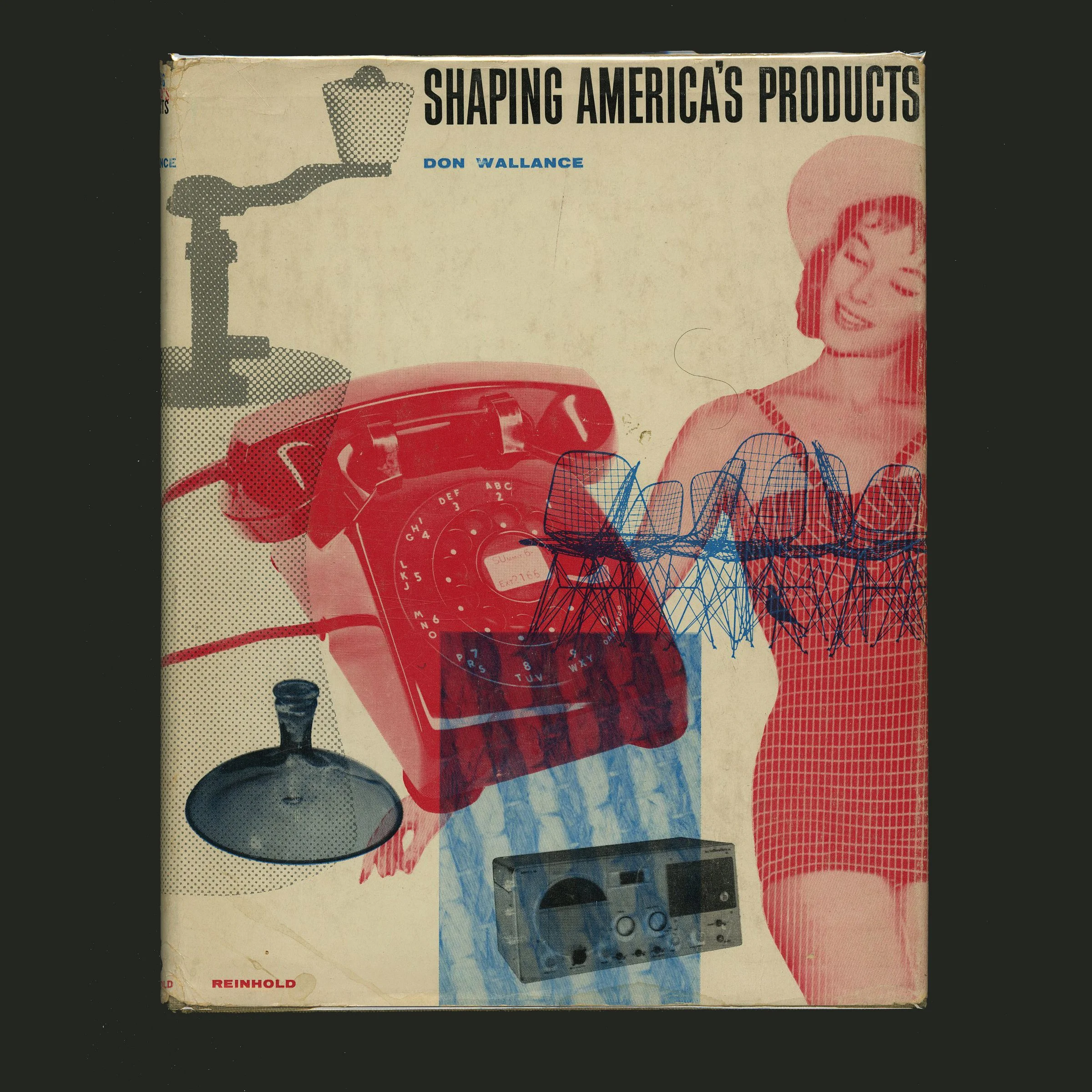 Image 1 of 15
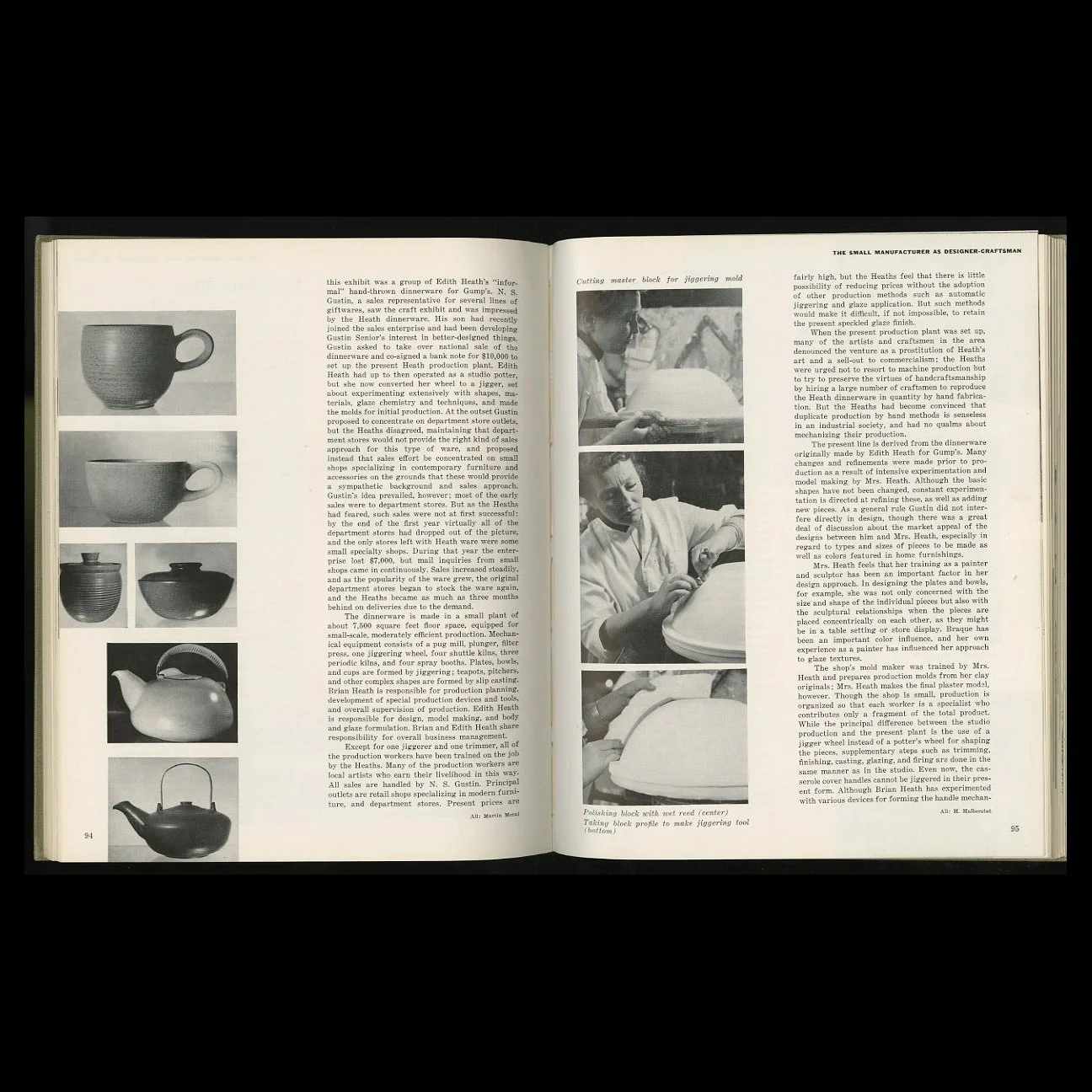 Image 2 of 15
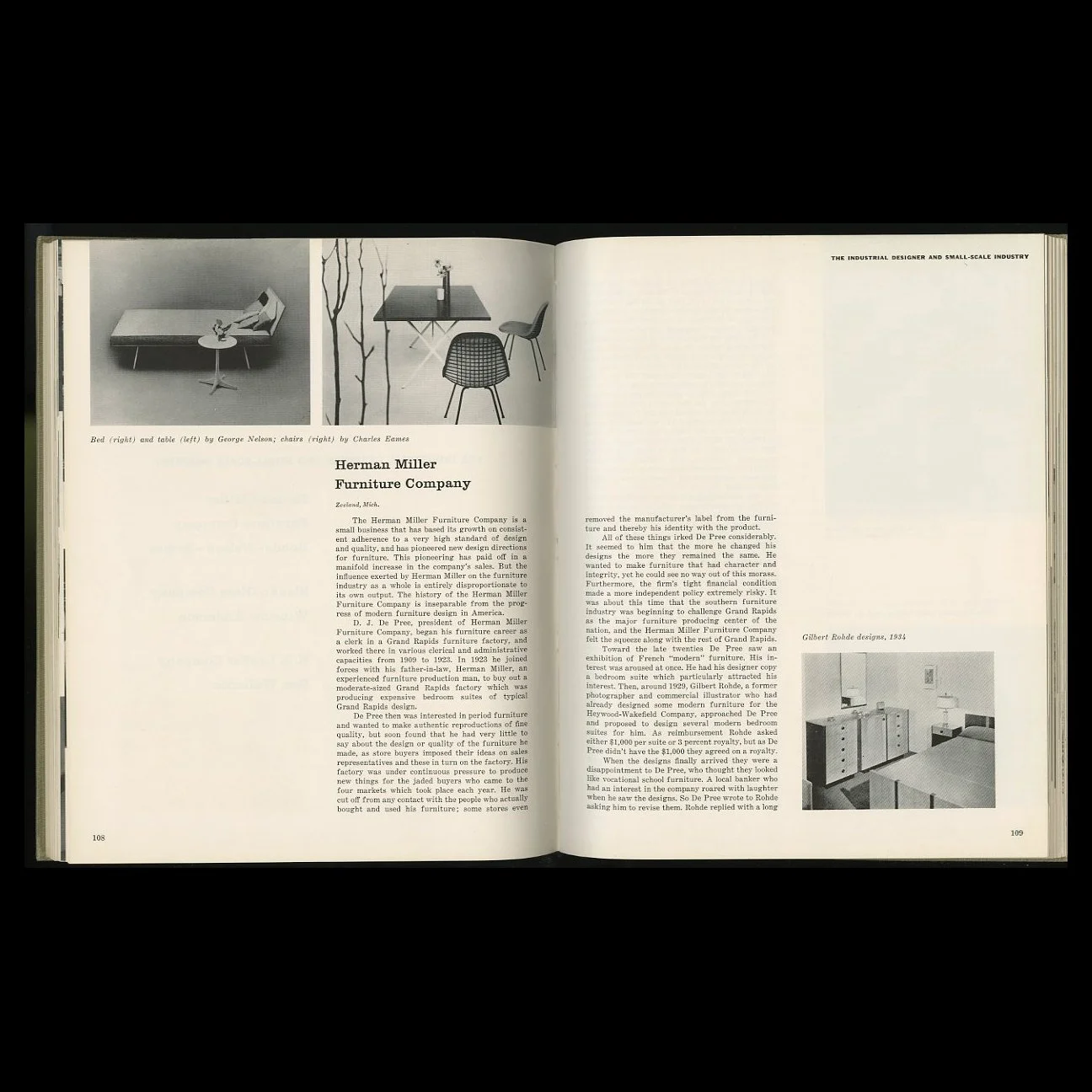 Image 3 of 15
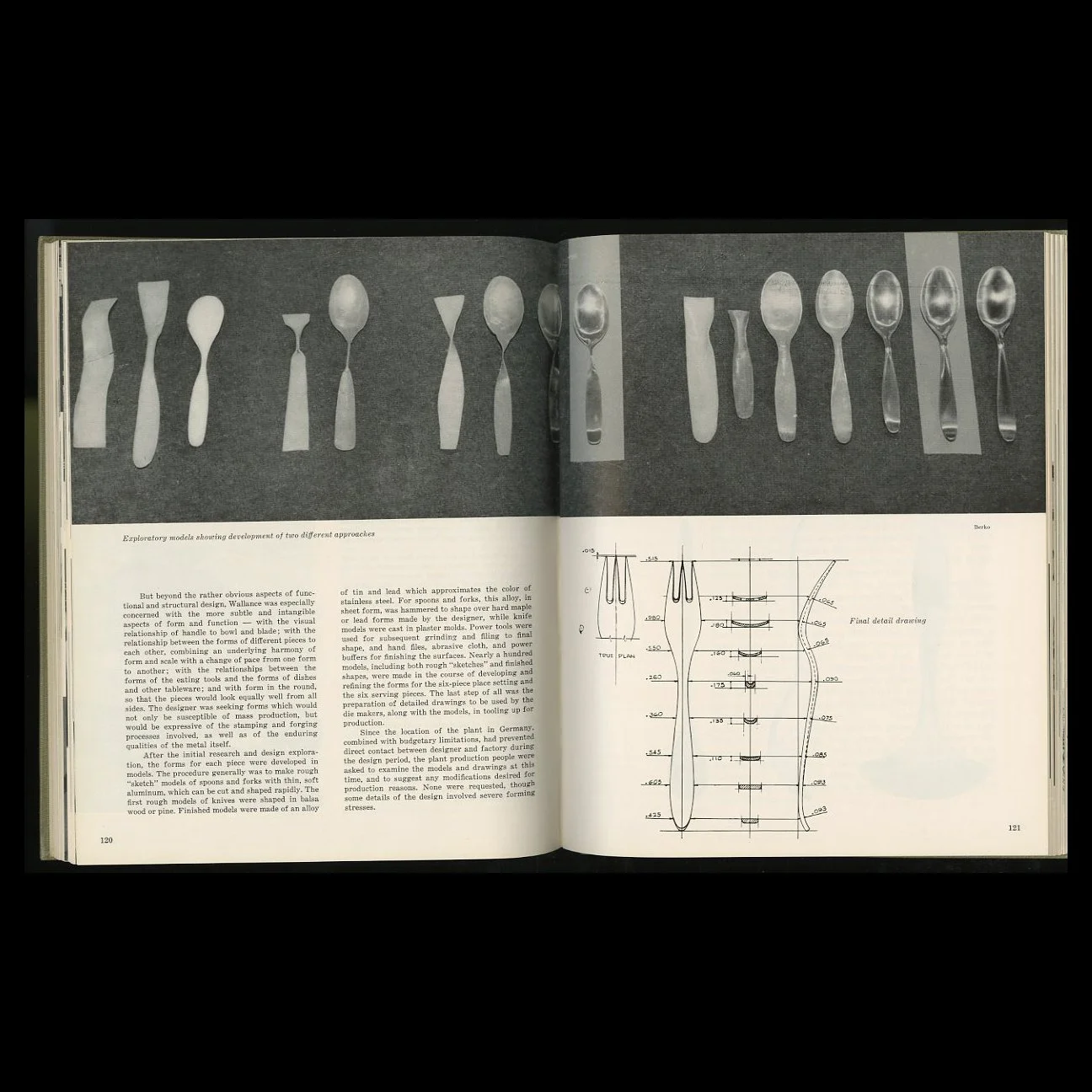 Image 4 of 15
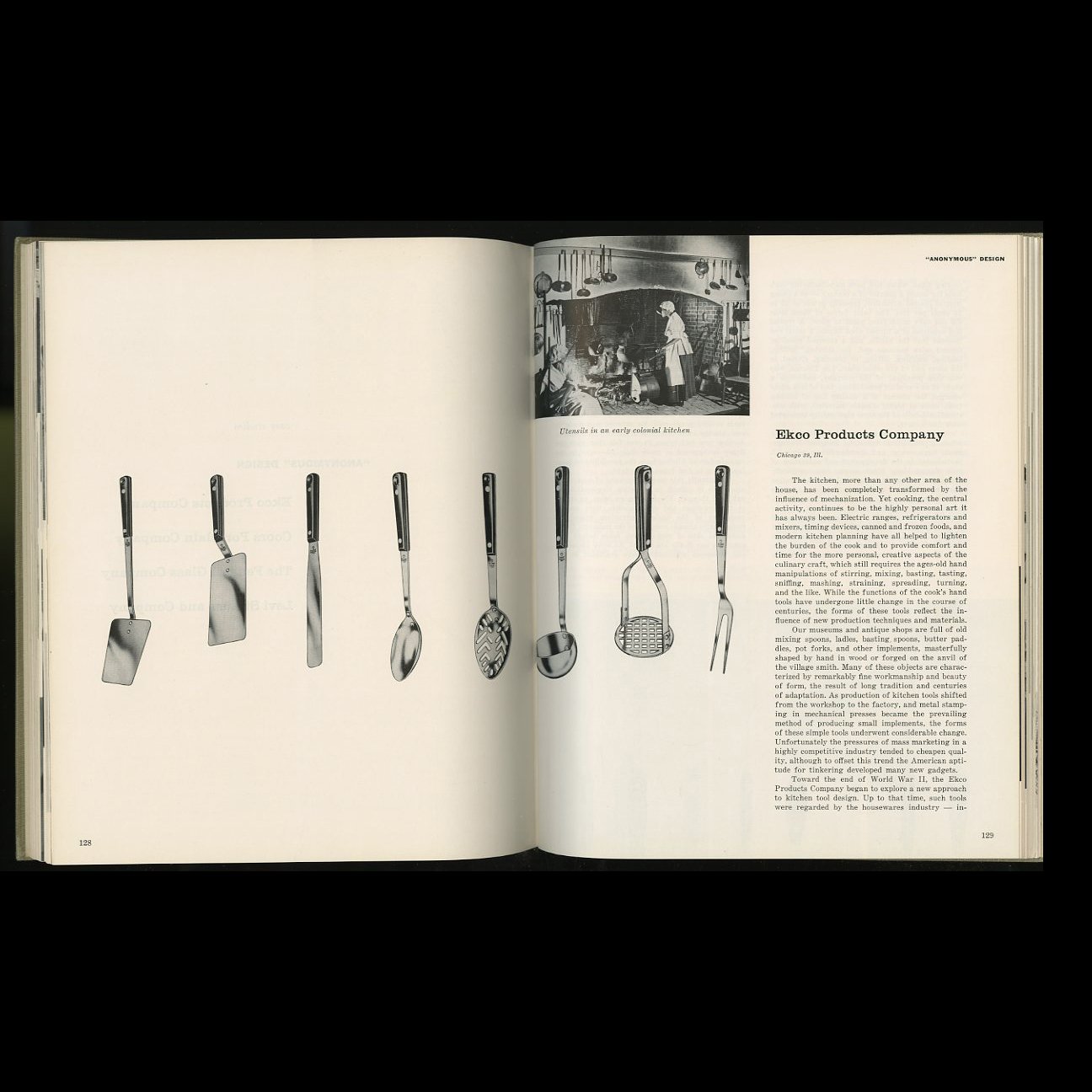 Image 5 of 15
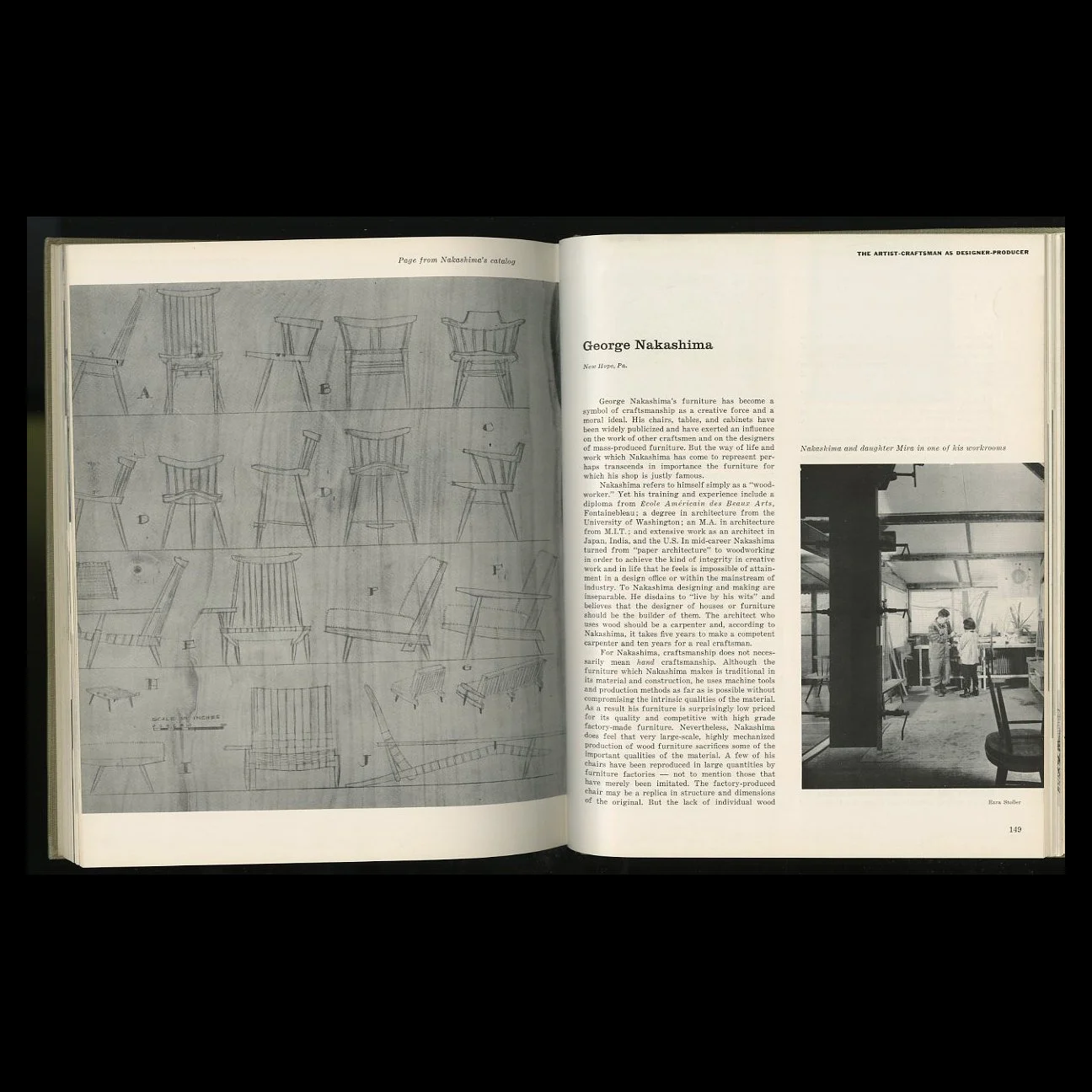 Image 6 of 15
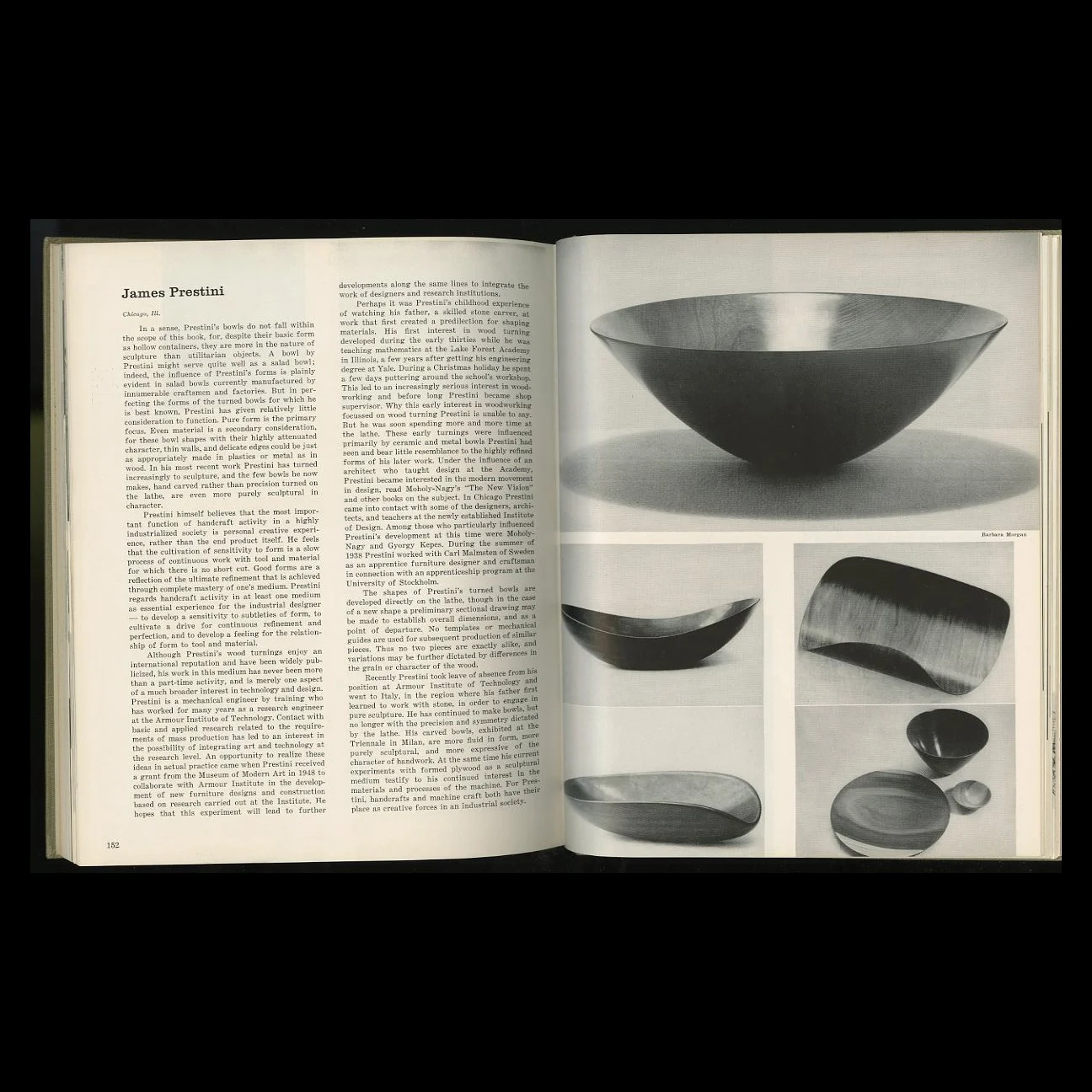 Image 7 of 15
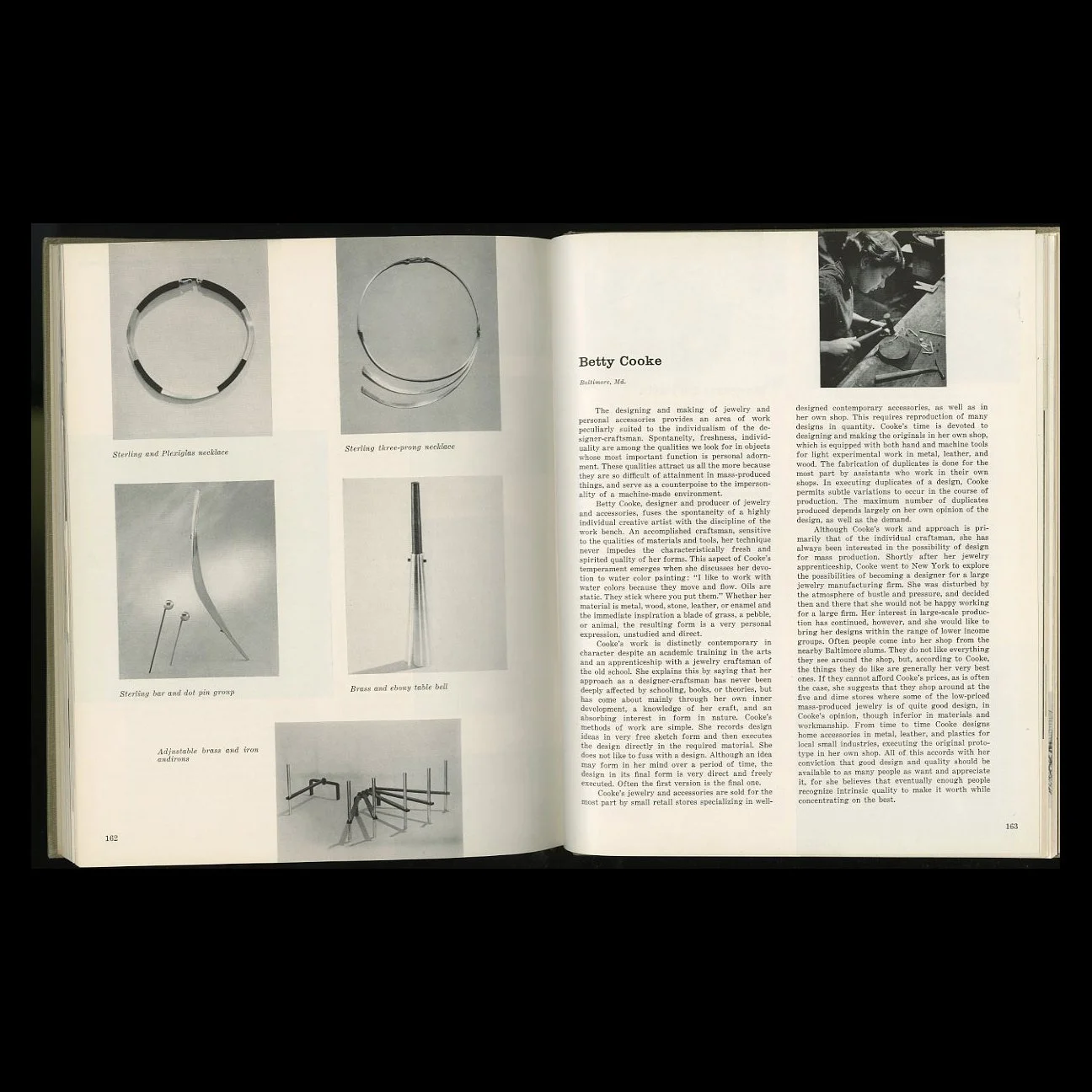 Image 8 of 15
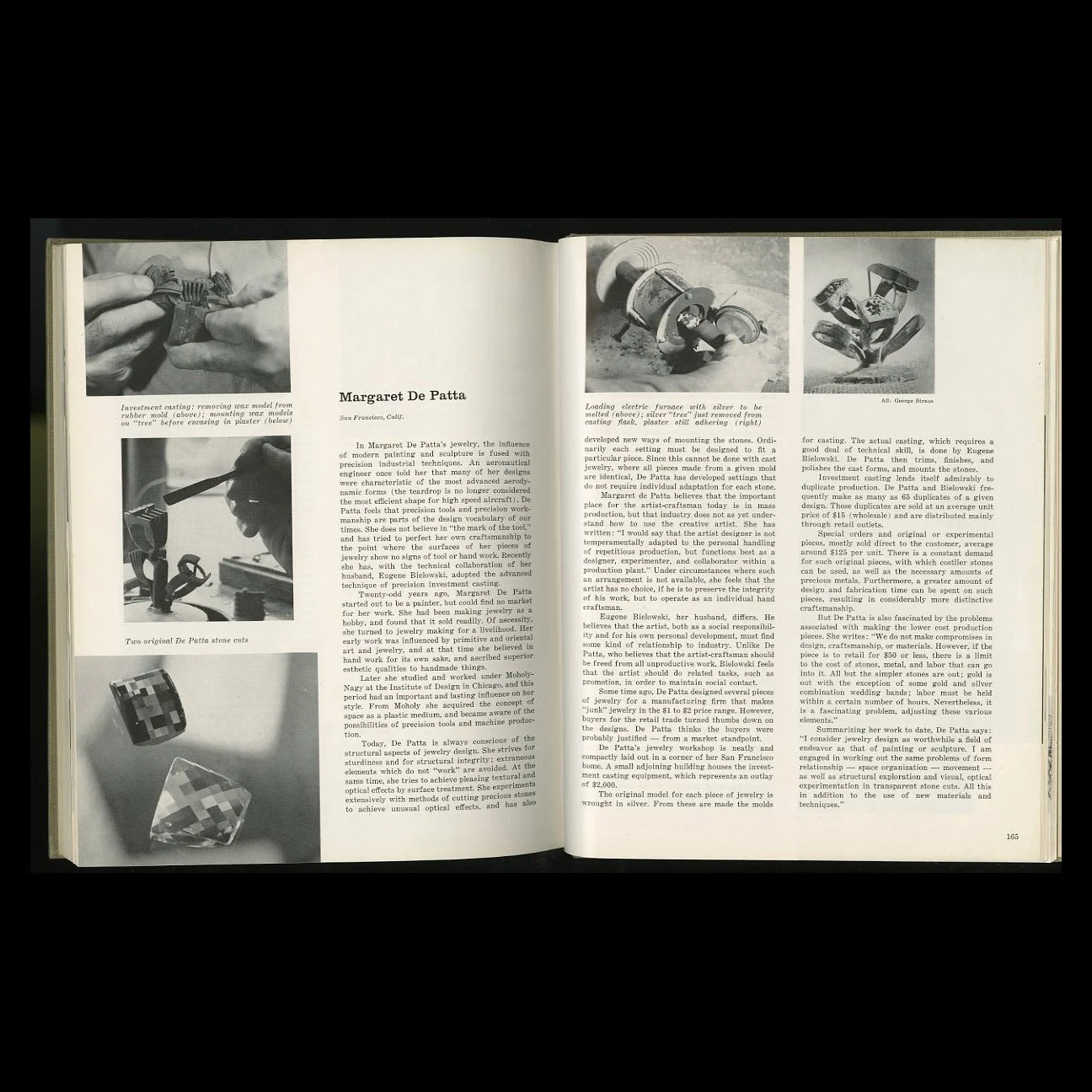 Image 9 of 15
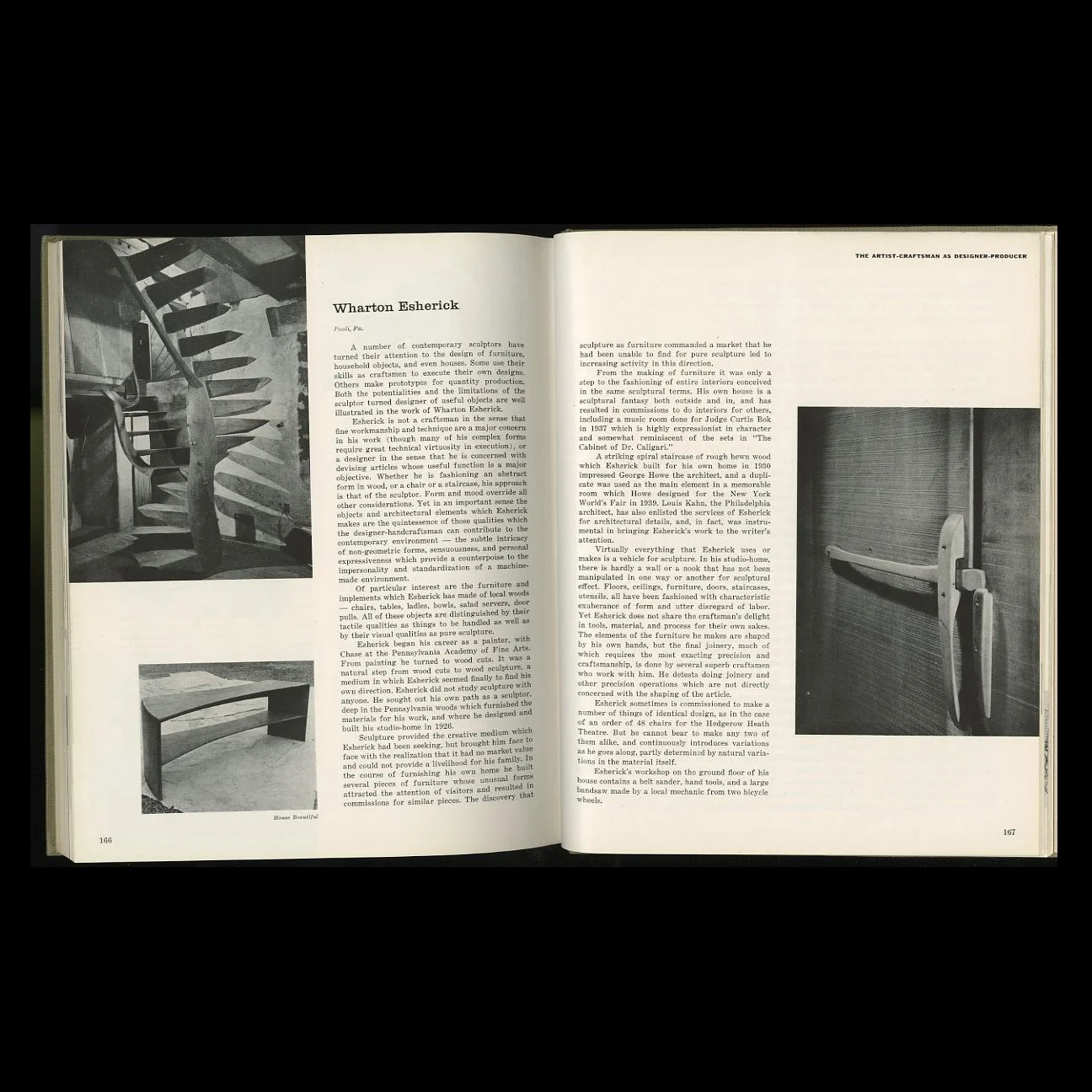 Image 10 of 15
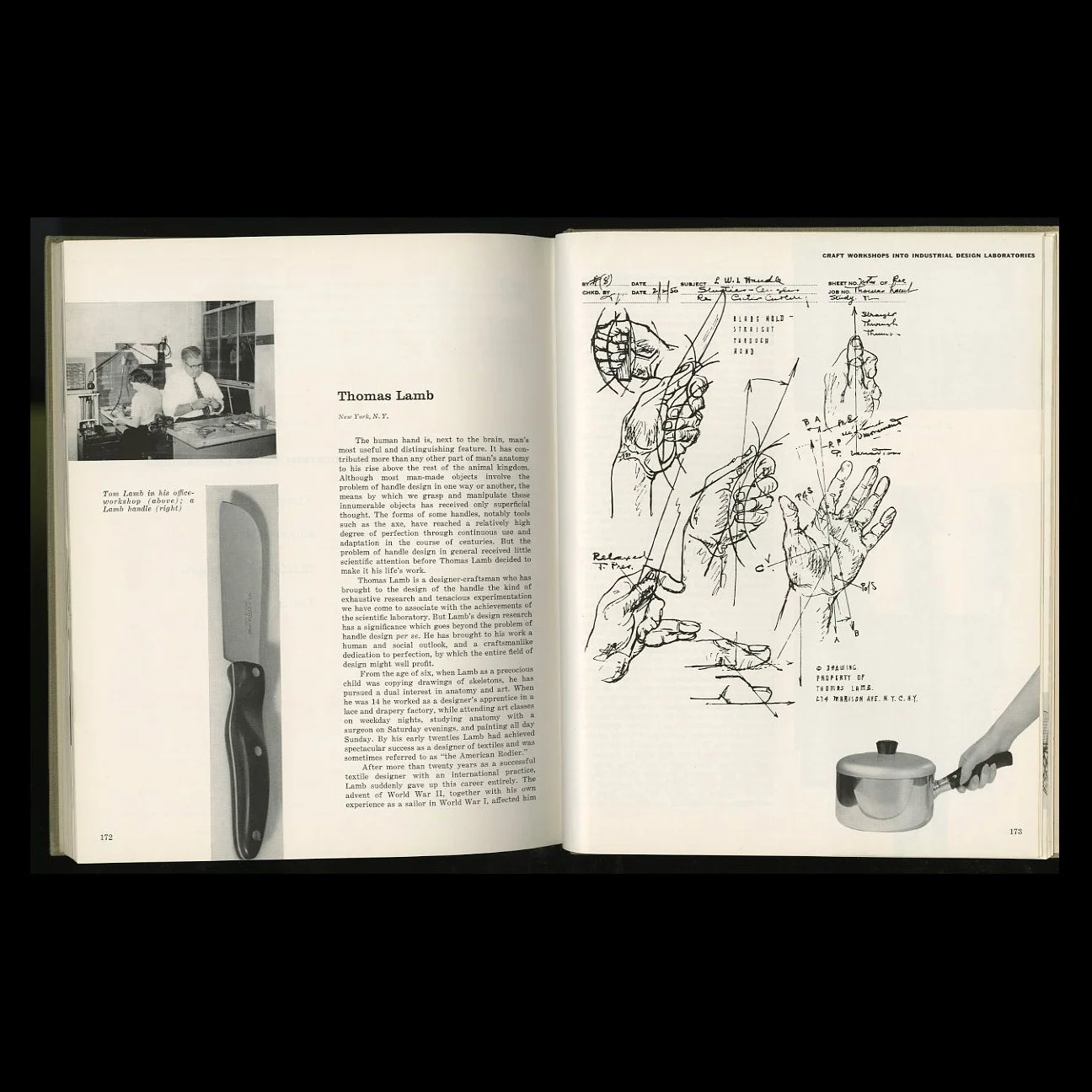 Image 11 of 15
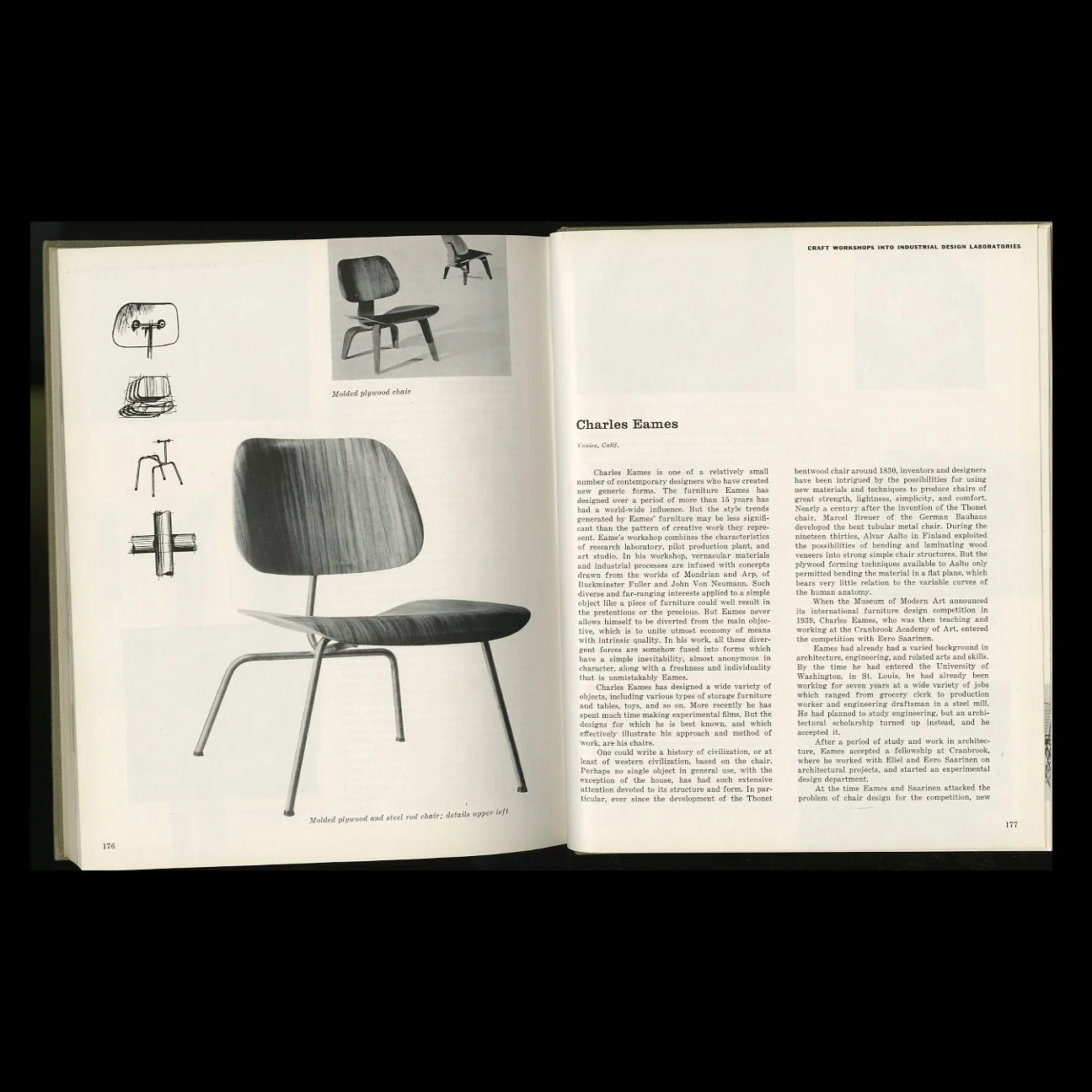 Image 12 of 15
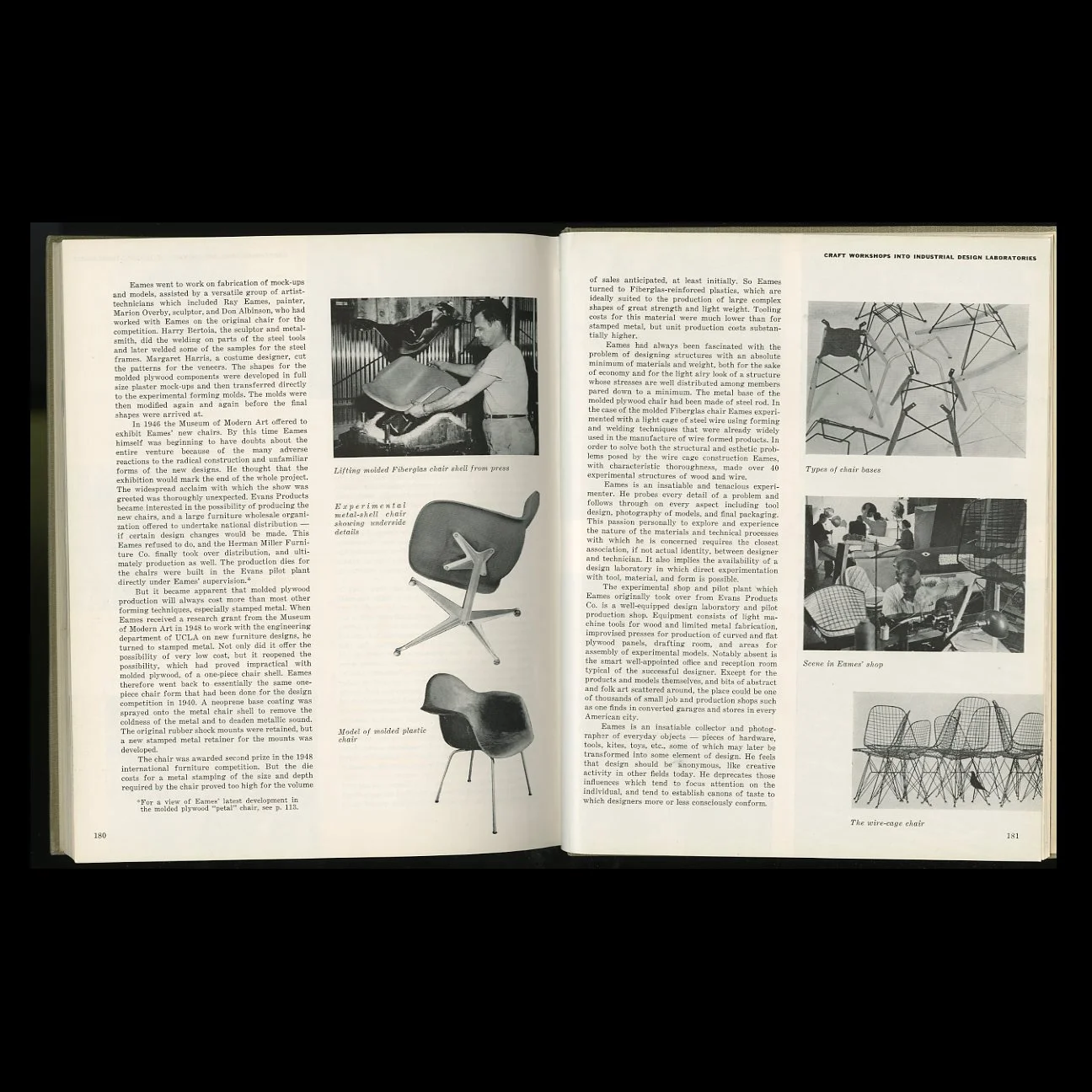 Image 13 of 15
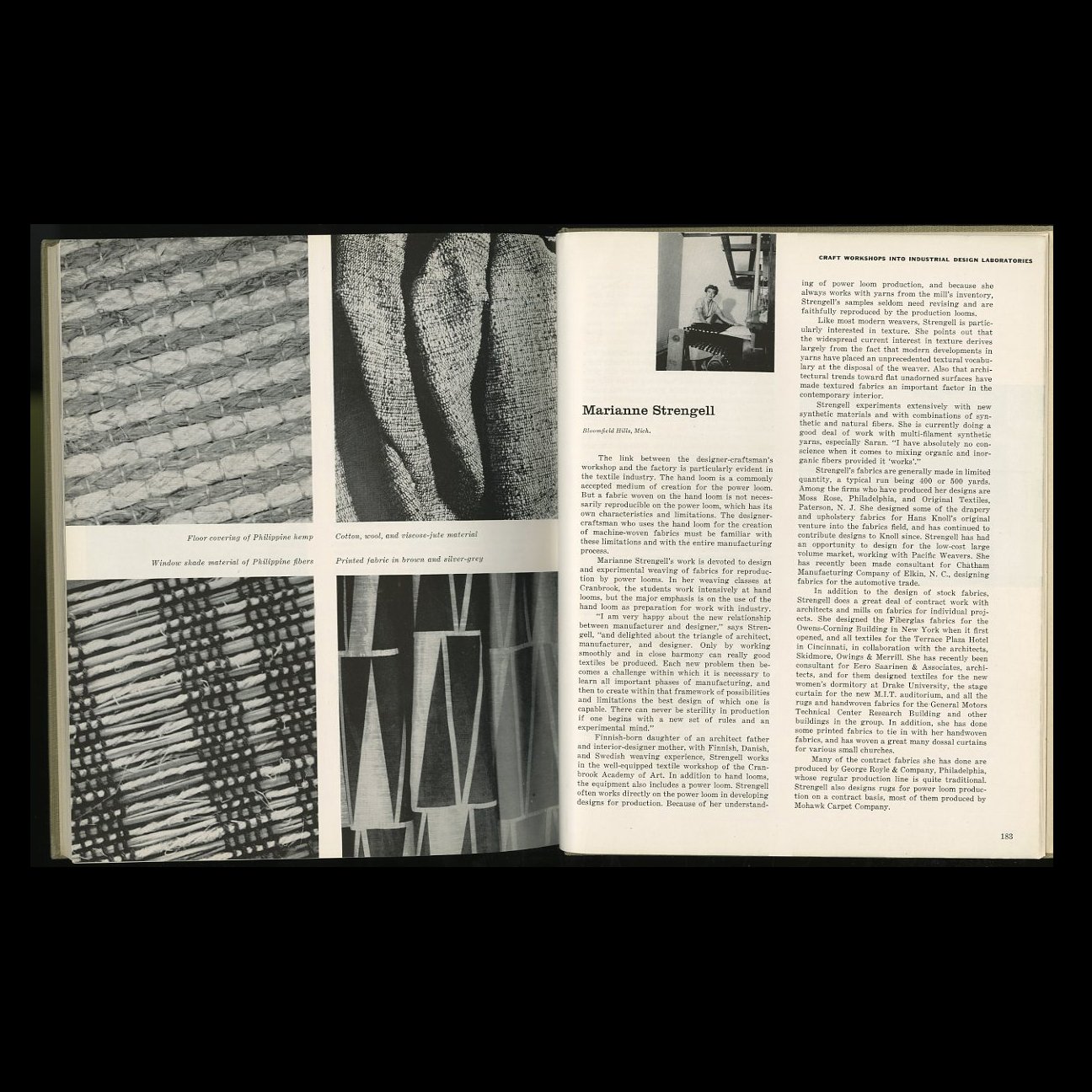 Image 14 of 15
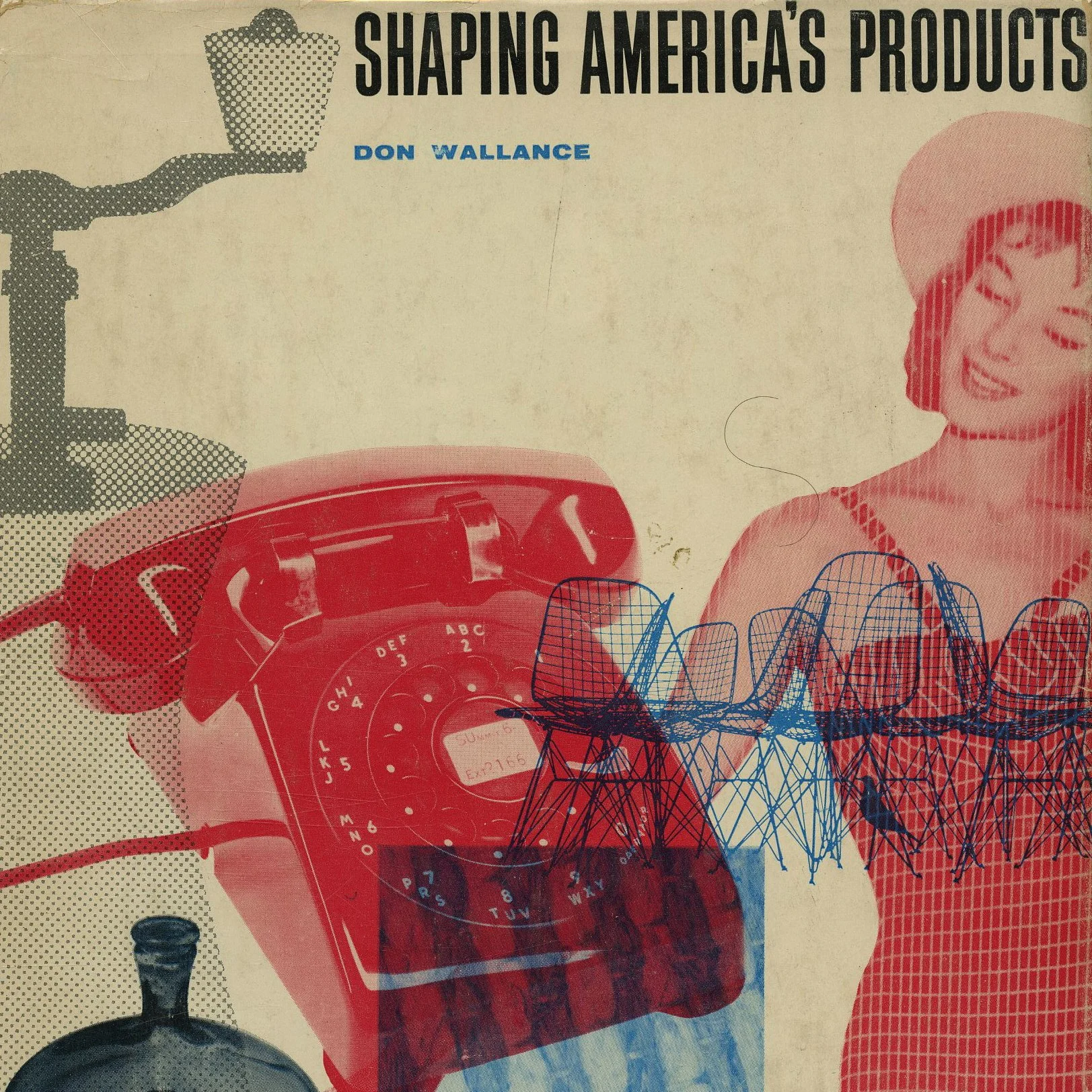 Image 15 of 15