ARTI INDUSTRIALI D’OGGI
Quaderni della Triennale
Carlo A. Felice
Milano: Ulrico Hoepli Editore, July 1937. First edition. Text in Italian. Square quarto. Printed gray paper boards. Photo illustrated dust jacket. 152 pp. Fully illustrated with 206 black and white plates. Classic example of fascist graphic design and typography with immaculate letterpress printing throughout. Orange jacket spine very faintly sunned with vintage Prague bookseller ticket to rear panel. An exceptionally well preserved copy— a nearly fine copy in a nearly fine dust jacket. Rare thus.
8.125 x 8.375-inch first edition with 152 with 206 black and white illustrations of Italian Industrial Art masterfully assembled and laid out with the most up-to-date—circa 1937— fascist mise-en-page and typesetting design by Antonio Marchi. A superb adjunct publication from Ulrico Hoepli Editore, highlighting the decorative arts shown at the 1936 Milan Triennial Exhibition of Decorative Arts and Modern Architecture.
Includes many 1936 examples of industrial art produced using Glass, Clay, Metal, and Textiles as well as Jewelry and Bookbinding.
Contents:
Brevi note dell’Autore
Illustrazioni delle opere
Indice alfabetico degli artisti
Indice alfabetico dei produttori
Indice alfabetico della opere per materia
Includes work by Guido Bin, Ugo Blasi, Bramante Buffoni, Mario Chiari, Paolo Clausetti, Corrado Corradi, Teonesto Deabate, G. B. De Salvo, Francesco Di Cocco, Eugenio Fegarotti, Luigi Figini, Guido Frette, G. Fusi, Mario Gambetta, Ignazio Gardella, Romeo Gregori, Giovanni Guerrini, Virgilio Guzzi, Bruno La Padula, Bice Lazzari, Rosita Lojacono, Oreste Lunardon, Italo Mancini, Antonio Marchi, Marcello Nizzoli, Giuseppe Pagano, Flavio Poli, Mariella Polli, Gio Ponti, Enrico Prampolini, Ernesto Puppo, Emanuele Rambaldi, Mario Romano, Gina Severini, Nino Strada, Vando Tapparini, Mauricio Tempestini, Fide Testi, Vilardi, Renzo Zavanella, and Umberto Zimelli.
“In order to strengthen an animated style of typography in Italy fresh forces were required which were not subject to the limitations of technique and which were supported by the experiences in other fields of art. For this reason the most remarkable work was also produced in Italy at the incentive and with the participation of architects, painters and art experts familiar with the achievements of progressive architecture and sculptors. Proof of this is provided by the leading position occupied by periodicals for architects in particular among periodical publications. Modern typography is now so esteemed that no form of propaganda would venture to ignore or neglect its forms of expression; it would now be inconceivable to publish a catalogue of motor cars in romantic style or in that of a missal. Italian typography is now generally architectural in style, which is clearly expressed in the forms of script, the arrangement of the space, and the entire constructive work.
“The natural appreciation of the Italian genius for balance and moderation leaves no room for an extremely plastic style of expression, and even in the treatment of figures there is an obvious endeavor to remain in a strictly graphic atmosphere, which finds expression, for instance, in a preference for photography as against sketches, or in providing stimuli by abstract plastic work and not by picturesque impression. — Giuseppi Pagano, The Evolution of Typography in Italy
The Milan Triennial Exhibition of Decorative Arts and Modern Architecture (La Triennale di Milano) was established in Monza in 1923 as the first Biennial of Decorative Arts. The Biennial outgrew its place as a regional showcase and developed an international standing after becoming a triennial in 1930. Created as a showcase for modern decorative and industrial arts, with the aim of stimulating relations among the industry, production sectors and applied arts, La Triennale di Milano became the main Italian event for promoting architecture, visual and decorative arts, design, fashion and audio/video production. Since 1933 the Triennale has been located in Milan in the Palazzo dell’Arte.
The Triennali of the 1950s and 1960s generated critical attention and fierce debate until 1968 when the 14th Triennale was brought to an early end by student demonstrators. This manifestation of the volatility of political and social events in many ways echoed the increasingly fragile complexities of the Italian design world. Thereafter the Triennali ceased to play such a central role in design research, rhetoric, and relevance.
Milan Triennial Exhibitions recognized by the BIE took place in: 1933, 1936, 1940, 1947, 1951, 1954, 1957, 1960, 1964, 1968, 1988, 1991, and 1996.
In that year the Triennale not only showed the work of innovative young Rationalist designers Figini and Pollini in the Electric House but also work from abroad. This included contributions from the Berlin Werkbund and the Dessau Bauhaus, as well as furniture by Mies Van Der Rohe and electrical products by AEG and Siemens. In 1933 the 5th Triennale moved to the newly built Palazzo d'Arte by Giovanni Muzio in Milan. As well as an exhibition devoted to the Futurist visionary architect Antonio Sant'Elia, the prototype of the Breda ETR 200 electric express train designed by Giuseppe Pagano and Gio Ponti was exhibited as were photographs of Ciam architectural design by Le Corbusier, Gropius, and Mies Van Der Rohe. Amongst the Italian designs at the 6th Triennale of 1936 was a Modernist dwelling by Gio Ponti and the Salone della Vittoria by Edouardo Persico, Marcello Nizzoli, and others where an acknowledgement of the classicism of Mussolini's ‘Roma Secunda’ sat uneasily with the avant-garde leanings of Rationalism. Amongst progressive work from abroad was glass design by the Finnish designer Aino Aalto, who won a Gold Medal, as well as the birchwood Modernist furniture of her husband Alvar.
The 1940 Triennale came to a premature end with Italy's involvement in the Second World War. After the war the Triennali resumed in 1947, an exhibition largely devoted to housing and reconstruction: including contributions by Ettore Sottsass, Vico Magistretti, and others. At the 1951 Triennale attention was devoted to ‘The Form of the Useful’ in a display organized by Ludovico Bellgoioso and Enrico Peressutti. Such a focus on industrial aesthetics gave rise to feelings that gathered strength in the 1950s, namely that the social and economic dimensions of design were underplayed at the expense of the quest for style. Nonetheless, much experimentation was evident in the exploration of the aesthetic possibilities of foam rubber furniture, organic form, and the ‘rediscovery’ of craft traditions as a stimulus to innovative work in a number of fields. Designers such as Franco Albini, Achille and Piergiacomo Castiglione, Carlo Mollino, and Marco Zanuso did much to suggest the high profile of Italian design in the following decades. Also prominent was the work of Tapio Wirkkala, who designed the critically acclaimed Finnish display. Indeed, Scandinavian design generally featured significantly in the shows of the 1950s. During that and the following decade the Triennali of the 1950s and 1960s continued to elicit critical attention and often fierce debate until 1968 when the 14th Triennale was brought to an early end by student demonstrators. This manifestation of the volatility of political and social events in many ways echoed the increasingly fragile complexities of the Italian design world. Thereafter the Triennali ceased to play such a central role in design research, rhetoric, and relevance.
ARTI INDUSTRIALI D’OGGI
Quaderni della Triennale
Carlo A. Felice
Milano: Ulrico Hoepli Editore, July 1937. First edition. Text in Italian. Square quarto. Printed gray paper boards. Photo illustrated dust jacket. 152 pp. Fully illustrated with 206 black and white plates. Classic example of fascist graphic design and typography with immaculate letterpress printing throughout. Orange jacket spine very faintly sunned with vintage Prague bookseller ticket to rear panel. An exceptionally well preserved copy— a nearly fine copy in a nearly fine dust jacket. Rare thus.
8.125 x 8.375-inch first edition with 152 with 206 black and white illustrations of Italian Industrial Art masterfully assembled and laid out with the most up-to-date—circa 1937— fascist mise-en-page and typesetting design by Antonio Marchi. A superb adjunct publication from Ulrico Hoepli Editore, highlighting the decorative arts shown at the 1936 Milan Triennial Exhibition of Decorative Arts and Modern Architecture.
Includes many 1936 examples of industrial art produced using Glass, Clay, Metal, and Textiles as well as Jewelry and Bookbinding.
Contents:
Brevi note dell’Autore
Illustrazioni delle opere
Indice alfabetico degli artisti
Indice alfabetico dei produttori
Indice alfabetico della opere per materia
Includes work by Guido Bin, Ugo Blasi, Bramante Buffoni, Mario Chiari, Paolo Clausetti, Corrado Corradi, Teonesto Deabate, G. B. De Salvo, Francesco Di Cocco, Eugenio Fegarotti, Luigi Figini, Guido Frette, G. Fusi, Mario Gambetta, Ignazio Gardella, Romeo Gregori, Giovanni Guerrini, Virgilio Guzzi, Bruno La Padula, Bice Lazzari, Rosita Lojacono, Oreste Lunardon, Italo Mancini, Antonio Marchi, Marcello Nizzoli, Giuseppe Pagano, Flavio Poli, Mariella Polli, Gio Ponti, Enrico Prampolini, Ernesto Puppo, Emanuele Rambaldi, Mario Romano, Gina Severini, Nino Strada, Vando Tapparini, Mauricio Tempestini, Fide Testi, Vilardi, Renzo Zavanella, and Umberto Zimelli.
“In order to strengthen an animated style of typography in Italy fresh forces were required which were not subject to the limitations of technique and which were supported by the experiences in other fields of art. For this reason the most remarkable work was also produced in Italy at the incentive and with the participation of architects, painters and art experts familiar with the achievements of progressive architecture and sculptors. Proof of this is provided by the leading position occupied by periodicals for architects in particular among periodical publications. Modern typography is now so esteemed that no form of propaganda would venture to ignore or neglect its forms of expression; it would now be inconceivable to publish a catalogue of motor cars in romantic style or in that of a missal. Italian typography is now generally architectural in style, which is clearly expressed in the forms of script, the arrangement of the space, and the entire constructive work.
“The natural appreciation of the Italian genius for balance and moderation leaves no room for an extremely plastic style of expression, and even in the treatment of figures there is an obvious endeavor to remain in a strictly graphic atmosphere, which finds expression, for instance, in a preference for photography as against sketches, or in providing stimuli by abstract plastic work and not by picturesque impression. — Giuseppi Pagano, The Evolution of Typography in Italy
The Milan Triennial Exhibition of Decorative Arts and Modern Architecture (La Triennale di Milano) was established in Monza in 1923 as the first Biennial of Decorative Arts. The Biennial outgrew its place as a regional showcase and developed an international standing after becoming a triennial in 1930. Created as a showcase for modern decorative and industrial arts, with the aim of stimulating relations among the industry, production sectors and applied arts, La Triennale di Milano became the main Italian event for promoting architecture, visual and decorative arts, design, fashion and audio/video production. Since 1933 the Triennale has been located in Milan in the Palazzo dell’Arte.
The Triennali of the 1950s and 1960s generated critical attention and fierce debate until 1968 when the 14th Triennale was brought to an early end by student demonstrators. This manifestation of the volatility of political and social events in many ways echoed the increasingly fragile complexities of the Italian design world. Thereafter the Triennali ceased to play such a central role in design research, rhetoric, and relevance.
Milan Triennial Exhibitions recognized by the BIE took place in: 1933, 1936, 1940, 1947, 1951, 1954, 1957, 1960, 1964, 1968, 1988, 1991, and 1996.
In that year the Triennale not only showed the work of innovative young Rationalist designers Figini and Pollini in the Electric House but also work from abroad. This included contributions from the Berlin Werkbund and the Dessau Bauhaus, as well as furniture by Mies Van Der Rohe and electrical products by AEG and Siemens. In 1933 the 5th Triennale moved to the newly built Palazzo d'Arte by Giovanni Muzio in Milan. As well as an exhibition devoted to the Futurist visionary architect Antonio Sant'Elia, the prototype of the Breda ETR 200 electric express train designed by Giuseppe Pagano and Gio Ponti was exhibited as were photographs of Ciam architectural design by Le Corbusier, Gropius, and Mies Van Der Rohe. Amongst the Italian designs at the 6th Triennale of 1936 was a Modernist dwelling by Gio Ponti and the Salone della Vittoria by Edouardo Persico, Marcello Nizzoli, and others where an acknowledgement of the classicism of Mussolini's ‘Roma Secunda’ sat uneasily with the avant-garde leanings of Rationalism. Amongst progressive work from abroad was glass design by the Finnish designer Aino Aalto, who won a Gold Medal, as well as the birchwood Modernist furniture of her husband Alvar.
The 1940 Triennale came to a premature end with Italy's involvement in the Second World War. After the war the Triennali resumed in 1947, an exhibition largely devoted to housing and reconstruction: including contributions by Ettore Sottsass, Vico Magistretti, and others. At the 1951 Triennale attention was devoted to ‘The Form of the Useful’ in a display organized by Ludovico Bellgoioso and Enrico Peressutti. Such a focus on industrial aesthetics gave rise to feelings that gathered strength in the 1950s, namely that the social and economic dimensions of design were underplayed at the expense of the quest for style. Nonetheless, much experimentation was evident in the exploration of the aesthetic possibilities of foam rubber furniture, organic form, and the ‘rediscovery’ of craft traditions as a stimulus to innovative work in a number of fields. Designers such as Franco Albini, Achille and Piergiacomo Castiglione, Carlo Mollino, and Marco Zanuso did much to suggest the high profile of Italian design in the following decades. Also prominent was the work of Tapio Wirkkala, who designed the critically acclaimed Finnish display. Indeed, Scandinavian design generally featured significantly in the shows of the 1950s. During that and the following decade the Triennali of the 1950s and 1960s continued to elicit critical attention and often fierce debate until 1968 when the 14th Triennale was brought to an early end by student demonstrators. This manifestation of the volatility of political and social events in many ways echoed the increasingly fragile complexities of the Italian design world. Thereafter the Triennali ceased to play such a central role in design research, rhetoric, and relevance.

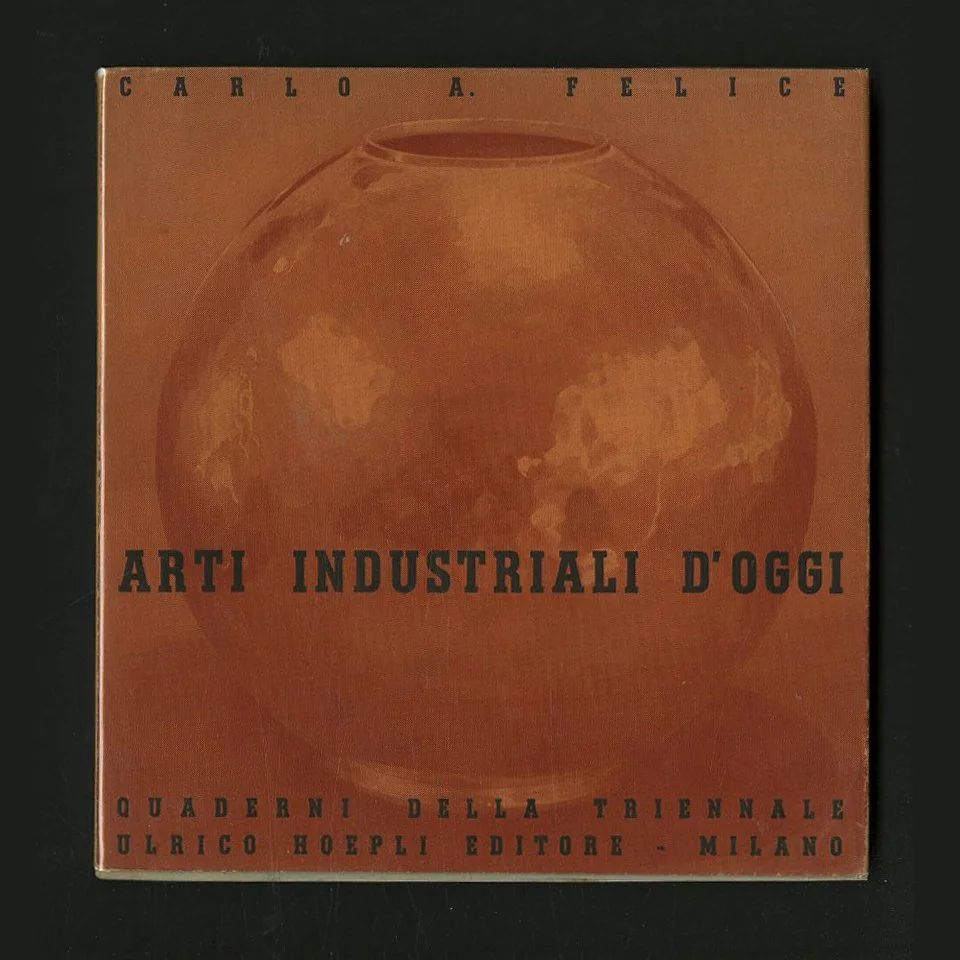 Image 1 of 13
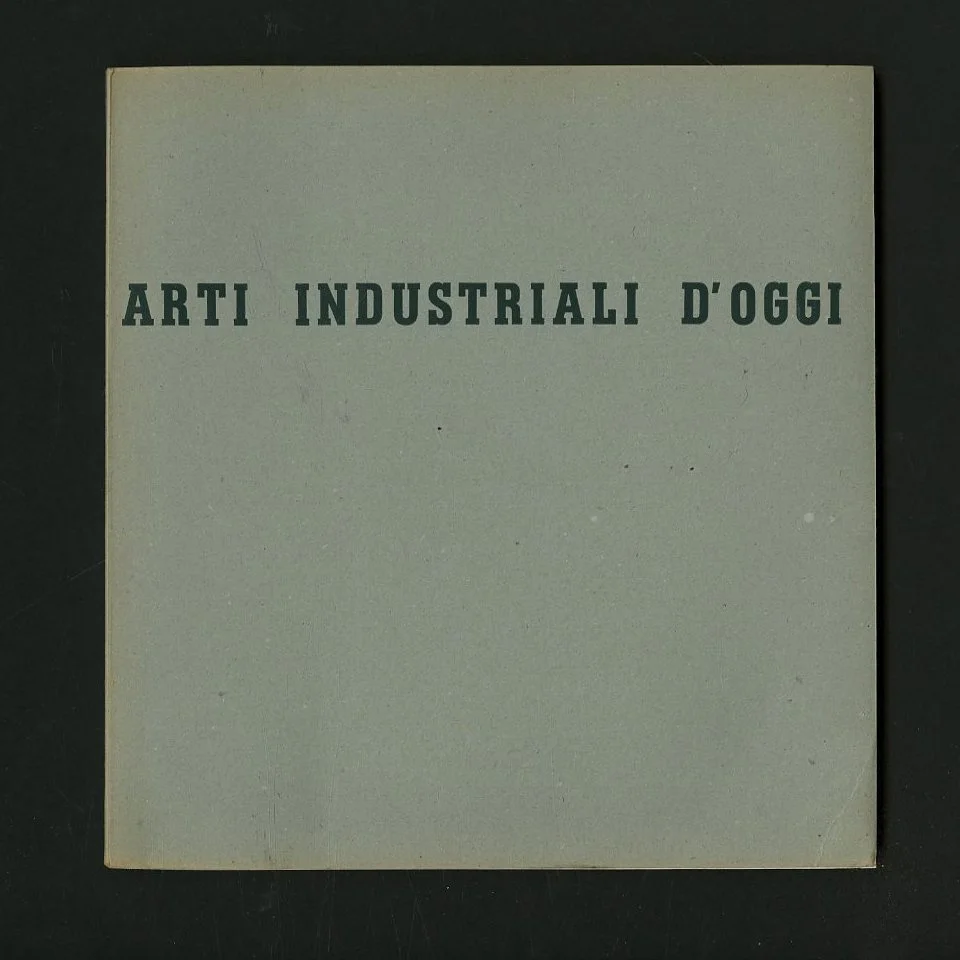 Image 2 of 13
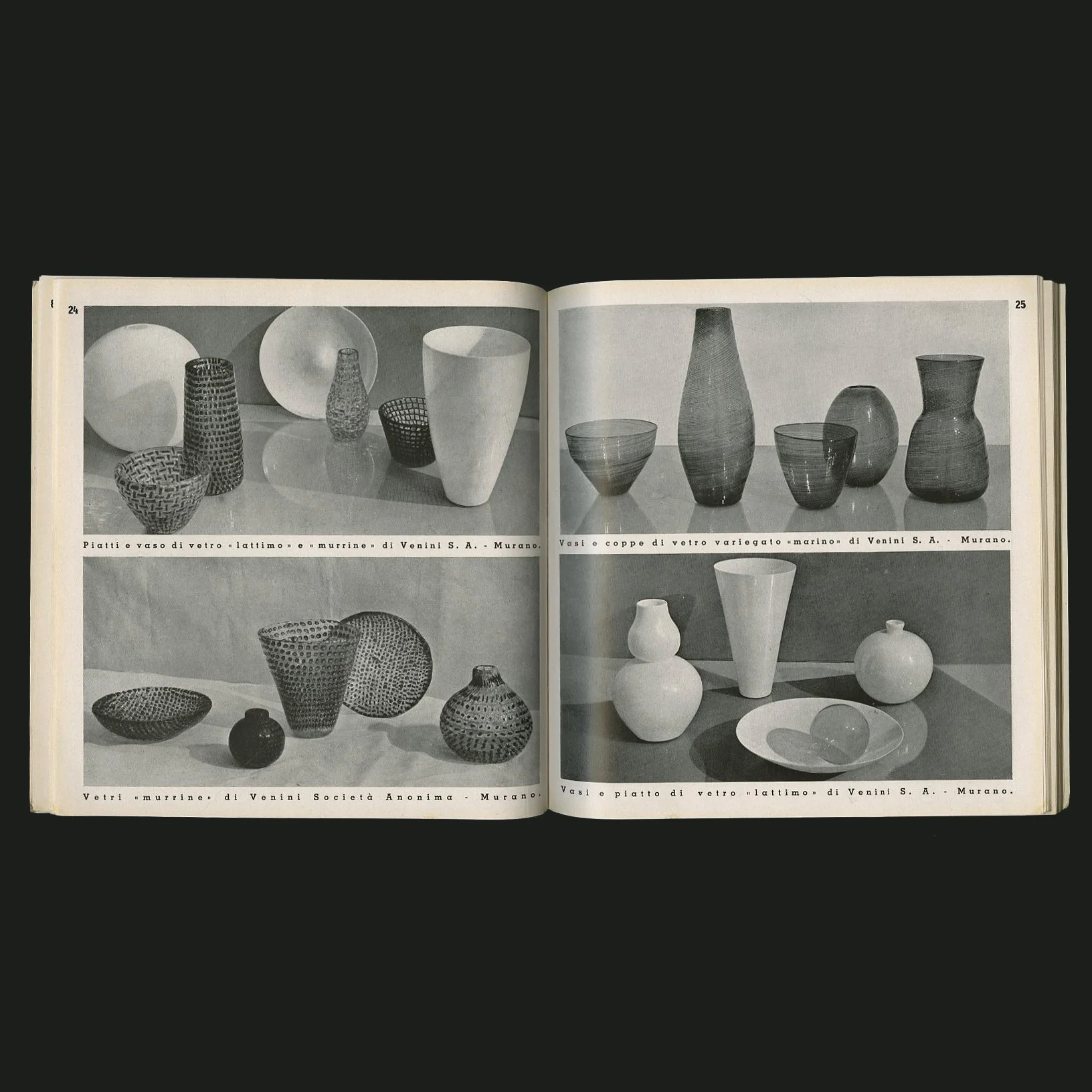 Image 3 of 13
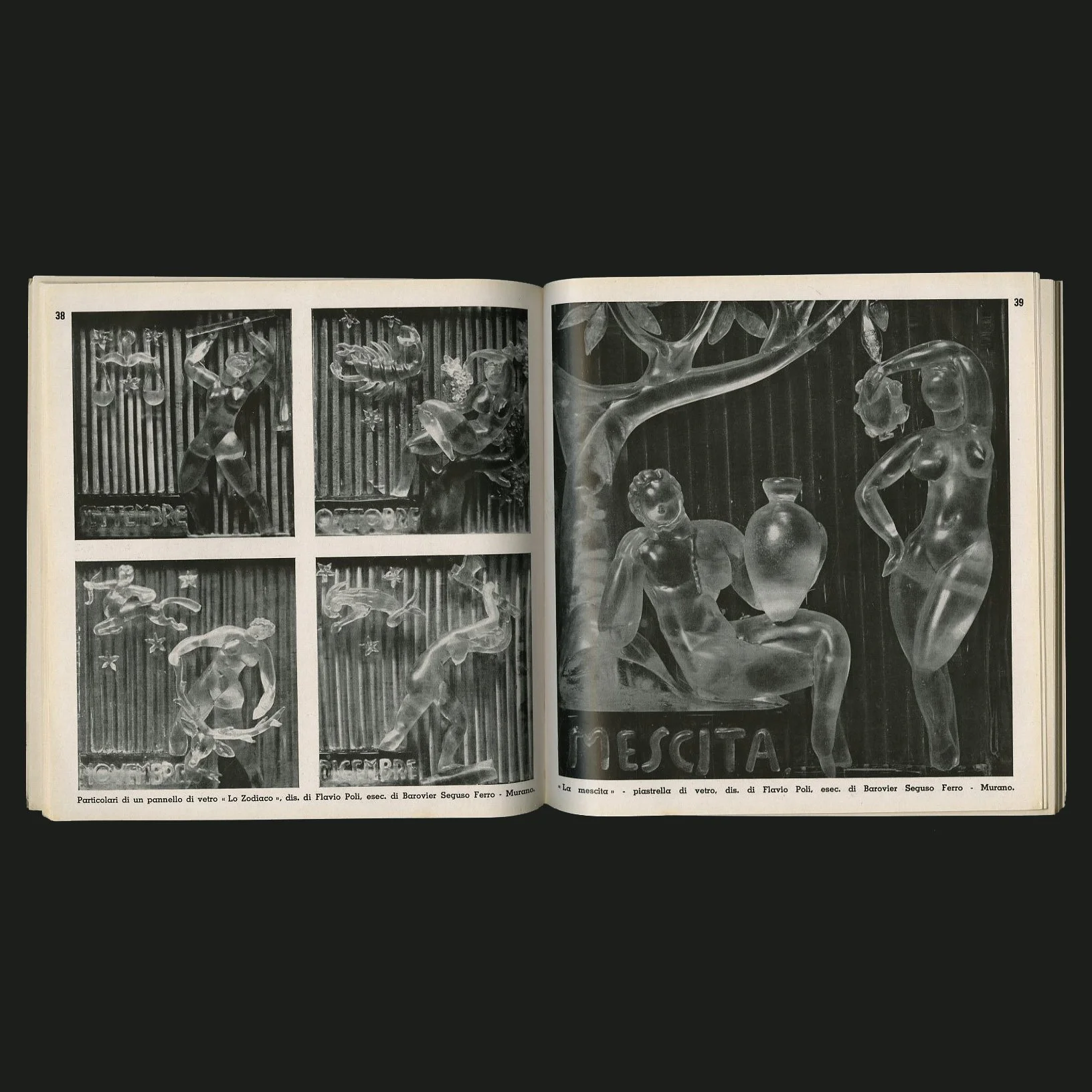 Image 4 of 13
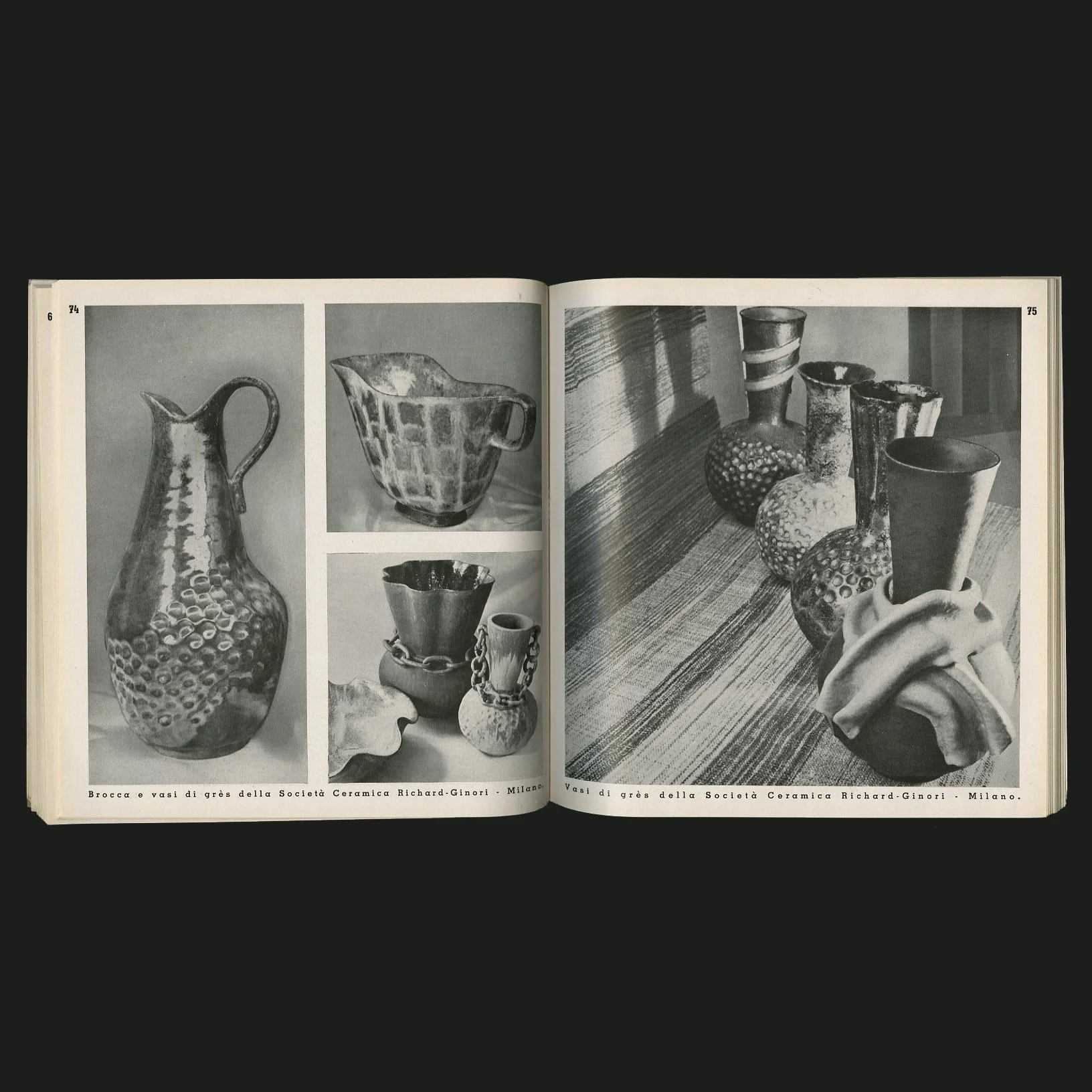 Image 5 of 13
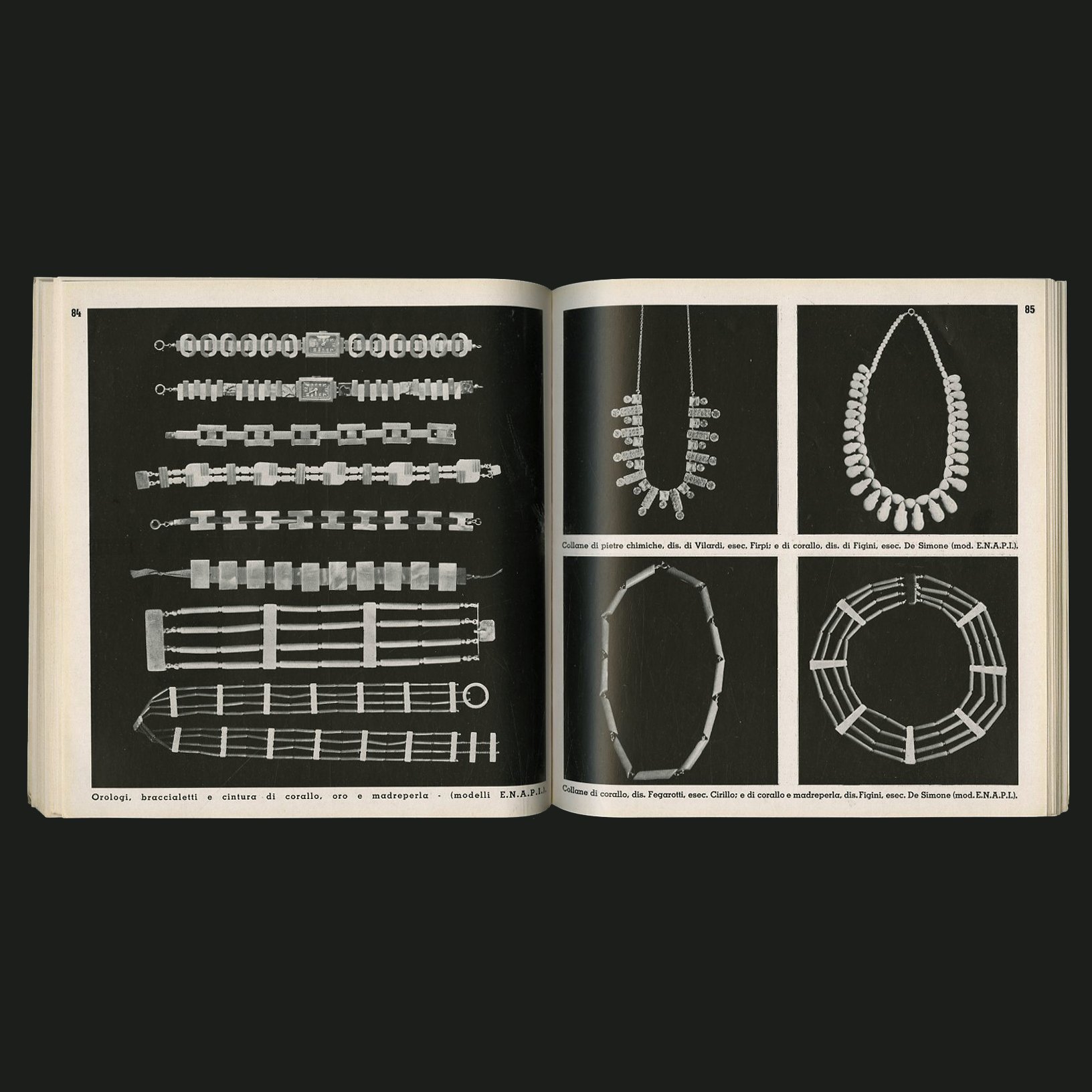 Image 6 of 13
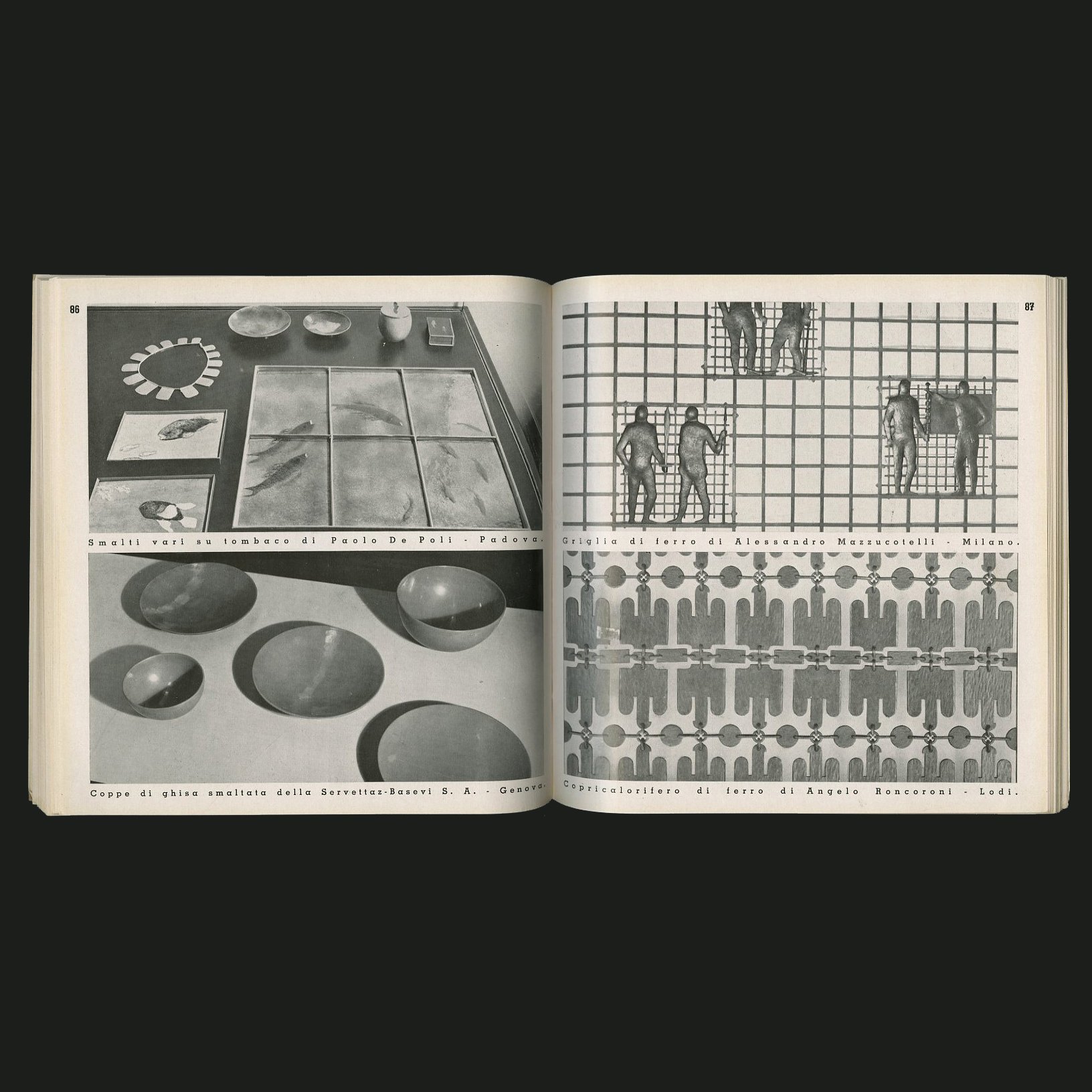 Image 7 of 13
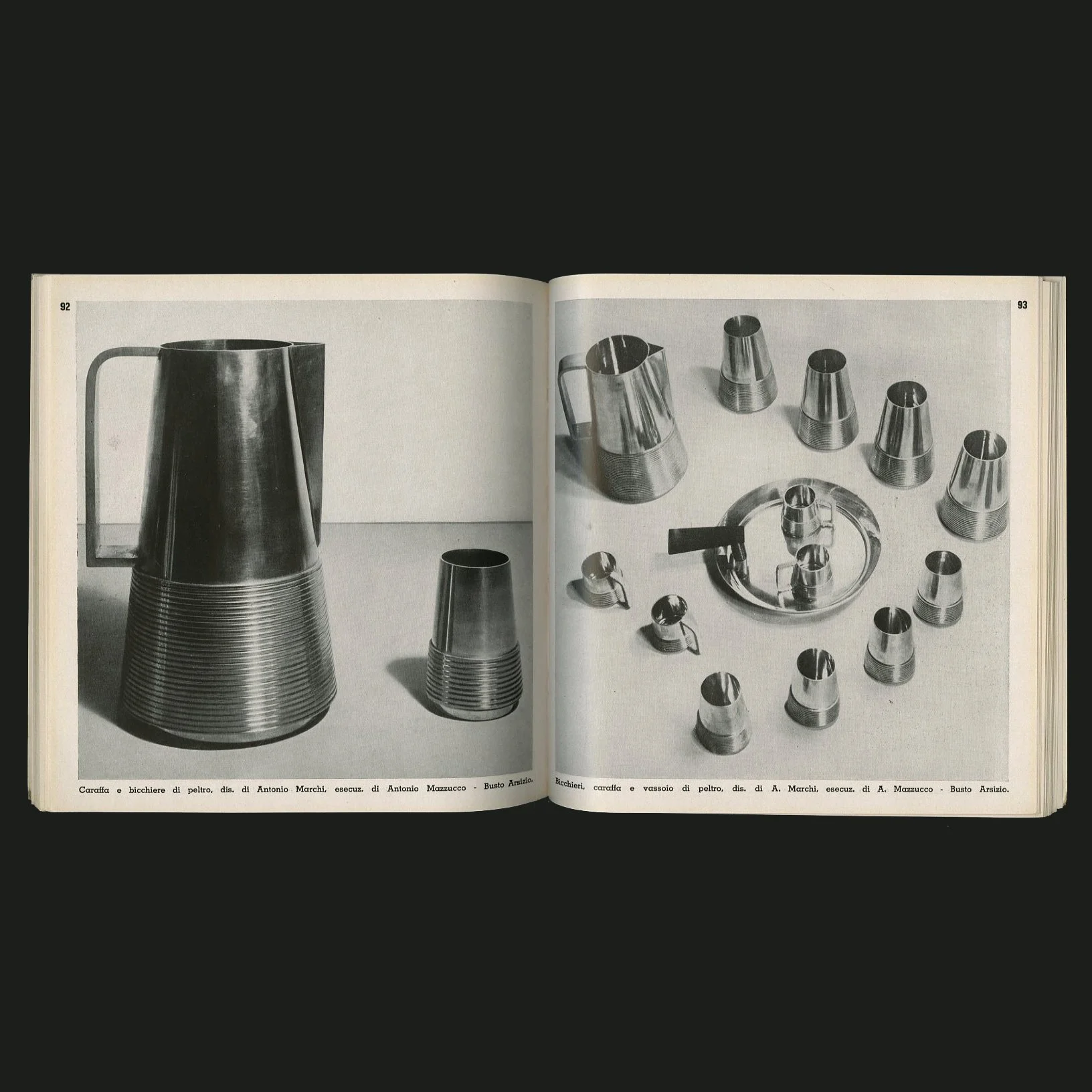 Image 8 of 13
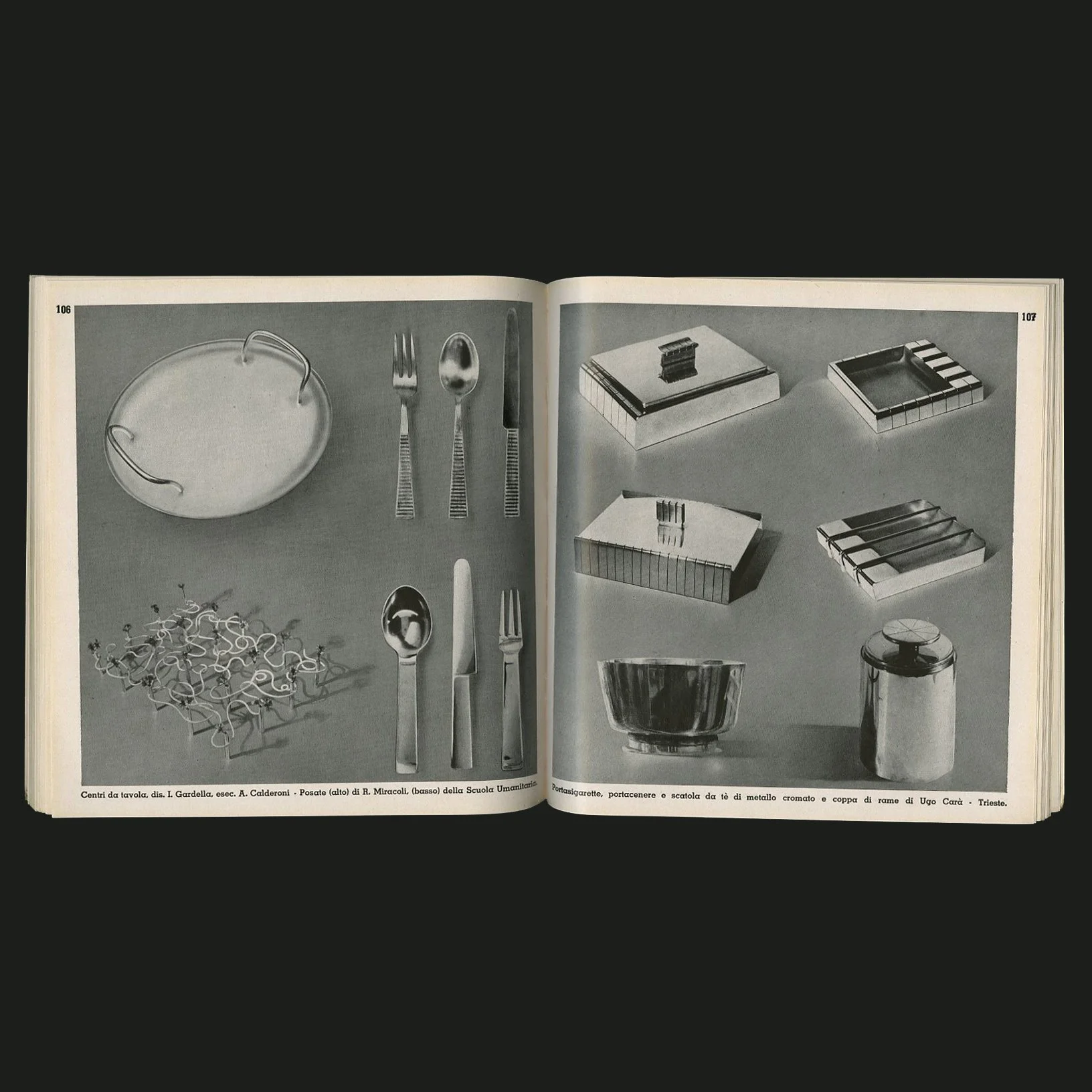 Image 9 of 13
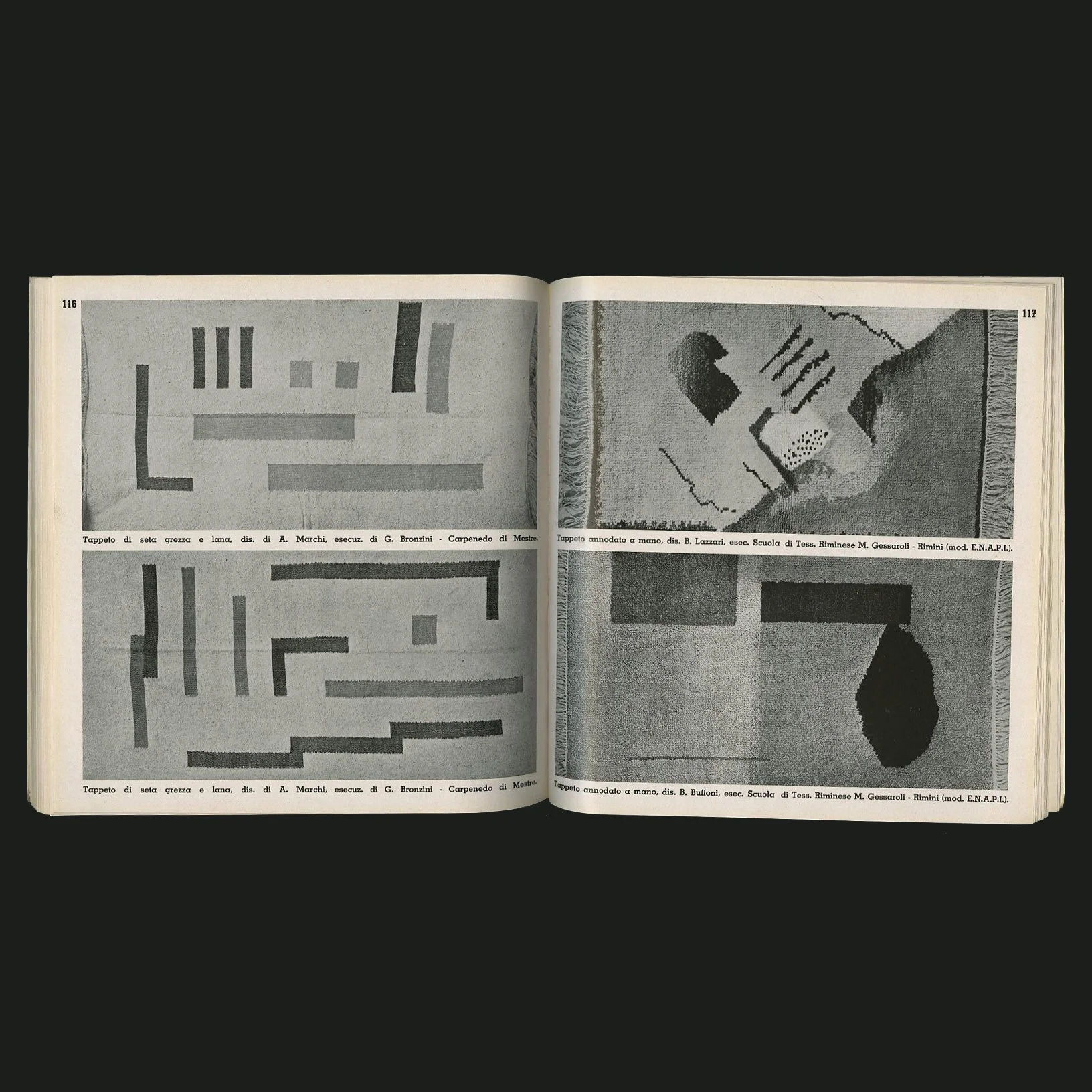 Image 10 of 13
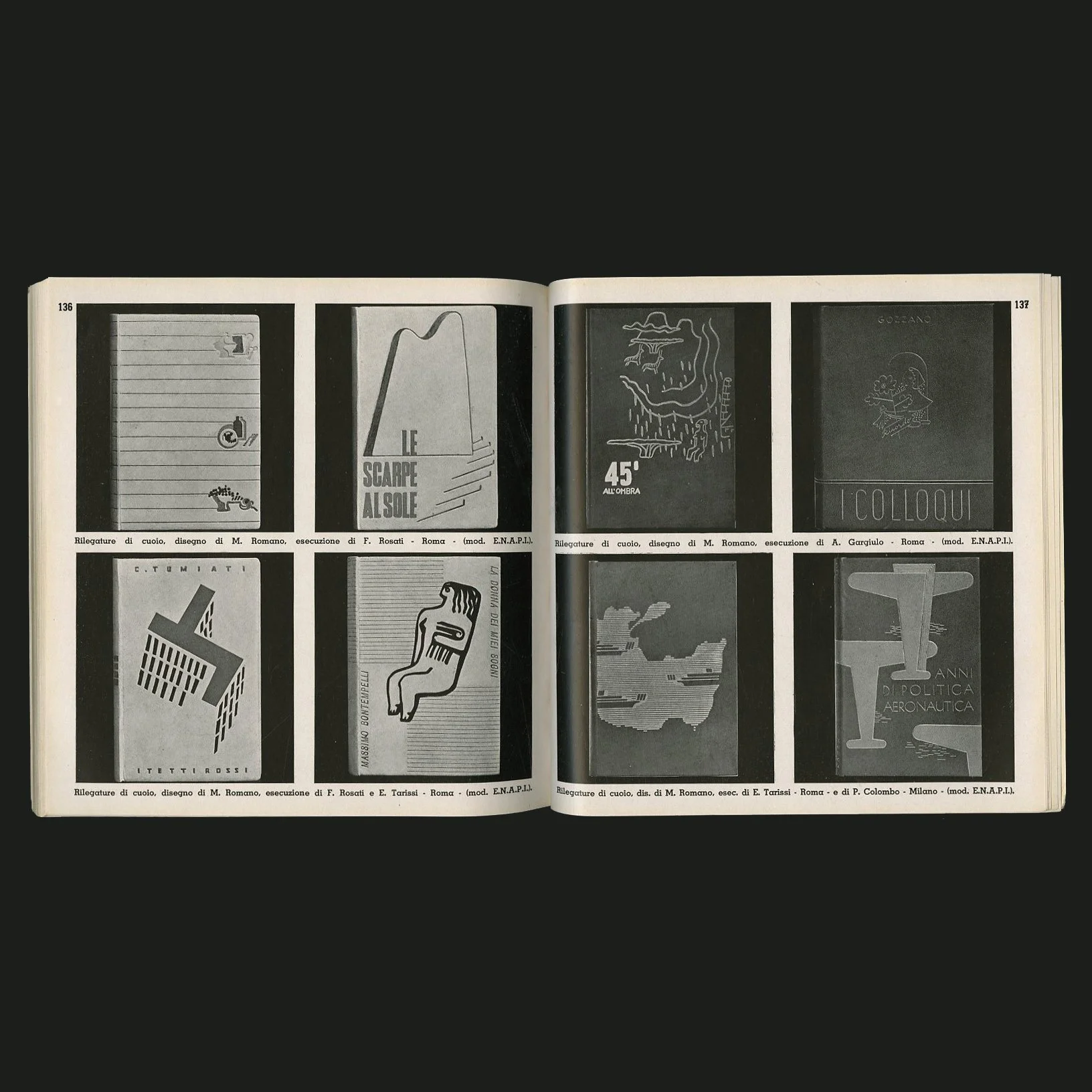 Image 11 of 13
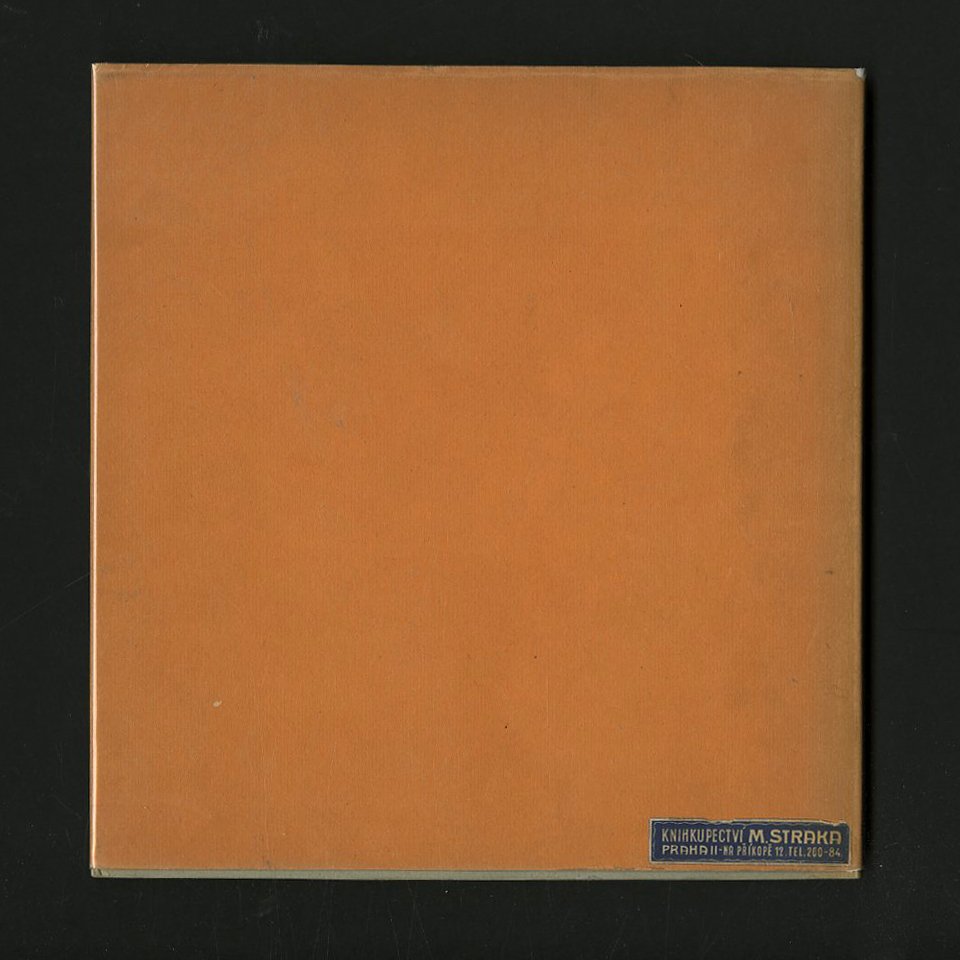 Image 12 of 13
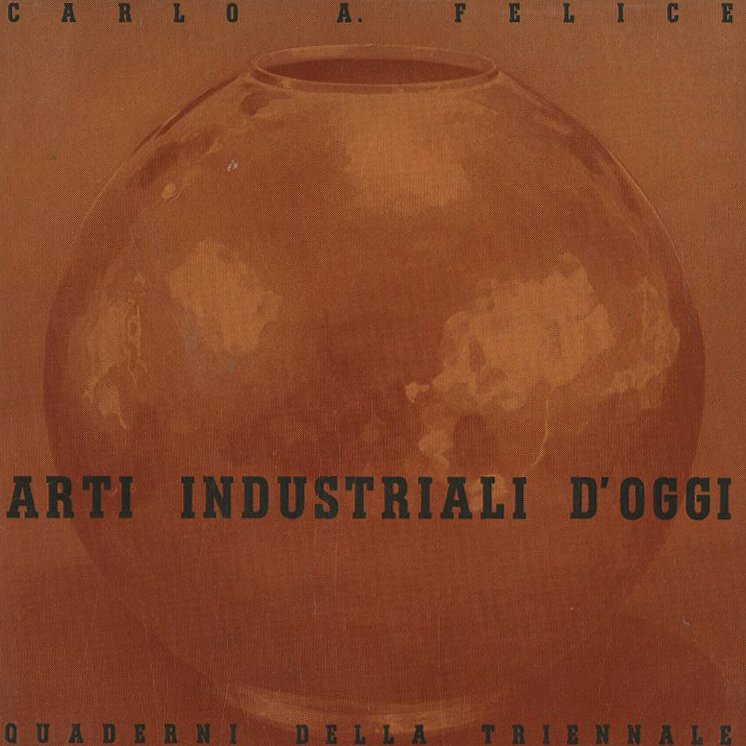 Image 13 of 13