The Architectural Review
A Magazine of Architecture and Decoration
November 1937
J. M. Richards [Editor]
London: The Architectural Press, Vol. LXXXII No. 492, November 1937. Original edition. Folio. Perfect bound and stitched printed wrappers. 58 [lxxxvii] pp. Illustrated articles and period trade advertisements. Wrappers edgeworn with spine chipping, soiling and skinning to both panels. A couple of late advertisements clipped, otherwise textblock clean and bright. A good example of a rare suvivor.
11 x 14-inch magazine with 144 pages of illustrated articles and period trade advertisements. The Architectural Review’s generous size refused to simply be tucked under your arm and read while commuting, instead it demands to be read while perhaps relaxing in a Model B3 chair away from your desk. The bold text commands your attention—but there isn’t too much of it—while the cover illustrations were relevant to the content inside—and thus gave a teasing glimpse into the world of Modernist Architecture. Visually the Review positioned itself as a periodical that made statements so you wanted to keep on your fitted bookcase (or perhaps in your Penguin Book Donkey) so that you can refer back to this bible of good taste in the future.
CONTENTS:
BLACK AND WHITE by J. M. Richards.
ZOO AT DUDLEY, WORCESTERSHIRE Tecton, Architect. The 12 listed Lubetkin-designed concrete structures at Dudley Zoo, built between 1936 and 1937, are the greatest collection of surviving Tecton buildings in the world and some of the most important modern movement buildings in the UK.
A SURREY HOUSE IN AN OLD PARK E. Maxwell Fry, Architect.
THE DESERT HIGHWAY by Edgar Meredith.
CURRENT ARCHITECTURE :
1. Barrie House, Lancaster Gate. Howard Leicester and Partners, Architects.
2. Additions to Macvittie, Guest & Co.'s Store in Edinburgh. Cairns & Ford, Architects
3. Kingston Telephone Exchange. John H. Markham, Architect.
PICTURES VERSUS PROSPECTS. By Christopher Tunnard
REDLEAF GARDENS, PENSHURST.
THE GARDEN SEAT
RELICS OF A NEGRO KINGDOM. by Mabel Steedman
BOOKS
"The Early Architecture of Western Pennsylvania." by Charles Morse Stotz. Reviewed by R. Furneaux Jordan.
THE ARCHITECTURAL REVIEW SUPPLEMENT—DECORATION. :
SAVOY RESTAURANT, HELSING- FORS. Alvar Aalto, Architect
A NEW METHOD OF CINEMA LIGHTING. by Eugene Mollo
VARIATIONS ON A FAMILIAR
MARGINALIA: Includes notice of Moholy-Nagy opening the New Bauhaus in Chicago and illustrated with the front and back cover of Moholy’s prospectus; and a spirited spat between Wesleyen’s Henry-Russell Hitchcock and Taliesin’s John E. Lautner, Jr. as they exchange their viewpoints over Frank Lloyd Wright being discussed in the past tense in a July Review article!
THEME: WINDSOR CHAIRS OF THE REGENCY PERIOD. by J. D. U. Ward.
The Architectural Review was founded as a monthly magazine, the Architectural Review for the Artist and Craftsman, in 1896 by Percy Hastings, owner of the Architectural Press. In 1927 his third son, Hubert de Cronin Hastings, became joint editor (with Christian Berman) of both the Architectural Review and the Architects' Journal, a weekly. Together they made substantial changes to the aims and style of the review, which became a general arts magazine with an architectural emphasis. Contributors from other artistic fields were brought in, among them Hilaire Belloc, Robert Byron, Cyril Connolly, D.H. Lawrence, Paul Nash, Nikolaus Pevsner, P. Morton Shand, Osbert and Sacheverell Sitwell, and Evelyn Waugh. John Betjeman was an assistant editor from 1930 to 1934. The editorial board included Pevsner, Hugh Casson, Osbert Lancaster and James Maude Richards. The design of the review was innovative, with bold use of layout, typefaces and photographs; graphic elements were commissioned from Eric Gill and Edward Bawden. The articles on European Modernist architecture by P. Morton Shand published from July 1934 were among the earliest in Britain on the subject. By about 1935 the magazine had acquired a leading position in the discourse surrounding Modernism. The journal was influential after the Second World War in raising awareness of "townscape" (urban design), partly through regular articles by assistant editor Gordon Cullen, author of several books on the subject.
The Architectural Review
A Magazine of Architecture and Decoration
November 1937
J. M. Richards [Editor]
London: The Architectural Press, Vol. LXXXII No. 492, November 1937. Original edition. Folio. Perfect bound and stitched printed wrappers. 58 [lxxxvii] pp. Illustrated articles and period trade advertisements. Wrappers edgeworn with spine chipping, soiling and skinning to both panels. A couple of late advertisements clipped, otherwise textblock clean and bright. A good example of a rare suvivor.
11 x 14-inch magazine with 144 pages of illustrated articles and period trade advertisements. The Architectural Review’s generous size refused to simply be tucked under your arm and read while commuting, instead it demands to be read while perhaps relaxing in a Model B3 chair away from your desk. The bold text commands your attention—but there isn’t too much of it—while the cover illustrations were relevant to the content inside—and thus gave a teasing glimpse into the world of Modernist Architecture. Visually the Review positioned itself as a periodical that made statements so you wanted to keep on your fitted bookcase (or perhaps in your Penguin Book Donkey) so that you can refer back to this bible of good taste in the future.
CONTENTS:
BLACK AND WHITE by J. M. Richards.
ZOO AT DUDLEY, WORCESTERSHIRE Tecton, Architect. The 12 listed Lubetkin-designed concrete structures at Dudley Zoo, built between 1936 and 1937, are the greatest collection of surviving Tecton buildings in the world and some of the most important modern movement buildings in the UK.
A SURREY HOUSE IN AN OLD PARK E. Maxwell Fry, Architect.
THE DESERT HIGHWAY by Edgar Meredith.
CURRENT ARCHITECTURE :
1. Barrie House, Lancaster Gate. Howard Leicester and Partners, Architects.
2. Additions to Macvittie, Guest & Co.'s Store in Edinburgh. Cairns & Ford, Architects
3. Kingston Telephone Exchange. John H. Markham, Architect.
PICTURES VERSUS PROSPECTS. By Christopher Tunnard
REDLEAF GARDENS, PENSHURST.
THE GARDEN SEAT
RELICS OF A NEGRO KINGDOM. by Mabel Steedman
BOOKS
"The Early Architecture of Western Pennsylvania." by Charles Morse Stotz. Reviewed by R. Furneaux Jordan.
THE ARCHITECTURAL REVIEW SUPPLEMENT—DECORATION. :
SAVOY RESTAURANT, HELSING- FORS. Alvar Aalto, Architect
A NEW METHOD OF CINEMA LIGHTING. by Eugene Mollo
VARIATIONS ON A FAMILIAR
MARGINALIA: Includes notice of Moholy-Nagy opening the New Bauhaus in Chicago and illustrated with the front and back cover of Moholy’s prospectus; and a spirited spat between Wesleyen’s Henry-Russell Hitchcock and Taliesin’s John E. Lautner, Jr. as they exchange their viewpoints over Frank Lloyd Wright being discussed in the past tense in a July Review article!
THEME: WINDSOR CHAIRS OF THE REGENCY PERIOD. by J. D. U. Ward.
The Architectural Review was founded as a monthly magazine, the Architectural Review for the Artist and Craftsman, in 1896 by Percy Hastings, owner of the Architectural Press. In 1927 his third son, Hubert de Cronin Hastings, became joint editor (with Christian Berman) of both the Architectural Review and the Architects' Journal, a weekly. Together they made substantial changes to the aims and style of the review, which became a general arts magazine with an architectural emphasis. Contributors from other artistic fields were brought in, among them Hilaire Belloc, Robert Byron, Cyril Connolly, D.H. Lawrence, Paul Nash, Nikolaus Pevsner, P. Morton Shand, Osbert and Sacheverell Sitwell, and Evelyn Waugh. John Betjeman was an assistant editor from 1930 to 1934. The editorial board included Pevsner, Hugh Casson, Osbert Lancaster and James Maude Richards. The design of the review was innovative, with bold use of layout, typefaces and photographs; graphic elements were commissioned from Eric Gill and Edward Bawden. The articles on European Modernist architecture by P. Morton Shand published from July 1934 were among the earliest in Britain on the subject. By about 1935 the magazine had acquired a leading position in the discourse surrounding Modernism. The journal was influential after the Second World War in raising awareness of "townscape" (urban design), partly through regular articles by assistant editor Gordon Cullen, author of several books on the subject.

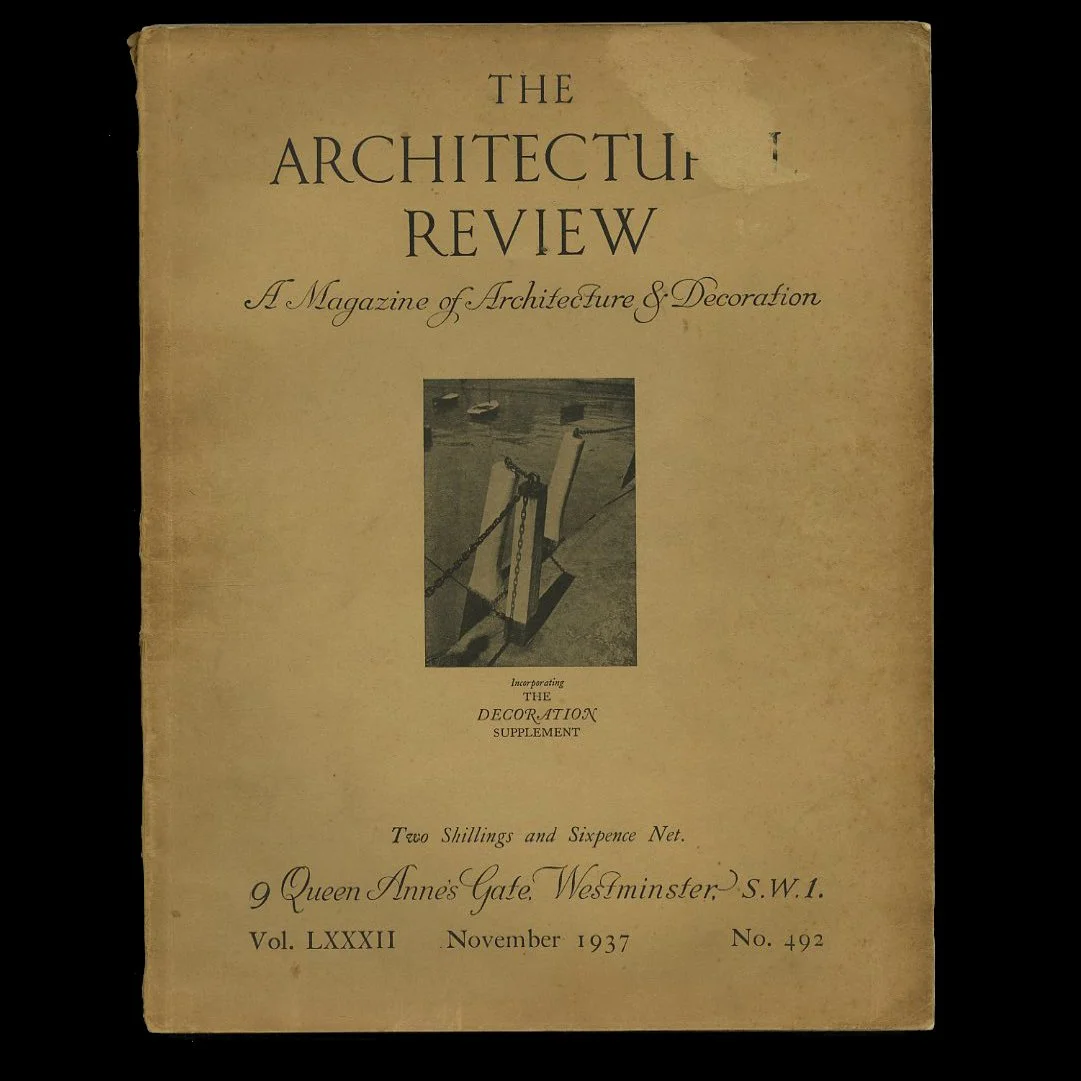 Image 1 of 18
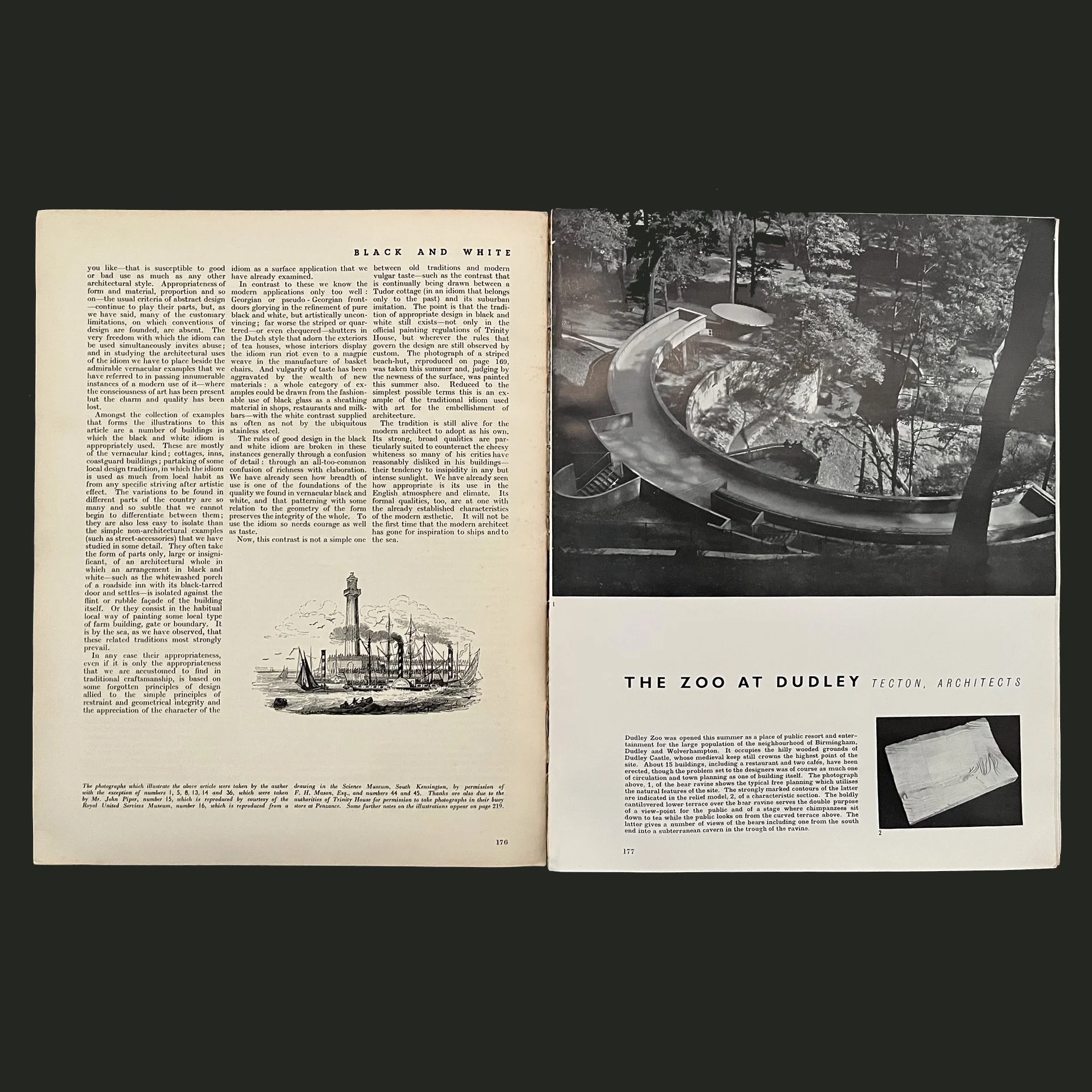 Image 2 of 18
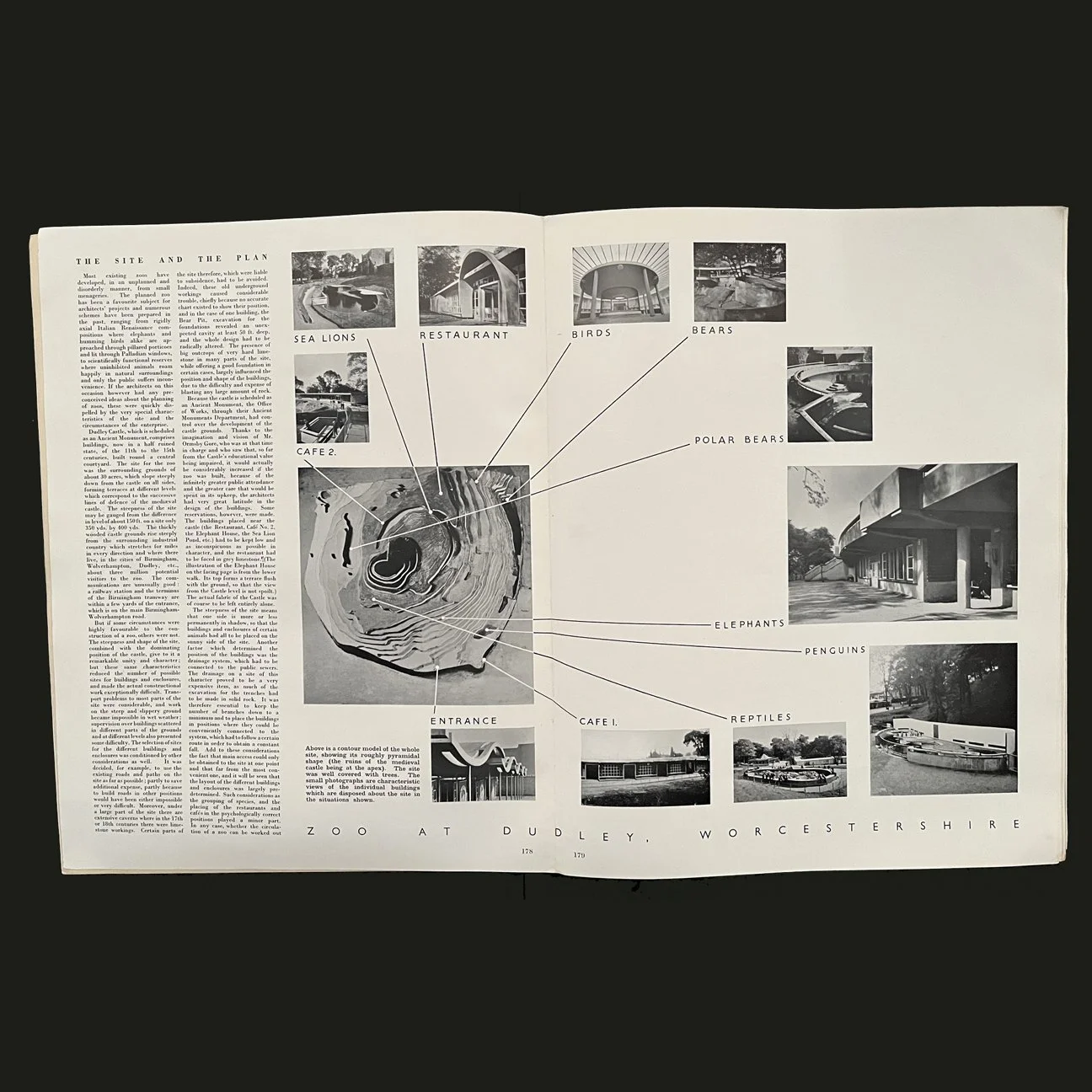 Image 3 of 18
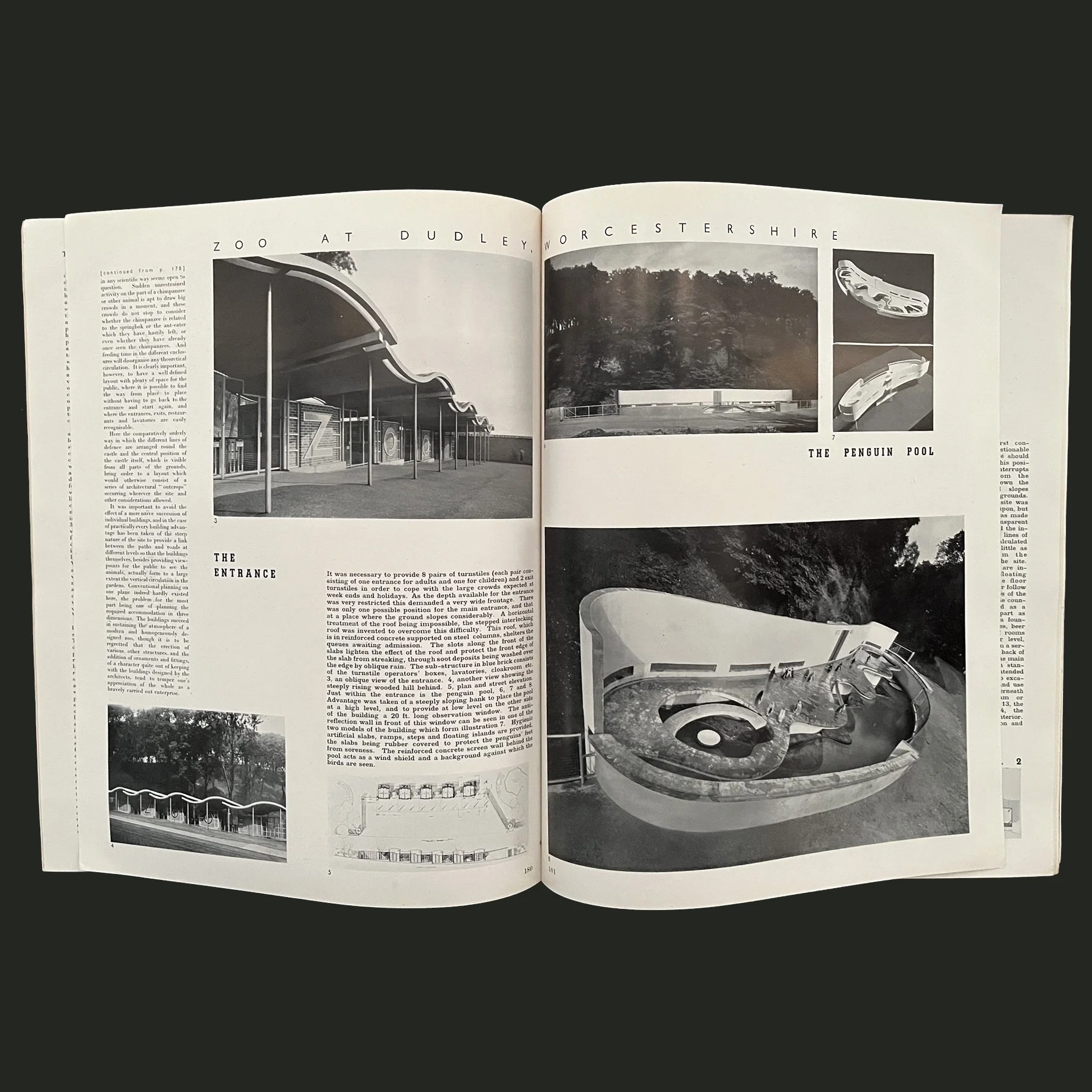 Image 4 of 18
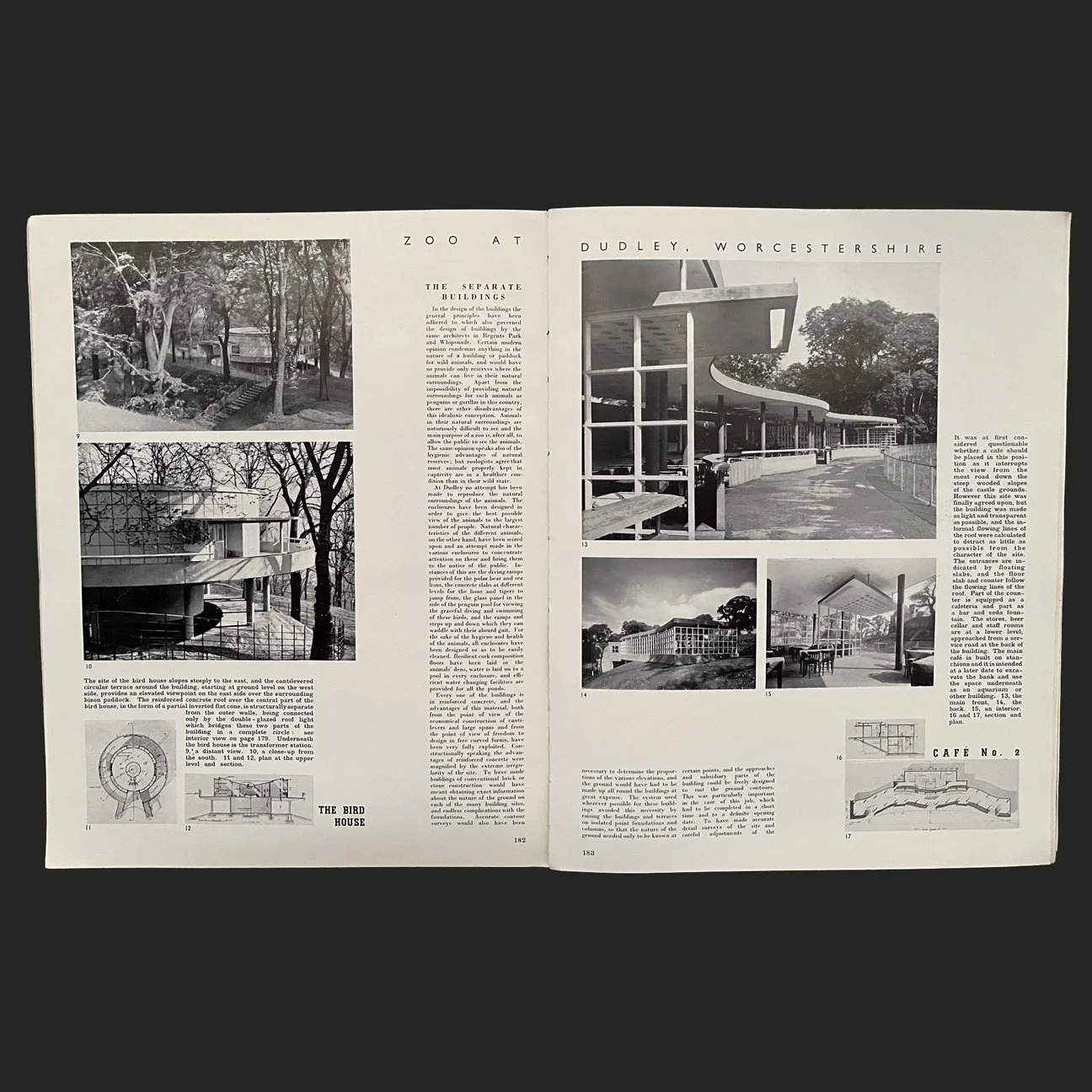 Image 5 of 18
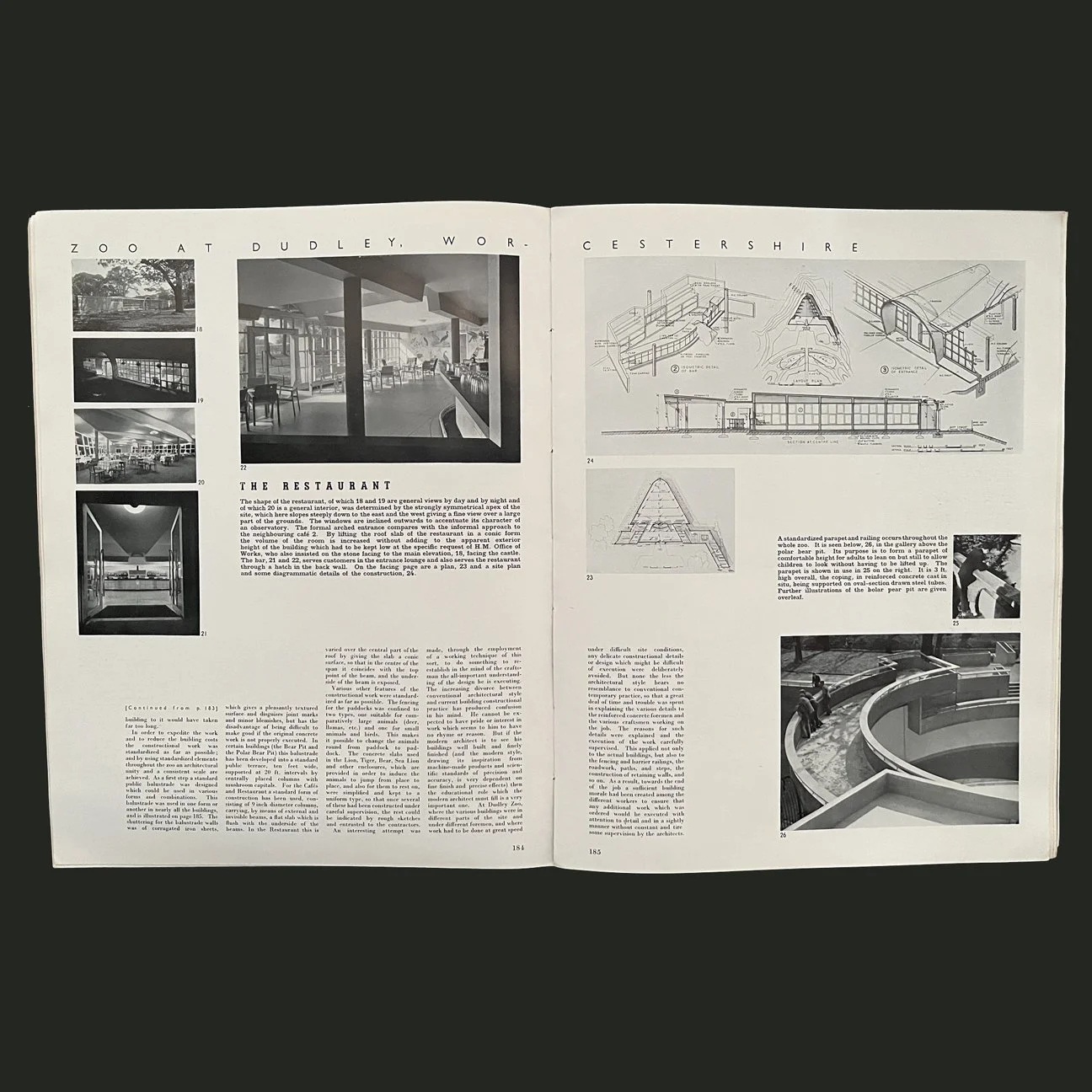 Image 6 of 18
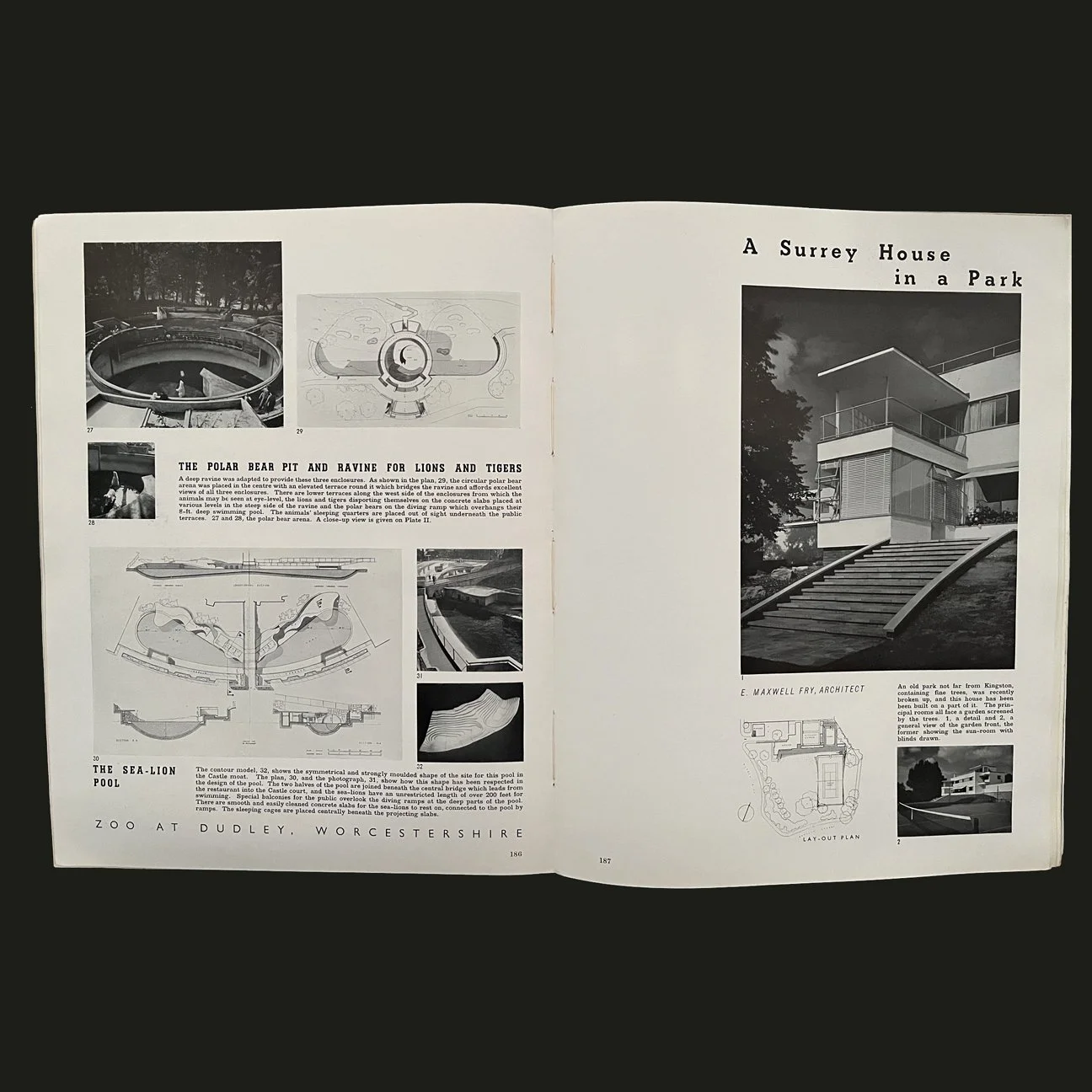 Image 7 of 18
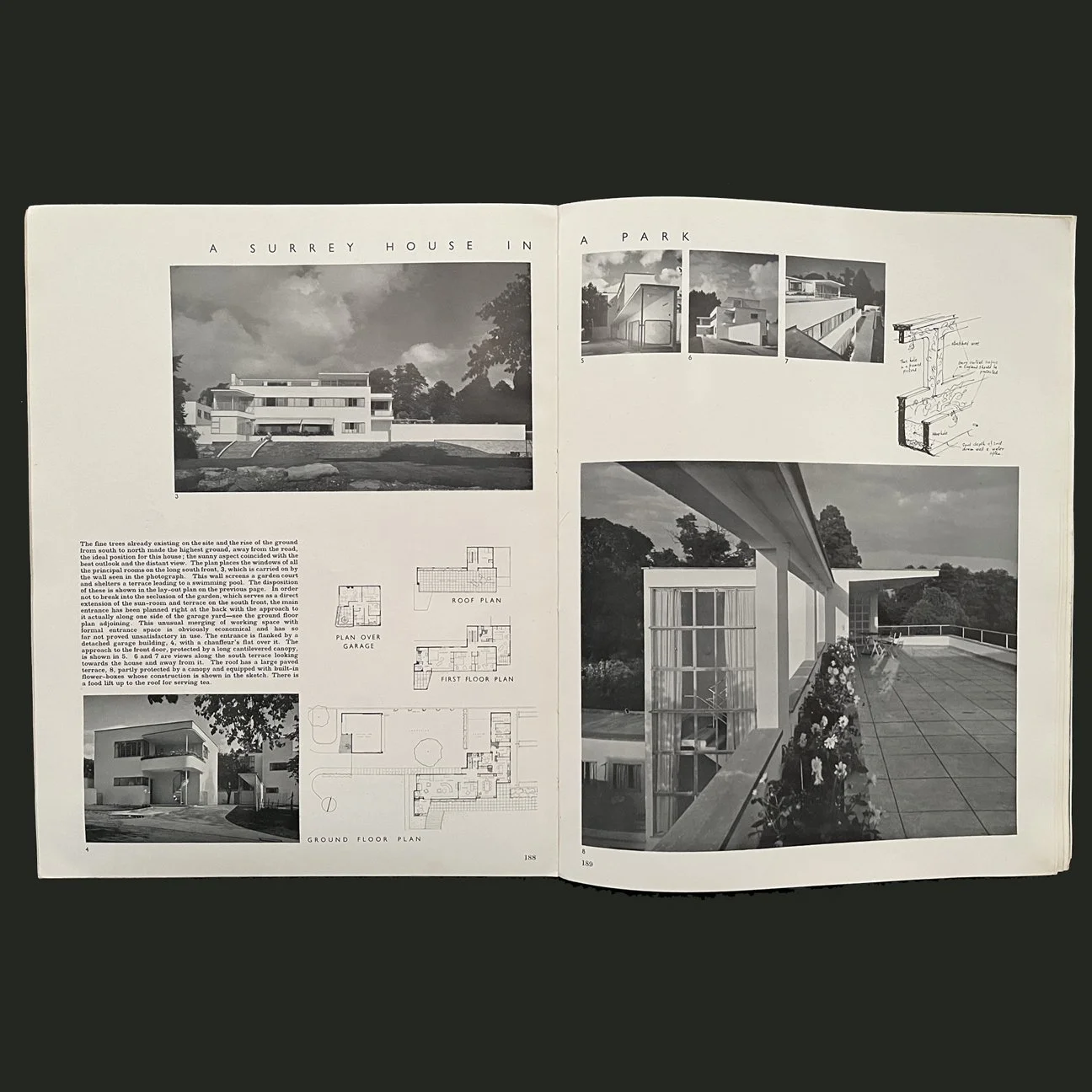 Image 8 of 18
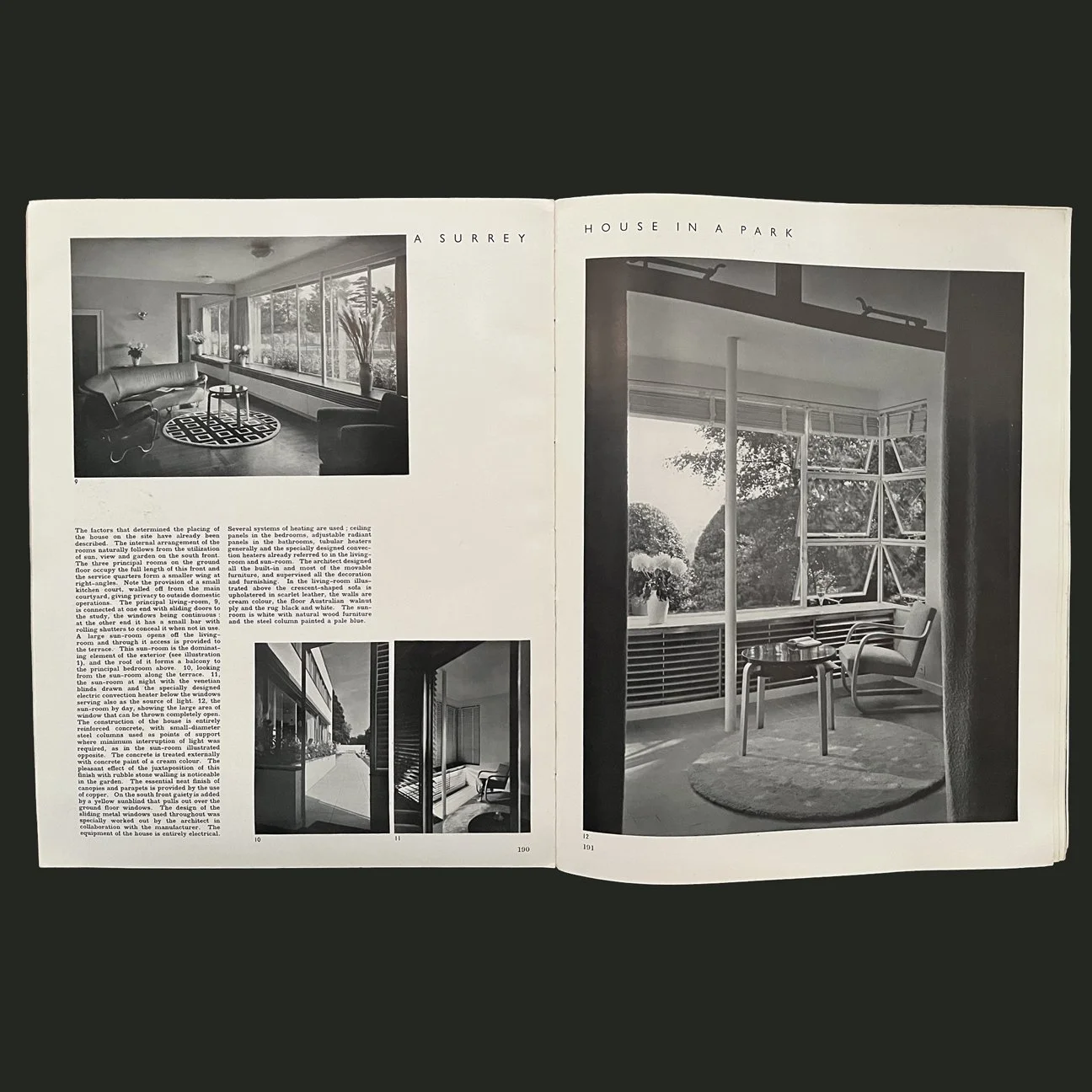 Image 9 of 18
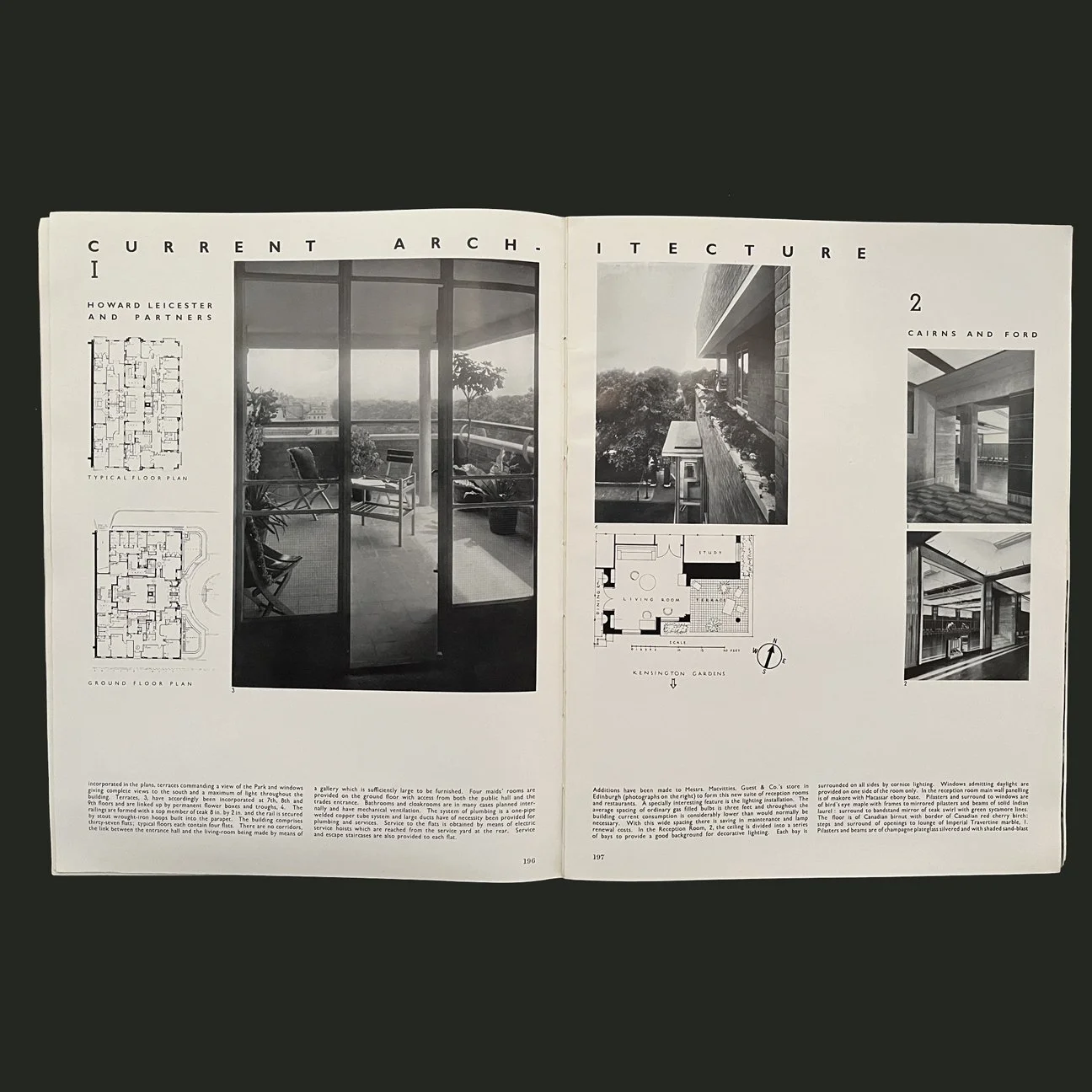 Image 10 of 18
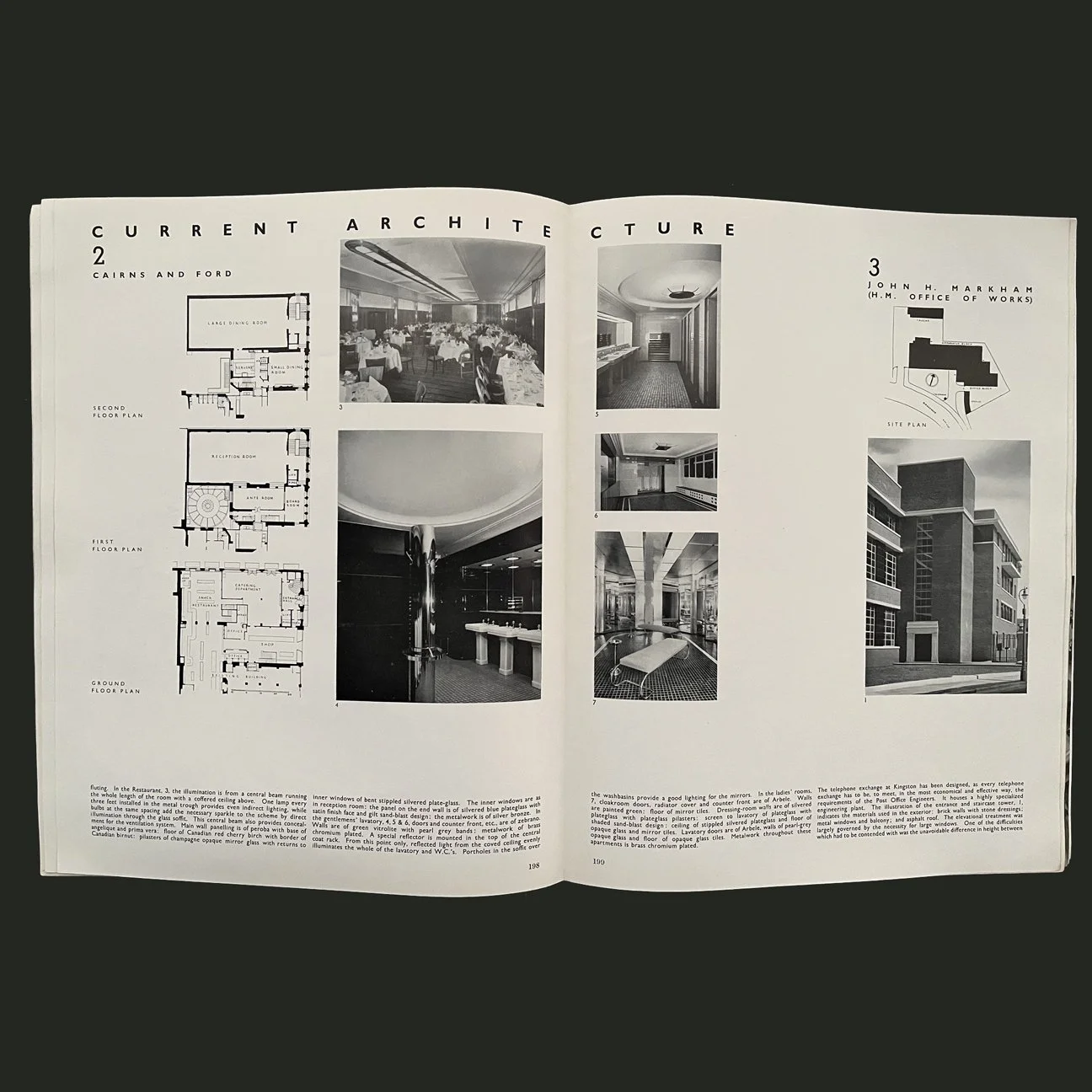 Image 11 of 18
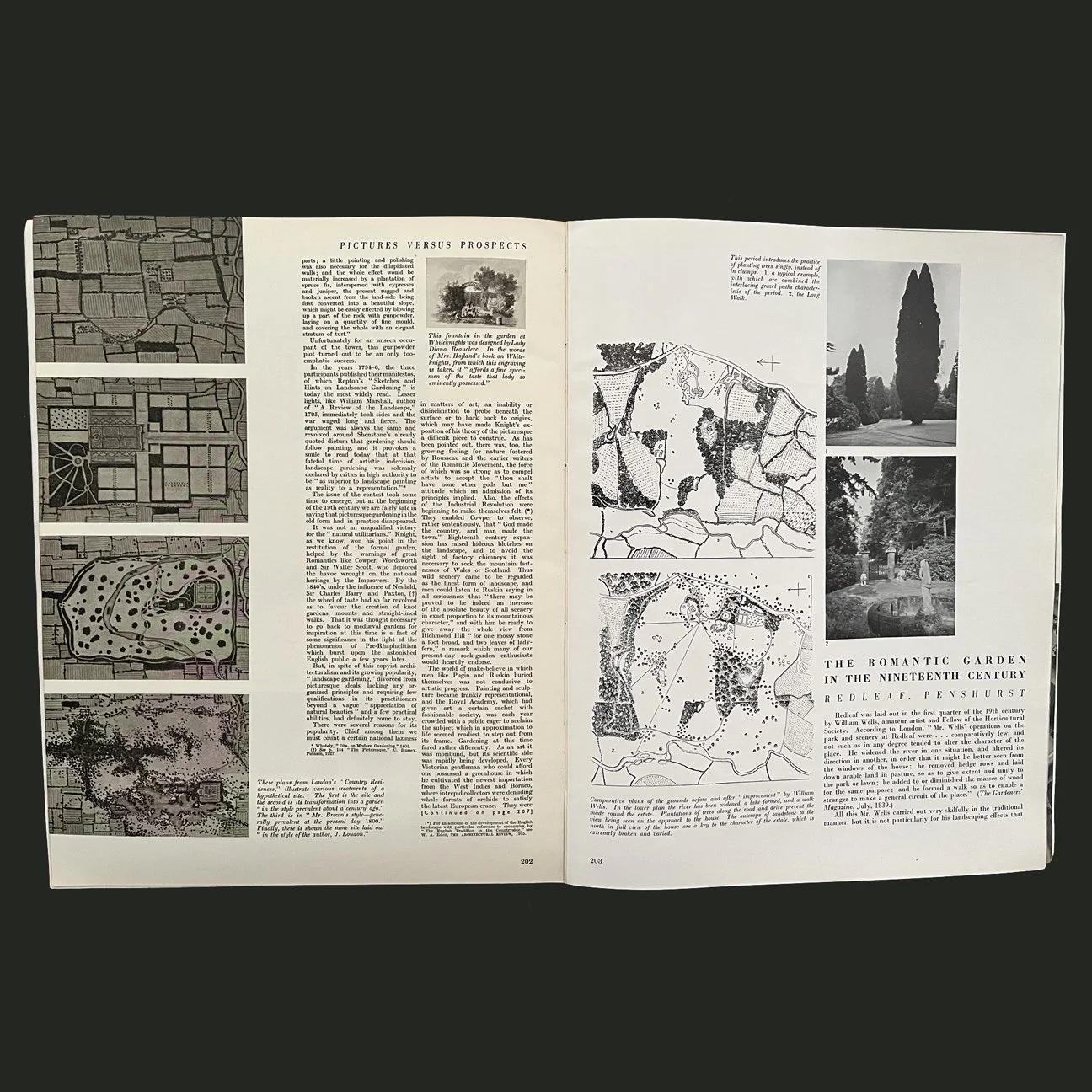 Image 12 of 18
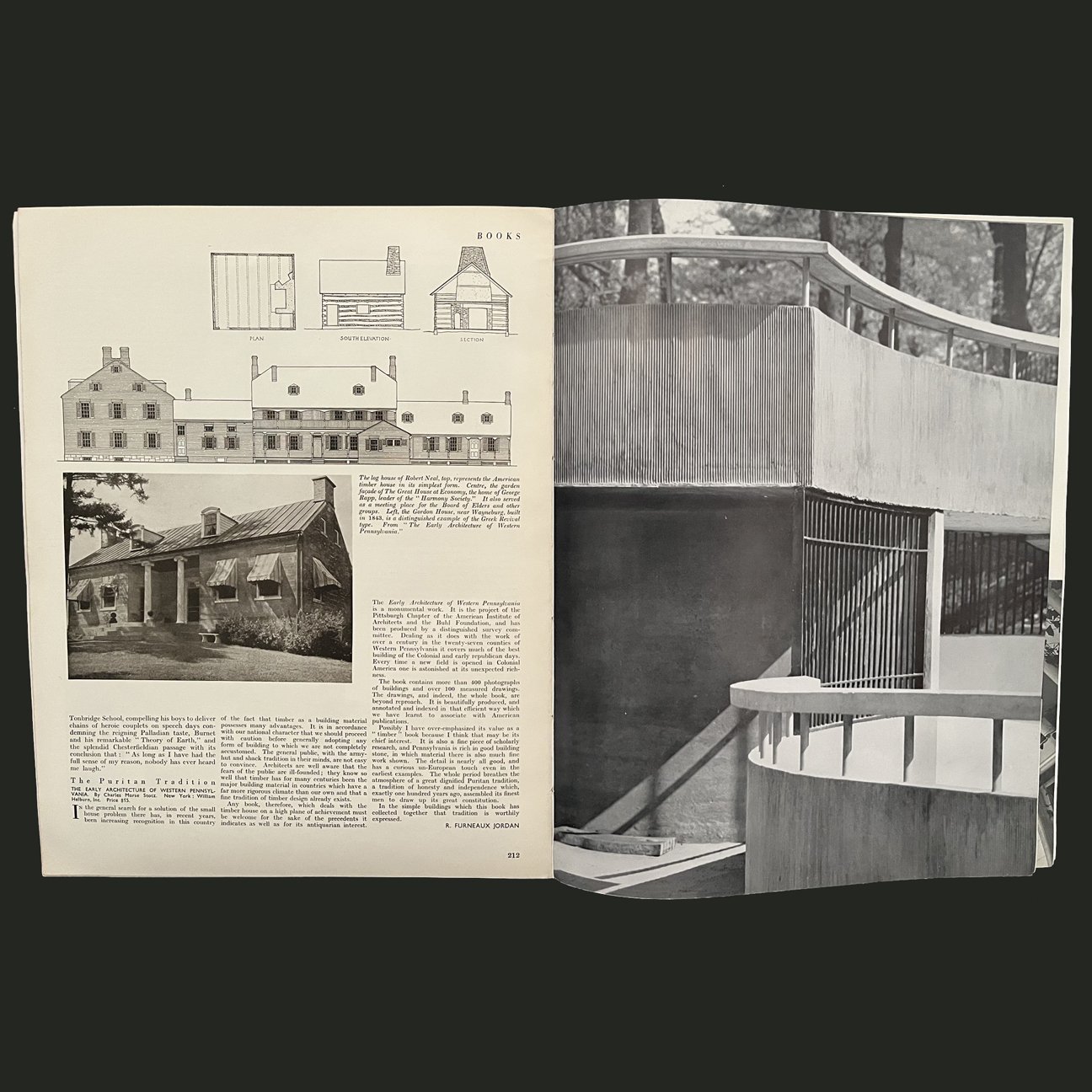 Image 13 of 18
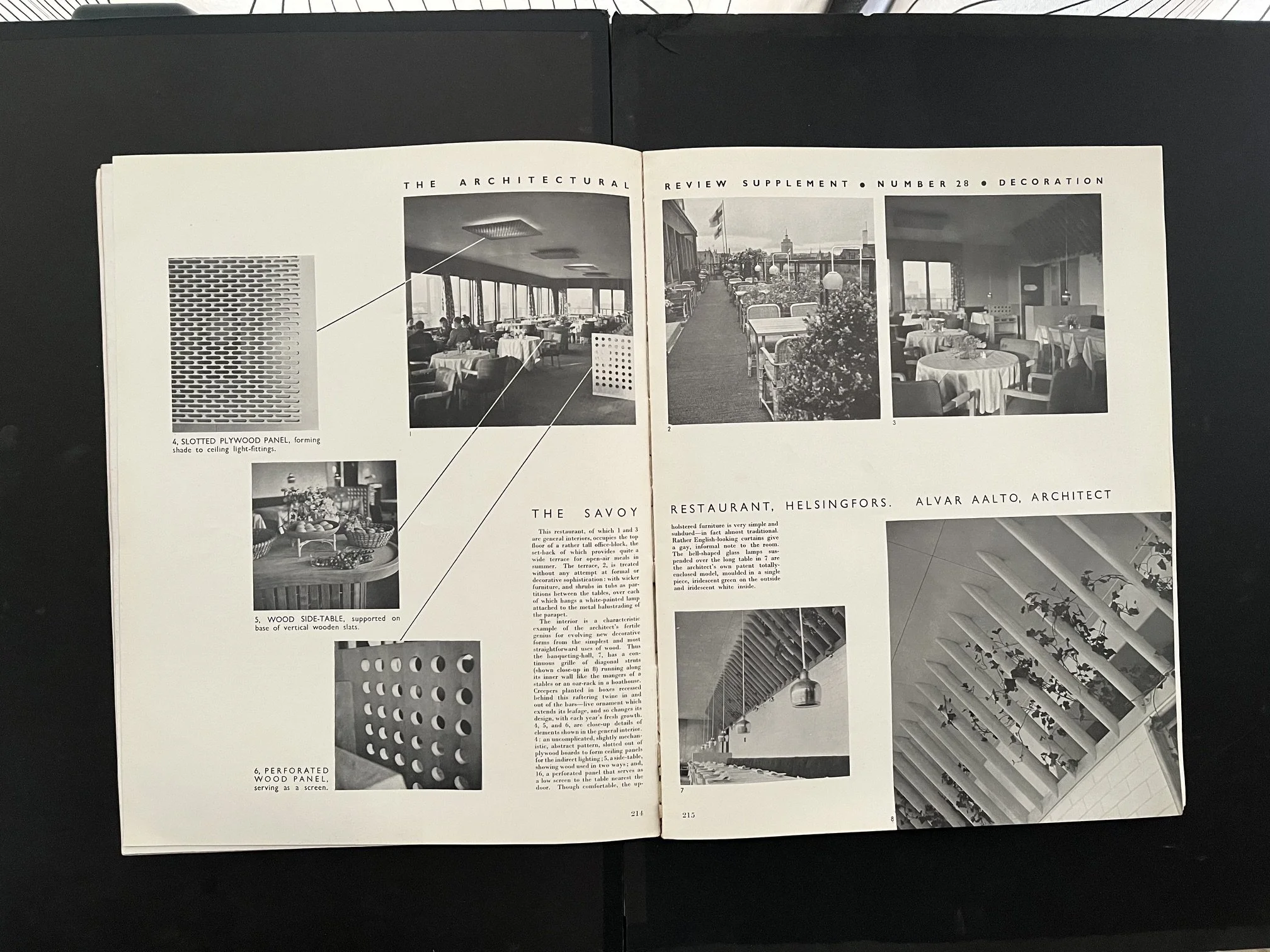 Image 14 of 18
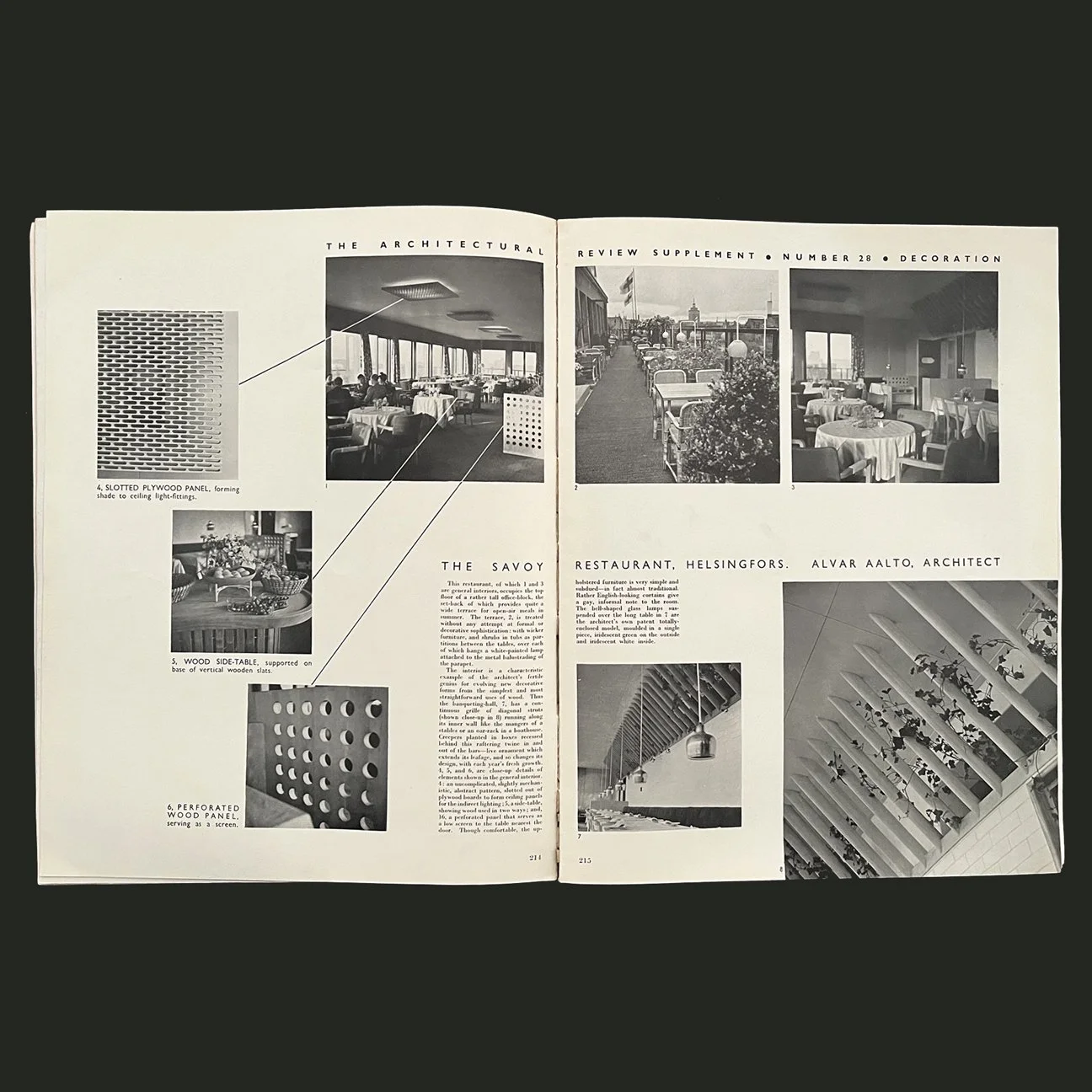 Image 15 of 18
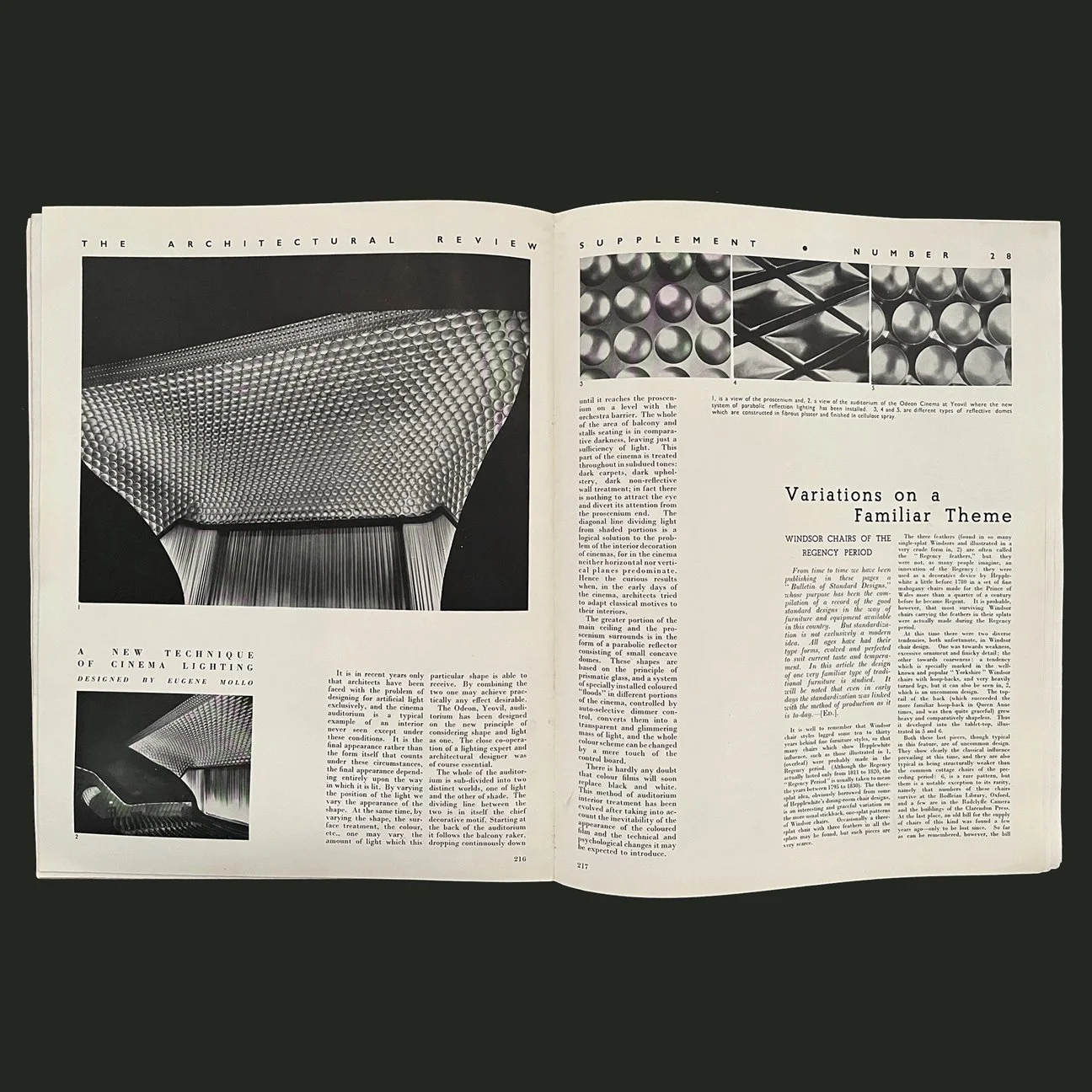 Image 16 of 18
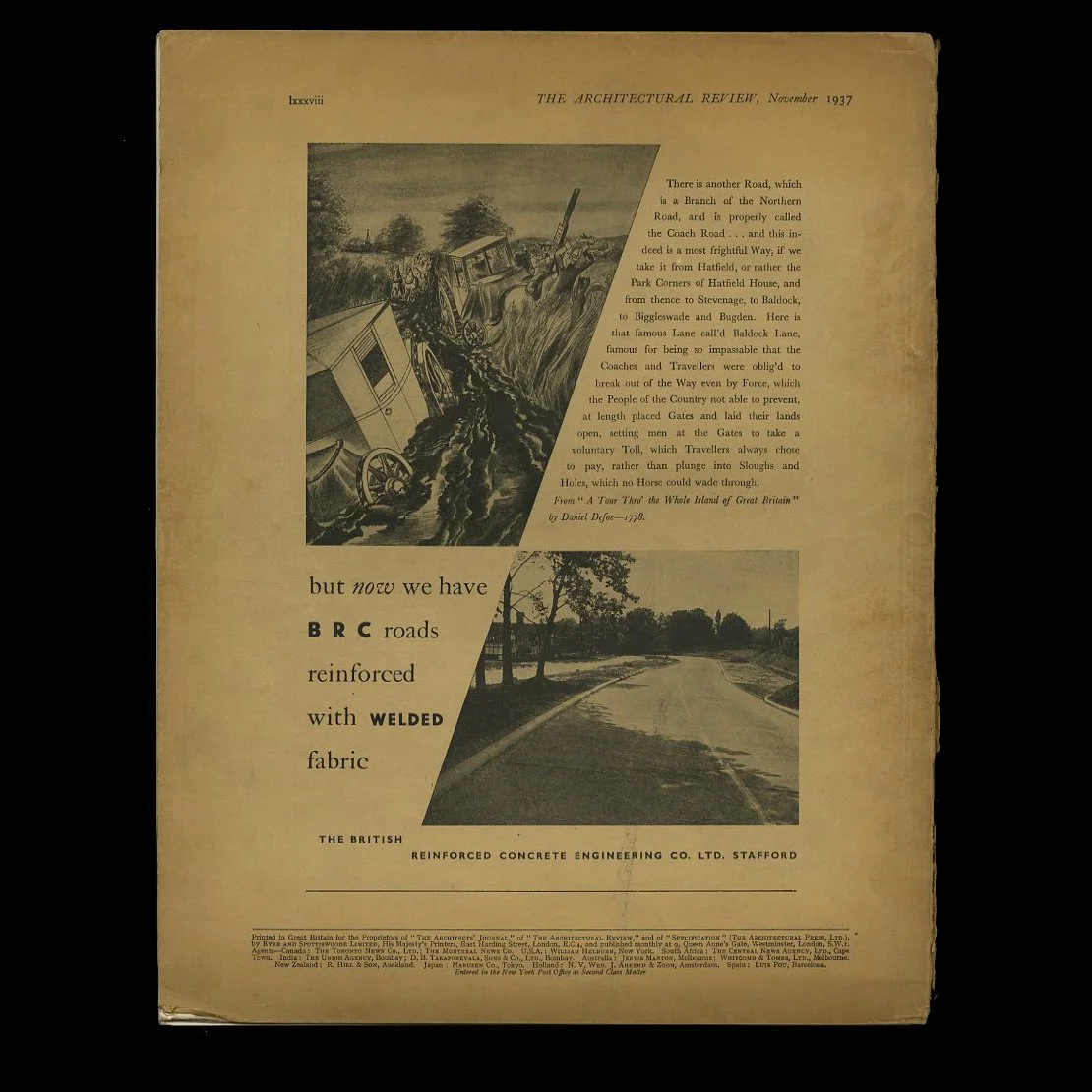 Image 17 of 18
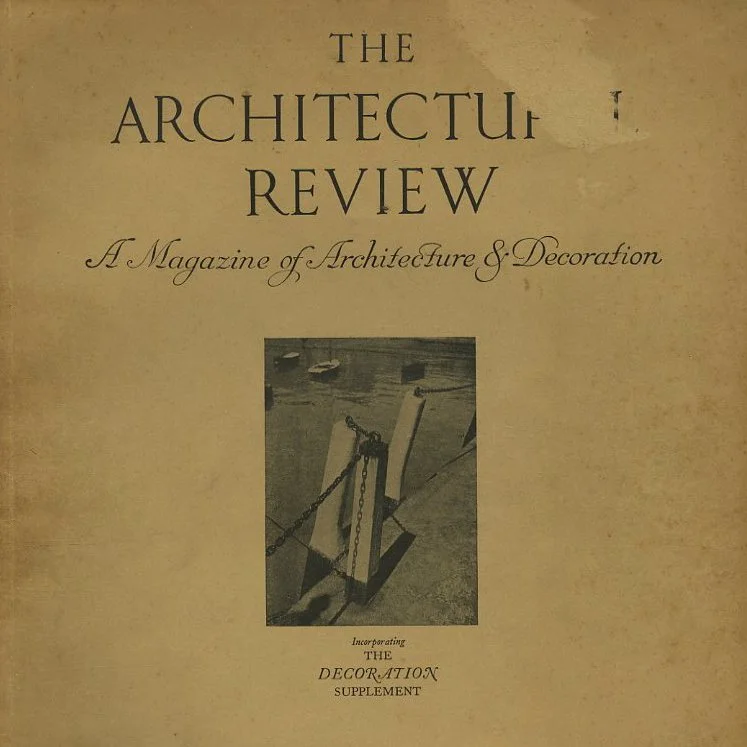 Image 18 of 18