DESIGN THIS DAY
The Technique Of Order In The Machine Age
Walter Dorwin Teague
New York: Harcourt Brace and Company, 1940. First edition. Quarto. Publishers navy cloth stamped in gilt. Photographic illustrated dust jacket. 291 pp. 128 plates with 163 halftone illustrations. Typography by Robert Josephy. Jacket with trivial chipping to lower edge and a pair of short, closed tears to rear panel. Cloth and edges clean and sharp. A remarkably well preserved copy: a fine copy in a nearly fine dust jacket.
7.25 x 9.5 hardcover book with 291 pages and 128 plates with 163 halftone illustrations. Book typography by Robert Josephy. A classic of industrial design by the founder and first president of the American Society of Industrial designers. "...A discussion of the technique to be employed--the standards and methods to be used--in the physical process of rebuilding our world," toward a better, even utopian society.”
Includes work by Margaret Bourke-White, Albert Kahn, Edward Steichen, Raymond Hood, Frank Lloyd Wright, Howe And Lescaze, George Howe, A. Lawrence Kocher, Albert Frey, Kenneth Day, Clarence Mayhew and many others.
During Walter Dorwin Teague's time, industrial designers were transforming ordinary objects by marrying materials, technique and function to produce the simplest and most efficient forms possible. The resulting products had an appearance that was a stark visual break from the past. Practitioners of this style of design, known as streamlining, art moderne or art deco, did away with most nonfunctional elements in favor of sleek designs. Their efforts transformed everything from automobiles, trains, ships and airplanes to cameras, buildings, furniture and appliances.
The trend began in the mid-1920s as an attempt by manufacturers to increase sales of consumer goods in a saturated marketplace by giving them a distinctive and modern look. At the most idealistic level, as exemplified by Teague, the new designs and the improved function they represented could be a force for good. "A better world than we have ever known can and will be built," Teague said. "Our better world may be expected to make equally available for everybody such rare things as interesting, stimulating work, emancipation from drudgery and a gracious setting for daily life."
Teague detailed his industrial and artistic philosophy in Design This Day, first published in 1940. His book appeared at about the time Hitler was invading Norway--before the United States entered World War II--and toward the end of the Great Depression. "We walk between catastrophe and apotheosis," he declared in Design This Day. "In spite of the mighty destructive powers that threaten us, our vision of a desirable life was never so clear and our means of realizing it never so ample."
Along with designers Norman Bel Geddes, Henry Dreyfuss and Raymond Loewy, Teague helped create the industrial design profession in America, defining the visual character of the 1930s and 1940s in the process.
He started his career in graphic arts, painting signs and drawing for catalogs, and later worked in advertising. A 1926 trip to Paris introduced him to new ideas in design. He returned believing that unity of design could create a more orderly world and decided to become an industrial designer. Teague started his own industrial design firm and received his first commission in 1927, designing cameras for Eastman Kodak. The relationship lasted for 30 years.
In 1936 he placed his signature on American roadsides. Texaco replaced its regionally styled gas stations with a single design--green and white porcelain-enamel stations designed by Teague. The clean look, highlighted with red stars, was easily identified by motorists. Although some of Teague's utopian ideals and radical design concepts never materialized, he was clearly a visionary. And we are still intrigued by his desire to build a better world.
DESIGN THIS DAY
The Technique Of Order In The Machine Age
Walter Dorwin Teague
New York: Harcourt Brace and Company, 1940. First edition. Quarto. Publishers navy cloth stamped in gilt. Photographic illustrated dust jacket. 291 pp. 128 plates with 163 halftone illustrations. Typography by Robert Josephy. Jacket with trivial chipping to lower edge and a pair of short, closed tears to rear panel. Cloth and edges clean and sharp. A remarkably well preserved copy: a fine copy in a nearly fine dust jacket.
7.25 x 9.5 hardcover book with 291 pages and 128 plates with 163 halftone illustrations. Book typography by Robert Josephy. A classic of industrial design by the founder and first president of the American Society of Industrial designers. "...A discussion of the technique to be employed--the standards and methods to be used--in the physical process of rebuilding our world," toward a better, even utopian society.”
Includes work by Margaret Bourke-White, Albert Kahn, Edward Steichen, Raymond Hood, Frank Lloyd Wright, Howe And Lescaze, George Howe, A. Lawrence Kocher, Albert Frey, Kenneth Day, Clarence Mayhew and many others.
During Walter Dorwin Teague's time, industrial designers were transforming ordinary objects by marrying materials, technique and function to produce the simplest and most efficient forms possible. The resulting products had an appearance that was a stark visual break from the past. Practitioners of this style of design, known as streamlining, art moderne or art deco, did away with most nonfunctional elements in favor of sleek designs. Their efforts transformed everything from automobiles, trains, ships and airplanes to cameras, buildings, furniture and appliances.
The trend began in the mid-1920s as an attempt by manufacturers to increase sales of consumer goods in a saturated marketplace by giving them a distinctive and modern look. At the most idealistic level, as exemplified by Teague, the new designs and the improved function they represented could be a force for good. "A better world than we have ever known can and will be built," Teague said. "Our better world may be expected to make equally available for everybody such rare things as interesting, stimulating work, emancipation from drudgery and a gracious setting for daily life."
Teague detailed his industrial and artistic philosophy in Design This Day, first published in 1940. His book appeared at about the time Hitler was invading Norway--before the United States entered World War II--and toward the end of the Great Depression. "We walk between catastrophe and apotheosis," he declared in Design This Day. "In spite of the mighty destructive powers that threaten us, our vision of a desirable life was never so clear and our means of realizing it never so ample."
Along with designers Norman Bel Geddes, Henry Dreyfuss and Raymond Loewy, Teague helped create the industrial design profession in America, defining the visual character of the 1930s and 1940s in the process.
He started his career in graphic arts, painting signs and drawing for catalogs, and later worked in advertising. A 1926 trip to Paris introduced him to new ideas in design. He returned believing that unity of design could create a more orderly world and decided to become an industrial designer. Teague started his own industrial design firm and received his first commission in 1927, designing cameras for Eastman Kodak. The relationship lasted for 30 years.
In 1936 he placed his signature on American roadsides. Texaco replaced its regionally styled gas stations with a single design--green and white porcelain-enamel stations designed by Teague. The clean look, highlighted with red stars, was easily identified by motorists. Although some of Teague's utopian ideals and radical design concepts never materialized, he was clearly a visionary. And we are still intrigued by his desire to build a better world.

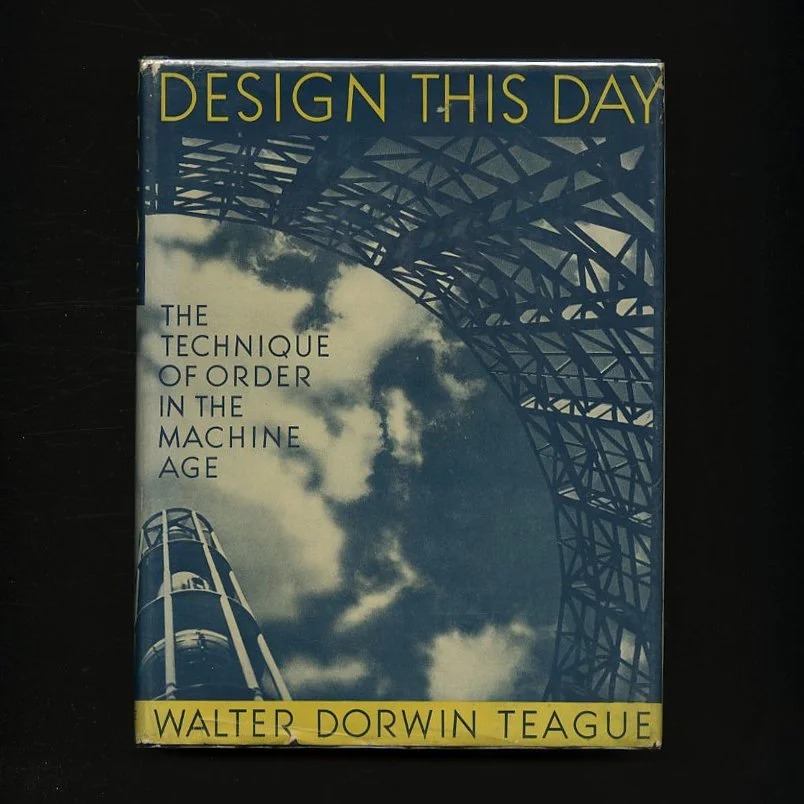 Image 1 of 11
 Image 2 of 11
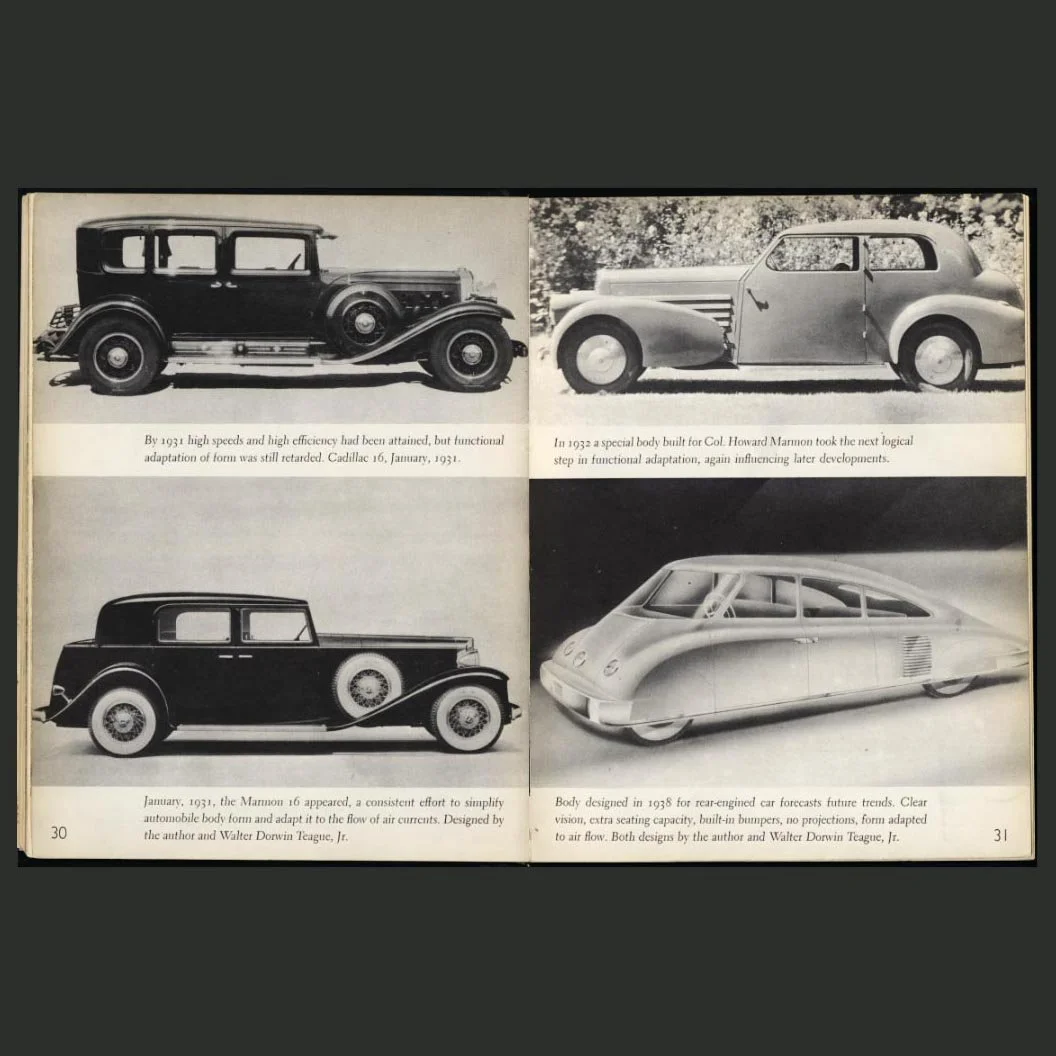 Image 3 of 11
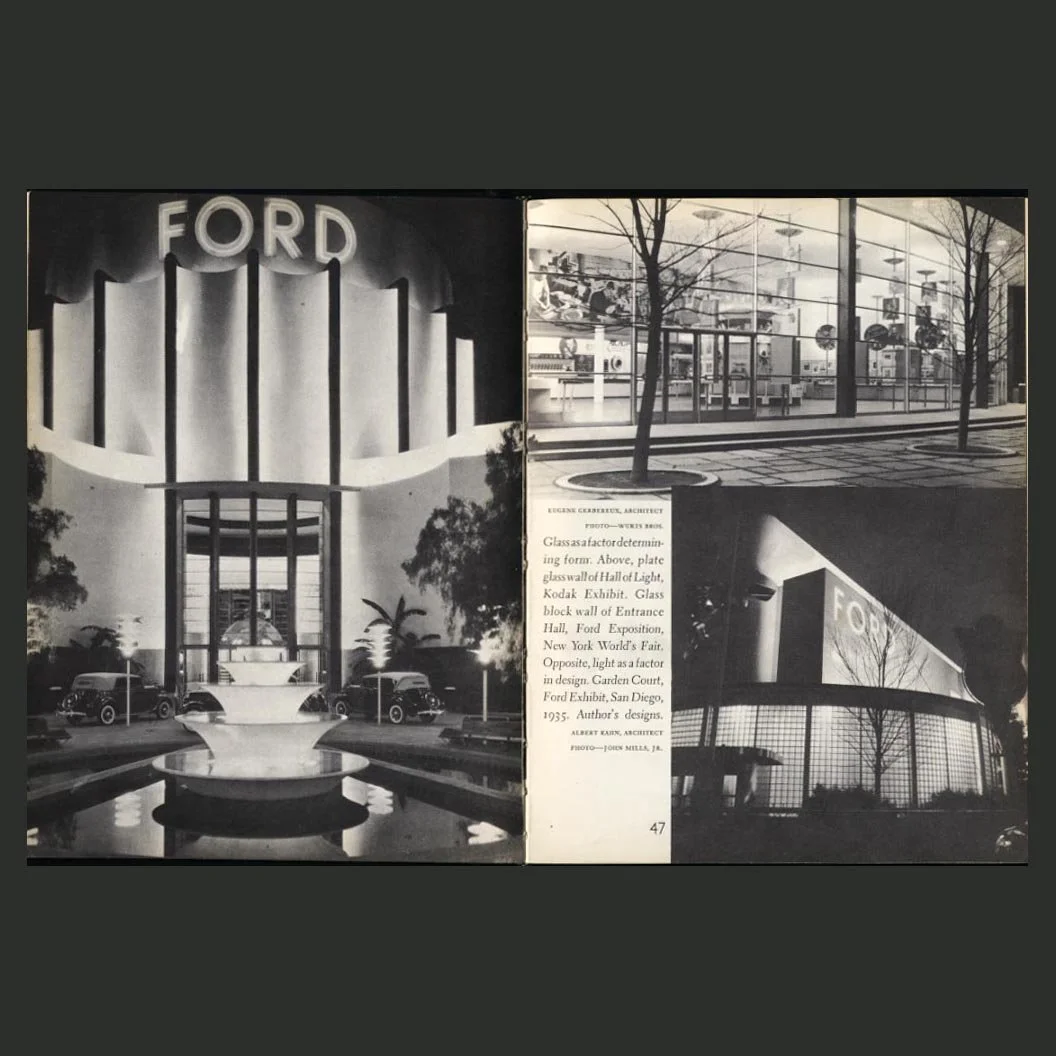 Image 4 of 11
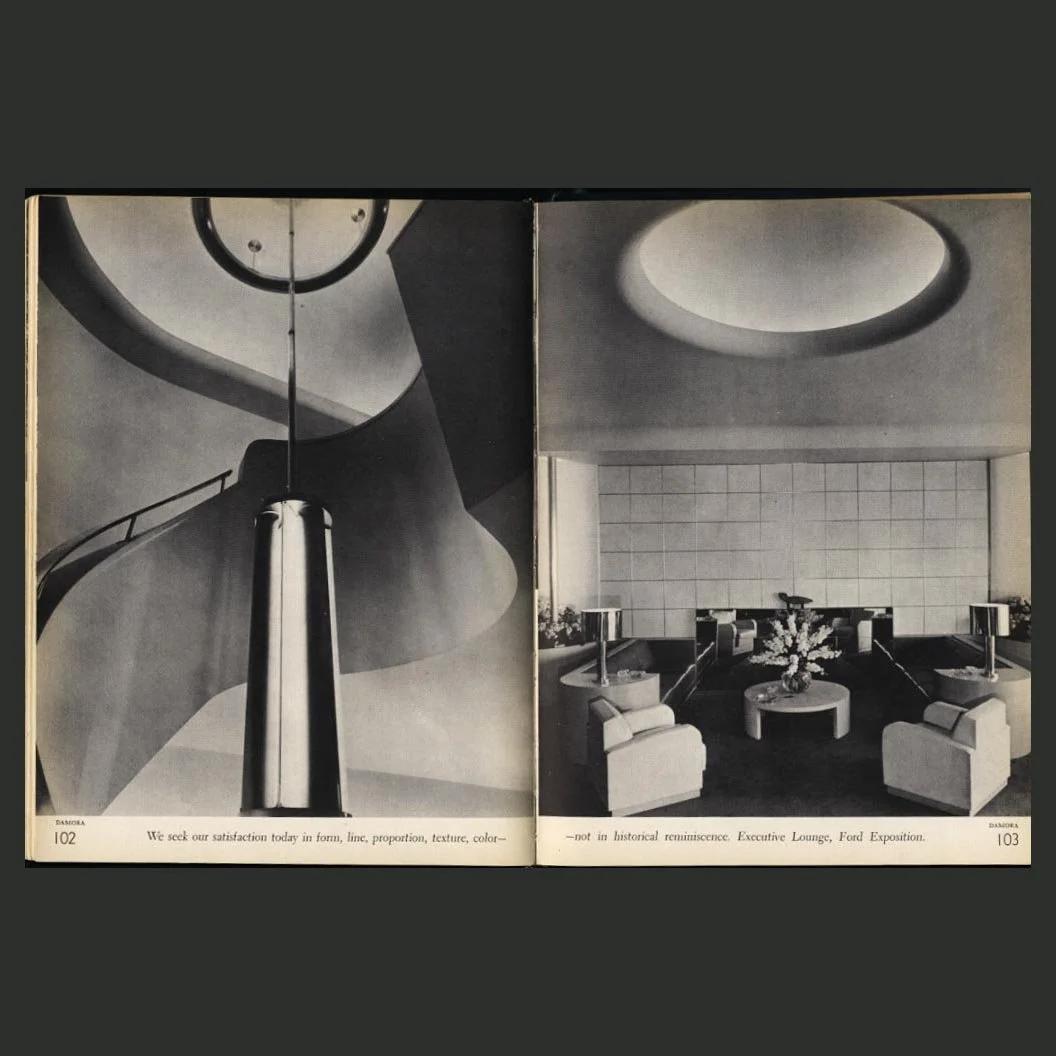 Image 5 of 11
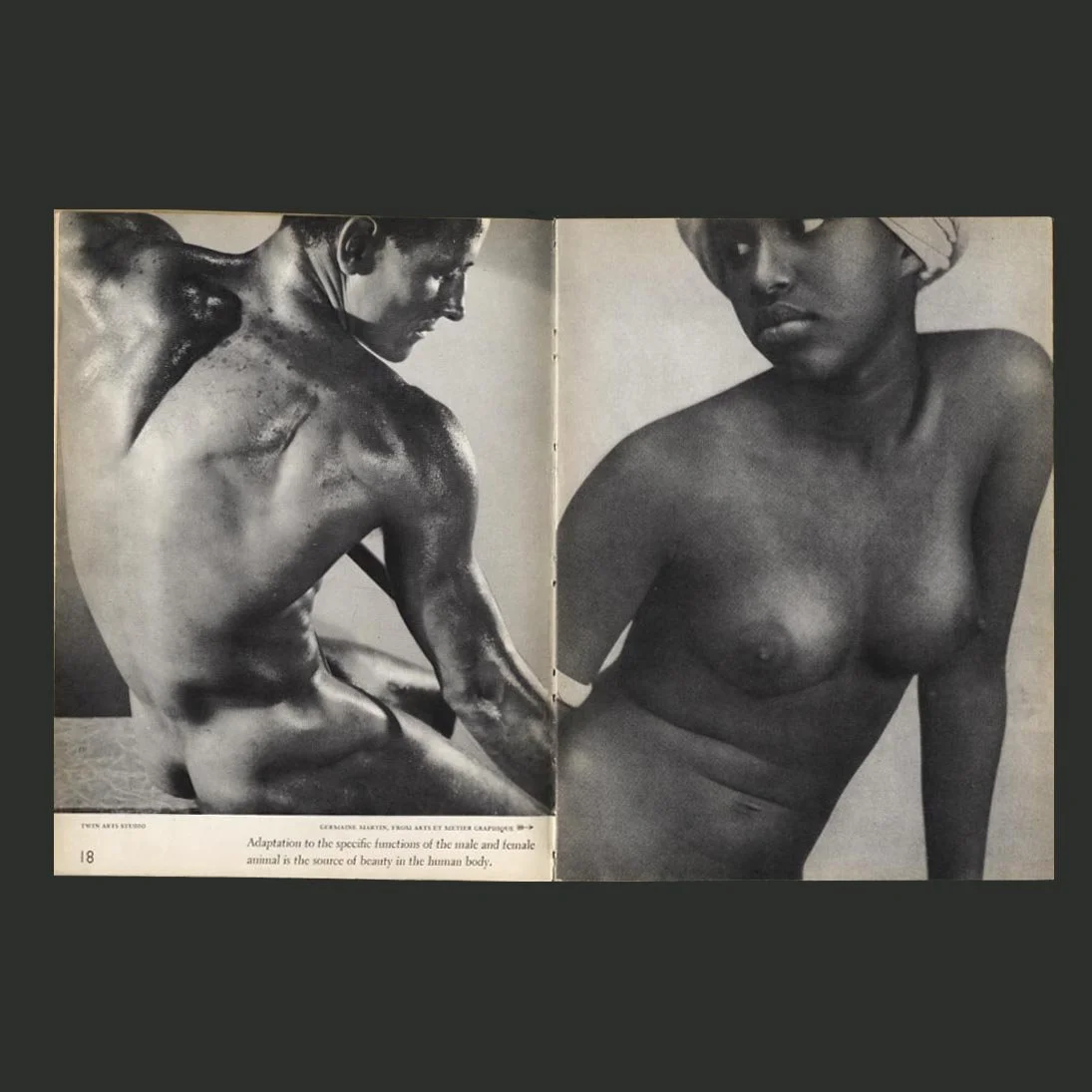 Image 6 of 11
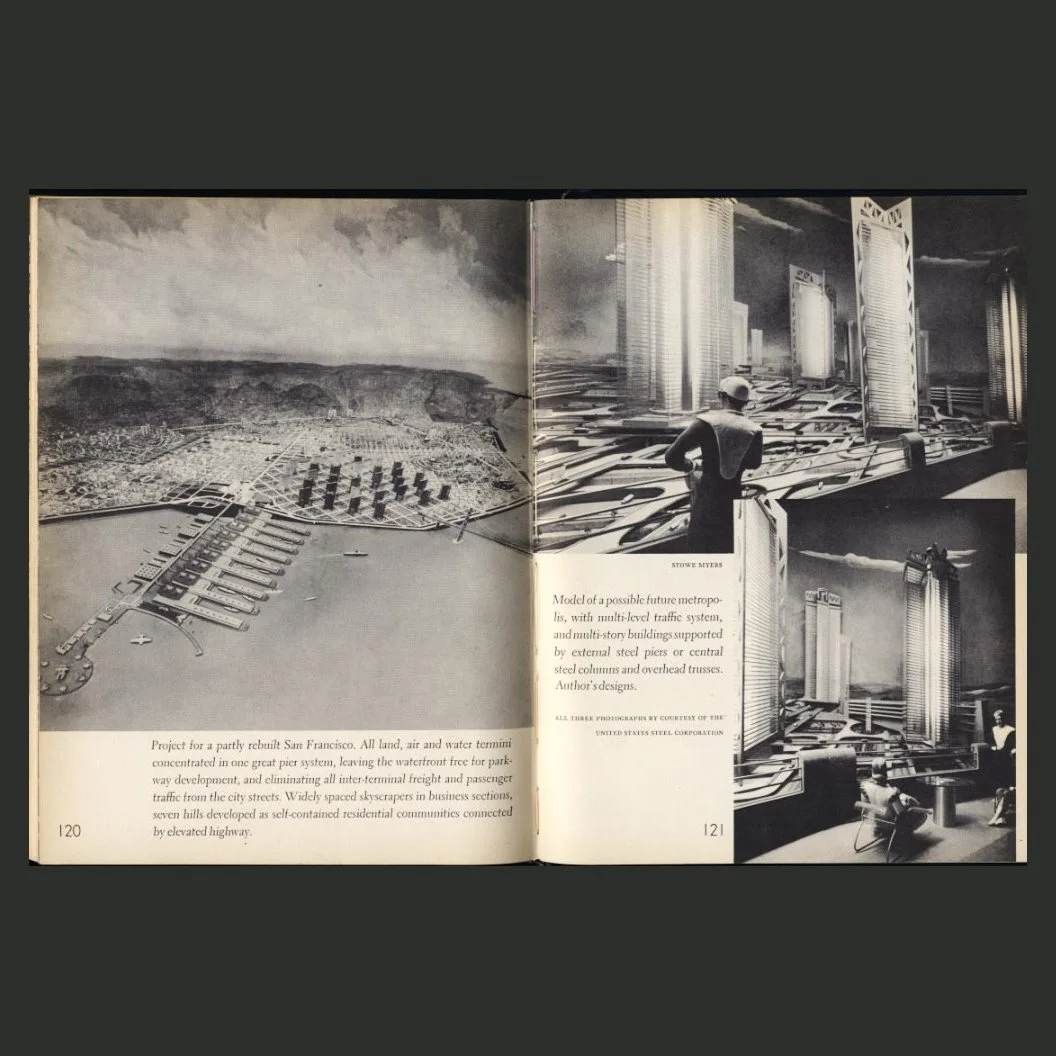 Image 7 of 11
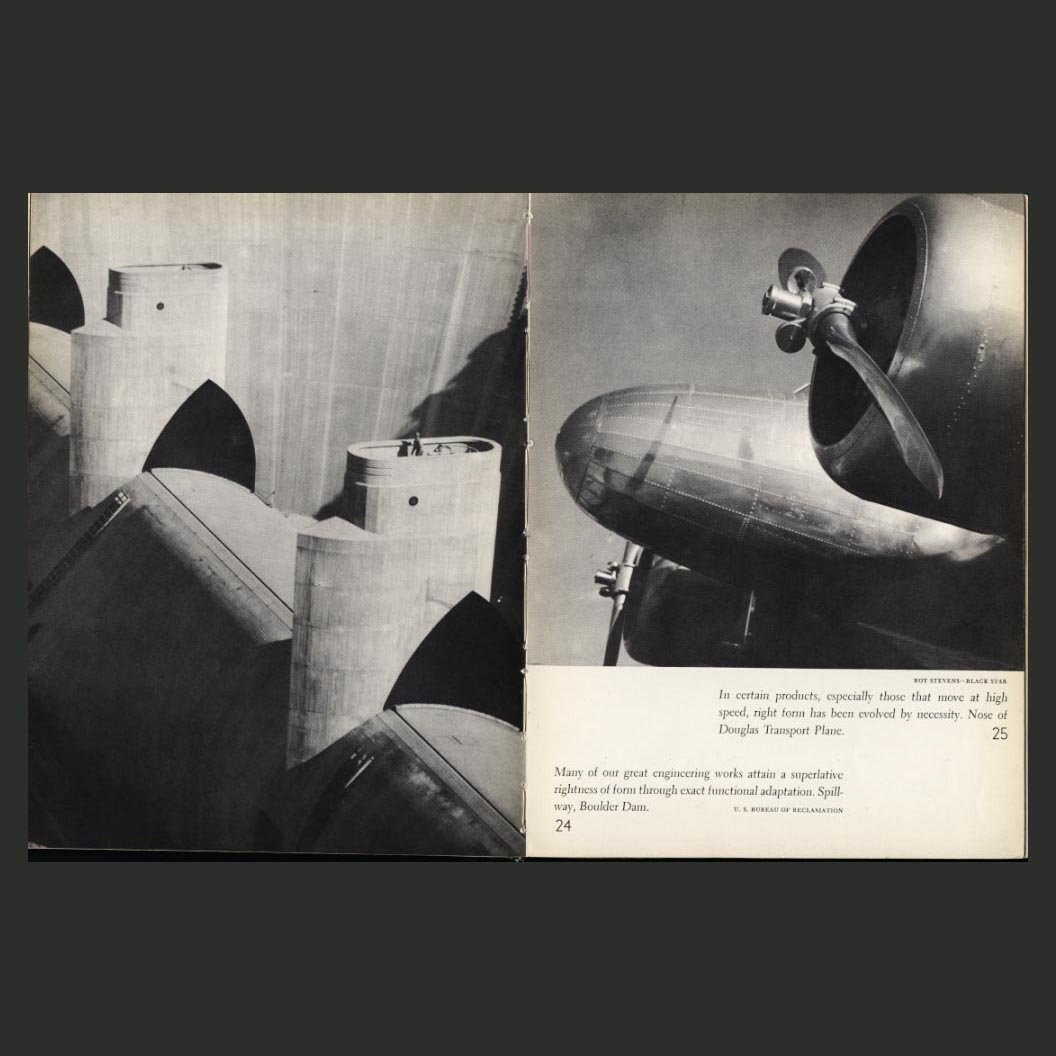 Image 8 of 11
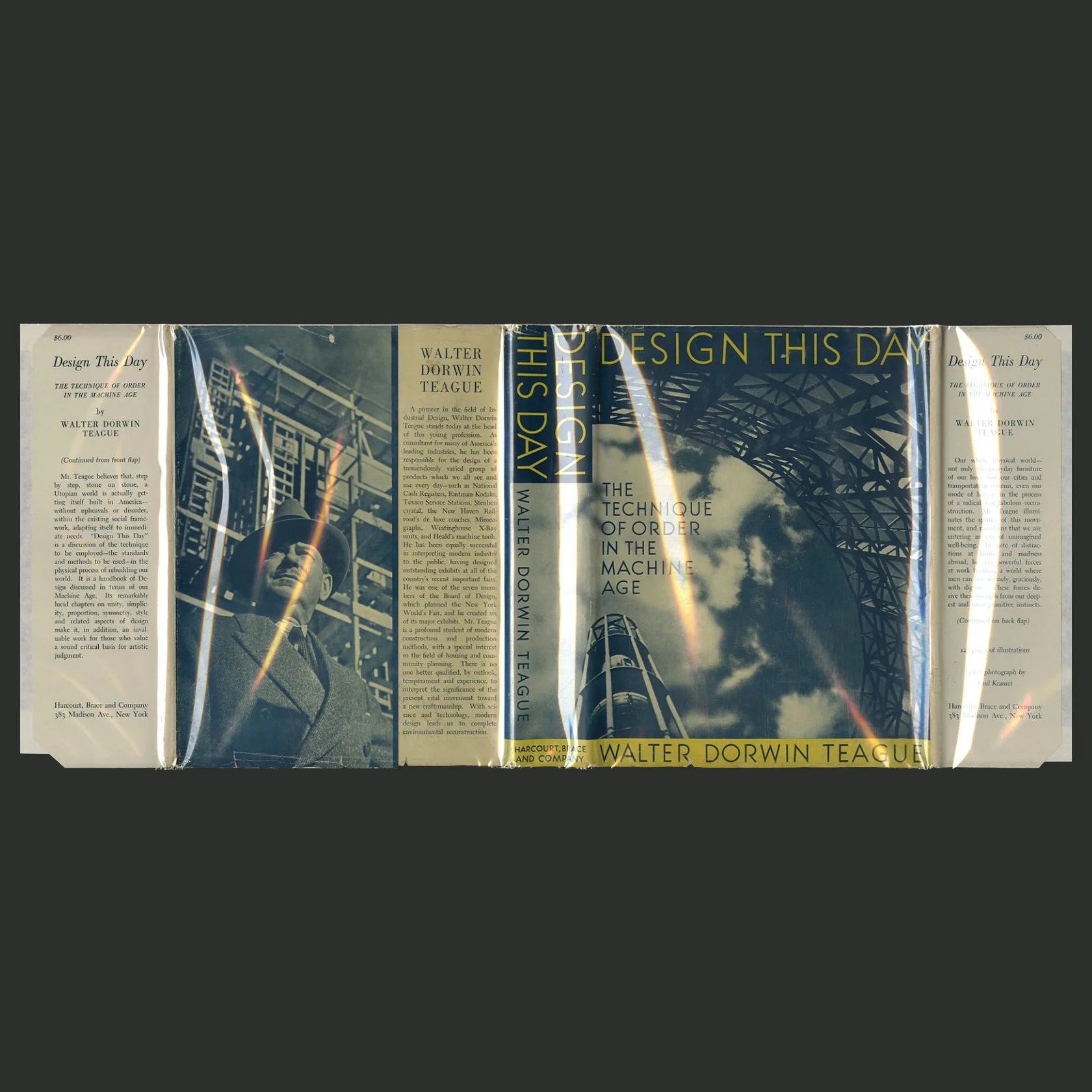 Image 9 of 11
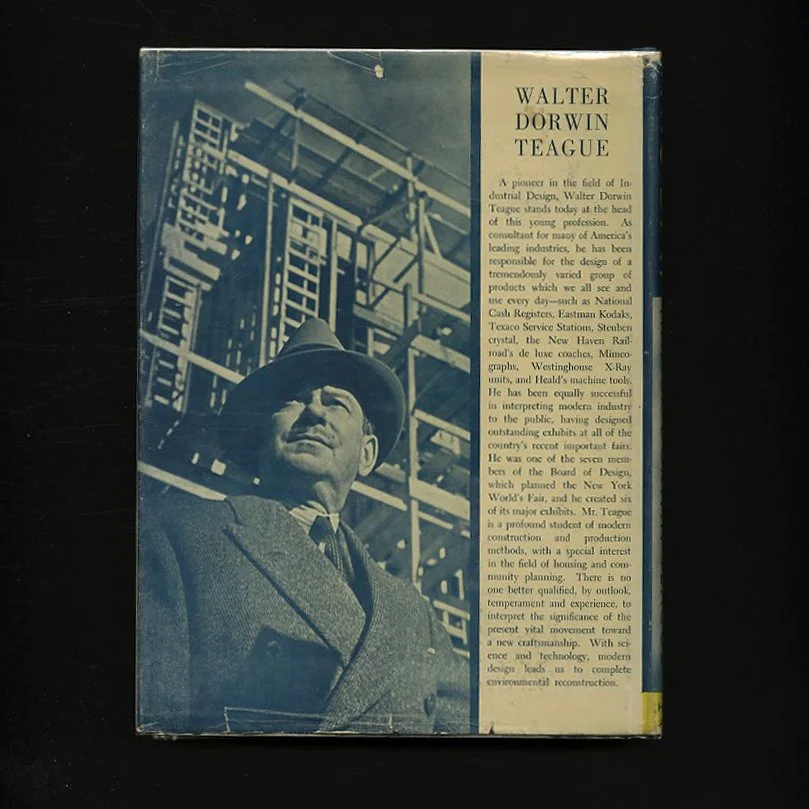 Image 10 of 11
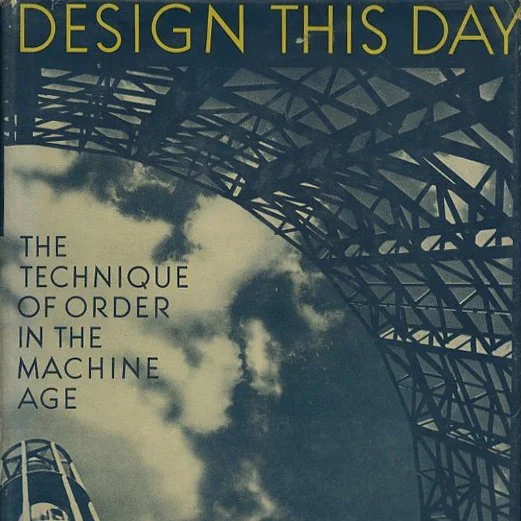 Image 11 of 11