OFFICIAL GRAPHIC ART IN SWITZERLAND
Offizielle Schweizer Grafik / Arts Graphiques Officiels En Suisse
Walter Bangerter and Armin Tschanen
Zurich: ABC Verlag, 1964. First edition. Text in German, French, and English. Square quarto. Glazed printed boards. White backstrip. 184 pp. Fully illustrated with color and black and white examples. Remarkably well preserved: tiny nicks to the red fore edge of the upper board, otherwise a fine, as new copy.
10.25 x 10 hardcover book with 184 pages with over 250 examples of Swiss design—including one fold-out. From a program for a presentation on Swiss Graphic Design by Richard Hollis in London (available at januzzi.com): “By the 1950s Switzerland had developed a uniquely clear graphic language which matched the country’s reputation for efficiency and precision. Evident not just in posters but in advertisements, brochures and books, Neue Grafik or Swiss Style, as it became known, was respected internationally for its formal discipline: simple methods that could make posters dramatic and give an order and elegance to typographic design. Sharing the disciplines of Swiss Concrete Art, designers organised images and text into geometrical grids. With sans-serif typefaces such as Helvetica and Univers, these were the chief components of the Swiss Style which spread across the world.”
The Swiss International Style derived from the idea that “abstract structure is the vehicle for communication,” according to alumnus Kenneth Hiebert. "It relies on an analysis that rigorously questions and accounts for all parts of a message. The act of searching for an appropriate structure forces the designer to make the most basic inquiry about a message, to isolate its primary essence from considerations of surface style.”
Hiebert wrote “The Swiss school is concerned that design be more than a frivolous cluttering of the environment.” Sounds good to me.
Designers include Walter Amrein, Werner Andermatt, Herbert Auchli, Walter Bangerter, Franco Barberis, Kobi Baumgartner, Pascal Besson, Manfred Bingler, Rudolf Bircher, Donald Brun, Robert Büchler, Fritz Bühler, Fritz Butz, Gisela Buomberger, Calame-Affolter, Alois Carigiet, Andreas Cathomas, Werner Christen, René Creux, August Diener, Hansruedi Dörig, Hans Erni, Hans Falk, Franz Fässler, Hans Fischer, M. Frey-Surback, Michel Gallay, Richard Gerbig, Roland Gfeller-Corthesy, Rolf Gfeller, Philip Giegel, René Gilsi, Edwin Habegger, Walter Häfeli, Peter Hajnoczky, Jörg Hamburger, Hans Hartmann, Edi Hauri, Armin Hofmann, Godi Hofmann, Sita Jucker, Hans Kasser, Hans Knöpfli, Alfred Koella, Hans Küchler, Ruedi Külling, Eugen and Max Lenz, Herbert Leupin, Margarete Lipps, Michel Martina, Martz + Bühlmann, Fred Mayer, Erhard Meier, André Melchior, Pierre Monnerat, Bruno Monnier, Solange Moser, H.P. Mühlemann, Werner Mühlemann, Fred Murer, Neukom + Binschewer, Frères Ongaro, P.A. Perret, Celestino Piatti, Fernand Rausser, Roth + Sauter, Jacques Rouillier, Rey, Alfred O. Sandmeier, Helen Sarasin, Beni Schalcher, Urs Schenker, Ulrich Schierle, Walter Schmid, Rolf Schmidt, Max Schneider, Fritz Schrag, Niklaus Schwabe, Hans Schwarzenbach, Fritz Seigner, Seigner + Kamm, Hugo Siegfried, Walter Sigg, Walter Speich, Heiri Steiner, Heinz Stieger, Hans Thöni, Fred troller, A. Vetter, Carlo Vivarelli, H.P. Weber, A.B. Weider, Hugo Wetli, Werbeagentur Wild, Kurt Wirth, Beno Zehnder, and Mark Zeugin.
OFFICIAL GRAPHIC ART IN SWITZERLAND
Offizielle Schweizer Grafik / Arts Graphiques Officiels En Suisse
Walter Bangerter and Armin Tschanen
Zurich: ABC Verlag, 1964. First edition. Text in German, French, and English. Square quarto. Glazed printed boards. White backstrip. 184 pp. Fully illustrated with color and black and white examples. Remarkably well preserved: tiny nicks to the red fore edge of the upper board, otherwise a fine, as new copy.
10.25 x 10 hardcover book with 184 pages with over 250 examples of Swiss design—including one fold-out. From a program for a presentation on Swiss Graphic Design by Richard Hollis in London (available at januzzi.com): “By the 1950s Switzerland had developed a uniquely clear graphic language which matched the country’s reputation for efficiency and precision. Evident not just in posters but in advertisements, brochures and books, Neue Grafik or Swiss Style, as it became known, was respected internationally for its formal discipline: simple methods that could make posters dramatic and give an order and elegance to typographic design. Sharing the disciplines of Swiss Concrete Art, designers organised images and text into geometrical grids. With sans-serif typefaces such as Helvetica and Univers, these were the chief components of the Swiss Style which spread across the world.”
The Swiss International Style derived from the idea that “abstract structure is the vehicle for communication,” according to alumnus Kenneth Hiebert. "It relies on an analysis that rigorously questions and accounts for all parts of a message. The act of searching for an appropriate structure forces the designer to make the most basic inquiry about a message, to isolate its primary essence from considerations of surface style.”
Hiebert wrote “The Swiss school is concerned that design be more than a frivolous cluttering of the environment.” Sounds good to me.
Designers include Walter Amrein, Werner Andermatt, Herbert Auchli, Walter Bangerter, Franco Barberis, Kobi Baumgartner, Pascal Besson, Manfred Bingler, Rudolf Bircher, Donald Brun, Robert Büchler, Fritz Bühler, Fritz Butz, Gisela Buomberger, Calame-Affolter, Alois Carigiet, Andreas Cathomas, Werner Christen, René Creux, August Diener, Hansruedi Dörig, Hans Erni, Hans Falk, Franz Fässler, Hans Fischer, M. Frey-Surback, Michel Gallay, Richard Gerbig, Roland Gfeller-Corthesy, Rolf Gfeller, Philip Giegel, René Gilsi, Edwin Habegger, Walter Häfeli, Peter Hajnoczky, Jörg Hamburger, Hans Hartmann, Edi Hauri, Armin Hofmann, Godi Hofmann, Sita Jucker, Hans Kasser, Hans Knöpfli, Alfred Koella, Hans Küchler, Ruedi Külling, Eugen and Max Lenz, Herbert Leupin, Margarete Lipps, Michel Martina, Martz + Bühlmann, Fred Mayer, Erhard Meier, André Melchior, Pierre Monnerat, Bruno Monnier, Solange Moser, H.P. Mühlemann, Werner Mühlemann, Fred Murer, Neukom + Binschewer, Frères Ongaro, P.A. Perret, Celestino Piatti, Fernand Rausser, Roth + Sauter, Jacques Rouillier, Rey, Alfred O. Sandmeier, Helen Sarasin, Beni Schalcher, Urs Schenker, Ulrich Schierle, Walter Schmid, Rolf Schmidt, Max Schneider, Fritz Schrag, Niklaus Schwabe, Hans Schwarzenbach, Fritz Seigner, Seigner + Kamm, Hugo Siegfried, Walter Sigg, Walter Speich, Heiri Steiner, Heinz Stieger, Hans Thöni, Fred troller, A. Vetter, Carlo Vivarelli, H.P. Weber, A.B. Weider, Hugo Wetli, Werbeagentur Wild, Kurt Wirth, Beno Zehnder, and Mark Zeugin.

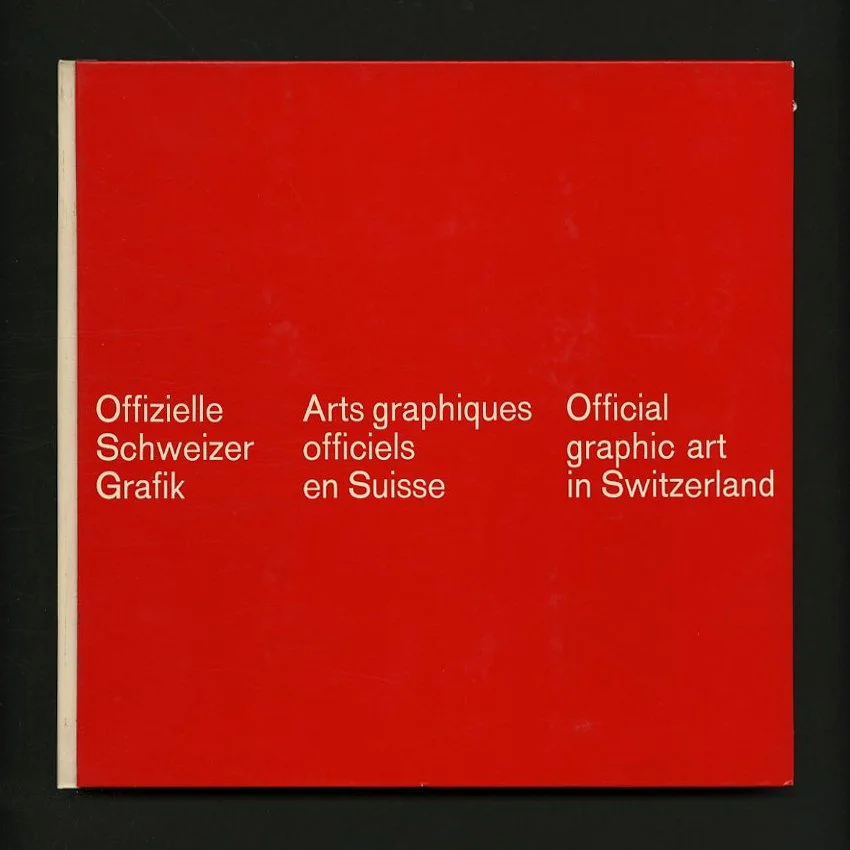 Image 1 of 19
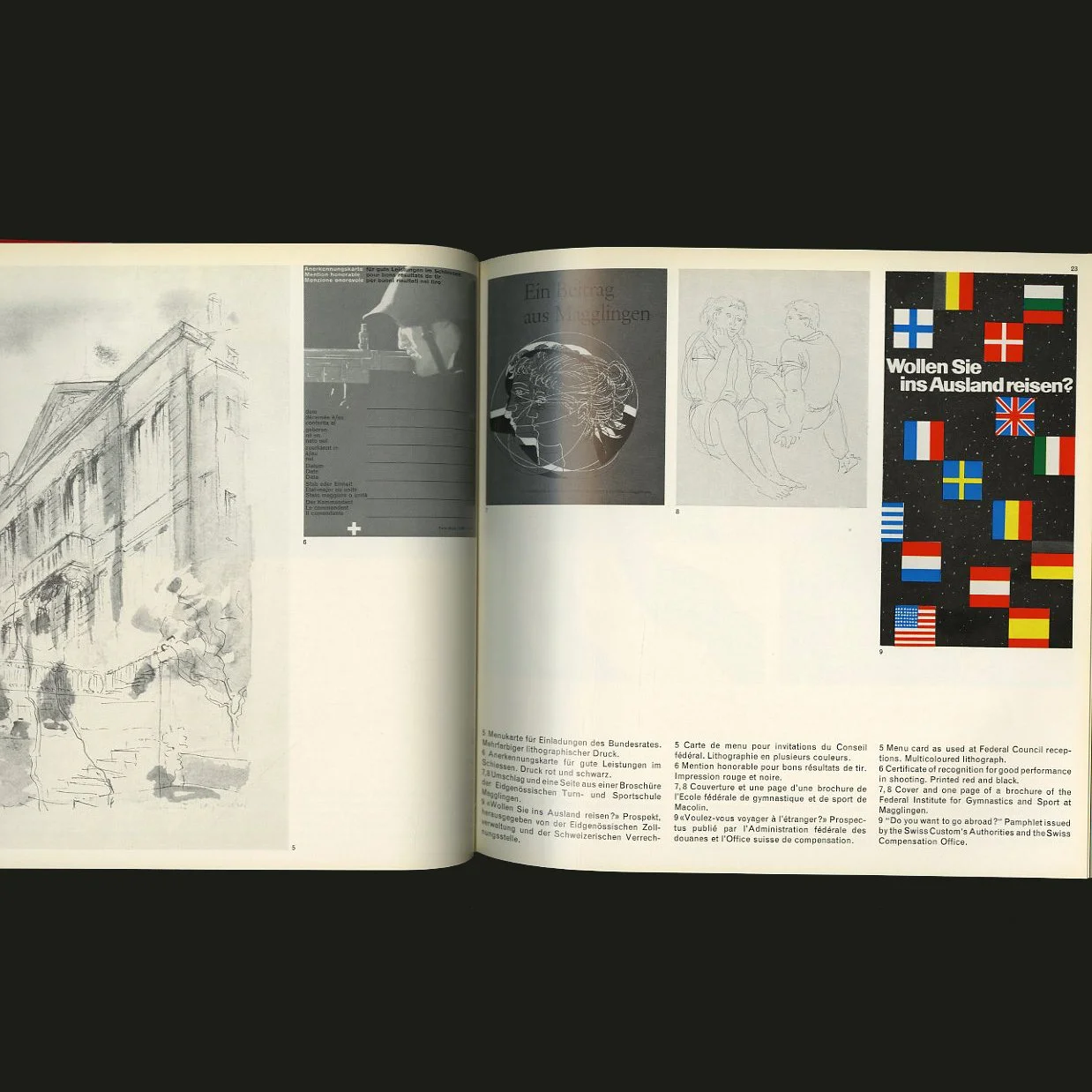 Image 2 of 19
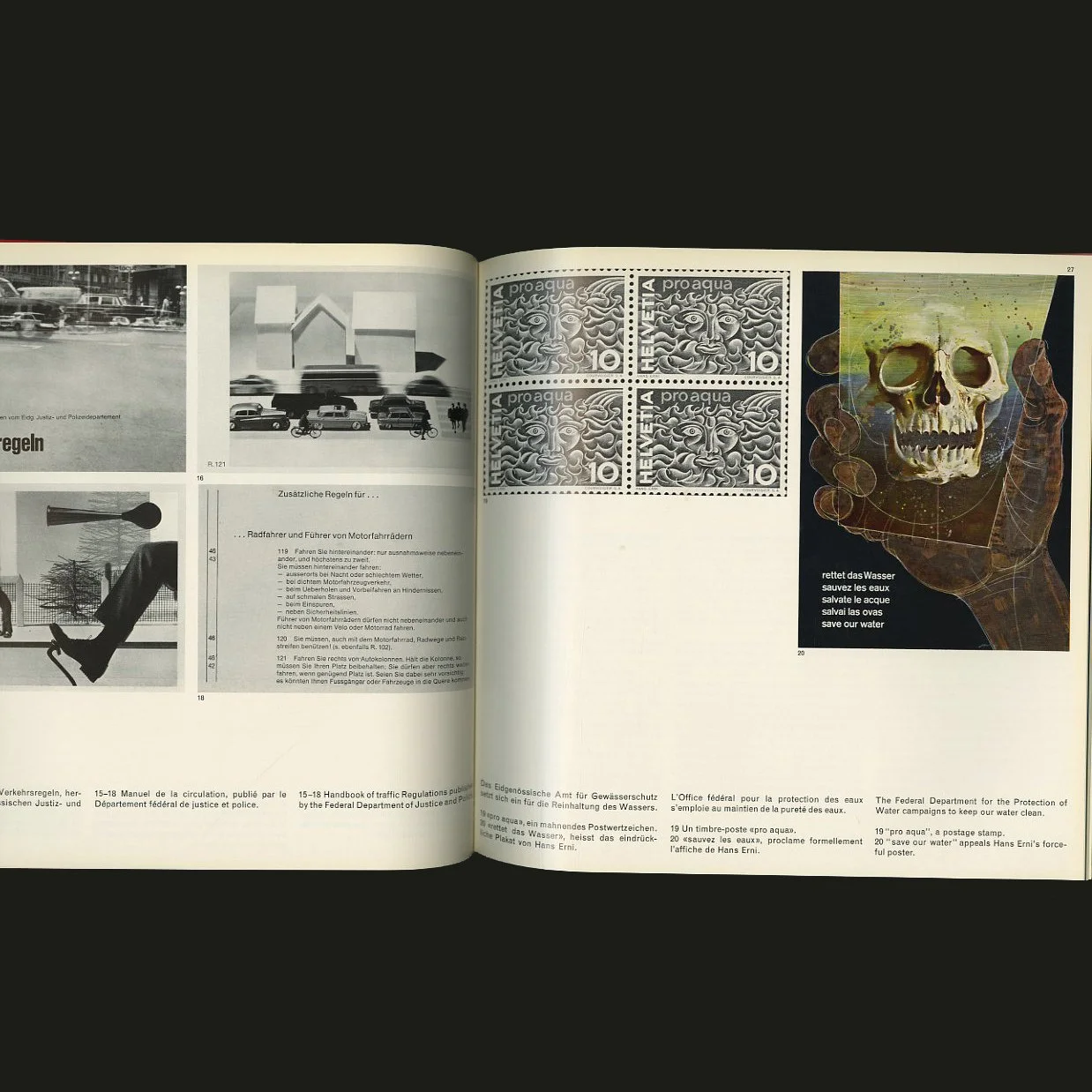 Image 3 of 19
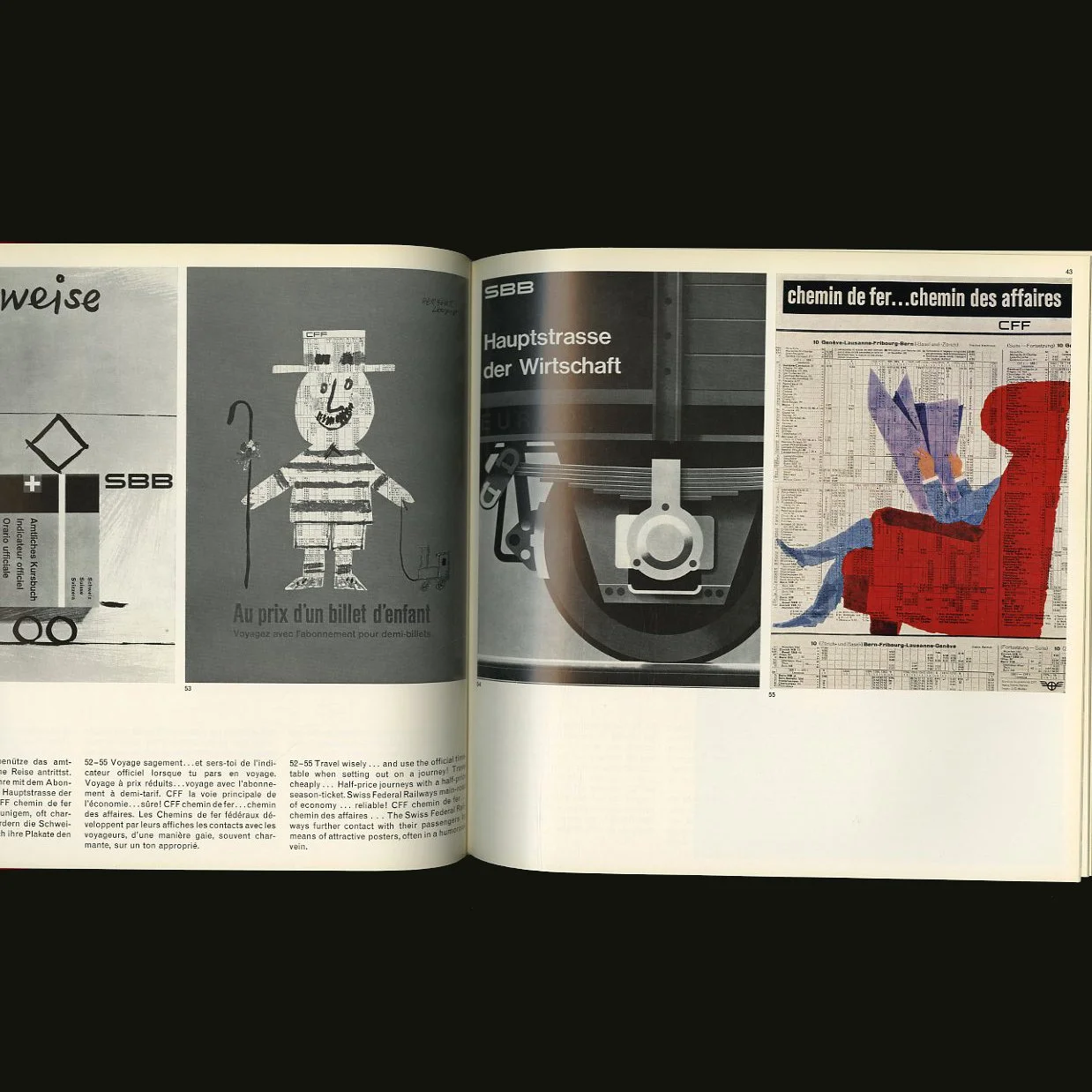 Image 4 of 19
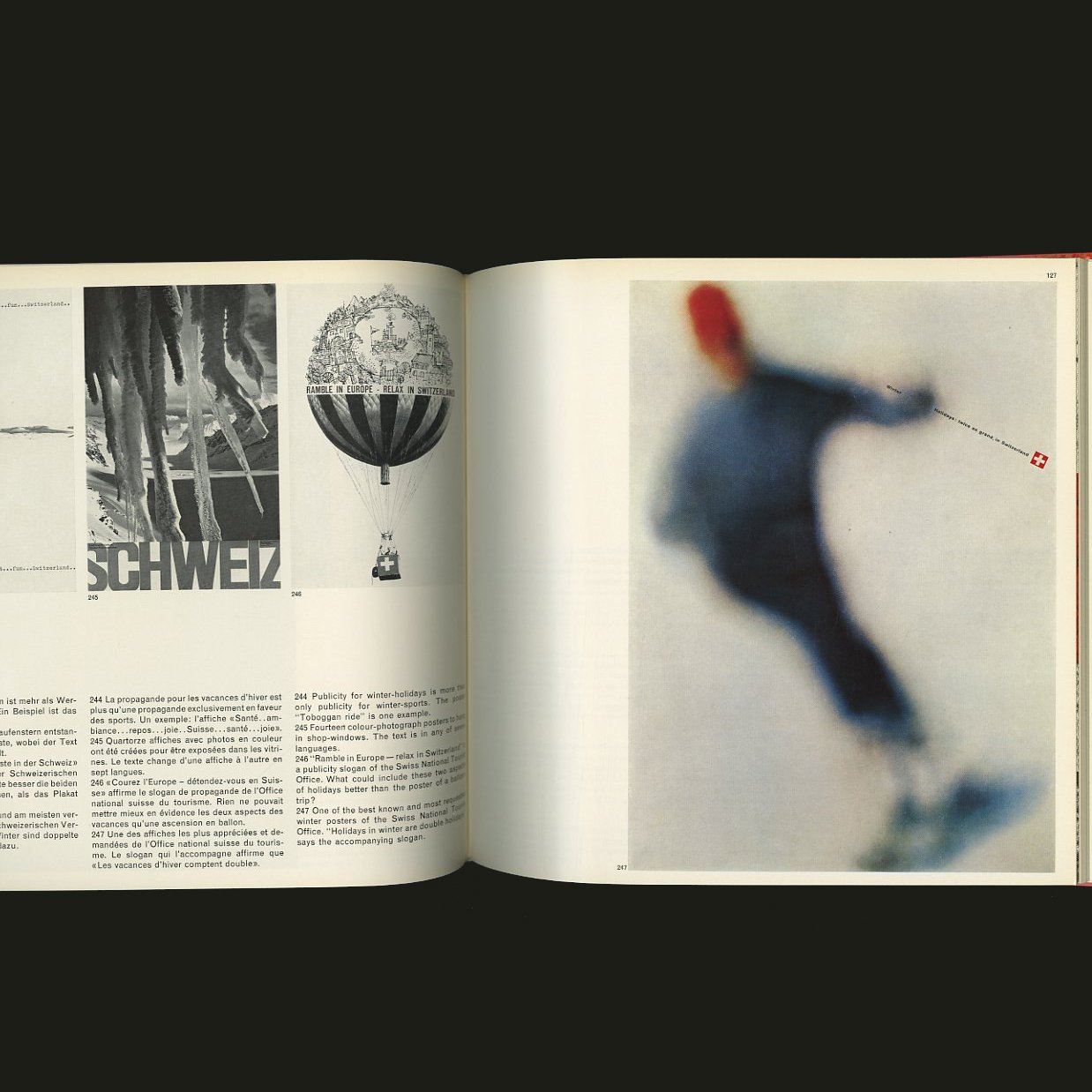 Image 5 of 19
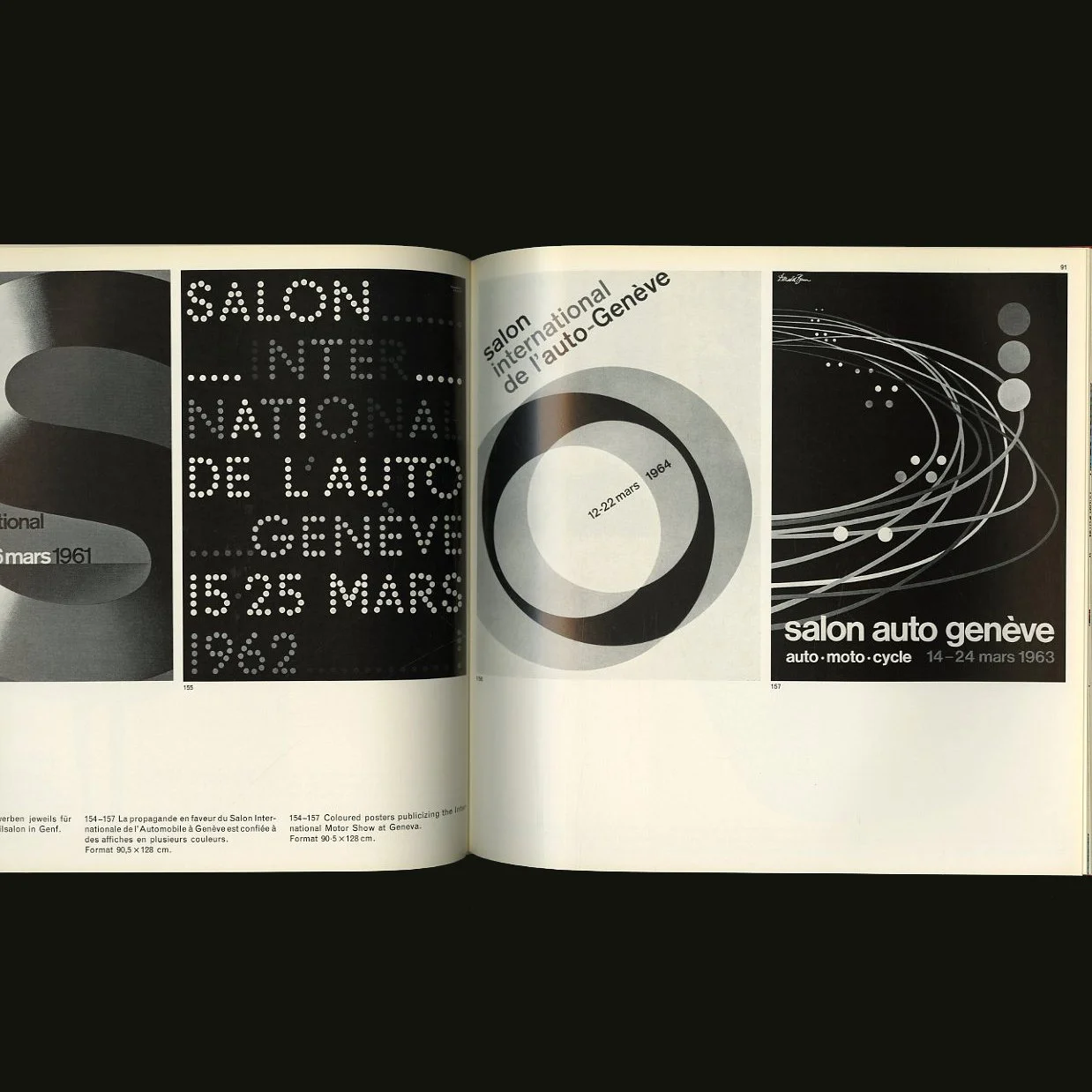 Image 6 of 19
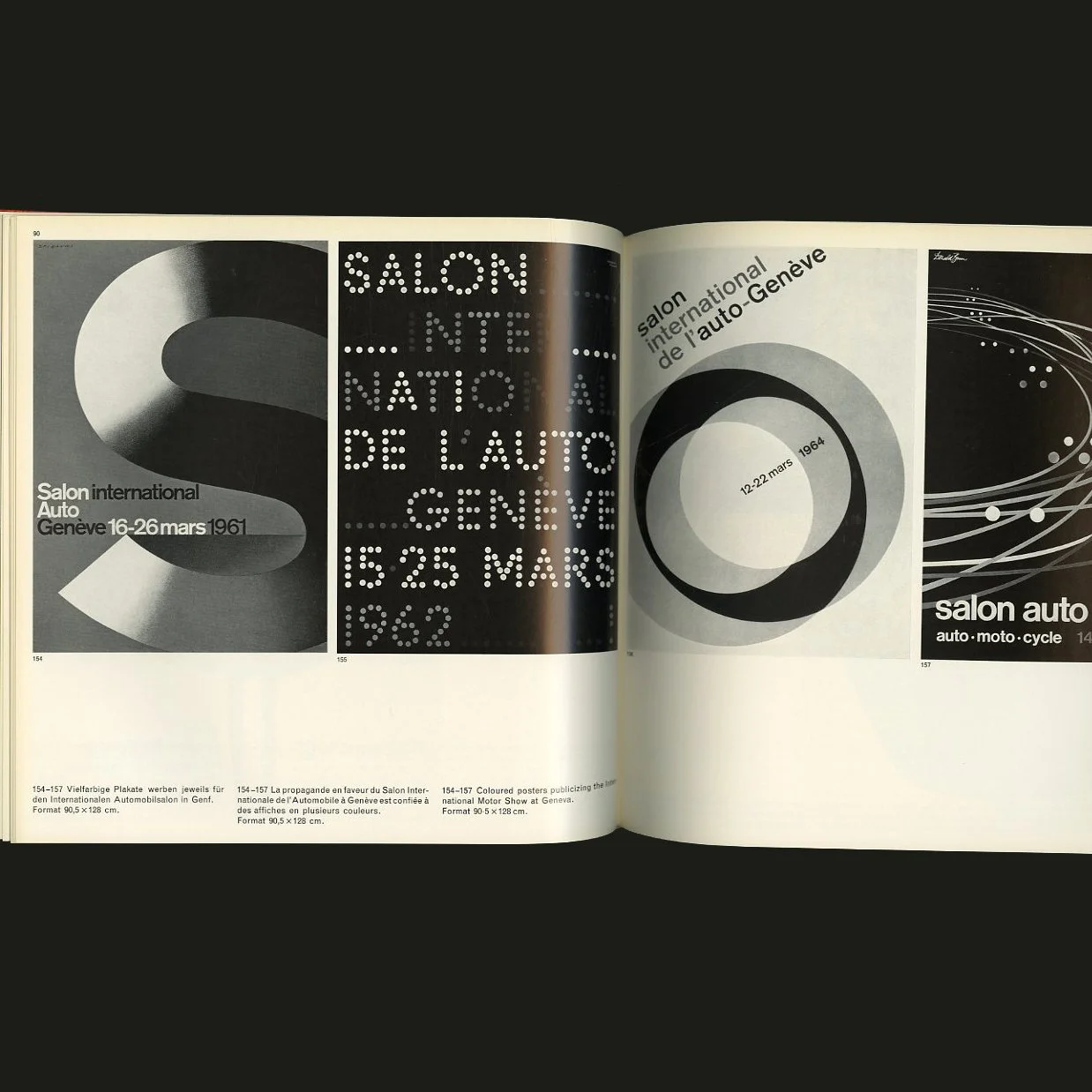 Image 7 of 19
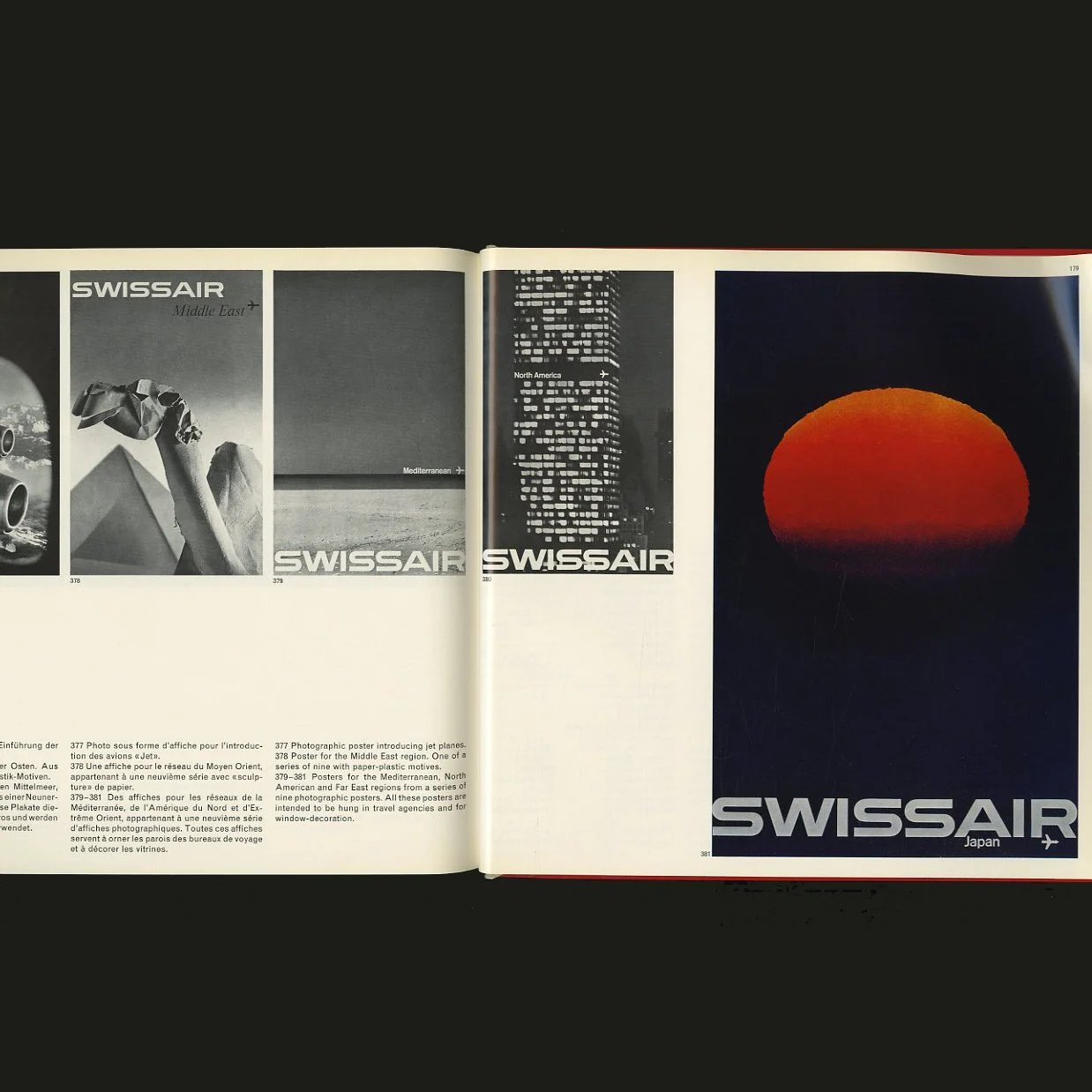 Image 8 of 19
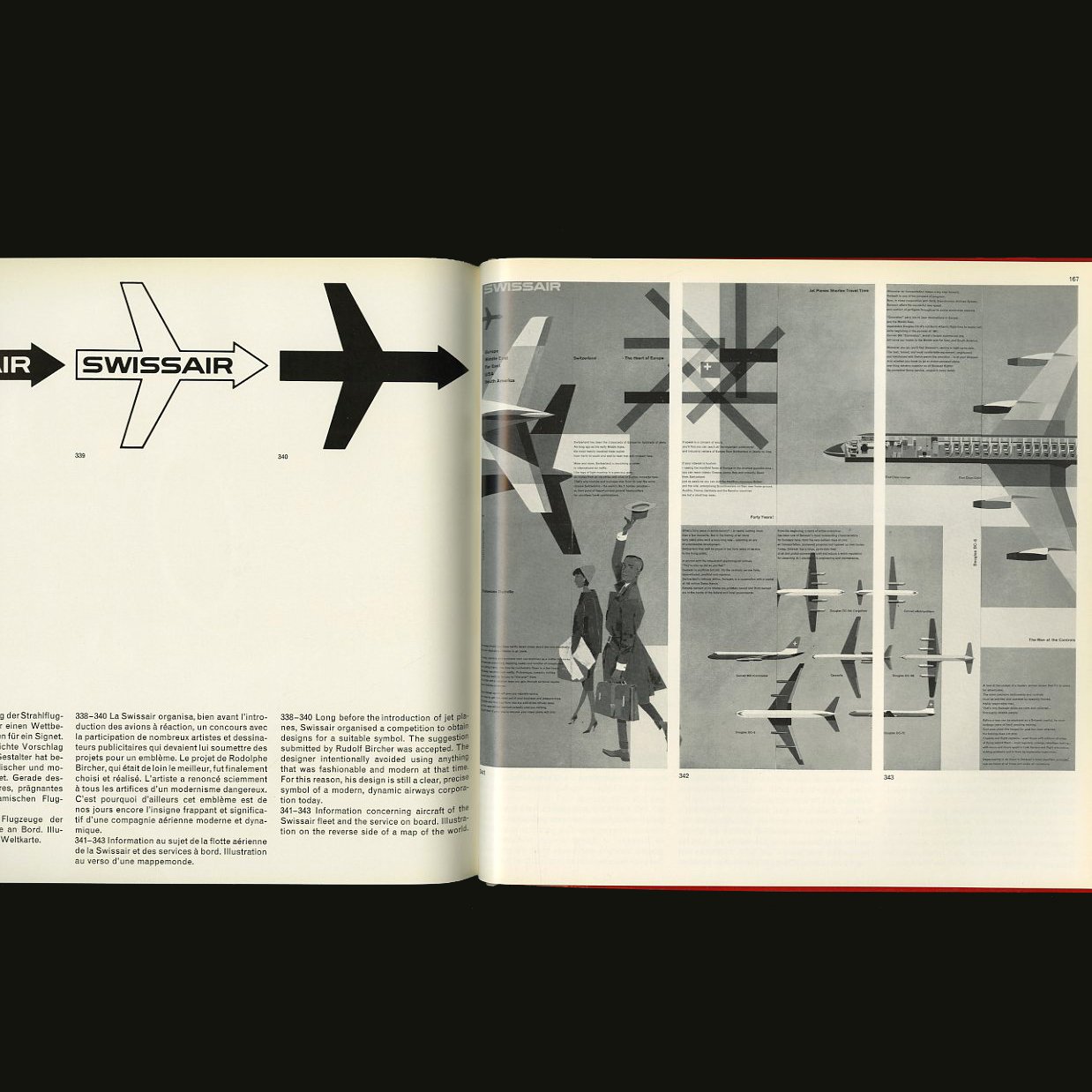 Image 9 of 19
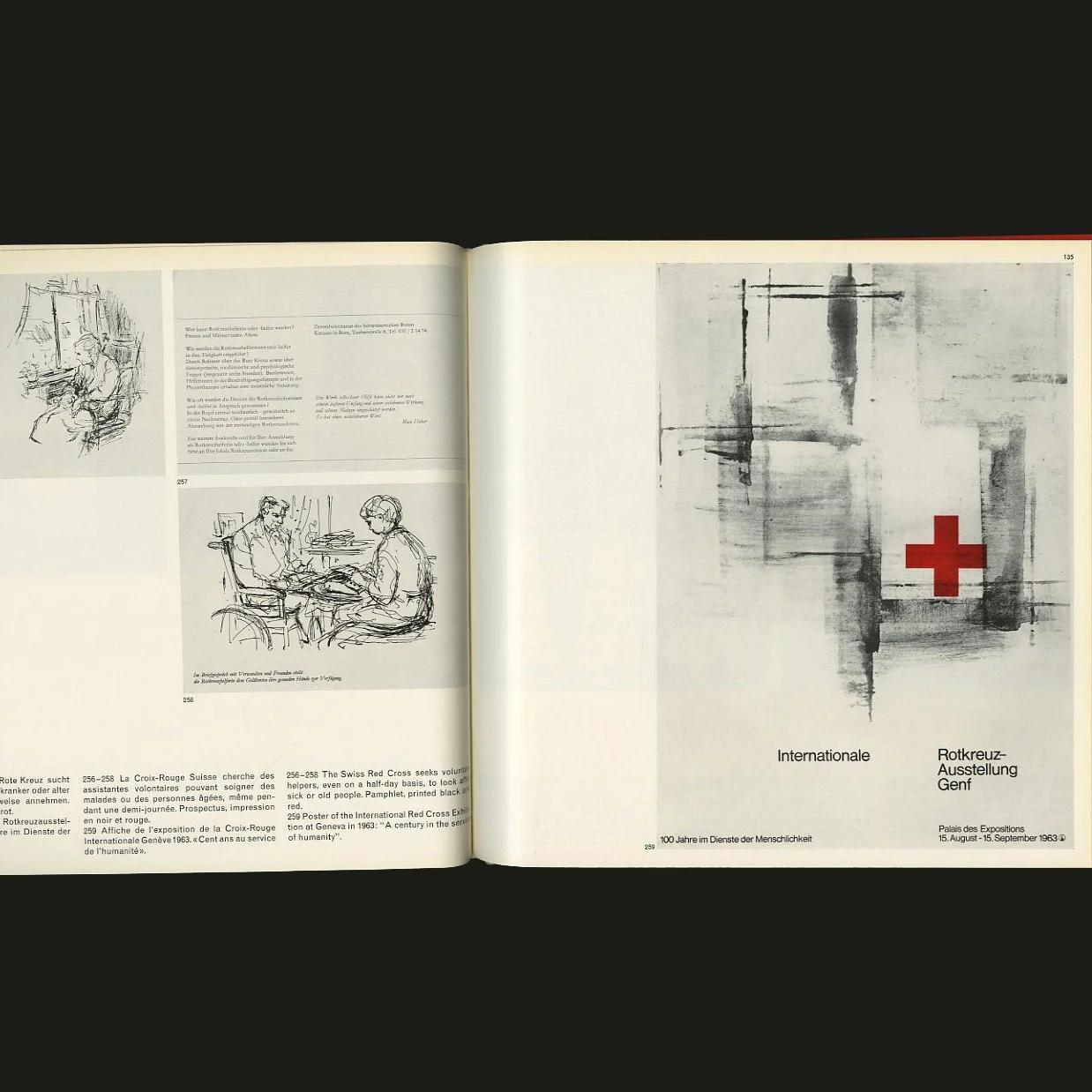 Image 10 of 19
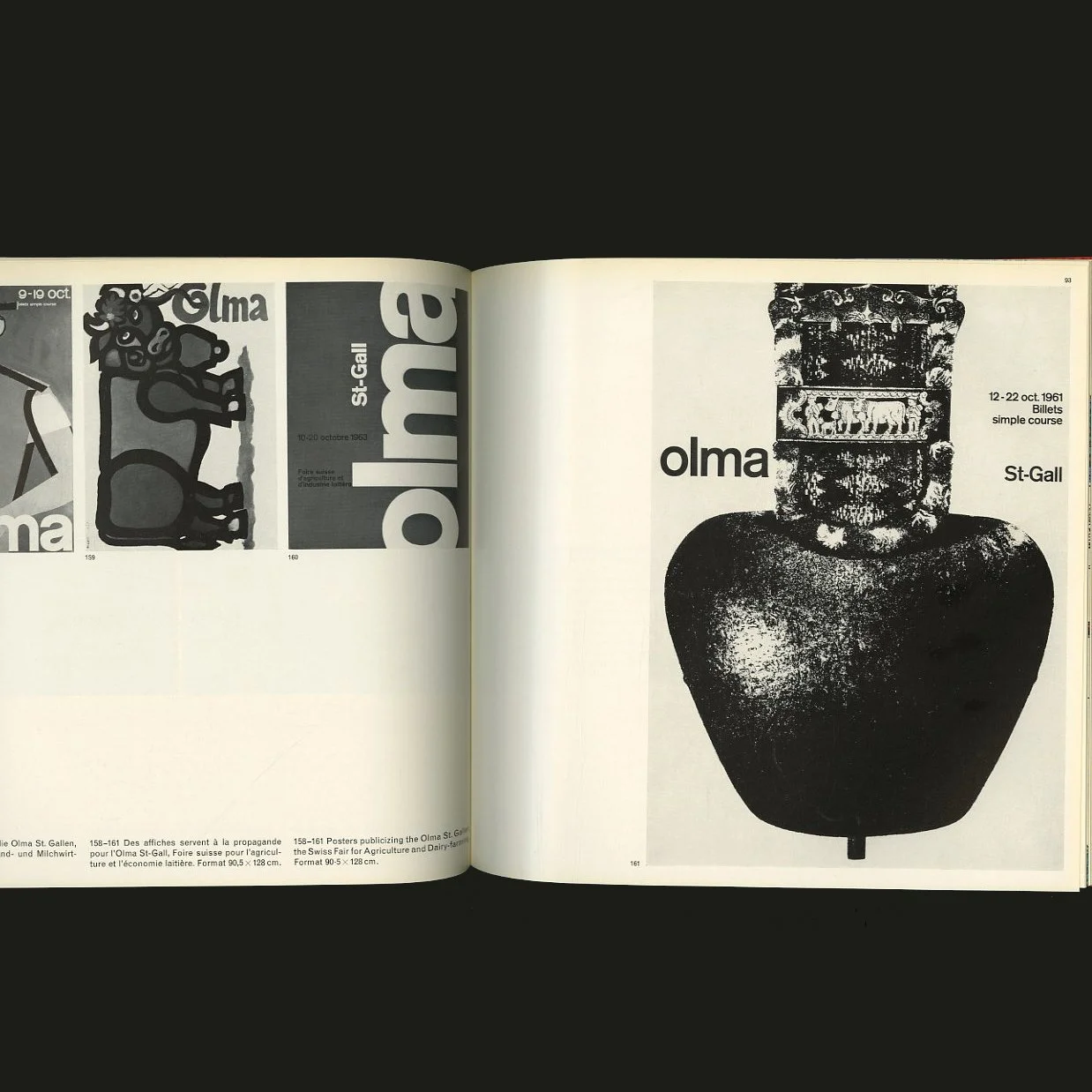 Image 11 of 19
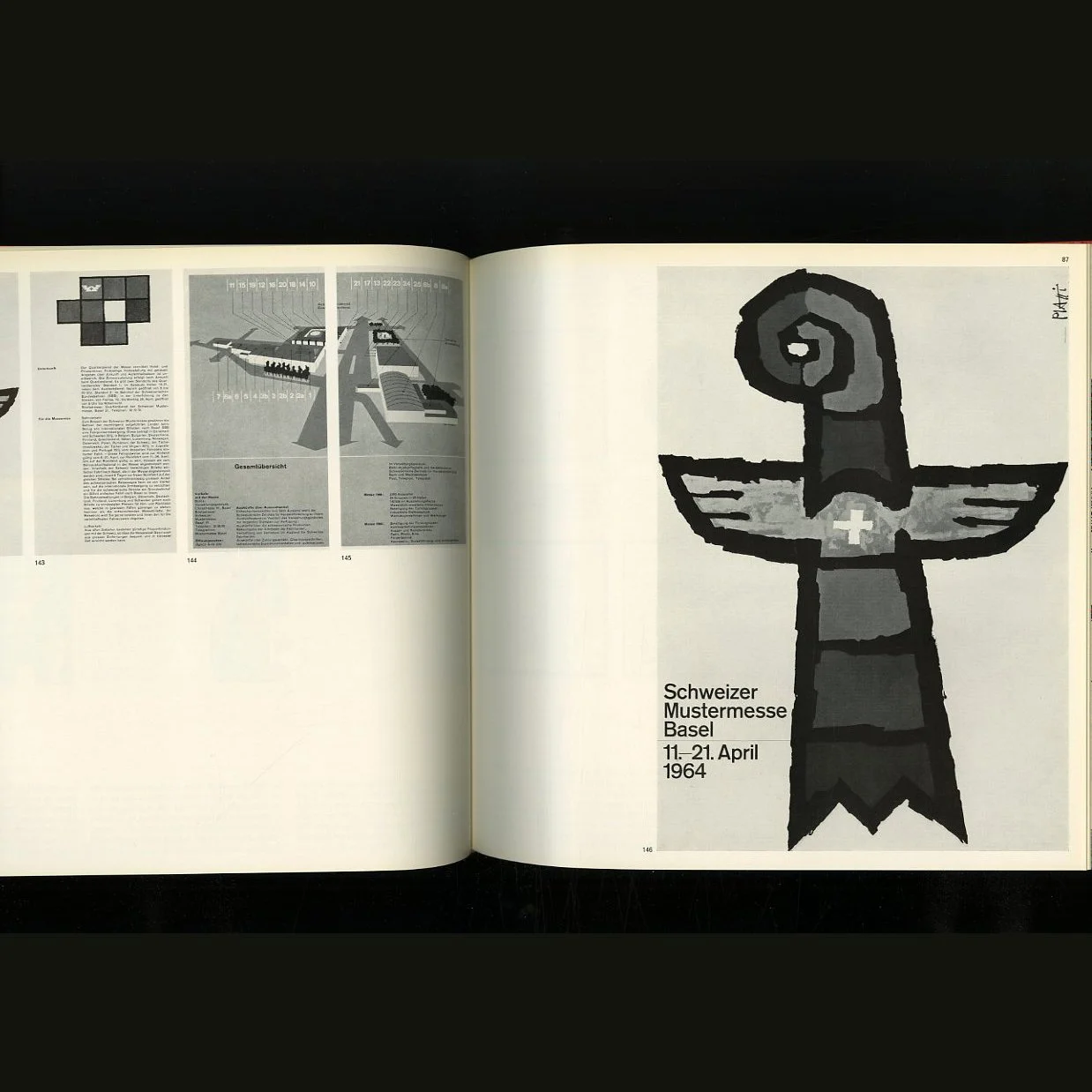 Image 12 of 19
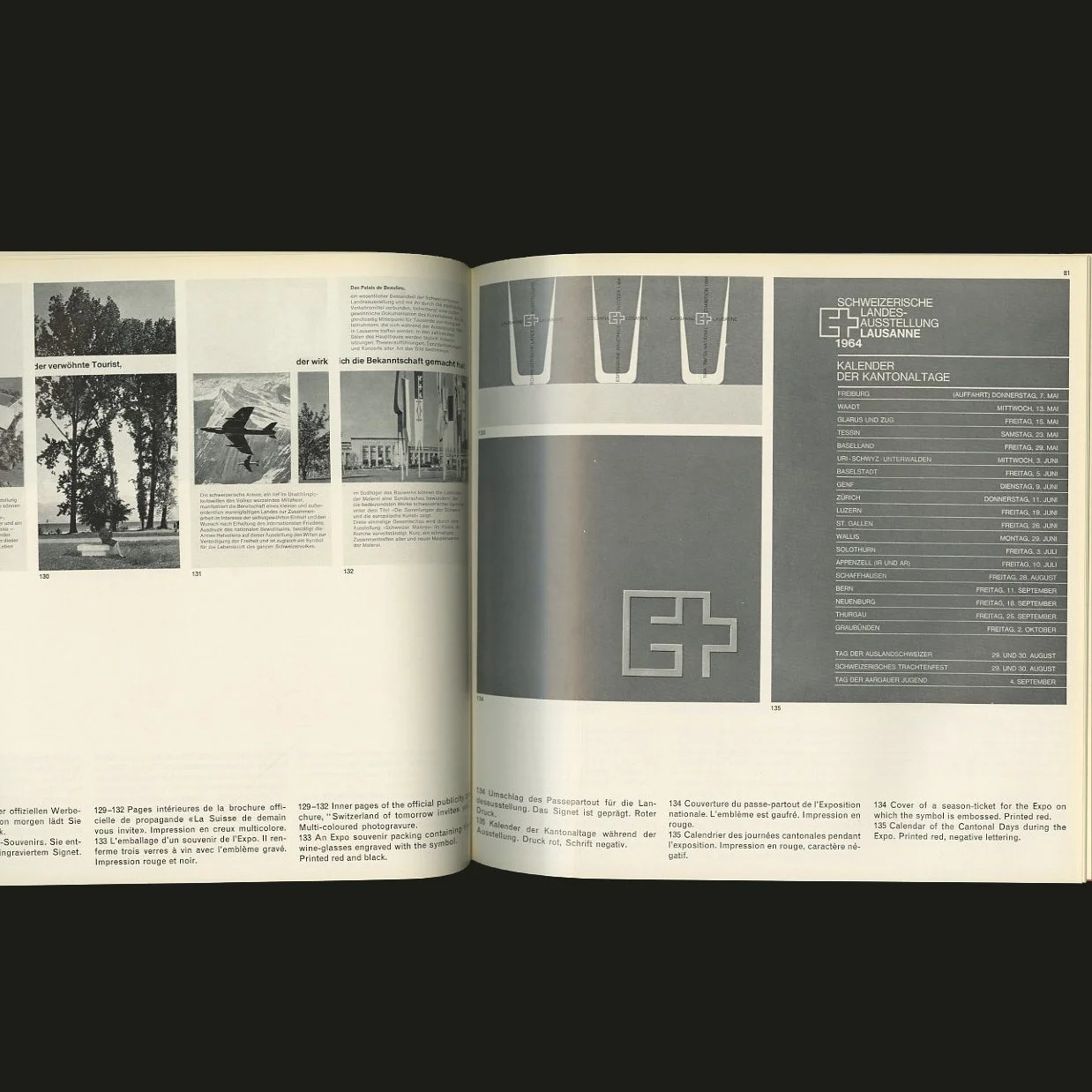 Image 13 of 19
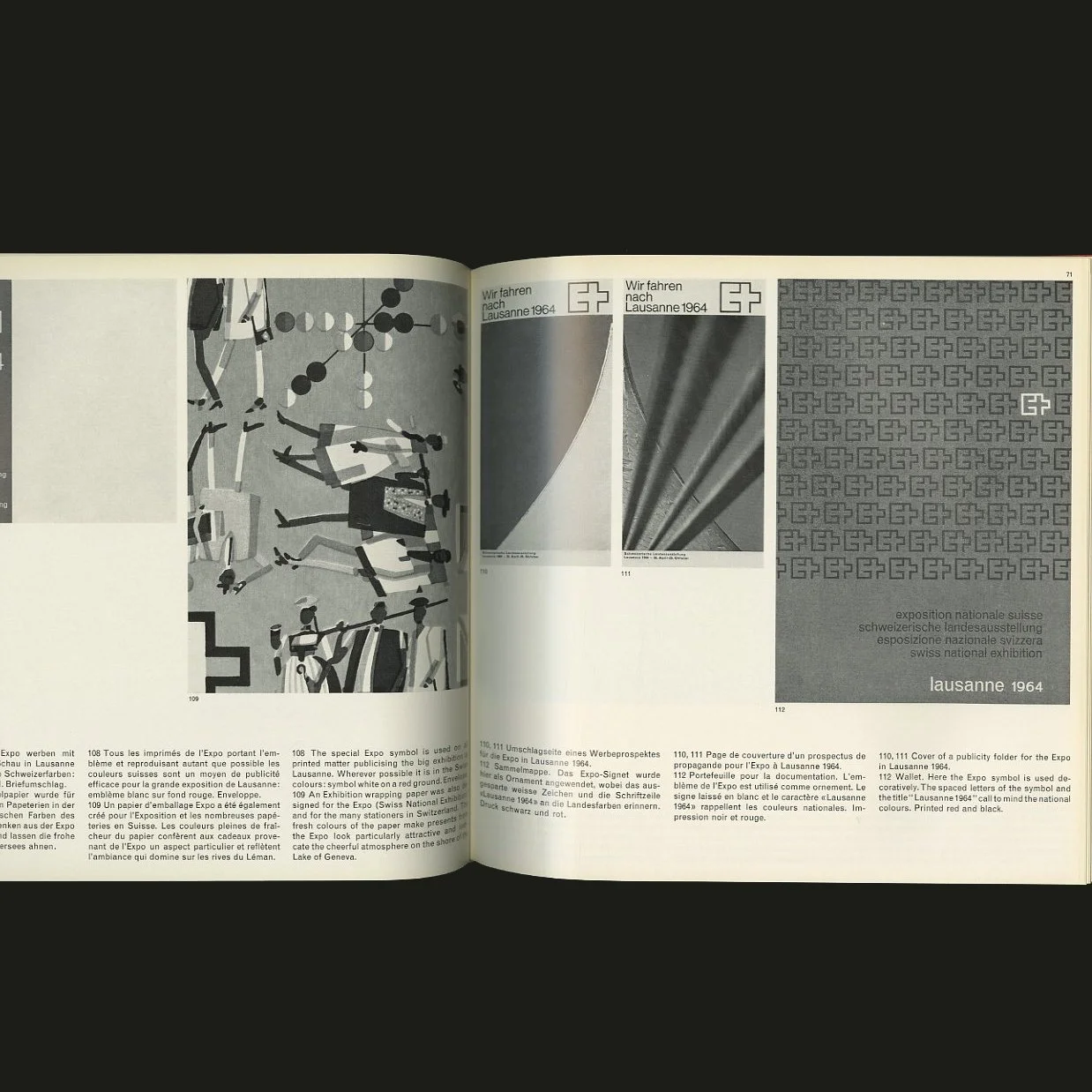 Image 14 of 19
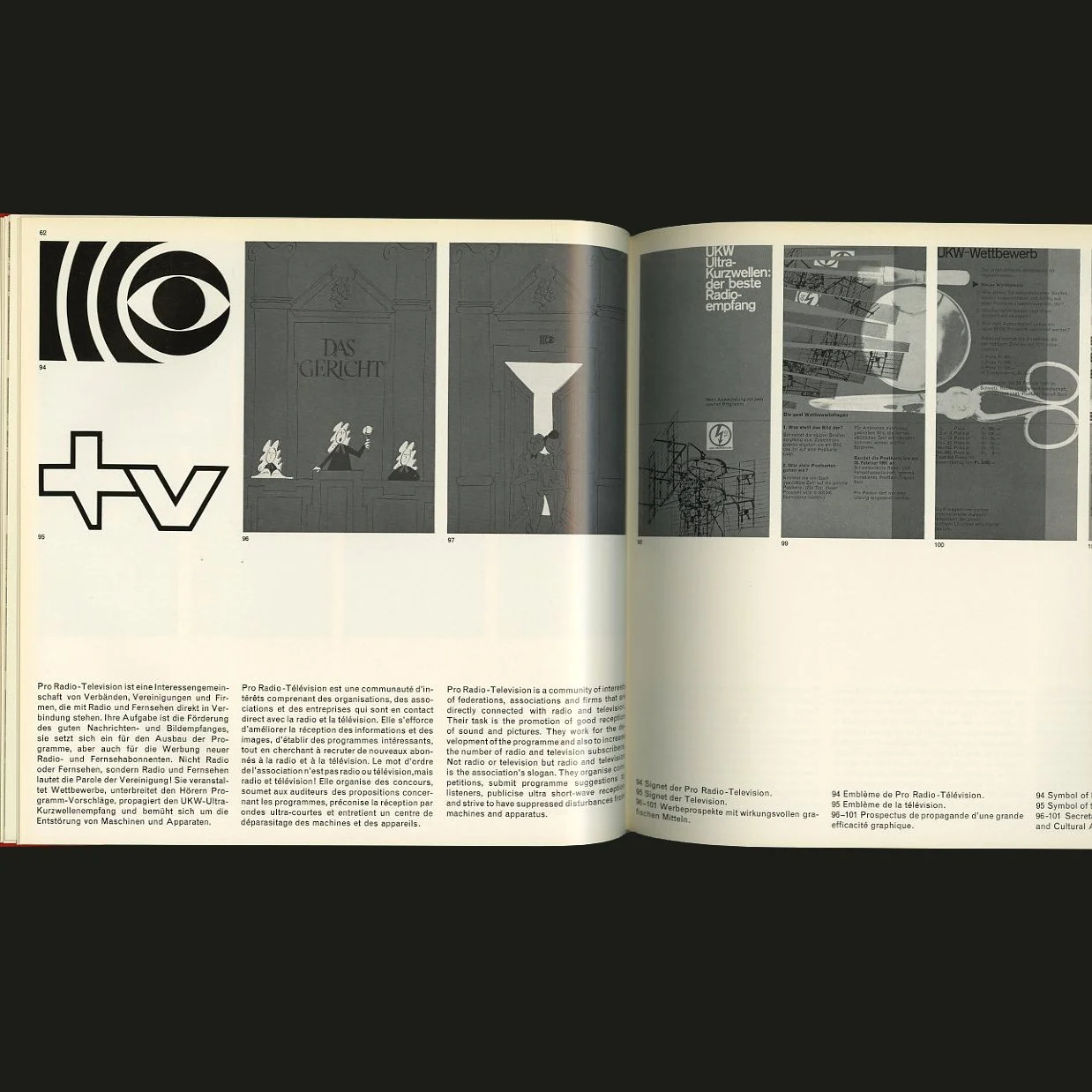 Image 15 of 19
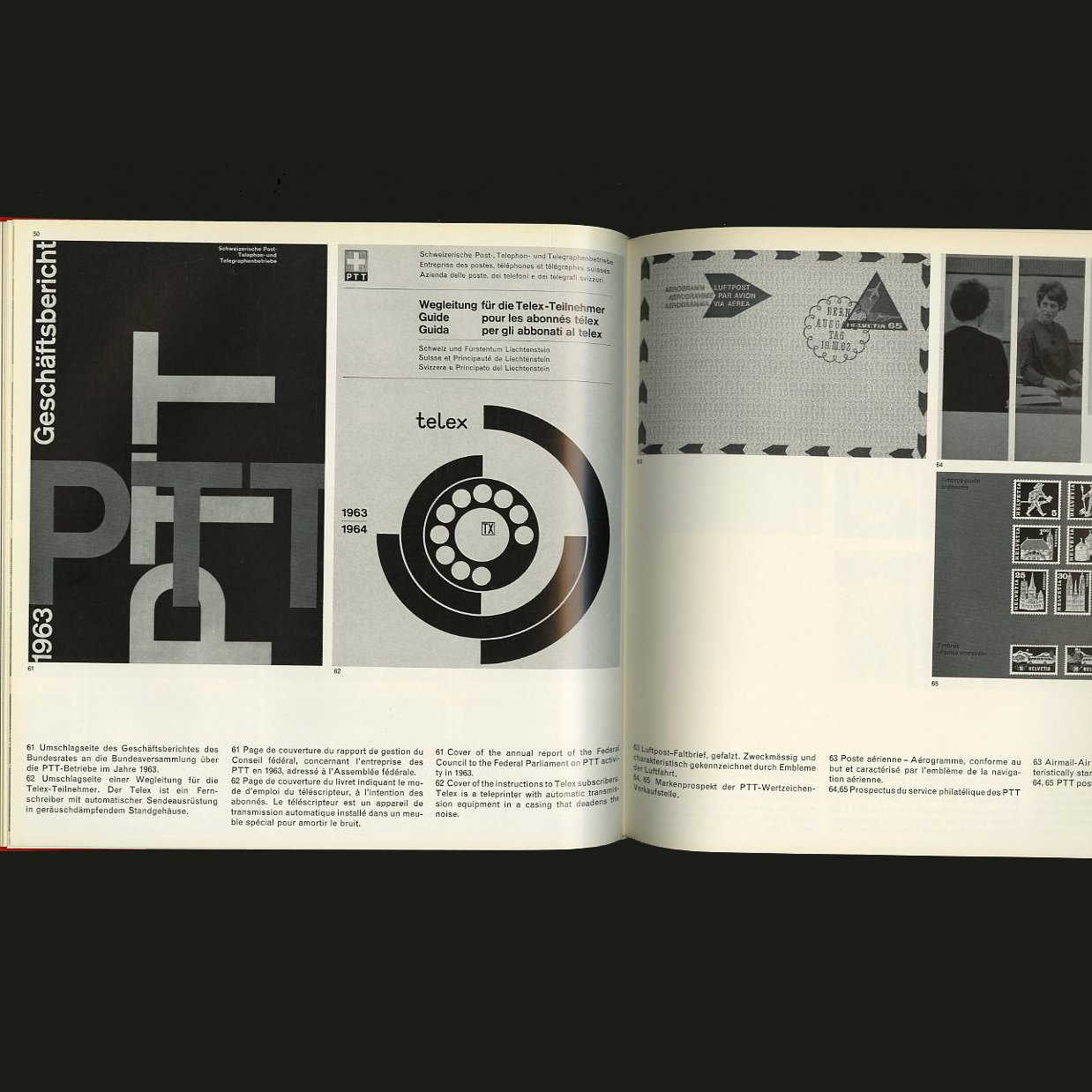 Image 16 of 19
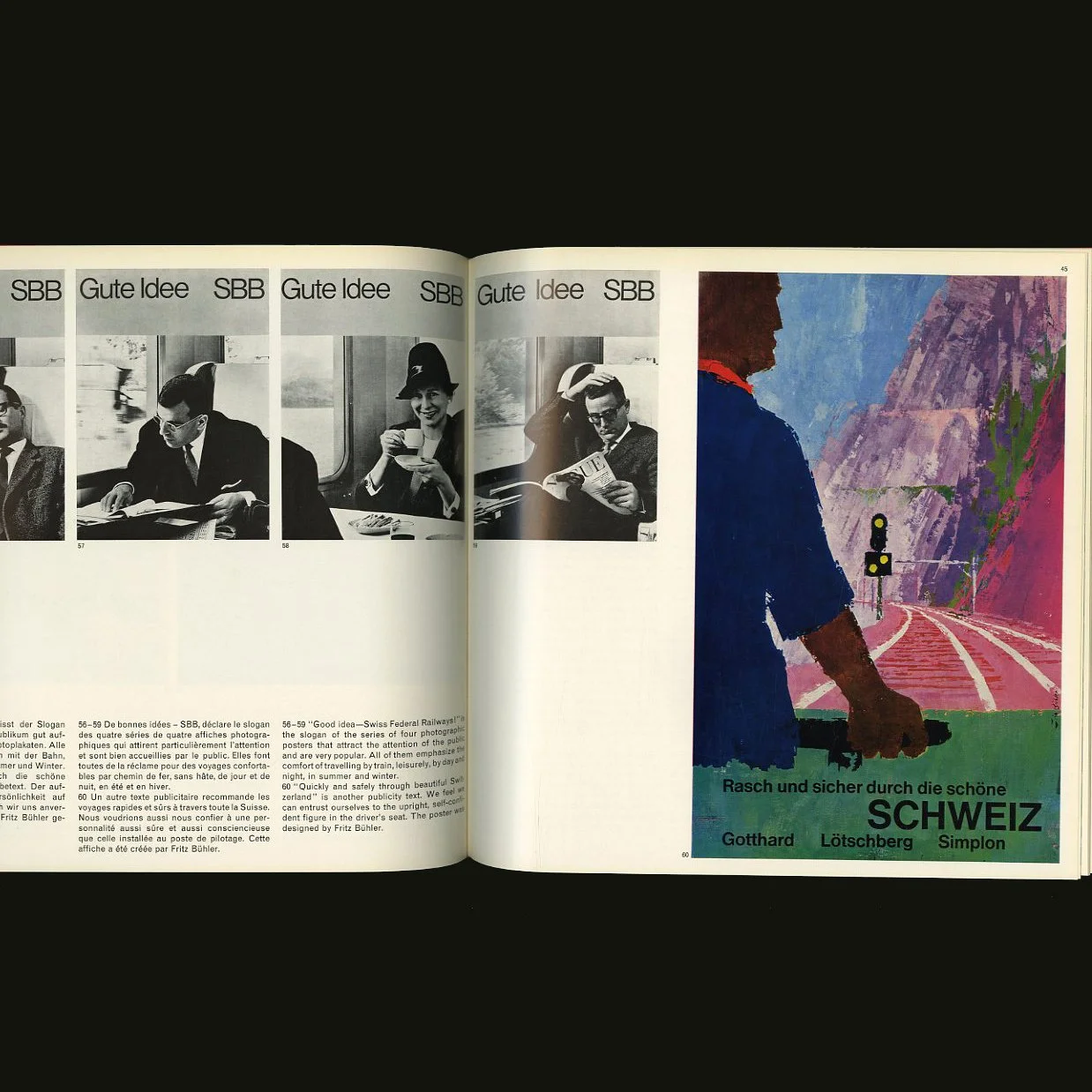 Image 17 of 19
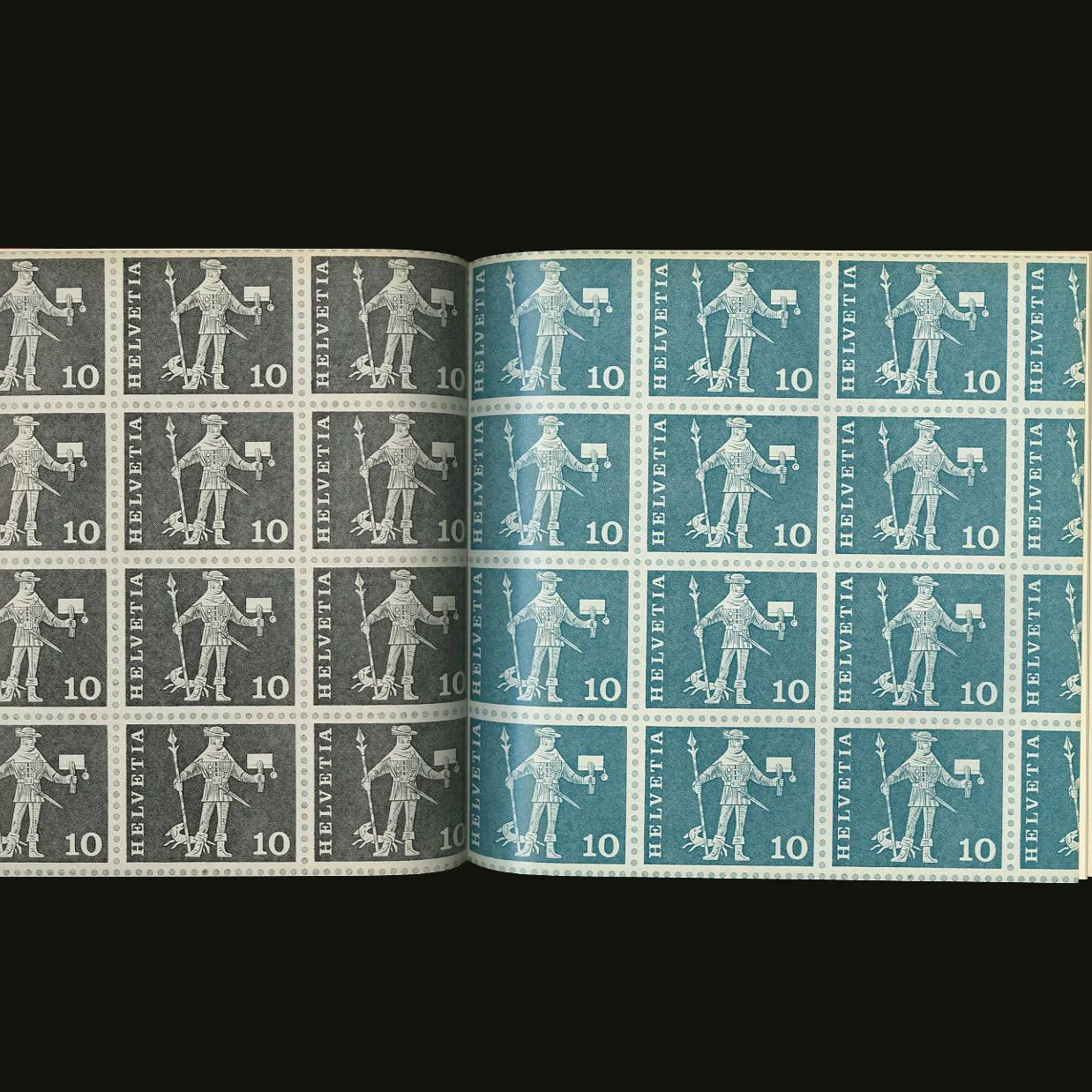 Image 18 of 19
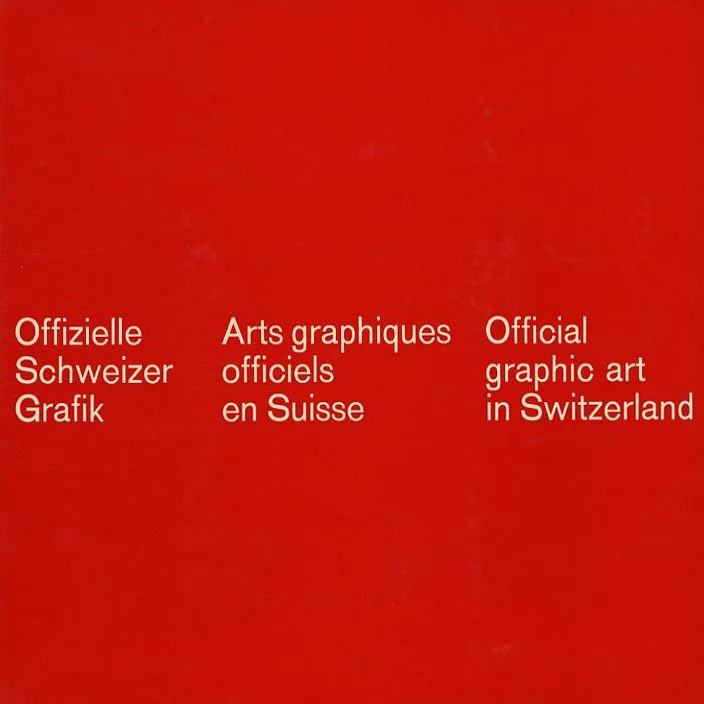 Image 19 of 19