ALEKSANDR RODCHENKO: THE NEW MOSCOW
Photographs from the L. and G. Tatunz Collection
Margarita Tupitsyn
Münich: Schirmer/Mosel, 1998. First edition. Quarto. Black cloth titled in red. Photo illustrated dust jacket. 120 pp. 82 duotone plates. Textblock edges lightly sunned. Jacket lightly soiled under protective mylar. A nearly fine copy in a nearly fine dust jacket.
9.75 x 12.25 hardcover book with 120 pages and 82 duotone plates by Aleksandr Rodchenko. The images are photographs from the L. and G. Tatunz Collection, and were published to accompany a travelling exhibition, organised by the Sprengel Museum, Hannover.
City portraits were a favorite theme of avant-garde photographers. The booming industrial metropolises, whose faces were to change radically within a few years, called for a new vision and unaccustomed perspectives. This is revealed in The New Moscow, Aleksandr Rodchenko’s view of the capital of the then still young Soviet Union, whose dynamic awakening during the Socialist era inspired the avant-garde artist to create this unusual project. After being expelled from the October group in 1932, Rodchenko was commissioned to take pictures of Moscow. Out of this series Varvara Stepanova, his wife and colleague, compiled a narrative sequence of eight-nine gelatin silver prints adding to it some photographs from the October period. The photos of street parades, housing projects, technical buildings, new sport facilities, and factories taken between the late twenties and early thirties were meant to appeal on two levels: firstly for their new aesthetics—the famous Rodchenko perspective and secondly for their film-like sequencing. The artist prepared the series for a 1933 edition, which was never published. Many of his high quality vintage prints were preserved, however, and are now published in a complete reconstruction of The New Moscow.
In the aftermath of the Russian Revolution of 1917, a group of artists who came to call themselves Constructivists sets out to create a new art in the spirit of the new society to come. Aleksandr Rodchenko (1891-1956), the most important and versatile member of the group, made outstanding and original works in virtually every field of the visual arts. In the first part of his career, Rodchenko produced innovative abstract painting, sculpture, prints and drawings. In 1921, however, he made a bold break, committing himself to applied art in the service of revolutionary ideals, and moving on to lasting achievements in photocollage, photography, and design of all kinds: books, posters, magazines, advertising, furniture.
Margarita Tupitsyn is an art historian and independent curator. American of Russian origin and a resident of New York City, she is the author of Margins of Soviet Art (1989), and The Soviet Photograph, 1924-1937 (1996).
ALEKSANDR RODCHENKO: THE NEW MOSCOW
Photographs from the L. and G. Tatunz Collection
Margarita Tupitsyn
Münich: Schirmer/Mosel, 1998. First edition. Quarto. Black cloth titled in red. Photo illustrated dust jacket. 120 pp. 82 duotone plates. Textblock edges lightly sunned. Jacket lightly soiled under protective mylar. A nearly fine copy in a nearly fine dust jacket.
9.75 x 12.25 hardcover book with 120 pages and 82 duotone plates by Aleksandr Rodchenko. The images are photographs from the L. and G. Tatunz Collection, and were published to accompany a travelling exhibition, organised by the Sprengel Museum, Hannover.
City portraits were a favorite theme of avant-garde photographers. The booming industrial metropolises, whose faces were to change radically within a few years, called for a new vision and unaccustomed perspectives. This is revealed in The New Moscow, Aleksandr Rodchenko’s view of the capital of the then still young Soviet Union, whose dynamic awakening during the Socialist era inspired the avant-garde artist to create this unusual project. After being expelled from the October group in 1932, Rodchenko was commissioned to take pictures of Moscow. Out of this series Varvara Stepanova, his wife and colleague, compiled a narrative sequence of eight-nine gelatin silver prints adding to it some photographs from the October period. The photos of street parades, housing projects, technical buildings, new sport facilities, and factories taken between the late twenties and early thirties were meant to appeal on two levels: firstly for their new aesthetics—the famous Rodchenko perspective and secondly for their film-like sequencing. The artist prepared the series for a 1933 edition, which was never published. Many of his high quality vintage prints were preserved, however, and are now published in a complete reconstruction of The New Moscow.
In the aftermath of the Russian Revolution of 1917, a group of artists who came to call themselves Constructivists sets out to create a new art in the spirit of the new society to come. Aleksandr Rodchenko (1891-1956), the most important and versatile member of the group, made outstanding and original works in virtually every field of the visual arts. In the first part of his career, Rodchenko produced innovative abstract painting, sculpture, prints and drawings. In 1921, however, he made a bold break, committing himself to applied art in the service of revolutionary ideals, and moving on to lasting achievements in photocollage, photography, and design of all kinds: books, posters, magazines, advertising, furniture.
Margarita Tupitsyn is an art historian and independent curator. American of Russian origin and a resident of New York City, she is the author of Margins of Soviet Art (1989), and The Soviet Photograph, 1924-1937 (1996).

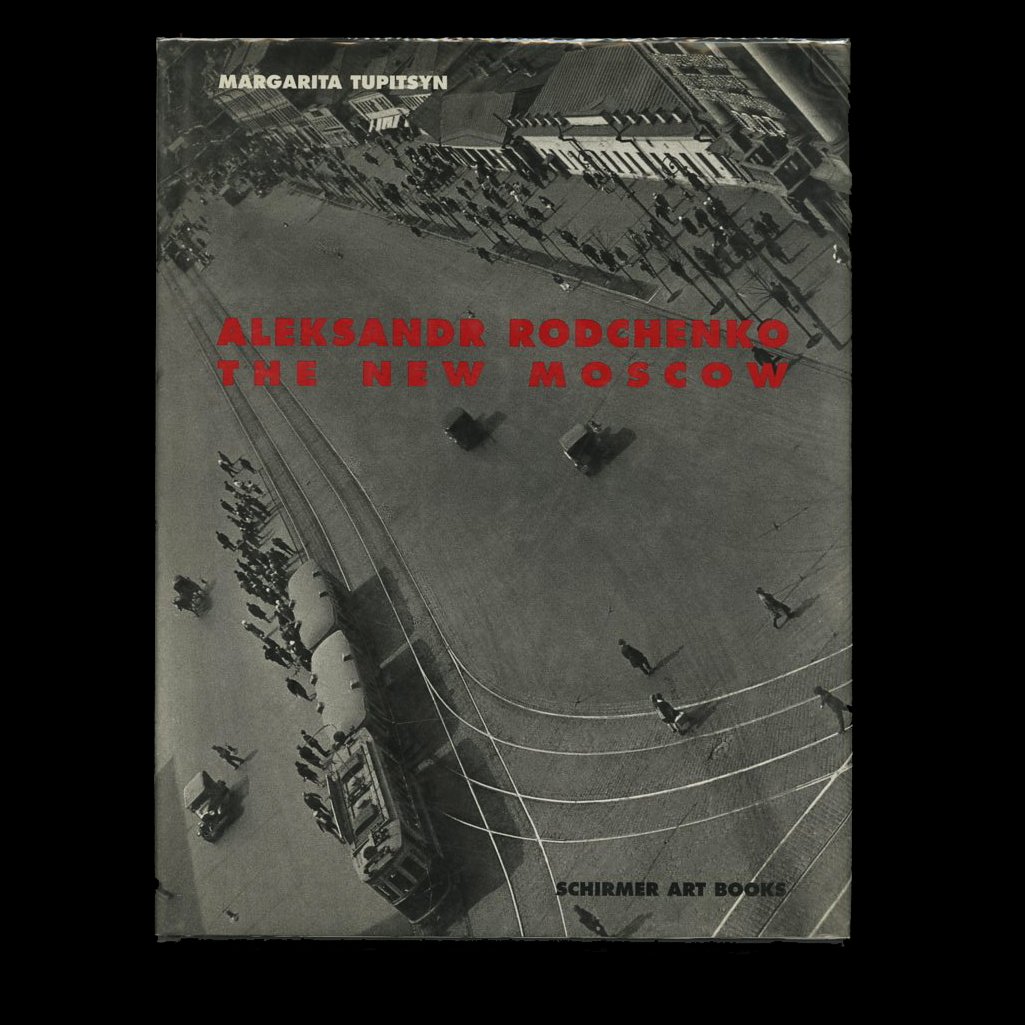 Image 1 of 11
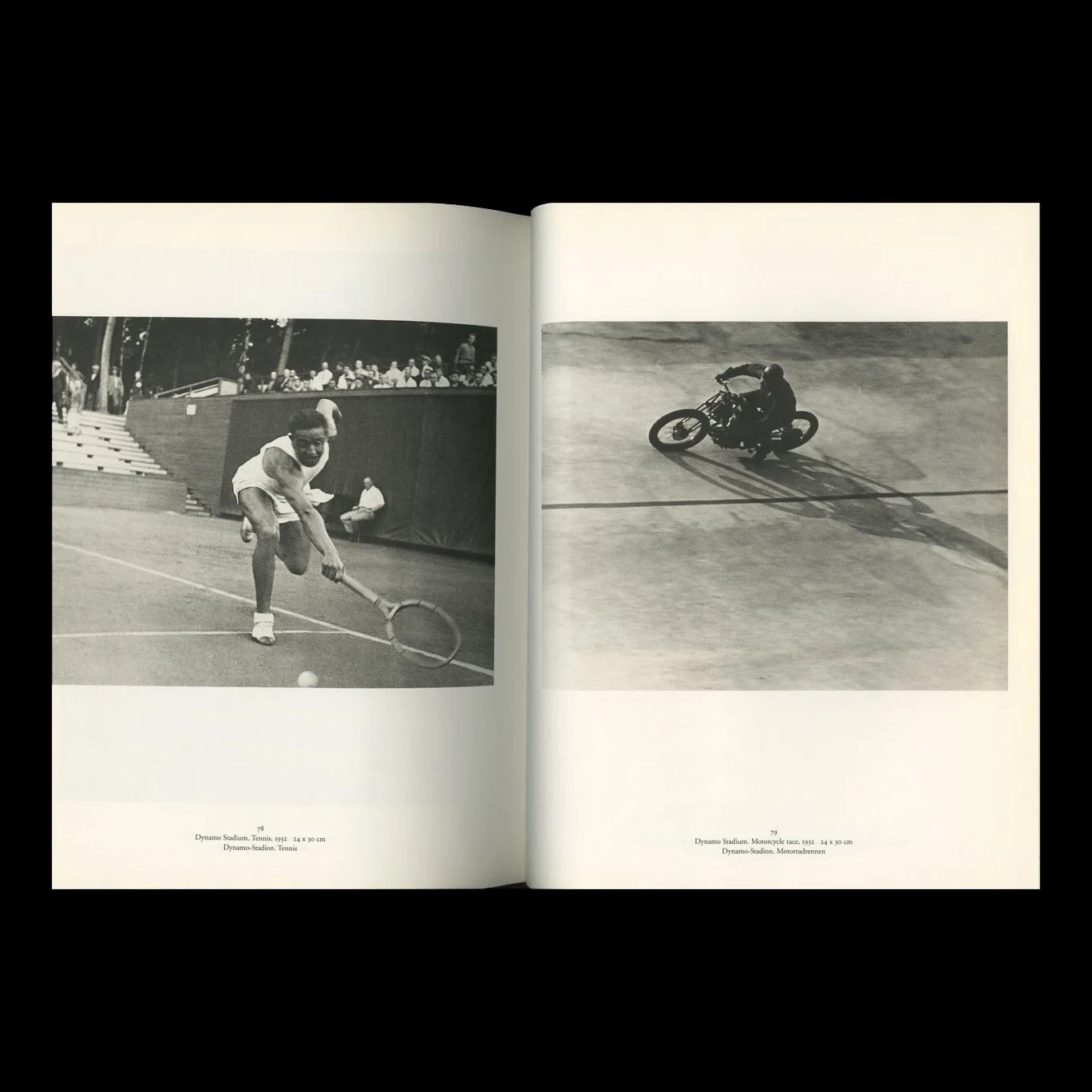 Image 2 of 11
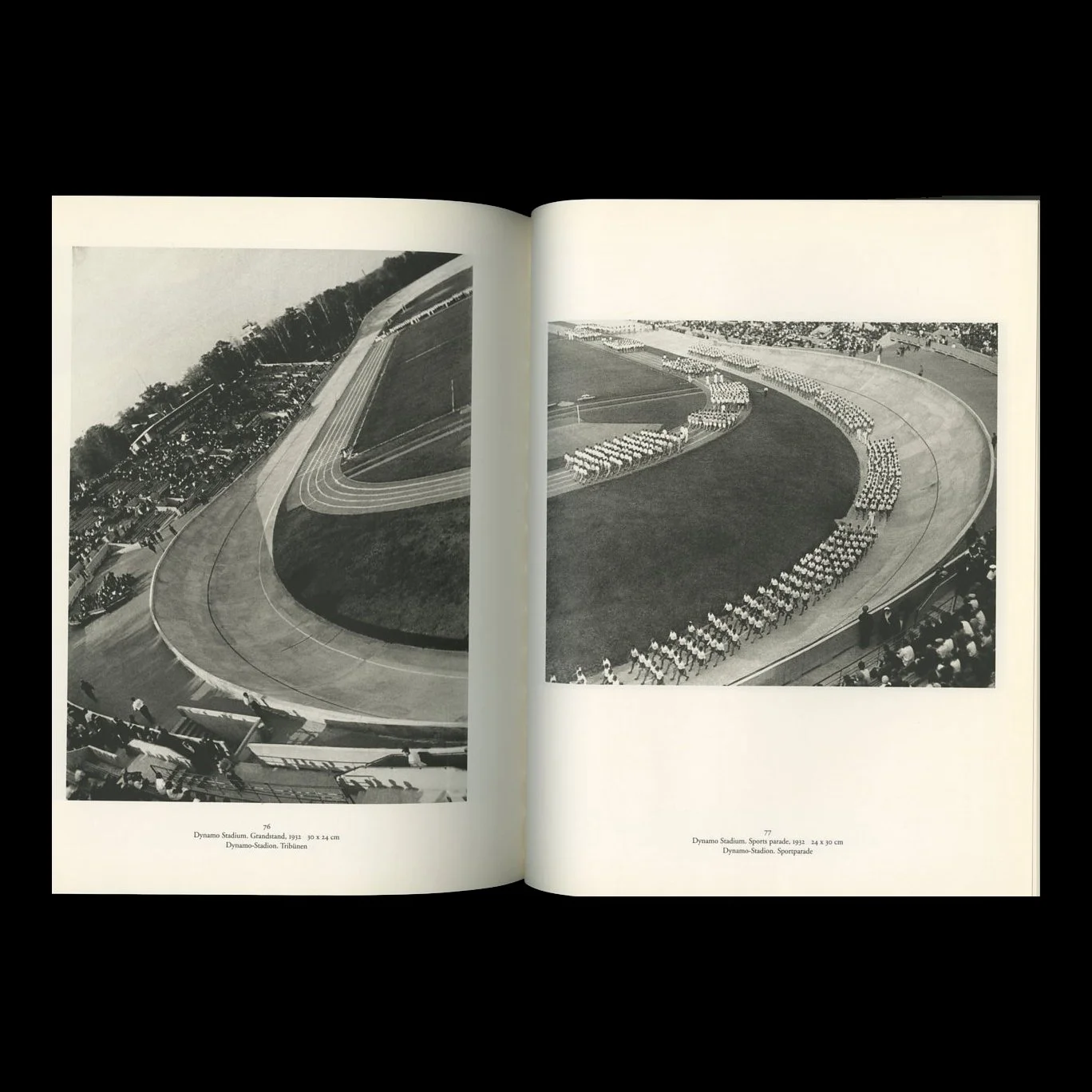 Image 3 of 11
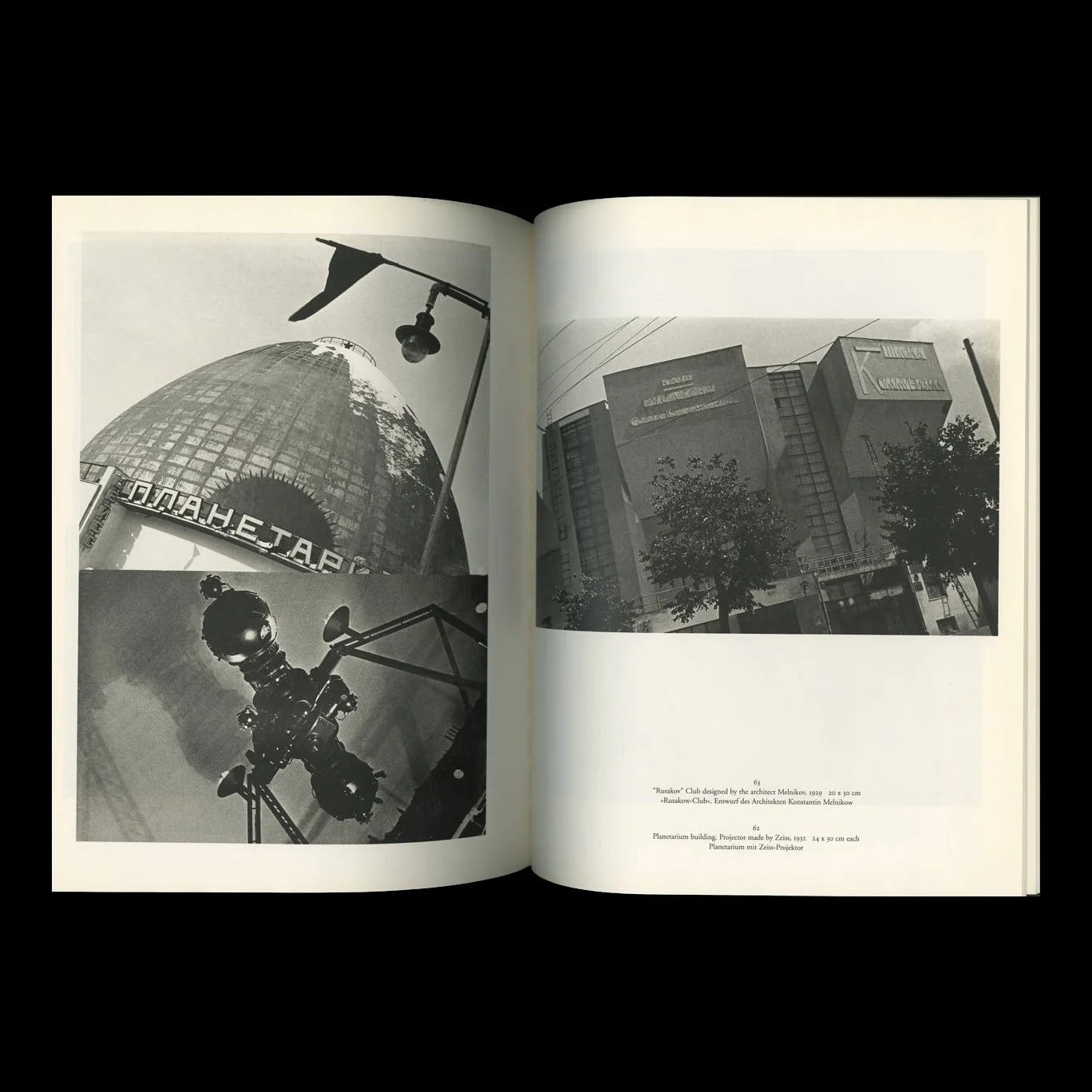 Image 4 of 11
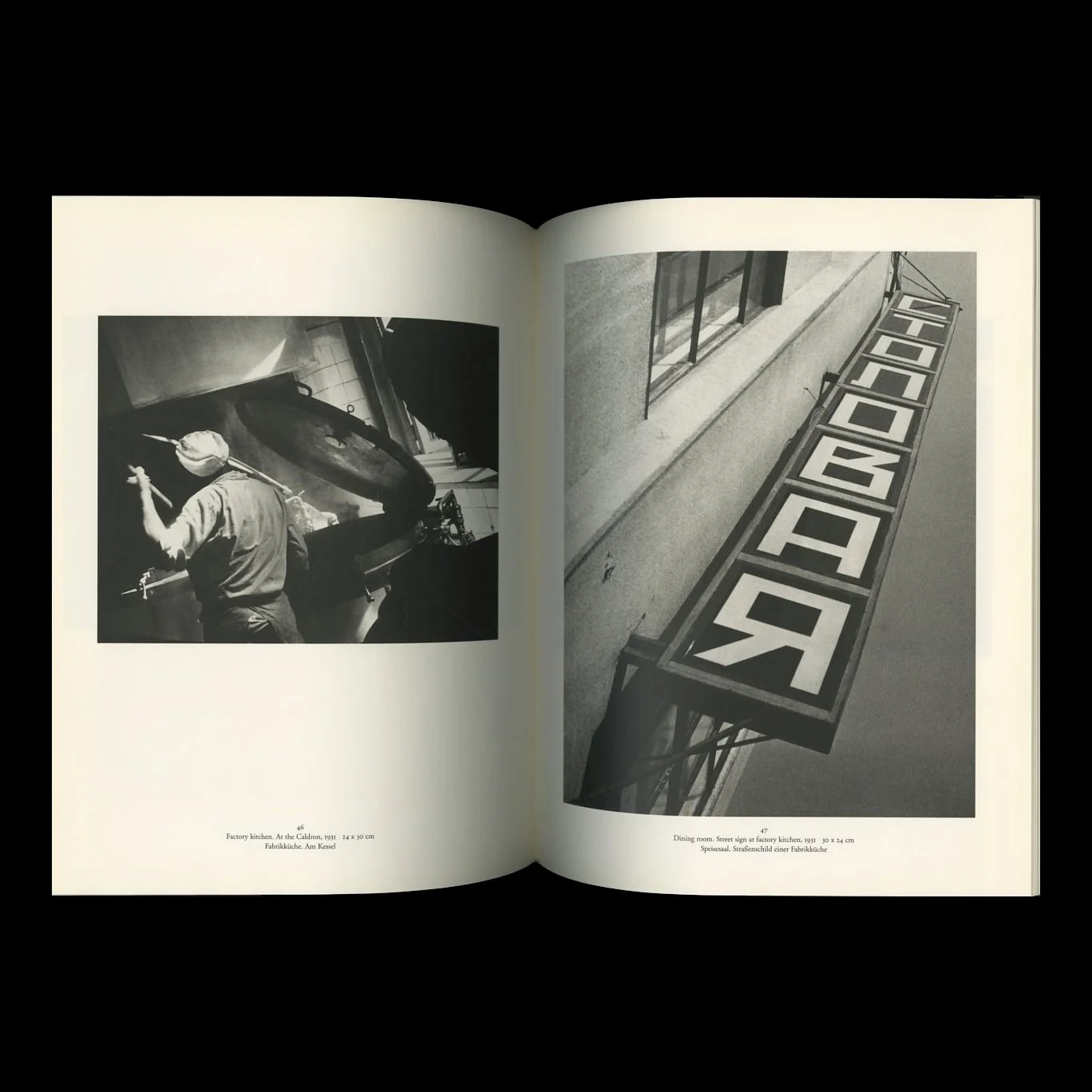 Image 5 of 11
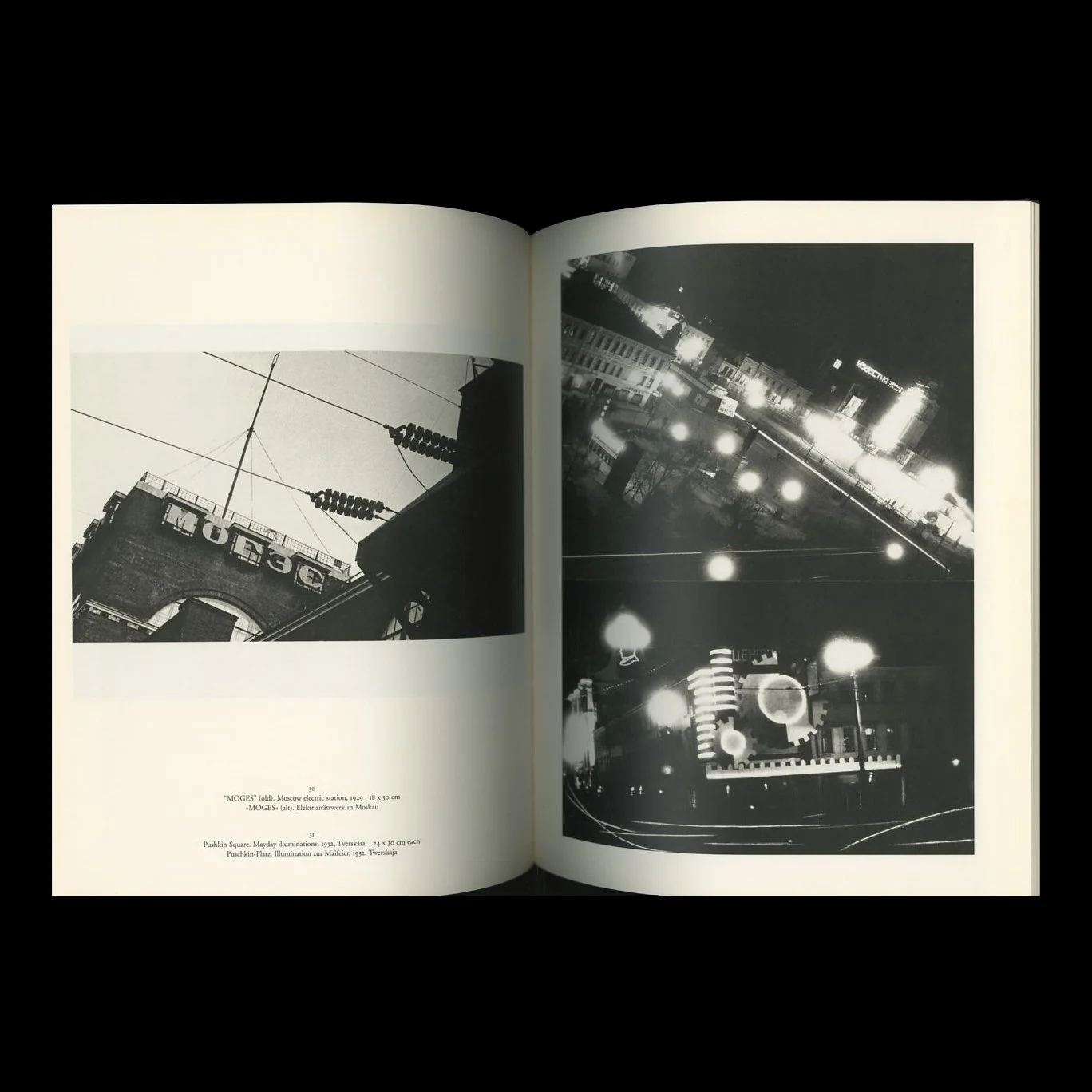 Image 6 of 11
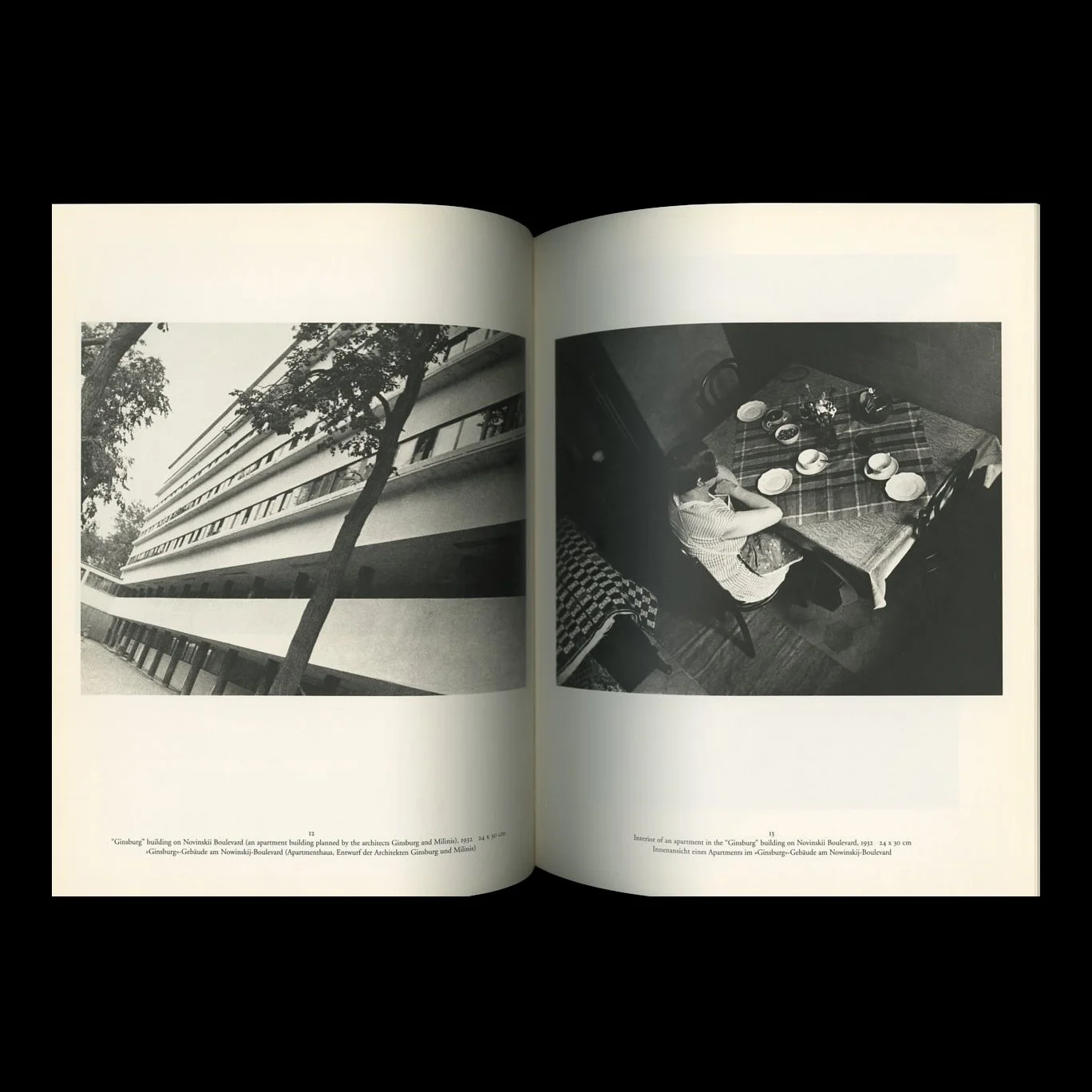 Image 7 of 11
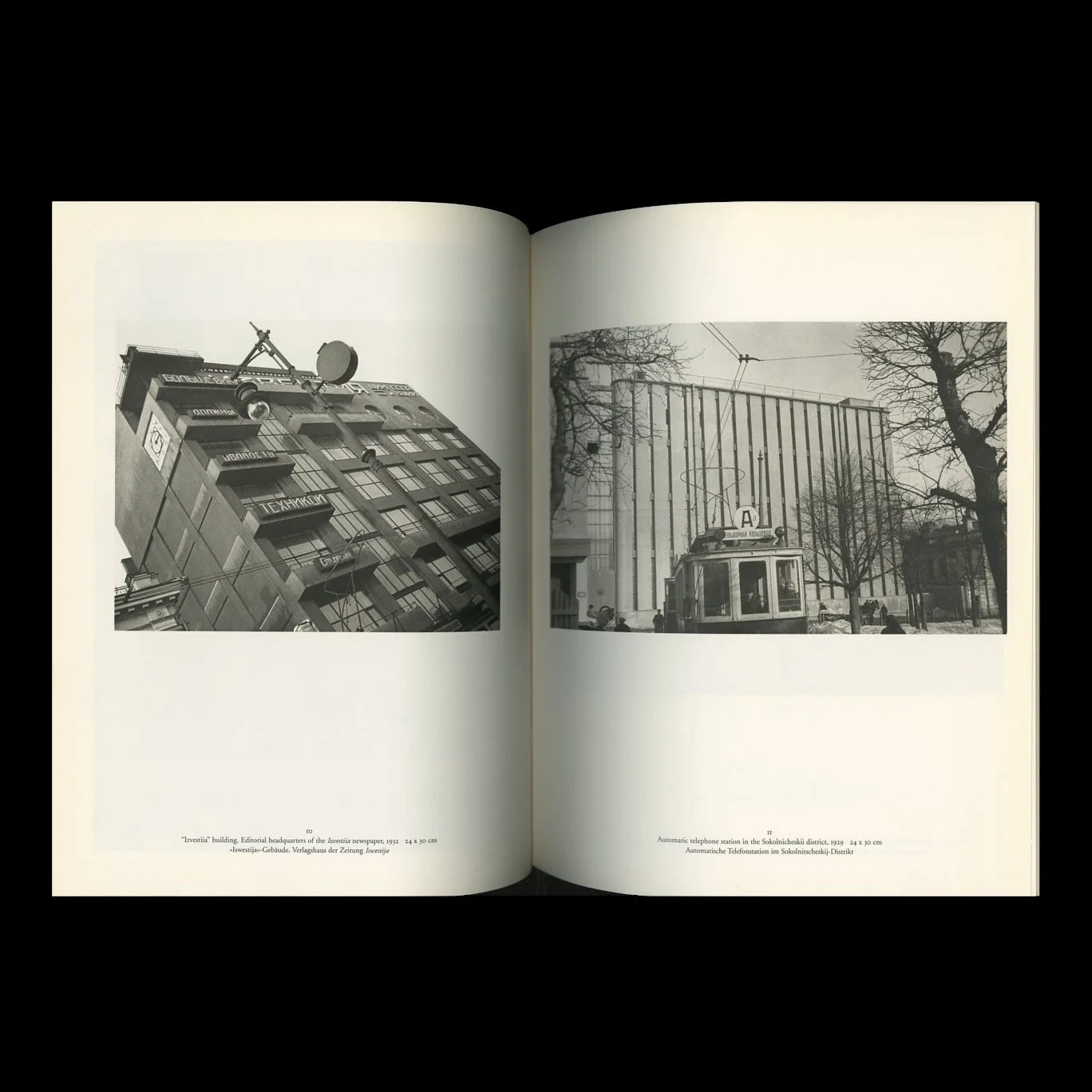 Image 8 of 11
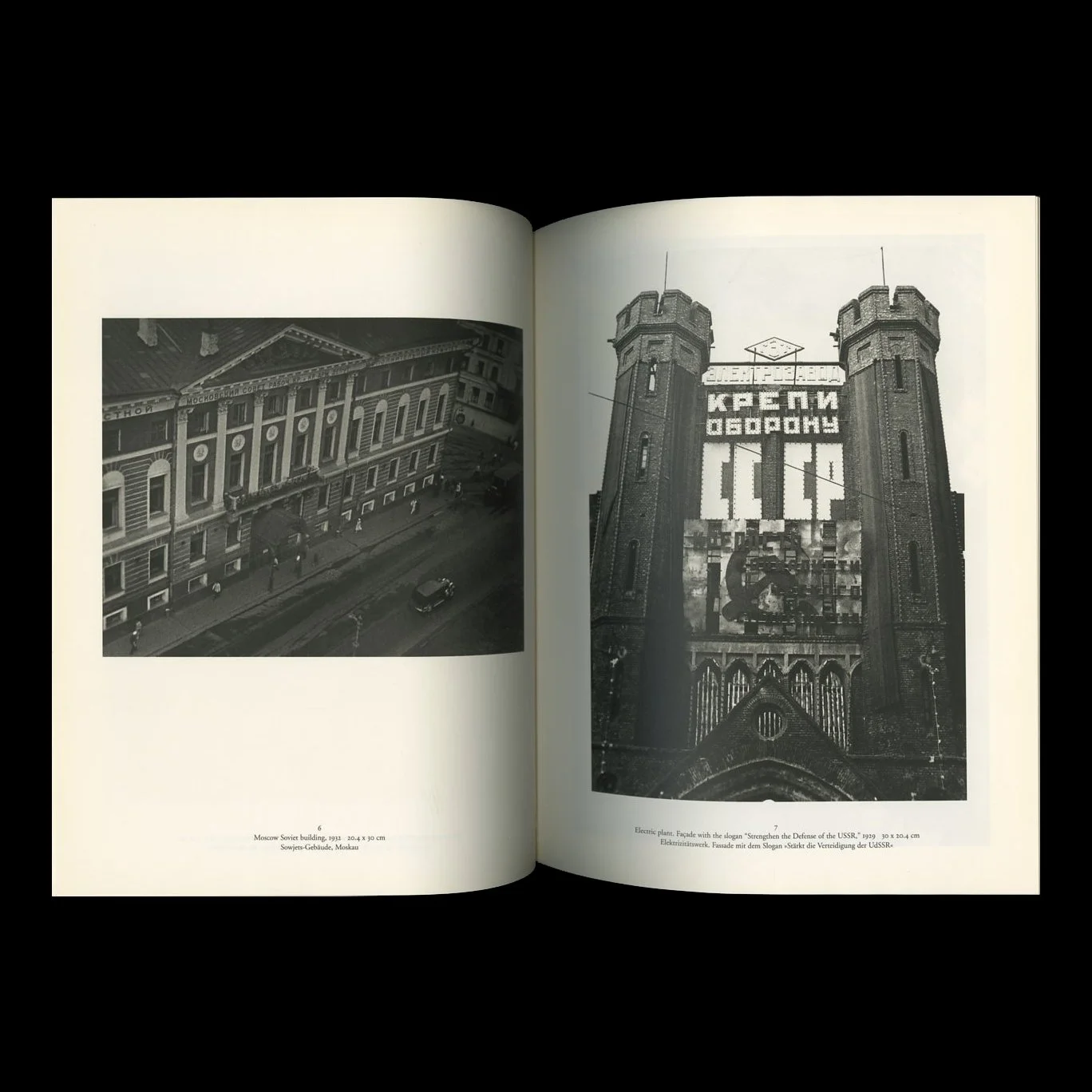 Image 9 of 11
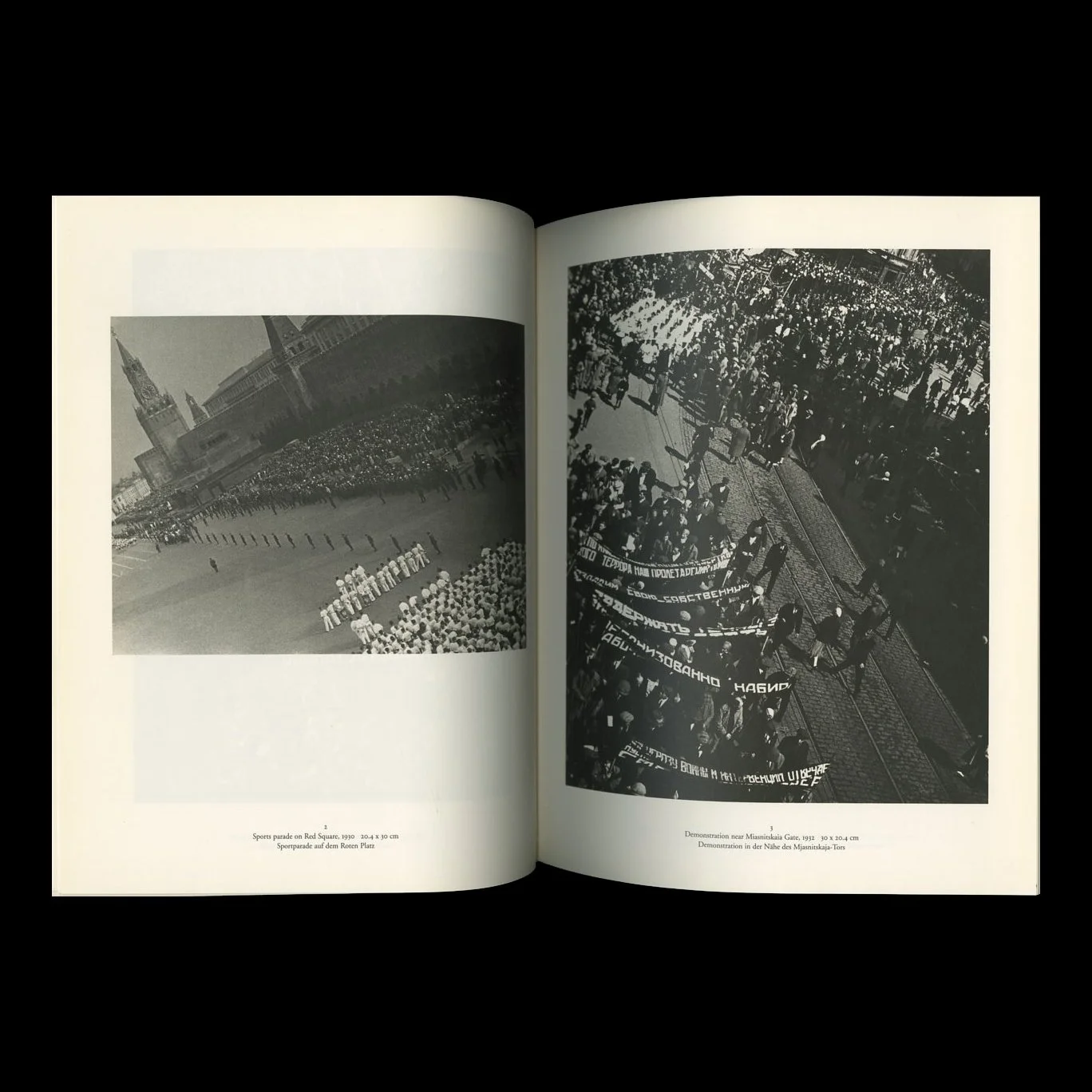 Image 10 of 11
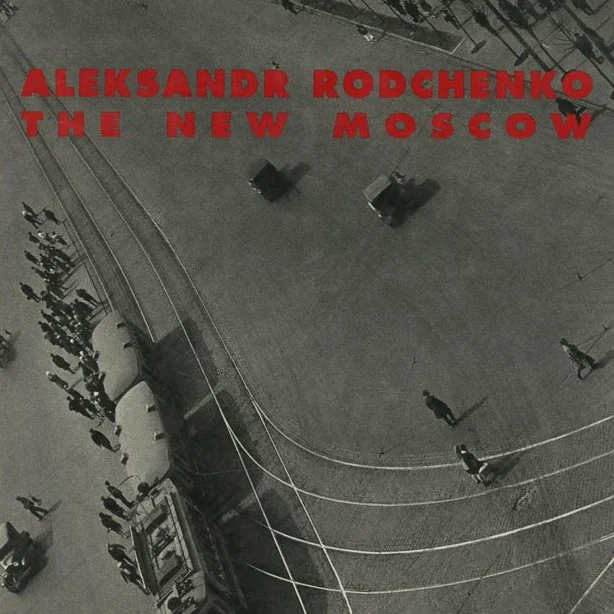 Image 11 of 11