MODERN ART IN YOUR LIFE
Museum of Modern Art Bulletin, V. 17, No. 1, 1949
Robert Goldwater, Paul Rand [cover design]
New York: Museum of Modern Art, 1949. First edition [MoMA Bulletin, V. 17, No. 1, 1949]. Quarto. Printed and stapled wrappers. 48 pp. 143 black and white photographs. Paul Rand’s cover design is widely recognized as one of his most iconic. Uncoated wrappers lightly age-toned, as usual for this edition. Blank rear panel with a couple of tiny spots, and covered with a faint wood grain discoloration from storage on a nicely textured plank. This shadow actually is pretty great and adds a suitable extra dimension to this very good copy.
7.25 x 9.25 softcover book with 48 pages and 143 black-and-white photographs and illustrations of how modern art had infiltrated everyday life in postwar America. All aspects of modern culture are represented: architecture, furniture, fabrics, ceramics, textiles, books, posters, exhibits, sculpture, graphic design, etc. This slim volume is extraordinarily comprehensive.
As usual, Rand nailed the concept of this book with a perfect visual image. Highly recommended.
The catalog to the exhibition states in its foreword: "'Modern Art in Your Life' ... is the second exhibition presented by the Museum of Modern Art to celebrate its 20th Anniversary. The first, 'Timeless Aspects of Modern Art,' dealt with the relationship between modern art and the art of past periods, and was designed to show that modern art is not an isolated phenomenon in history but an integral part of the art of all ages, "'Modern Art in Your Life' is designed to show that the appearance and shape of countless objects of our everyday environment are related to, or derived from, modern painting and sculpture, and that modern art is an intinsic part of modern living. "These exhibitions are not presented as a justification of the artistic merit of modern art. Works of art need no justification beyond their own appeal. The aim of this special series is to demonstrate, persistent doubters to the contrary, that modern art, like the art of any period, is both rooted in tradition and truly pertinent to its own time.”
Artisans whose work is featured in this volume include Piet Mondrian, George Nelson, Jean Lurcat, Theo van Doesburg, Naum Gabo, El Lissitzky, Kasimir Malevich,Ben Nicholson, Marcel Breuer, Paul Doering, Walter Gropius, Otto Haesler, Raymond Hood, George Howe and William Lescaze, Mies van der Rohe, Gerrit Rietveld, Antonin Raymond, Anni Albers, Charles Eames,Eero Saarinen, Harry Weese, Ben Baldwin, A. M. Cassandre, Tonio del Renzio, Laszlo Moholy-Nagy, Erik Nitsche, Stamo Papadaki, Alexander Archipenko, Fernand leger, Amedee Ozenfant, John Vassos, Jean Carlu, E. McKnight Kauffer, JeanArp, alexander Calder, Joan Miro, Isamu Noguchi, Oscar Niemeyer, Ben Rose, Alvin Lustig, Paul Klee, Henry Moore, Pablo Picasso, Alexander Girard, Lester Beall, Ben Shahn, Salvador Dali, Max Ernst, Rene Magritte, Yves Tanguy and many others.
The Museum of Modern Art’s first press release describes this show thus: “Modern Art in Your Life,” an exhibition to show how modern art is a source and catalyst for much of our daily environment from 5th Avenue windows to newspaper advertisements, will occupy the entire 3rd floor of the Museum of Modern Art, 11 West 53 Street, from October 5 to December II. The exhibition, relating "applied" art to the "pure" art which is frequently its source, will commemorate the founding of the Museum in 1929* This 20th Anniversary Exhibition is being organized by Rene d’Harnoncourt, Director of the Museum's Curatorial Departments, in collaboration with Robert Goldwater. author, Associate Professor of Art History at Queens College and Editor of the Magazine of Art.
Buildings, furniture, useful objects, shop displays and advertisements that are accepted readily and enjoyed by the public are related to or derived from works of art frequently considered meaningless and even ugly. The exhibition will show how the appearance of a popular magazine or of a box of cleaning tissue has direct antecedents in the most elusive abstract art. The architect eliminating ornament, the jacket designer basing his appeal on square-cut letters and balanced rectangles share the artist Mondrian1s delight in the severe beauty of mathematical order. The furniture designer bends his plywood into freely molded shapes that have their counterparts in works by Arp and Miro.
Although the exhibition does not cover every style and every school of modern art and its widespread influences, examples are selected on a basis sufficiently broad to indicate the great variety of modern art and the broad scope of its effect on modern living. Sections consisting of a number of paintings and sculptures and a number of objects related to them will be devoted to abstraction, to various forms of stylization and to surrealism and fantastic art. The Museum feels that this educational exhibition associating pure and applied art - without minimizing the independent existence of either - may help to make modern art more comprehensible to more people.
The second, descriptive press release describes the arrangements within the galleries: “Nearing the end of the exhibition the visitor returns to the pure white wall and to abstract art, but again, as in the preceding section, using organic instead of geometric form. These forms are represented by the work of Arp, Calder, Miro and Noguchi. Their counterparts in design and architecture are illustrated in the room beyond. The far wall is a light blue suggestive of space, and suspended before it is a large chart of silhouetted furniture forms designed by George Nelson for the magazine Interiors, Below are examples of furniture from which these forms were taken and which are closely related to the art in the main gallery. The molded plywood chair designed by Eames; the "hammock" chair by Bonet, Kurchan and Hardoy are among the pieces shown. Pottery, textiles, advertising and package design emphasize once again how much a part of our lives these shapes have become.”
If the word legend has any meaning in the graphic arts and if the term legendary can be applied with accuracy to the career of any designer, it can certainly be applied to Paul Rand (1914-1996). By 1947, the legend was already firmly in place. By then Paul had completed his first career as a designer of media promotion at Esquire-Coronet --and as an outstanding cover designer for Apparel Arts and Directions. He was well along on a second career as an advertising designer at the William Weintraub agency which he had joined as art director at its founding. THOUGHTS ON DESIGN (with reproductions of almost one hundred of his designs and some of the best words yet written on graphic design) had just published -- an event that cemented his international reputation and identified him as a designer of influence from Zurich to Tokyo.
A chronology of Rand's design experience has paralleled the development of the modern design movement. Paul Rand’s first career in media promotion and cover design ran from 1937 to 1941, his second career in advertising design ran from 1941 to 1954, and his third career in corporate identification began in 1954. Paralleling these three careers there has been a consuming interest in design education and Paul Rand's fourth career as an educator started at Cooper Union in 1942. He taught at Pratt Institute in 1946 and in 1956 he accepted a post at Yale University's graduate school of design where he held the title of Professor of Graphic Design.
In 1937 Rand launched his first career at Esquire. Although he was only occasionally involved in the editorial layout of that magazine, he designed material on its behalf and turned out a spectacular series of covers for Apparel Arts, a quarterly published in conjunction with Esquire. In spite of a schedule that paid no heed to regular working hours or minimum wage scales, he managed in these crucial years to find time to design an impressive array of covers for other magazines, particularly Directions. From 1938 on his work was a regular feature of the exhibitions of the Art Directors Club.
Most contemporary designers are aware of Paul Rand's successful and compelling contributions to advertising design. What is not well known is the significant role he played in setting the pattern for future approaches to the advertising concept. Rand was probably the first of a long and distinguished line of art directors to work with and appreciate the unique talent of William Bernbach. Rand described his first meeting with Bernbach as "akin to Columbus discovering America," and went on to say, "This was my first encounter with a copywriter who understood visual ideas and who didn't come in with a yellow copy pad and a preconceived notion of what the layout should look like."
Rand spent fourteen years in advertising where he demonstrated the importance of the art director in advertising and helped break the isolation that once surrounded the art department. The final thought from THOUGHTS ON DESIGN is worth repeating: "Even if it is true that commonplace advertising and exhibitions of bad taste are indicative of the mental capacity of the man in the street, the opposing argument is equally valid. Bromidic advertising catering to that bad taste merely perpetuates that mediocrity and denies him one of the most easily accessible means of aesthetic development."
In 1954 when Paul Rand decided Madison Avenue was no longer a two-way street and he resigned from the Weintraub agency, he was cited as one of the ten best art directors by the Museum of Modern Art. The rest is design history.
Laszlo Moholy-Nagy, a pioneer typographer, photographer, and designer of the modern movement and a master at the Bauhaus in Weimar, may have come closest to defining the Rand style when he said Paul was "an idealist and a realist using the language of the poet and the businessman. He thinks in terms of need and function. He is able to analyze his problems, but his fantasy is boundless."
MODERN ART IN YOUR LIFE
Museum of Modern Art Bulletin, V. 17, No. 1, 1949
Robert Goldwater, Paul Rand [cover design]
New York: Museum of Modern Art, 1949. First edition [MoMA Bulletin, V. 17, No. 1, 1949]. Quarto. Printed and stapled wrappers. 48 pp. 143 black and white photographs. Paul Rand’s cover design is widely recognized as one of his most iconic. Uncoated wrappers lightly age-toned, as usual for this edition. Blank rear panel with a couple of tiny spots, and covered with a faint wood grain discoloration from storage on a nicely textured plank. This shadow actually is pretty great and adds a suitable extra dimension to this very good copy.
7.25 x 9.25 softcover book with 48 pages and 143 black-and-white photographs and illustrations of how modern art had infiltrated everyday life in postwar America. All aspects of modern culture are represented: architecture, furniture, fabrics, ceramics, textiles, books, posters, exhibits, sculpture, graphic design, etc. This slim volume is extraordinarily comprehensive.
As usual, Rand nailed the concept of this book with a perfect visual image. Highly recommended.
The catalog to the exhibition states in its foreword: "'Modern Art in Your Life' ... is the second exhibition presented by the Museum of Modern Art to celebrate its 20th Anniversary. The first, 'Timeless Aspects of Modern Art,' dealt with the relationship between modern art and the art of past periods, and was designed to show that modern art is not an isolated phenomenon in history but an integral part of the art of all ages, "'Modern Art in Your Life' is designed to show that the appearance and shape of countless objects of our everyday environment are related to, or derived from, modern painting and sculpture, and that modern art is an intinsic part of modern living. "These exhibitions are not presented as a justification of the artistic merit of modern art. Works of art need no justification beyond their own appeal. The aim of this special series is to demonstrate, persistent doubters to the contrary, that modern art, like the art of any period, is both rooted in tradition and truly pertinent to its own time.”
Artisans whose work is featured in this volume include Piet Mondrian, George Nelson, Jean Lurcat, Theo van Doesburg, Naum Gabo, El Lissitzky, Kasimir Malevich,Ben Nicholson, Marcel Breuer, Paul Doering, Walter Gropius, Otto Haesler, Raymond Hood, George Howe and William Lescaze, Mies van der Rohe, Gerrit Rietveld, Antonin Raymond, Anni Albers, Charles Eames,Eero Saarinen, Harry Weese, Ben Baldwin, A. M. Cassandre, Tonio del Renzio, Laszlo Moholy-Nagy, Erik Nitsche, Stamo Papadaki, Alexander Archipenko, Fernand leger, Amedee Ozenfant, John Vassos, Jean Carlu, E. McKnight Kauffer, JeanArp, alexander Calder, Joan Miro, Isamu Noguchi, Oscar Niemeyer, Ben Rose, Alvin Lustig, Paul Klee, Henry Moore, Pablo Picasso, Alexander Girard, Lester Beall, Ben Shahn, Salvador Dali, Max Ernst, Rene Magritte, Yves Tanguy and many others.
The Museum of Modern Art’s first press release describes this show thus: “Modern Art in Your Life,” an exhibition to show how modern art is a source and catalyst for much of our daily environment from 5th Avenue windows to newspaper advertisements, will occupy the entire 3rd floor of the Museum of Modern Art, 11 West 53 Street, from October 5 to December II. The exhibition, relating "applied" art to the "pure" art which is frequently its source, will commemorate the founding of the Museum in 1929* This 20th Anniversary Exhibition is being organized by Rene d’Harnoncourt, Director of the Museum's Curatorial Departments, in collaboration with Robert Goldwater. author, Associate Professor of Art History at Queens College and Editor of the Magazine of Art.
Buildings, furniture, useful objects, shop displays and advertisements that are accepted readily and enjoyed by the public are related to or derived from works of art frequently considered meaningless and even ugly. The exhibition will show how the appearance of a popular magazine or of a box of cleaning tissue has direct antecedents in the most elusive abstract art. The architect eliminating ornament, the jacket designer basing his appeal on square-cut letters and balanced rectangles share the artist Mondrian1s delight in the severe beauty of mathematical order. The furniture designer bends his plywood into freely molded shapes that have their counterparts in works by Arp and Miro.
Although the exhibition does not cover every style and every school of modern art and its widespread influences, examples are selected on a basis sufficiently broad to indicate the great variety of modern art and the broad scope of its effect on modern living. Sections consisting of a number of paintings and sculptures and a number of objects related to them will be devoted to abstraction, to various forms of stylization and to surrealism and fantastic art. The Museum feels that this educational exhibition associating pure and applied art - without minimizing the independent existence of either - may help to make modern art more comprehensible to more people.
The second, descriptive press release describes the arrangements within the galleries: “Nearing the end of the exhibition the visitor returns to the pure white wall and to abstract art, but again, as in the preceding section, using organic instead of geometric form. These forms are represented by the work of Arp, Calder, Miro and Noguchi. Their counterparts in design and architecture are illustrated in the room beyond. The far wall is a light blue suggestive of space, and suspended before it is a large chart of silhouetted furniture forms designed by George Nelson for the magazine Interiors, Below are examples of furniture from which these forms were taken and which are closely related to the art in the main gallery. The molded plywood chair designed by Eames; the "hammock" chair by Bonet, Kurchan and Hardoy are among the pieces shown. Pottery, textiles, advertising and package design emphasize once again how much a part of our lives these shapes have become.”
If the word legend has any meaning in the graphic arts and if the term legendary can be applied with accuracy to the career of any designer, it can certainly be applied to Paul Rand (1914-1996). By 1947, the legend was already firmly in place. By then Paul had completed his first career as a designer of media promotion at Esquire-Coronet --and as an outstanding cover designer for Apparel Arts and Directions. He was well along on a second career as an advertising designer at the William Weintraub agency which he had joined as art director at its founding. THOUGHTS ON DESIGN (with reproductions of almost one hundred of his designs and some of the best words yet written on graphic design) had just published -- an event that cemented his international reputation and identified him as a designer of influence from Zurich to Tokyo.
A chronology of Rand's design experience has paralleled the development of the modern design movement. Paul Rand’s first career in media promotion and cover design ran from 1937 to 1941, his second career in advertising design ran from 1941 to 1954, and his third career in corporate identification began in 1954. Paralleling these three careers there has been a consuming interest in design education and Paul Rand's fourth career as an educator started at Cooper Union in 1942. He taught at Pratt Institute in 1946 and in 1956 he accepted a post at Yale University's graduate school of design where he held the title of Professor of Graphic Design.
In 1937 Rand launched his first career at Esquire. Although he was only occasionally involved in the editorial layout of that magazine, he designed material on its behalf and turned out a spectacular series of covers for Apparel Arts, a quarterly published in conjunction with Esquire. In spite of a schedule that paid no heed to regular working hours or minimum wage scales, he managed in these crucial years to find time to design an impressive array of covers for other magazines, particularly Directions. From 1938 on his work was a regular feature of the exhibitions of the Art Directors Club.
Most contemporary designers are aware of Paul Rand's successful and compelling contributions to advertising design. What is not well known is the significant role he played in setting the pattern for future approaches to the advertising concept. Rand was probably the first of a long and distinguished line of art directors to work with and appreciate the unique talent of William Bernbach. Rand described his first meeting with Bernbach as "akin to Columbus discovering America," and went on to say, "This was my first encounter with a copywriter who understood visual ideas and who didn't come in with a yellow copy pad and a preconceived notion of what the layout should look like."
Rand spent fourteen years in advertising where he demonstrated the importance of the art director in advertising and helped break the isolation that once surrounded the art department. The final thought from THOUGHTS ON DESIGN is worth repeating: "Even if it is true that commonplace advertising and exhibitions of bad taste are indicative of the mental capacity of the man in the street, the opposing argument is equally valid. Bromidic advertising catering to that bad taste merely perpetuates that mediocrity and denies him one of the most easily accessible means of aesthetic development."
In 1954 when Paul Rand decided Madison Avenue was no longer a two-way street and he resigned from the Weintraub agency, he was cited as one of the ten best art directors by the Museum of Modern Art. The rest is design history.
Laszlo Moholy-Nagy, a pioneer typographer, photographer, and designer of the modern movement and a master at the Bauhaus in Weimar, may have come closest to defining the Rand style when he said Paul was "an idealist and a realist using the language of the poet and the businessman. He thinks in terms of need and function. He is able to analyze his problems, but his fantasy is boundless."

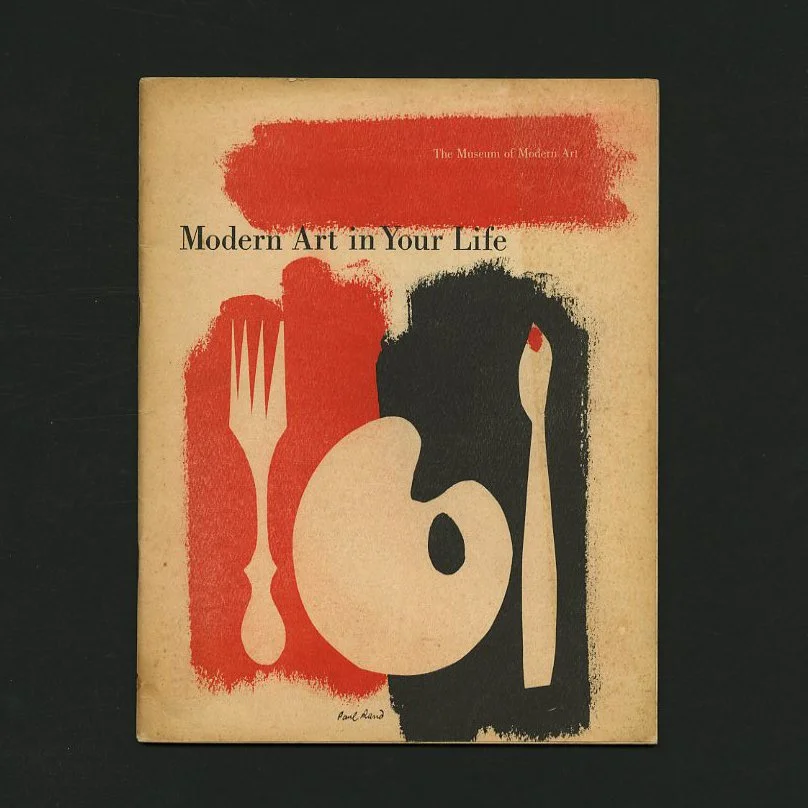 Image 1 of 14
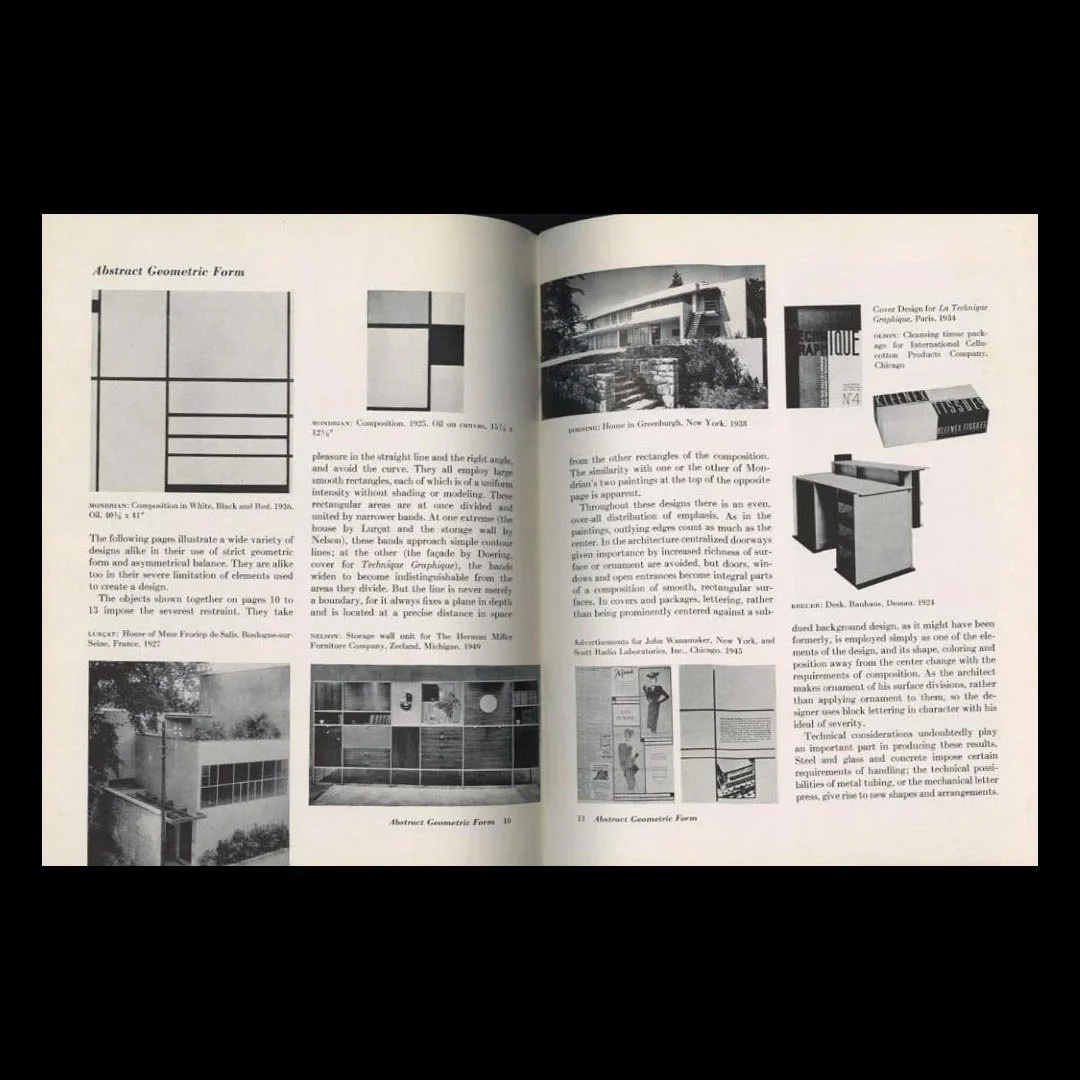 Image 2 of 14
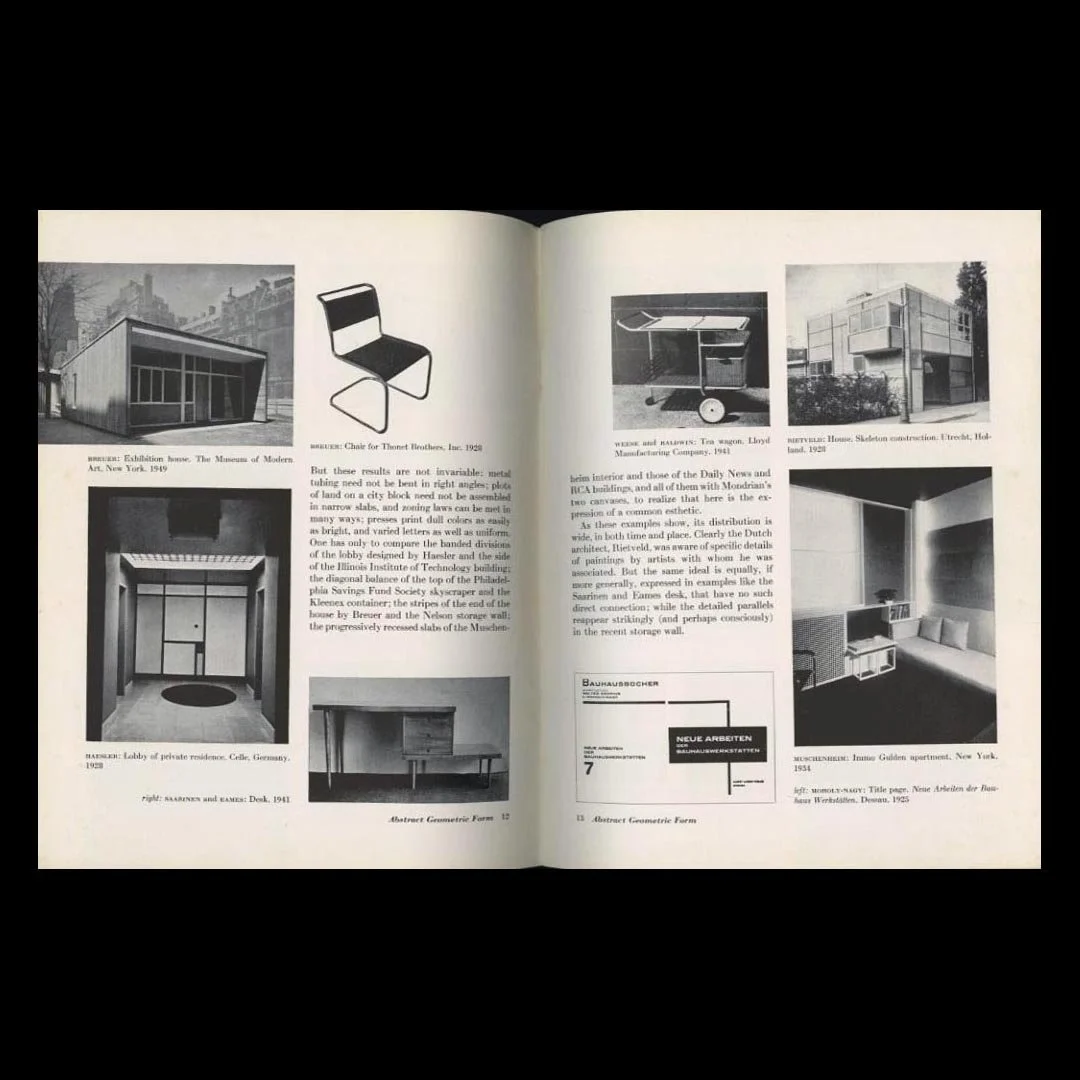 Image 3 of 14
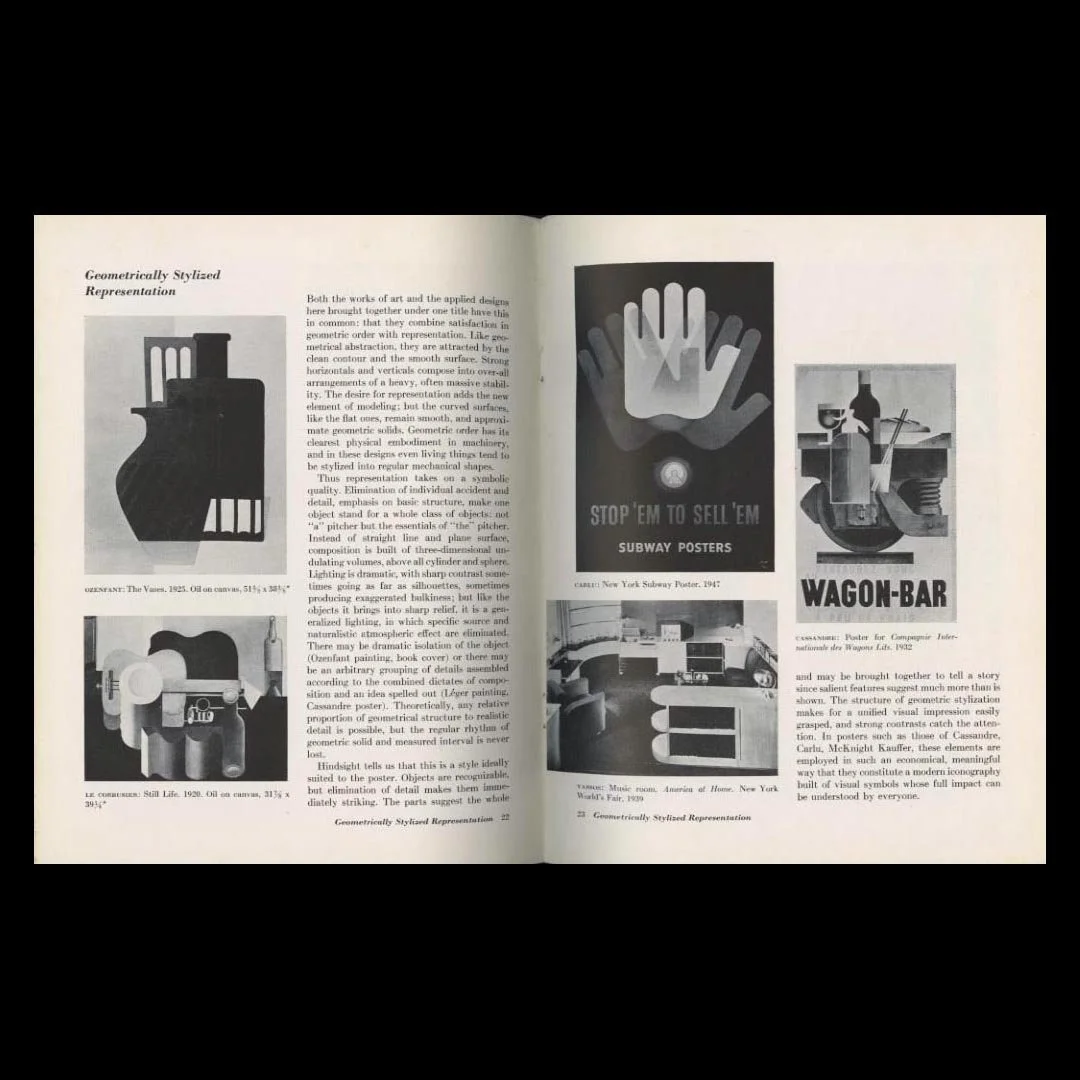 Image 4 of 14
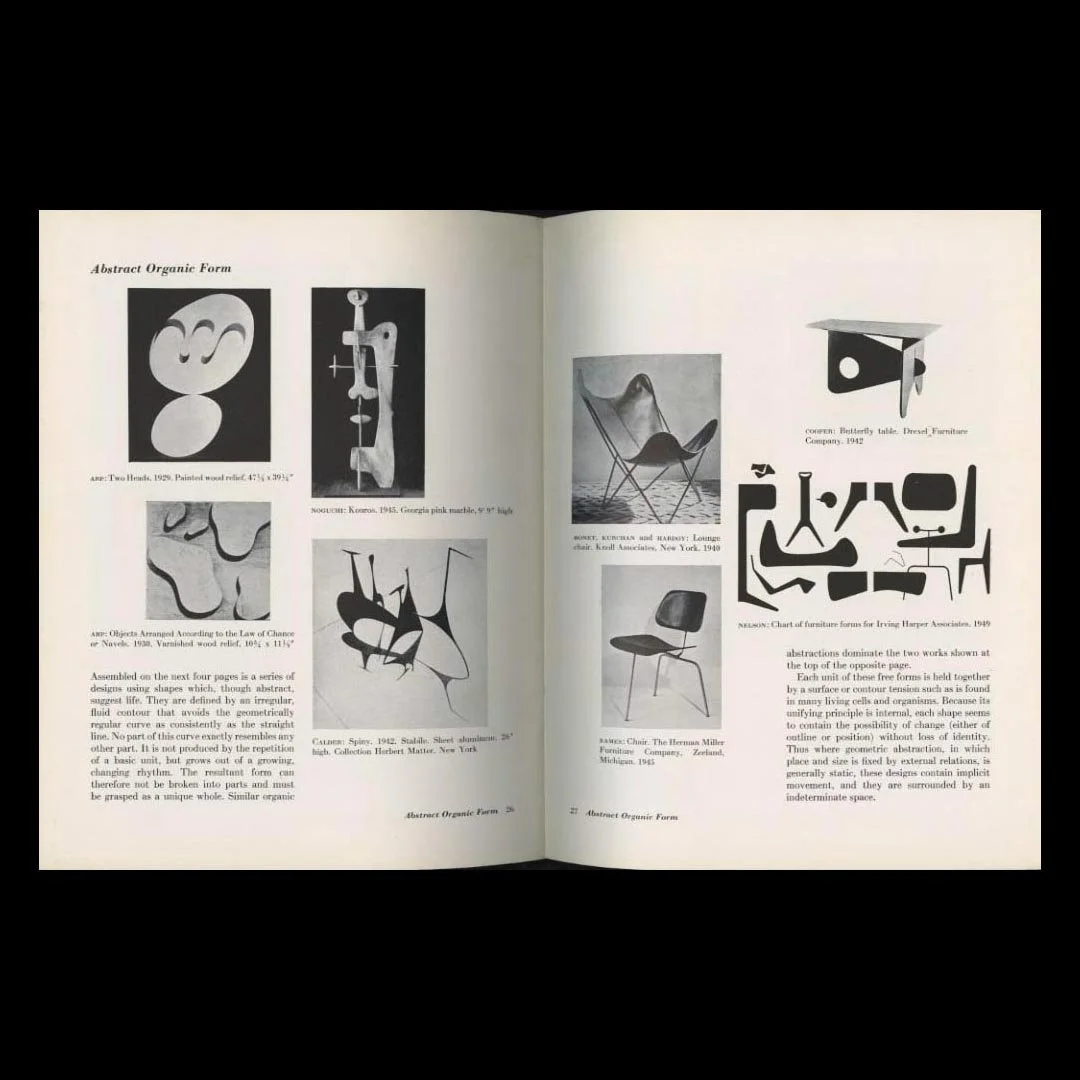 Image 5 of 14
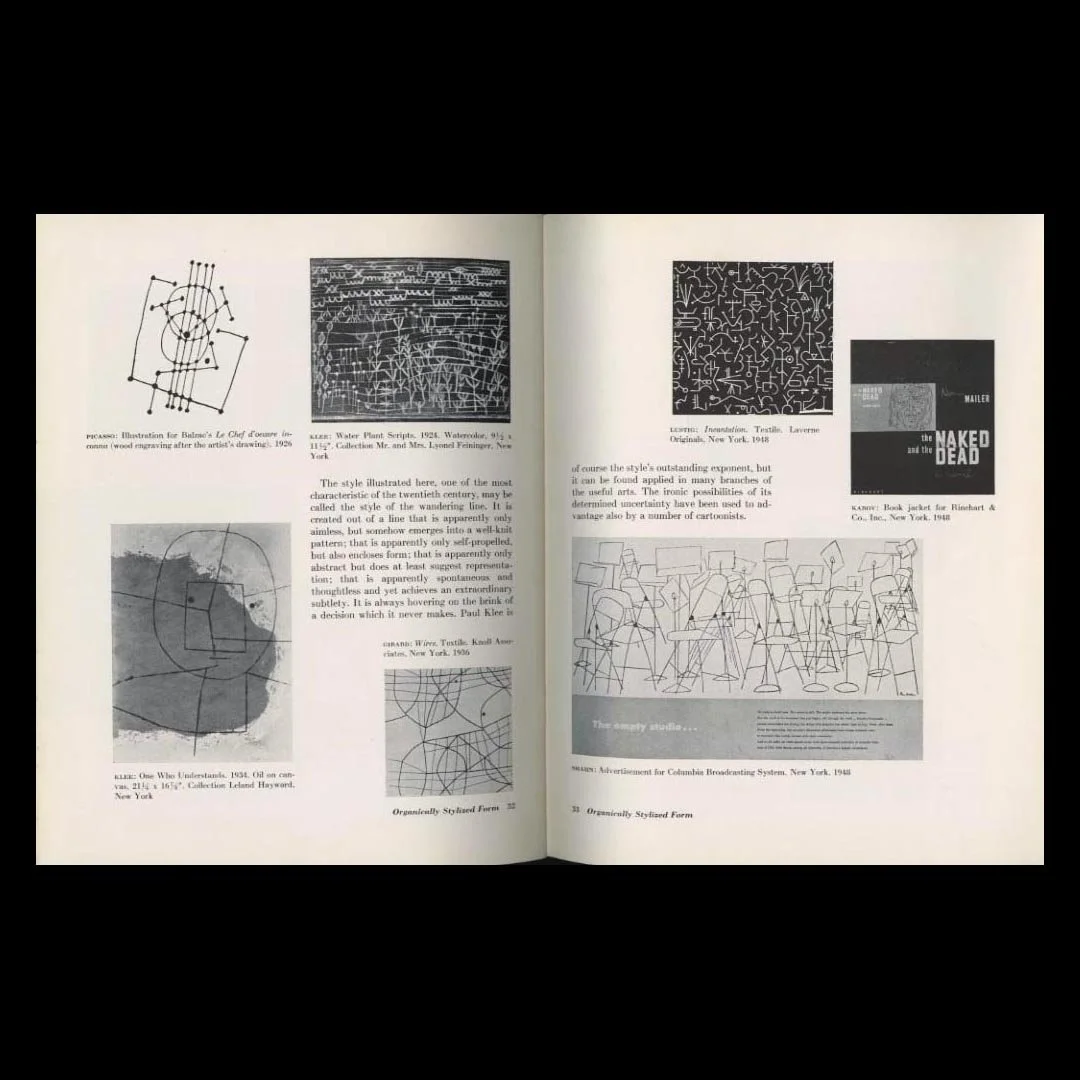 Image 6 of 14
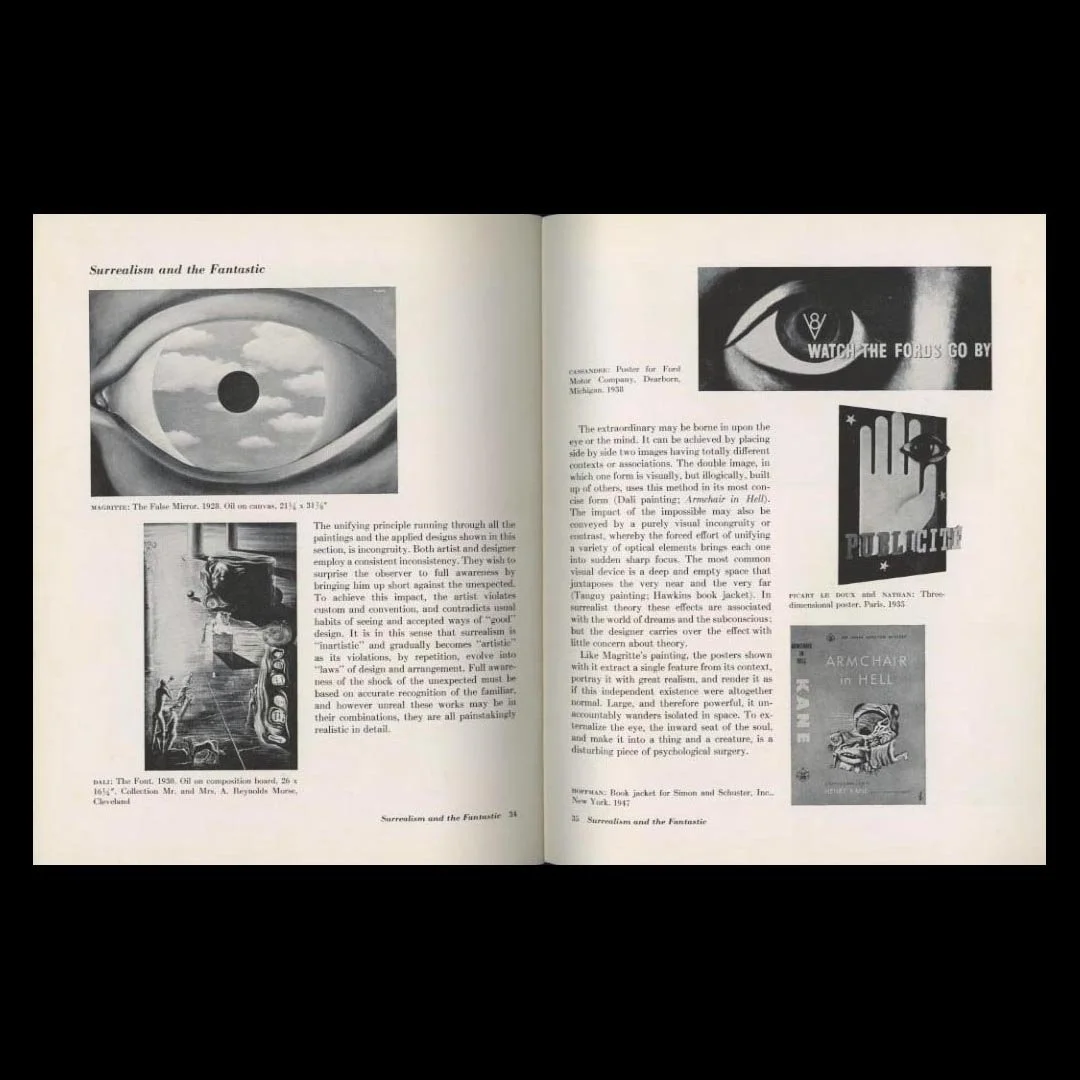 Image 7 of 14
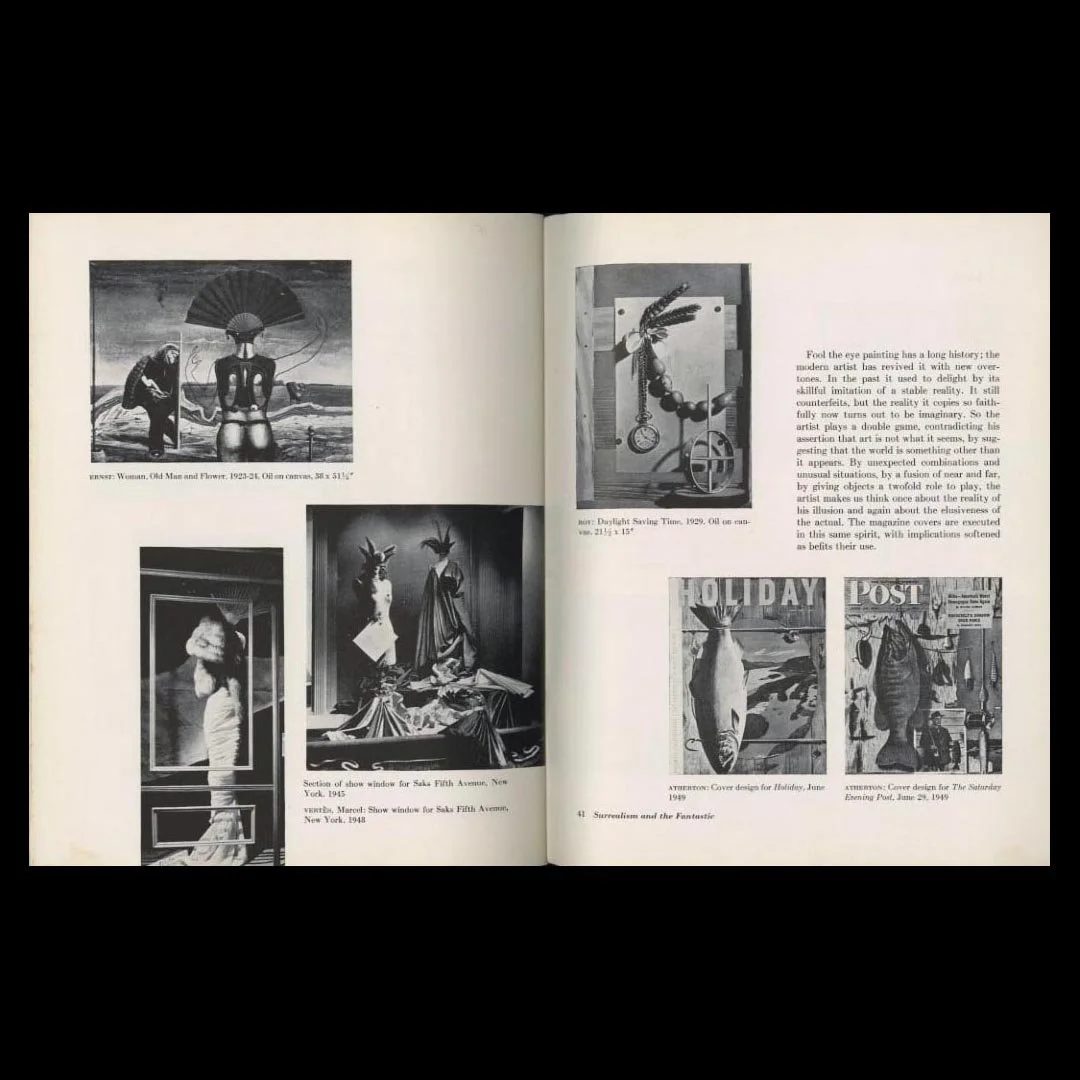 Image 8 of 14
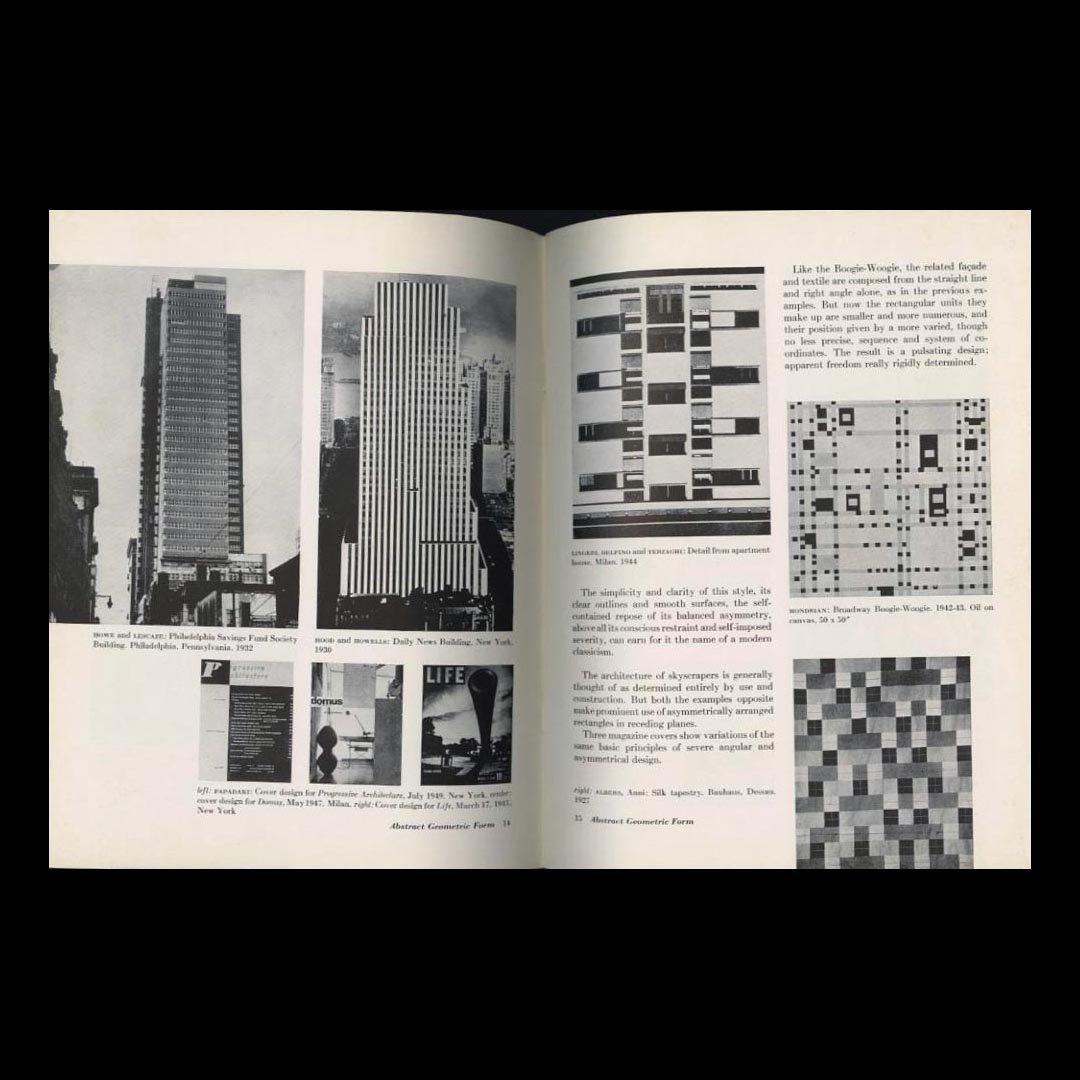 Image 9 of 14
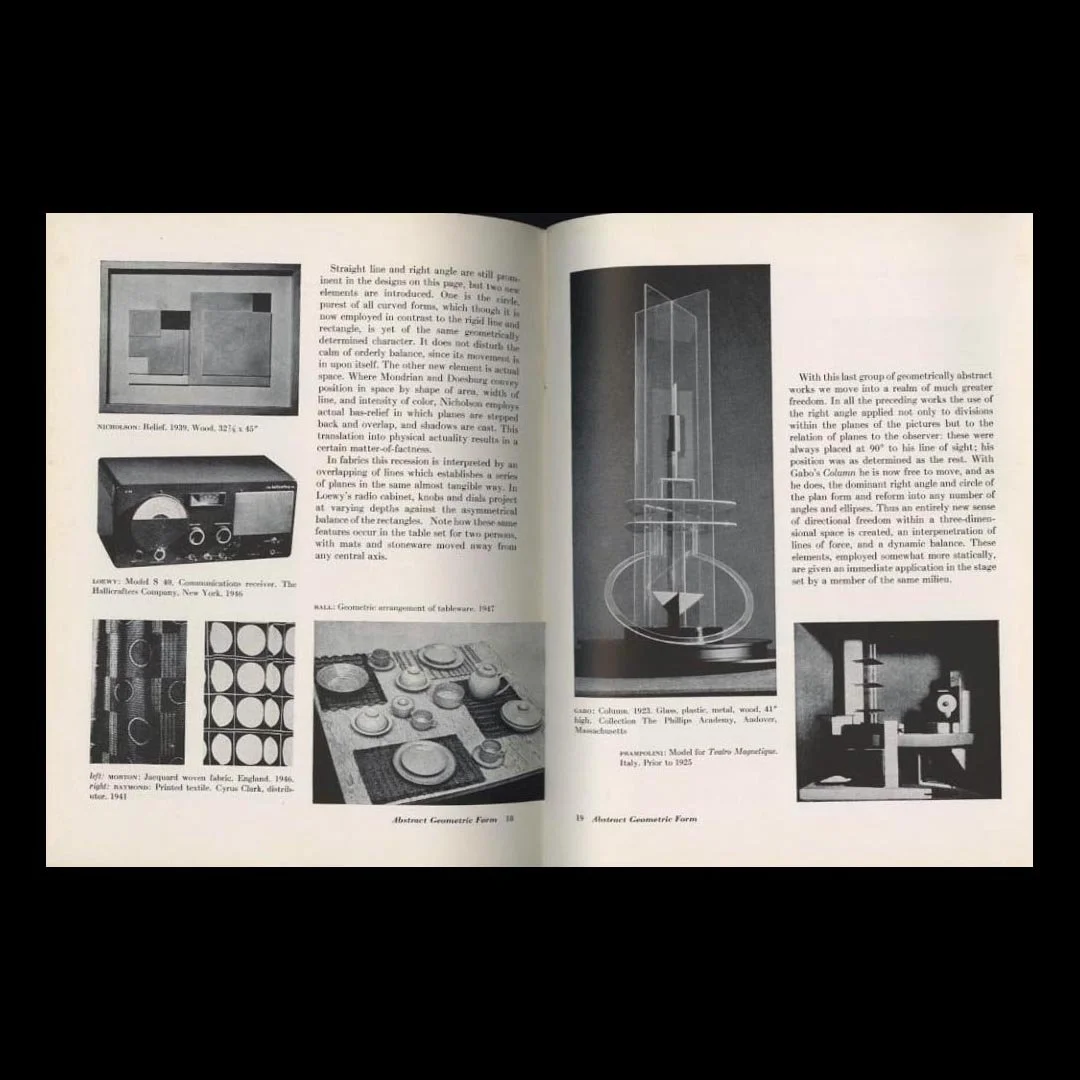 Image 10 of 14
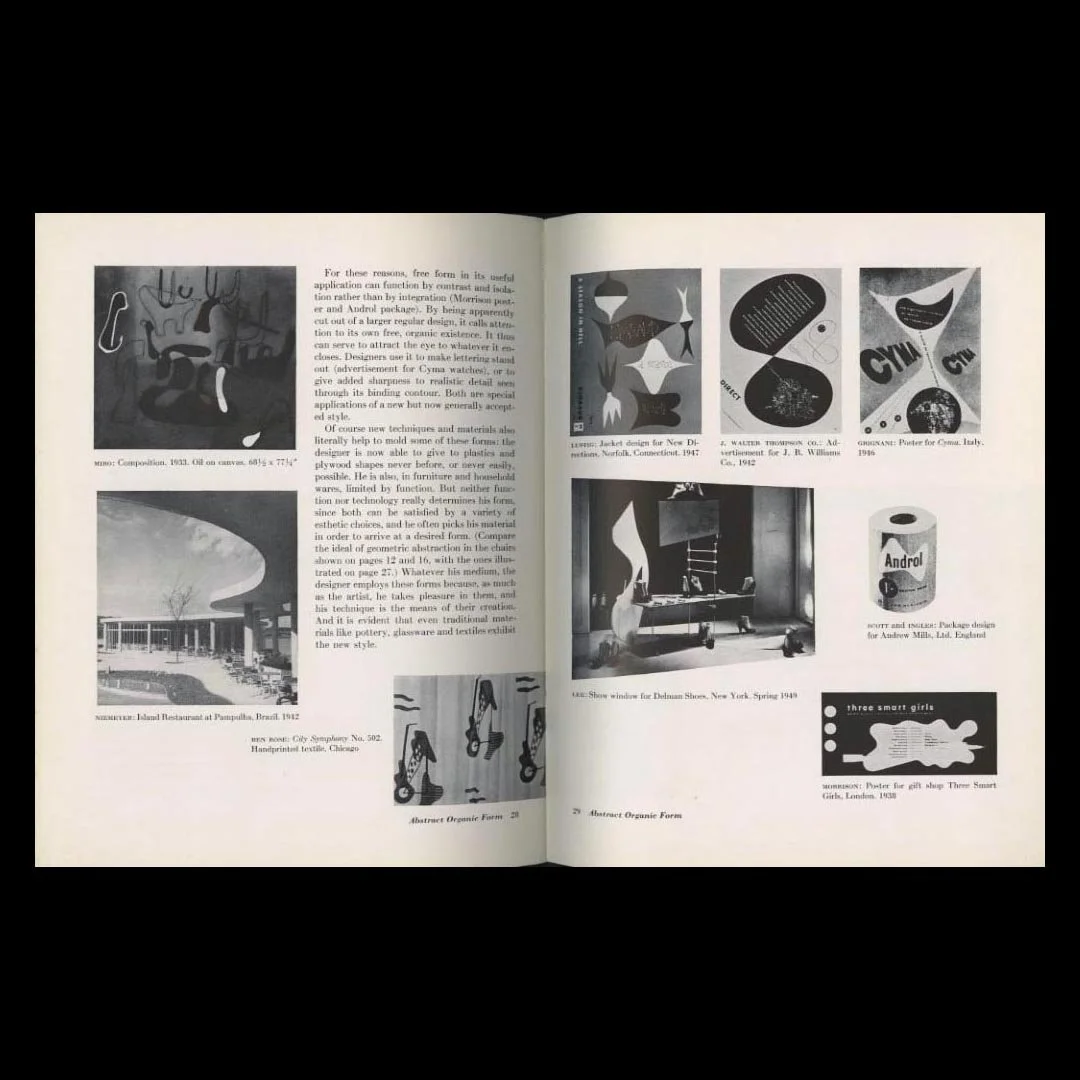 Image 11 of 14
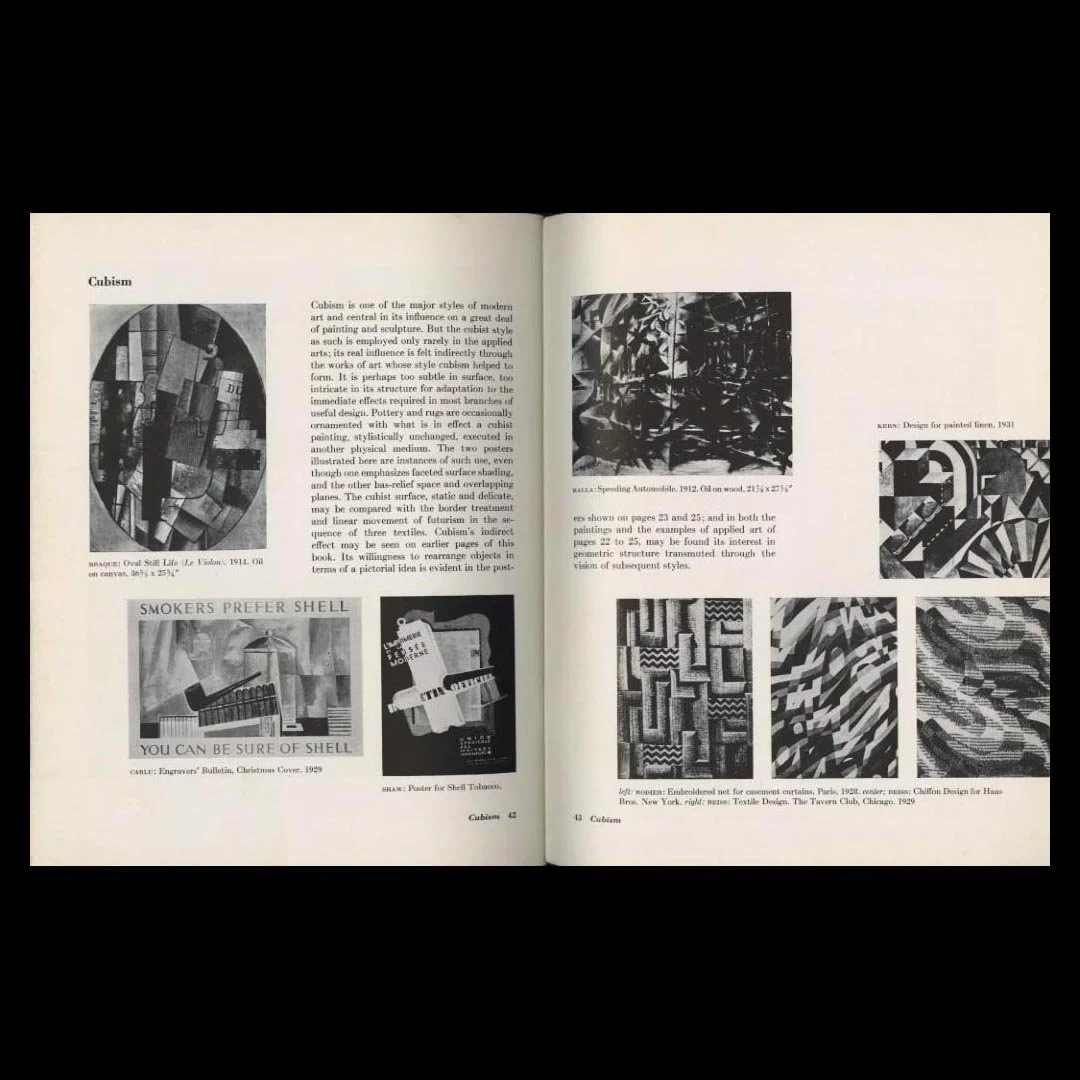 Image 12 of 14
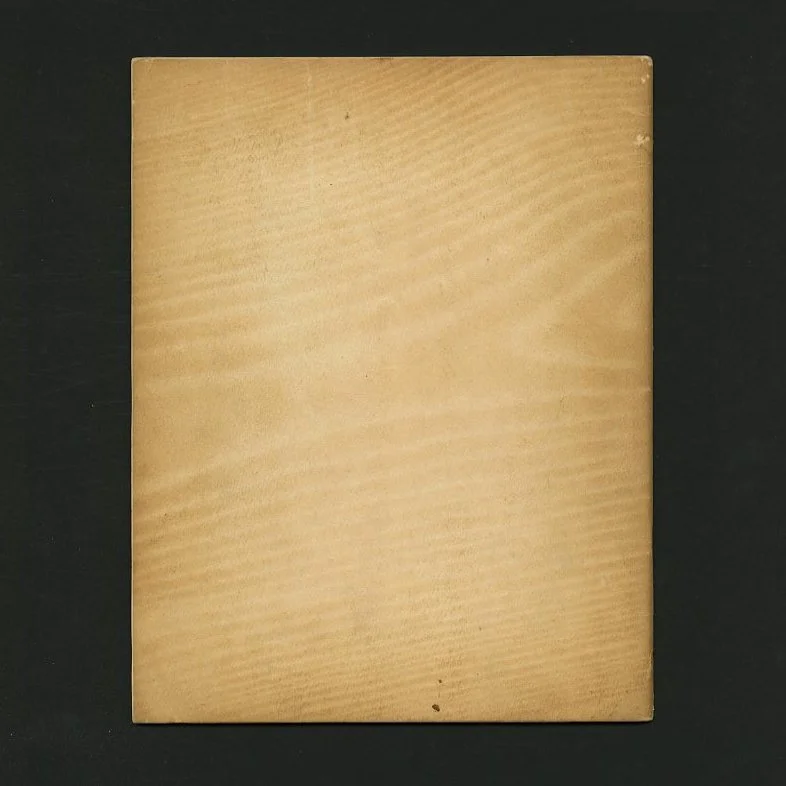 Image 13 of 14
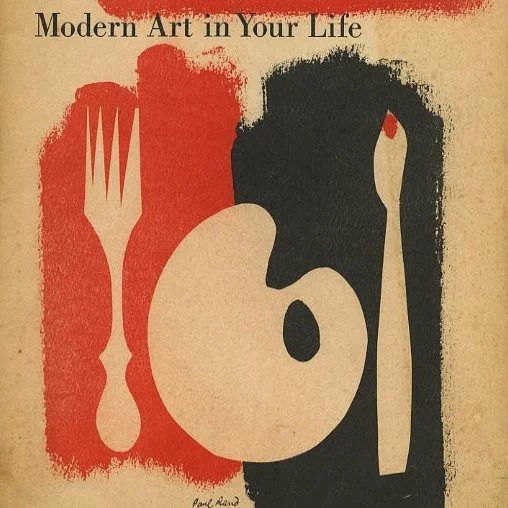 Image 14 of 14