L'ILLUMINAZIONE DELLA CASA
[Lighting for the Home]
Luigi Claudio Olivieri
Milano: Domus, 1946 [No. 5 of series Quaderni di Domus]. First edition. Text in Italian. Limp black wrappers with paper spine label. Photo illustrated dust jacket. 96 [ii] pp. Black and white photographs and diagrams throughout. Light wear overall. Fragile dust jacket with trivial chipping along upper and lower edges and light rubbing. An exceptional copy of a rare title sought by multiple constituencies. Way out-of-print and never reissued in any format. A nearly fine copy in a very good or better dust jacket.
7.75 x 9.25 softcover book with 96 pages profusely illustrated with black and white examples of modern lighting solutions, circa 1946. Quaderni di Domus 5 stands as the single finest reference volume for Italian and International modernist lamp and lighting design that I am aware of. Each illustrated example is identified by designer, making this edition an exceptionally valuable reference resource.
Under the editorial direction of Lina Bo and Carlo Pagani, the Quaderni di Domus series sought to highlight the best and brightest designers and products emerging from the carnage of Post-war Europe. Each volume dealt with a specific area of interest (Kitchens, Fireplaces, etc.) with an introductory essay followed by a lengthy selection of photographs and images, many culled from Gio Ponti’s Domus magazine. Ponti can be felt lurking behind the scenes of nearly every page of the Quaderni di Domus series through the impeccable selection of included materials to the contemporary layouts of each volume.
Includes work by Franco Albini, Renato Angeli, Joseph Aronson, Baldwin, Gian Luigi Banti, Boston Barnes, Melchiorre Bega, Ludovico Belgioioso, Bennet, G. A. Berg, Karl Bertsch, Gunvor Bjorkman, Holger Blom, Walter F. Bogner, Piero Bottoni, M. Brandt, Nuova Breck, Marcel Breuer, Franco Buzzi, Dominioni Luigi Caccia, Luciano Canella, Livio Castiglioni, Pier Giacomo Castiglioni, Boston Champney, Carlo De Carli, Derby, Kaj Enghend, Ewert, Ignazio Gardella, Geddes, Gibelli, Parigi Giso, W. H. Gispen, Erno Goldfinger, Giuseppe Gori, Walter Gropius, Halmstao, Harwell Hamilton Harris, Harding, Burnham Hoyt, Hombostel, Ake Huldt, Kelley, Emilio Isotta, Vito Latis, Le Corbusier, Erik Lundberg, Carl Malmstens, Adolfo Meyer, Michael Meredith Hare, Giulio Minoletti, Carlo Mollino, Richard J. Neutra, Nygren, Luigi Claudio Olivieri, J. J. P. Oud, Enrico Peressutti, Adrian Peterson, A. N. Rebori, Ernesto Rogers, Gilbert Rohde, Jean Royere, Julius Rucker, Germania Ruth, Samuel, Sanders, Jens Selemer, Louis Sognot, Raphael S. Soriano, Oscar G. Stonorov, Elias Svedberg, Svenkst Tenn, Tuttle, K. Tutiura, Mies Van der Rohe, Guglielmo Ulrich, Jan Wahlman, and Weese.
No doubt about it-- this one is truly an essential volume for any serious design library collection. A scarce title -- you have been warned.
Domus was founded by Gio Ponti in 1928. During the start of the global economic depression in 1929, Ponti agreed to let the 23-year-old publisher Gianni Mazzocchi take over Domus and established the Editorial Domus publishing house. The first issue of Domus, subtitled "Architecture and decor of the modern home in the city and in the country," was published on 15 January 1928. Its mission was to renew architecture, interiors and Italian decorative arts without overlooking topics of interest to women, like the art of homemaking, gardening and cooking. Gio Ponti delineated the magazine's goals in his editorials, insisting on the importance of aesthetics and style in the field of industrial production.
Mazzocchi and Editoriale Domus took over Casabella in 1934, entrusting its direction first to Franco Albini and Giancarlo Palanti to overhaul the editorial focus on traditional interior design. Then Giuseppe Pagano Pogatschnig teamed up with art critic Edoardo Persico and transformed Casabella into a mouthpiece for the latest art and design trends. With intuition that allowed him to see far beyond his times, Gianni Mazzocchi successfully conceived and established magazines and journals that have contributed to shape the history of Italian publishing.
L'ILLUMINAZIONE DELLA CASA
[Lighting for the Home]
Luigi Claudio Olivieri
Milano: Domus, 1946 [No. 5 of series Quaderni di Domus]. First edition. Text in Italian. Limp black wrappers with paper spine label. Photo illustrated dust jacket. 96 [ii] pp. Black and white photographs and diagrams throughout. Light wear overall. Fragile dust jacket with trivial chipping along upper and lower edges and light rubbing. An exceptional copy of a rare title sought by multiple constituencies. Way out-of-print and never reissued in any format. A nearly fine copy in a very good or better dust jacket.
7.75 x 9.25 softcover book with 96 pages profusely illustrated with black and white examples of modern lighting solutions, circa 1946. Quaderni di Domus 5 stands as the single finest reference volume for Italian and International modernist lamp and lighting design that I am aware of. Each illustrated example is identified by designer, making this edition an exceptionally valuable reference resource.
Under the editorial direction of Lina Bo and Carlo Pagani, the Quaderni di Domus series sought to highlight the best and brightest designers and products emerging from the carnage of Post-war Europe. Each volume dealt with a specific area of interest (Kitchens, Fireplaces, etc.) with an introductory essay followed by a lengthy selection of photographs and images, many culled from Gio Ponti’s Domus magazine. Ponti can be felt lurking behind the scenes of nearly every page of the Quaderni di Domus series through the impeccable selection of included materials to the contemporary layouts of each volume.
Includes work by Franco Albini, Renato Angeli, Joseph Aronson, Baldwin, Gian Luigi Banti, Boston Barnes, Melchiorre Bega, Ludovico Belgioioso, Bennet, G. A. Berg, Karl Bertsch, Gunvor Bjorkman, Holger Blom, Walter F. Bogner, Piero Bottoni, M. Brandt, Nuova Breck, Marcel Breuer, Franco Buzzi, Dominioni Luigi Caccia, Luciano Canella, Livio Castiglioni, Pier Giacomo Castiglioni, Boston Champney, Carlo De Carli, Derby, Kaj Enghend, Ewert, Ignazio Gardella, Geddes, Gibelli, Parigi Giso, W. H. Gispen, Erno Goldfinger, Giuseppe Gori, Walter Gropius, Halmstao, Harwell Hamilton Harris, Harding, Burnham Hoyt, Hombostel, Ake Huldt, Kelley, Emilio Isotta, Vito Latis, Le Corbusier, Erik Lundberg, Carl Malmstens, Adolfo Meyer, Michael Meredith Hare, Giulio Minoletti, Carlo Mollino, Richard J. Neutra, Nygren, Luigi Claudio Olivieri, J. J. P. Oud, Enrico Peressutti, Adrian Peterson, A. N. Rebori, Ernesto Rogers, Gilbert Rohde, Jean Royere, Julius Rucker, Germania Ruth, Samuel, Sanders, Jens Selemer, Louis Sognot, Raphael S. Soriano, Oscar G. Stonorov, Elias Svedberg, Svenkst Tenn, Tuttle, K. Tutiura, Mies Van der Rohe, Guglielmo Ulrich, Jan Wahlman, and Weese.
No doubt about it-- this one is truly an essential volume for any serious design library collection. A scarce title -- you have been warned.
Domus was founded by Gio Ponti in 1928. During the start of the global economic depression in 1929, Ponti agreed to let the 23-year-old publisher Gianni Mazzocchi take over Domus and established the Editorial Domus publishing house. The first issue of Domus, subtitled "Architecture and decor of the modern home in the city and in the country," was published on 15 January 1928. Its mission was to renew architecture, interiors and Italian decorative arts without overlooking topics of interest to women, like the art of homemaking, gardening and cooking. Gio Ponti delineated the magazine's goals in his editorials, insisting on the importance of aesthetics and style in the field of industrial production.
Mazzocchi and Editoriale Domus took over Casabella in 1934, entrusting its direction first to Franco Albini and Giancarlo Palanti to overhaul the editorial focus on traditional interior design. Then Giuseppe Pagano Pogatschnig teamed up with art critic Edoardo Persico and transformed Casabella into a mouthpiece for the latest art and design trends. With intuition that allowed him to see far beyond his times, Gianni Mazzocchi successfully conceived and established magazines and journals that have contributed to shape the history of Italian publishing.

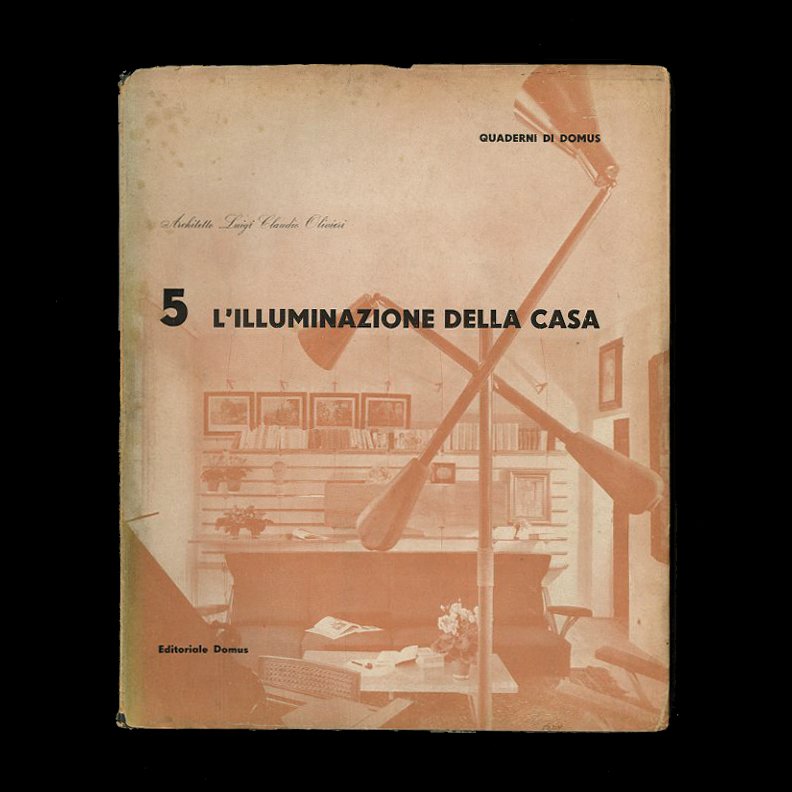 Image 1 of 10
 Image 2 of 10
 Image 3 of 10
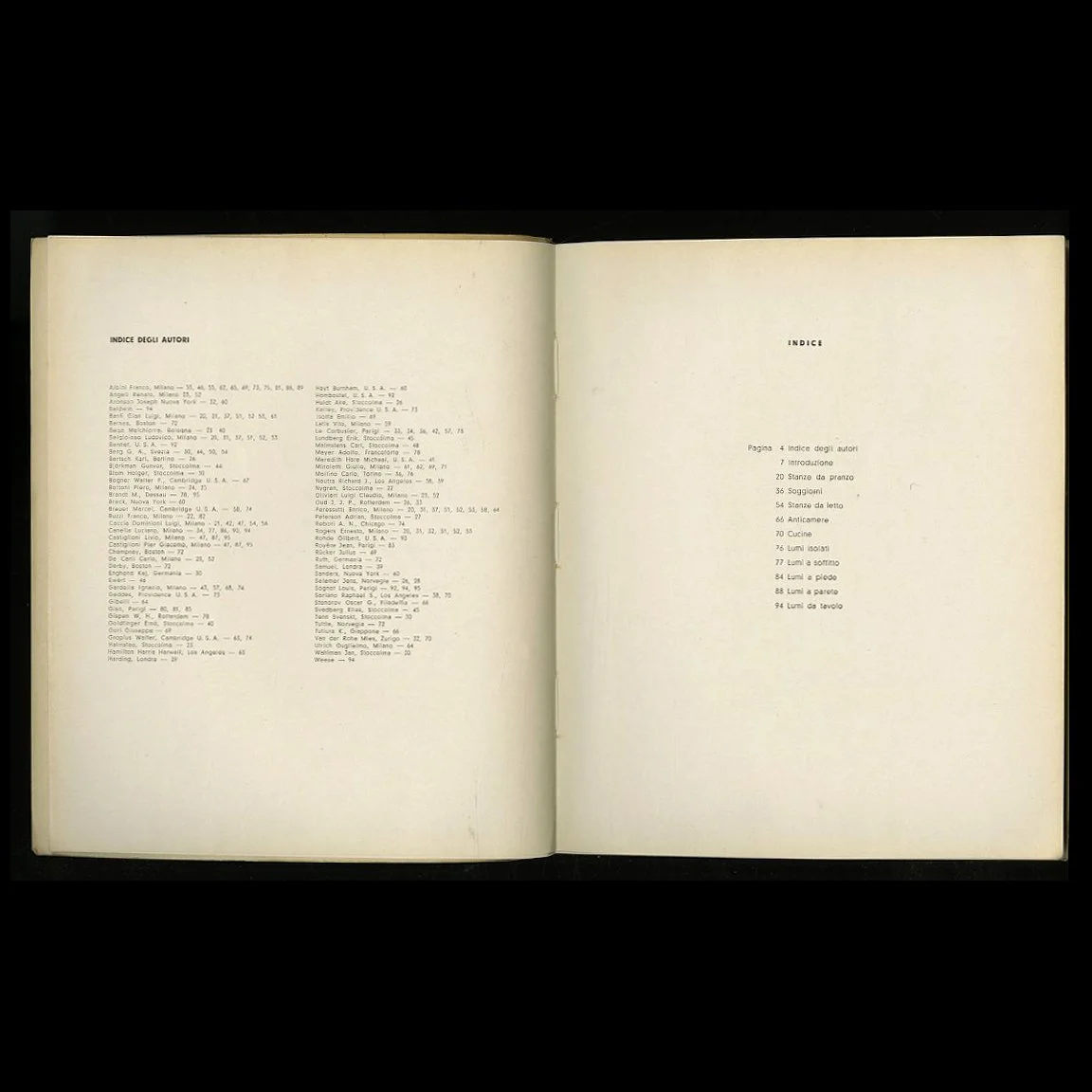 Image 4 of 10
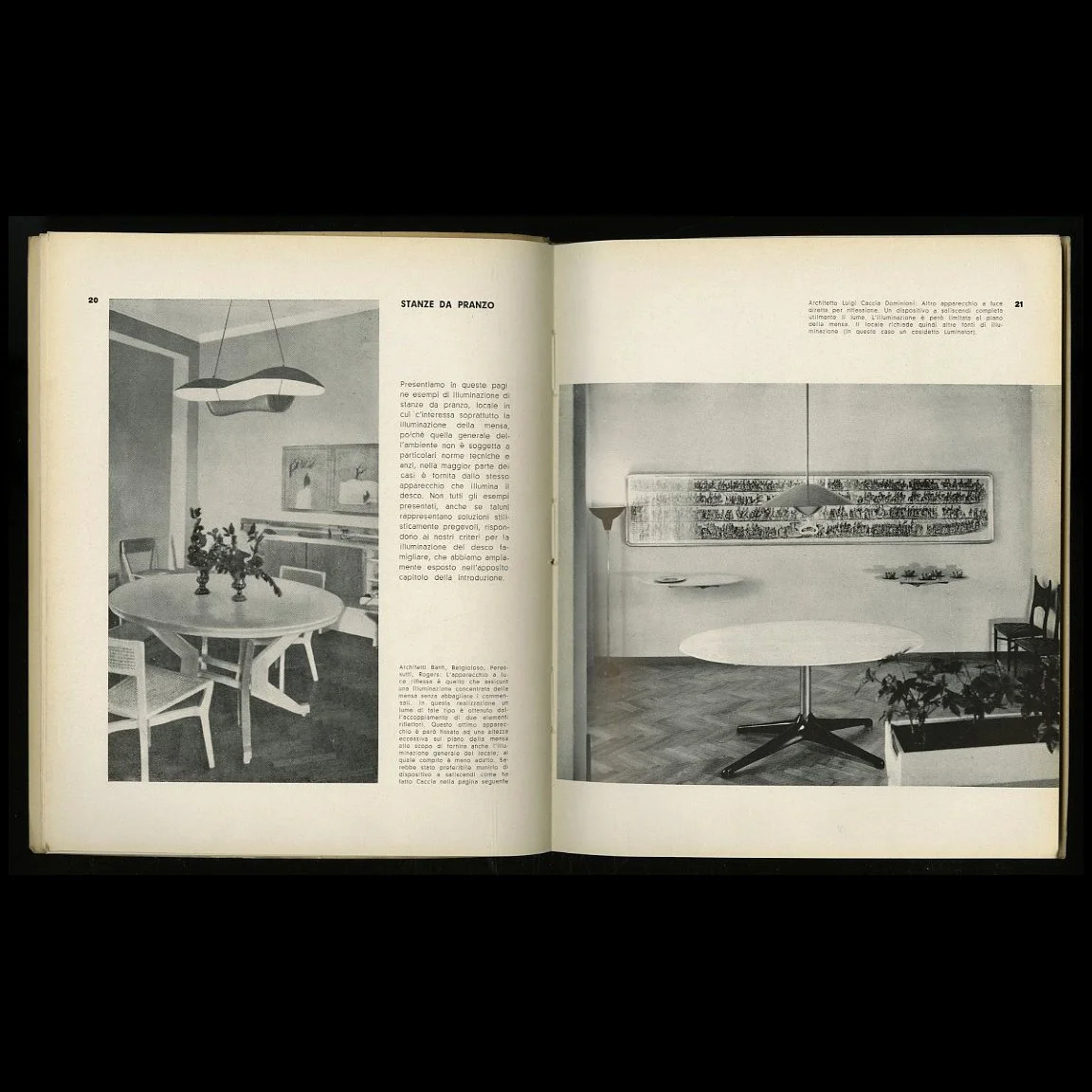 Image 5 of 10
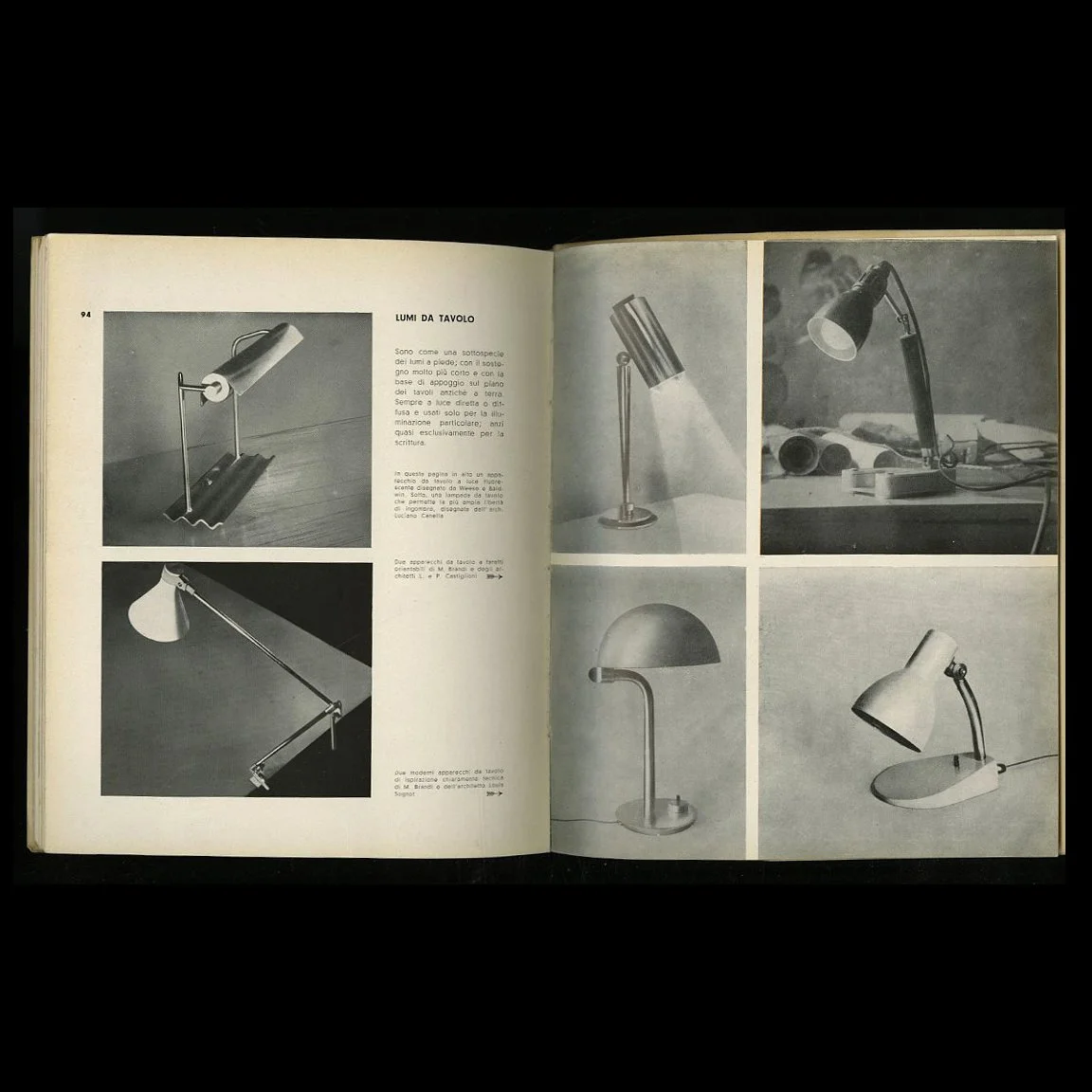 Image 6 of 10
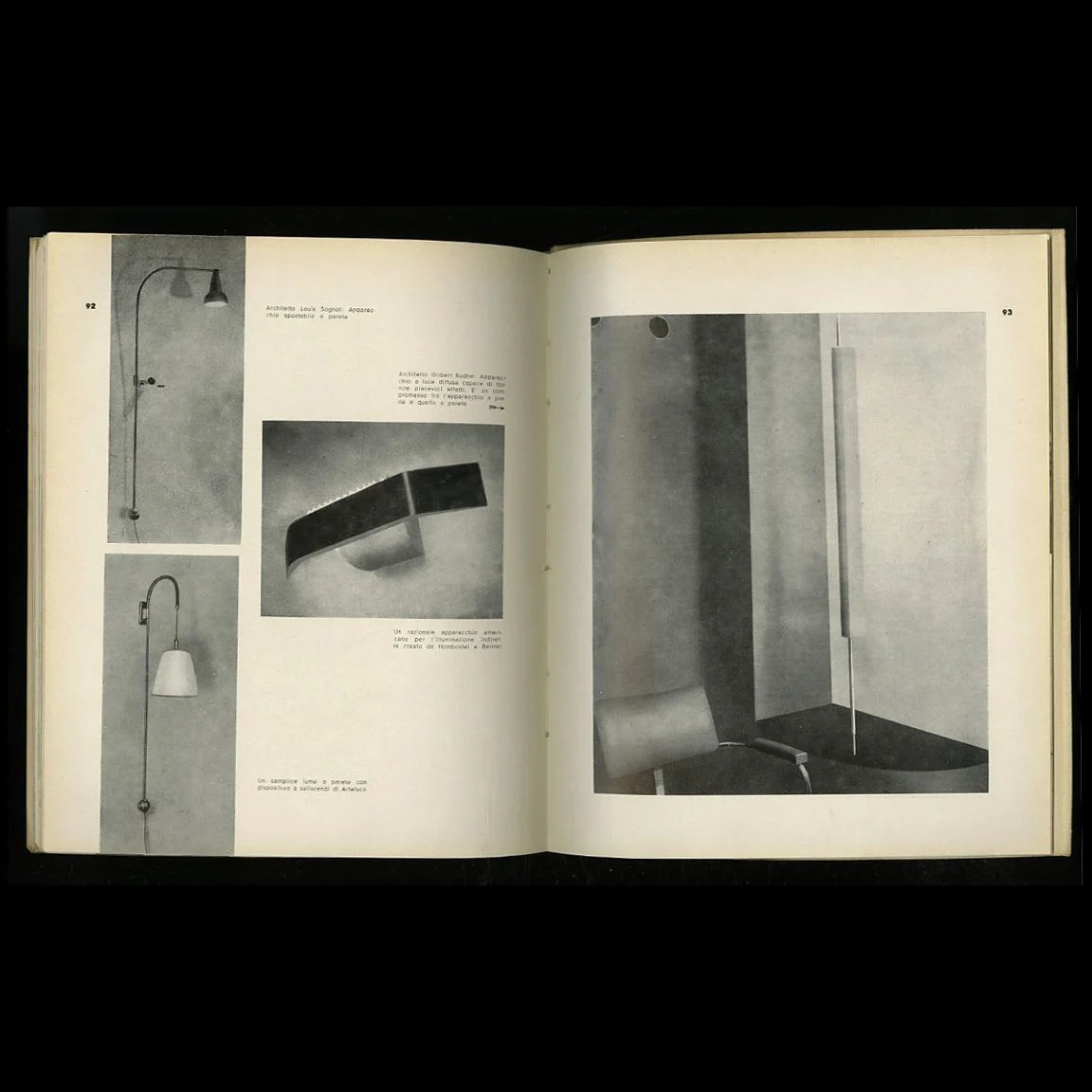 Image 7 of 10
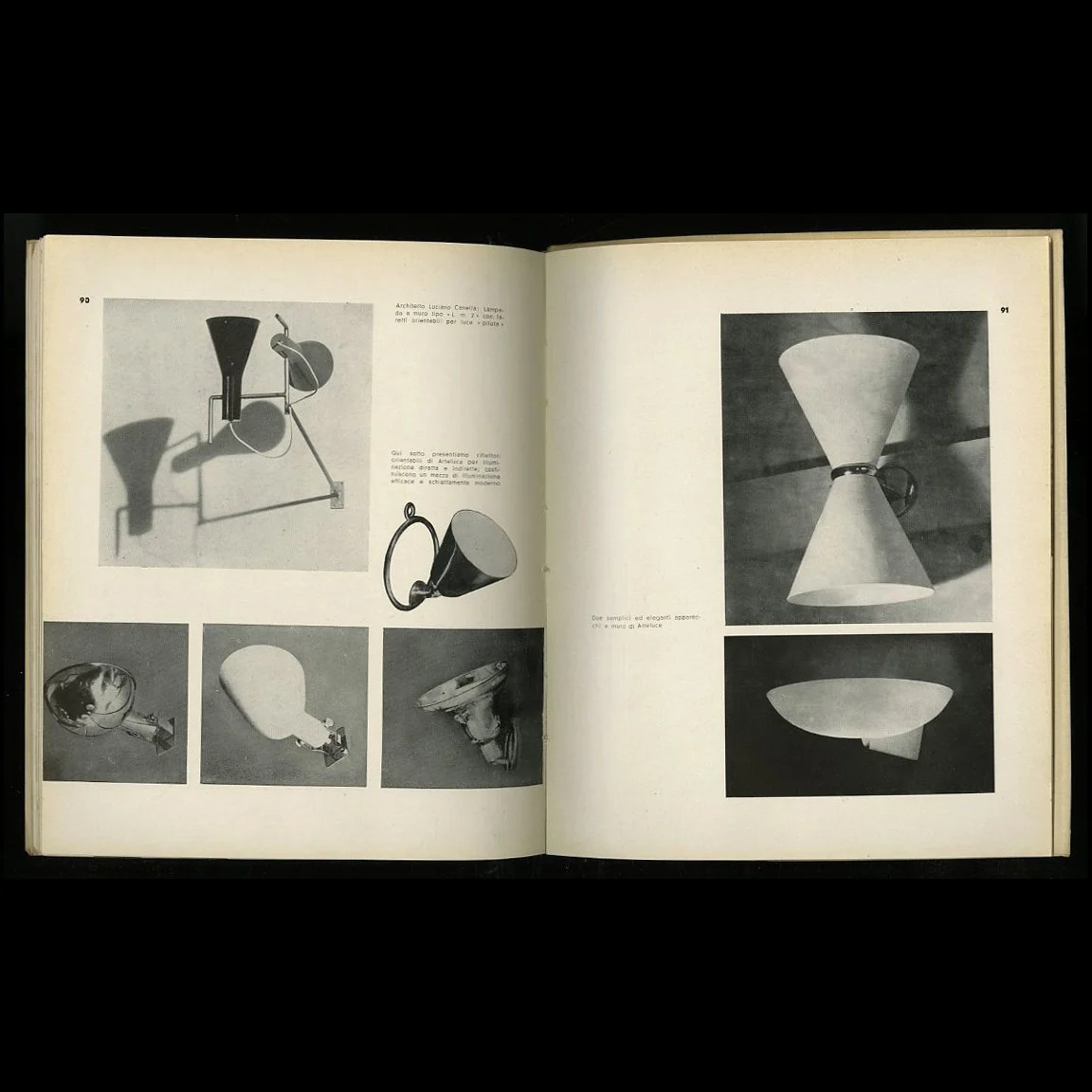 Image 8 of 10
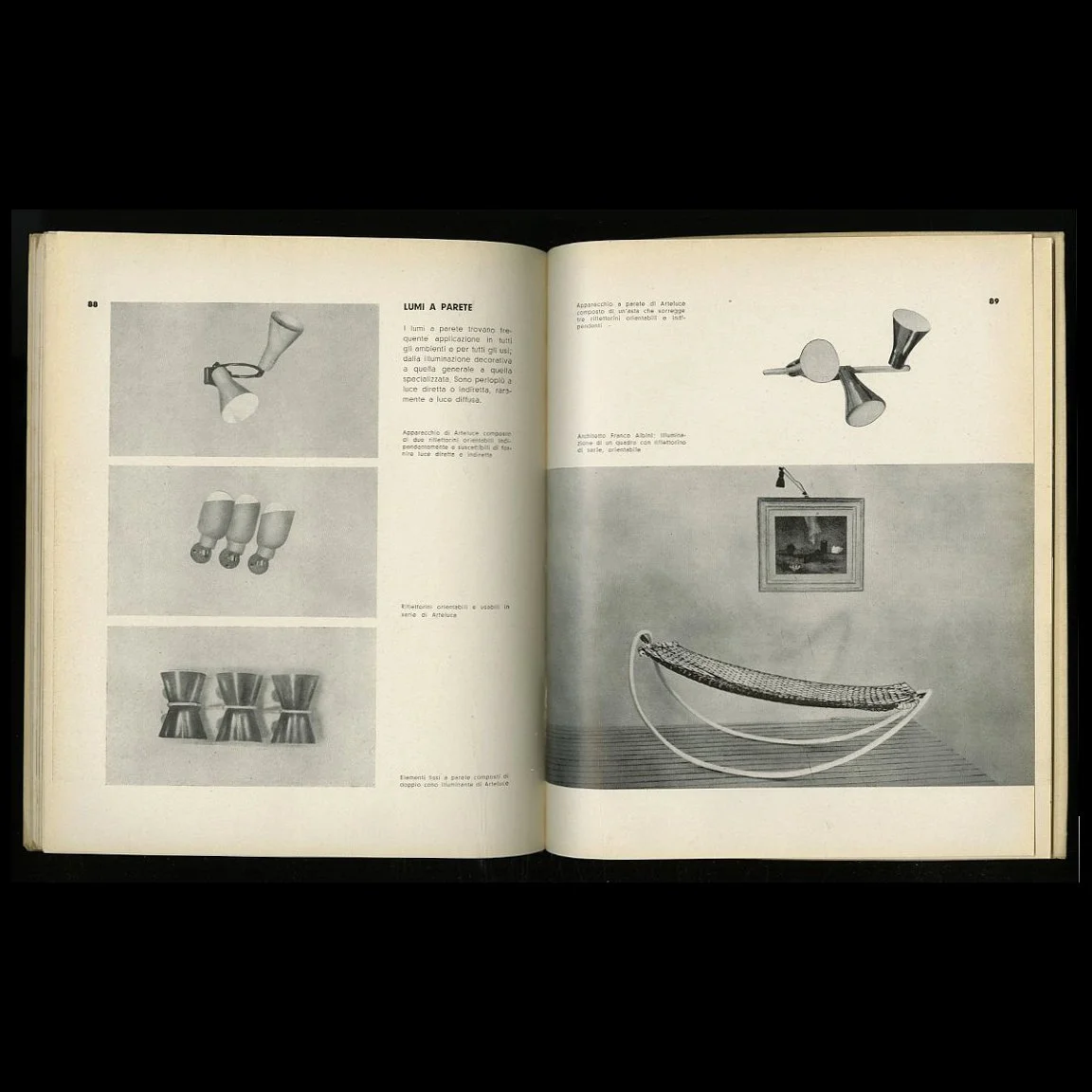 Image 9 of 10
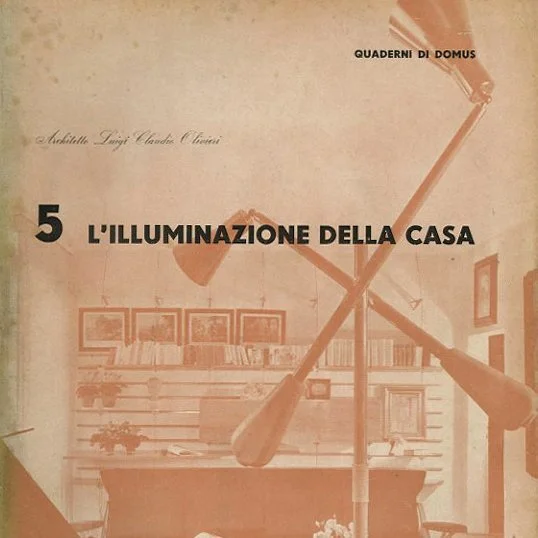 Image 10 of 10