GLI STUDI NELLA CASA
[Home Studies]
Vittorio Gandolfi
Milano: Domus, May 1945 (No. 2 of series Quaderni di Domus). First edition. Text in Italian. First edition. Text in Italian. Limp black wrappers with paper spine label. Photo illustrated dust jacket. 96 pp. Black and white photographs and diagrams throughout. Light wear overall. Fragile dust jacket scraped from coin-sized sticker removal, dusted edges and trivial edge wear. Way out-of-print and never reissued in any format. A very good copy in a very good dust jacket.
7.75 x 9.25 softcover book with 96 pages profusely illustrated with black and white examples of modern desks, chairs, lamps and casegoods for the emerging home-office genre. Work was moving into the home after World War II, and Quaderni di Domus 2 was right there to document the paradigm shift. Each illustrated example is identified by designer, making this edition an exceptionally valuable reference resource.
Under the editorial direction of Lina Bo and Carlo Pagani, the Quaderni di Domus series sought to highlight the best and brightest designers and products emerging from the carnage of Post-war Europe. Each volume dealt with a specific area of interest (Kitchens, Fireplaces, etc.) with an introductory essay followed by a lengthy selection of photographs and images, many culled from Gio Ponti’s Domus magazine. Ponti can be felt lurking behind the scenes of nearly every page of the Quaderni di Domus series through the impeccable selection of included materials to the contemporary layouts of each volume.
Includes work by Franco Albini, Cor Alons, Carl S. Anderson, Renato Angeli, Felix Augenfeld, Gunnar Asplund, Leland Atwood, Walter Baermann, Gian Luigi Banfi, Maurice Barret, Vera Barros, Melchiorre Bega, Ludovico Belgioioso, Angelo Bianchetti, Max Bill, Bonet (Buenos Aires), Marcel Breuer, Hans Buser, Dominioni Luigi Caccia, Luciano Canella, Alice Morgan Carson, Livio Castiglioni, Pier Giacomo Castiglioni, Serge Chermayeff, Paolo Clausetti, Wells Coates, Carlo De Carli, Jospeh Dex, Van Der Grachte, H. Escher, Wolfgang Ewert, Luigi Figini, Jozsef Fischer, Rudolf Frankel, Ignazio Gardella, Marcel Gascoin, Walter Gropius, Max Haefell, J. Hesoun, Karl Hofmann, Samuel Homsey, Victorine Homsey, Karsten (Amsterdam), George Fred Keck, Alice Kilham, Ludwig Kozma, Pierre Jeanneret, Paul Laszlo, Vito Latis, Le Corbusier, Fl. Lengyel, William Lescaze, Pietro Lingeri, Abel Lopez, Andre Lurcat, Sven Markelius, Paolo Masero, Merkelbach (Amsterdam), Giulio Minoletti, Farkas Molnar, Juan O’Gorman, Luigi Claudio Olivieri, J. J. P. Oud, Giuseppe Pagano, Vinicio Paladini, Giancarlo Palanti, Cesare Pea, Enrico Peressutti, Charlotte Perriand, E. Plisckhe, Gino Pollini, Gio Ponti, Antonin Raymond, Jean Royere, Ernesto Rogers, Giovanni Romano, Alfred Roth, Mario Salvade, Hans Scharoun, W. Shutte, Walter Sobotka, Edward Durell Stone, Giuseppe Terragni, Robert Winkler, Frank Lloyd Wright, and Ladislo Zak.
Domus was founded by Gio Ponti in 1928. During the start of the global economic depression in 1929, Ponti agreed to let the 23-year-old publisher Gianni Mazzocchi take over Domus and established the Editorial Domus publishing house. The first issue of Domus, subtitled "Architecture and decor of the modern home in the city and in the country," was published on 15 January 1928. Its mission was to renew architecture, interiors and Italian decorative arts without overlooking topics of interest to women, like the art of homemaking, gardening and cooking. Gio Ponti delineated the magazine's goals in his editorials, insisting on the importance of aesthetics and style in the field of industrial production.
Mazzocchi and Editoriale Domus took over Casabella in 1934, entrusting its direction first to Franco Albini and Giancarlo Palanti to overhaul the editorial focus on traditional interior design. Then Giuseppe Pagano Pogatschnig teamed up with art critic Edoardo Persico and transformed Casabella into a mouthpiece for the latest art and design trends. With intuition that allowed him to see far beyond his times, Gianni Mazzocchi successfully conceived and established magazines and journals that have contributed to shape the history of Italian publishing.
GLI STUDI NELLA CASA
[Home Studies]
Vittorio Gandolfi
Milano: Domus, May 1945 (No. 2 of series Quaderni di Domus). First edition. Text in Italian. First edition. Text in Italian. Limp black wrappers with paper spine label. Photo illustrated dust jacket. 96 pp. Black and white photographs and diagrams throughout. Light wear overall. Fragile dust jacket scraped from coin-sized sticker removal, dusted edges and trivial edge wear. Way out-of-print and never reissued in any format. A very good copy in a very good dust jacket.
7.75 x 9.25 softcover book with 96 pages profusely illustrated with black and white examples of modern desks, chairs, lamps and casegoods for the emerging home-office genre. Work was moving into the home after World War II, and Quaderni di Domus 2 was right there to document the paradigm shift. Each illustrated example is identified by designer, making this edition an exceptionally valuable reference resource.
Under the editorial direction of Lina Bo and Carlo Pagani, the Quaderni di Domus series sought to highlight the best and brightest designers and products emerging from the carnage of Post-war Europe. Each volume dealt with a specific area of interest (Kitchens, Fireplaces, etc.) with an introductory essay followed by a lengthy selection of photographs and images, many culled from Gio Ponti’s Domus magazine. Ponti can be felt lurking behind the scenes of nearly every page of the Quaderni di Domus series through the impeccable selection of included materials to the contemporary layouts of each volume.
Includes work by Franco Albini, Cor Alons, Carl S. Anderson, Renato Angeli, Felix Augenfeld, Gunnar Asplund, Leland Atwood, Walter Baermann, Gian Luigi Banfi, Maurice Barret, Vera Barros, Melchiorre Bega, Ludovico Belgioioso, Angelo Bianchetti, Max Bill, Bonet (Buenos Aires), Marcel Breuer, Hans Buser, Dominioni Luigi Caccia, Luciano Canella, Alice Morgan Carson, Livio Castiglioni, Pier Giacomo Castiglioni, Serge Chermayeff, Paolo Clausetti, Wells Coates, Carlo De Carli, Jospeh Dex, Van Der Grachte, H. Escher, Wolfgang Ewert, Luigi Figini, Jozsef Fischer, Rudolf Frankel, Ignazio Gardella, Marcel Gascoin, Walter Gropius, Max Haefell, J. Hesoun, Karl Hofmann, Samuel Homsey, Victorine Homsey, Karsten (Amsterdam), George Fred Keck, Alice Kilham, Ludwig Kozma, Pierre Jeanneret, Paul Laszlo, Vito Latis, Le Corbusier, Fl. Lengyel, William Lescaze, Pietro Lingeri, Abel Lopez, Andre Lurcat, Sven Markelius, Paolo Masero, Merkelbach (Amsterdam), Giulio Minoletti, Farkas Molnar, Juan O’Gorman, Luigi Claudio Olivieri, J. J. P. Oud, Giuseppe Pagano, Vinicio Paladini, Giancarlo Palanti, Cesare Pea, Enrico Peressutti, Charlotte Perriand, E. Plisckhe, Gino Pollini, Gio Ponti, Antonin Raymond, Jean Royere, Ernesto Rogers, Giovanni Romano, Alfred Roth, Mario Salvade, Hans Scharoun, W. Shutte, Walter Sobotka, Edward Durell Stone, Giuseppe Terragni, Robert Winkler, Frank Lloyd Wright, and Ladislo Zak.
Domus was founded by Gio Ponti in 1928. During the start of the global economic depression in 1929, Ponti agreed to let the 23-year-old publisher Gianni Mazzocchi take over Domus and established the Editorial Domus publishing house. The first issue of Domus, subtitled "Architecture and decor of the modern home in the city and in the country," was published on 15 January 1928. Its mission was to renew architecture, interiors and Italian decorative arts without overlooking topics of interest to women, like the art of homemaking, gardening and cooking. Gio Ponti delineated the magazine's goals in his editorials, insisting on the importance of aesthetics and style in the field of industrial production.
Mazzocchi and Editoriale Domus took over Casabella in 1934, entrusting its direction first to Franco Albini and Giancarlo Palanti to overhaul the editorial focus on traditional interior design. Then Giuseppe Pagano Pogatschnig teamed up with art critic Edoardo Persico and transformed Casabella into a mouthpiece for the latest art and design trends. With intuition that allowed him to see far beyond his times, Gianni Mazzocchi successfully conceived and established magazines and journals that have contributed to shape the history of Italian publishing.

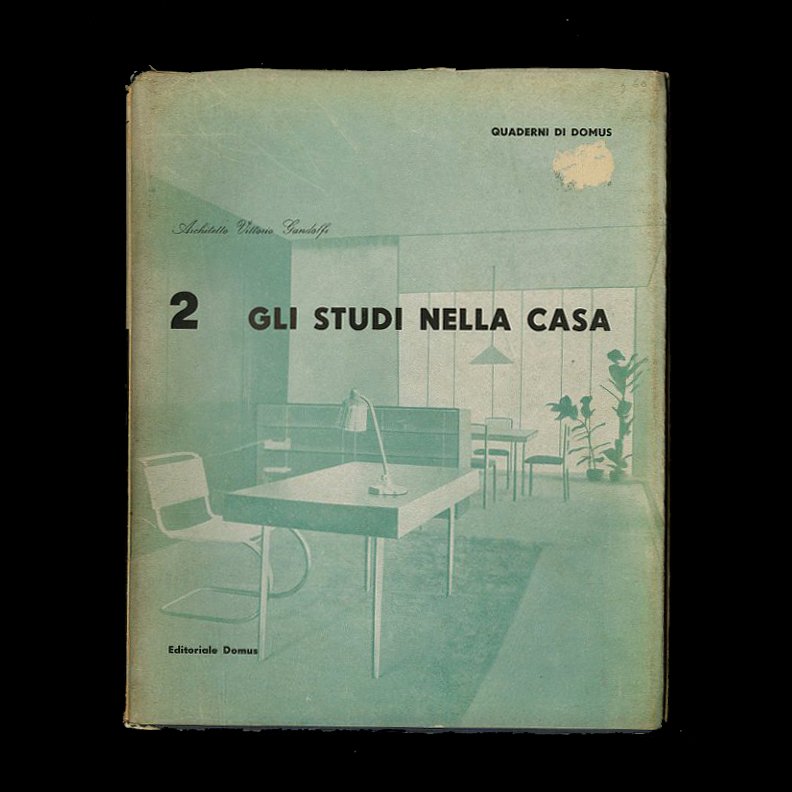 Image 1 of 15
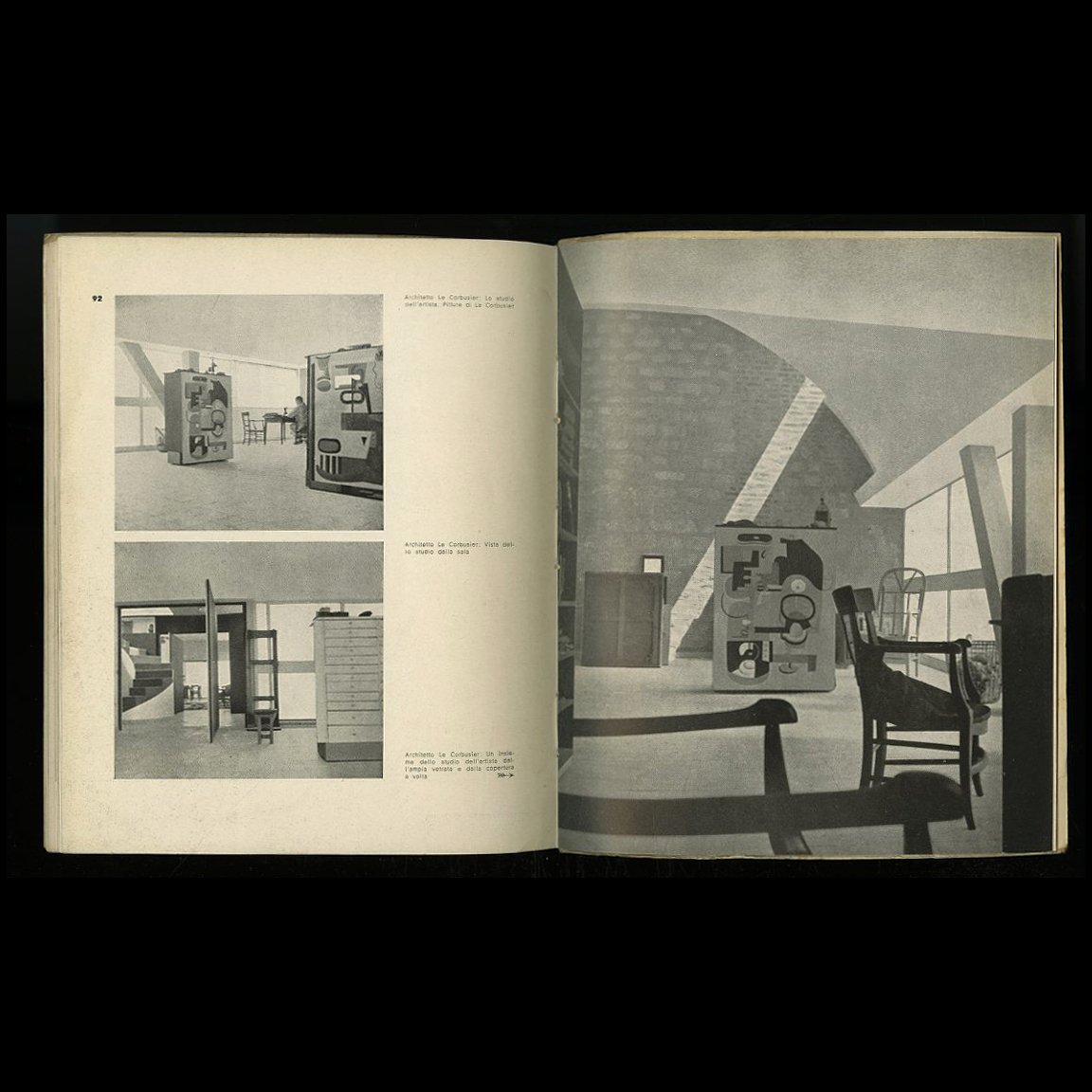 Image 2 of 15
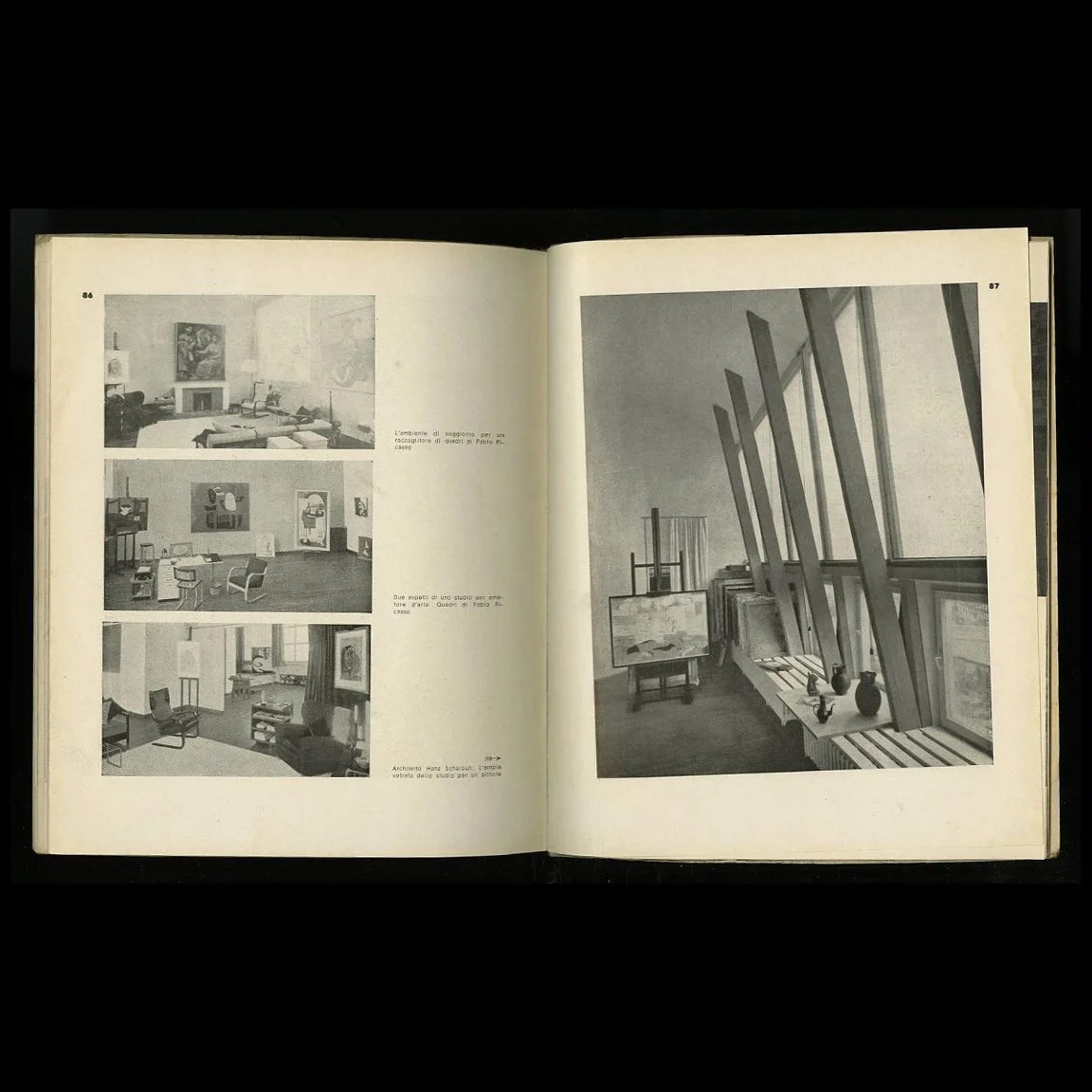 Image 3 of 15
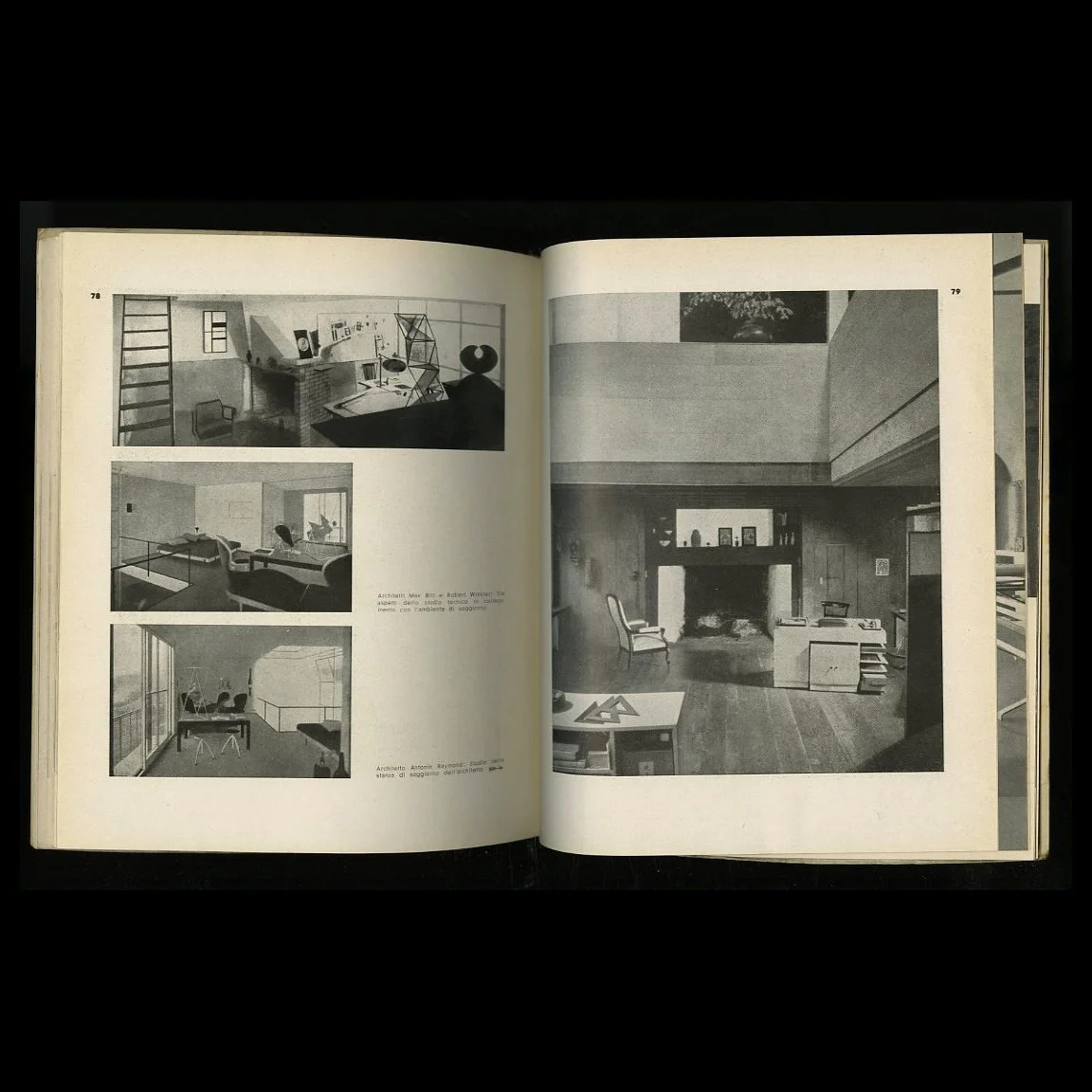 Image 4 of 15
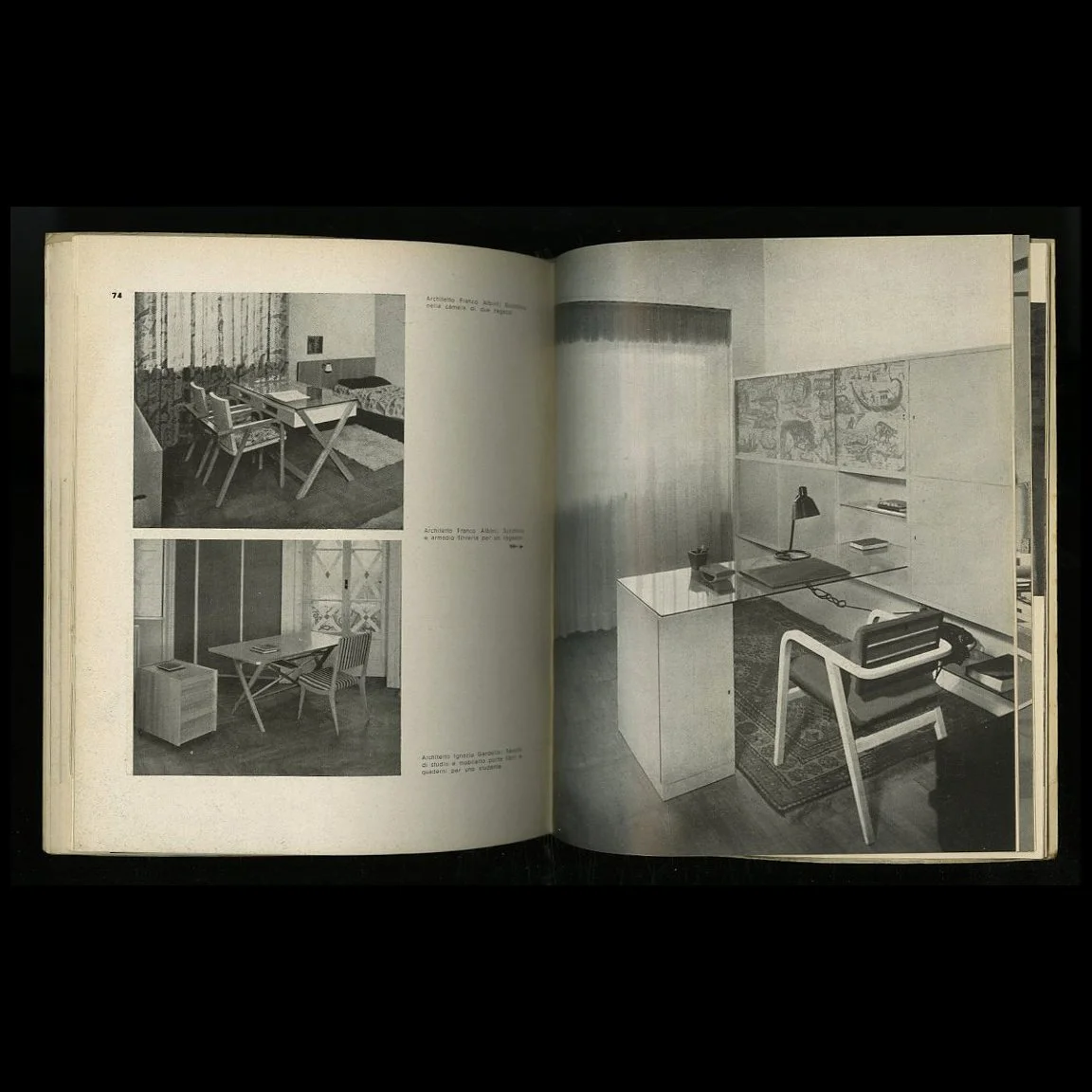 Image 5 of 15
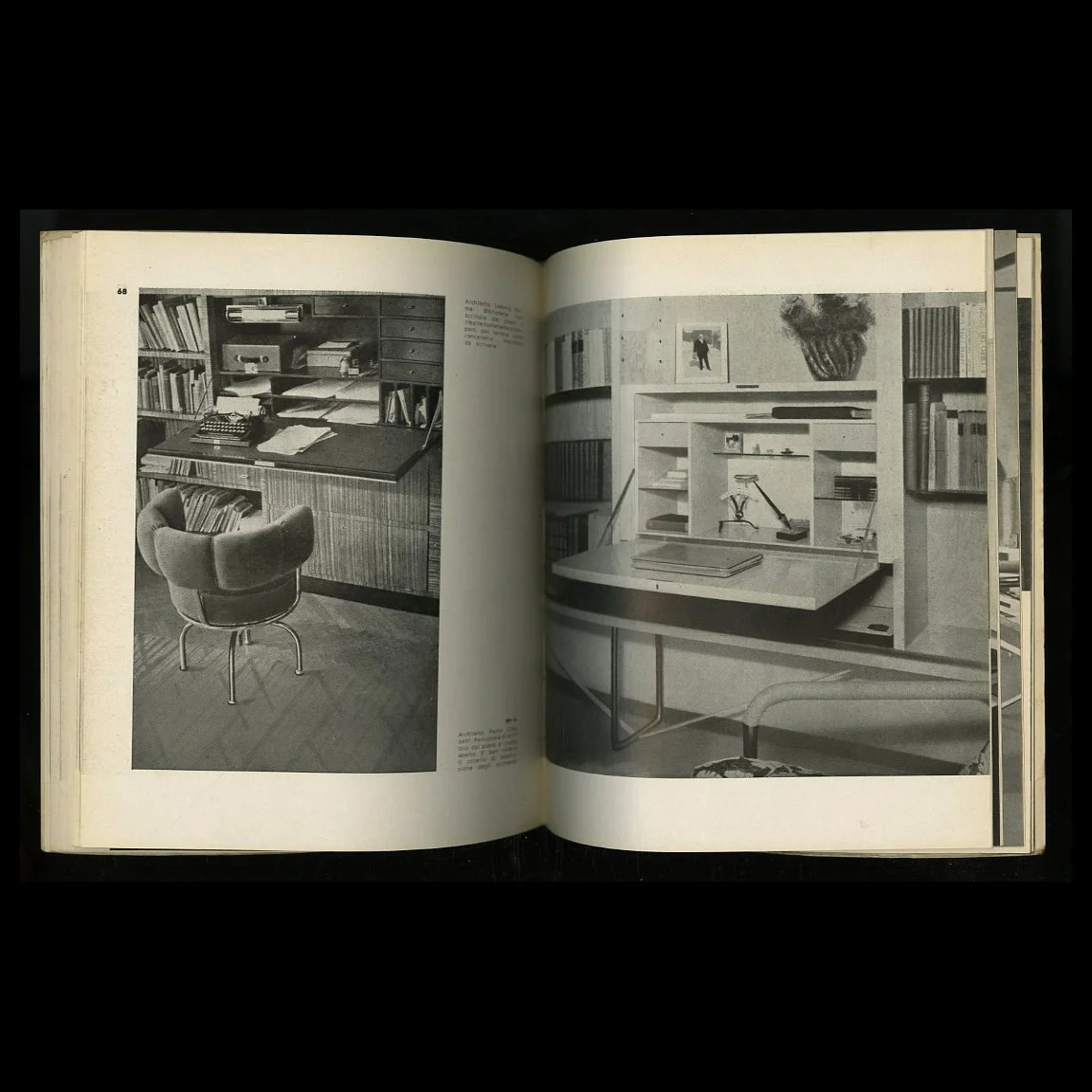 Image 6 of 15
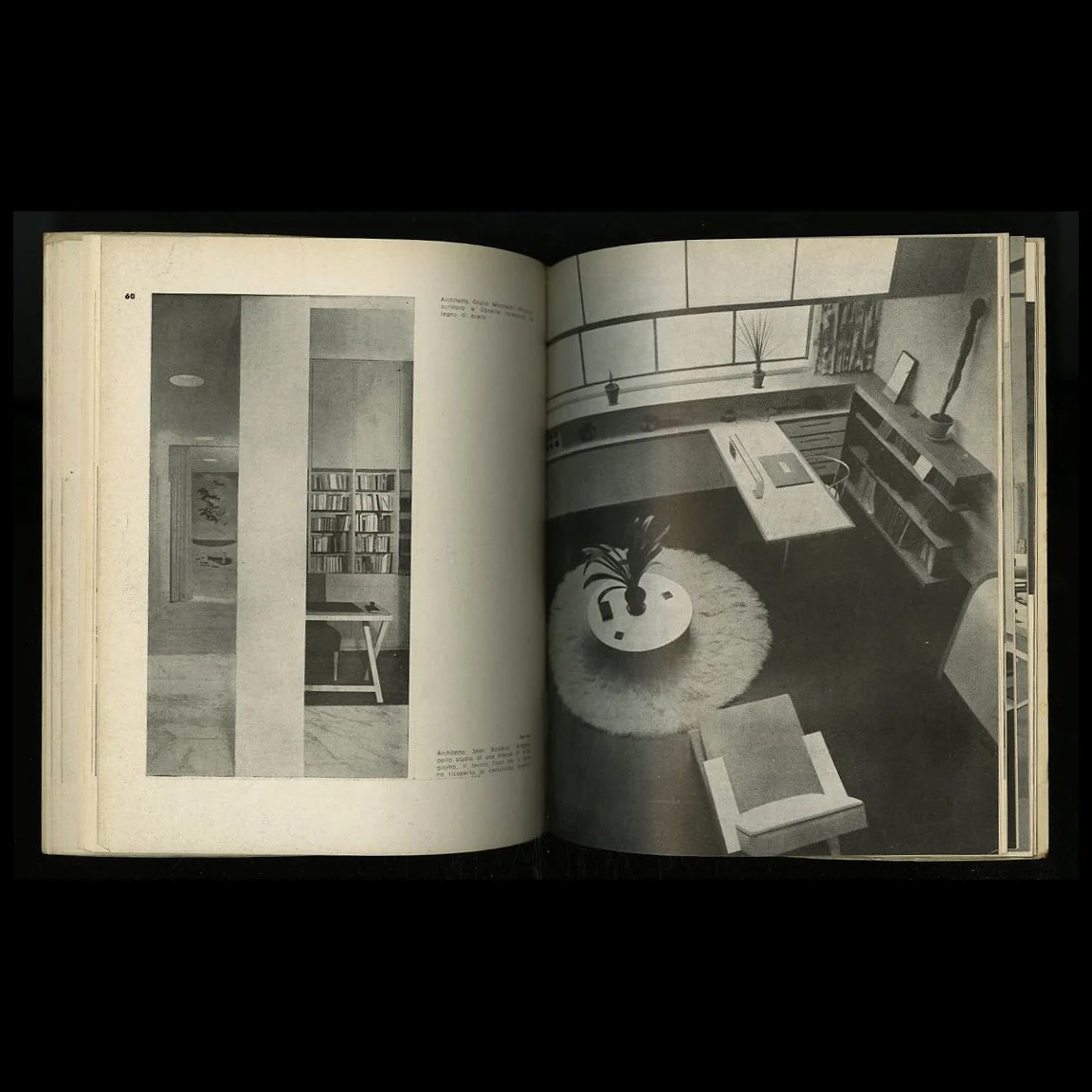 Image 7 of 15
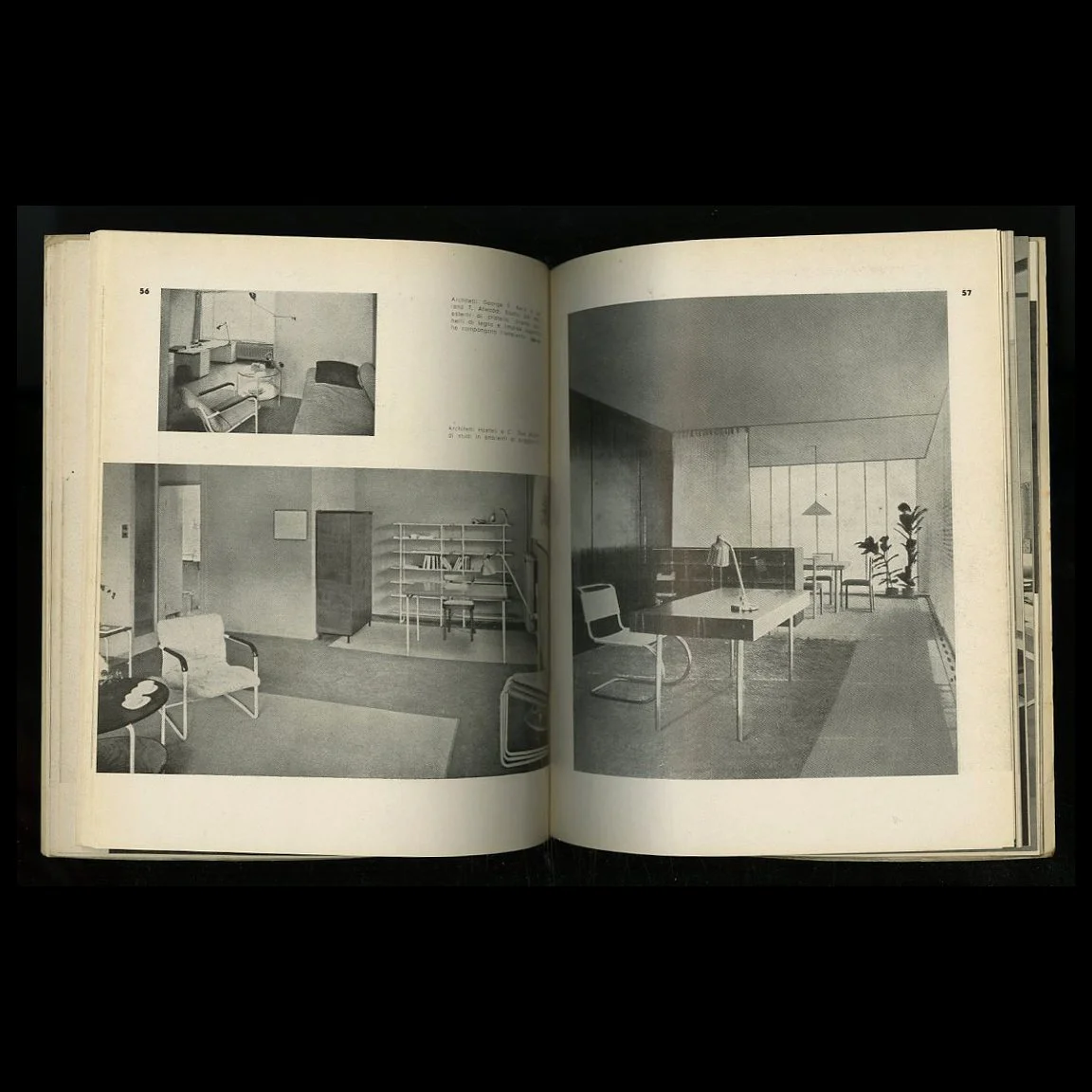 Image 8 of 15
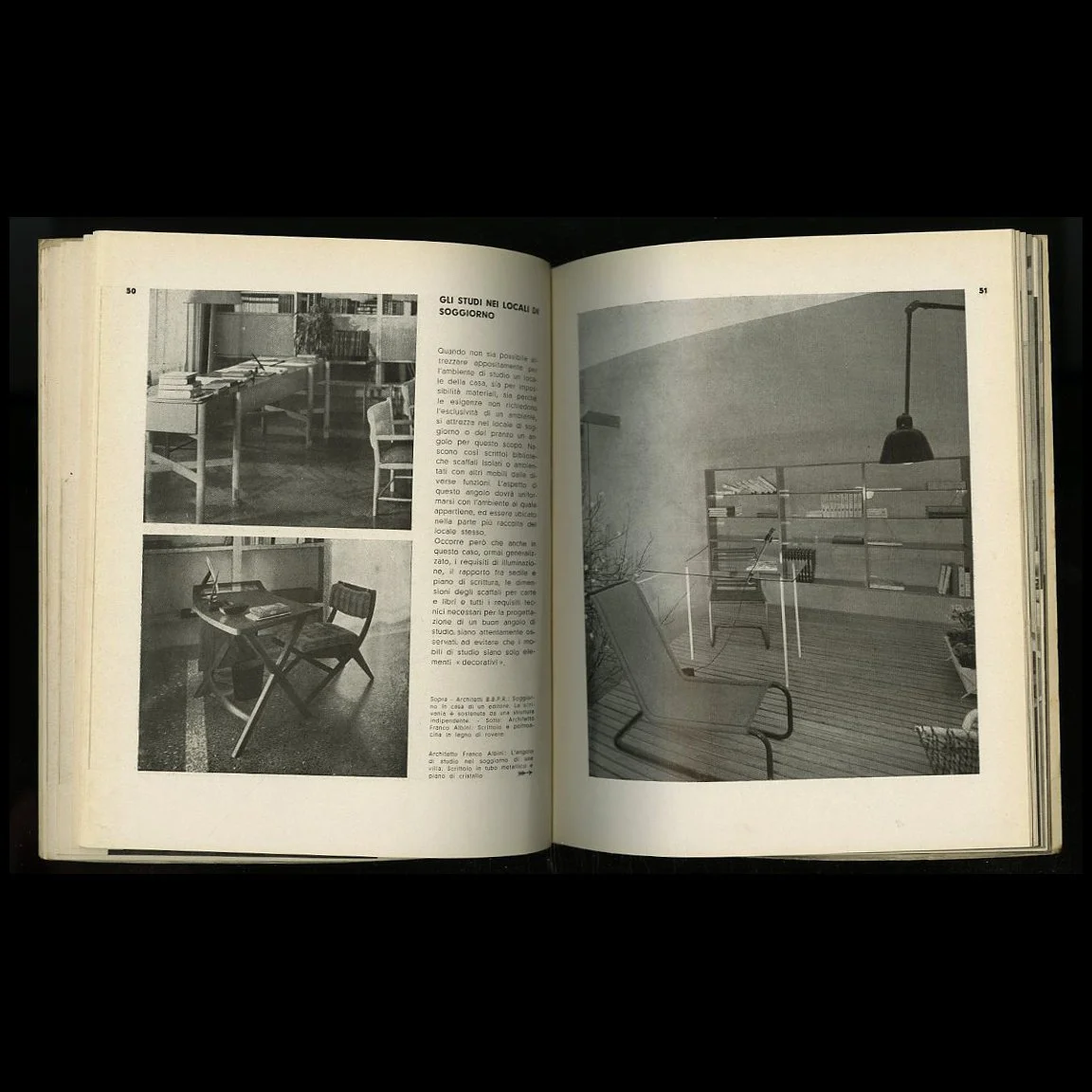 Image 9 of 15
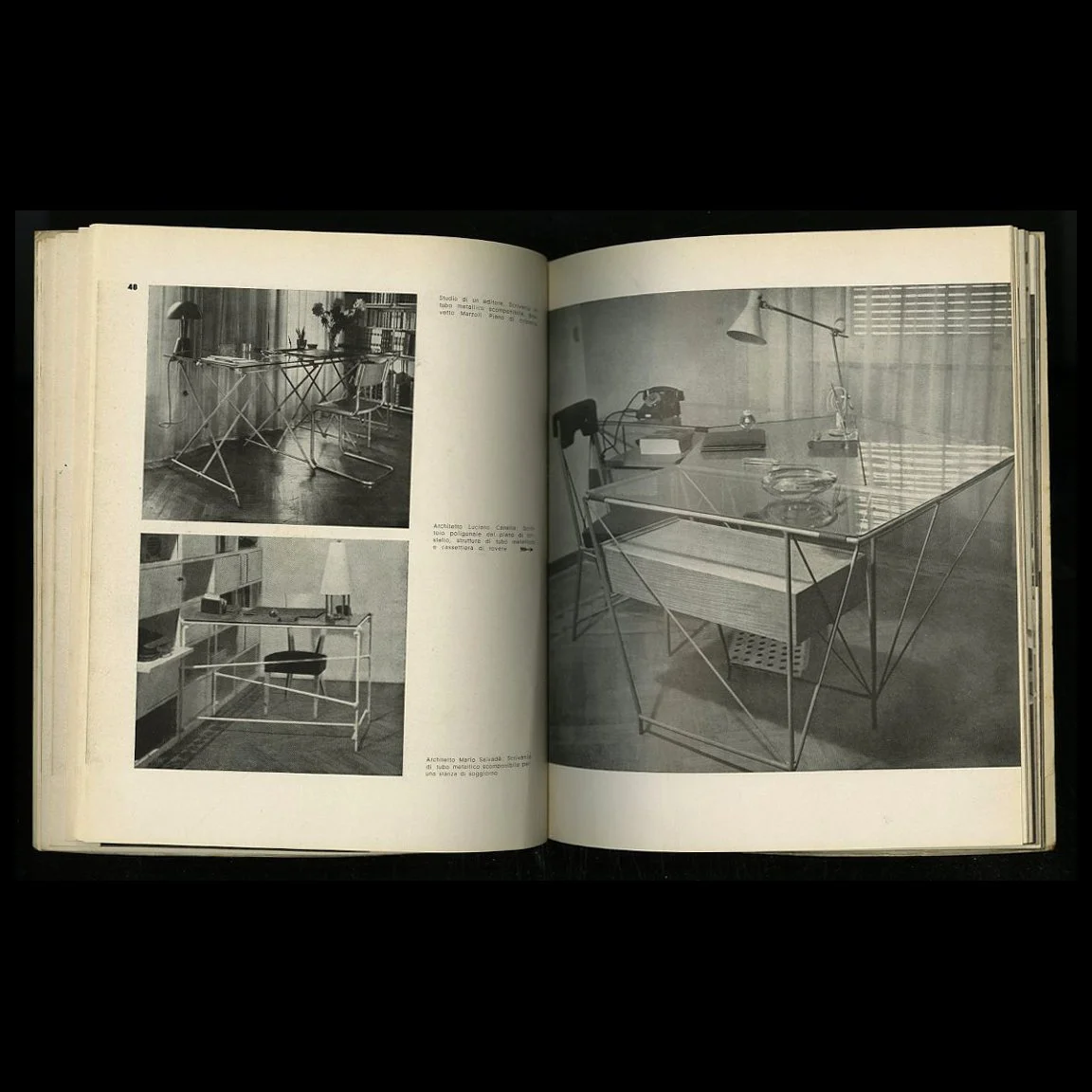 Image 10 of 15
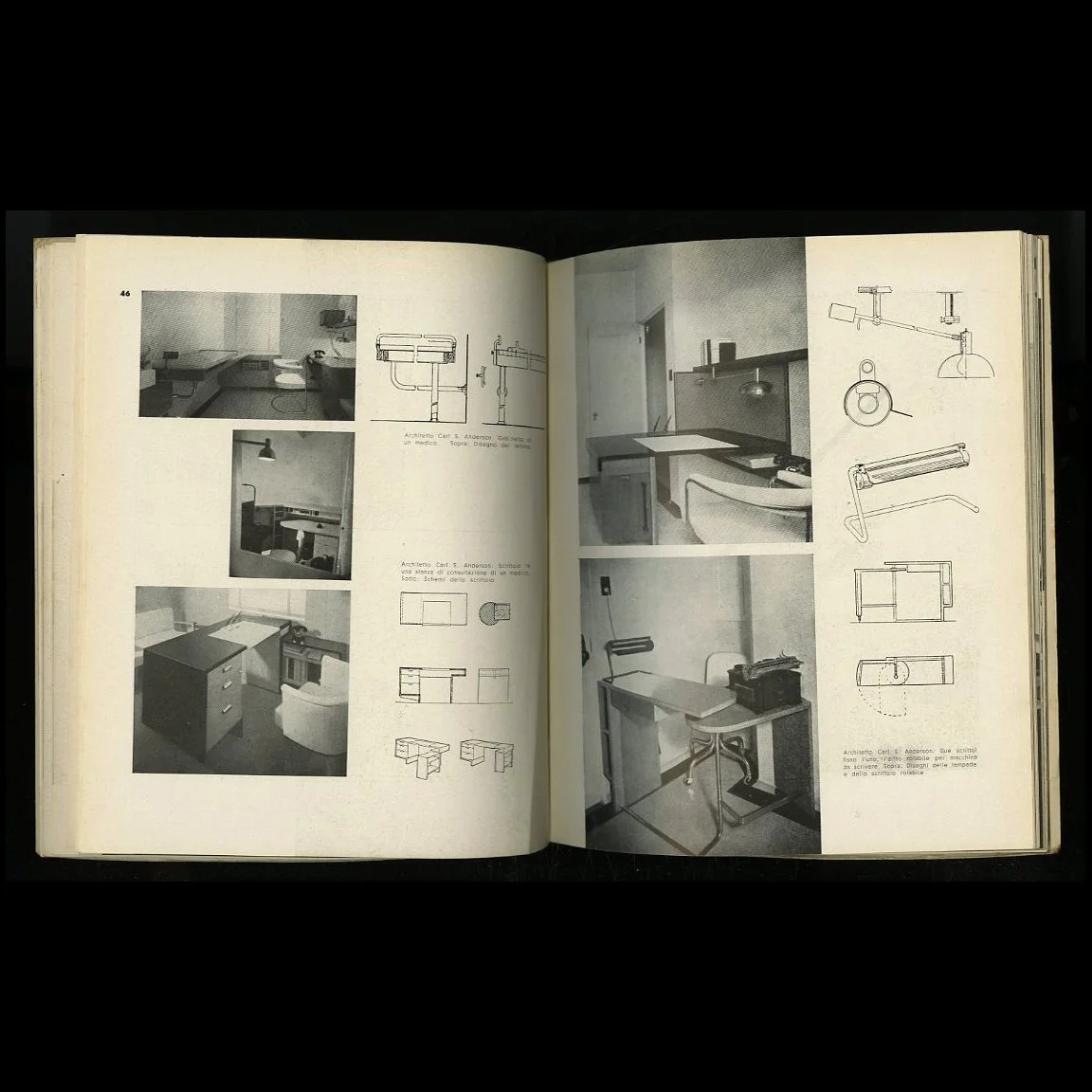 Image 11 of 15
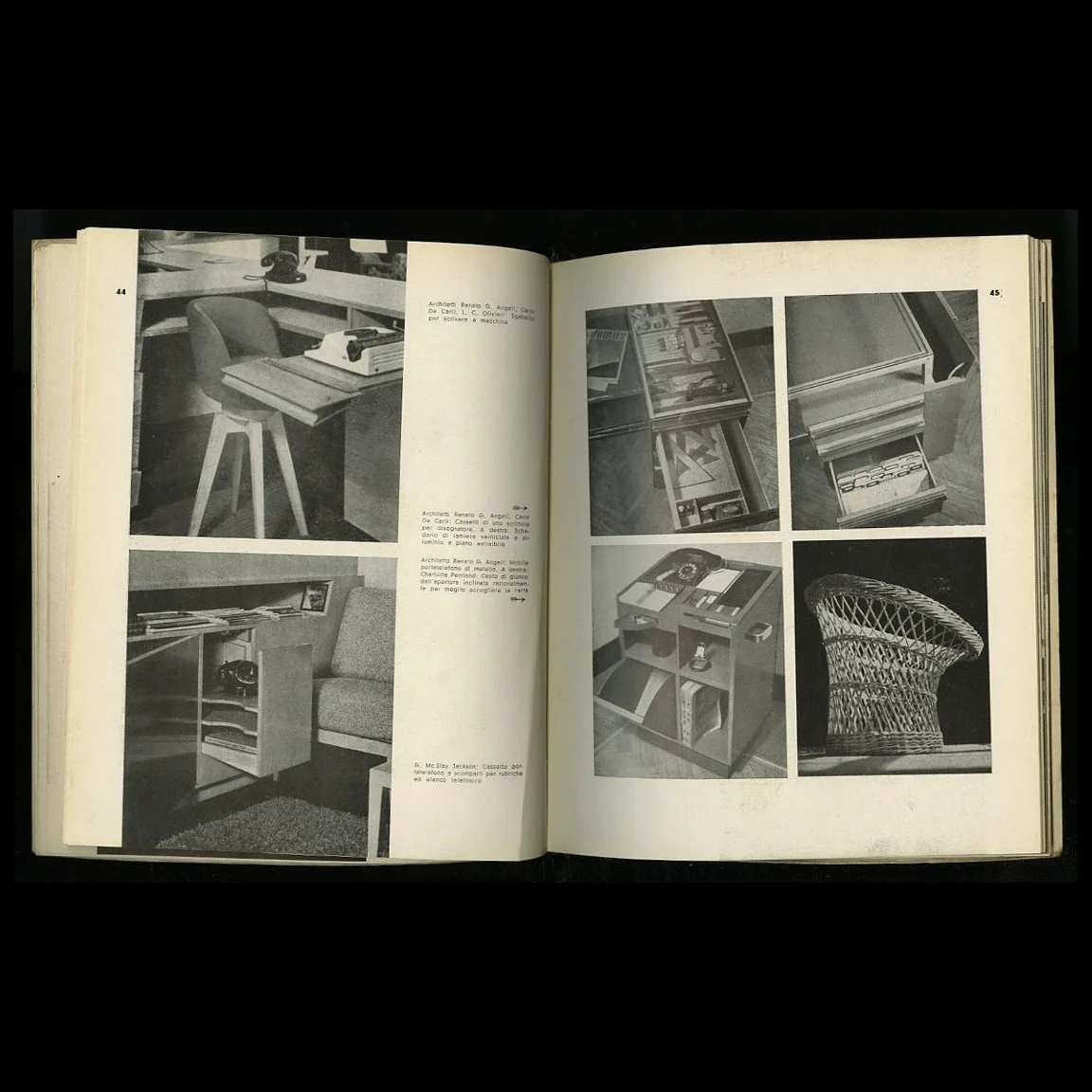 Image 12 of 15
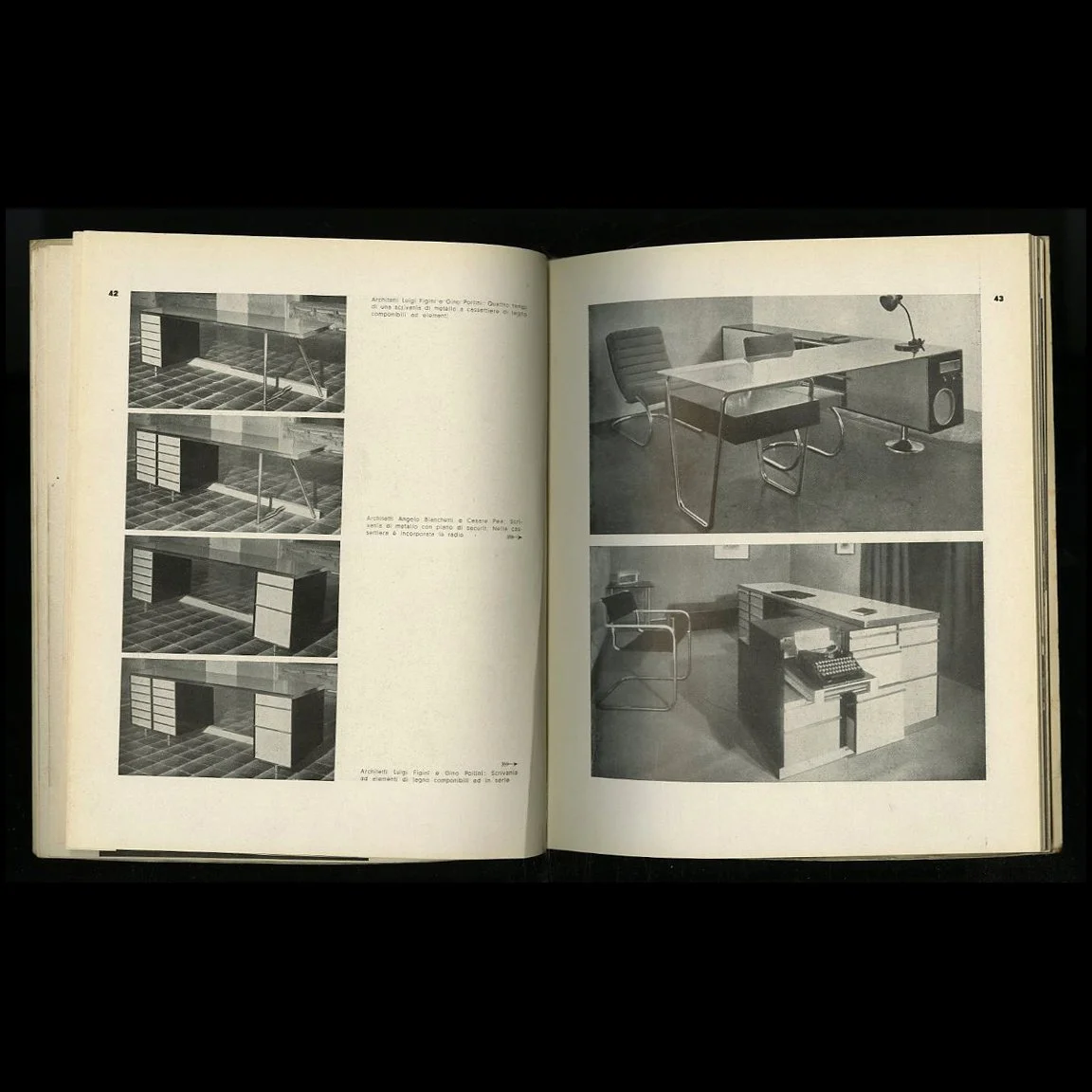 Image 13 of 15
 Image 14 of 15
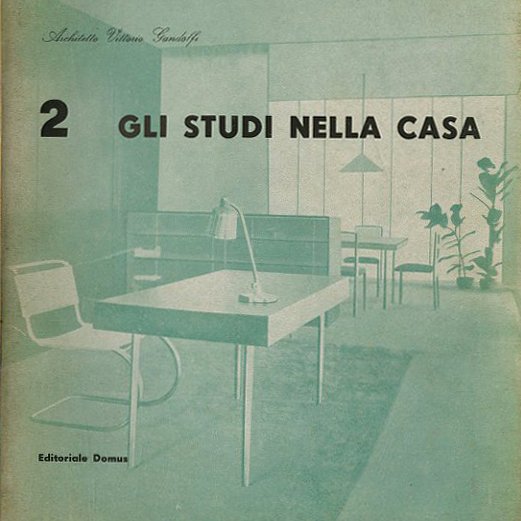 Image 15 of 15