PENTAGRAM: THE WORK OF FIVE DESIGNERS
Theo Crosby, Alan Fletcher, Colin Forbes, Mervyn Kurlansky, Kenneth Grange
London: Lund Humphries, 1972. Text in English, French and German. Square quarto. Perfect bound glossy wrappers. [216] pp. Fully illustrated compilation of 34 work projects with color and black and white reproductions. Spine lightly crackled, otherwise a nearly fine copy. Uncommon in the first edition.
8.25 x 7.75 softcover book with 216 pages and over 150 black and white illustrations and 36 color plates representing the work of pentagram in the fields of Building, interior and exhibition design; Graphic Design; and Industrial Design. Pentagram’s formation in 1972 was announced not with a simple postcard but with the publication of a 216-page book, Pentagram: The Work of Five Designers. This was both a gesture of bravado by a young firm seeking to make its mark, and a commitment to the authority and endurance of the printed book as a repository of communication and culture.
Book design, arguably the oldest of the graphic arts, remains central to Pentagram’s practice today. As it has for centuries, creating a book requires the command of every detail of production, from typography and layout to printing and binding. Yet throughout this painstaking process, the designer must never lose sight of the end goal: to orchestrate words and images in a storytelling experience that serves the author and engages the reader.
Highly recommended for those interested in the scope of design, the ideology behind the practice and the myriad of ways to make things work.
Contents:
Buildings, Interior and Exhibition Design: Boase Massini Pollitt; Cape Universal Building Products; Central Office Of Information; Cunard Steamship Company; Pirelli; The Post Office; Reuters; Rowe Rudd
Graphic Design: British Petroleum; Brooks Fulford; Cape Universal Building Products; Cunard Steamship Company; Council Fo Industrial Design; Ici Plastics Division; Kodak; Mears Caldwell Hacker; Olivetti; Pirelli; Rank Xerox; Reuters; Roche Unicliffe; Zine And Lead Development Association
Industrial Design: A. J. Binns; Kenwood Manufacturing Company; Kodak; Maruzen Sewing Machine Company; Henry Milward And Sons; Morphyrichards; Ronson Products; Standard Telephone And Cables; Taylor Instrument Company; Wilkinson Sword
The clients whose work is exhibited here include some famous household names, as well as surprising and out of the way ones. The material illustrated takes in books, posters, calendars, consumer products, packaging, signs, building interiors, company identities, environmental schemes, and an extraordinary diversity of other challenges to the analytical and imaginative resources of this great international partnership.
“Everything was right. The year 1962 in England was a very special one. I am talking about the coming of the Beatles, John Osborne, Kinglsey Amis, and Mary Quant. There was an enormous amount of creative activity then. We were children during the war, but we were mostly protected from the horrors of it. Ours was a fresh generation. There was a cultural revolution in England of which we were a part, and the market for graphic design was growing rapidly.”— Colin Forbes
"For mysterious reasons that can only be in part attributed to their origins as a design group, the people at Pentagram have been ableto maintain a design commitment that uniquely displays the benefits of working co-operatively." --Milton Glaser, Designer/New York
"Much of the most exemplary work in today's graphic field is from their hands. Their solutions have been followed or copied by many but there has never been a Pentagram style. They are designers who first of all solve the problems of their clients in a very creative and challenging way." --Wim Crouwel, Designer/Amsterdam
"Pentagram still presents itself as a very unique formula of beautifully balanced elements, each one preserving its personality, yet contributing to the whole an unmistakable character. Highly professional, tenderly romantic, extremely empirical, they represent for me the best the English tradition offers today." ---Massimo Vignelli, Designer/New York
"The success of this group of designers in maintaining consistently high standards of analytical and creative thinking, originality as well as of formal design, reveals rare organisational talents. Is it that the Pentagram consortium is in itself a brilliant design solution?" --Herbert Spencer, Designer/London
PENTAGRAM: THE WORK OF FIVE DESIGNERS
Theo Crosby, Alan Fletcher, Colin Forbes, Mervyn Kurlansky, Kenneth Grange
London: Lund Humphries, 1972. Text in English, French and German. Square quarto. Perfect bound glossy wrappers. [216] pp. Fully illustrated compilation of 34 work projects with color and black and white reproductions. Spine lightly crackled, otherwise a nearly fine copy. Uncommon in the first edition.
8.25 x 7.75 softcover book with 216 pages and over 150 black and white illustrations and 36 color plates representing the work of pentagram in the fields of Building, interior and exhibition design; Graphic Design; and Industrial Design. Pentagram’s formation in 1972 was announced not with a simple postcard but with the publication of a 216-page book, Pentagram: The Work of Five Designers. This was both a gesture of bravado by a young firm seeking to make its mark, and a commitment to the authority and endurance of the printed book as a repository of communication and culture.
Book design, arguably the oldest of the graphic arts, remains central to Pentagram’s practice today. As it has for centuries, creating a book requires the command of every detail of production, from typography and layout to printing and binding. Yet throughout this painstaking process, the designer must never lose sight of the end goal: to orchestrate words and images in a storytelling experience that serves the author and engages the reader.
Highly recommended for those interested in the scope of design, the ideology behind the practice and the myriad of ways to make things work.
Contents:
Buildings, Interior and Exhibition Design: Boase Massini Pollitt; Cape Universal Building Products; Central Office Of Information; Cunard Steamship Company; Pirelli; The Post Office; Reuters; Rowe Rudd
Graphic Design: British Petroleum; Brooks Fulford; Cape Universal Building Products; Cunard Steamship Company; Council Fo Industrial Design; Ici Plastics Division; Kodak; Mears Caldwell Hacker; Olivetti; Pirelli; Rank Xerox; Reuters; Roche Unicliffe; Zine And Lead Development Association
Industrial Design: A. J. Binns; Kenwood Manufacturing Company; Kodak; Maruzen Sewing Machine Company; Henry Milward And Sons; Morphyrichards; Ronson Products; Standard Telephone And Cables; Taylor Instrument Company; Wilkinson Sword
The clients whose work is exhibited here include some famous household names, as well as surprising and out of the way ones. The material illustrated takes in books, posters, calendars, consumer products, packaging, signs, building interiors, company identities, environmental schemes, and an extraordinary diversity of other challenges to the analytical and imaginative resources of this great international partnership.
“Everything was right. The year 1962 in England was a very special one. I am talking about the coming of the Beatles, John Osborne, Kinglsey Amis, and Mary Quant. There was an enormous amount of creative activity then. We were children during the war, but we were mostly protected from the horrors of it. Ours was a fresh generation. There was a cultural revolution in England of which we were a part, and the market for graphic design was growing rapidly.”— Colin Forbes
"For mysterious reasons that can only be in part attributed to their origins as a design group, the people at Pentagram have been ableto maintain a design commitment that uniquely displays the benefits of working co-operatively." --Milton Glaser, Designer/New York
"Much of the most exemplary work in today's graphic field is from their hands. Their solutions have been followed or copied by many but there has never been a Pentagram style. They are designers who first of all solve the problems of their clients in a very creative and challenging way." --Wim Crouwel, Designer/Amsterdam
"Pentagram still presents itself as a very unique formula of beautifully balanced elements, each one preserving its personality, yet contributing to the whole an unmistakable character. Highly professional, tenderly romantic, extremely empirical, they represent for me the best the English tradition offers today." ---Massimo Vignelli, Designer/New York
"The success of this group of designers in maintaining consistently high standards of analytical and creative thinking, originality as well as of formal design, reveals rare organisational talents. Is it that the Pentagram consortium is in itself a brilliant design solution?" --Herbert Spencer, Designer/London

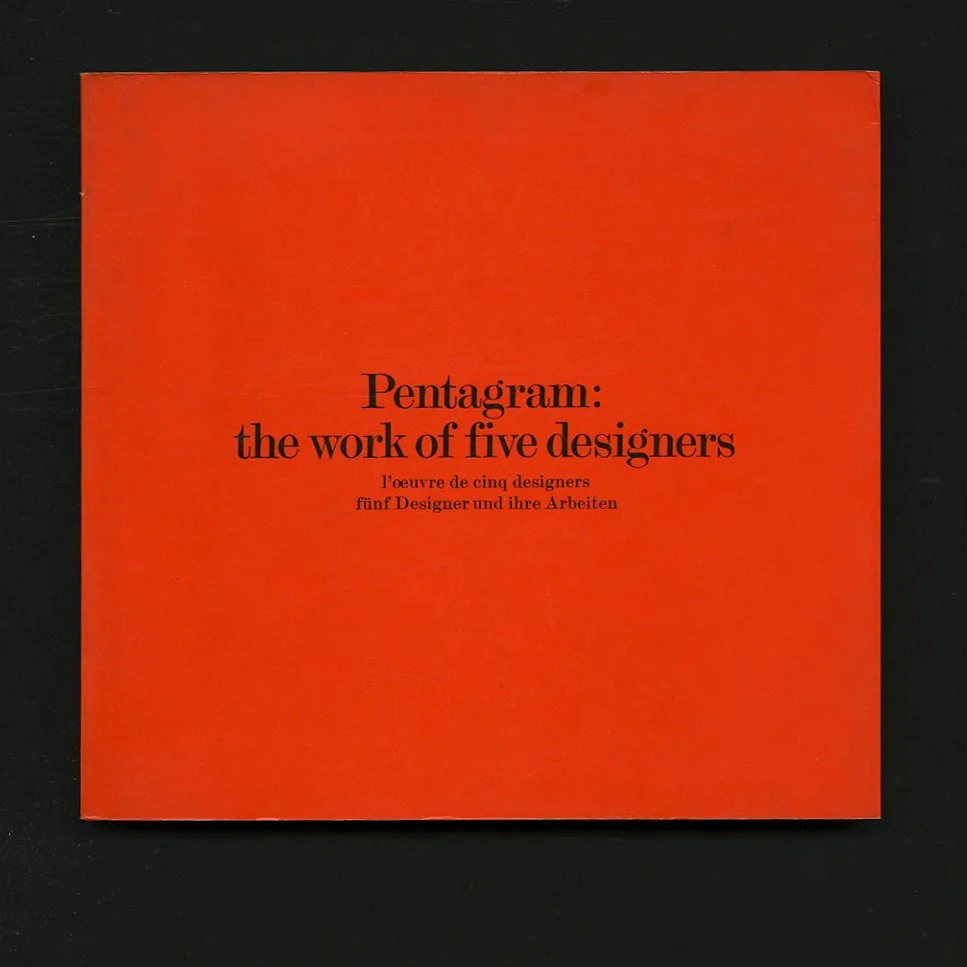 Image 1 of 15
 Image 2 of 15
 Image 3 of 15
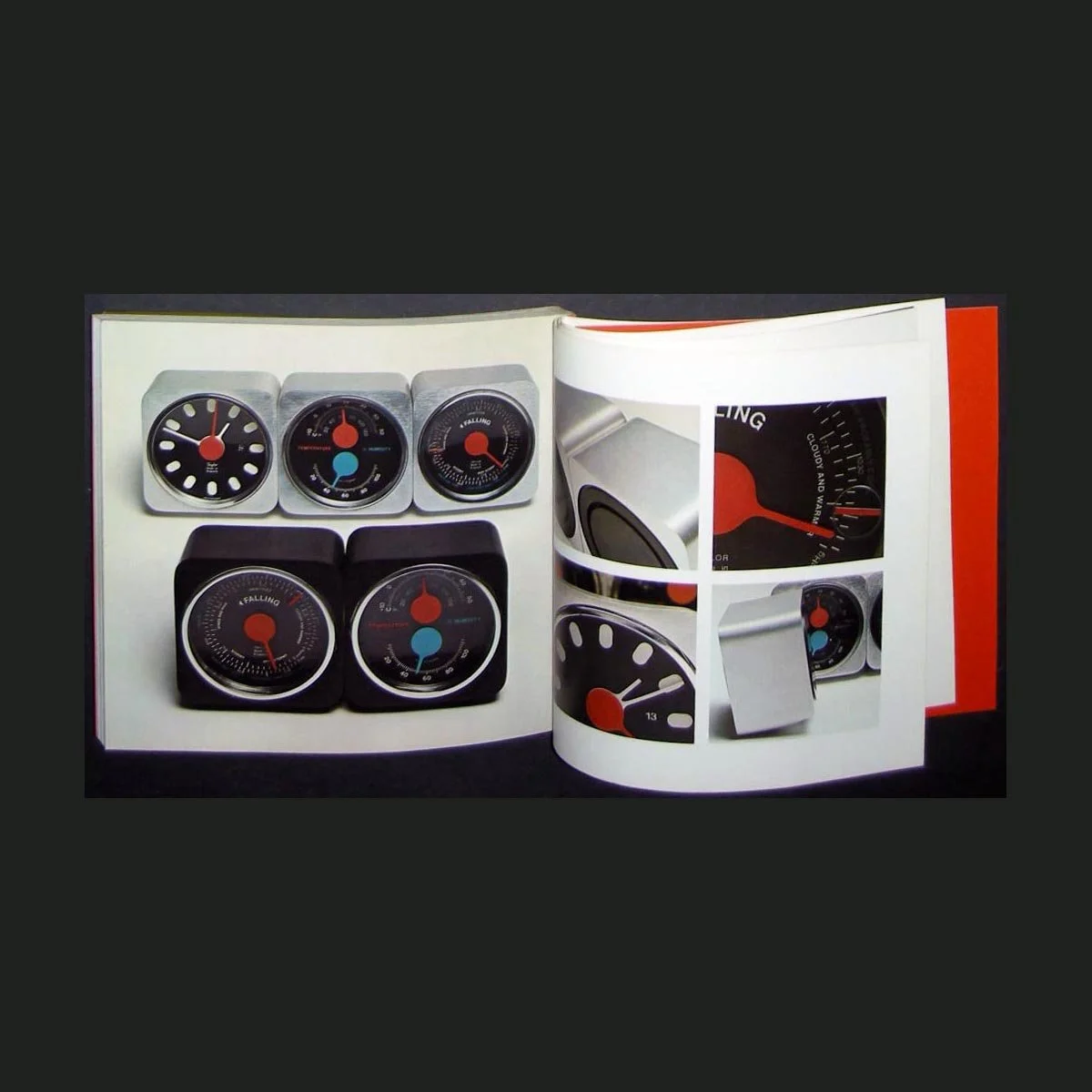 Image 4 of 15
 Image 5 of 15
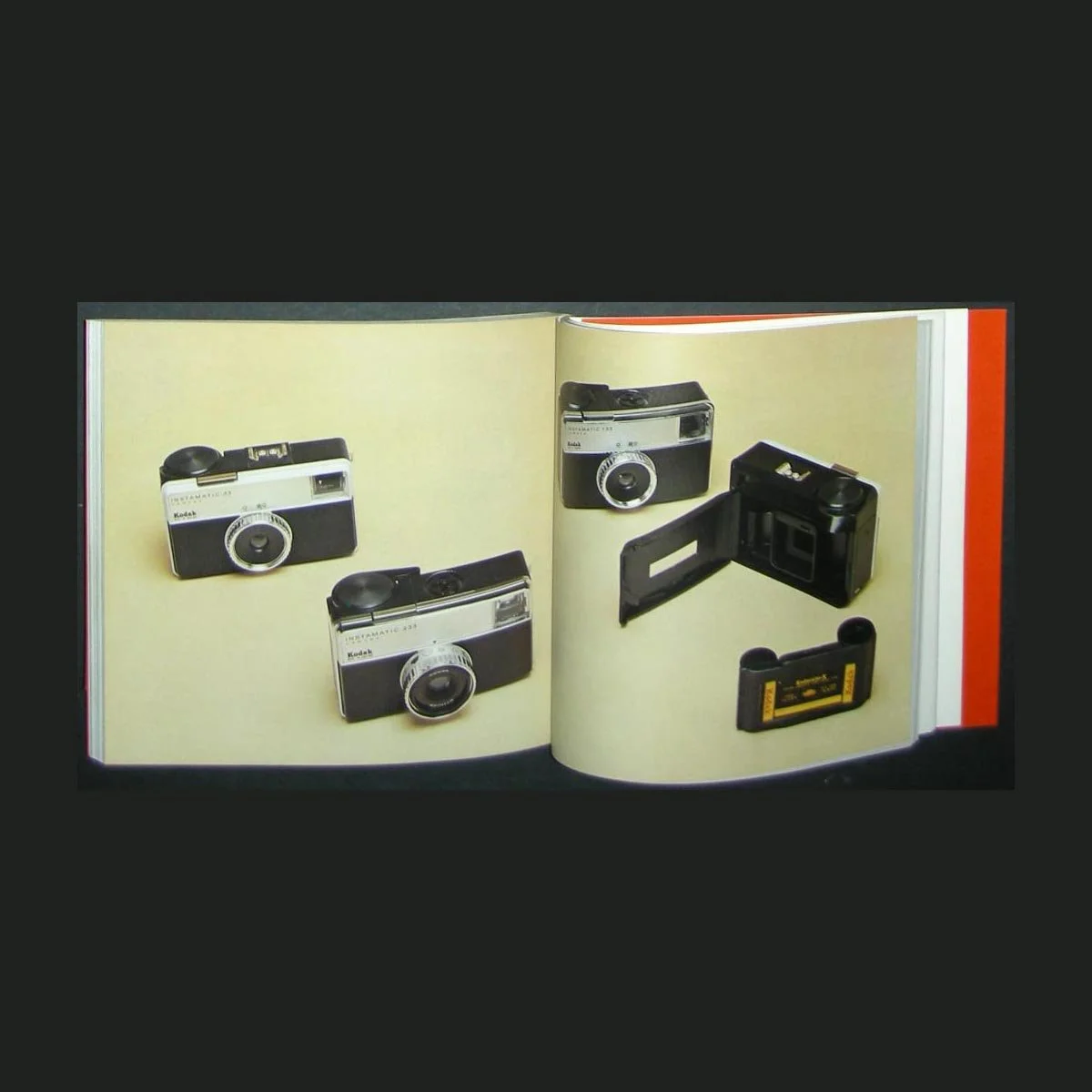 Image 6 of 15
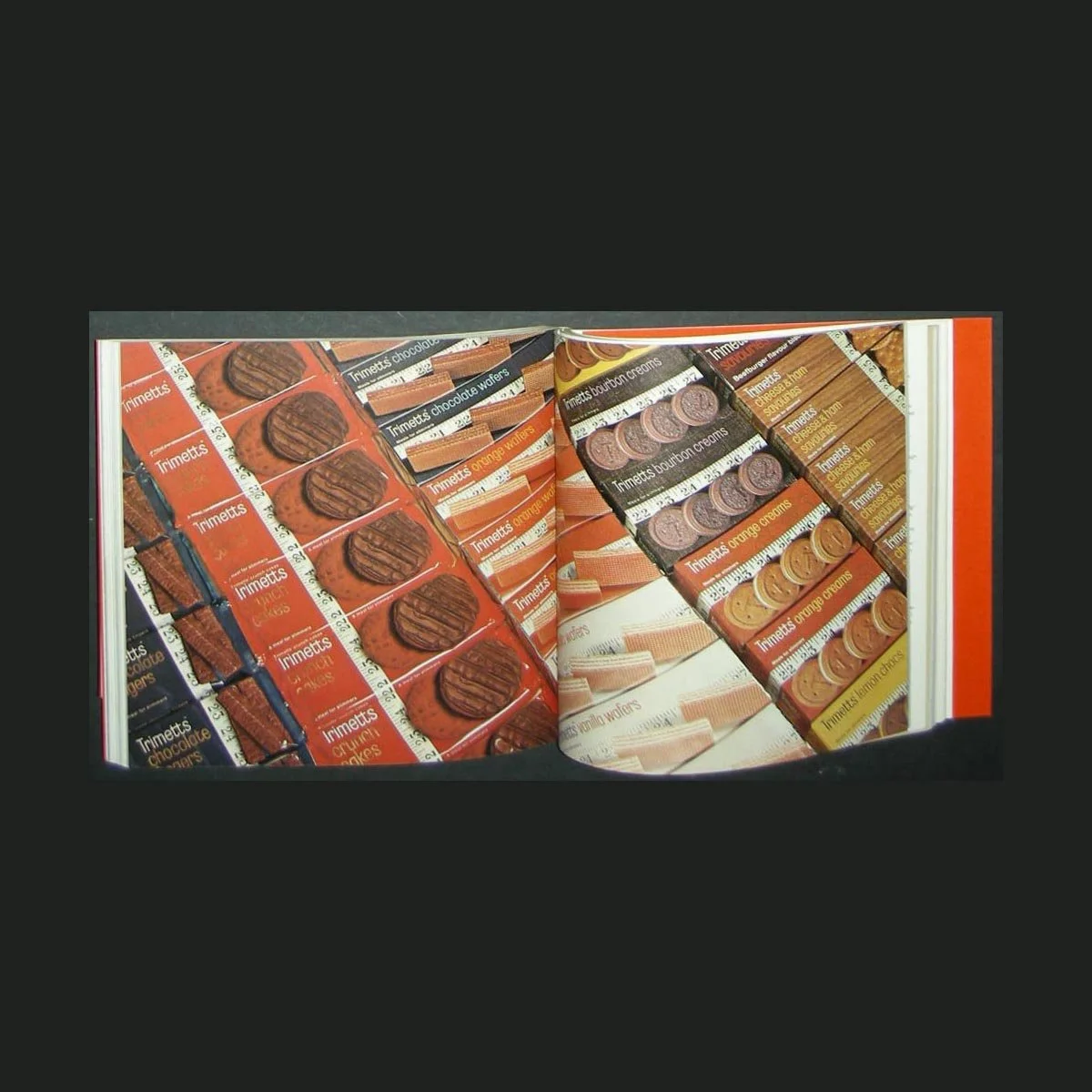 Image 7 of 15
 Image 8 of 15
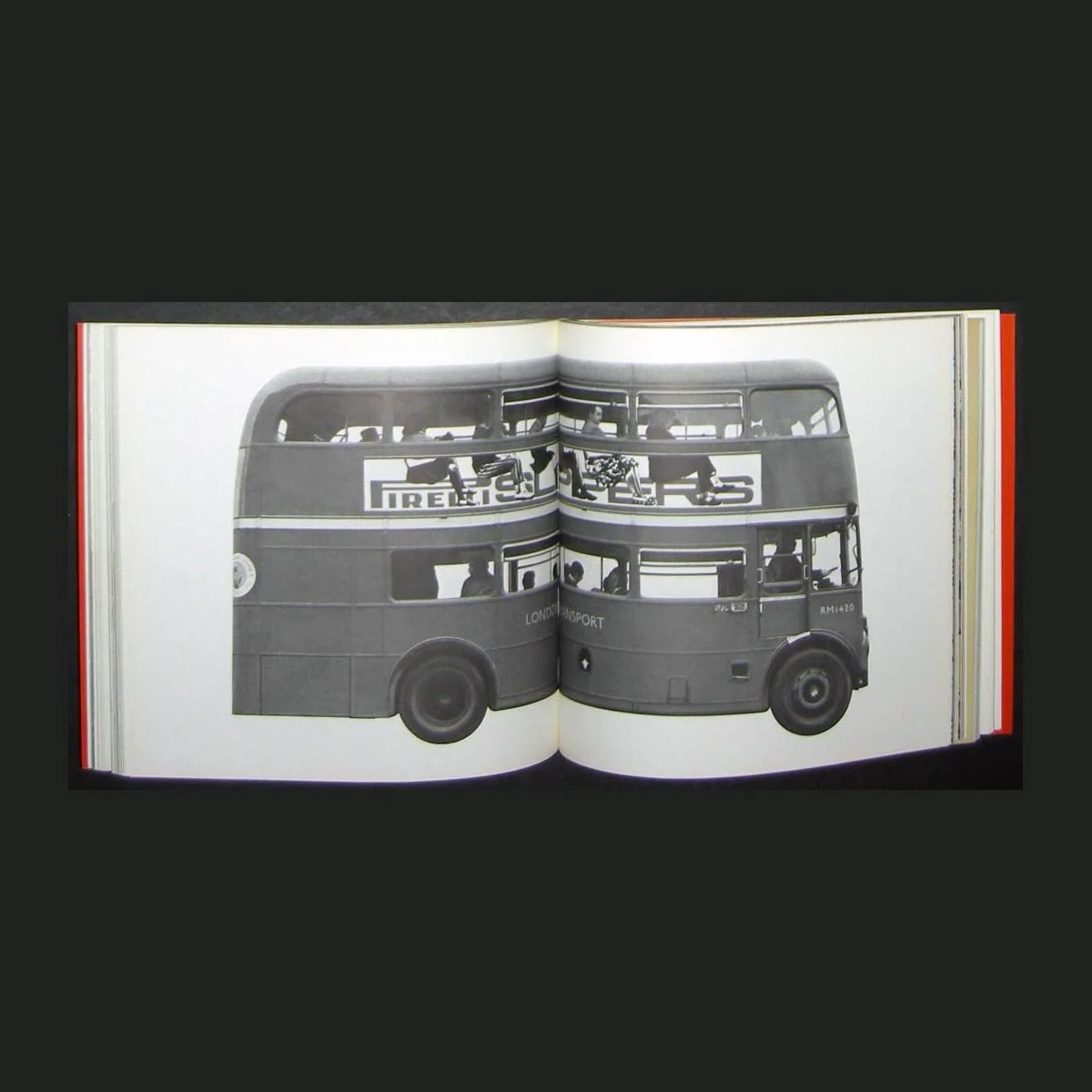 Image 9 of 15
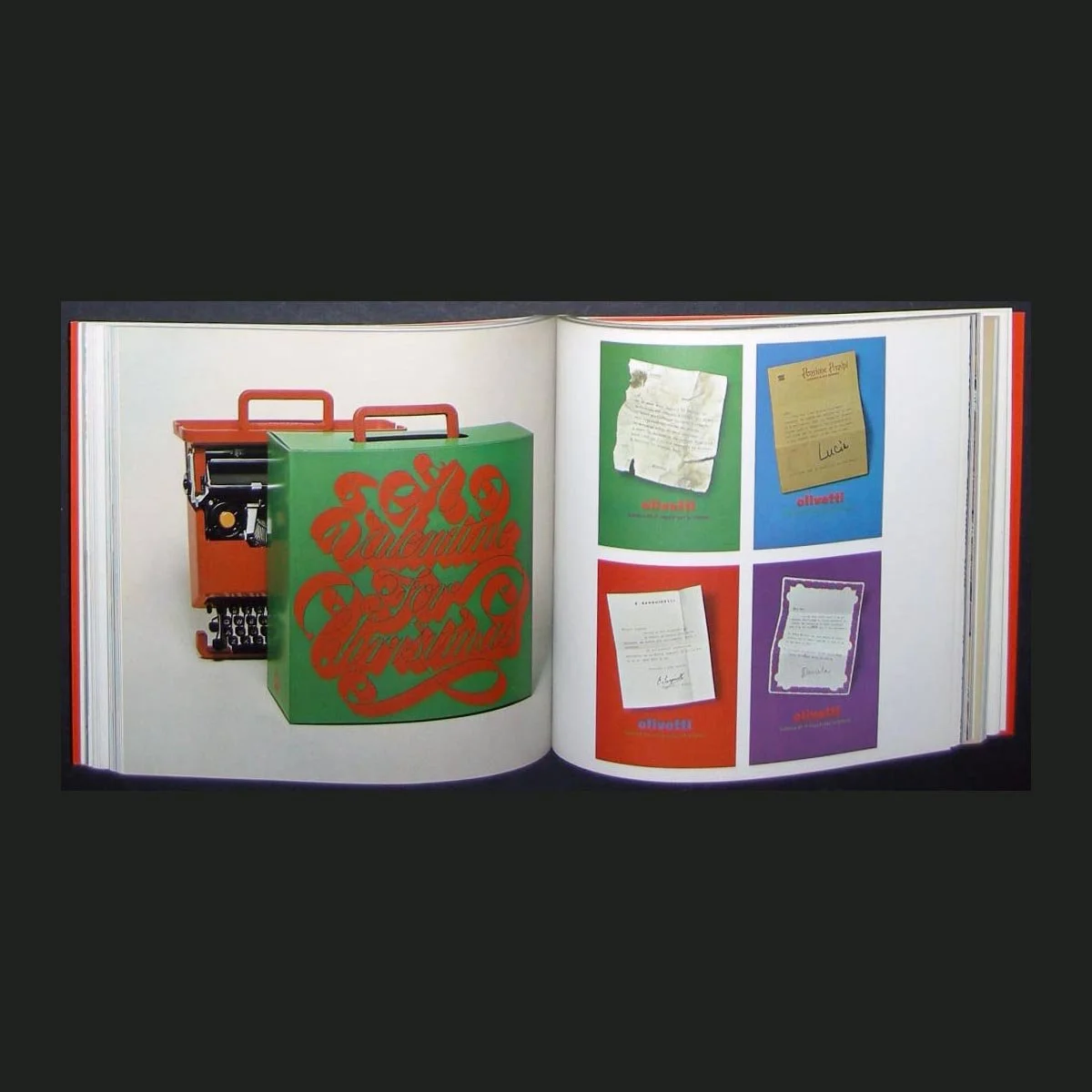 Image 10 of 15
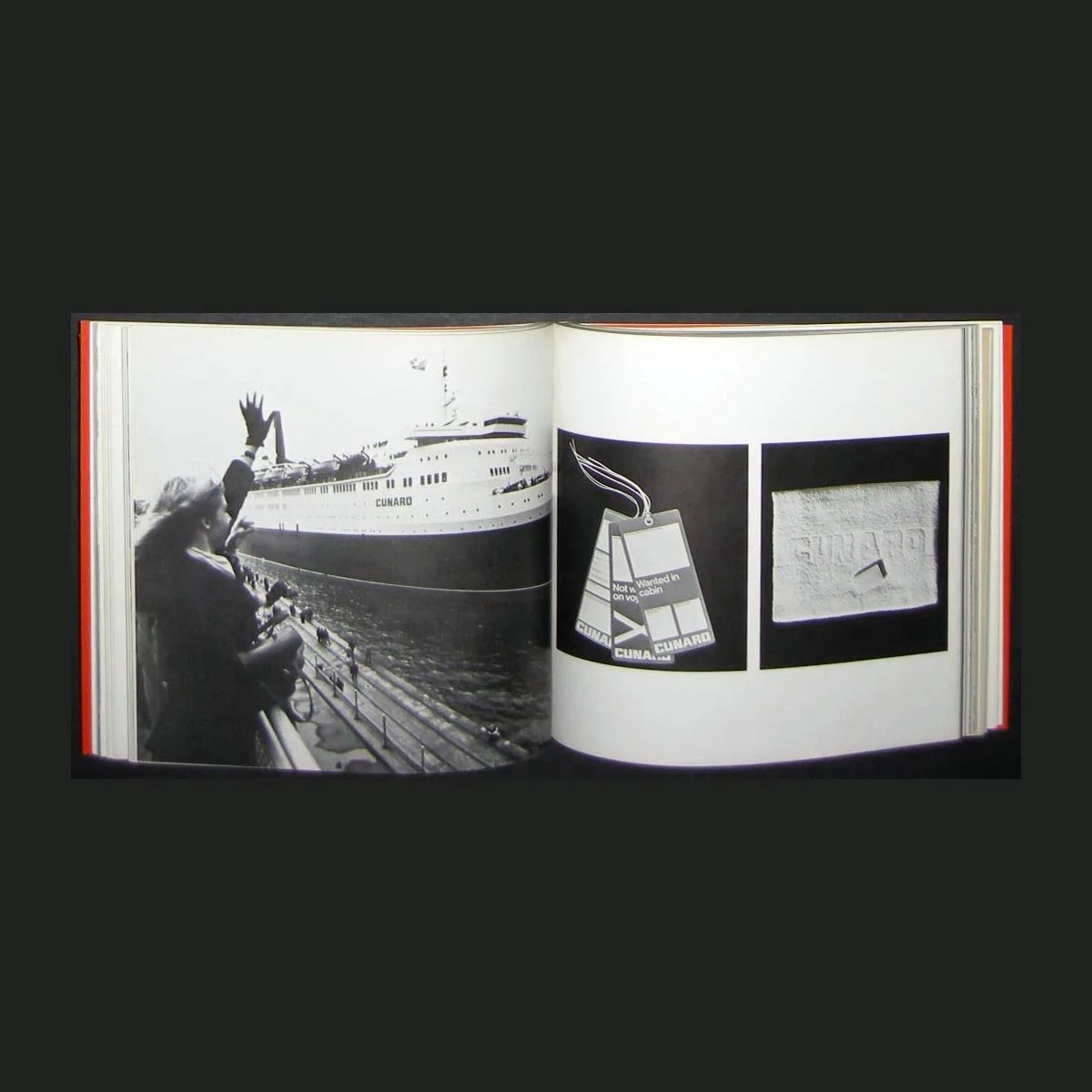 Image 11 of 15
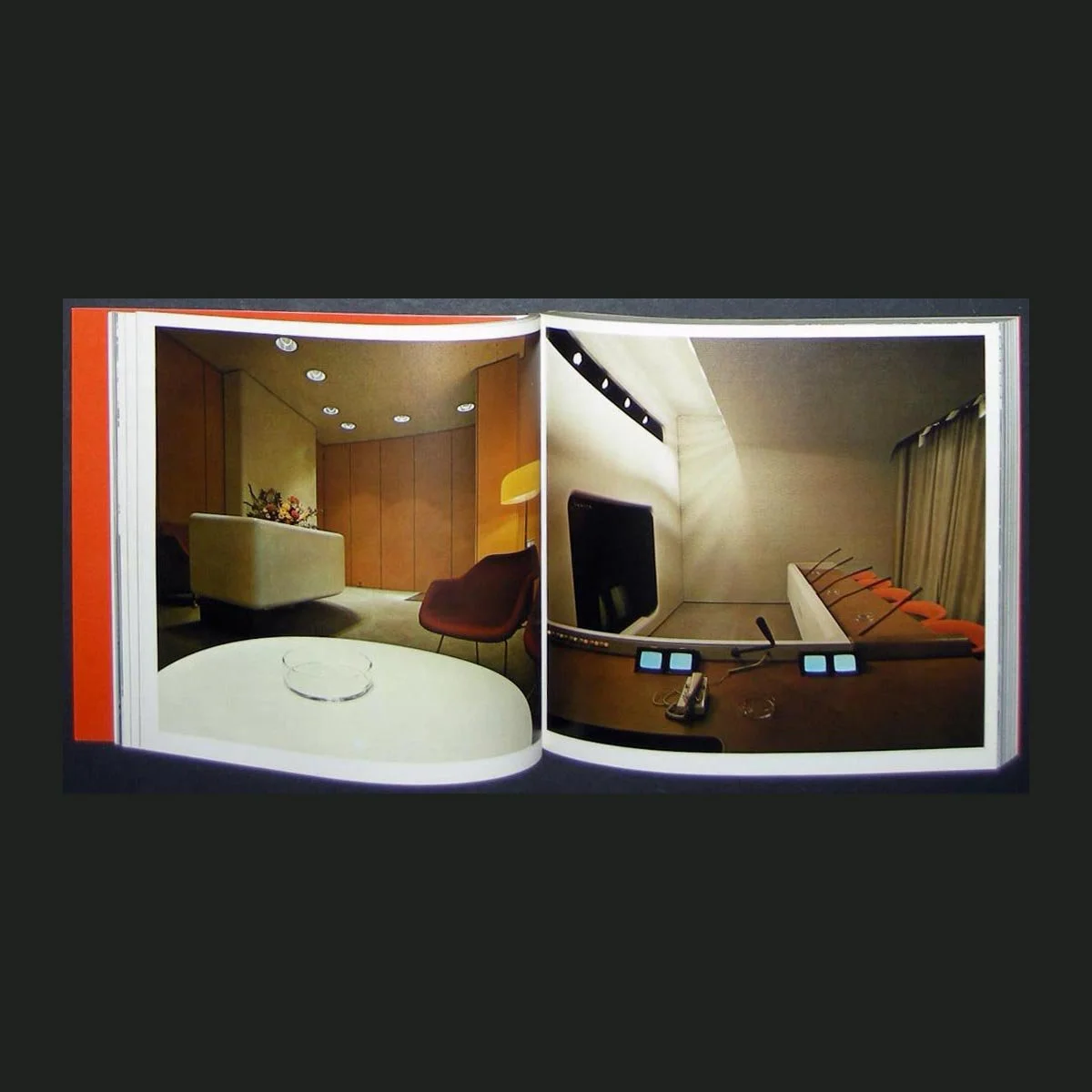 Image 12 of 15
 Image 13 of 15
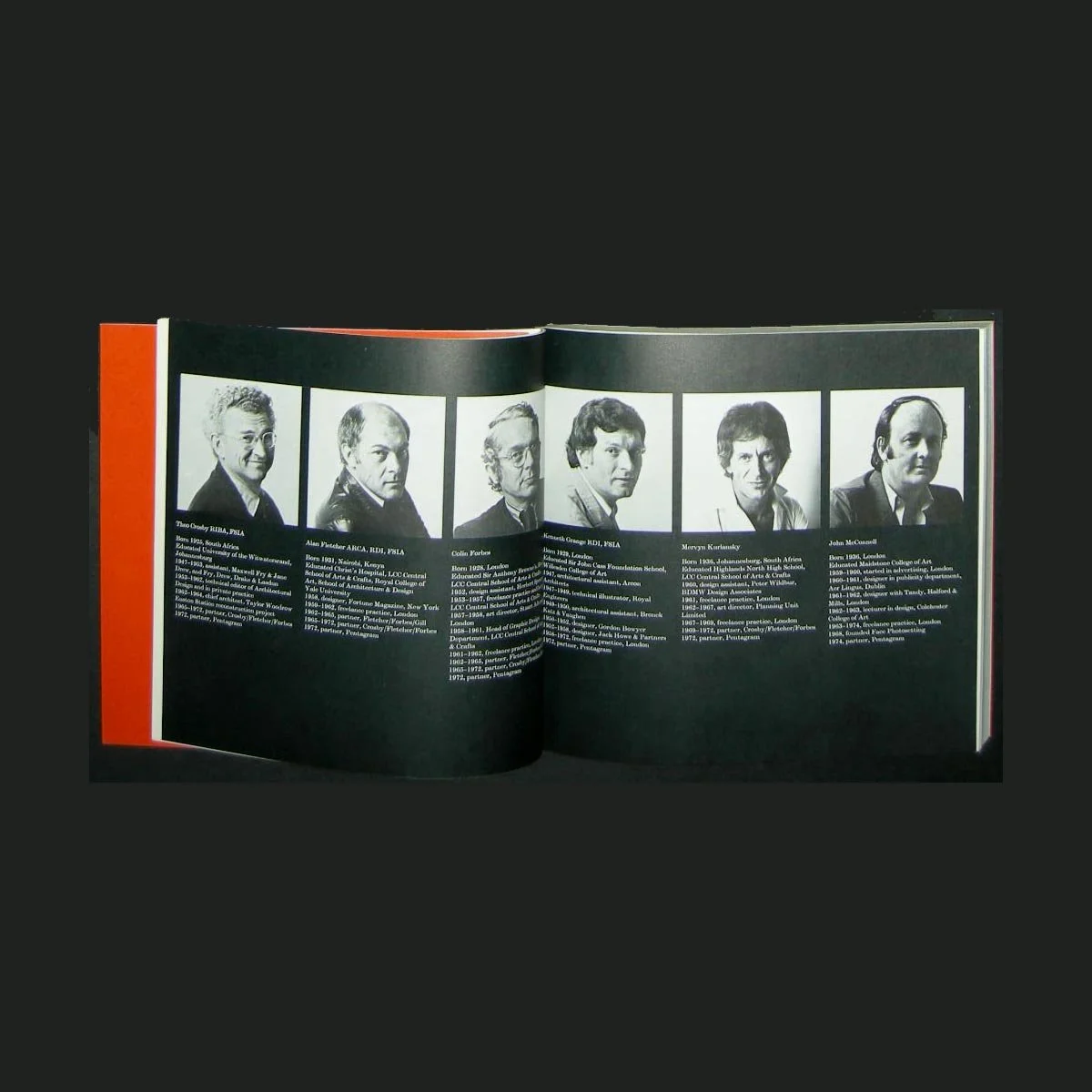 Image 14 of 15
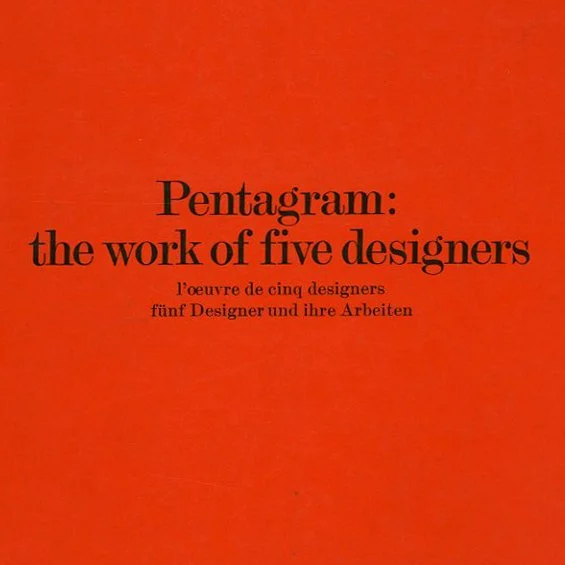 Image 15 of 15