NOGUCHI
Isamu Noguchi, Shuzo Takiguchi, Saburo Hasegawa
Tokyo: Bijutsu Shuppansha-Sha, 1953. First edition. Text in Japanese and English. Folio. Blue cloth titled and decorated in gilt. Orange endpapers. Printed tissue guards early and late. [100] pp. 95 halftone plates. Multiple paper stocks. Sensitively designed by Yusaku Kamekura. Blue cloth lightly soiled to edges, and spine heel pressed. Interior unmarked and clean. Stamped gilt decoration and titling still bright. A very good copy of this scarce and desireable book.
10.25 x 11.75-inch hardcover book with approximately 100 pages presenting 95 works produced by Isamu Noguchi during two visits to Japan, the first in 1930 – 1931 and the second from 1950 – 1952. Includes sculpture, Akari lighting, jewelry, environmental installations and memorial structures. These works were hotographed by Ken Domon, Isamu Noguchi, Berenice Abbott, Manshichi Sakamoto, F. S. Lincoln, Jun Miki, Sun Pictorial Daily, and Rudi Burchart.
The vast scope covered by Noguchi’s work during this time is wonderfully and sensitively assembled by Yusaku Kamekura—possibly the finest practitioneer of Japanese Graphic Design of the era. All of the various elements were printed at Tokyo’s Bijutsu Shuppansha publishing house, resulting in the finest book yet produced on Noguchi’s three-dimensional work.
Isamu Noguchi [Los Angeles, 1904 – New York, 1988] was one of the twentieth century’s most important and critically acclaimed sculptors. Through a lifetime of artistic experimentation, he created sculptures, gardens, furniture and lighting designs, ceramics, architecture, landscapes, and set designs. His work, at once subtle and bold, traditional and modern, set a new standard for the reintegration of the arts.
Noguchi, an internationalist, traveled extensively throughout his life. (In his later years he maintained studios both in Japan and New York.) He discovered the impact of large-scale public works in Mexico, earthy ceramics and tranquil gardens in Japan, subtle ink-brush techniques in China, and the purity of marble in Italy. He incorporated all of these impressions into his work, which utilized a wide range of materials, including stainless steel, marble, cast iron, balsa wood, bronze, sheet aluminum, basalt, granite, and water.
When Noguchi’s mother Léonie Gilmour met his father, she was a young writer and editor living in New York City. Gilmour was a white American of mostly Irish descent born in Brooklyn. His father Yonejiro Noguchi, an itinerant Japanese poet, was Asian. Noguchi was born in Los Angeles, but moved to Japan with his mother at the age of two and lived there until the age of thirteen. In the summer of 1918, Noguchi returned alone to the United States to attend high school in Rolling Prairie and then La Porte, Indiana, adding yet another layer to an increasingly complex identity. (He proudly identified as a “Hoosier” for the rest of his life.)
After high school he moved to Connecticut to work briefly for the sculptor Gutzon Borglum, and then to New York City to attend Columbia University. While enrolled there as a premedical student, he also began taking evening sculpture classes on New York’s Lower East Side with the sculptor Onorio Ruotolo at the Leonardo da Vinci School of Art. He soon left the university to become an academic sculptor, supporting himself by making his first portrait busts.
In 1926, Noguchi saw an exhibition in New York of the work of Constantin Brancusi that profoundly changed his artistic direction. With a John Simon Guggenheim Fellowship, Noguchi went to Paris, and in 1927 worked in Brancusi’s studio. Inspired by the older artist’s forms and philosophy, Noguchi turned to modernism and abstraction, infusing his highly finished pieces with a lyrical and emotional expressiveness, and with an aura of mystery.
Returning to New York City as well as traveling extensively in Asia, Mexico, and Europe in the late 1920s through the 1930s, Noguchi survived on portrait sculpture and design commissions, proposed landscape works and playgrounds, and intersected and engaged in collaborations with a wide range of luminaries. Noguchi’s work was not well-known in the United States until 1940, when he completed a large-scale sculpture symbolizing the freedom of the press, which was commissioned in 1938 for the Associated Press Building in Rockefeller Center, New York City. This was the first of what would eventually become numerous celebrated public works worldwide, ranging from playgrounds to plazas, gardens to fountains, all reflecting his belief in the social significance of sculpture.
The Japanese attack on Pearl Harbor and the backlash against Japanese Americans in the United States had a dramatic personal effect on Noguchi, motivating him to become a political activist. In 1942, he cofounded Nisei Writers and Artists Mobilization for Democracy, a group dedicated to raising awareness of the patriotism of Japanese Americans; and voluntarily entered the Colorado River Relocation Center (Poston) concentration camp in Arizona where he remained for six months.
Following his release, Noguchi set up a studio at 33 MacDougal Alley in Greenwich Village, New York City, where he returned to stone sculpture as well as prolific explorations of new materials and methods. His ideas and feelings are reflected in his works of that period, particularly the delicate slab sculptures included in the 1946 exhibition Fourteen Americans at The Museum of Modern Art, New York.
Noguchi did not belong to any particular movement, but collaborated with artists working in a range of disciplines and schools. He created stage sets as early as 1935 for Martha Graham, beginning a lifelong collaboration; as well as for Merce Cunningham, Erick Hawkins, and George Balanchine and composer John Cage. In the 1960s, Noguchi began working with stone carver Masatoshi Izumi on the island of Shikoku, Japan; a collaboration that would also continue for the rest of his life. From 1961 to 1966, he worked on a playground design with the architect Louis Kahn.
Whenever given the opportunity to venture into the mass-production of his designs, Noguchi seized it. In 1937, he designed a Bakelite intercom for the Zenith Radio Corporation, and in 1947, his glass-topped table was produced by Herman Miller. This design and others—such as his designs for Akari light sculptures which were initially developed in 1951 using traditional Japanese materials—are still being produced today.
In 1985, Noguchi opened The Isamu Noguchi Garden Museum (now known as The Noguchi Museum), in Long Island City, New York. The Museum, established and designed by the artist, marked the culmination of his commitment to public spaces. Located in a 1920s industrial building across the street from where the artist had established a studio in 1960, it has a serene outdoor sculpture garden, and many galleries that display Noguchi’s work, along with photographs, drawings, and models from his career. He also indicated that his studio in Mure, Japan, be preserved to inspire artists and scholars; a wish that was fulfilled with the opening of the Isamu Noguchi Garden Museum Japan in 1999.
Noguchi’s first retrospective in the United States was in 1968, at the Whitney Museum of American Art in New York City. In 1986, he represented the United States at the Venice Biennale. Noguchi received the Edward MacDowell Medal for Outstanding Lifetime Contribution to the Arts in 1982; the Kyoto Prize in Arts in 1986; the National Medal of Arts in 1987; and the Order of the Sacred Treasure from the Japanese government in 1988. He died in New York City in 1988. — Noguchi.org
Yusaku Kamekura [1915 – 1997] was one of the pioneers of Japanese graphic design who was at the forefront in promoting graphic design as an essential factor of modern society, culture and art, and whose achievements helped to establish the reputation of Japanese graphic design internationally. His designs included a wide diversity of projects such as logos, packages, books, and page layout, but some of his most memorable achievements were in posters, many of which can be seen in this book.
The symbol and poster designs for the 1964 Tokyo Olympics were Kamekura’s best-known work. The Tokyo Olympic symbol is a powerful, concise design, while the posters capture the dynamism of athletes. The poster design also incorporated photos, marking the first time that a photograph was used in an Olympic poster. Kamekura's other well-known poster designs include Hiroshima Appeals, a poetic image of falling, burning butterflies; Expo '70 in Osaka; and a series entitled, I’m Here.
Aesthetically, Kamekura’s style is characterised by powerful, clear-cut designs using abstract forms, planes, and lines, as well as photography. With colour, Kamekura favoured bright, mixed hues and only rarely used primary colours. His skilful use of black in the background, for the image or the title, gave his work strength and tranquility.
After his death in 1997, Japan Graphic Designers Association (JAGDA) honoured Kamekura in 1999 with a design award in his name, recognising him as a key leader of JAGDA and for his "profound influence on design both at home and abroad." The Yusaku Kamekura Design Award is offered to a Japanese or international designer "producing the most outstanding work of the year, regardless of age or career."
NOGUCHI
Isamu Noguchi, Shuzo Takiguchi, Saburo Hasegawa
Tokyo: Bijutsu Shuppansha-Sha, 1953. First edition. Text in Japanese and English. Folio. Blue cloth titled and decorated in gilt. Orange endpapers. Printed tissue guards early and late. [100] pp. 95 halftone plates. Multiple paper stocks. Sensitively designed by Yusaku Kamekura. Blue cloth lightly soiled to edges, and spine heel pressed. Interior unmarked and clean. Stamped gilt decoration and titling still bright. A very good copy of this scarce and desireable book.
10.25 x 11.75-inch hardcover book with approximately 100 pages presenting 95 works produced by Isamu Noguchi during two visits to Japan, the first in 1930 – 1931 and the second from 1950 – 1952. Includes sculpture, Akari lighting, jewelry, environmental installations and memorial structures. These works were hotographed by Ken Domon, Isamu Noguchi, Berenice Abbott, Manshichi Sakamoto, F. S. Lincoln, Jun Miki, Sun Pictorial Daily, and Rudi Burchart.
The vast scope covered by Noguchi’s work during this time is wonderfully and sensitively assembled by Yusaku Kamekura—possibly the finest practitioneer of Japanese Graphic Design of the era. All of the various elements were printed at Tokyo’s Bijutsu Shuppansha publishing house, resulting in the finest book yet produced on Noguchi’s three-dimensional work.
Isamu Noguchi [Los Angeles, 1904 – New York, 1988] was one of the twentieth century’s most important and critically acclaimed sculptors. Through a lifetime of artistic experimentation, he created sculptures, gardens, furniture and lighting designs, ceramics, architecture, landscapes, and set designs. His work, at once subtle and bold, traditional and modern, set a new standard for the reintegration of the arts.
Noguchi, an internationalist, traveled extensively throughout his life. (In his later years he maintained studios both in Japan and New York.) He discovered the impact of large-scale public works in Mexico, earthy ceramics and tranquil gardens in Japan, subtle ink-brush techniques in China, and the purity of marble in Italy. He incorporated all of these impressions into his work, which utilized a wide range of materials, including stainless steel, marble, cast iron, balsa wood, bronze, sheet aluminum, basalt, granite, and water.
When Noguchi’s mother Léonie Gilmour met his father, she was a young writer and editor living in New York City. Gilmour was a white American of mostly Irish descent born in Brooklyn. His father Yonejiro Noguchi, an itinerant Japanese poet, was Asian. Noguchi was born in Los Angeles, but moved to Japan with his mother at the age of two and lived there until the age of thirteen. In the summer of 1918, Noguchi returned alone to the United States to attend high school in Rolling Prairie and then La Porte, Indiana, adding yet another layer to an increasingly complex identity. (He proudly identified as a “Hoosier” for the rest of his life.)
After high school he moved to Connecticut to work briefly for the sculptor Gutzon Borglum, and then to New York City to attend Columbia University. While enrolled there as a premedical student, he also began taking evening sculpture classes on New York’s Lower East Side with the sculptor Onorio Ruotolo at the Leonardo da Vinci School of Art. He soon left the university to become an academic sculptor, supporting himself by making his first portrait busts.
In 1926, Noguchi saw an exhibition in New York of the work of Constantin Brancusi that profoundly changed his artistic direction. With a John Simon Guggenheim Fellowship, Noguchi went to Paris, and in 1927 worked in Brancusi’s studio. Inspired by the older artist’s forms and philosophy, Noguchi turned to modernism and abstraction, infusing his highly finished pieces with a lyrical and emotional expressiveness, and with an aura of mystery.
Returning to New York City as well as traveling extensively in Asia, Mexico, and Europe in the late 1920s through the 1930s, Noguchi survived on portrait sculpture and design commissions, proposed landscape works and playgrounds, and intersected and engaged in collaborations with a wide range of luminaries. Noguchi’s work was not well-known in the United States until 1940, when he completed a large-scale sculpture symbolizing the freedom of the press, which was commissioned in 1938 for the Associated Press Building in Rockefeller Center, New York City. This was the first of what would eventually become numerous celebrated public works worldwide, ranging from playgrounds to plazas, gardens to fountains, all reflecting his belief in the social significance of sculpture.
The Japanese attack on Pearl Harbor and the backlash against Japanese Americans in the United States had a dramatic personal effect on Noguchi, motivating him to become a political activist. In 1942, he cofounded Nisei Writers and Artists Mobilization for Democracy, a group dedicated to raising awareness of the patriotism of Japanese Americans; and voluntarily entered the Colorado River Relocation Center (Poston) concentration camp in Arizona where he remained for six months.
Following his release, Noguchi set up a studio at 33 MacDougal Alley in Greenwich Village, New York City, where he returned to stone sculpture as well as prolific explorations of new materials and methods. His ideas and feelings are reflected in his works of that period, particularly the delicate slab sculptures included in the 1946 exhibition Fourteen Americans at The Museum of Modern Art, New York.
Noguchi did not belong to any particular movement, but collaborated with artists working in a range of disciplines and schools. He created stage sets as early as 1935 for Martha Graham, beginning a lifelong collaboration; as well as for Merce Cunningham, Erick Hawkins, and George Balanchine and composer John Cage. In the 1960s, Noguchi began working with stone carver Masatoshi Izumi on the island of Shikoku, Japan; a collaboration that would also continue for the rest of his life. From 1961 to 1966, he worked on a playground design with the architect Louis Kahn.
Whenever given the opportunity to venture into the mass-production of his designs, Noguchi seized it. In 1937, he designed a Bakelite intercom for the Zenith Radio Corporation, and in 1947, his glass-topped table was produced by Herman Miller. This design and others—such as his designs for Akari light sculptures which were initially developed in 1951 using traditional Japanese materials—are still being produced today.
In 1985, Noguchi opened The Isamu Noguchi Garden Museum (now known as The Noguchi Museum), in Long Island City, New York. The Museum, established and designed by the artist, marked the culmination of his commitment to public spaces. Located in a 1920s industrial building across the street from where the artist had established a studio in 1960, it has a serene outdoor sculpture garden, and many galleries that display Noguchi’s work, along with photographs, drawings, and models from his career. He also indicated that his studio in Mure, Japan, be preserved to inspire artists and scholars; a wish that was fulfilled with the opening of the Isamu Noguchi Garden Museum Japan in 1999.
Noguchi’s first retrospective in the United States was in 1968, at the Whitney Museum of American Art in New York City. In 1986, he represented the United States at the Venice Biennale. Noguchi received the Edward MacDowell Medal for Outstanding Lifetime Contribution to the Arts in 1982; the Kyoto Prize in Arts in 1986; the National Medal of Arts in 1987; and the Order of the Sacred Treasure from the Japanese government in 1988. He died in New York City in 1988. — Noguchi.org
Yusaku Kamekura [1915 – 1997] was one of the pioneers of Japanese graphic design who was at the forefront in promoting graphic design as an essential factor of modern society, culture and art, and whose achievements helped to establish the reputation of Japanese graphic design internationally. His designs included a wide diversity of projects such as logos, packages, books, and page layout, but some of his most memorable achievements were in posters, many of which can be seen in this book.
The symbol and poster designs for the 1964 Tokyo Olympics were Kamekura’s best-known work. The Tokyo Olympic symbol is a powerful, concise design, while the posters capture the dynamism of athletes. The poster design also incorporated photos, marking the first time that a photograph was used in an Olympic poster. Kamekura's other well-known poster designs include Hiroshima Appeals, a poetic image of falling, burning butterflies; Expo '70 in Osaka; and a series entitled, I’m Here.
Aesthetically, Kamekura’s style is characterised by powerful, clear-cut designs using abstract forms, planes, and lines, as well as photography. With colour, Kamekura favoured bright, mixed hues and only rarely used primary colours. His skilful use of black in the background, for the image or the title, gave his work strength and tranquility.
After his death in 1997, Japan Graphic Designers Association (JAGDA) honoured Kamekura in 1999 with a design award in his name, recognising him as a key leader of JAGDA and for his "profound influence on design both at home and abroad." The Yusaku Kamekura Design Award is offered to a Japanese or international designer "producing the most outstanding work of the year, regardless of age or career."

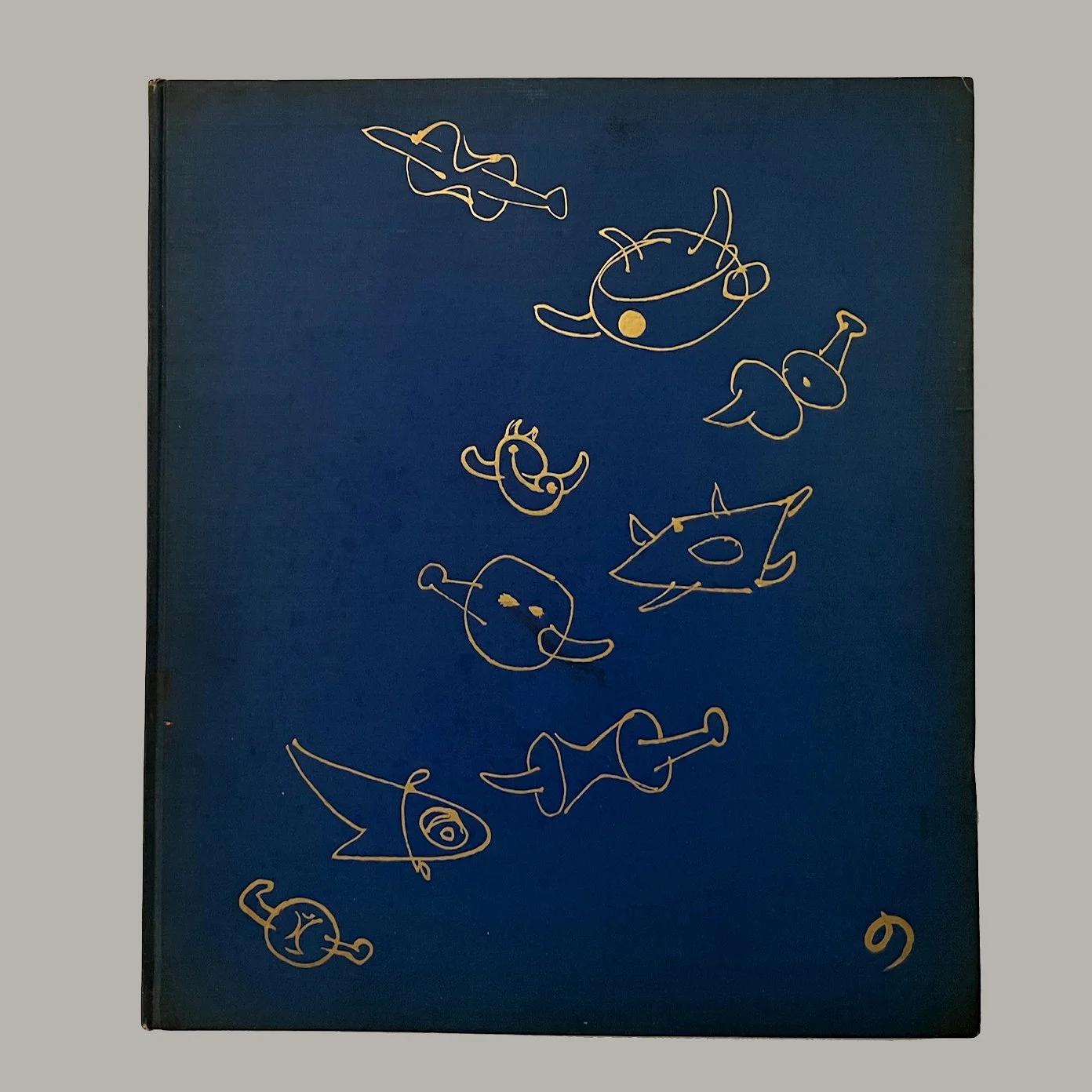 Image 1 of 25
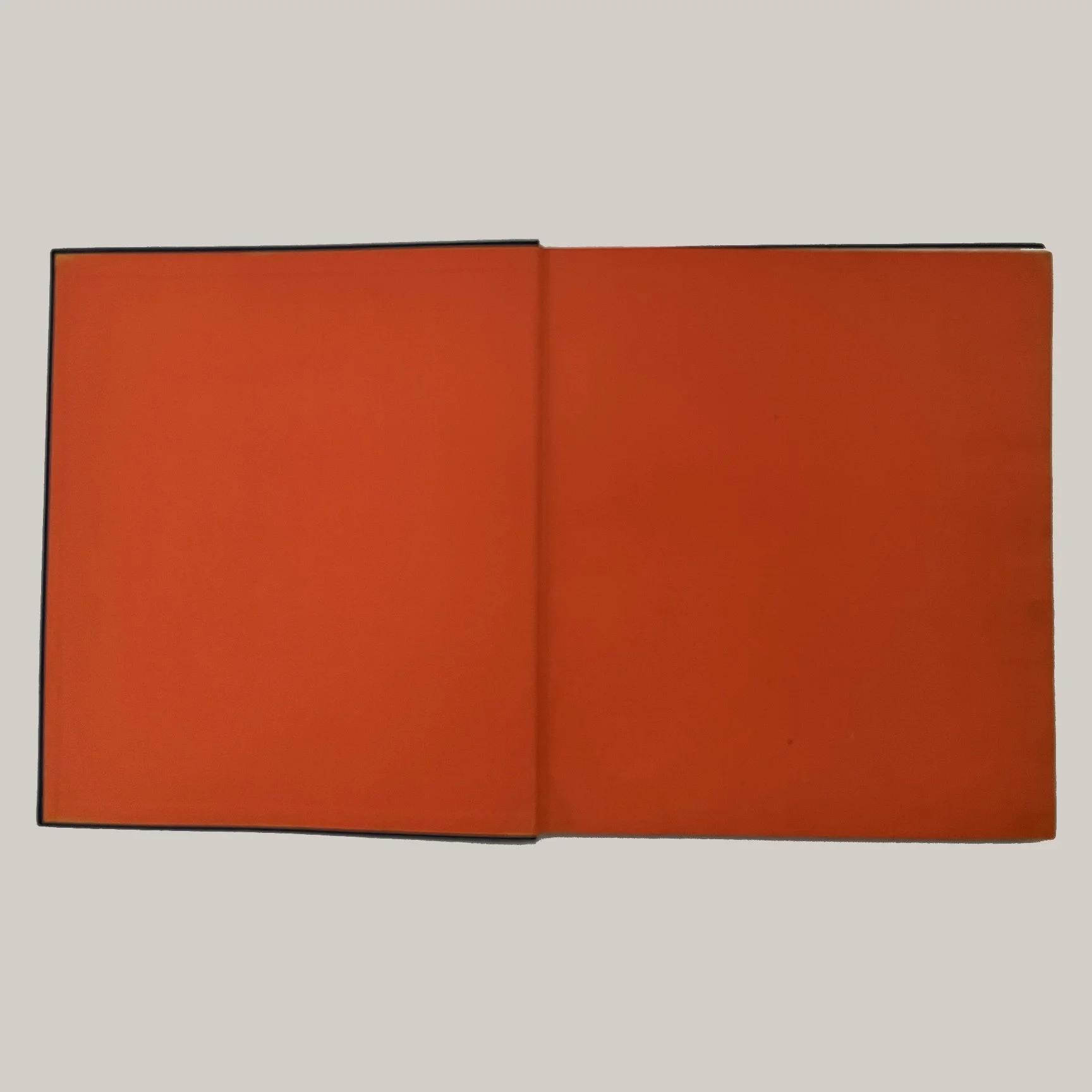 Image 2 of 25
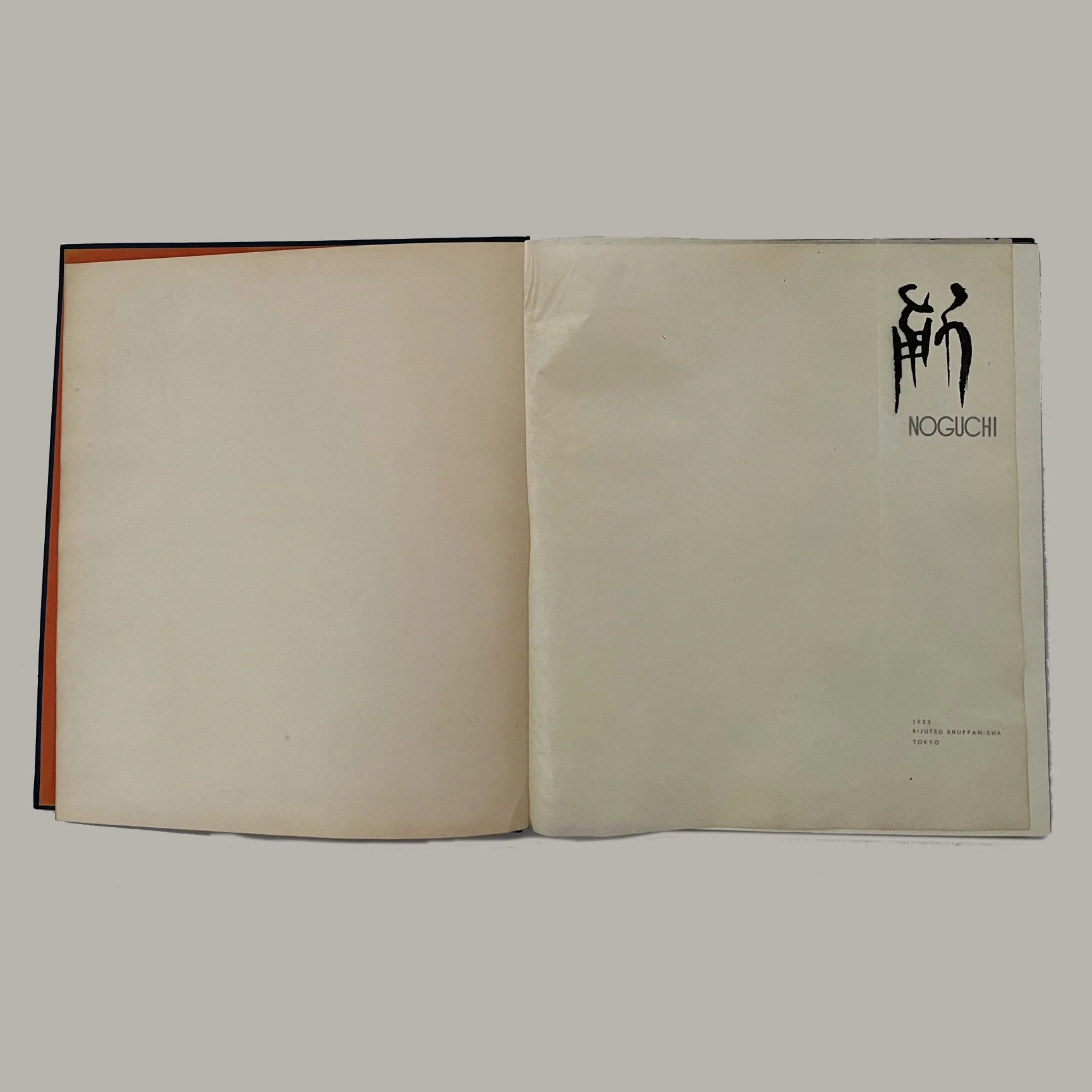 Image 3 of 25
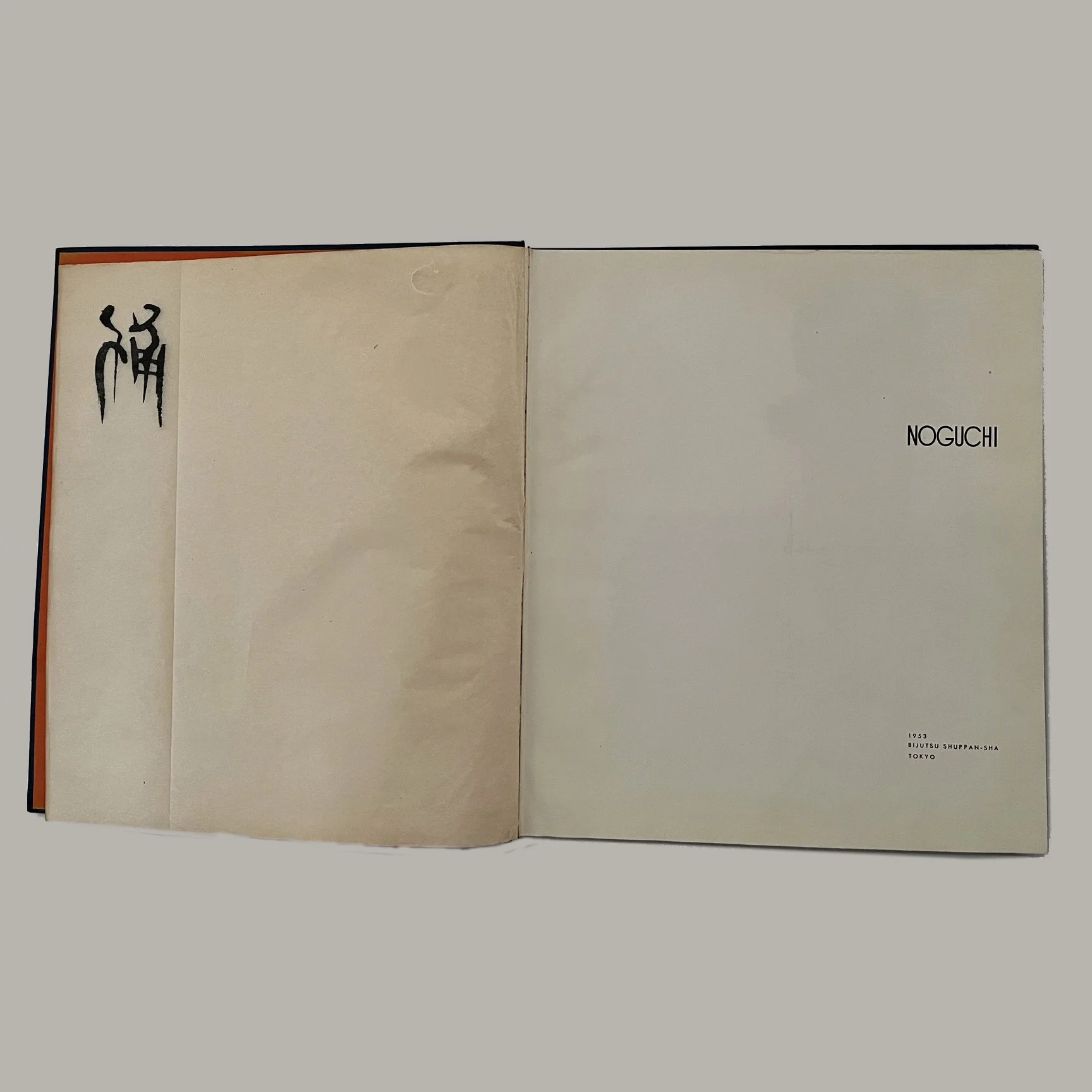 Image 4 of 25
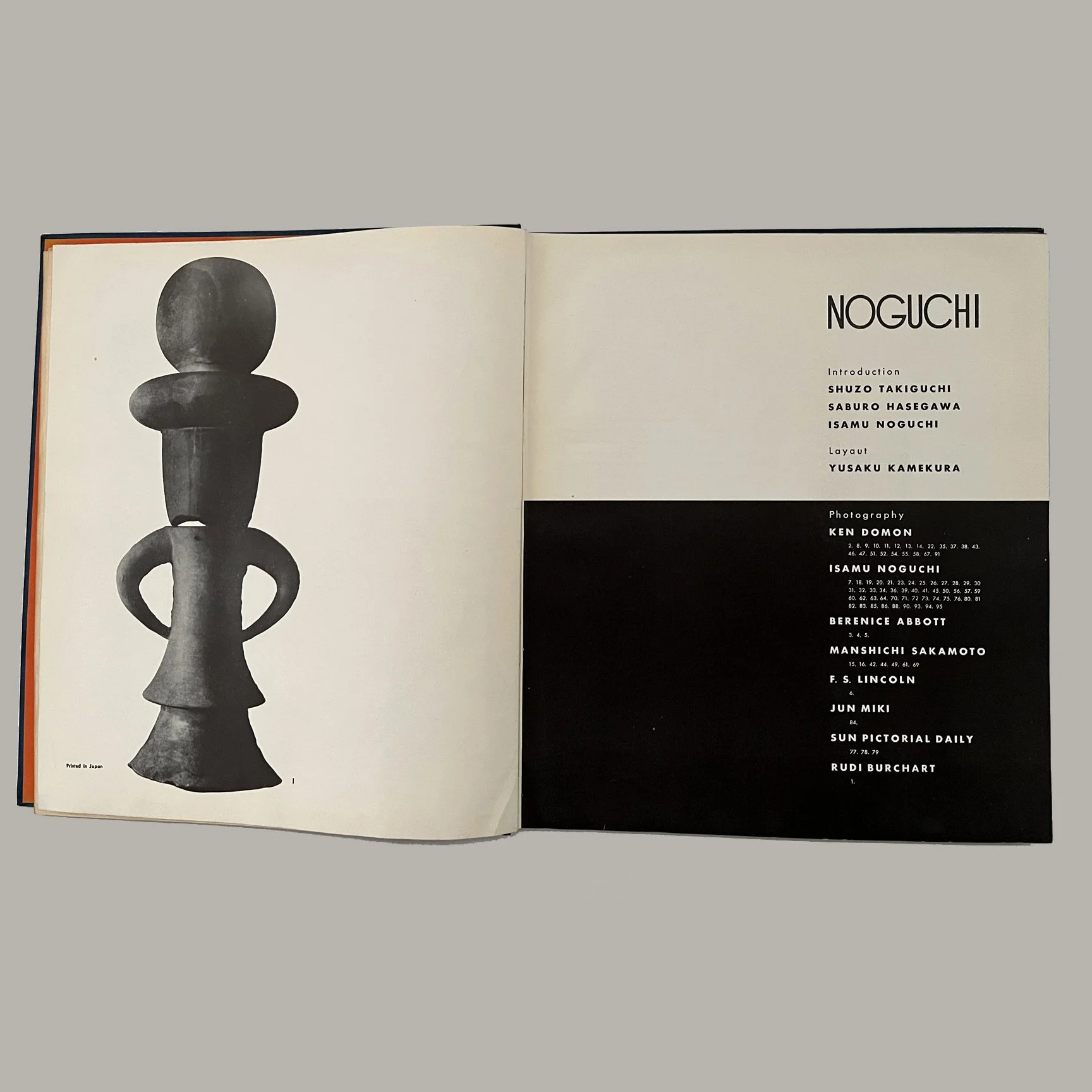 Image 5 of 25
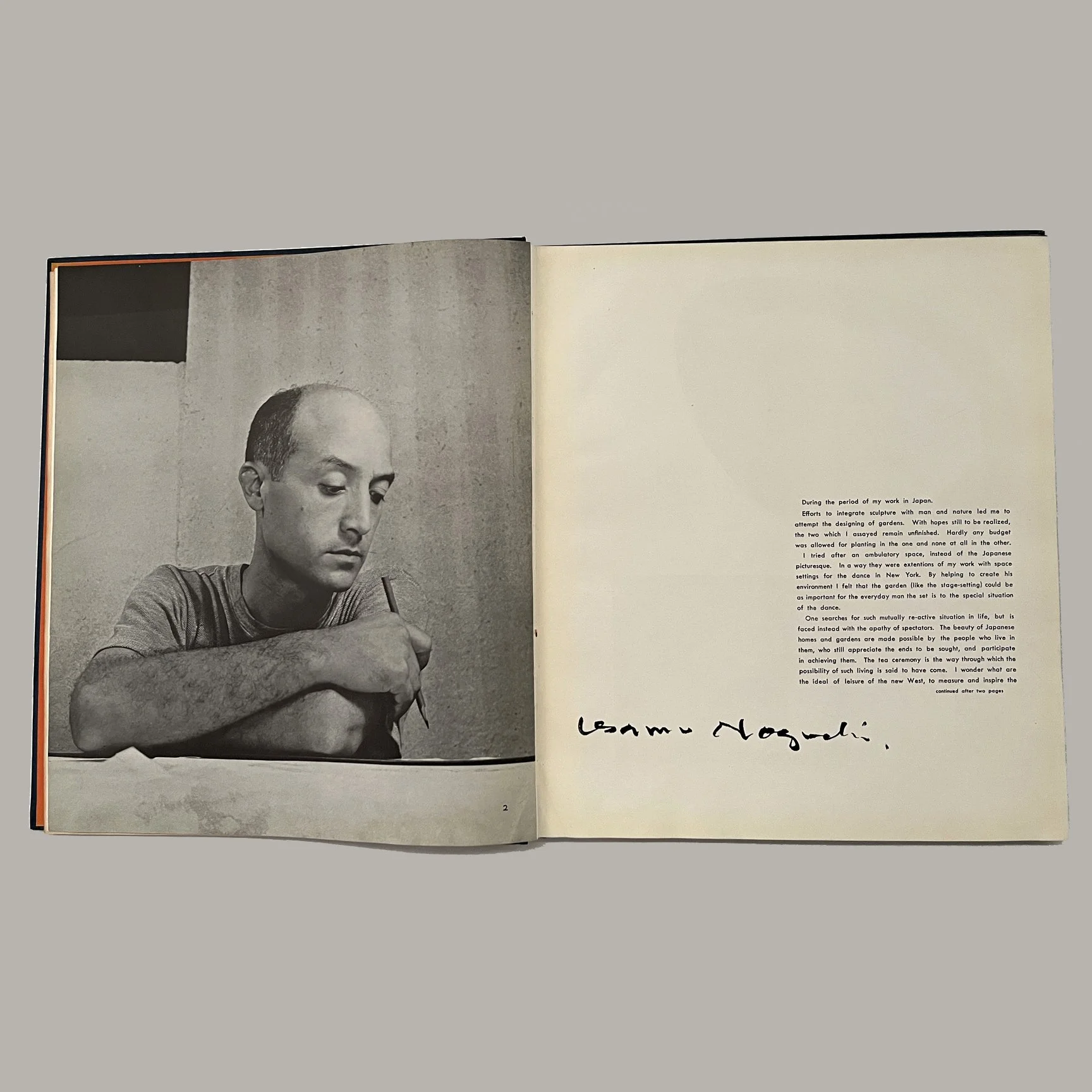 Image 6 of 25
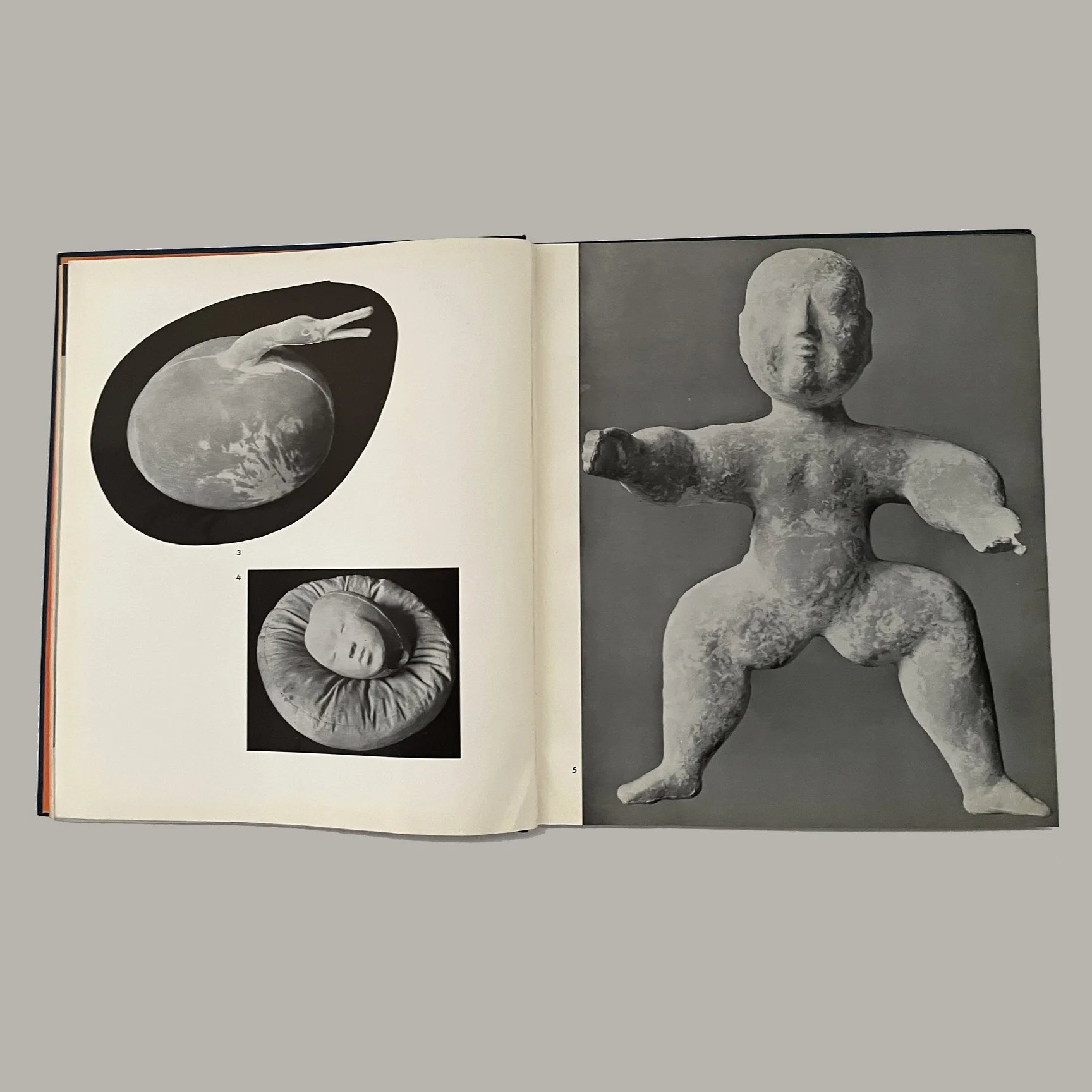 Image 7 of 25
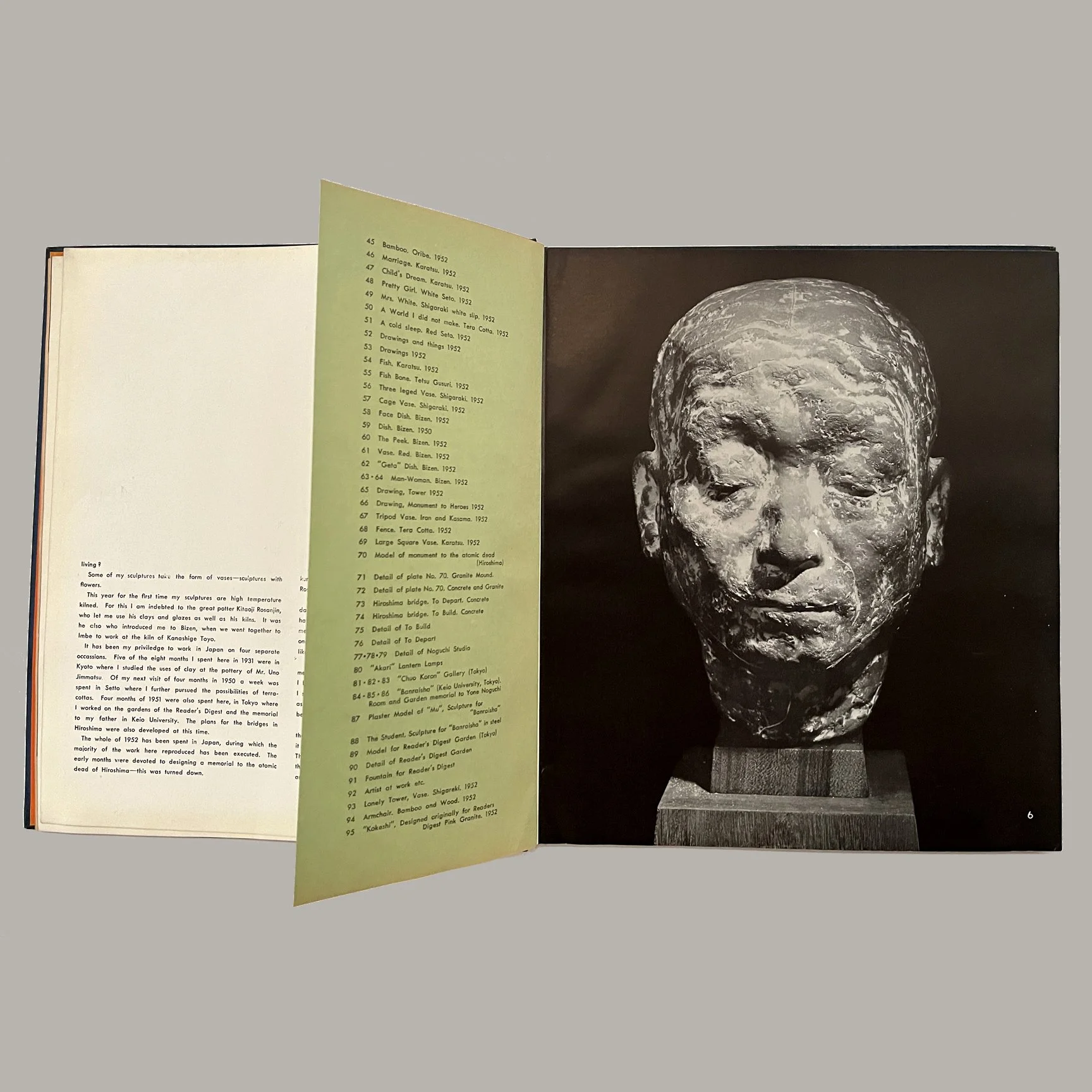 Image 8 of 25
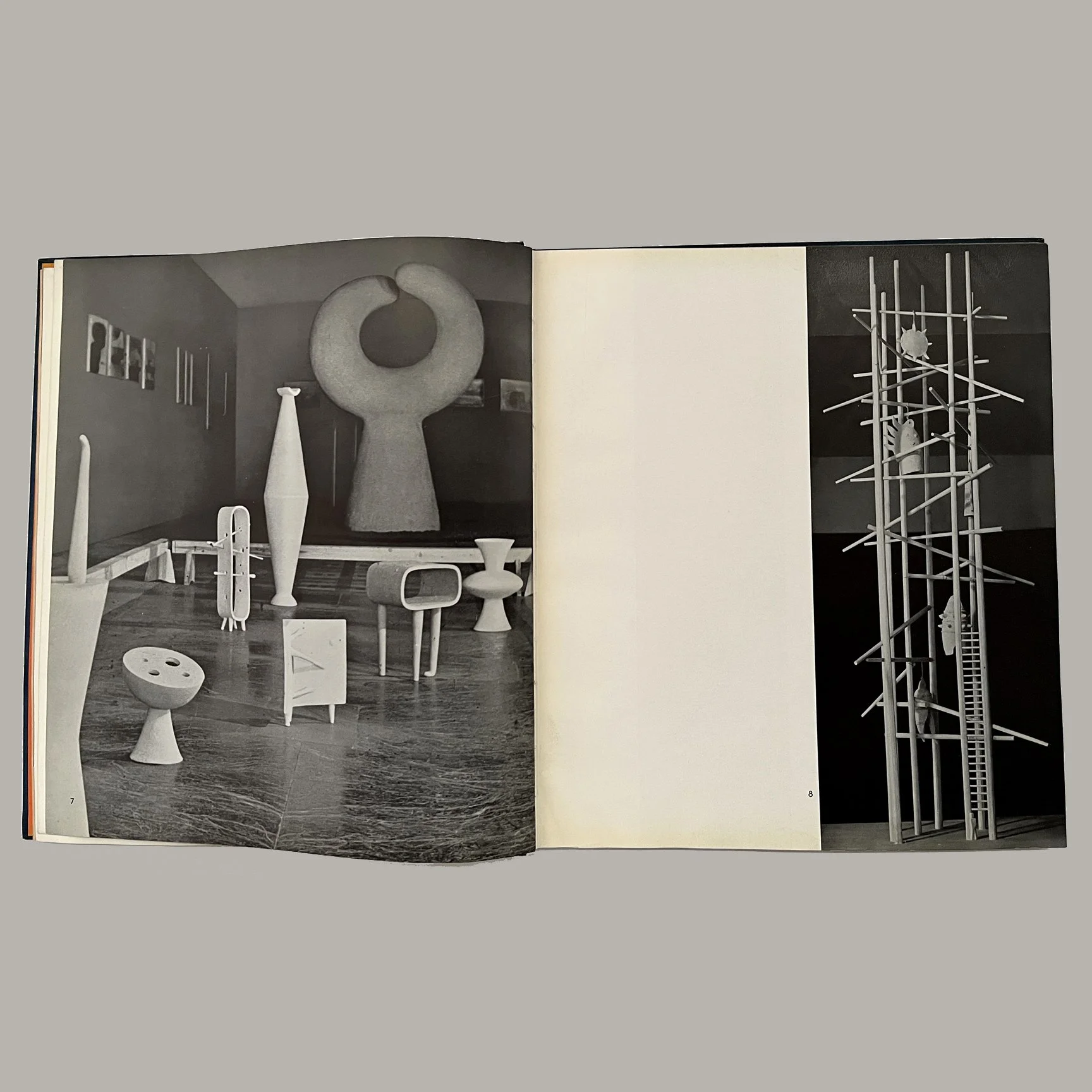 Image 9 of 25
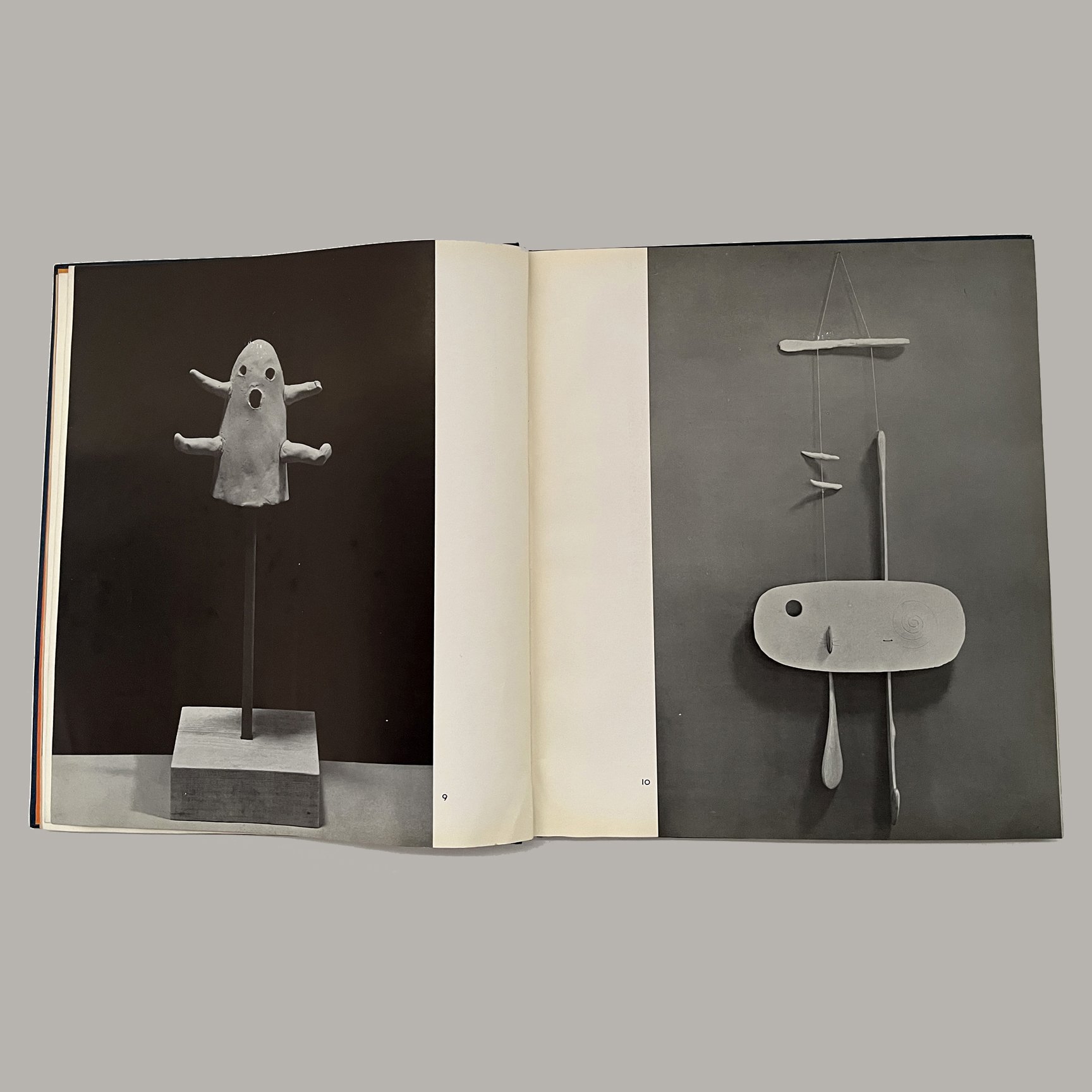 Image 10 of 25
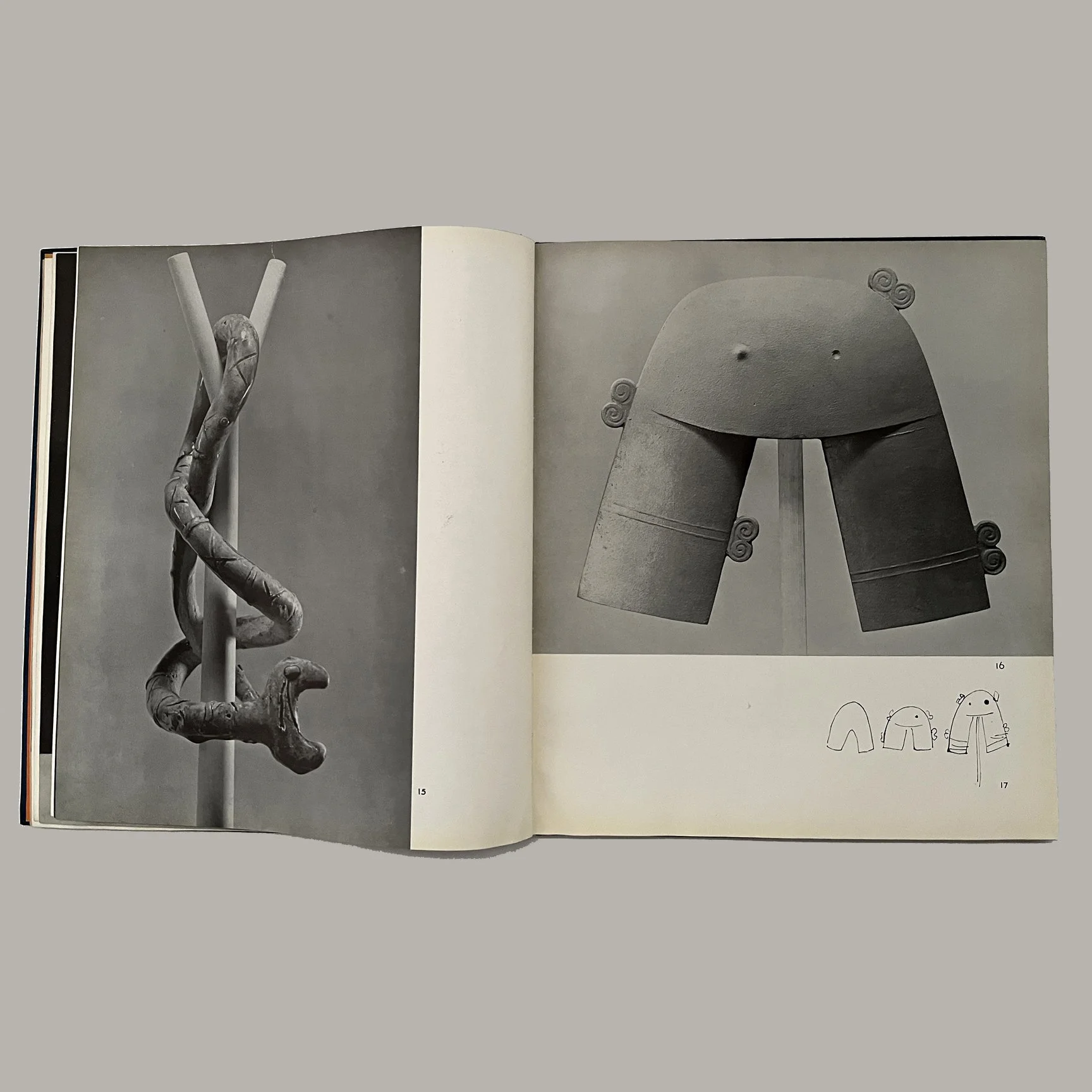 Image 11 of 25
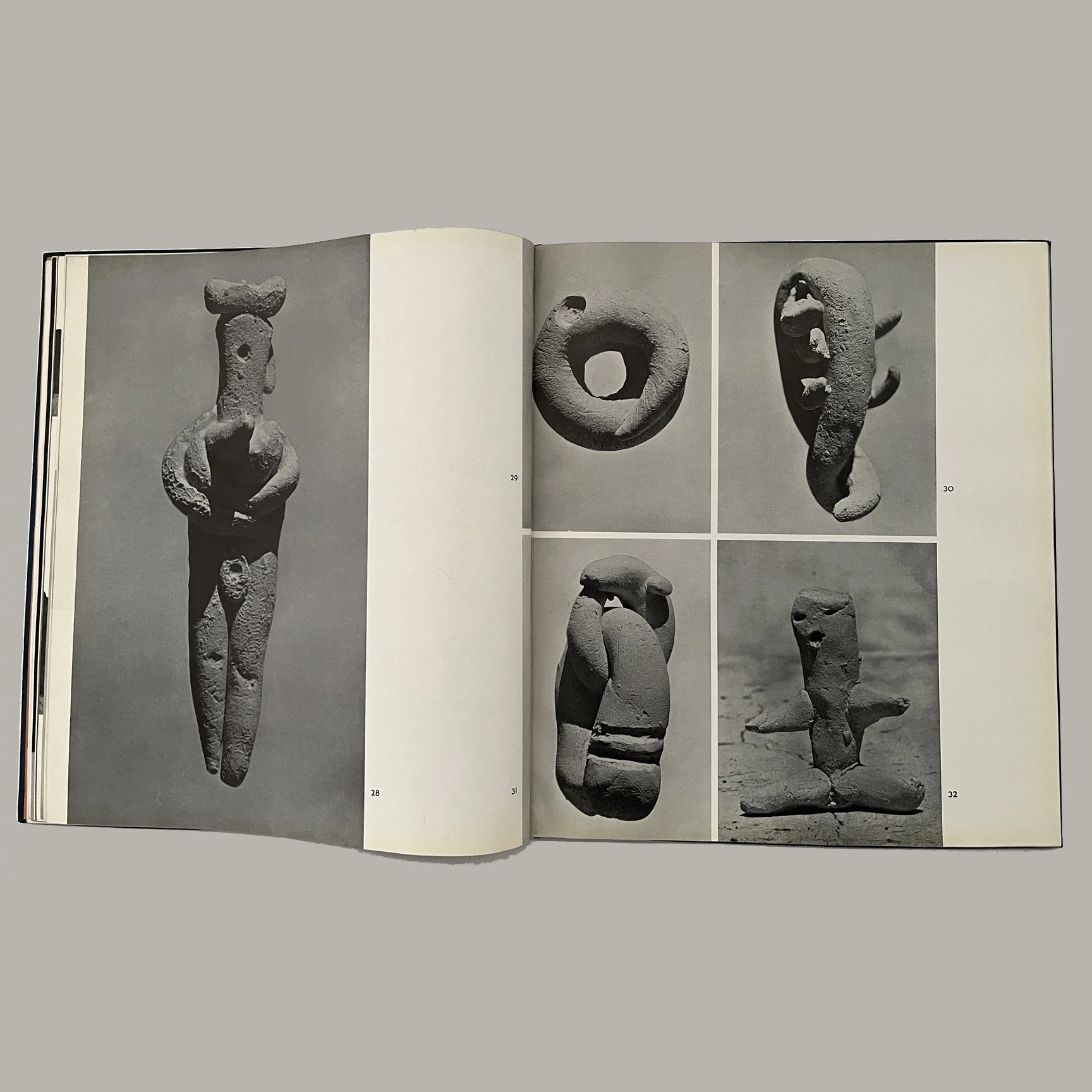 Image 12 of 25
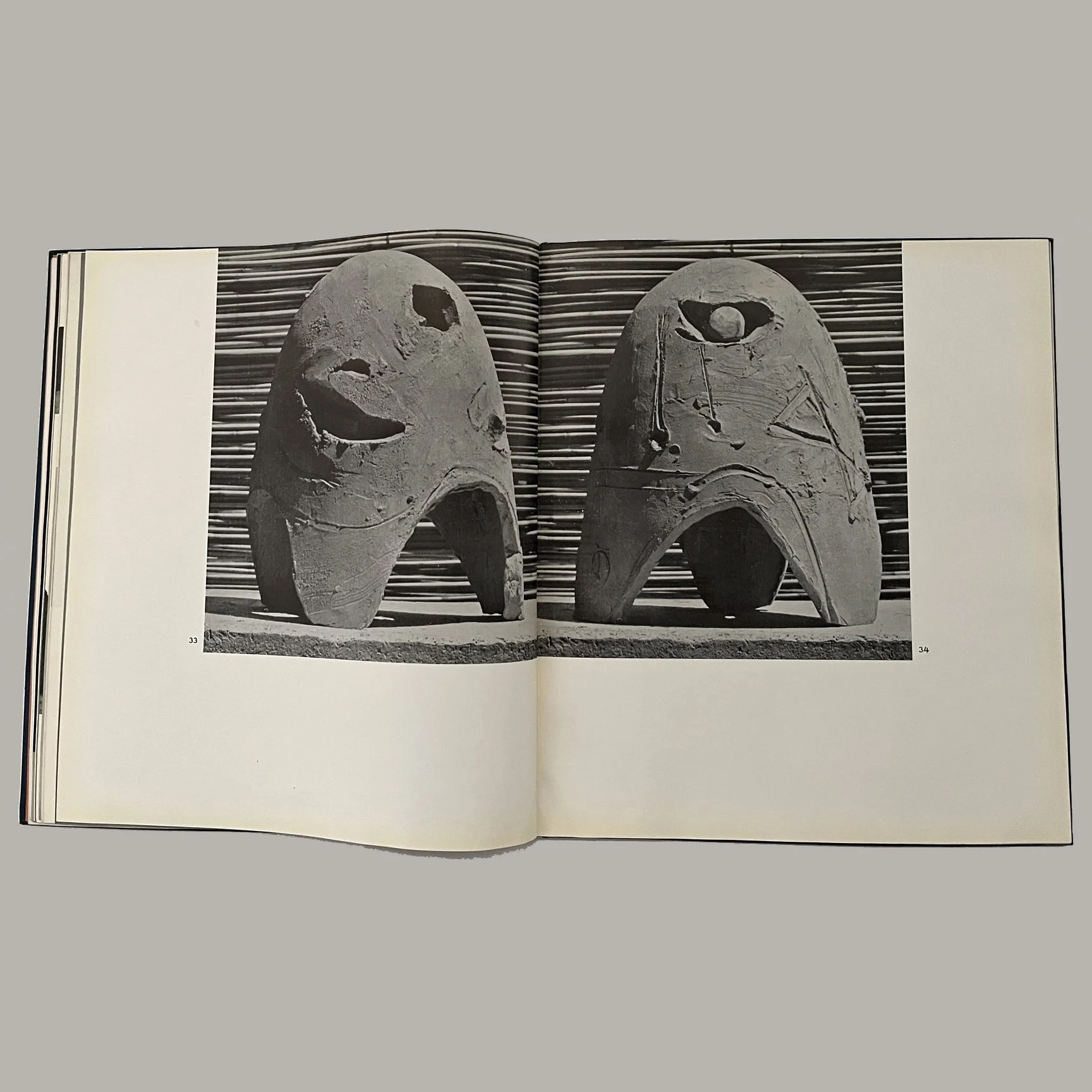 Image 13 of 25
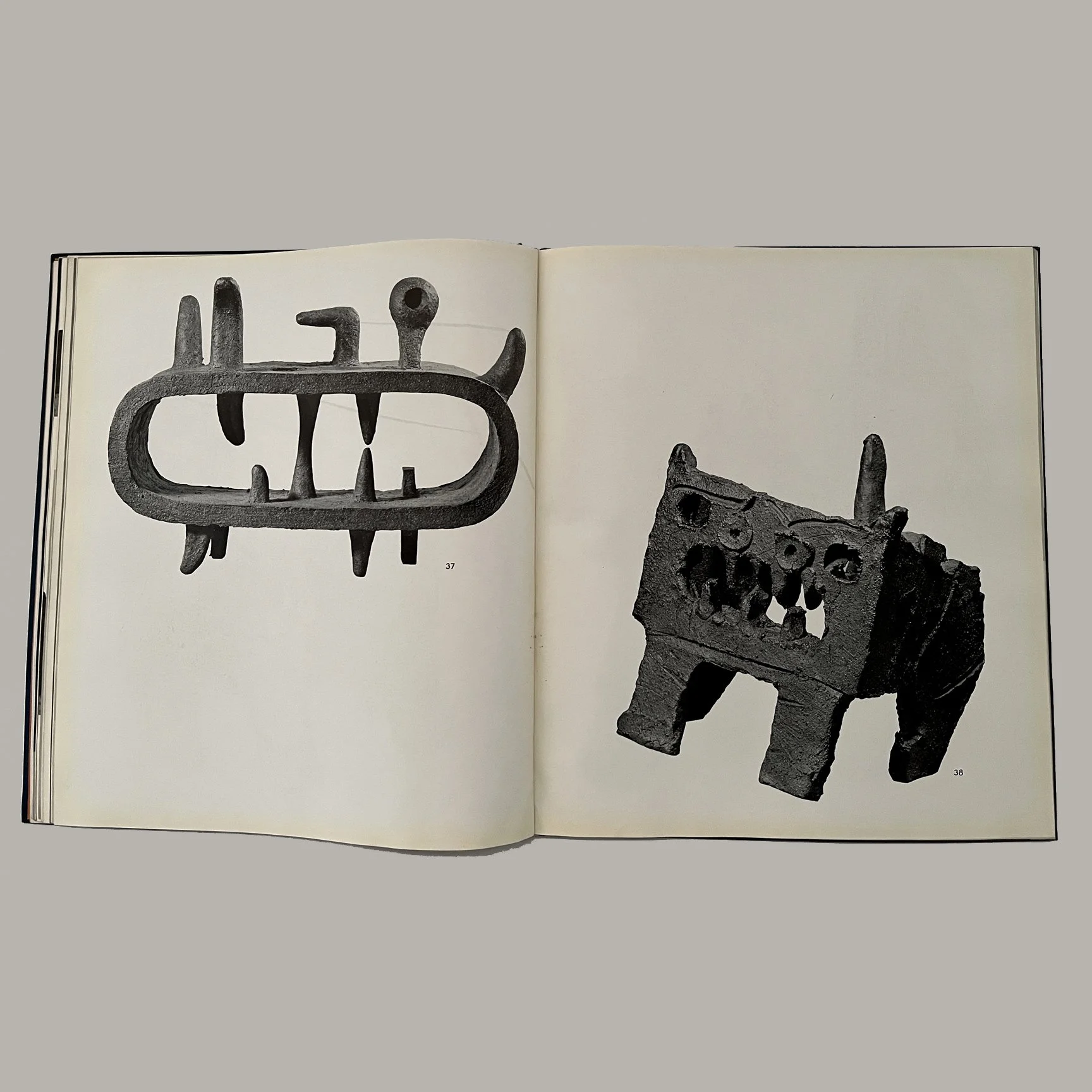 Image 14 of 25
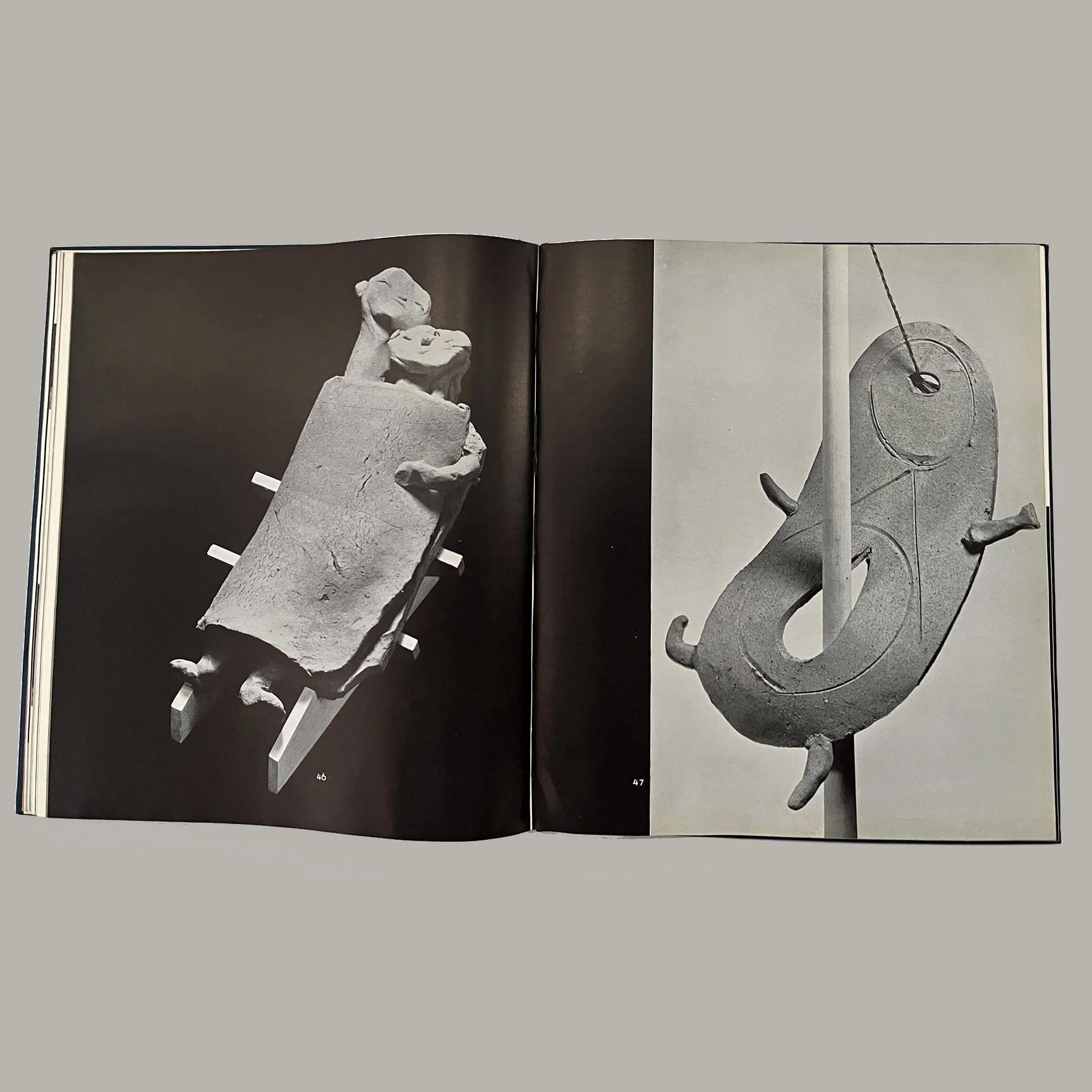 Image 15 of 25
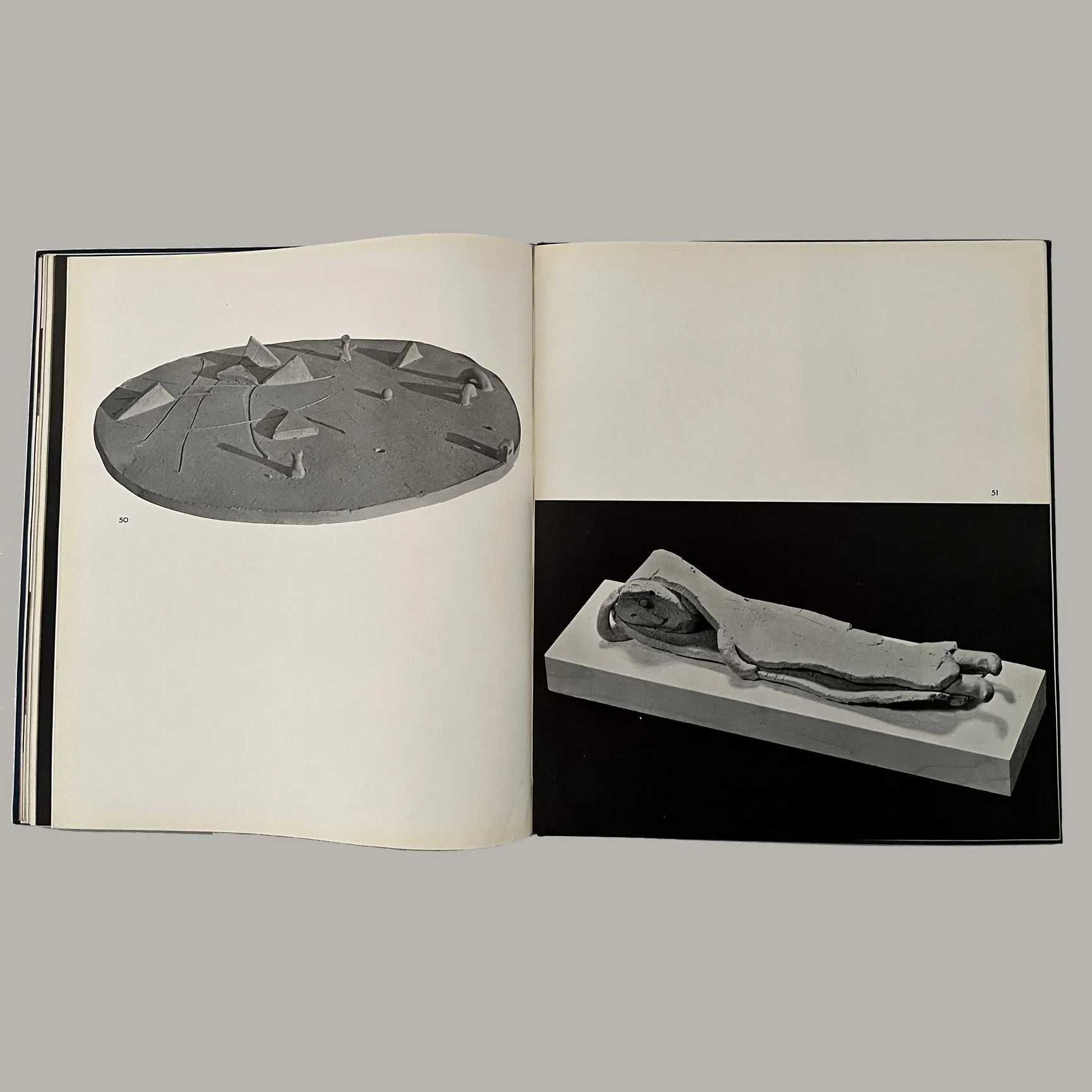 Image 16 of 25
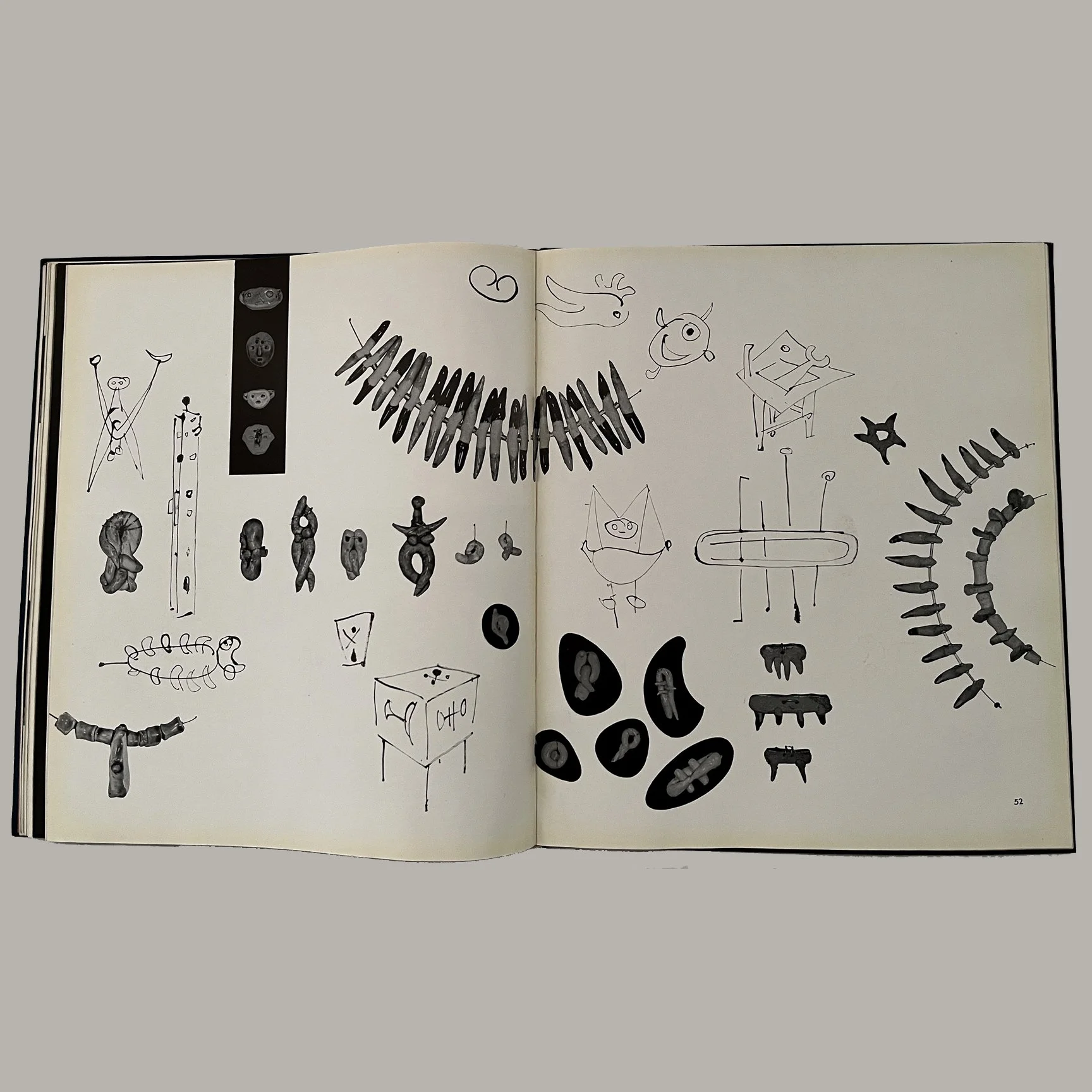 Image 17 of 25
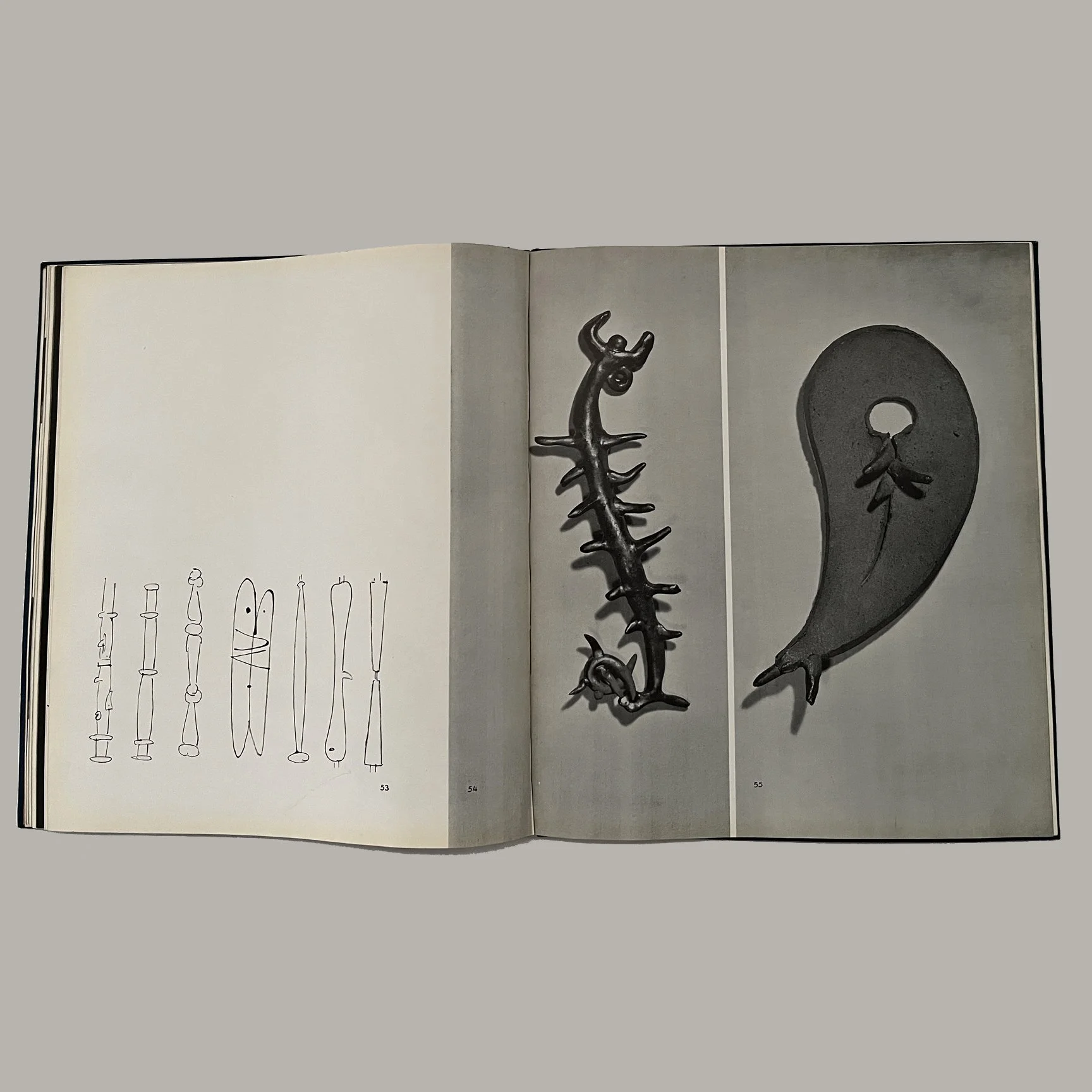 Image 18 of 25
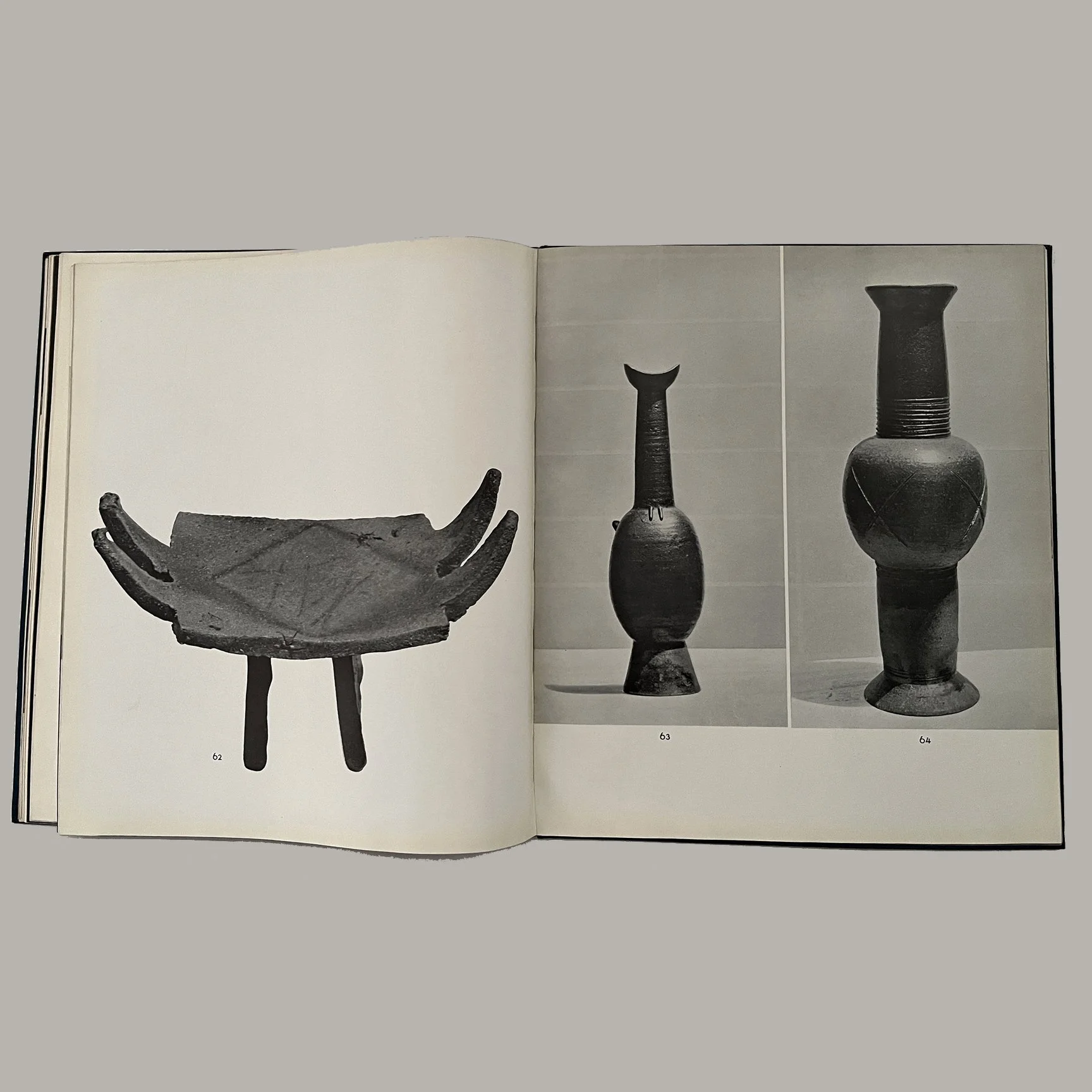 Image 19 of 25
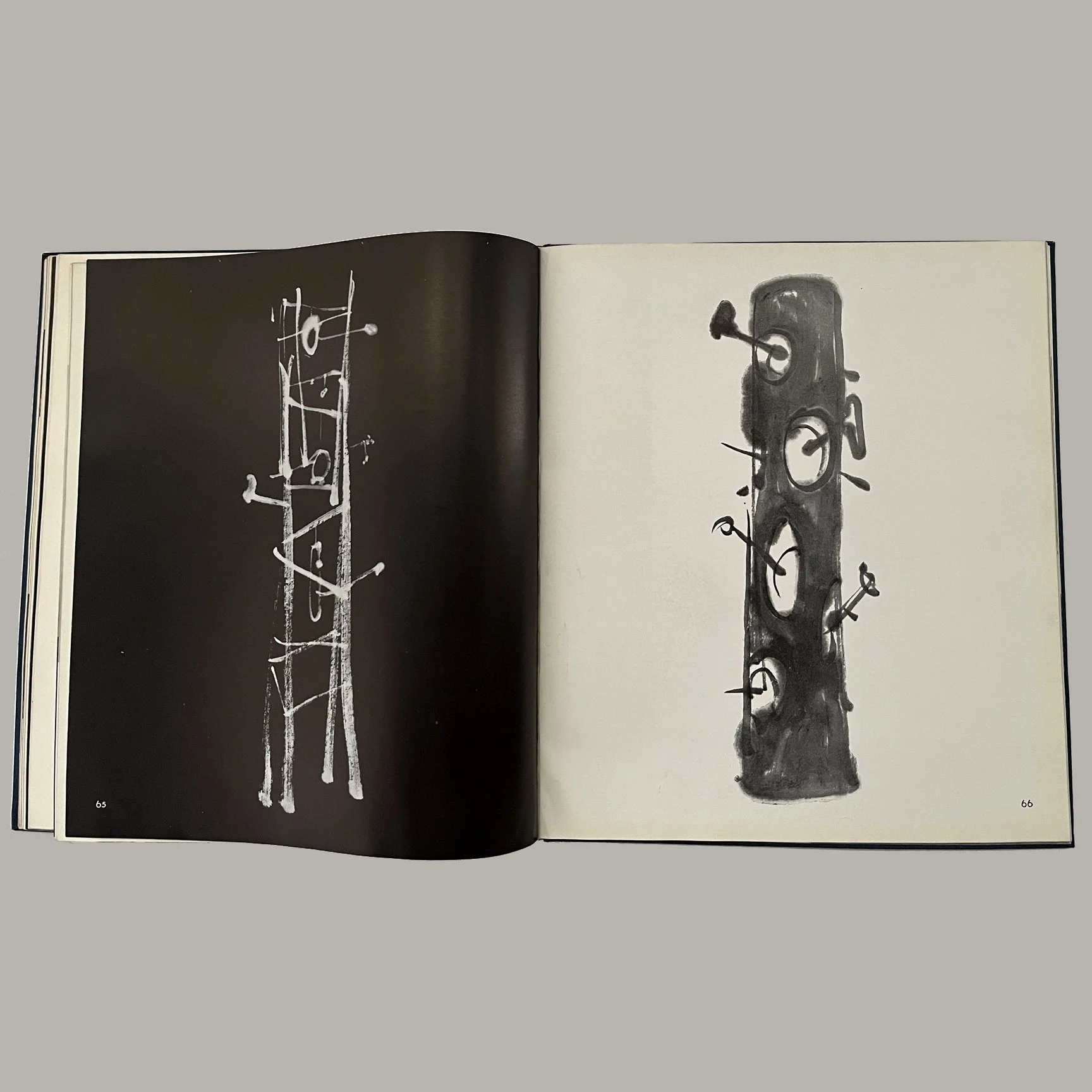 Image 20 of 25
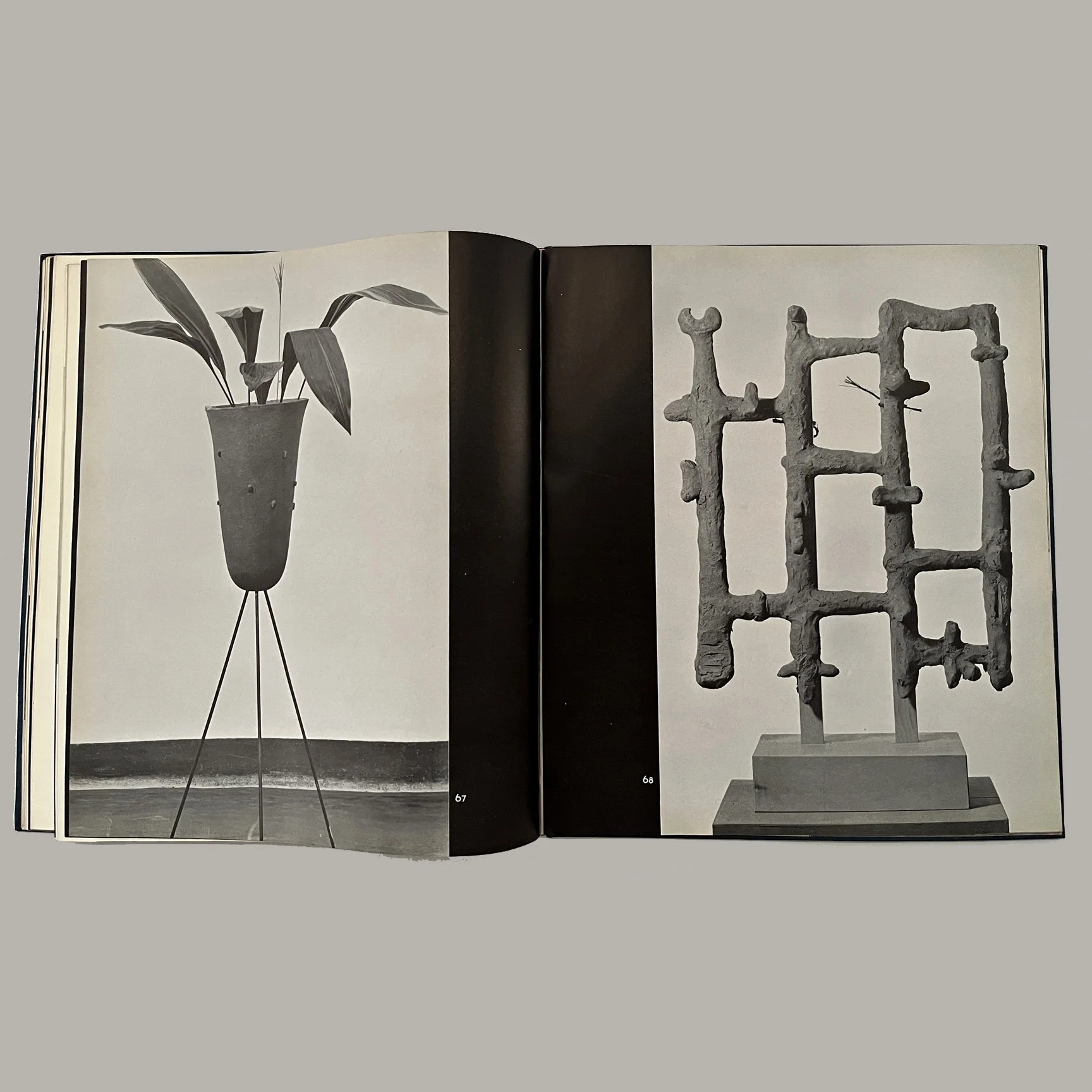 Image 21 of 25
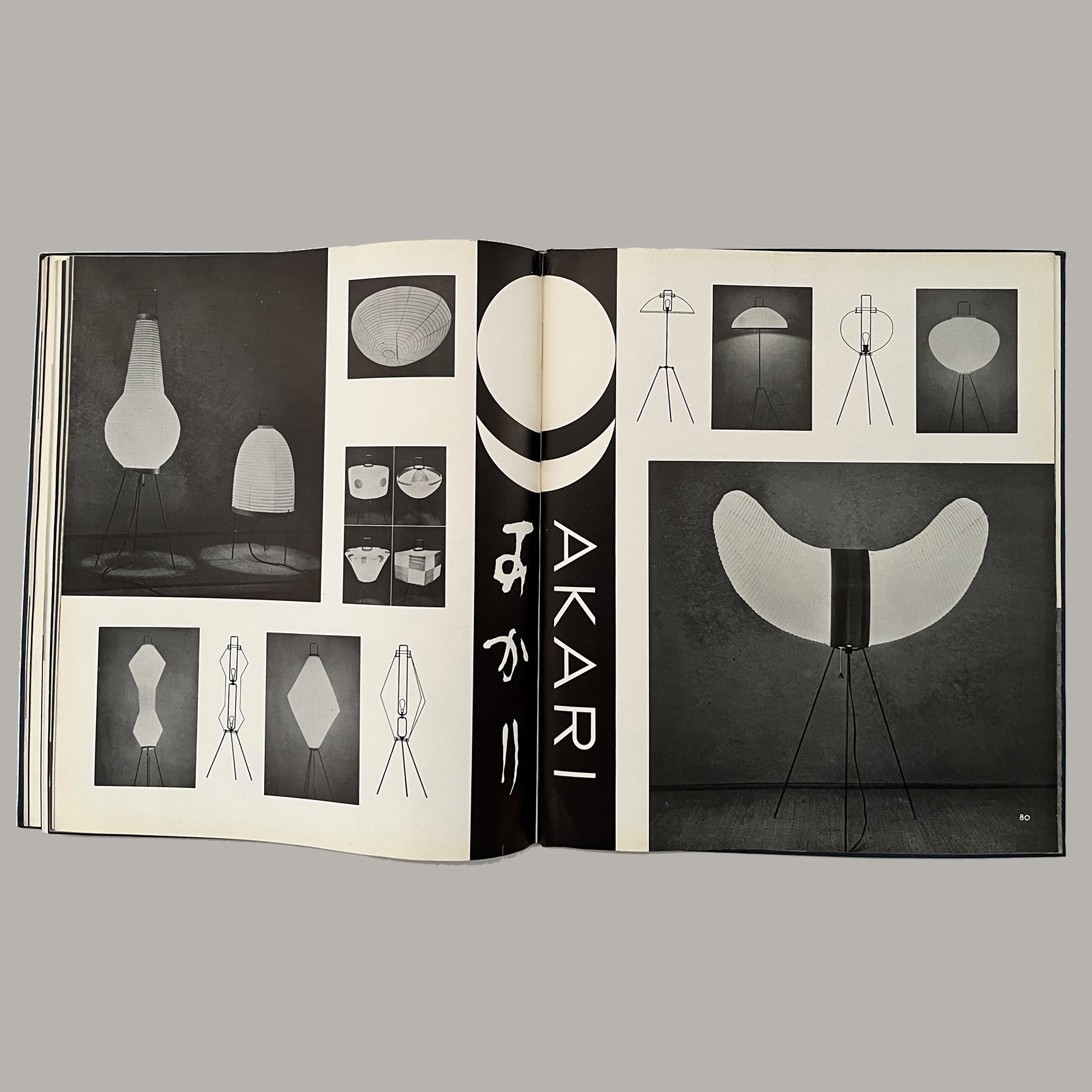 Image 22 of 25
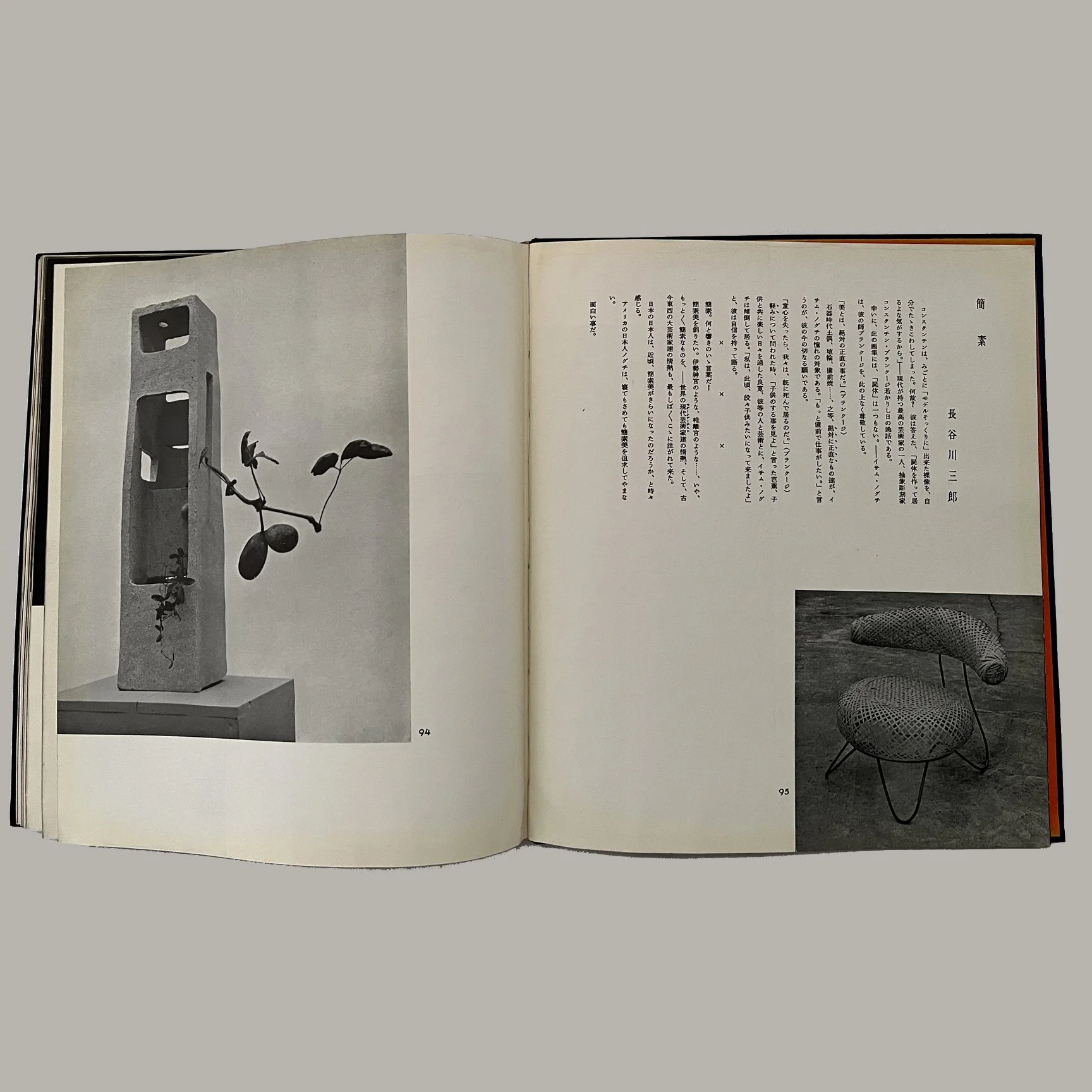 Image 23 of 25
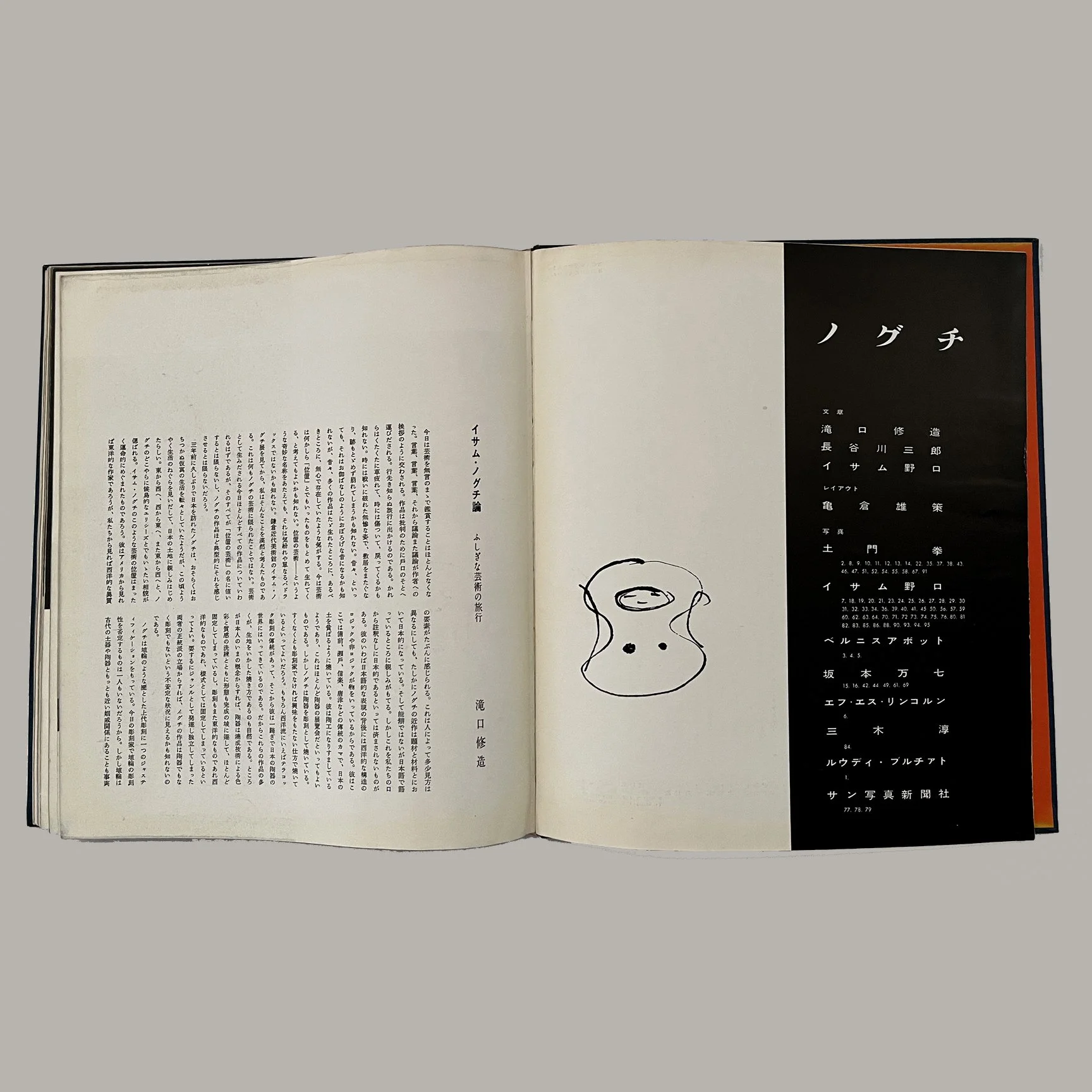 Image 24 of 25
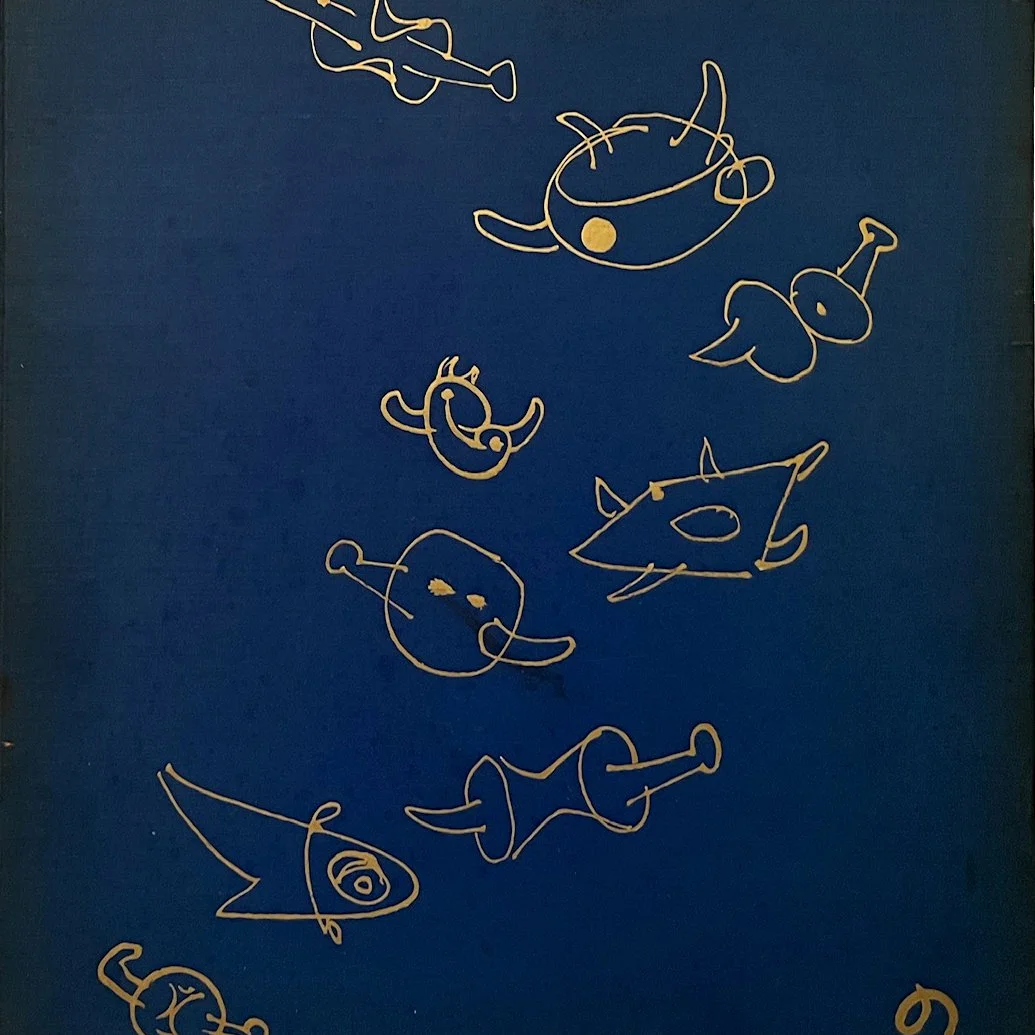 Image 25 of 25