PUBLICITY AND GRAPHIC DESIGN IN THE CHEMICAL INDUSTRY
Chemie Werbug und Grafik
Publicité et Graphisme dans L’Industrie Chemique
Hans Neuburg
Zürich: ABC Verlag, 1967. First edition. Text in German, French, and English. Square quarto. Glazed printed boards. White fabricoid back strip with black, embossed titles. Printed dust jacket. 239 pp. Fully illustrated with color and black and white examples. Book design by Walter Bangerter. Dust jacket with a tiny closed tear near lower front corner and one near spine crown on rear panel. Book looks and feels unread. Unknown in this condition — a fine copy in a fine dust jacket.
10.25 x 10 hardcover book with 239 pages fully illustrated in spectacular color and dense black and white halftones courtesy of ABC Druckeri + Verlags AG [printing], Walter Nievergelt AG [engravings], and Printcolor AG [inks]. Author Neuburg and Walter Bangerter conceived the book design and Bangerter designed the book and contributed an essay. Other contributors included René Rudin, Victor N. Cohen and Josef Müller-Brockmann. Each essay featured a facsimile signature for the authors.
“Publicity and Graphic Design in the Chemical Industry” is widely recognized as the pinnacle of Zürich’s ABC Verlag publishing program and one of the most sought-after books in the Graphic Design canon. Copies in collectible condition rarely appear in commerce, and this copy is possibly unique due to its pristine condition, especially in regards to the volatility of the light sensitive purple ink used.
The preface clearly states the books’ lineage and purpose: “In planning our series of books on problems and achievements in graphic design, we had a quite definite programme in mind. Volume 1 dealt with graphic art in a Swiss town. Volume 2 was dedicated to official Swiss graphic art. Volume 3 then went more deeply into the specific problems and showed Swiss industrial graphic design. The present volume, Number 4, is conceived as an instructional book. The problems of publicity and graphic design in the chemical industry, pharmaceutics, agricultural chemistry and colour chemistry are submitted and presented for discussion by means of exemplary pieces of work.
“After the first three volumes have not only been received with approval by specialists both at home and abroad but have also had the distinction of being included among the best books by the Swiss book trade, we hope that this volume dealing with publicity and graphic design in the Swiss chemical industry will have a similar success.
“We were aware from the beginning that the material of the publicity and graphic design in the chemical industry deals with very special means and must be elaborated like a book. Graphic design in the pharmaceutical branch is more or less concerned with imparting information.There is no actual object to be depicted in the advertisements and brochures. The abstract character of the offers demands an accurate study of publicity resources and a presentation that is easily grasped visually. We believe that we have kept this object in view. In conclusion we also allude to the divergence of this sphere into three parts which again demand concentration on the whole range of problems in the chemical industry.”
Contents :
Preface: Hans Neuburg
The Publicity of the Swiss Chemical Industry: Hans Neuburg
Dynamic Chemistry: René Rudin
Some Aspects Regarding Publicity in the Chemical Industry: Victor N. Cohen
Problems of Composition in Graphic Design in the Chemical Industry: Josef Müller-Brockmann
Graphic Conception in the Service of Pharmaceuticals
Juggling with Type
Publicity Pamphlets, Cards, Brochures, etc.
Announcements for Pharmaceutical Products
Publicity Campaigns
Publicity for Prestige
The Special Field of Packaging for Pharmaceutical Preparations
Publicity and Design Problems in Agricultural Chemistry
Publicity and Design Problems in Colour Chemistry
Two Examples from Marginal Field of Publicity and Graphic Design in the Chemical Industry
Various Possibilities of Application
The World of Chemistry
The Graphic Preparations for this Book
Index Firms
Index Designers, Photographers and Agencies
Includes work by the following Graphic Designers, Photographers, and Typographers: Roland Aeschlimann, Igildo Biesele, Harry Boller, Kurt Brunner, Samuel Buri, Atelier Ciba, Atelier Cilag Chemie, Advico AG Devico, Atelier Durand Huguenin, Atelier Eidenbenz, Hans Erni, Suzanne Fornerod, Stephan Geissbühler, Karl Gerstner, Carl B Graf, René Groebli, Otto Gyssler, Erwin Halpern, J Hauser, Peter Hemann, Hans Hinz, Toshihiro Katayama, Charlie Keller, Peter Kräuchi, Alain Le Foll, Herbert Leupin, Nelly Loewensberg Rudin, Atelier Lorch Heinrich, August Maurer, Paul Merkle, Hermann Meyer, Therese Moll, W V Mutzenbacher, Hans Neuburg, Siegfried Odermatt, Beny Olonetzky, Fred Troller, Kurt Wirth, and many others.
“By the 1950s Switzerland had developed a uniquely clear graphic language which matched the country’s reputation for efficiency and precision. Evident not just in posters but in advertisements, brochures and books, Neue Grafik or Swiss Style, as it became known, was respected internationally for its formal discipline: simple methods that could make posters dramatic and give an order and elegance to typographic design. Sharing the disciplines of Swiss Concrete Art, designers organised images and text into geometrical grids. With sans-serif typefaces such as Helvetica and Univers, these were the chief components of the Swiss Style which spread across the world.” [Richard Hollis]
Swiss modernist graphic designer Hans Neuburg [1904 – 1983] helped pioneer and define the International Typographic Style along with Josef Müller-Brockmann, Wim Crouwel, Otl Aicher, Armin Hofmann and Jacqueline Casey. Neuburg grew up in Zurich, where he received technical-teaching at Orell Füssli. From 1932 he was head of publisher Jean Haecky Import AG in Basel. In 1936 he had his own design studio in Zurich. He was editor of various graphic magazines such as Camera, New Graphics and art critic for Tages-Anzeiger, the Neue Zürcher Zeitung, and created major exhibitions in Prague, Zurich, Brussels, Bern and Lausanne. In 1963, he was Vice President of the International Association of graphic Icograda.
In the 1950s he was part of the editing team of the “Neue Grafik – New Graphic Design – Graphisme Actuel” magazine, together with Richard Paul Lohse, Josef Müller-Brockmann and Carlo Vivarelli. Graphic design is presented into a wide range of applications: from advertising, type, commercial architecture, and exposition or industrial documentation. He later wrote three books about these fields: Graphic Design in the Swiss Industry, Publicity and Graphic Design in the Chemical Industry and Conception of International Exhibition.
PUBLICITY AND GRAPHIC DESIGN IN THE CHEMICAL INDUSTRY
Chemie Werbug und Grafik
Publicité et Graphisme dans L’Industrie Chemique
Hans Neuburg
Zürich: ABC Verlag, 1967. First edition. Text in German, French, and English. Square quarto. Glazed printed boards. White fabricoid back strip with black, embossed titles. Printed dust jacket. 239 pp. Fully illustrated with color and black and white examples. Book design by Walter Bangerter. Dust jacket with a tiny closed tear near lower front corner and one near spine crown on rear panel. Book looks and feels unread. Unknown in this condition — a fine copy in a fine dust jacket.
10.25 x 10 hardcover book with 239 pages fully illustrated in spectacular color and dense black and white halftones courtesy of ABC Druckeri + Verlags AG [printing], Walter Nievergelt AG [engravings], and Printcolor AG [inks]. Author Neuburg and Walter Bangerter conceived the book design and Bangerter designed the book and contributed an essay. Other contributors included René Rudin, Victor N. Cohen and Josef Müller-Brockmann. Each essay featured a facsimile signature for the authors.
“Publicity and Graphic Design in the Chemical Industry” is widely recognized as the pinnacle of Zürich’s ABC Verlag publishing program and one of the most sought-after books in the Graphic Design canon. Copies in collectible condition rarely appear in commerce, and this copy is possibly unique due to its pristine condition, especially in regards to the volatility of the light sensitive purple ink used.
The preface clearly states the books’ lineage and purpose: “In planning our series of books on problems and achievements in graphic design, we had a quite definite programme in mind. Volume 1 dealt with graphic art in a Swiss town. Volume 2 was dedicated to official Swiss graphic art. Volume 3 then went more deeply into the specific problems and showed Swiss industrial graphic design. The present volume, Number 4, is conceived as an instructional book. The problems of publicity and graphic design in the chemical industry, pharmaceutics, agricultural chemistry and colour chemistry are submitted and presented for discussion by means of exemplary pieces of work.
“After the first three volumes have not only been received with approval by specialists both at home and abroad but have also had the distinction of being included among the best books by the Swiss book trade, we hope that this volume dealing with publicity and graphic design in the Swiss chemical industry will have a similar success.
“We were aware from the beginning that the material of the publicity and graphic design in the chemical industry deals with very special means and must be elaborated like a book. Graphic design in the pharmaceutical branch is more or less concerned with imparting information.There is no actual object to be depicted in the advertisements and brochures. The abstract character of the offers demands an accurate study of publicity resources and a presentation that is easily grasped visually. We believe that we have kept this object in view. In conclusion we also allude to the divergence of this sphere into three parts which again demand concentration on the whole range of problems in the chemical industry.”
Contents :
Preface: Hans Neuburg
The Publicity of the Swiss Chemical Industry: Hans Neuburg
Dynamic Chemistry: René Rudin
Some Aspects Regarding Publicity in the Chemical Industry: Victor N. Cohen
Problems of Composition in Graphic Design in the Chemical Industry: Josef Müller-Brockmann
Graphic Conception in the Service of Pharmaceuticals
Juggling with Type
Publicity Pamphlets, Cards, Brochures, etc.
Announcements for Pharmaceutical Products
Publicity Campaigns
Publicity for Prestige
The Special Field of Packaging for Pharmaceutical Preparations
Publicity and Design Problems in Agricultural Chemistry
Publicity and Design Problems in Colour Chemistry
Two Examples from Marginal Field of Publicity and Graphic Design in the Chemical Industry
Various Possibilities of Application
The World of Chemistry
The Graphic Preparations for this Book
Index Firms
Index Designers, Photographers and Agencies
Includes work by the following Graphic Designers, Photographers, and Typographers: Roland Aeschlimann, Igildo Biesele, Harry Boller, Kurt Brunner, Samuel Buri, Atelier Ciba, Atelier Cilag Chemie, Advico AG Devico, Atelier Durand Huguenin, Atelier Eidenbenz, Hans Erni, Suzanne Fornerod, Stephan Geissbühler, Karl Gerstner, Carl B Graf, René Groebli, Otto Gyssler, Erwin Halpern, J Hauser, Peter Hemann, Hans Hinz, Toshihiro Katayama, Charlie Keller, Peter Kräuchi, Alain Le Foll, Herbert Leupin, Nelly Loewensberg Rudin, Atelier Lorch Heinrich, August Maurer, Paul Merkle, Hermann Meyer, Therese Moll, W V Mutzenbacher, Hans Neuburg, Siegfried Odermatt, Beny Olonetzky, Fred Troller, Kurt Wirth, and many others.
“By the 1950s Switzerland had developed a uniquely clear graphic language which matched the country’s reputation for efficiency and precision. Evident not just in posters but in advertisements, brochures and books, Neue Grafik or Swiss Style, as it became known, was respected internationally for its formal discipline: simple methods that could make posters dramatic and give an order and elegance to typographic design. Sharing the disciplines of Swiss Concrete Art, designers organised images and text into geometrical grids. With sans-serif typefaces such as Helvetica and Univers, these were the chief components of the Swiss Style which spread across the world.” [Richard Hollis]
Swiss modernist graphic designer Hans Neuburg [1904 – 1983] helped pioneer and define the International Typographic Style along with Josef Müller-Brockmann, Wim Crouwel, Otl Aicher, Armin Hofmann and Jacqueline Casey. Neuburg grew up in Zurich, where he received technical-teaching at Orell Füssli. From 1932 he was head of publisher Jean Haecky Import AG in Basel. In 1936 he had his own design studio in Zurich. He was editor of various graphic magazines such as Camera, New Graphics and art critic for Tages-Anzeiger, the Neue Zürcher Zeitung, and created major exhibitions in Prague, Zurich, Brussels, Bern and Lausanne. In 1963, he was Vice President of the International Association of graphic Icograda.
In the 1950s he was part of the editing team of the “Neue Grafik – New Graphic Design – Graphisme Actuel” magazine, together with Richard Paul Lohse, Josef Müller-Brockmann and Carlo Vivarelli. Graphic design is presented into a wide range of applications: from advertising, type, commercial architecture, and exposition or industrial documentation. He later wrote three books about these fields: Graphic Design in the Swiss Industry, Publicity and Graphic Design in the Chemical Industry and Conception of International Exhibition.

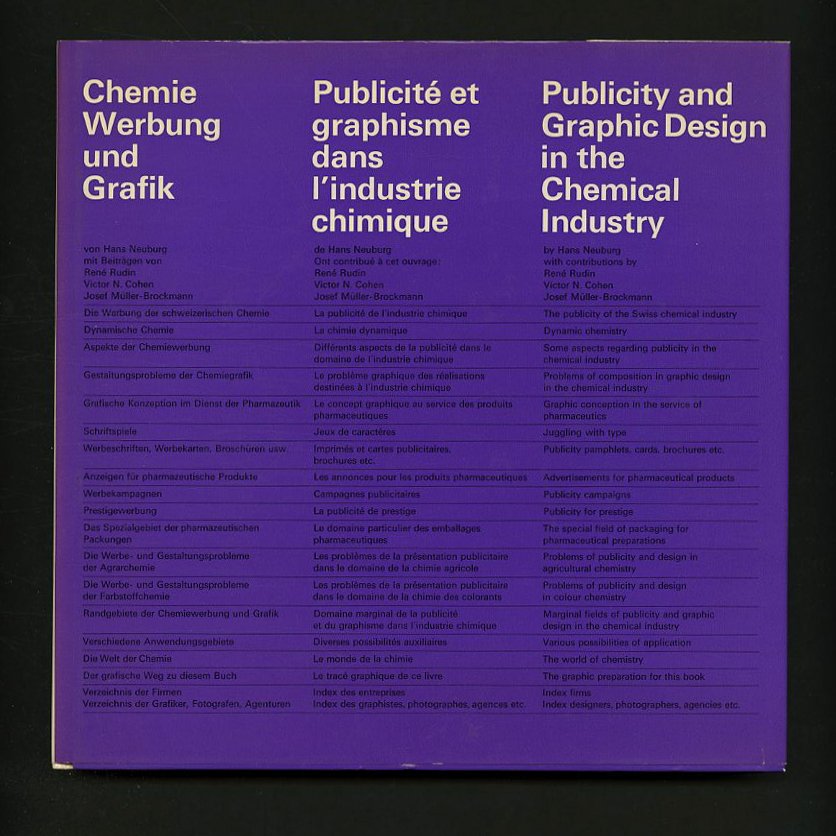 Image 1 of 23
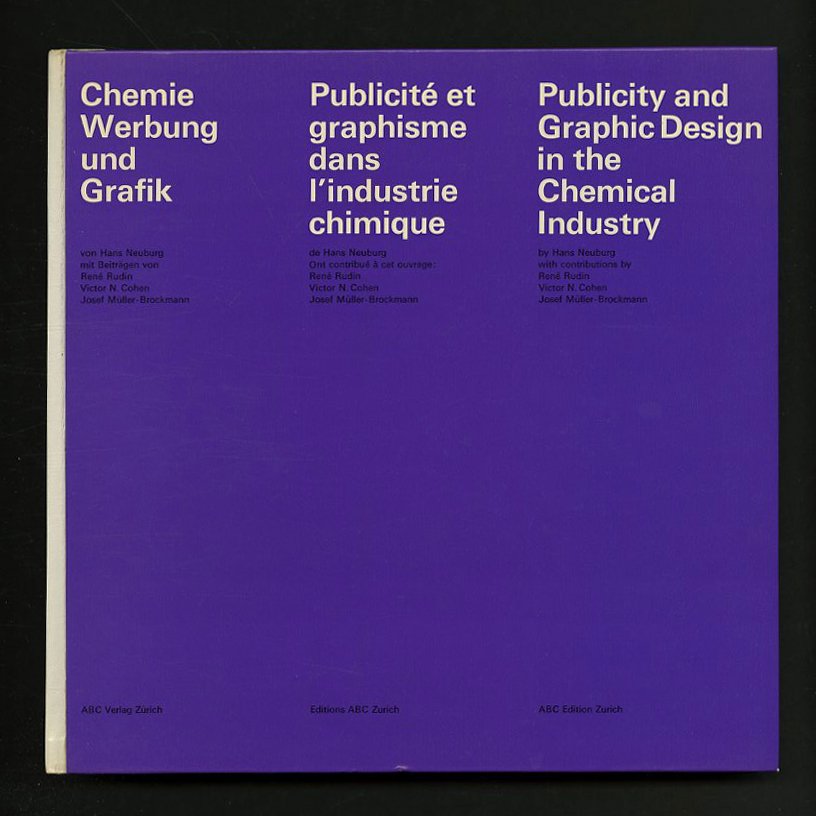 Image 2 of 23
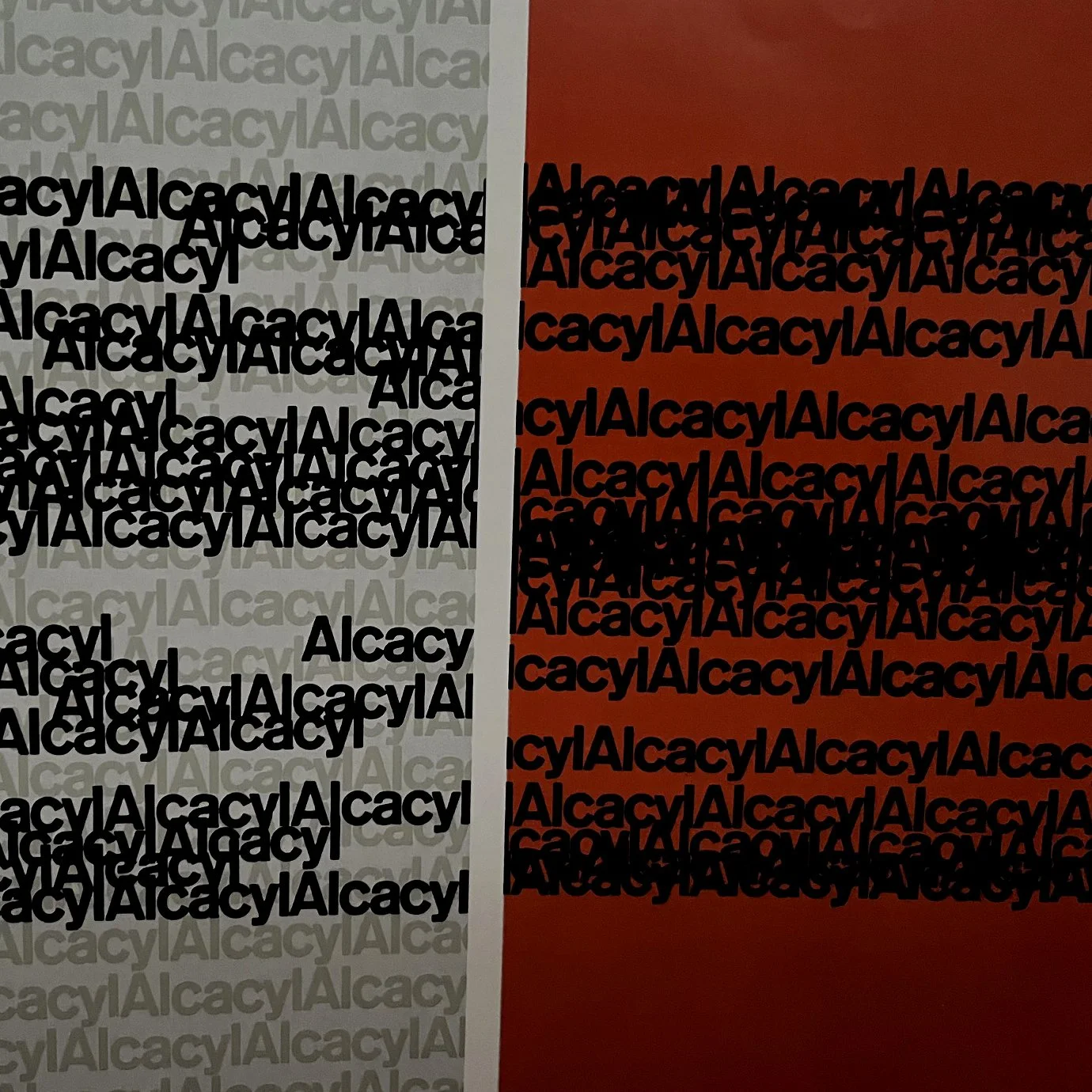 Image 3 of 23
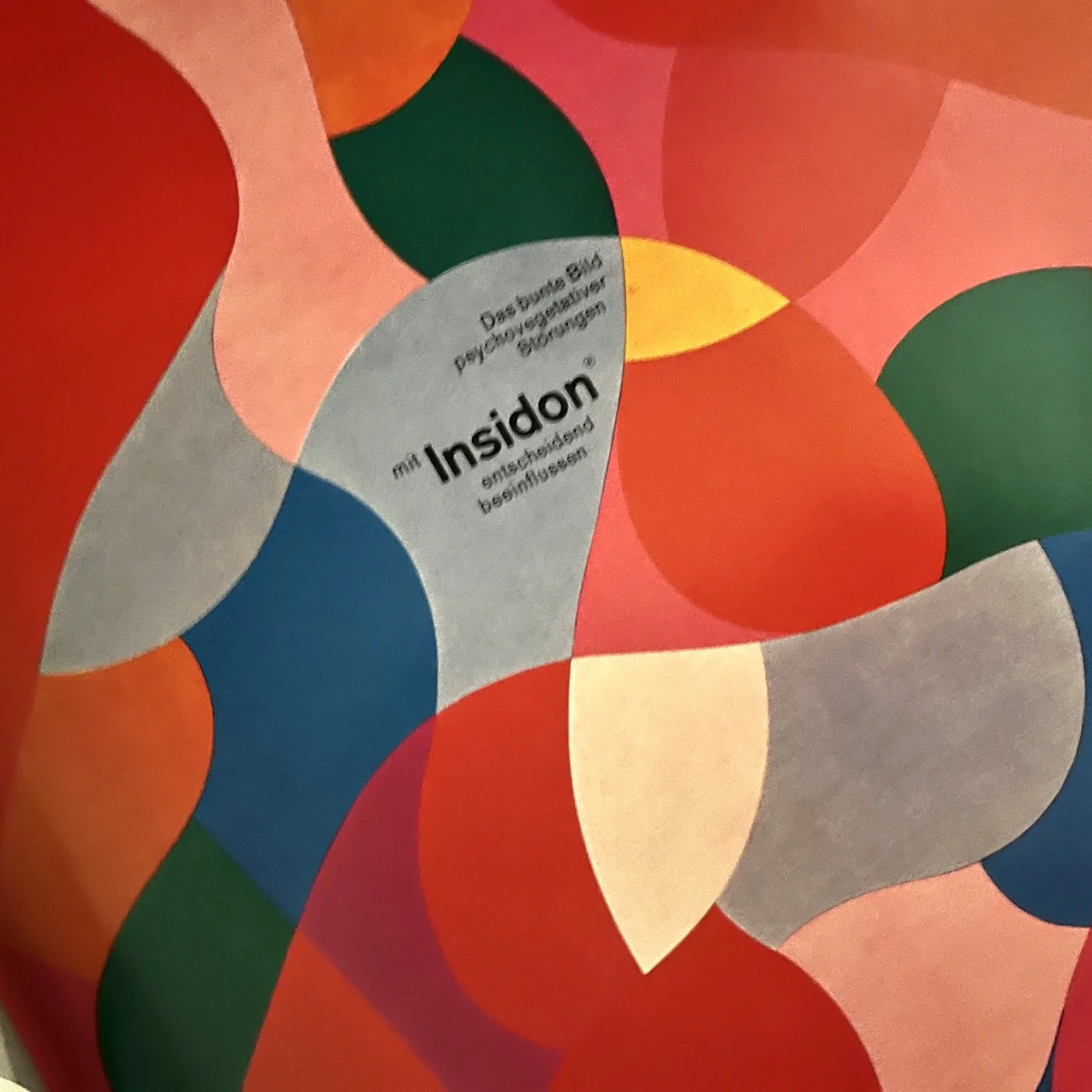 Image 4 of 23
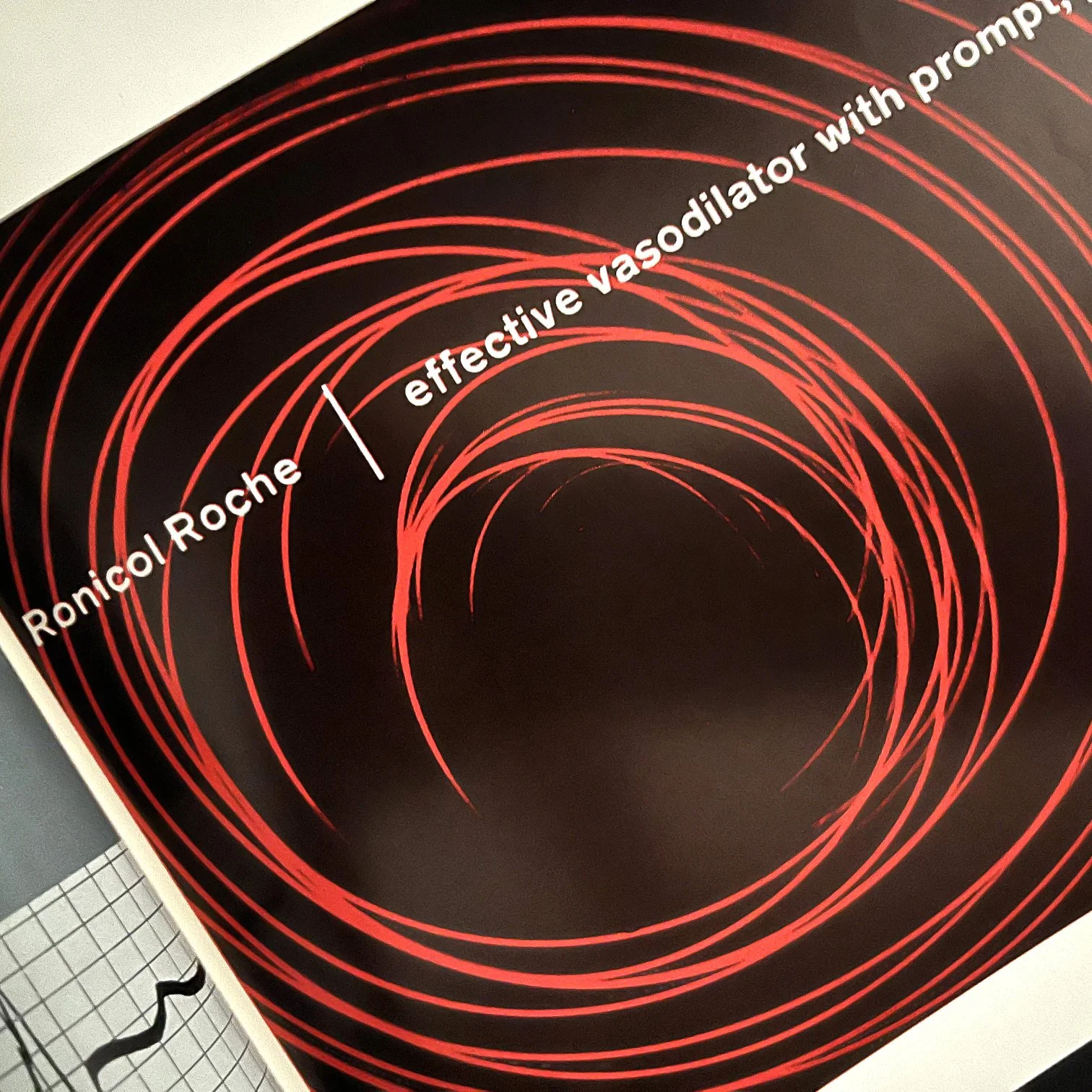 Image 5 of 23
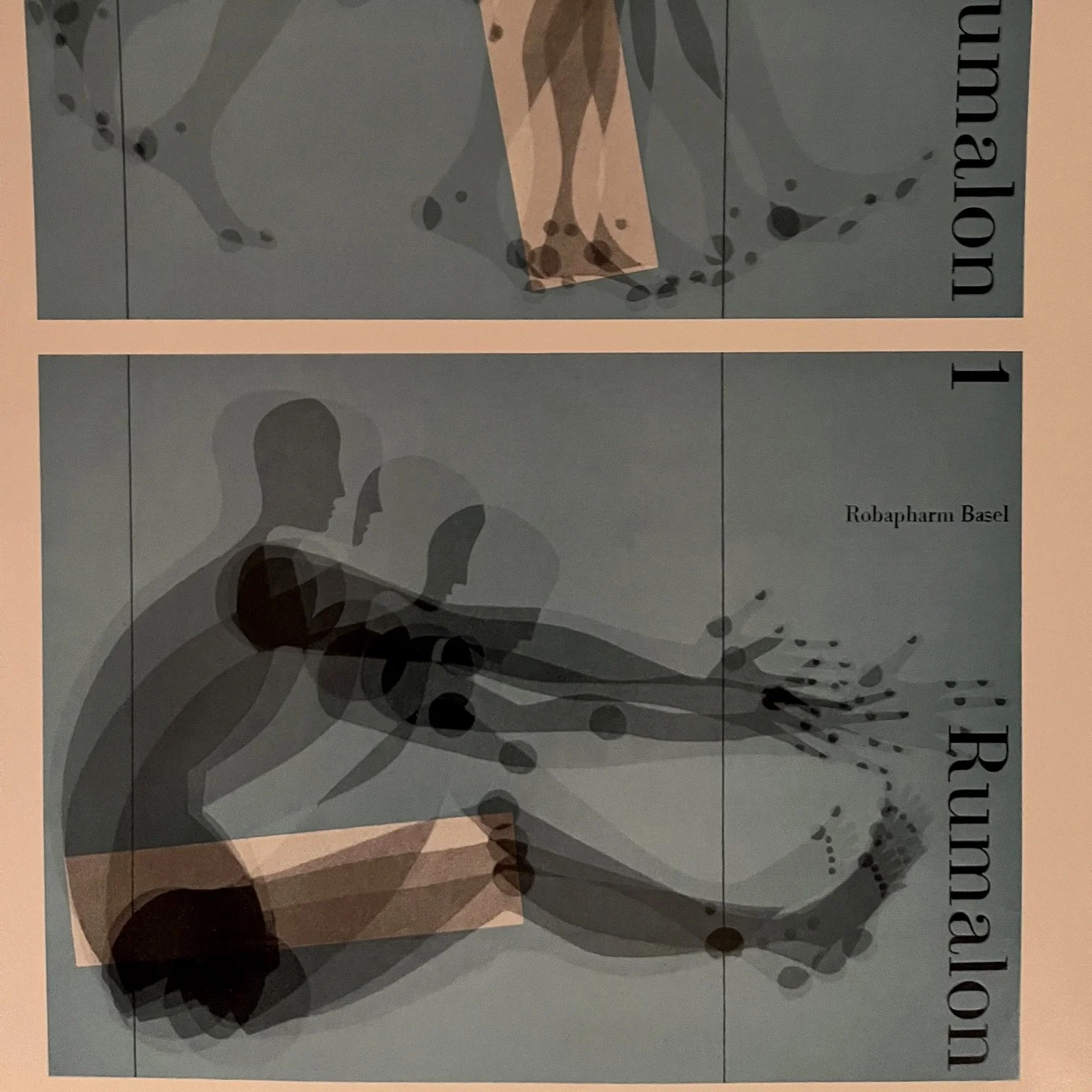 Image 6 of 23
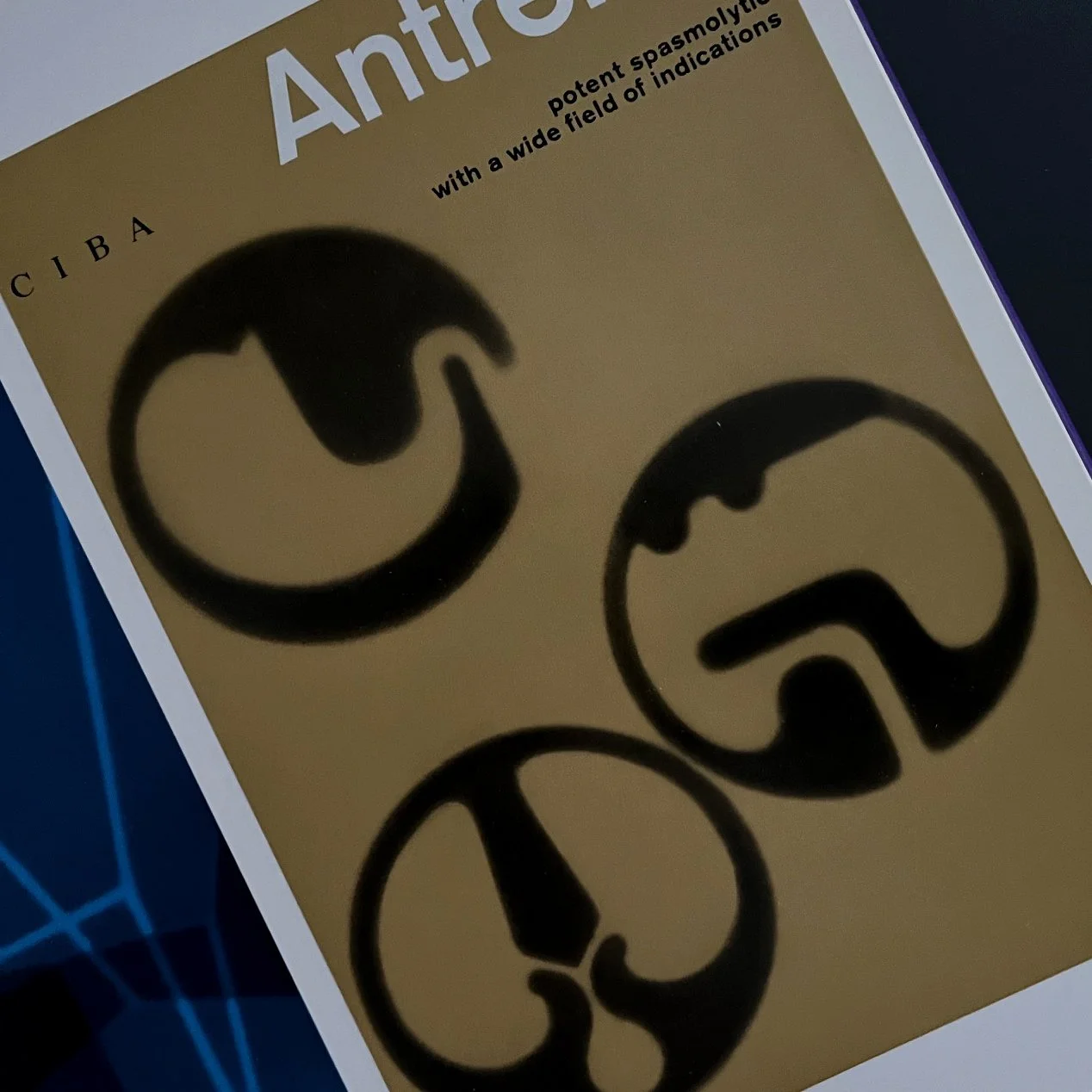 Image 7 of 23
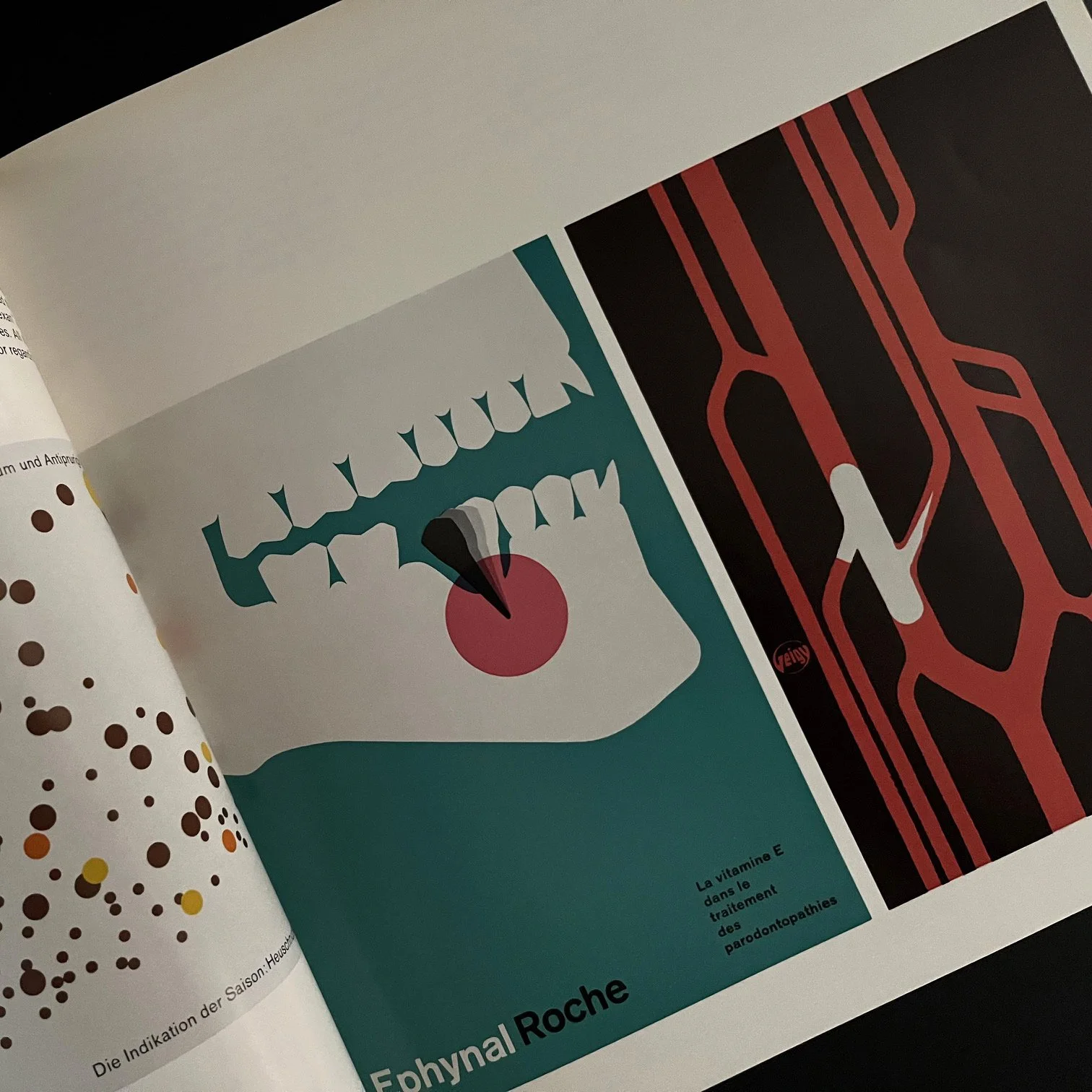 Image 8 of 23
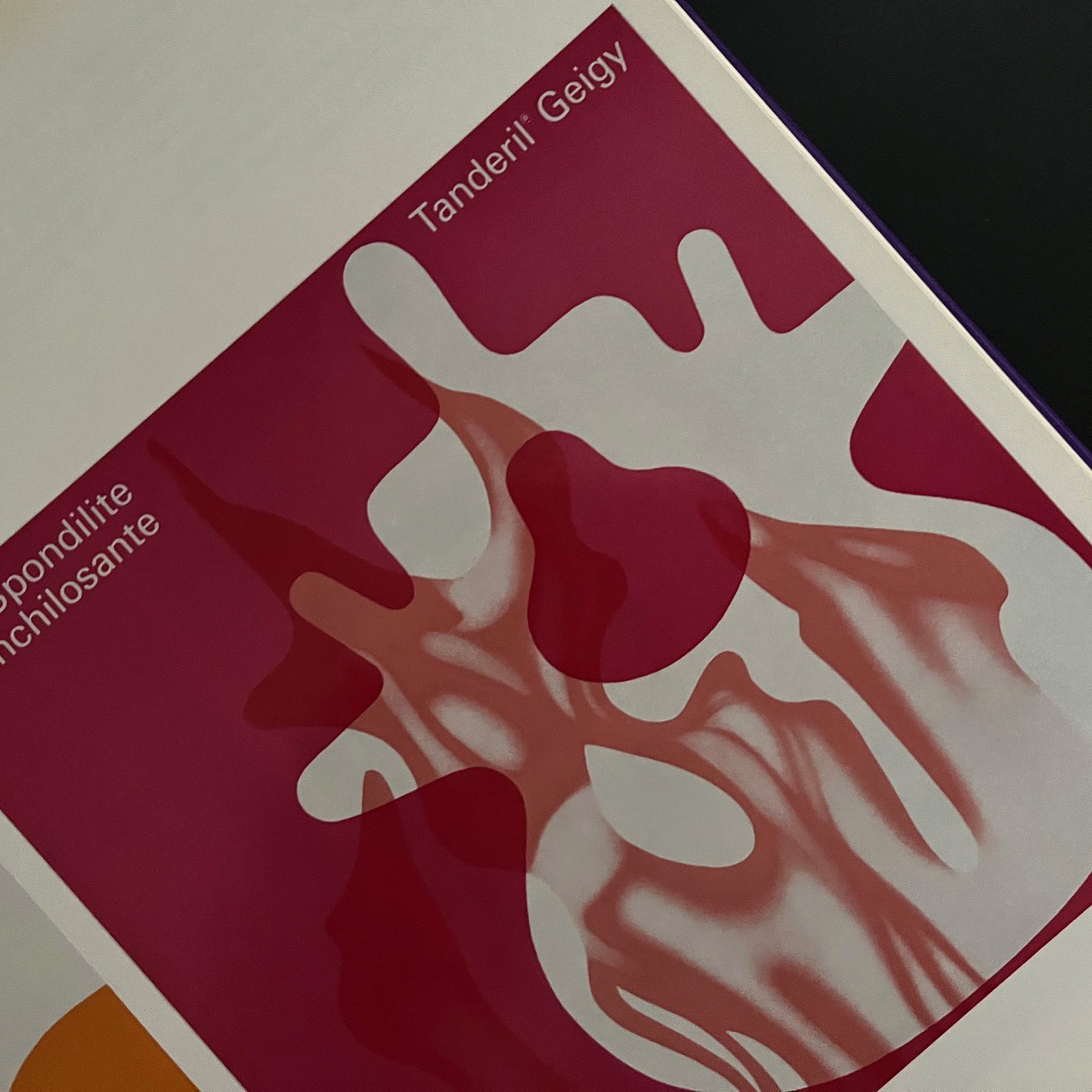 Image 9 of 23
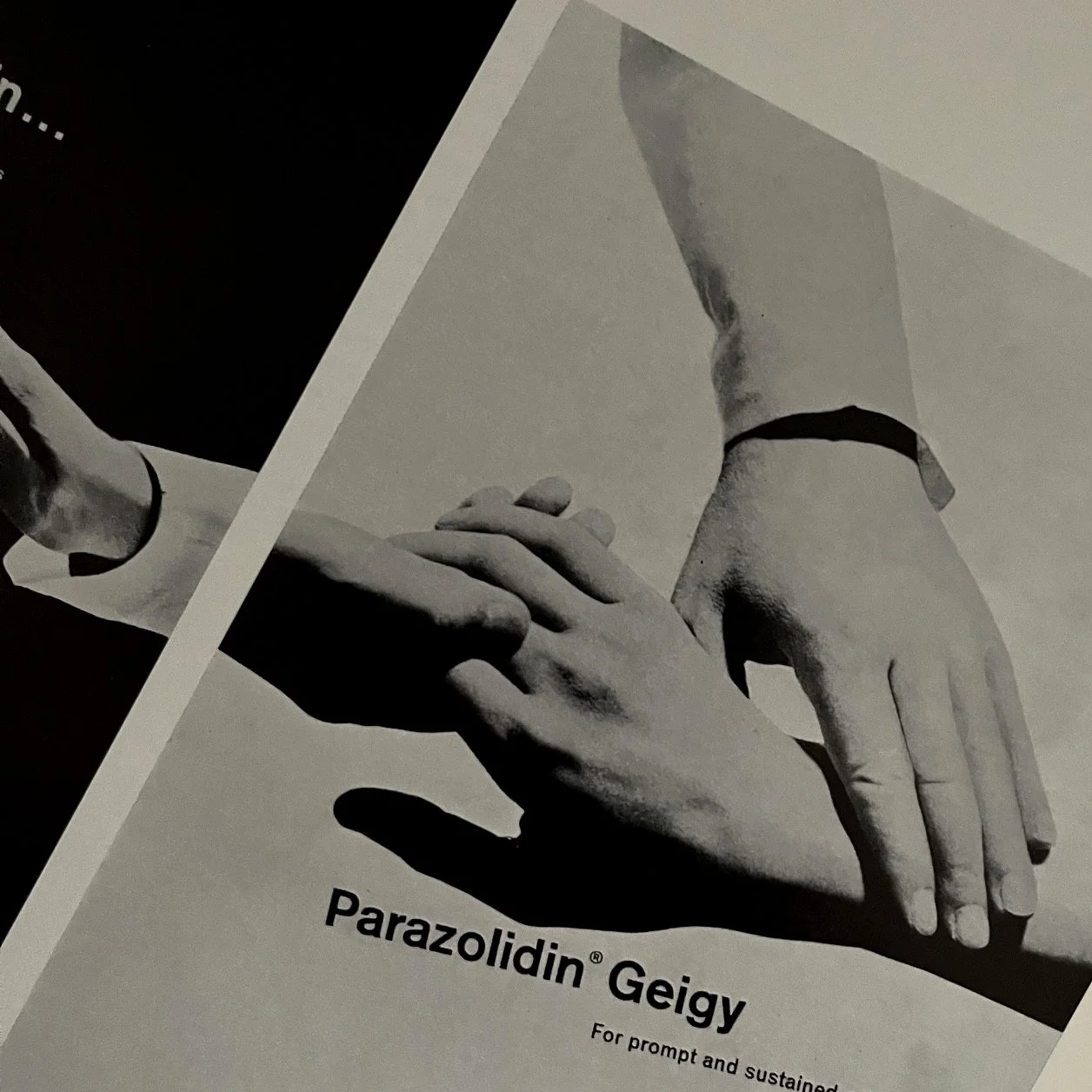 Image 10 of 23
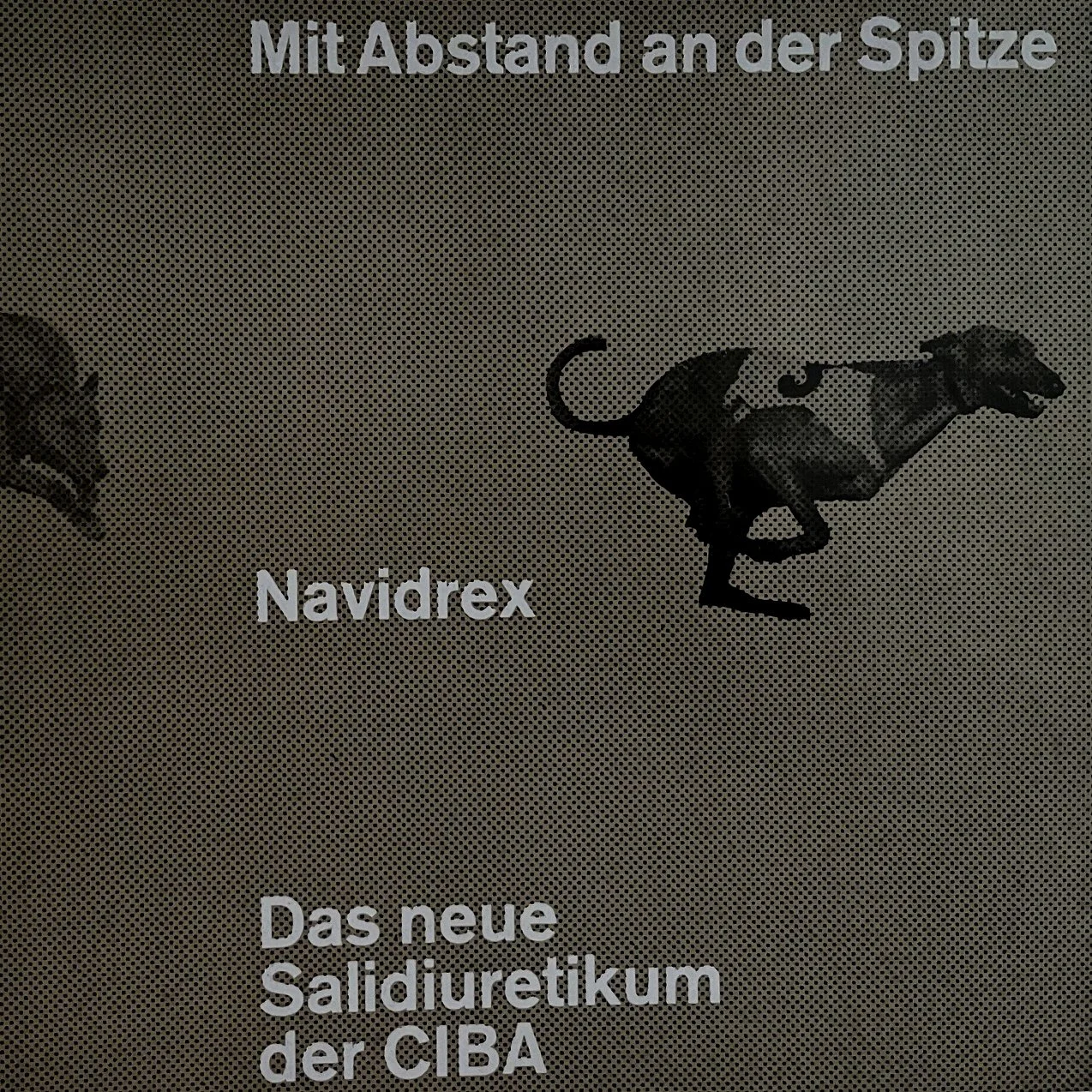 Image 11 of 23
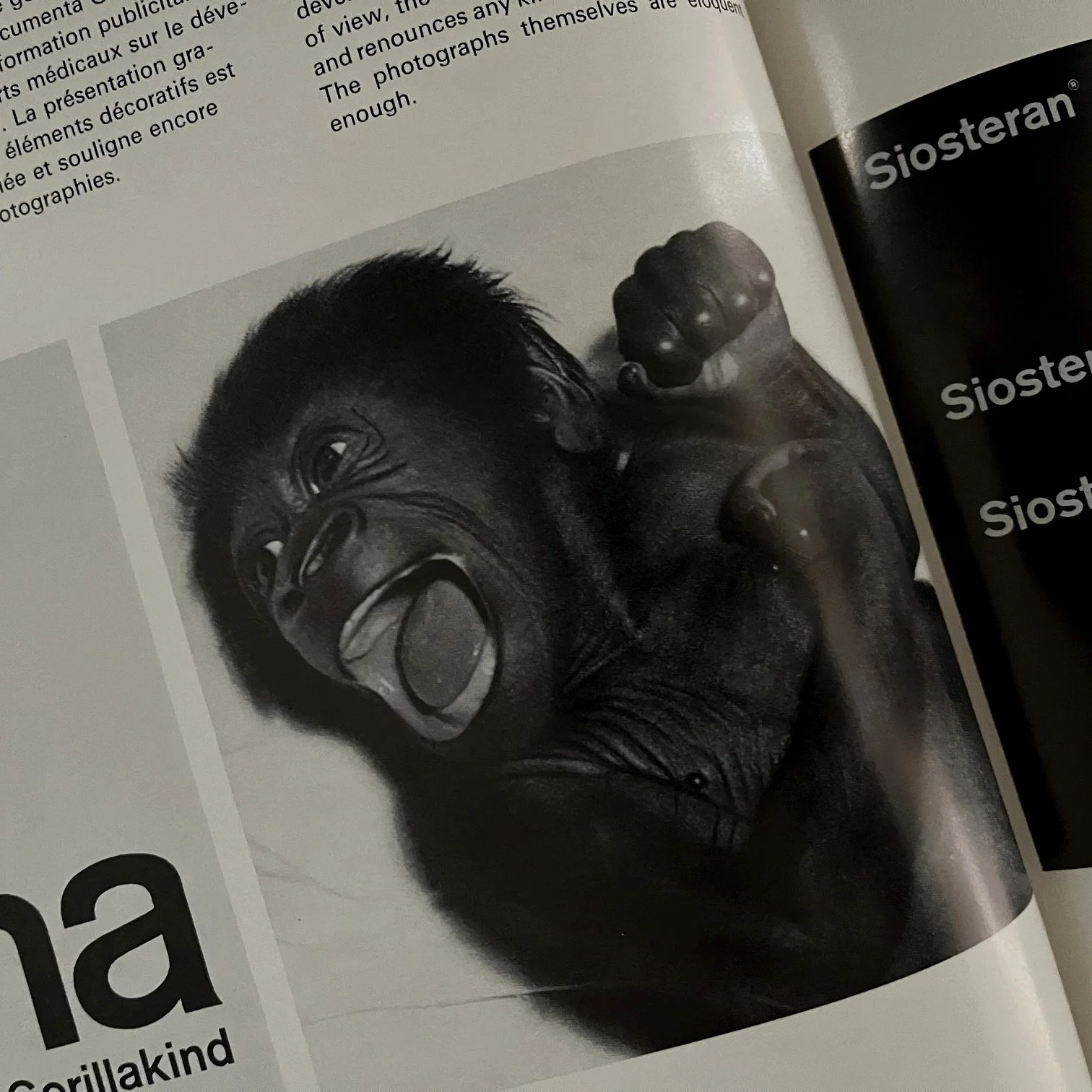 Image 12 of 23
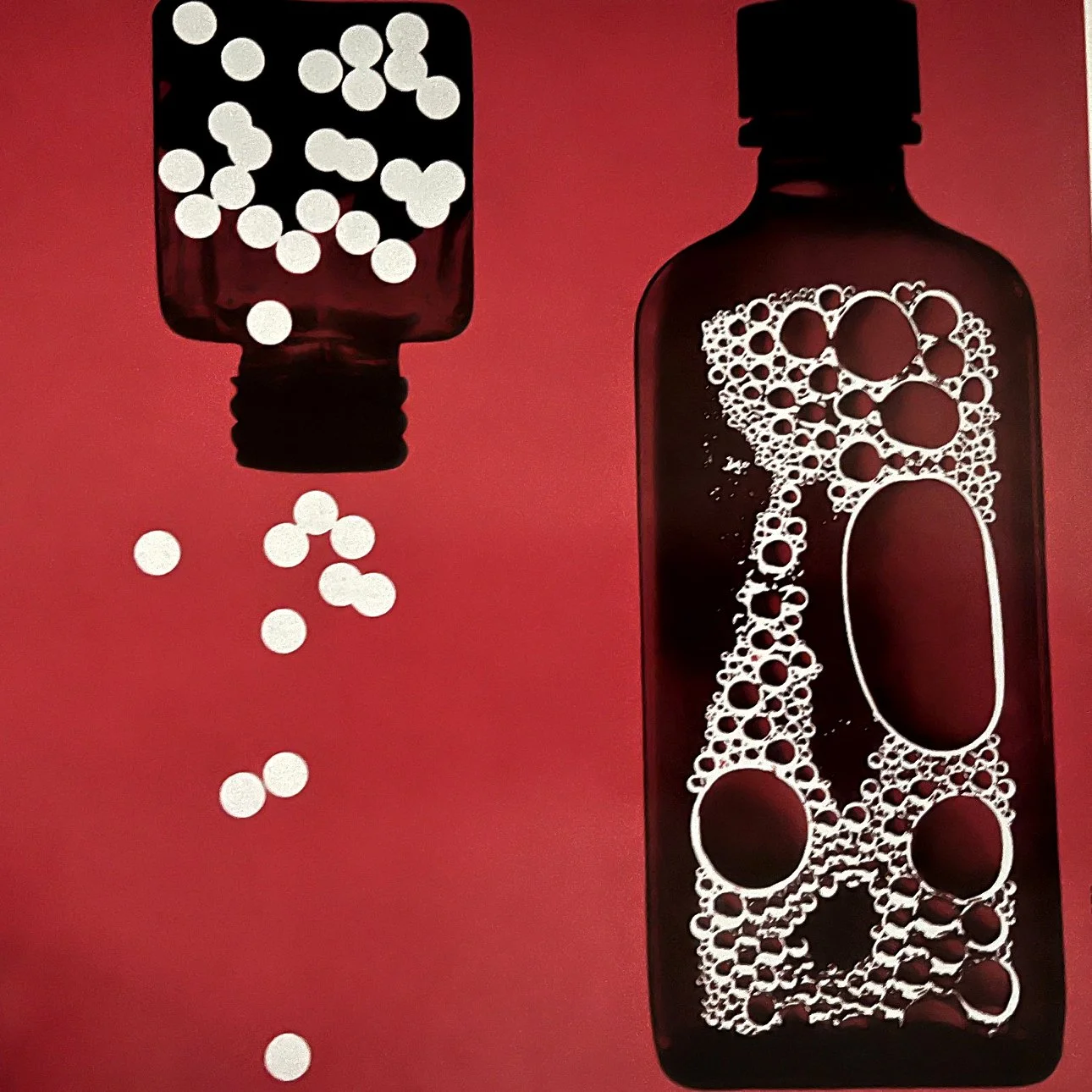 Image 13 of 23
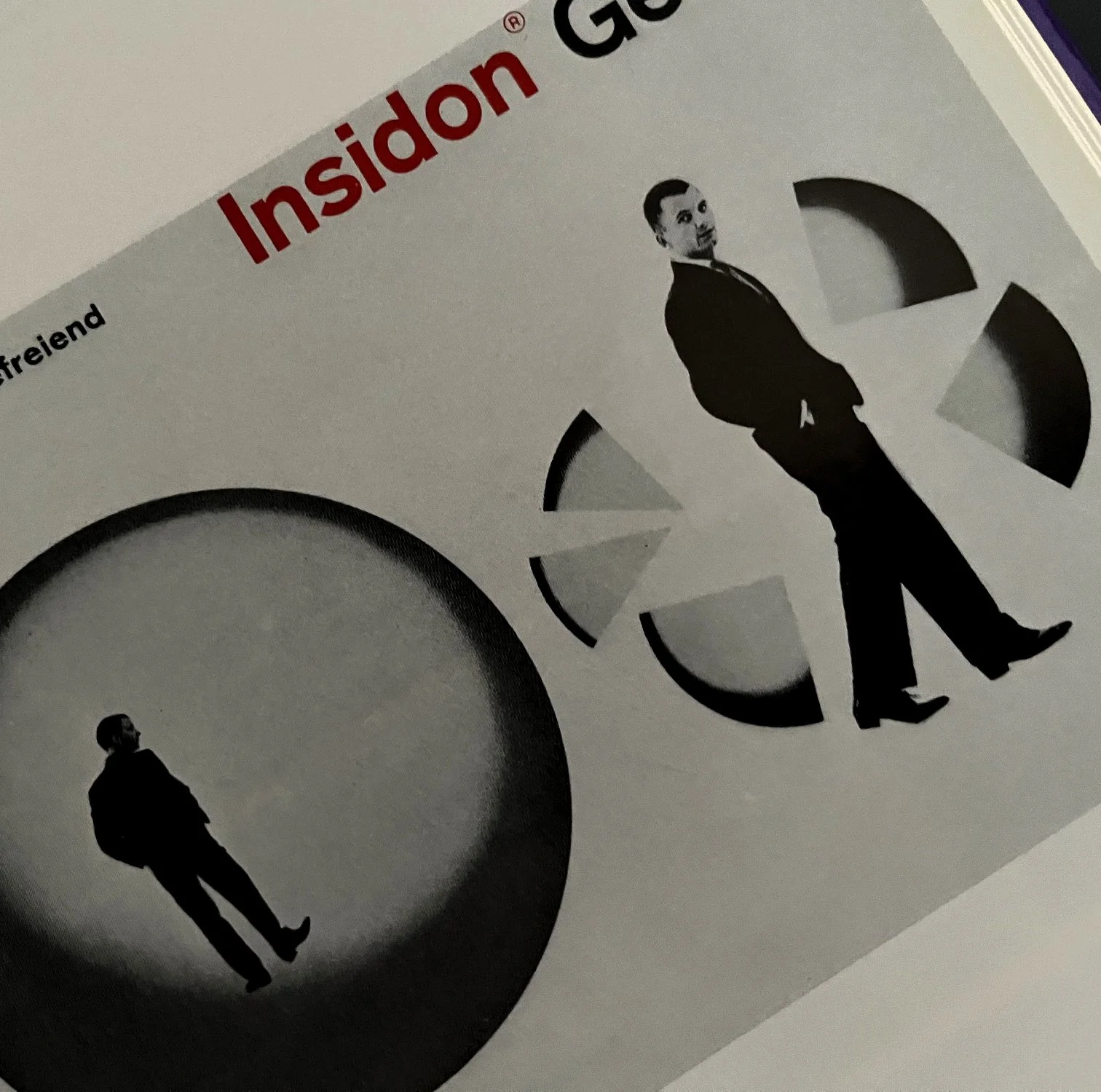 Image 14 of 23
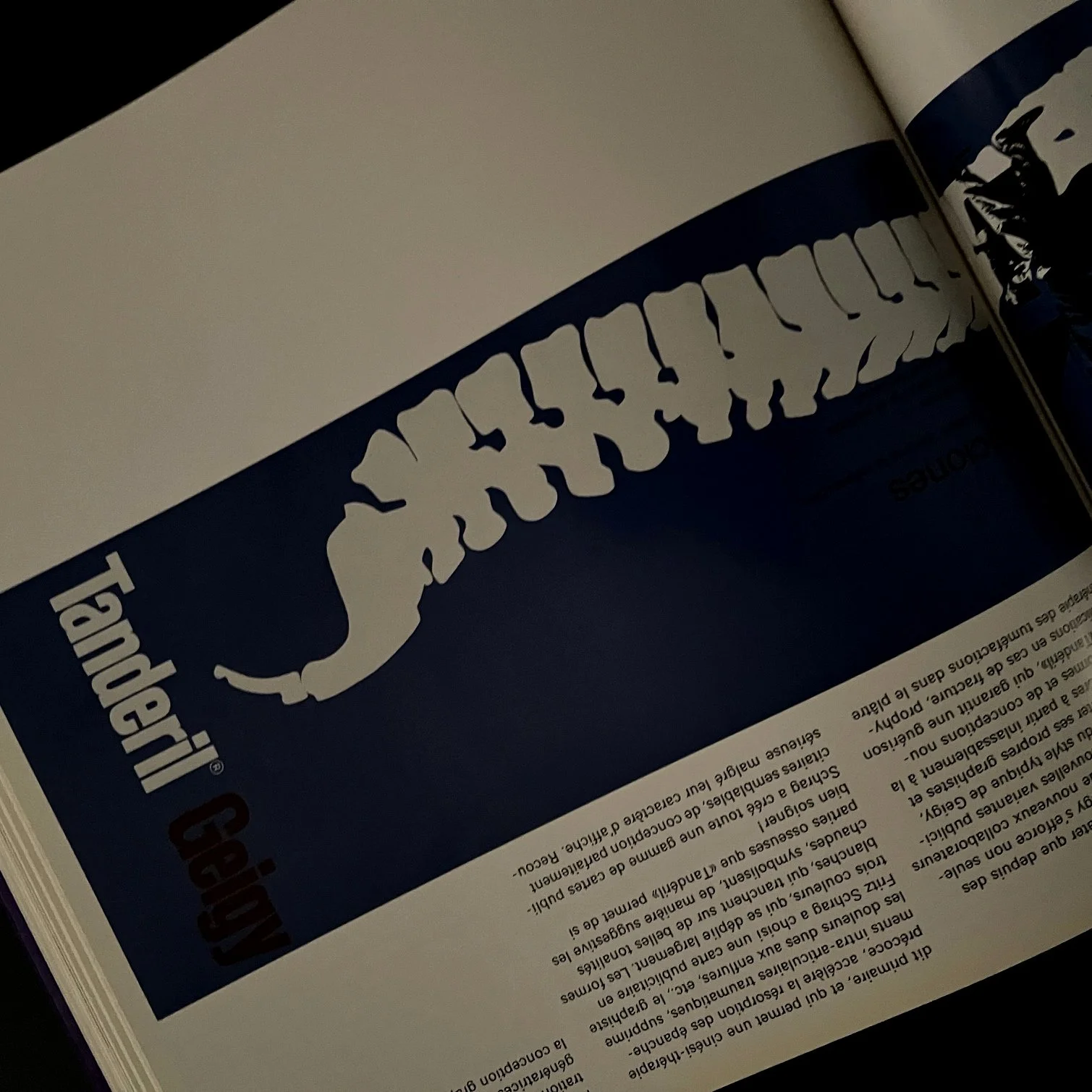 Image 15 of 23
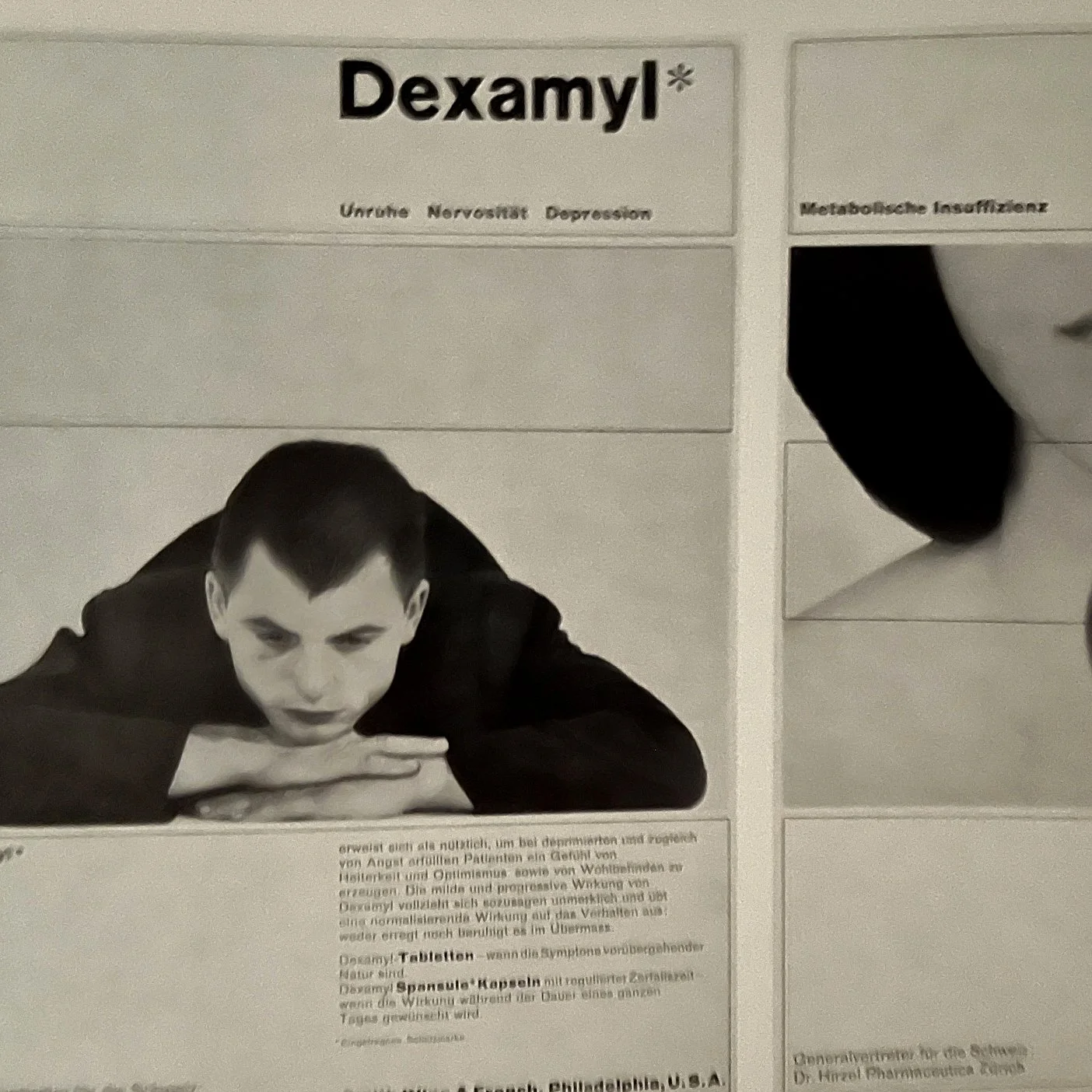 Image 16 of 23
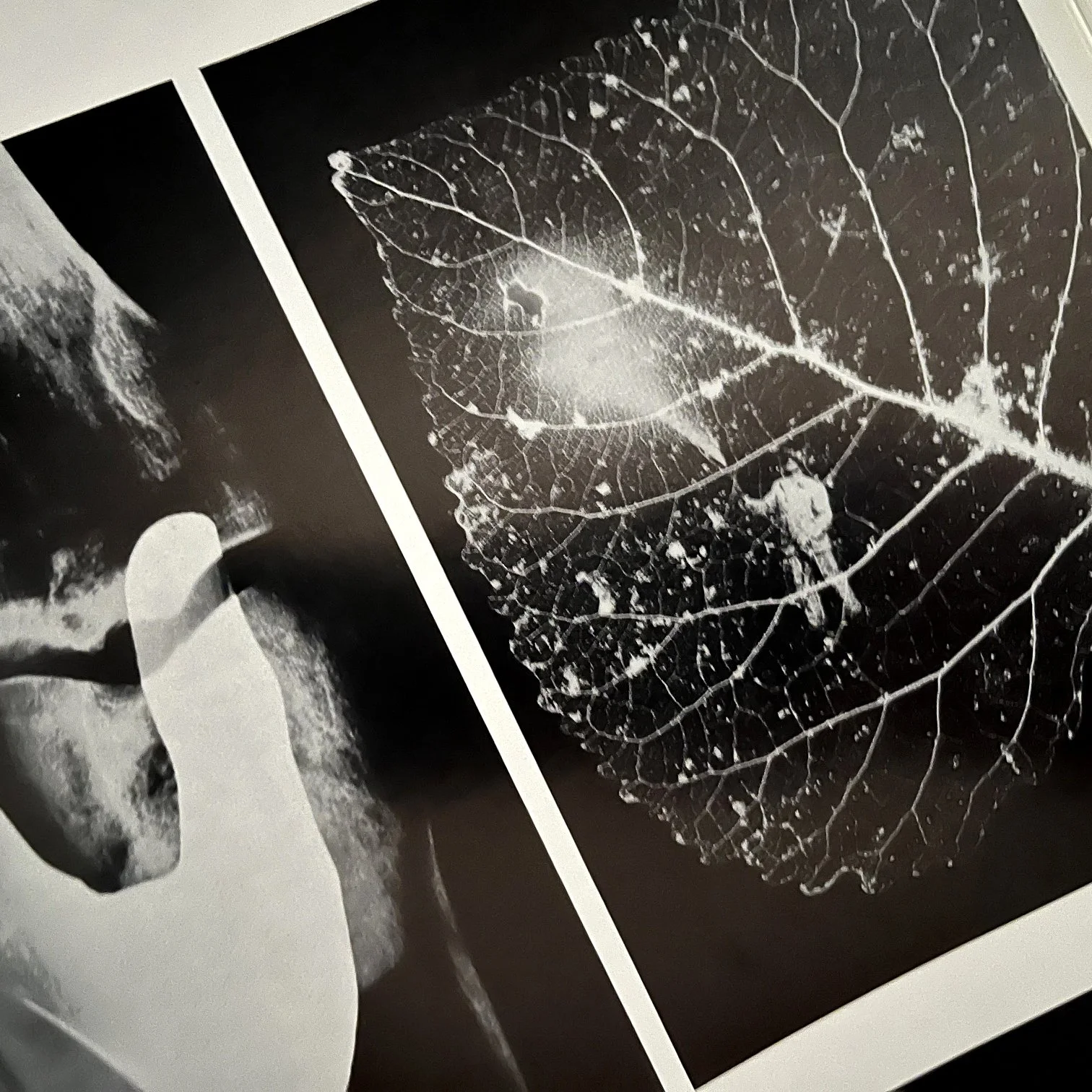 Image 17 of 23
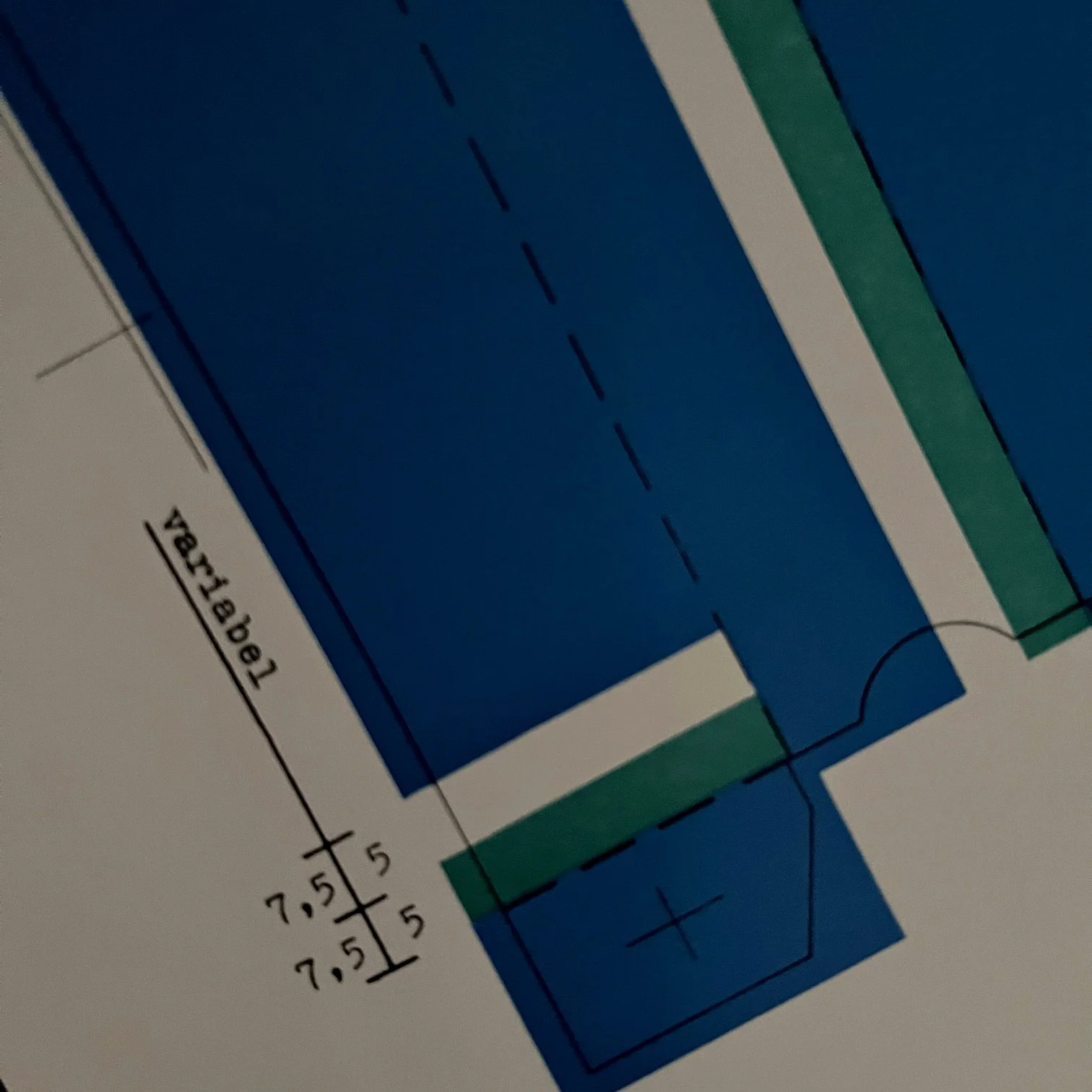 Image 18 of 23
 Image 19 of 23
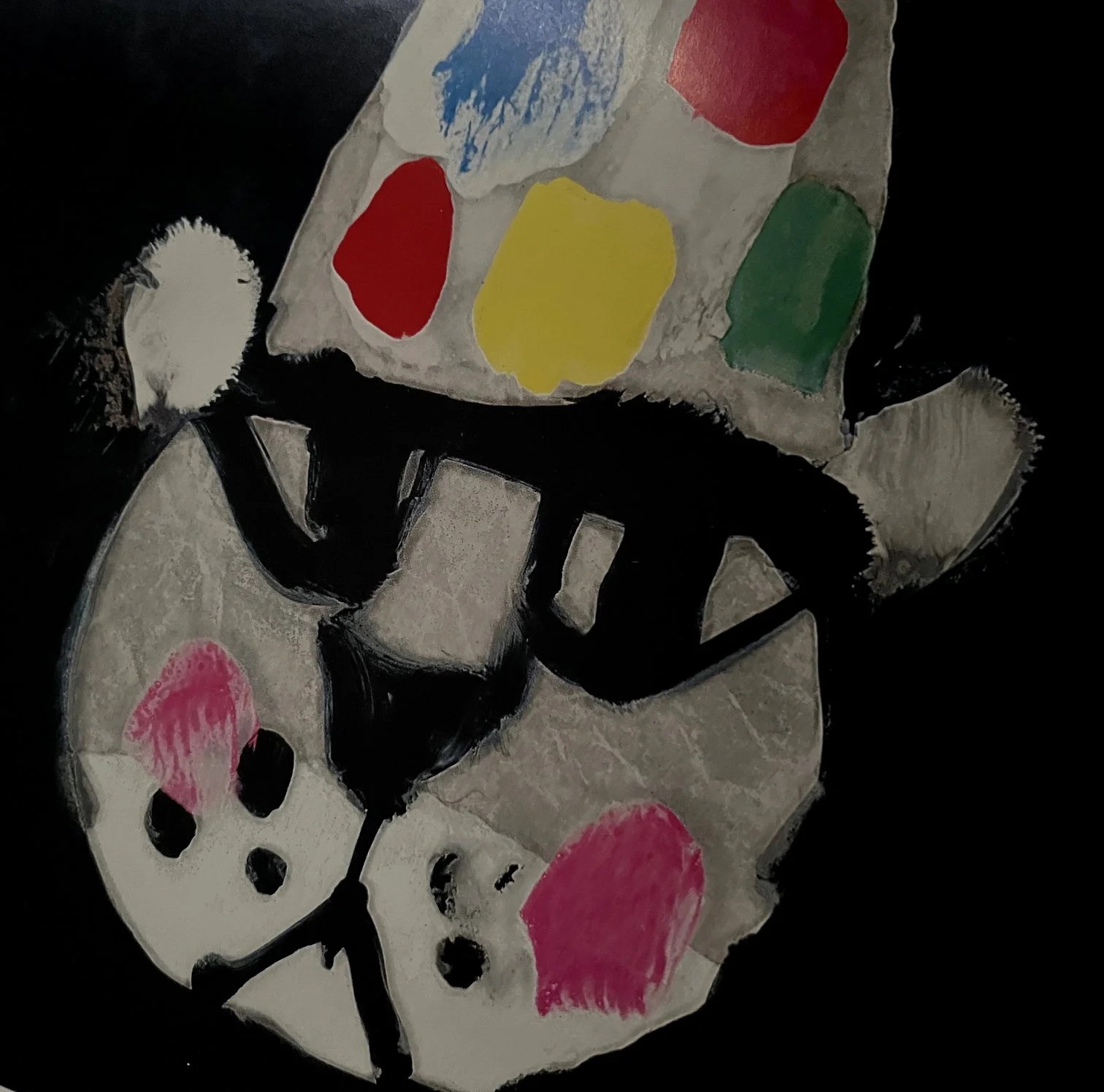 Image 20 of 23
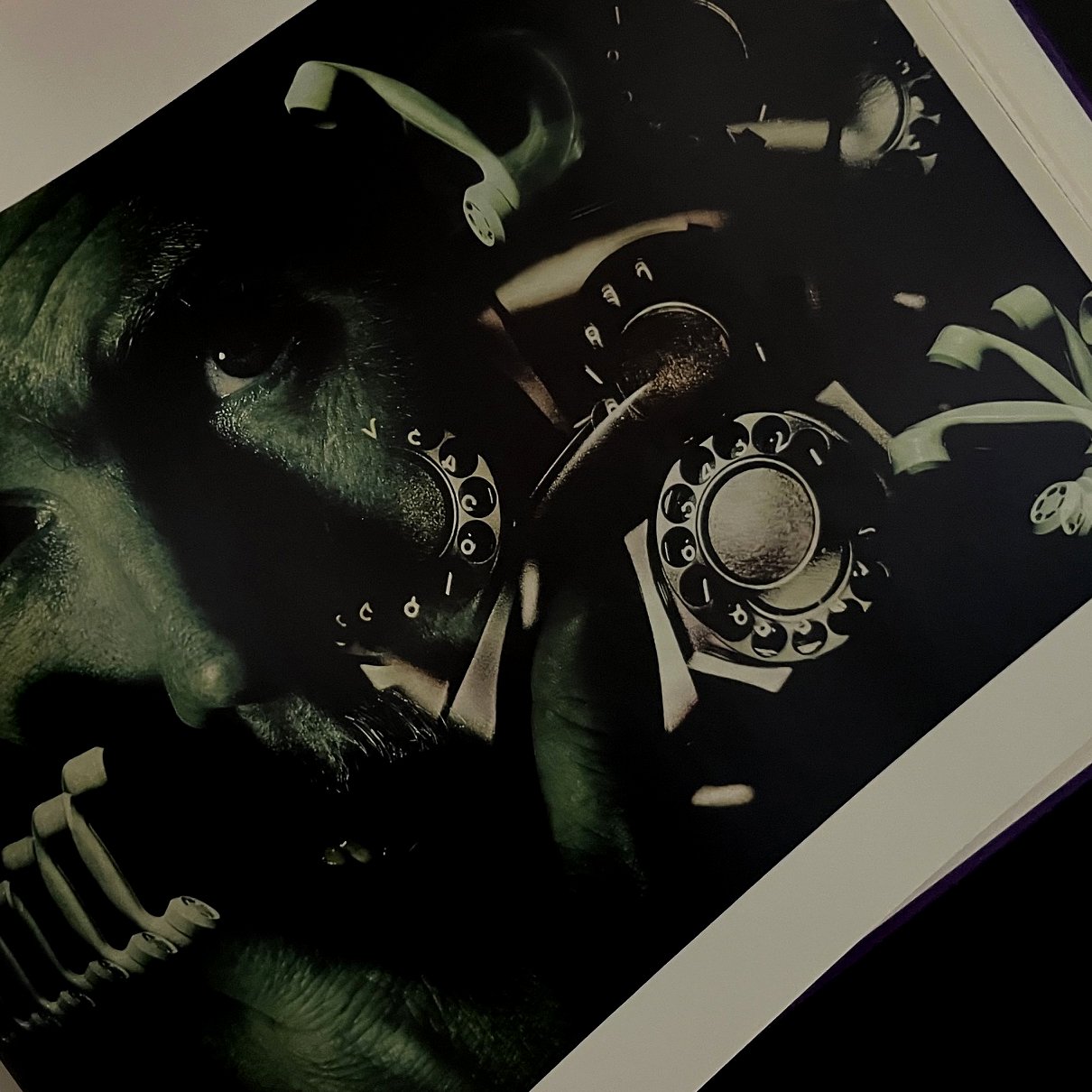 Image 21 of 23
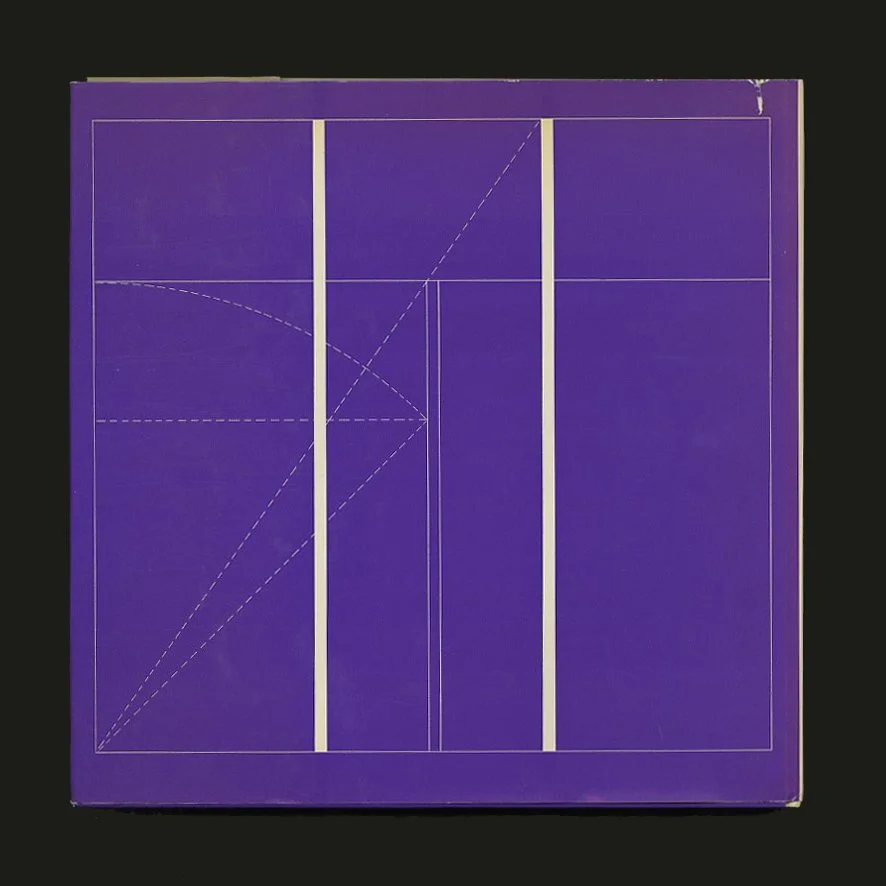 Image 22 of 23
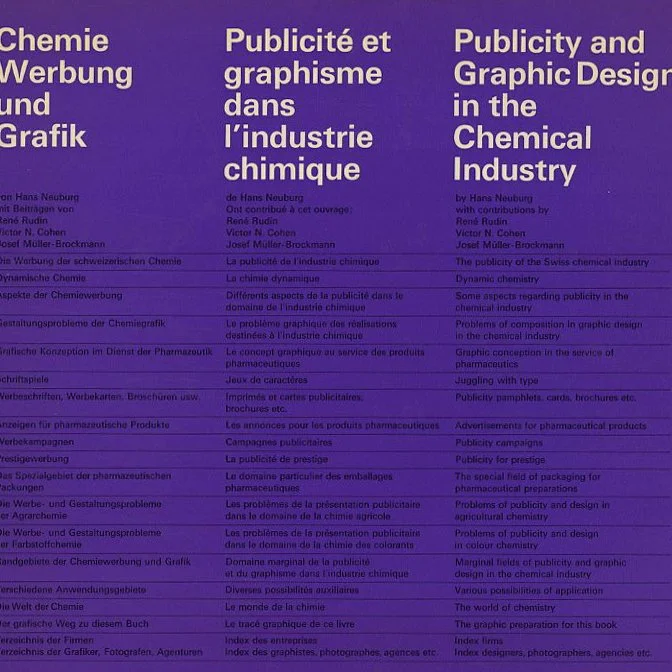 Image 23 of 23