THE PETITT CHAIR
Don Petitt, Herbert Matter [Photographer], Knoll Associates
New York: Knoll Associates, Inc., 1966. Original edition. Slim quarto. Photographically printed stapled wrappers. 16 pp. Nine black and white photographs by Herbert Matter. Original illustrated price list laid in Trivial wear overall, thus a nearly fine copy.
8.5 x 11 saddle-stitched brochure with 16 pages and 9 black and white photographs devoted to Don Petitt’s furniture designs for Knoll Associates. Original illustrated price list laid in. All furniture designs are identified by name, dimensions and specifications. I suspect this information could be useful to some people out there.
Herbert Matter’s original Corporate ID Design is very much apparent, from the stylized Knoll “K”to the fine-arts Sculptural approach to photographing the furniture. Looking at this catalogue, it’s easy to trace the evolution of the Knoll Visual Identiry from Matter’s European Avant-Garde origins to Massimo Vignelli’s European Modernist neutering.
Don Petitt (1925-2003) studied at the Institute of Design and worked in the office of George Nelson before joining the Knoll design development group in 1952. For his first two years, he worked with Harry Bertoia developing welding fixtures for his metal furniture collection. After assisting Eero Saarinen for three years, Petitt spent his time researching laminated and bent wood processes. In 1965, the 1105 chair was introduced. During his time with Knoll, he also maintained his own New York-based freelance design office.
Herbert Matter (1907 -1984) was born in Engelberg, a Swiss mountain village, where exposure to the treasure of one of the two finest medieval graphic art collections in Europe was unavoidable. In 1925, he attended the Ecole des Beaux-Arts in Genf, but after two years, the allure of modernism beckoned him to Paris. There, the artist attended the Academie Moderne under the tutelage of Fernand Leger and Amédée Ozenfant.
In Europe during the late Twenties and early Thirties, a new language was born -- a combination of journalism, manipulated photography and the rebellion of the confines of the typesetters case, all in the service of selling everything from ideas to political and social ideologies.
Inspired by the work of El Lissitzky and Man Ray, Matter began to experiment with his Rollei camera as both a design tool and an expressive form—a relationship that never ended. In 1929, his entry into graphic design was completed when he was hired as a designer/photographer for Deberny and Piegnot. There he learned the nuances of fine typography, while he assisted A. M. Cassandre and Le Corbusier. Matter's Paris years ended in 1932, when he was expelled from France for not having the proper papers. He returned to Swizerland where he created a series of iconic posters for the Swiss Tourist Office.
Matter came to America in 1936. He was offered roundtrip passage to the United States as payment for work with a Swiss ballet troupe. He spoke no English, yet traveled across the United States. When the tour was over, he decided to remain in New York. At the urging of a friend who worked at the Museum of Modern Art, Matter went to see Alexey Brodovitch, who had been collecting the Swiss travel posters (two of which were hanging on Brodovitch's studio wall). Matter soon began taking photographs for Harper's Bazaar and Saks Fifth Avenue. Later, he affiliated himself with a photographic studio, "Studio Associates," located near the Condé Nast offices, where he produced covers and inside spreads for Vogue.
During World War II, Matter produced multiple advertisements for the Container Corporation of America. In 1944, he became the design consultant at Knoll, molding its graphic identity for 12 years. As Alvin Eisenman, head of the Design Department at Yale and long-time friend, points out: "Herbert had a strong feeling for minute details, and this was exemplified by the distinguished typography he did for the Knoll catalogues."
THE PETITT CHAIR
Don Petitt, Herbert Matter [Photographer], Knoll Associates
New York: Knoll Associates, Inc., 1966. Original edition. Slim quarto. Photographically printed stapled wrappers. 16 pp. Nine black and white photographs by Herbert Matter. Original illustrated price list laid in Trivial wear overall, thus a nearly fine copy.
8.5 x 11 saddle-stitched brochure with 16 pages and 9 black and white photographs devoted to Don Petitt’s furniture designs for Knoll Associates. Original illustrated price list laid in. All furniture designs are identified by name, dimensions and specifications. I suspect this information could be useful to some people out there.
Herbert Matter’s original Corporate ID Design is very much apparent, from the stylized Knoll “K”to the fine-arts Sculptural approach to photographing the furniture. Looking at this catalogue, it’s easy to trace the evolution of the Knoll Visual Identiry from Matter’s European Avant-Garde origins to Massimo Vignelli’s European Modernist neutering.
Don Petitt (1925-2003) studied at the Institute of Design and worked in the office of George Nelson before joining the Knoll design development group in 1952. For his first two years, he worked with Harry Bertoia developing welding fixtures for his metal furniture collection. After assisting Eero Saarinen for three years, Petitt spent his time researching laminated and bent wood processes. In 1965, the 1105 chair was introduced. During his time with Knoll, he also maintained his own New York-based freelance design office.
Herbert Matter (1907 -1984) was born in Engelberg, a Swiss mountain village, where exposure to the treasure of one of the two finest medieval graphic art collections in Europe was unavoidable. In 1925, he attended the Ecole des Beaux-Arts in Genf, but after two years, the allure of modernism beckoned him to Paris. There, the artist attended the Academie Moderne under the tutelage of Fernand Leger and Amédée Ozenfant.
In Europe during the late Twenties and early Thirties, a new language was born -- a combination of journalism, manipulated photography and the rebellion of the confines of the typesetters case, all in the service of selling everything from ideas to political and social ideologies.
Inspired by the work of El Lissitzky and Man Ray, Matter began to experiment with his Rollei camera as both a design tool and an expressive form—a relationship that never ended. In 1929, his entry into graphic design was completed when he was hired as a designer/photographer for Deberny and Piegnot. There he learned the nuances of fine typography, while he assisted A. M. Cassandre and Le Corbusier. Matter's Paris years ended in 1932, when he was expelled from France for not having the proper papers. He returned to Swizerland where he created a series of iconic posters for the Swiss Tourist Office.
Matter came to America in 1936. He was offered roundtrip passage to the United States as payment for work with a Swiss ballet troupe. He spoke no English, yet traveled across the United States. When the tour was over, he decided to remain in New York. At the urging of a friend who worked at the Museum of Modern Art, Matter went to see Alexey Brodovitch, who had been collecting the Swiss travel posters (two of which were hanging on Brodovitch's studio wall). Matter soon began taking photographs for Harper's Bazaar and Saks Fifth Avenue. Later, he affiliated himself with a photographic studio, "Studio Associates," located near the Condé Nast offices, where he produced covers and inside spreads for Vogue.
During World War II, Matter produced multiple advertisements for the Container Corporation of America. In 1944, he became the design consultant at Knoll, molding its graphic identity for 12 years. As Alvin Eisenman, head of the Design Department at Yale and long-time friend, points out: "Herbert had a strong feeling for minute details, and this was exemplified by the distinguished typography he did for the Knoll catalogues."

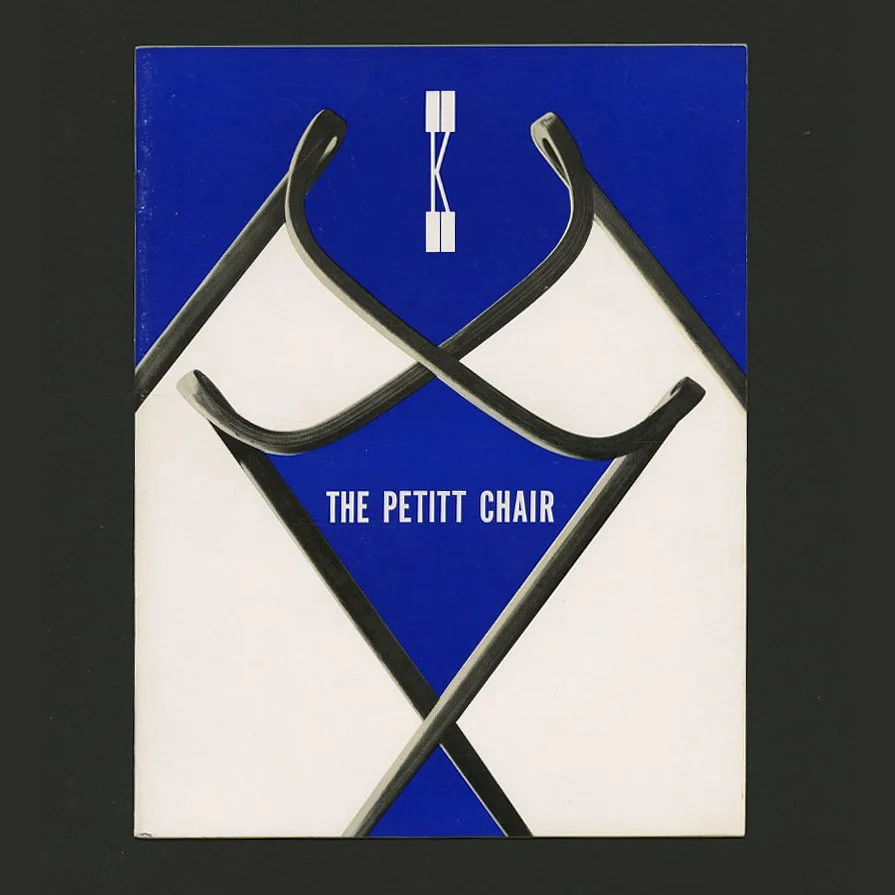 Image 1 of 10
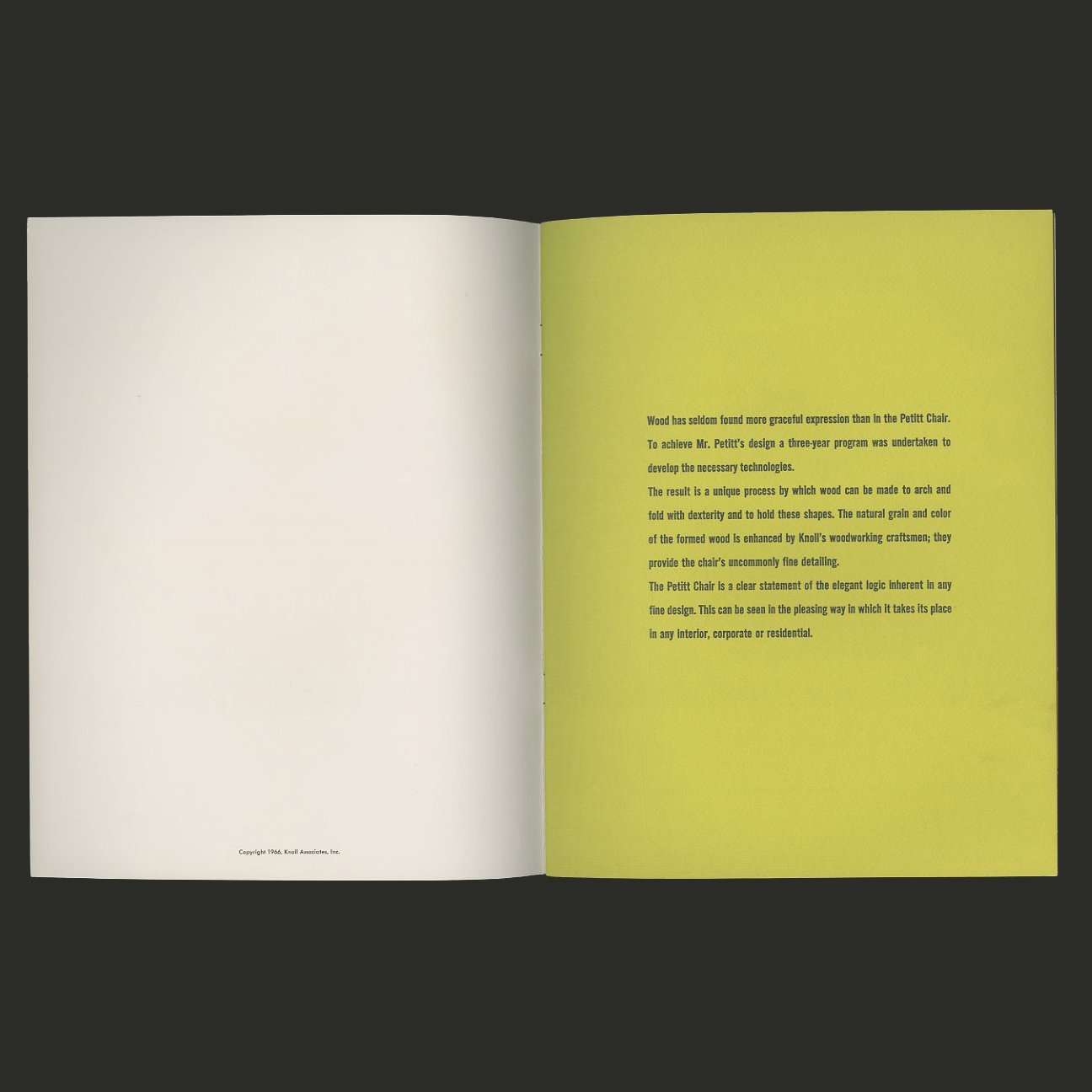 Image 2 of 10
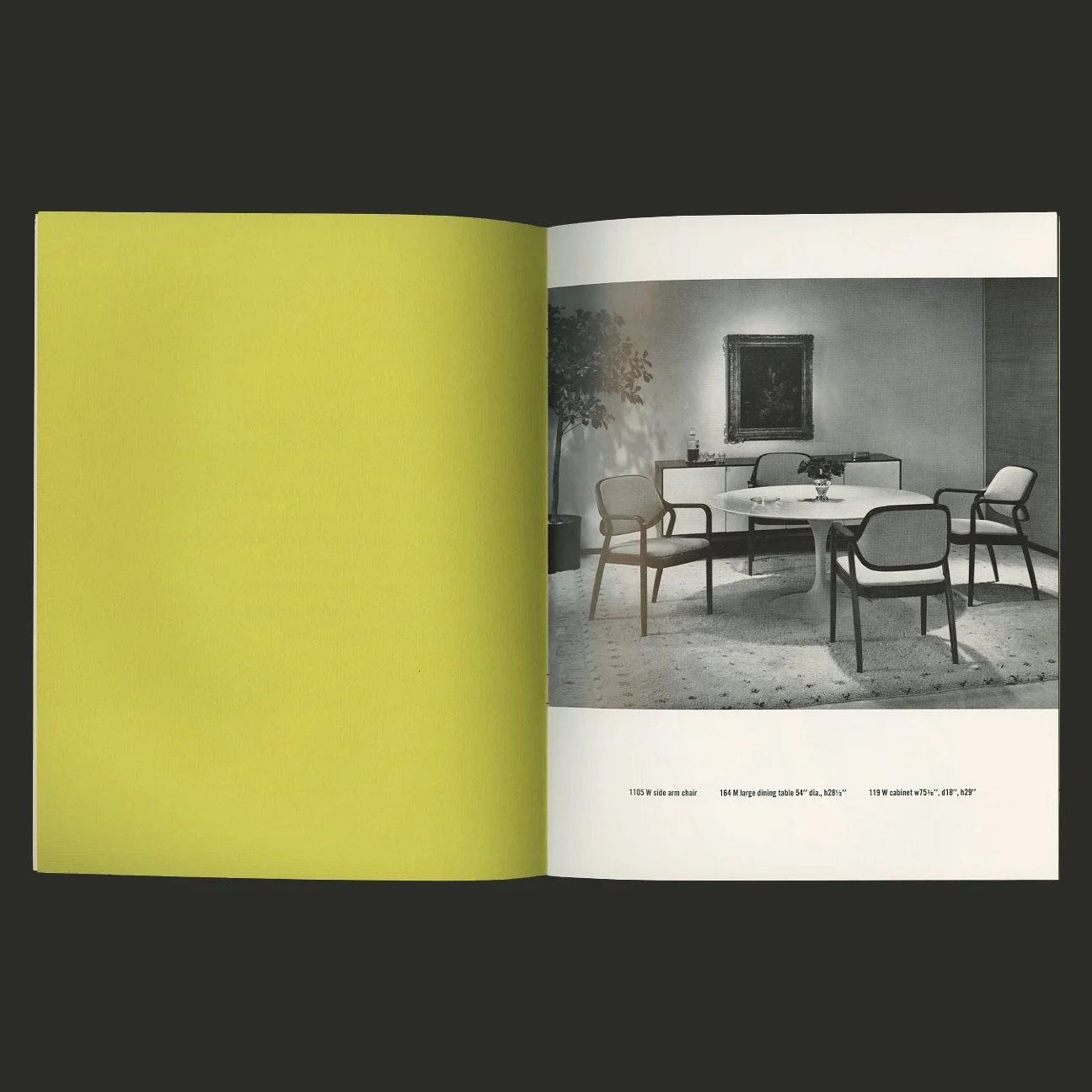 Image 3 of 10
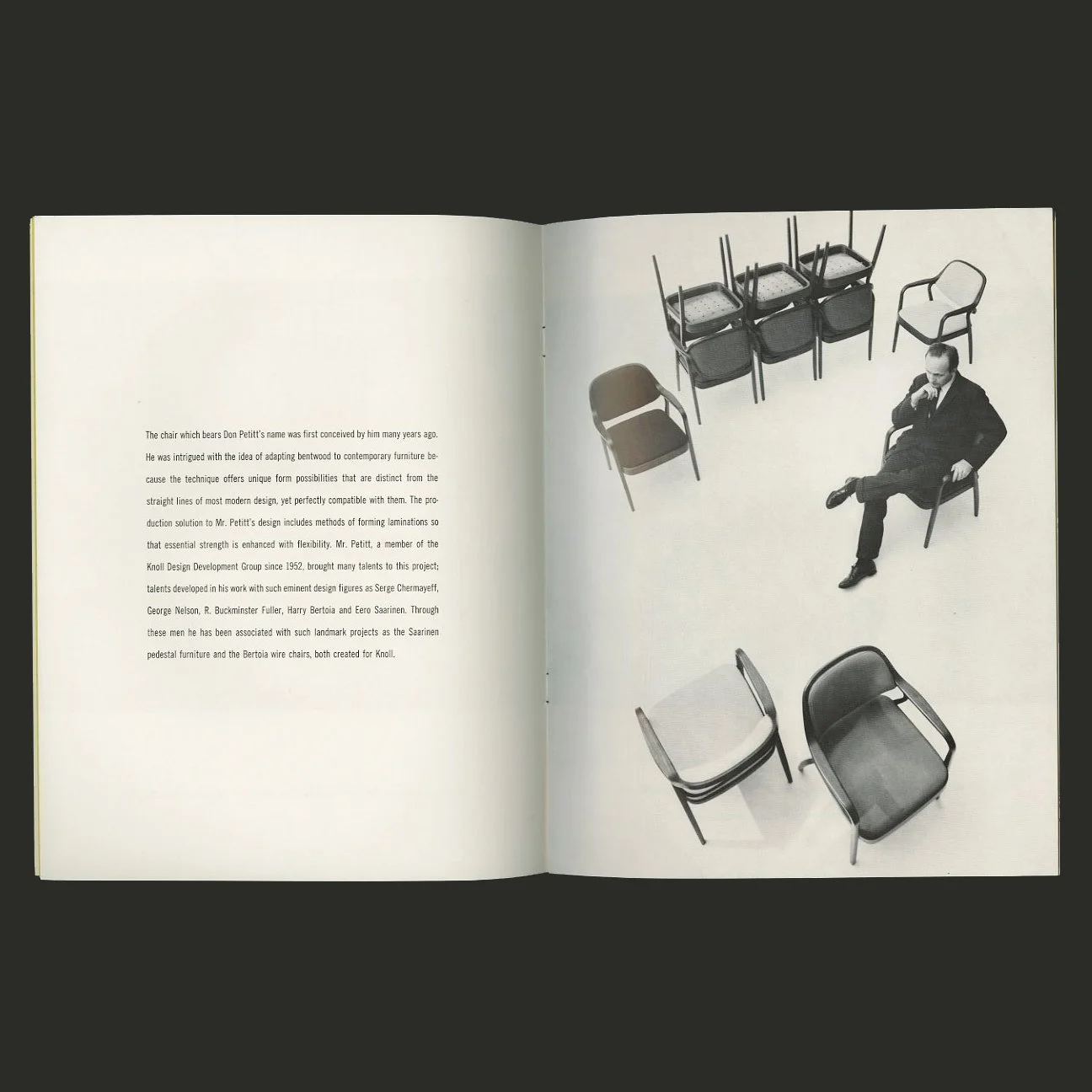 Image 4 of 10
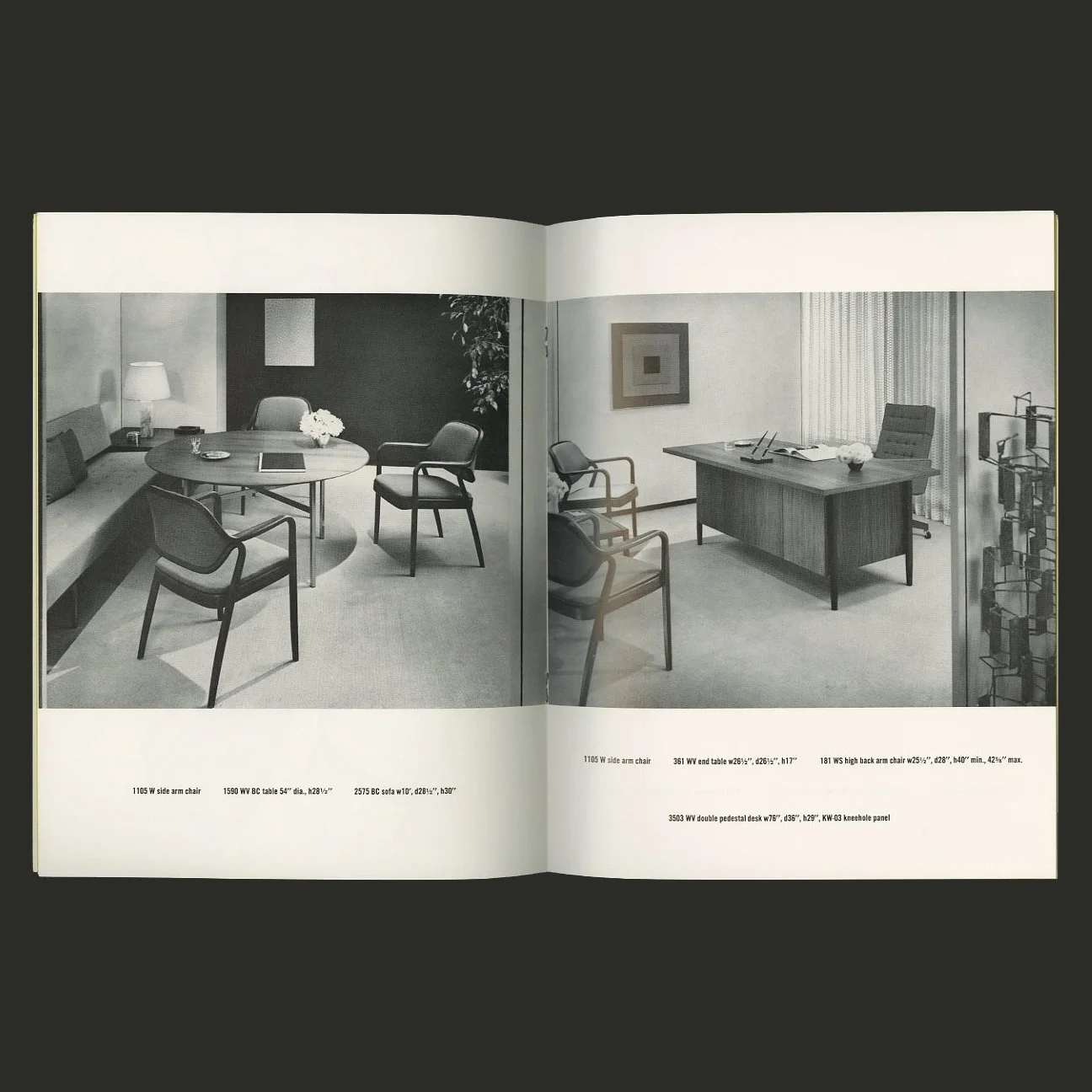 Image 5 of 10
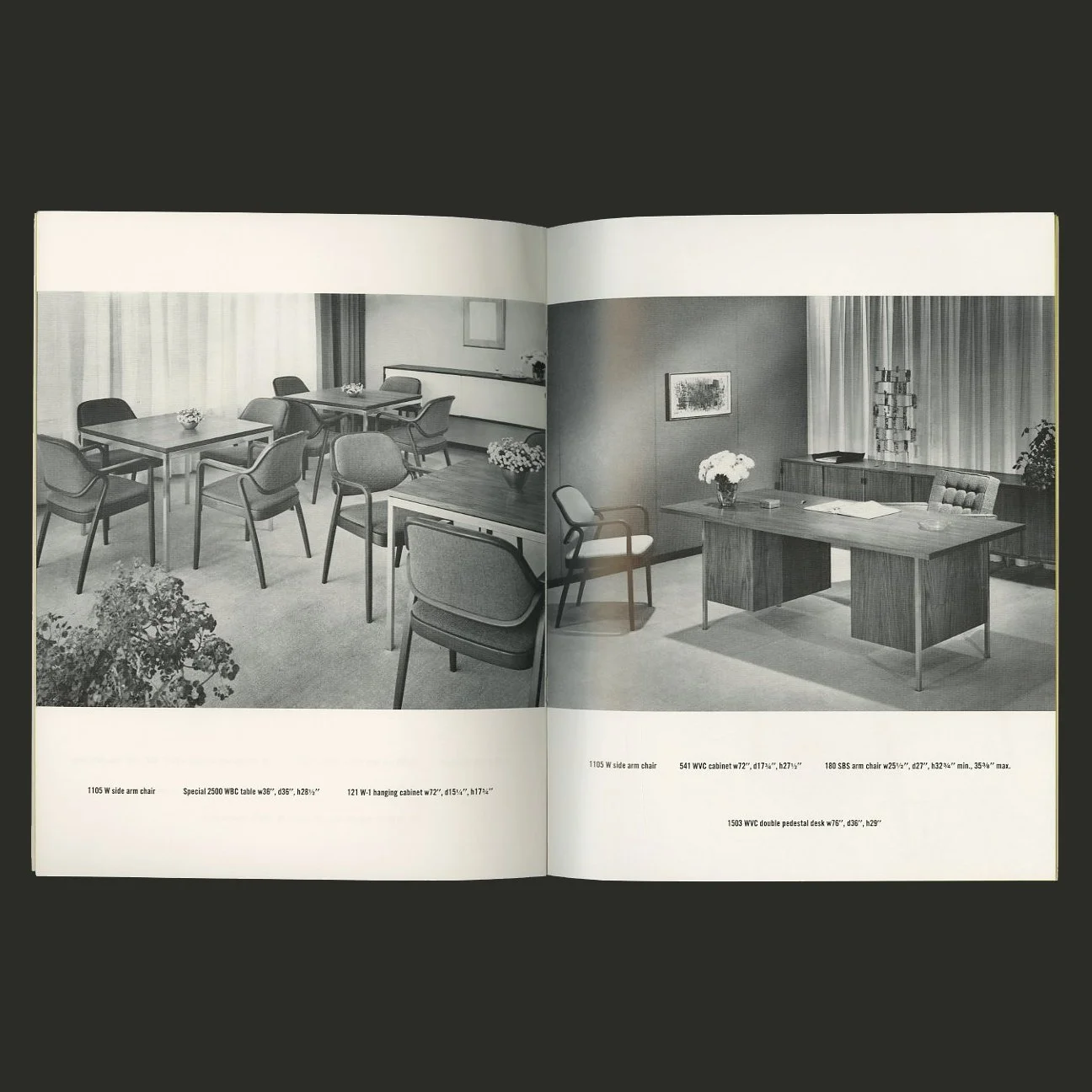 Image 6 of 10
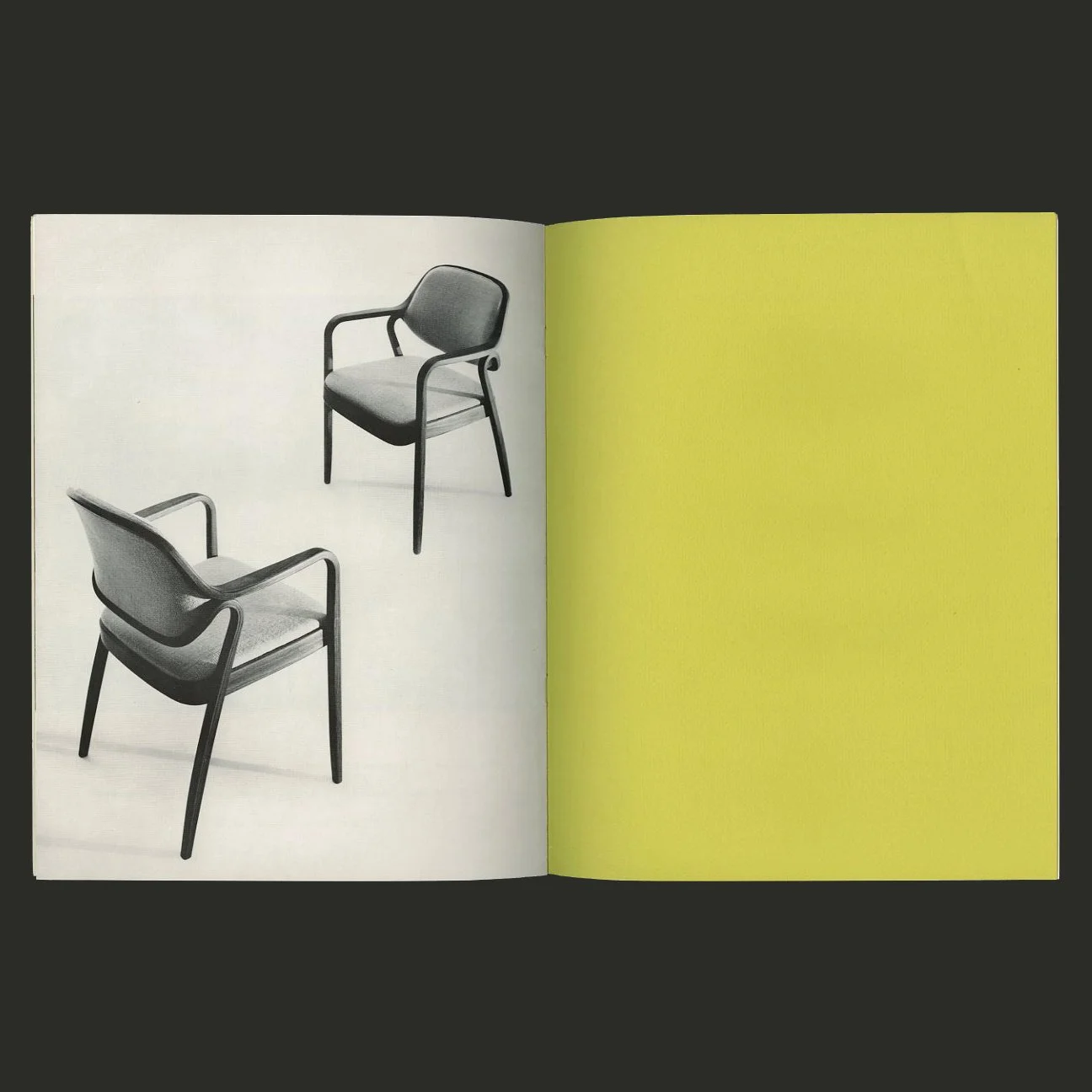 Image 7 of 10
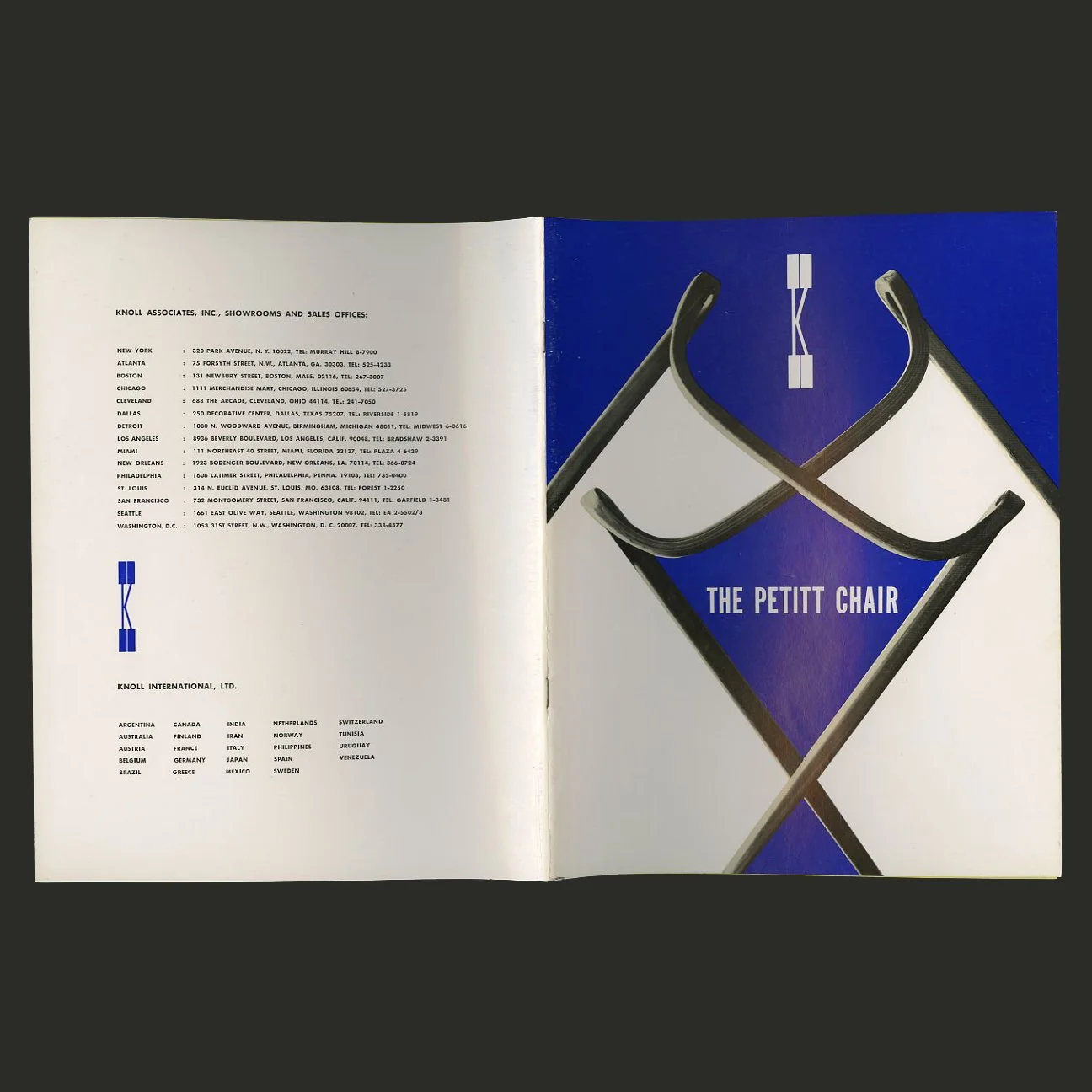 Image 8 of 10
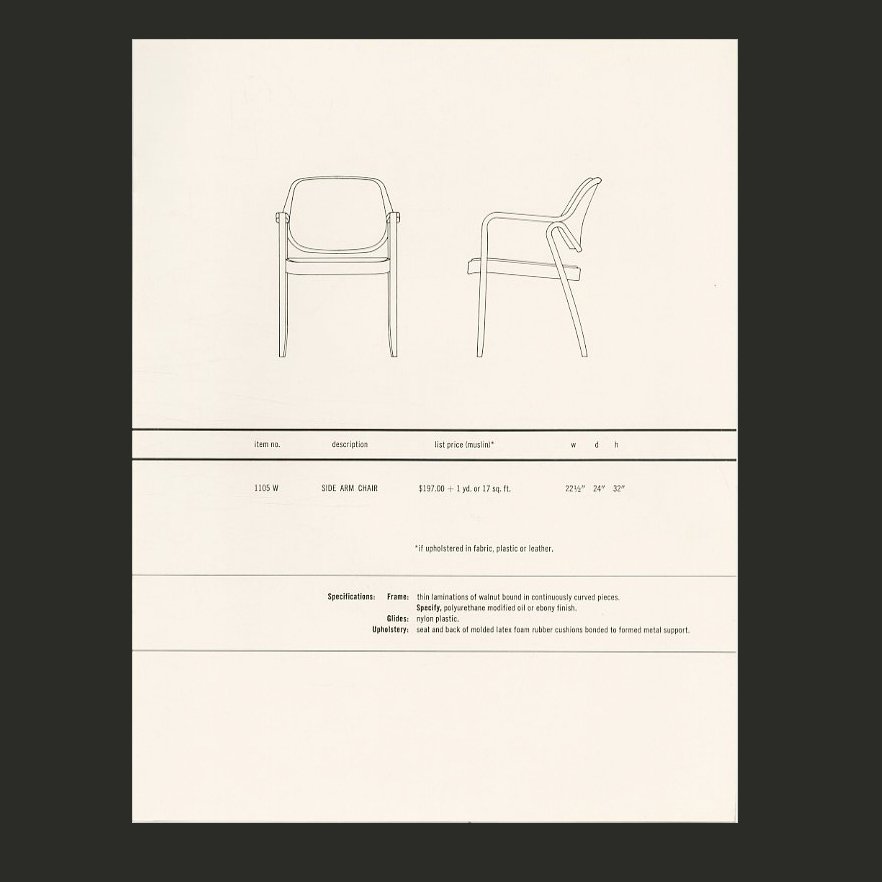 Image 9 of 10
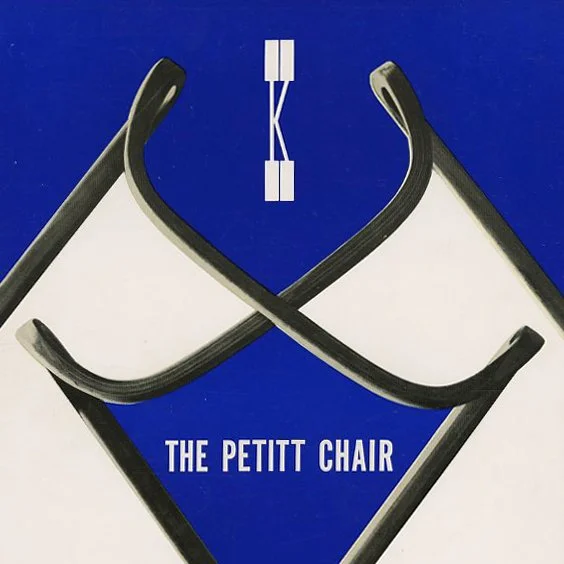 Image 10 of 10