FIFTY YEARS OF DANISH SILVER IN THE GEORG JENSEN TRADITION
Edgar Kaufmann Jr. [introduction], Keld Helmer-Petersen [Photographer], Finn Juhl [Designer]
Copenhagen: Dyva & Jepersens Bogyrykkeri A/S [for the Museum of Modern Art, 1954]. First edition. Square quarto. Photo illustrated sewn and perfect bound wrappers. 72 pp. Fully illustrated with examples of Georg Jensen silver photographed by Keld Helmer-Petersen and Erik Hansen. Book design by Finn Juhl. Upper corner bruised with some creasing to interior pages. Spine heel faintly stained, but a very good copy of this elegant catlaog.
7.85 - 7.85-inch catalog with 72 pages of introductory essays and beautiful photography of Georg Jensen silver designs. Editor Edgar Kaufmann, Jr. contributed the introduction, with additional essays by Erik Lassen, and Chr. Ditlev Reventlow. Photography by Keld Helmer-Petersen and Erik Hansen illustrates how the company transitioned from organic Art Nouveau designs to streamlined, modern Scandinavian forms, with sensitive layout and design by Finn Juhl.
The primary designers whose works define the 50-year retrospective include: Georg Jensen (1866–1935): The founder, whose sculptural backgrounds and romance with nature established the signature look: hand-hammered surfaces, organic ornamentation, blossoms, and heavy grape motifs.
Johan Rohde (1856–1935): A painter and architect whose cautious, methodical discipline perfectly balanced Jensen's spontaneous style. Rohde designed the world-famous "Acorn" flatware pattern (1915) and contributed structured, minimalist hollowware that anticipated modernism.
Harald Nielsen (1892–1977): Jensen’s brother-in-law who started as an apprentice and rose to become chief designer after Jensen's death. He steered the company away from elaborate flora toward austere, geometric lines, most famously captured in his "Pyramid" flatware pattern (1926) and the "Old Danish" pattern.
Gundorph Albertus (1887–1970): A sculptor who infused a stylized, architectural feel into the catalog, renowned for designing the structural "Cactus" pattern in 1930.
Sigvard Bernadotte (1907–2002): A Swedish prince whose collaboration injected a sharp, avant-garde Swedish functionalism. His pieces in the book are celebrated for their tight fluting and perfect cylindrical symmetry.
Henning Koppel (1918–1981): Representing the final, most modern chapter captured in the 1954 collection. Koppel completely threw out past conventions to craft smooth, abstract, biomorphic hollowware—resembling liquid metal sculptures rather than traditional tableware.
The 1954 publication dates dates this catalog to the same year as the landmark Design in Scandinavia exhibition organized by the four Scandinavian countries, Denmark, Sweden, Norway and Finland; this monumental exhibition proved to be the most important marketing effort ever for Scandinavian design. From 1954 to 1963 Design in Scandinavia toured the United States and Canada. The exhibition was presented in 27 cities, and it was a huge success, initiated by The Danish Society of Arts and Crafts and its sister organizations in the other participating countries.
Based on the success the four countries established what they called the Scandinavian Design Cavalcade, which had a lot of US press coverage as well. In that connection the July 1963 issue of House Beautiful was centered around The Scandinavian Look in U.S. Homes, and it was Denmark and Danish Design in particular that the magazine focussed on. Besides the editorial pages, the numerous ads illustrates that Danish modern furniture was increasingly gaining a stronghold among certain groups of American consumers.
Importers and retail chains like John Stuart Inc., George Tanier, Raymor and Dunbar etc. now sold Danish modern furniture in the US, and by now it was not only hand crafted furniture from the Copenhagen Cabinetmakers’ Guild Exhibitions but also pieces from industrial furniture producers like Fritz Hansen, Søborg Møbelfabrik, Fredericia Furniture and many others. From the end of the 1950s Danish Department stores and other retailers produced comprehensive brochures and booklets in English with prices in US Dollars presenting Danish Design to American and other tourists.
Without exception, these stores all presented the narrative of Danish modern. “Denmark is known all over the world for its exquisite home furnishing, which are characterized by their outstanding design and superb craftsmanship” the department store Magasin claimed in its brochure “Danish Design.”
Edgar Kaufmann Jr. [1910–1989] studied painting and typography in Europe before serving as an apprentice architect at Frank Lloyd Wright’s Taliesin Foundation from 1933 to 1934. The Kaufmanns of Pittsburgh commissioned two of the iconic American residences of the 20th-century, Wright’s Fallingwater in 1936 and then Richard Neutra’s Palm Springs Desert House in 1946. Edgar Jr. joined the Museum of Modern Art in 1946 as director of the Industrial Design Department, a position he held until 1955. While at MoMA, he initiated the Good Design program [1950 - 1955] and was a strong proponent of uniform industrial design education standards.
FIFTY YEARS OF DANISH SILVER IN THE GEORG JENSEN TRADITION
Edgar Kaufmann Jr. [introduction], Keld Helmer-Petersen [Photographer], Finn Juhl [Designer]
Copenhagen: Dyva & Jepersens Bogyrykkeri A/S [for the Museum of Modern Art, 1954]. First edition. Square quarto. Photo illustrated sewn and perfect bound wrappers. 72 pp. Fully illustrated with examples of Georg Jensen silver photographed by Keld Helmer-Petersen and Erik Hansen. Book design by Finn Juhl. Upper corner bruised with some creasing to interior pages. Spine heel faintly stained, but a very good copy of this elegant catlaog.
7.85 - 7.85-inch catalog with 72 pages of introductory essays and beautiful photography of Georg Jensen silver designs. Editor Edgar Kaufmann, Jr. contributed the introduction, with additional essays by Erik Lassen, and Chr. Ditlev Reventlow. Photography by Keld Helmer-Petersen and Erik Hansen illustrates how the company transitioned from organic Art Nouveau designs to streamlined, modern Scandinavian forms, with sensitive layout and design by Finn Juhl.
The primary designers whose works define the 50-year retrospective include: Georg Jensen (1866–1935): The founder, whose sculptural backgrounds and romance with nature established the signature look: hand-hammered surfaces, organic ornamentation, blossoms, and heavy grape motifs.
Johan Rohde (1856–1935): A painter and architect whose cautious, methodical discipline perfectly balanced Jensen's spontaneous style. Rohde designed the world-famous "Acorn" flatware pattern (1915) and contributed structured, minimalist hollowware that anticipated modernism.
Harald Nielsen (1892–1977): Jensen’s brother-in-law who started as an apprentice and rose to become chief designer after Jensen's death. He steered the company away from elaborate flora toward austere, geometric lines, most famously captured in his "Pyramid" flatware pattern (1926) and the "Old Danish" pattern.
Gundorph Albertus (1887–1970): A sculptor who infused a stylized, architectural feel into the catalog, renowned for designing the structural "Cactus" pattern in 1930.
Sigvard Bernadotte (1907–2002): A Swedish prince whose collaboration injected a sharp, avant-garde Swedish functionalism. His pieces in the book are celebrated for their tight fluting and perfect cylindrical symmetry.
Henning Koppel (1918–1981): Representing the final, most modern chapter captured in the 1954 collection. Koppel completely threw out past conventions to craft smooth, abstract, biomorphic hollowware—resembling liquid metal sculptures rather than traditional tableware.
The 1954 publication dates dates this catalog to the same year as the landmark Design in Scandinavia exhibition organized by the four Scandinavian countries, Denmark, Sweden, Norway and Finland; this monumental exhibition proved to be the most important marketing effort ever for Scandinavian design. From 1954 to 1963 Design in Scandinavia toured the United States and Canada. The exhibition was presented in 27 cities, and it was a huge success, initiated by The Danish Society of Arts and Crafts and its sister organizations in the other participating countries.
Based on the success the four countries established what they called the Scandinavian Design Cavalcade, which had a lot of US press coverage as well. In that connection the July 1963 issue of House Beautiful was centered around The Scandinavian Look in U.S. Homes, and it was Denmark and Danish Design in particular that the magazine focussed on. Besides the editorial pages, the numerous ads illustrates that Danish modern furniture was increasingly gaining a stronghold among certain groups of American consumers.
Importers and retail chains like John Stuart Inc., George Tanier, Raymor and Dunbar etc. now sold Danish modern furniture in the US, and by now it was not only hand crafted furniture from the Copenhagen Cabinetmakers’ Guild Exhibitions but also pieces from industrial furniture producers like Fritz Hansen, Søborg Møbelfabrik, Fredericia Furniture and many others. From the end of the 1950s Danish Department stores and other retailers produced comprehensive brochures and booklets in English with prices in US Dollars presenting Danish Design to American and other tourists.
Without exception, these stores all presented the narrative of Danish modern. “Denmark is known all over the world for its exquisite home furnishing, which are characterized by their outstanding design and superb craftsmanship” the department store Magasin claimed in its brochure “Danish Design.”
Edgar Kaufmann Jr. [1910–1989] studied painting and typography in Europe before serving as an apprentice architect at Frank Lloyd Wright’s Taliesin Foundation from 1933 to 1934. The Kaufmanns of Pittsburgh commissioned two of the iconic American residences of the 20th-century, Wright’s Fallingwater in 1936 and then Richard Neutra’s Palm Springs Desert House in 1946. Edgar Jr. joined the Museum of Modern Art in 1946 as director of the Industrial Design Department, a position he held until 1955. While at MoMA, he initiated the Good Design program [1950 - 1955] and was a strong proponent of uniform industrial design education standards.

 Image 1 of 6
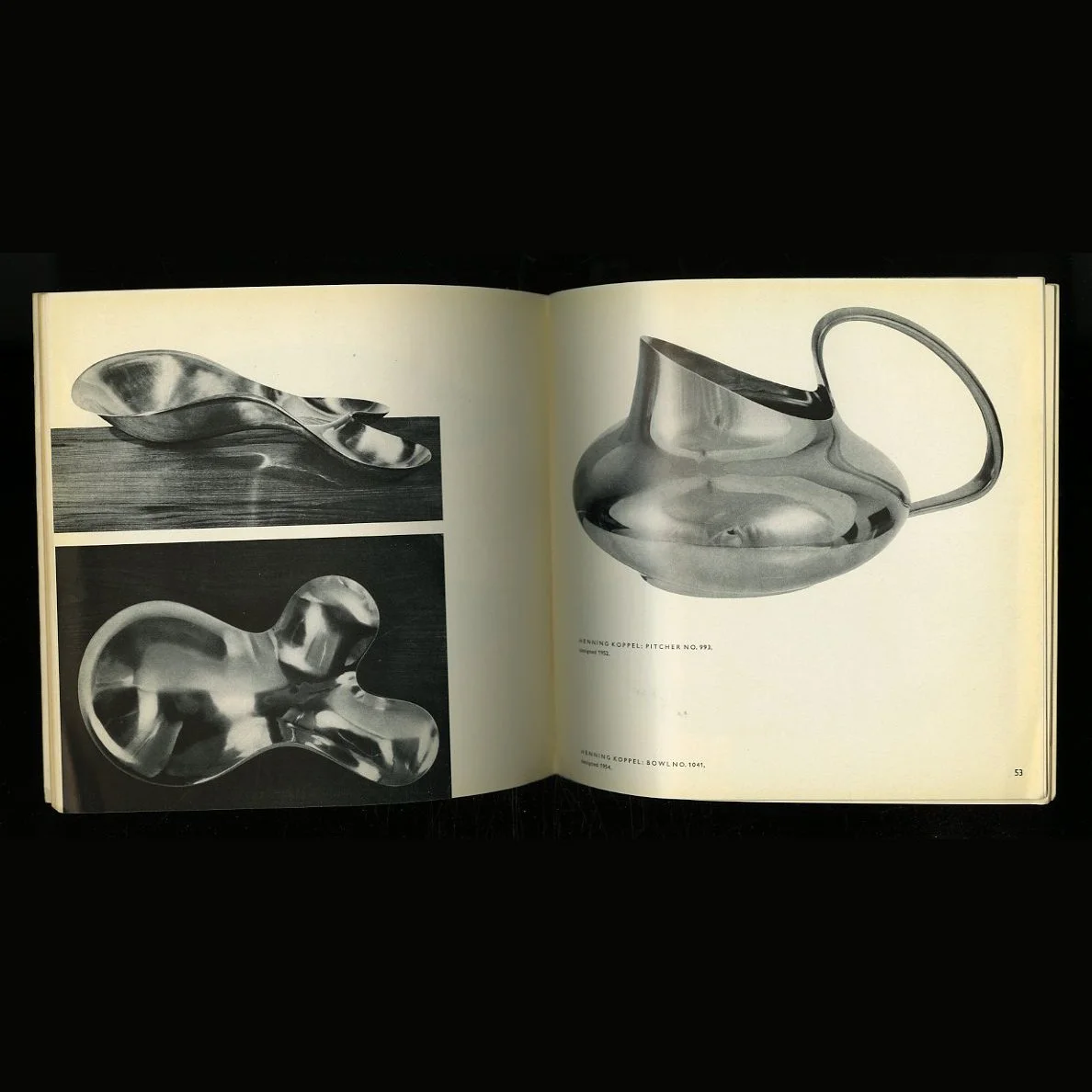 Image 2 of 6
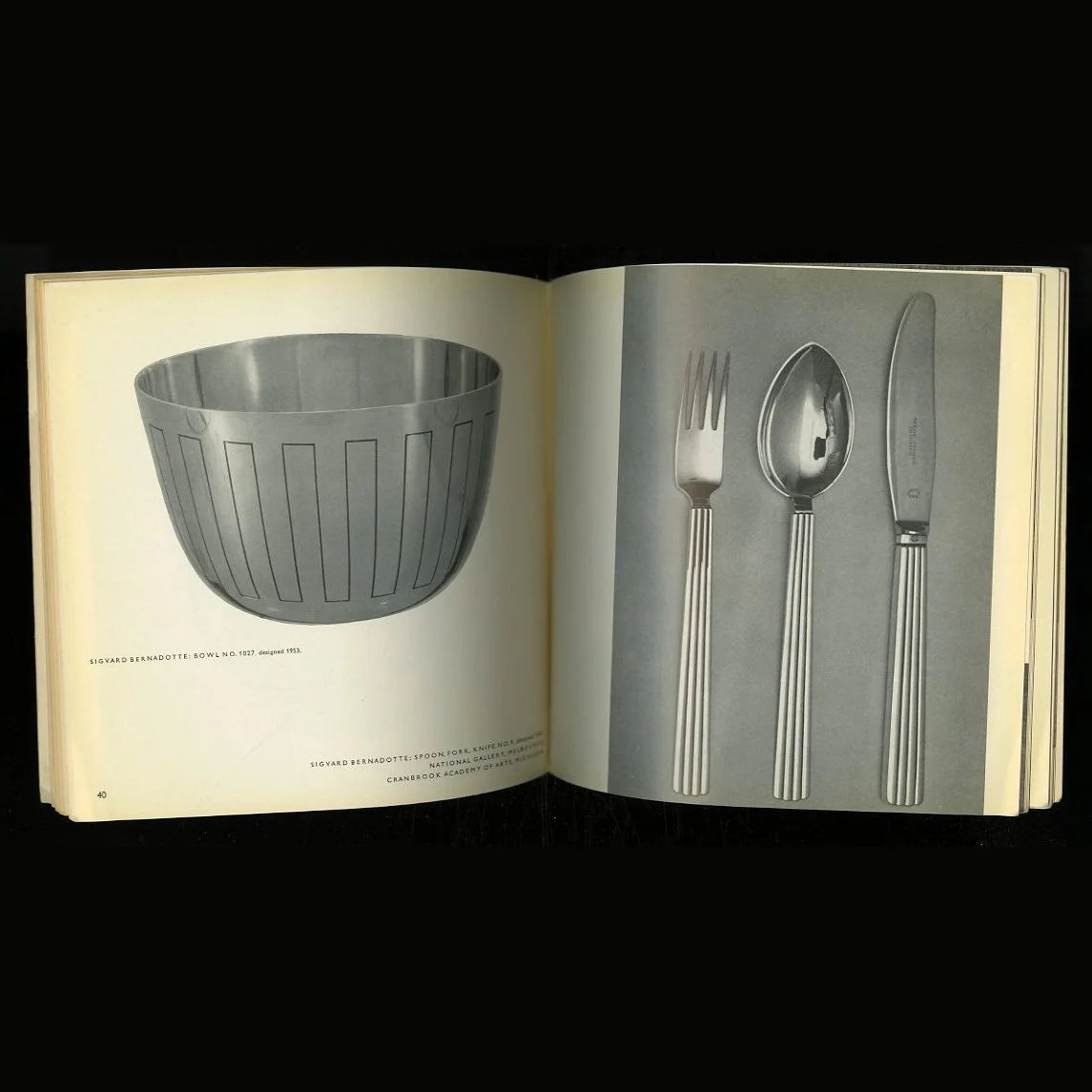 Image 3 of 6
 Image 4 of 6
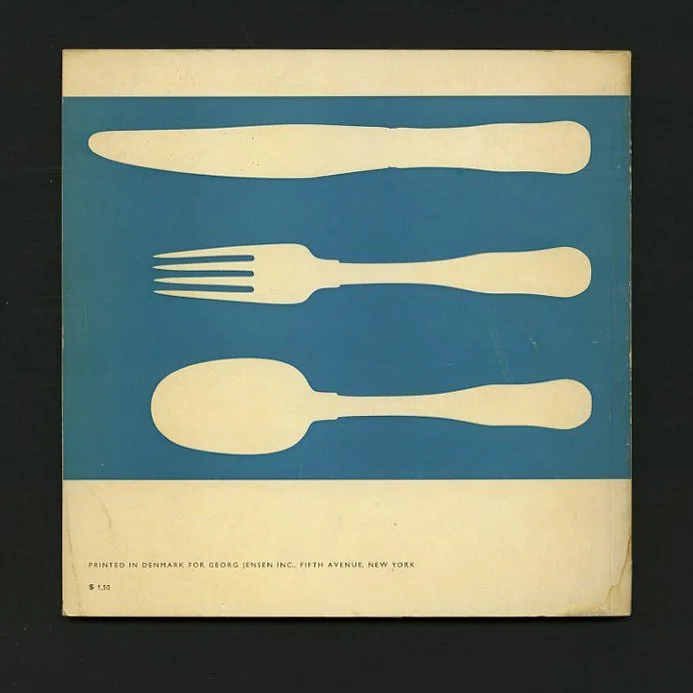 Image 5 of 6
 Image 6 of 6