POSTERS BY E. MCKNIGHT KAUFFER
E. [Edward] McKnight Kauffer, Aldous Huxley [Foreword]
E. [Edward] McKnight Kauffer, Aldous Huxley [Foreword]: POSTERS BY E. MCKNIGHT KAUFFER. New York: Museum of Modern Art, February 1937. First Edition [2,750 copies printed by the Spiral Press]. Octavo. Screen-printed stapled, stiff wrappers. 28 pp. Plates. Original silkscreen cover design by E. McKnight Kauffer. Unobtrusive former owners’ dated initials to front free endpaper. Trivial rubbing to spine, otherwise a nearly fine, fresh copy.
7.5 x 10 softcover catalog with 28 pages and 12 black and white illustrations of posters designed by E. McKnight Kauffer for the London Underground, Great Western Railways, Shell, and other English clients. Foreword by Aldous Huxley. Brief Biography and Note on Technique by E. McKnight Kauffer. Printed by the Spiral Press!
Here is the 1937 press release issued by MoMA to announce the show:
The Museum of Modern Art, 11 West 53 Street, announces that an Exhibition of Modern English Architecture and an Exhibition of Posters by E. McKnight Kauffer will open to the public Wednesday,
February 10. Both exhibitions have been directed by Miss Ernestine M. Fantl, Curator of the Museum's Department of Architecture and Industrial Art. In addition, two galleries of the Museum will be devoted to recent acquisitions: one will contain abstract works given to the Museum by its Advisory Committee; the other, miscellaneous from various donors gifts/. The acquisitions and the two exhibitions will remain on view through Sunday, March 7.
E. McKnight Kauffer is represented by 85 of his commercial posters in the exhibition. These range from a poster done in 1917 for a large department store, Perry and Toms, to a poster done in 1936 for the London Transport, Special Areas Exhibition, and includes posters for department stores, railways, museums, oil companies, airplanes, telephones, etc. Edward McKnight Kauffer is an American artist who has had his greatest success in England. He now lives and works in London.
He was born in Great Falls, Montana, in December 1890, His childhood was spent in Evansville, Indiana, where he went to a public school only as far as the 8th grade. After that he joined a travelling theatre company as assistant scene painter and at 17 went to California with the late Frank Bacon and worked on a ranch. Later he worked in Paul Elder's bookshop in San Francisco and went to night school in that city. In 1912 he was sent abroad for 18 months. On the way he stopped for six months at the Chicago Art Institute. From there he went to Munich for a few months and then to Paris where he worked in museums and sketch classes.
At the outbreak of the war he went to England, tried to enlist but was refused on account of his non-citizenship. In London his work as a painter was enthusiastically received. He did commercial posters on the side but continued also as a painter until 1921 when he turned his entire attention to poster work in advertising. Mr. Kauffer is a member of the Council for Art in Industry and a member of the Advisory Council for the Victoria and Albert Museum.
Aldous Huxley has written the foreword of the catalog for the Exhibition of Posters by E. McKnight Kauffer. In his foreword Mr. Huxley says: "Most advertising artists spend their time elaborating symbols that stand for something different from the commodity they are advertising. Soap and refrigerators, scent and automobiles, stockings, holiday resorts, sanitary plumbing and a thousand other articles are advertised by means of representations of young females disporting themselves in opulent surroundings. Sex and money—these would seem to be the two main interests of civilised human beings. That is why even aperients and engineering jobs have to be advertised in terms of some symbol of wealth or eroticism. McKnight Kauffer is also a symbolist; but the symbols with which he deals are not symbols of something else; they stand for the particular things which are at the moment under consideration. Thus, forms symbolical of mechanical power are used to advertise powerful machines; forms symbolical of space, loneliness and distance to advertise a holiday resort where prospects are wide and houses few. And so on.
“In this matter McKnight Kauffer reveals his affinity with all artists who have ever aimed at expressiveness through simplification, distortion and transposition, and especially with the Post-Impressionists and Cubists. The aim is the same: to render the facts of nature in such a way that the rendering shall be, not a copy, but a simplified, formalized and mere expressive symbol of the things represented.
The aim is common to many of the most interesting and significant of contemporary artists. It is McKnight Kauffer's distinction that he was among the first, as he still remains among the best, of the interesting and significant contemporary artists to apply these principles to the design of advertisements.”
E. [Edward] McKnight Kauffer (Montana, 1890 – New York, 1954) was first exposed to modern European Art at the Armory Show (1913) in Chicago. Afterwards he was sponsored by University of Utah Professor McKnight to study painting in Paris. Kauffer took McKnight’s name out of gratitude. He travelled to England in 1914 and remained there until 1940. He made his name as a poster artist with commissions for the London Underground, where publicity manager Frank Pick distributed Kauffer’s designs. Inspired by contemporary artistic movements — Futurism, Cubism, Art Deco and Surrealism — Kauffer created hundreds of posters for the London Underground, Shell, British Petroleum and Eastman and Sons.
POSTERS BY E. MCKNIGHT KAUFFER
E. [Edward] McKnight Kauffer, Aldous Huxley [Foreword]
E. [Edward] McKnight Kauffer, Aldous Huxley [Foreword]: POSTERS BY E. MCKNIGHT KAUFFER. New York: Museum of Modern Art, February 1937. First Edition [2,750 copies printed by the Spiral Press]. Octavo. Screen-printed stapled, stiff wrappers. 28 pp. Plates. Original silkscreen cover design by E. McKnight Kauffer. Unobtrusive former owners’ dated initials to front free endpaper. Trivial rubbing to spine, otherwise a nearly fine, fresh copy.
7.5 x 10 softcover catalog with 28 pages and 12 black and white illustrations of posters designed by E. McKnight Kauffer for the London Underground, Great Western Railways, Shell, and other English clients. Foreword by Aldous Huxley. Brief Biography and Note on Technique by E. McKnight Kauffer. Printed by the Spiral Press!
Here is the 1937 press release issued by MoMA to announce the show:
The Museum of Modern Art, 11 West 53 Street, announces that an Exhibition of Modern English Architecture and an Exhibition of Posters by E. McKnight Kauffer will open to the public Wednesday,
February 10. Both exhibitions have been directed by Miss Ernestine M. Fantl, Curator of the Museum's Department of Architecture and Industrial Art. In addition, two galleries of the Museum will be devoted to recent acquisitions: one will contain abstract works given to the Museum by its Advisory Committee; the other, miscellaneous from various donors gifts/. The acquisitions and the two exhibitions will remain on view through Sunday, March 7.
E. McKnight Kauffer is represented by 85 of his commercial posters in the exhibition. These range from a poster done in 1917 for a large department store, Perry and Toms, to a poster done in 1936 for the London Transport, Special Areas Exhibition, and includes posters for department stores, railways, museums, oil companies, airplanes, telephones, etc. Edward McKnight Kauffer is an American artist who has had his greatest success in England. He now lives and works in London.
He was born in Great Falls, Montana, in December 1890, His childhood was spent in Evansville, Indiana, where he went to a public school only as far as the 8th grade. After that he joined a travelling theatre company as assistant scene painter and at 17 went to California with the late Frank Bacon and worked on a ranch. Later he worked in Paul Elder's bookshop in San Francisco and went to night school in that city. In 1912 he was sent abroad for 18 months. On the way he stopped for six months at the Chicago Art Institute. From there he went to Munich for a few months and then to Paris where he worked in museums and sketch classes.
At the outbreak of the war he went to England, tried to enlist but was refused on account of his non-citizenship. In London his work as a painter was enthusiastically received. He did commercial posters on the side but continued also as a painter until 1921 when he turned his entire attention to poster work in advertising. Mr. Kauffer is a member of the Council for Art in Industry and a member of the Advisory Council for the Victoria and Albert Museum.
Aldous Huxley has written the foreword of the catalog for the Exhibition of Posters by E. McKnight Kauffer. In his foreword Mr. Huxley says: "Most advertising artists spend their time elaborating symbols that stand for something different from the commodity they are advertising. Soap and refrigerators, scent and automobiles, stockings, holiday resorts, sanitary plumbing and a thousand other articles are advertised by means of representations of young females disporting themselves in opulent surroundings. Sex and money—these would seem to be the two main interests of civilised human beings. That is why even aperients and engineering jobs have to be advertised in terms of some symbol of wealth or eroticism. McKnight Kauffer is also a symbolist; but the symbols with which he deals are not symbols of something else; they stand for the particular things which are at the moment under consideration. Thus, forms symbolical of mechanical power are used to advertise powerful machines; forms symbolical of space, loneliness and distance to advertise a holiday resort where prospects are wide and houses few. And so on.
“In this matter McKnight Kauffer reveals his affinity with all artists who have ever aimed at expressiveness through simplification, distortion and transposition, and especially with the Post-Impressionists and Cubists. The aim is the same: to render the facts of nature in such a way that the rendering shall be, not a copy, but a simplified, formalized and mere expressive symbol of the things represented.
The aim is common to many of the most interesting and significant of contemporary artists. It is McKnight Kauffer's distinction that he was among the first, as he still remains among the best, of the interesting and significant contemporary artists to apply these principles to the design of advertisements.”
E. [Edward] McKnight Kauffer (Montana, 1890 – New York, 1954) was first exposed to modern European Art at the Armory Show (1913) in Chicago. Afterwards he was sponsored by University of Utah Professor McKnight to study painting in Paris. Kauffer took McKnight’s name out of gratitude. He travelled to England in 1914 and remained there until 1940. He made his name as a poster artist with commissions for the London Underground, where publicity manager Frank Pick distributed Kauffer’s designs. Inspired by contemporary artistic movements — Futurism, Cubism, Art Deco and Surrealism — Kauffer created hundreds of posters for the London Underground, Shell, British Petroleum and Eastman and Sons.

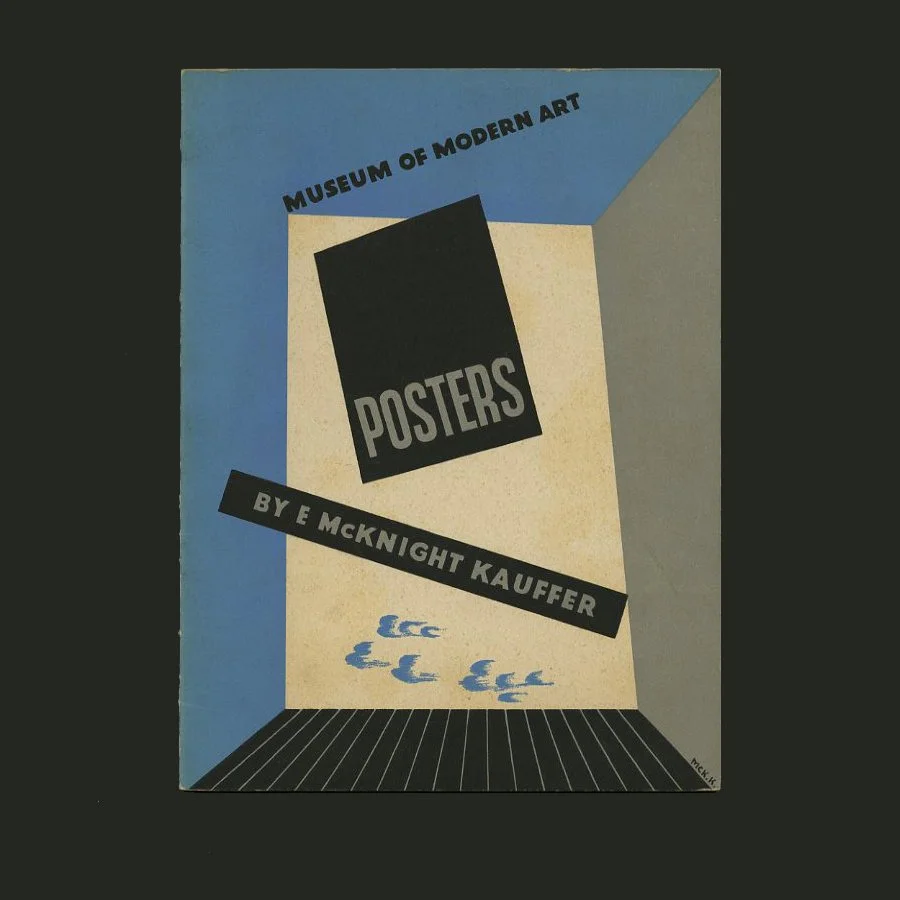 Image 1 of 7
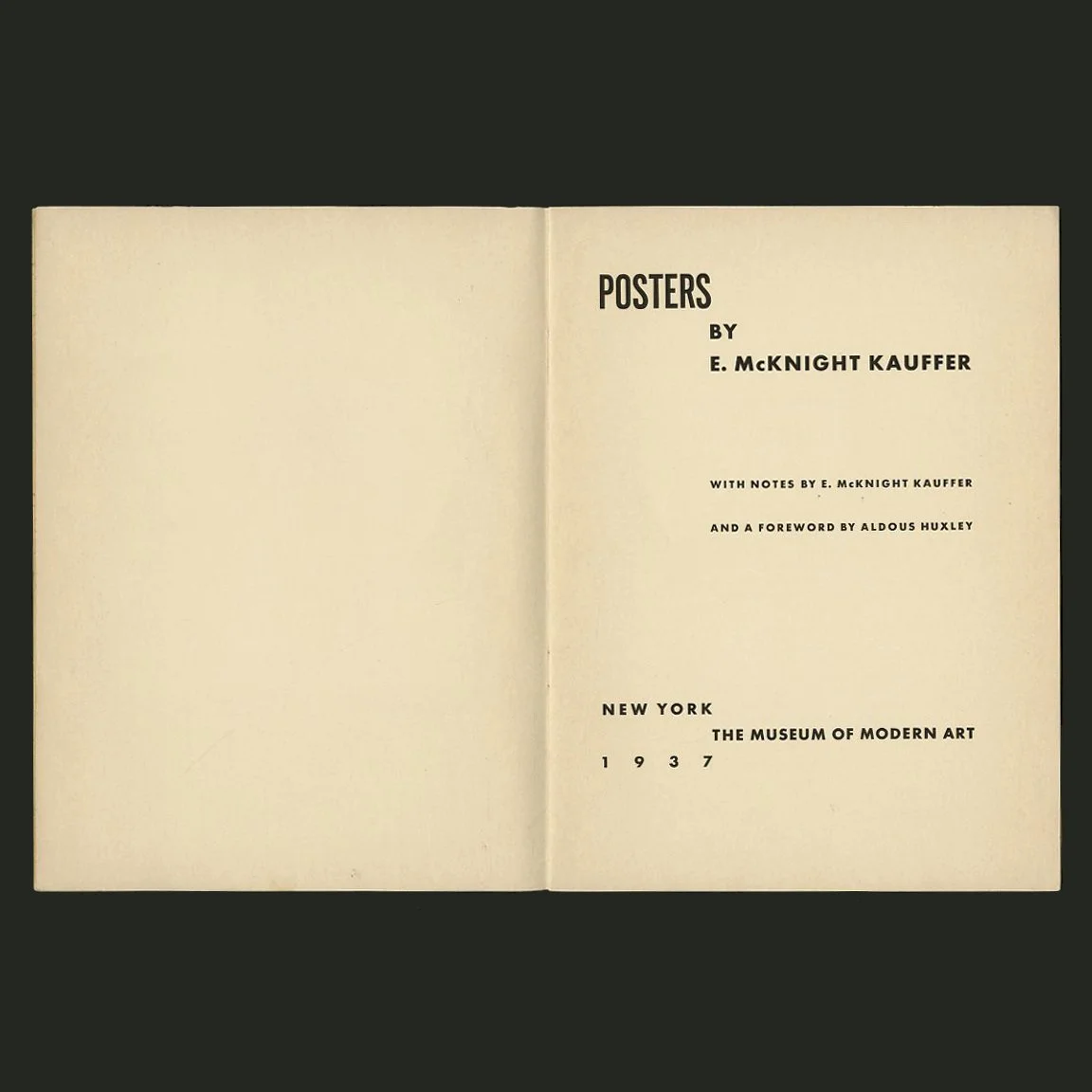 Image 2 of 7
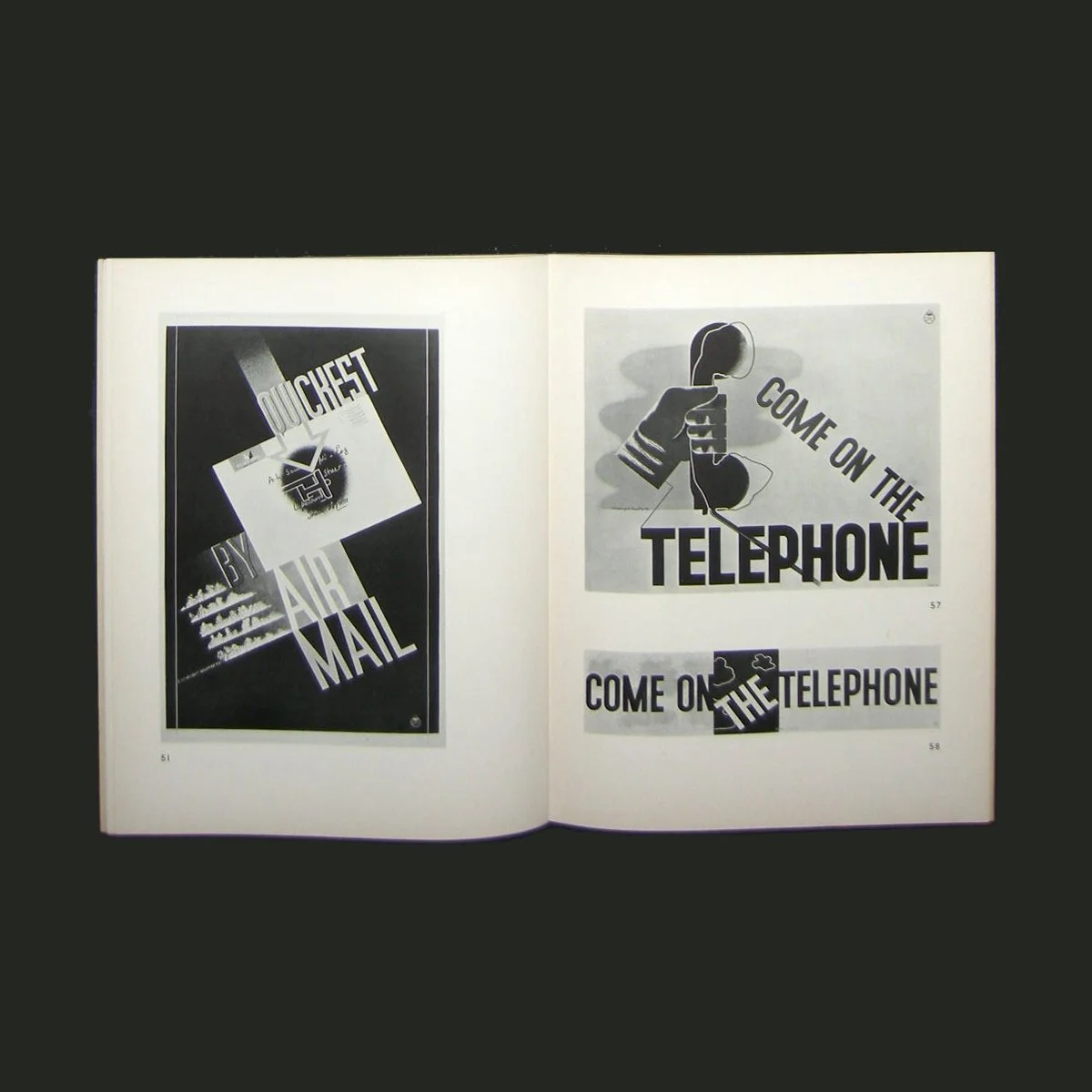 Image 3 of 7
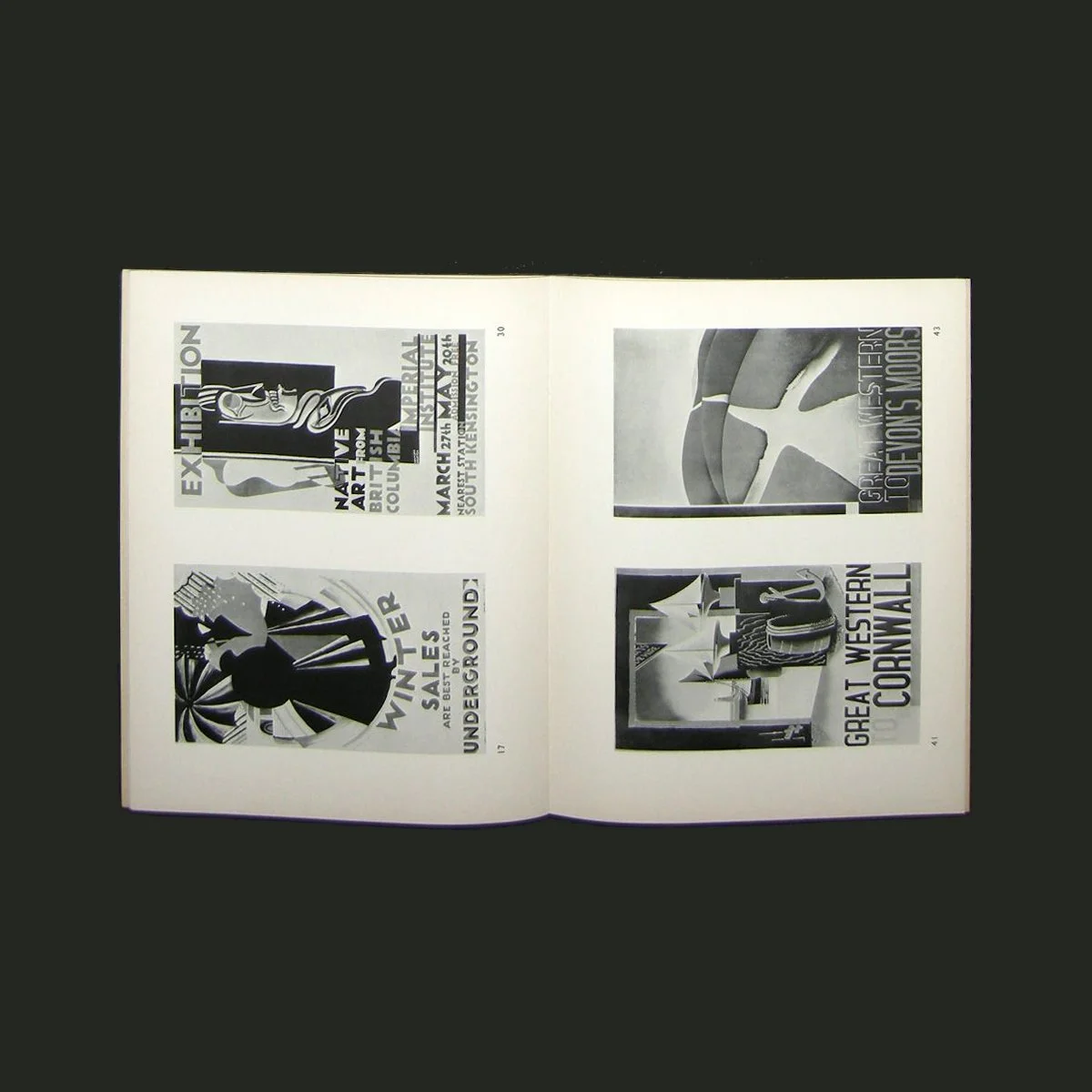 Image 4 of 7
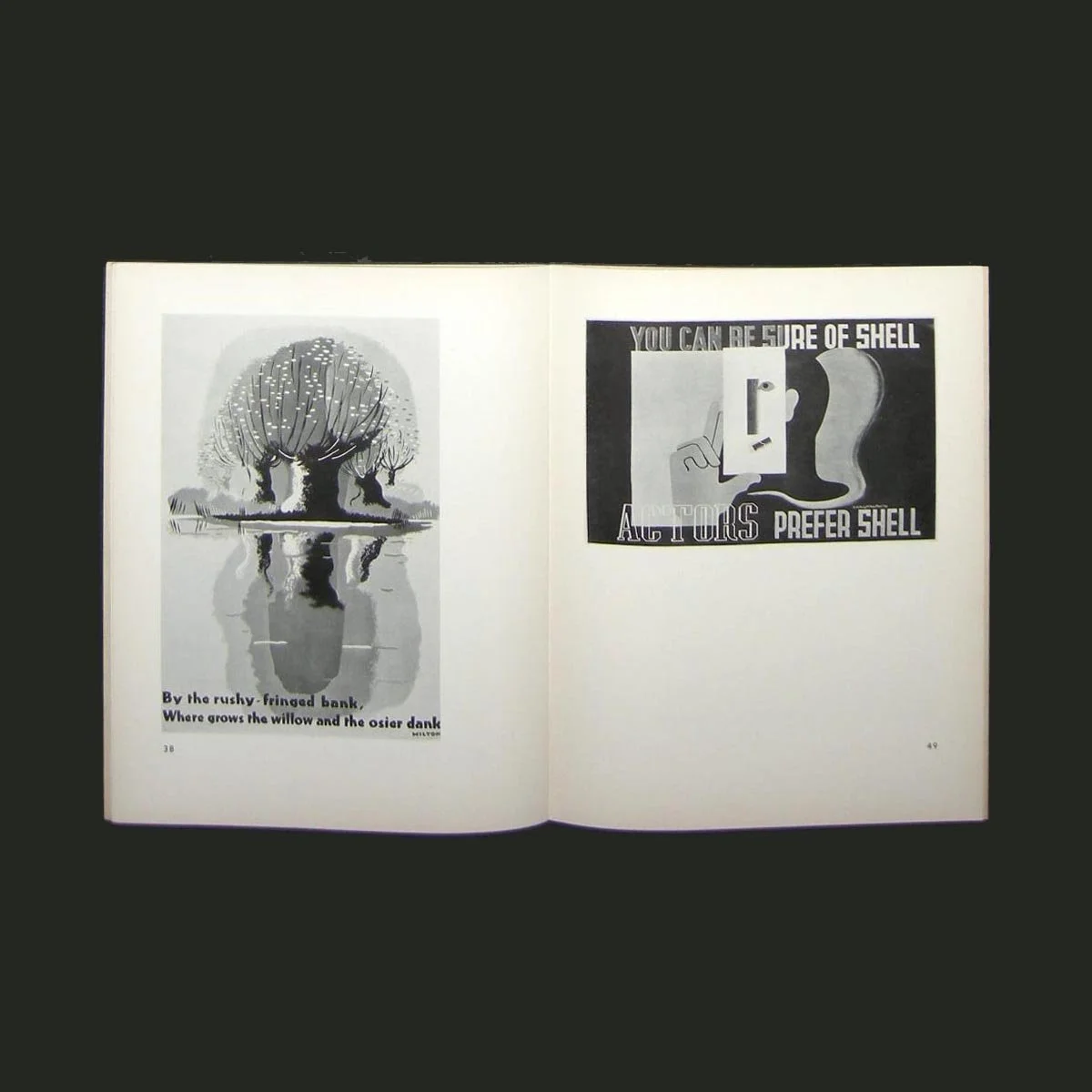 Image 5 of 7
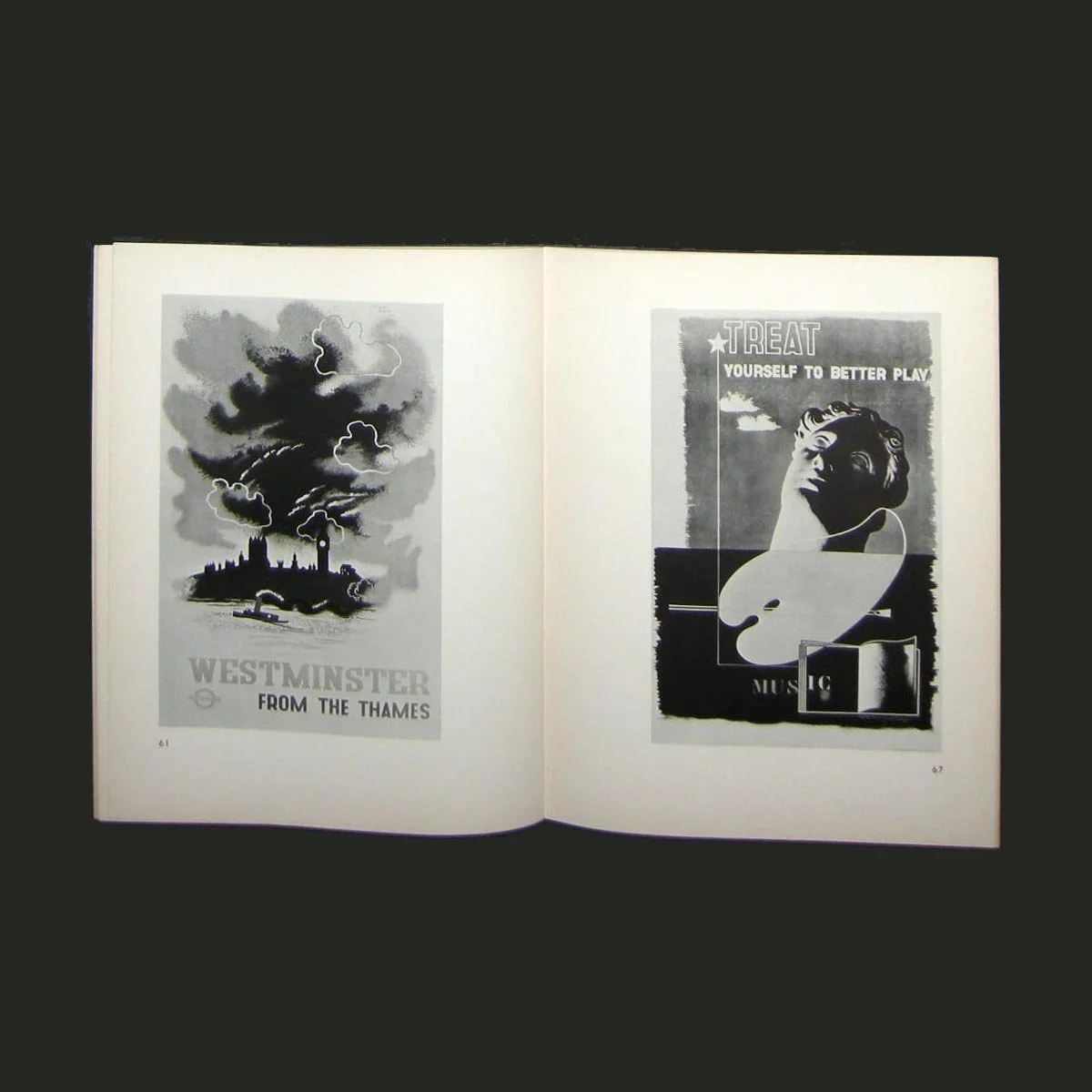 Image 6 of 7
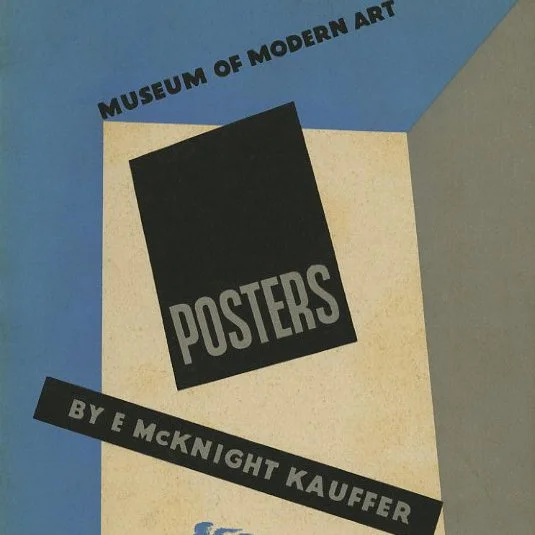 Image 7 of 7