A BOOK OF AMERICAN TRADE-MARKS & DEVICES
Joseph Sinel [Compiler]
New York: Alfred A. Knopf, October 1924. First edition of 2,050 copies, this example hand numbered 282. Folio. paper covered boards with black cloth backstrip titled in gilt. 64 pp. Introduction followed by many contemporary trade-mark designs printed in multiple color letterpress throughout on imported Japanese paper. Two pages with closed tears along the top edges due to the modified Japanese binding. No artwork affected. Boards uniformly worn to edges with mild soiling from 100 years of handling. Gilt titling to backstrip rubbed to the point of removal. Random handling wear throughout. Overall, a very good copy of this title that epitomizes the observation “they don’t make ‘em like this anymore.”
9.125 x 12.25-inch hardcover collection with a short introduction followed by 64 pages of trade-mark and devices compiled by Joseph Sinel. A spectacular early production from Publisher Alfred A. Knopf, printed by the Pynson Printers on paper imported by the Japan Paper Company, with plates made by the Beck Engraving Company and binding finished by the E. C. Lewis Company in October 1924 in an edition of 2,050 copies, of which 2,000 are for sale, with this copy hand numbered 282.
Includes marks by Harvey Hopkins Dunn, John S. Fraser, Edmund G. Gress, W. A. Dwiggins, T. N. Vail, Hrry Porter, G. E. Heiffel, J. J. Byrne, Bruce Rogers, T. B. Hapgood, Gustav Jensen, Guernsey Moore, William G. Schnelle, Lester D. Boronda, Harry H. Pace, E. L. Hubbard, Stanford Briggs, Glen Buck, Frank H. Wiley, Ralph H. Bartholomew, Louis Treviso & Henry Luhrs, Judson L. Starr, James P. Warbasse, Wilifrid L. Chaussé, James G. Cutler, Helen W. Rollinson & Mary Lott Seaman, Maynard Dixon, Rudolph Ruzicka, A. P. Mcmahon & R. W. Hallock, Charles Everett Johnson, [adapted by] W. H. Edmond, Percy Grassby, Walter W. Fawcett, Joseph Sinel, T. M. Cleland, Frederick Goetze, Harold Von Schmidt, Charles K. Stevens, Edward Penfield, Thomas G. Hawkes, Ethel G. Hoyle, E. H. Bashfield & Harold Cue, Chester Siebold, C. B. Falls And Dard Hunter.
Trademark collections occupy the shadow areas between Technical, Vocational and Artisan publishing. As such, many of these volumes are perceived as little more than textbooks. But a closer look often reveals a hidden gem.
A favorite example of the genre is A BOOK OF AMERICAN TRADE-MARKS & DEVICES compiled by Joseph Sinel in 1924, published six years before Clarence Hornung’s efforts started in 1930. Sinel’s mark selection favored Advertising Agency Services, Typographers and Publishers: American Type Founders, as well as Publishing Houses, Automobiles and other American Industrial Giants. If Joseph Sinel had studied at the Bauhaus, worked in the Behrens atelier or embraced the European modernism that came into vogue in the early 1930s this book would be a legendary title and command top dollar at auction.
Joseph Claude Sinel [1889 - 1975] was born in Auckland, New Zealand where his father ran a stevedoring operation. He attended the Elam School of Art, then started work as an apprentice in the art department of Wilson & Horton Lithographers, working at the New Zealand Herald from 1904-1909 and studying under Harry Wallace. After a stint in England, he returned to New Zealand and Australia working as a freelance designer, then moved to San Francisco in 1918, where he first worked in advertising, then in 1923 started his own industrial design company in New York City. In 1936, he moved to the San Francisco Bay Area.
Sinel claimed to have designed everything from “ads to andirons and automobiles, from beer bottles to book covers, from hammers to hearing aids, from labels and letterheads to packages and pickle jars, from textiles and telephone books to toasters, typewriters and trucks.” Although he is perhaps best remembered for his designs of industrial scales, typewriters, and calculators, he also designed trademarks for businesses such as the Art Institute of Chicago, created book jackets for Doubleday, Knopf, and Random House, and for many years designed publications for Mills College. He taught design in a number of schools in the United States, and in 1955 became one of the fourteen founders of the American Society of Industrial Designers (which later merged with other organizations to form the Industrial Designers Society of America).
Sinel is sometimes said to have coined the term “industrial design” around the 1920s in the USA. Sinel denied the paternity of this term in an interview in 1969. “… that's the same time [1920] that I was injecting myself into the industrial design field, of which it's claimed (and I'm in several of the books where they claim) that I was the first one, and they even say that I invented the name. I'm sure I didn't do that. I don't know where it originated and I don't know where I got hold of it.”
A BOOK OF AMERICAN TRADE-MARKS & DEVICES
Joseph Sinel [Compiler]
New York: Alfred A. Knopf, October 1924. First edition of 2,050 copies, this example hand numbered 282. Folio. paper covered boards with black cloth backstrip titled in gilt. 64 pp. Introduction followed by many contemporary trade-mark designs printed in multiple color letterpress throughout on imported Japanese paper. Two pages with closed tears along the top edges due to the modified Japanese binding. No artwork affected. Boards uniformly worn to edges with mild soiling from 100 years of handling. Gilt titling to backstrip rubbed to the point of removal. Random handling wear throughout. Overall, a very good copy of this title that epitomizes the observation “they don’t make ‘em like this anymore.”
9.125 x 12.25-inch hardcover collection with a short introduction followed by 64 pages of trade-mark and devices compiled by Joseph Sinel. A spectacular early production from Publisher Alfred A. Knopf, printed by the Pynson Printers on paper imported by the Japan Paper Company, with plates made by the Beck Engraving Company and binding finished by the E. C. Lewis Company in October 1924 in an edition of 2,050 copies, of which 2,000 are for sale, with this copy hand numbered 282.
Includes marks by Harvey Hopkins Dunn, John S. Fraser, Edmund G. Gress, W. A. Dwiggins, T. N. Vail, Hrry Porter, G. E. Heiffel, J. J. Byrne, Bruce Rogers, T. B. Hapgood, Gustav Jensen, Guernsey Moore, William G. Schnelle, Lester D. Boronda, Harry H. Pace, E. L. Hubbard, Stanford Briggs, Glen Buck, Frank H. Wiley, Ralph H. Bartholomew, Louis Treviso & Henry Luhrs, Judson L. Starr, James P. Warbasse, Wilifrid L. Chaussé, James G. Cutler, Helen W. Rollinson & Mary Lott Seaman, Maynard Dixon, Rudolph Ruzicka, A. P. Mcmahon & R. W. Hallock, Charles Everett Johnson, [adapted by] W. H. Edmond, Percy Grassby, Walter W. Fawcett, Joseph Sinel, T. M. Cleland, Frederick Goetze, Harold Von Schmidt, Charles K. Stevens, Edward Penfield, Thomas G. Hawkes, Ethel G. Hoyle, E. H. Bashfield & Harold Cue, Chester Siebold, C. B. Falls And Dard Hunter.
Trademark collections occupy the shadow areas between Technical, Vocational and Artisan publishing. As such, many of these volumes are perceived as little more than textbooks. But a closer look often reveals a hidden gem.
A favorite example of the genre is A BOOK OF AMERICAN TRADE-MARKS & DEVICES compiled by Joseph Sinel in 1924, published six years before Clarence Hornung’s efforts started in 1930. Sinel’s mark selection favored Advertising Agency Services, Typographers and Publishers: American Type Founders, as well as Publishing Houses, Automobiles and other American Industrial Giants. If Joseph Sinel had studied at the Bauhaus, worked in the Behrens atelier or embraced the European modernism that came into vogue in the early 1930s this book would be a legendary title and command top dollar at auction.
Joseph Claude Sinel [1889 - 1975] was born in Auckland, New Zealand where his father ran a stevedoring operation. He attended the Elam School of Art, then started work as an apprentice in the art department of Wilson & Horton Lithographers, working at the New Zealand Herald from 1904-1909 and studying under Harry Wallace. After a stint in England, he returned to New Zealand and Australia working as a freelance designer, then moved to San Francisco in 1918, where he first worked in advertising, then in 1923 started his own industrial design company in New York City. In 1936, he moved to the San Francisco Bay Area.
Sinel claimed to have designed everything from “ads to andirons and automobiles, from beer bottles to book covers, from hammers to hearing aids, from labels and letterheads to packages and pickle jars, from textiles and telephone books to toasters, typewriters and trucks.” Although he is perhaps best remembered for his designs of industrial scales, typewriters, and calculators, he also designed trademarks for businesses such as the Art Institute of Chicago, created book jackets for Doubleday, Knopf, and Random House, and for many years designed publications for Mills College. He taught design in a number of schools in the United States, and in 1955 became one of the fourteen founders of the American Society of Industrial Designers (which later merged with other organizations to form the Industrial Designers Society of America).
Sinel is sometimes said to have coined the term “industrial design” around the 1920s in the USA. Sinel denied the paternity of this term in an interview in 1969. “… that's the same time [1920] that I was injecting myself into the industrial design field, of which it's claimed (and I'm in several of the books where they claim) that I was the first one, and they even say that I invented the name. I'm sure I didn't do that. I don't know where it originated and I don't know where I got hold of it.”

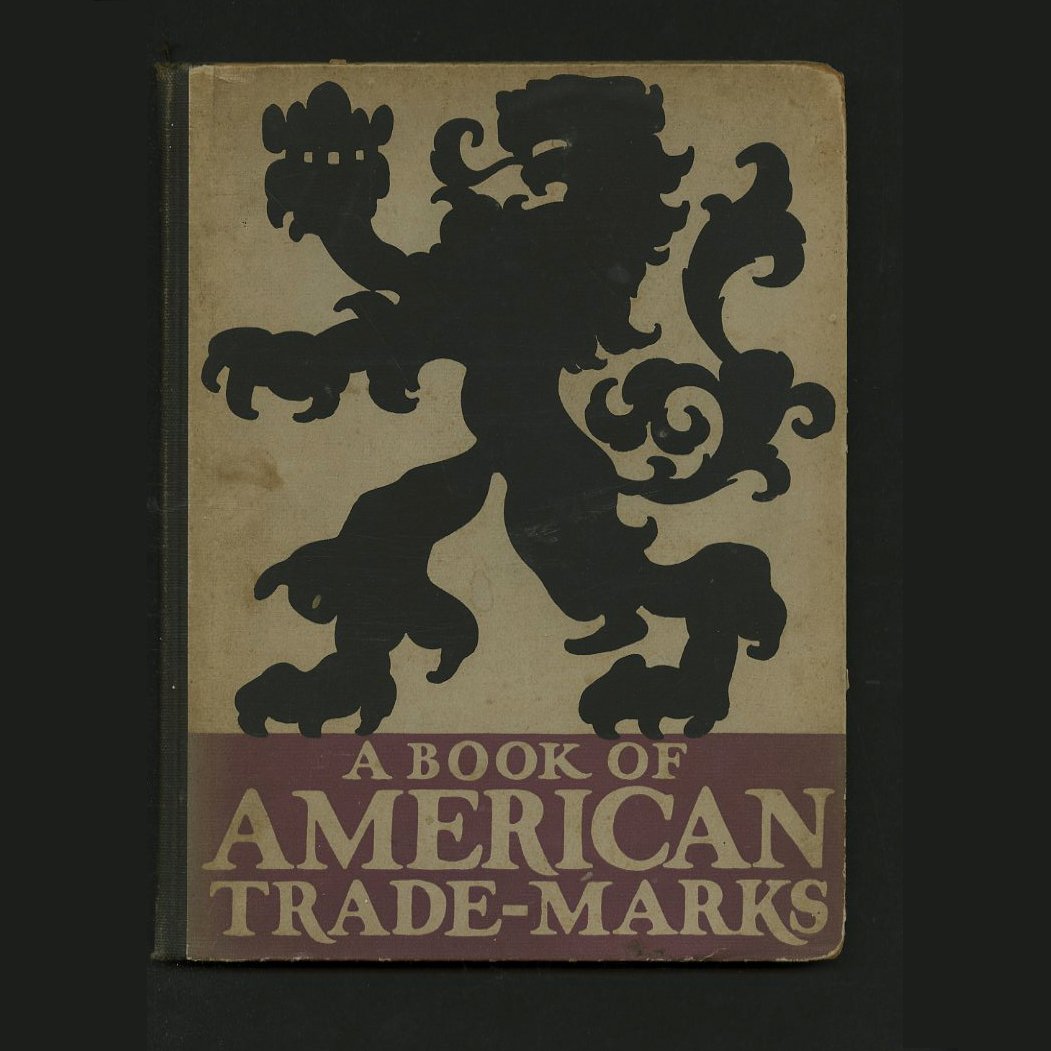 Image 1 of 11
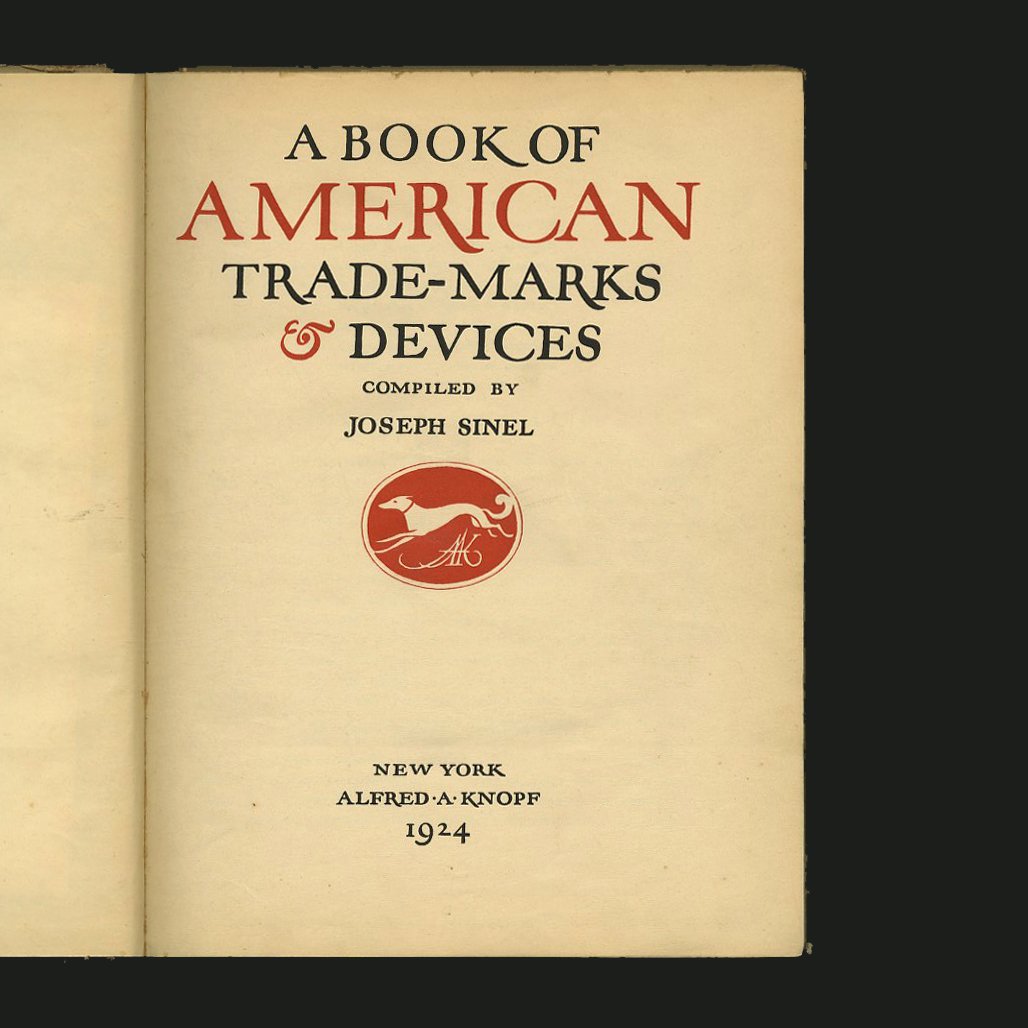 Image 2 of 11
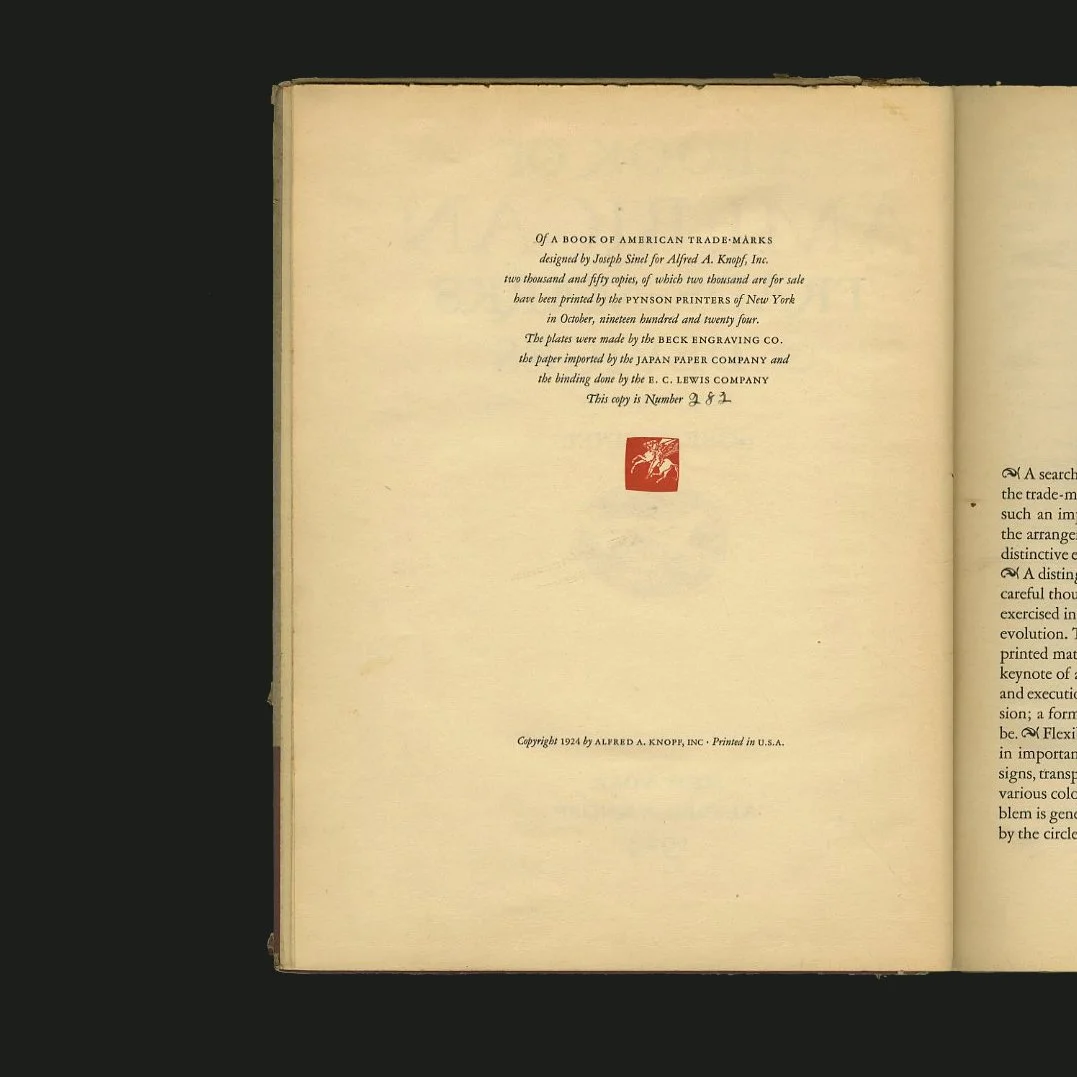 Image 3 of 11
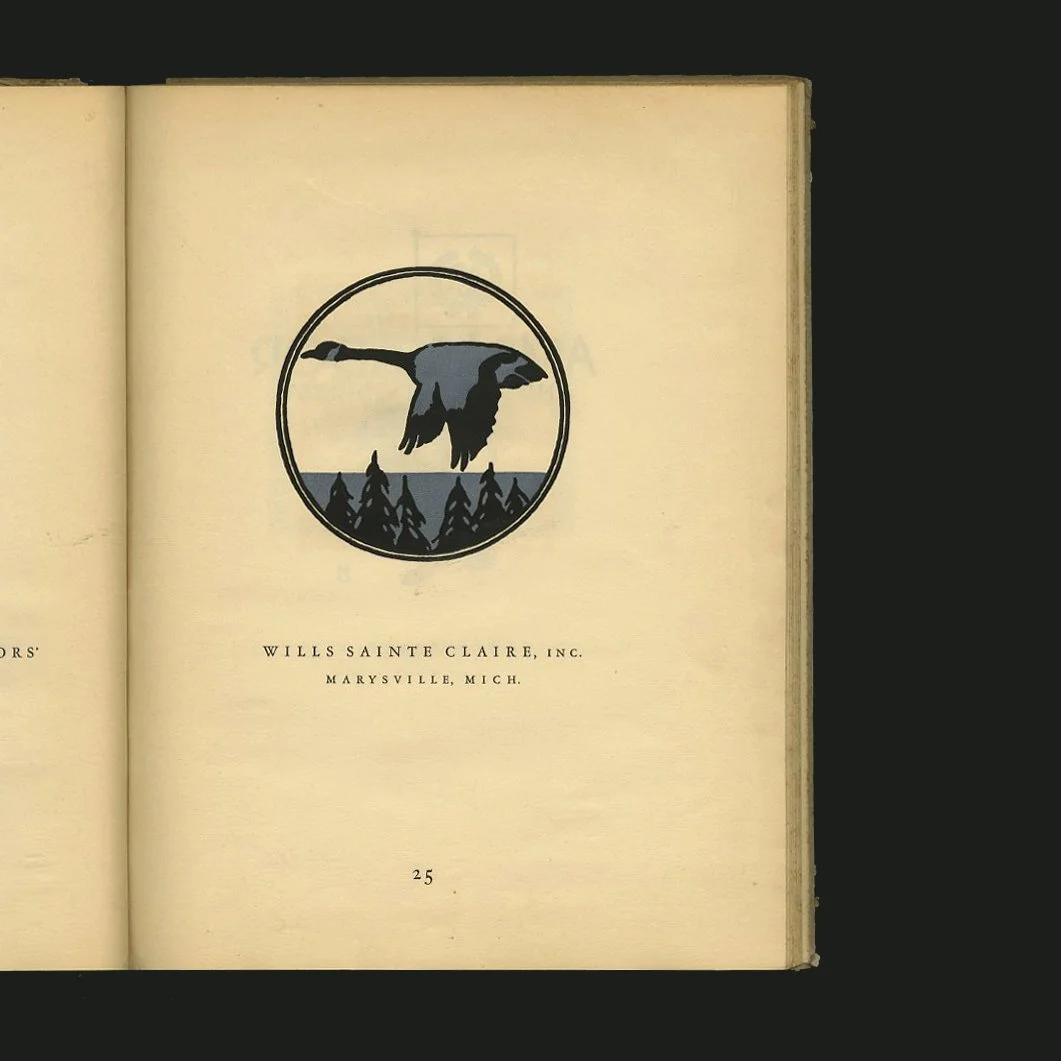 Image 4 of 11
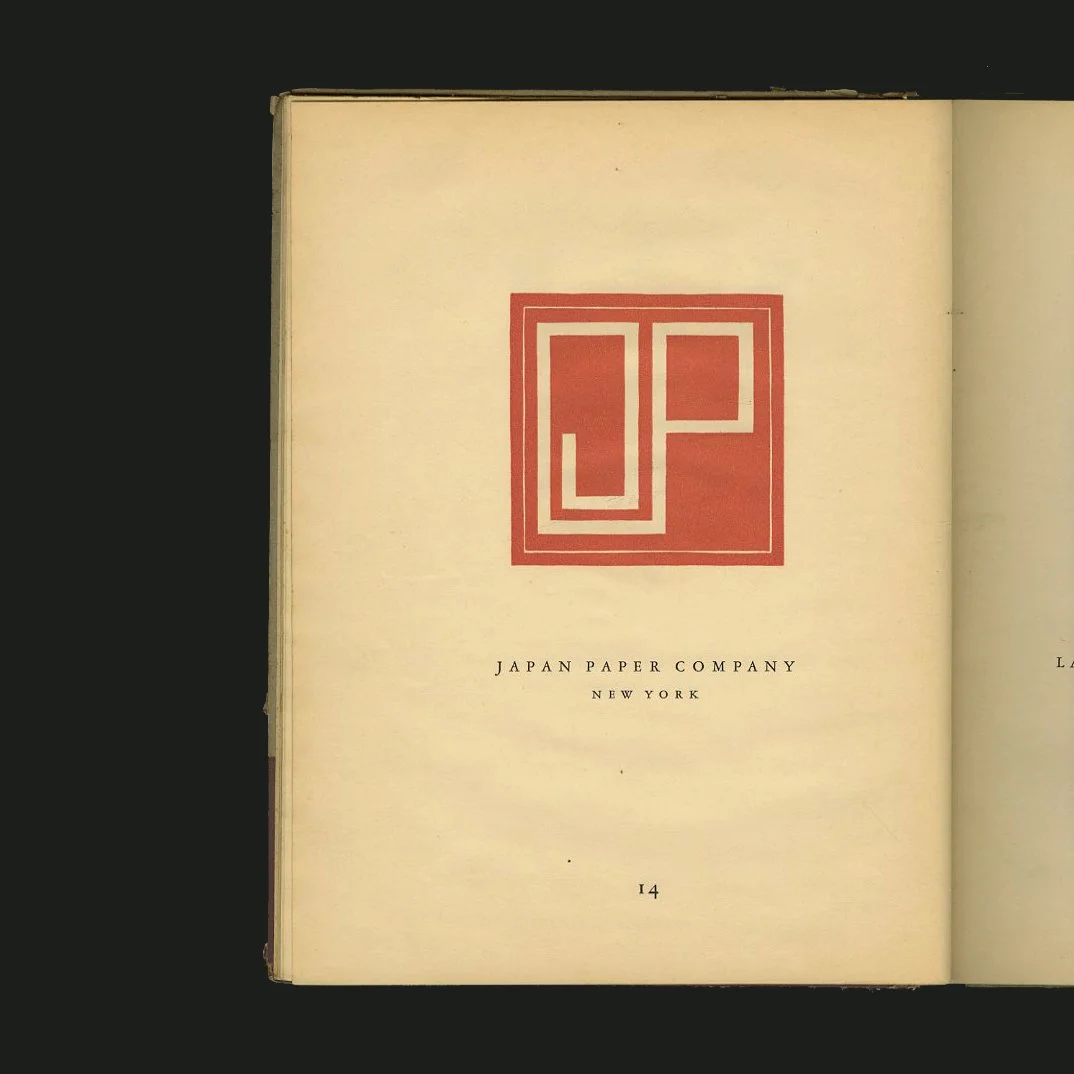 Image 5 of 11
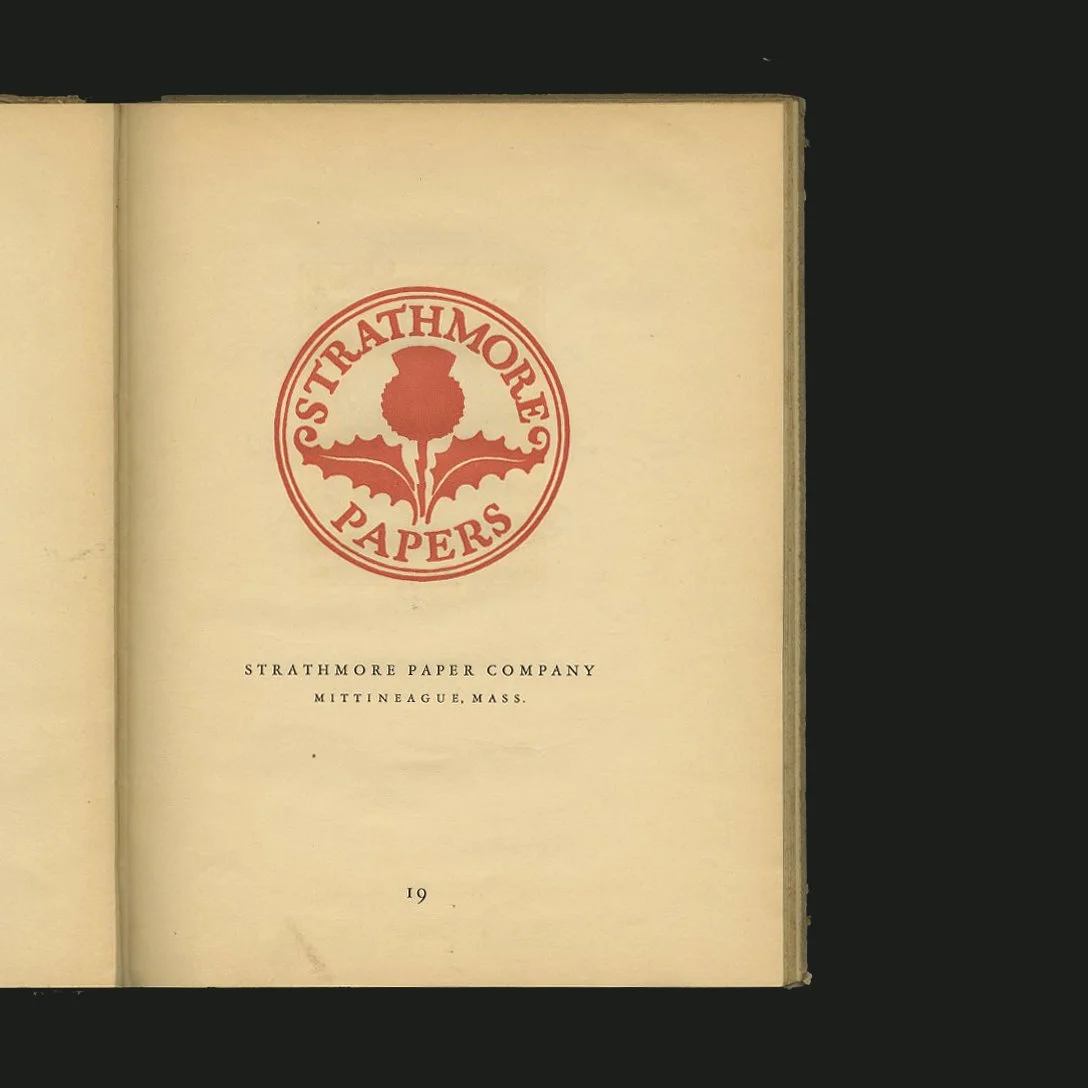 Image 6 of 11
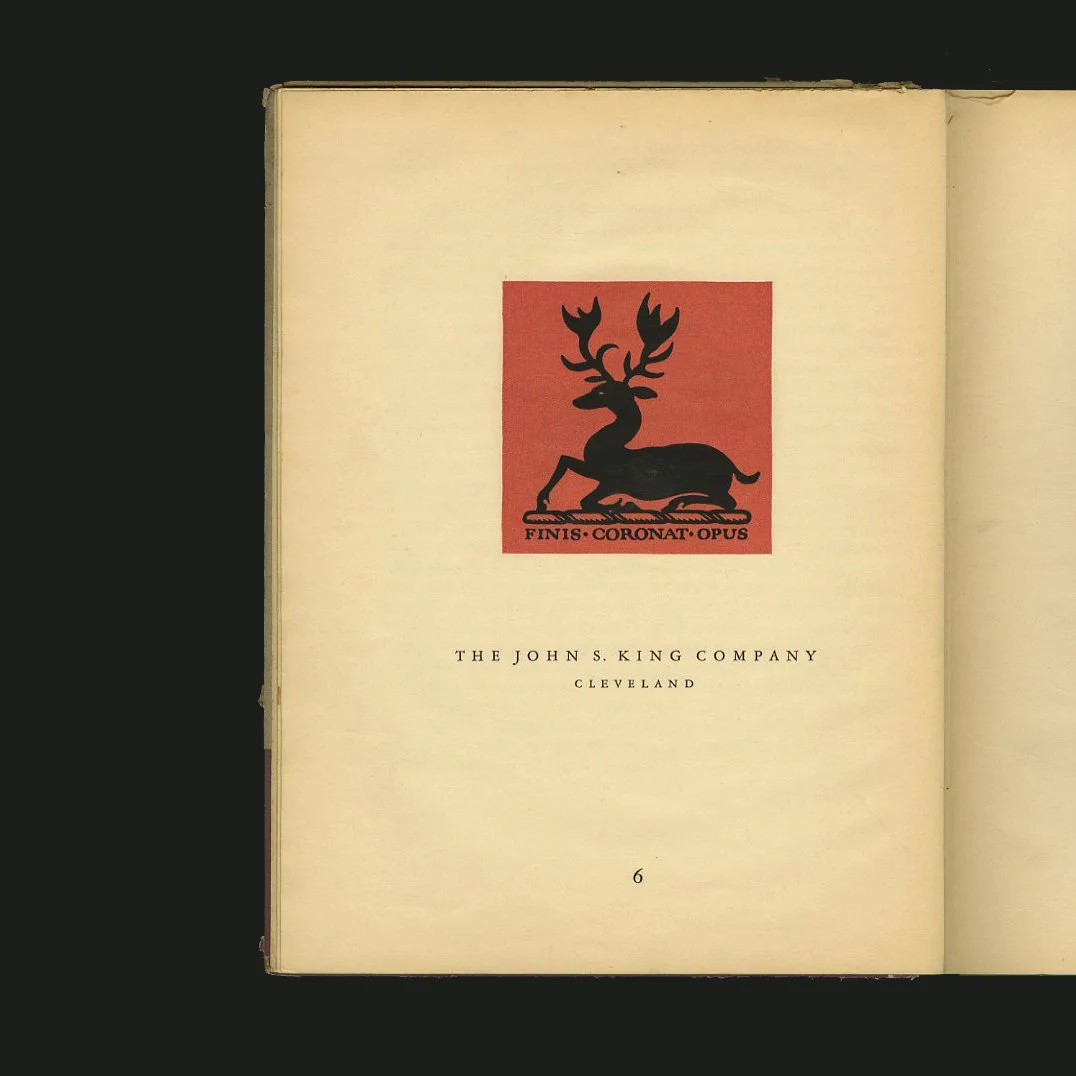 Image 7 of 11
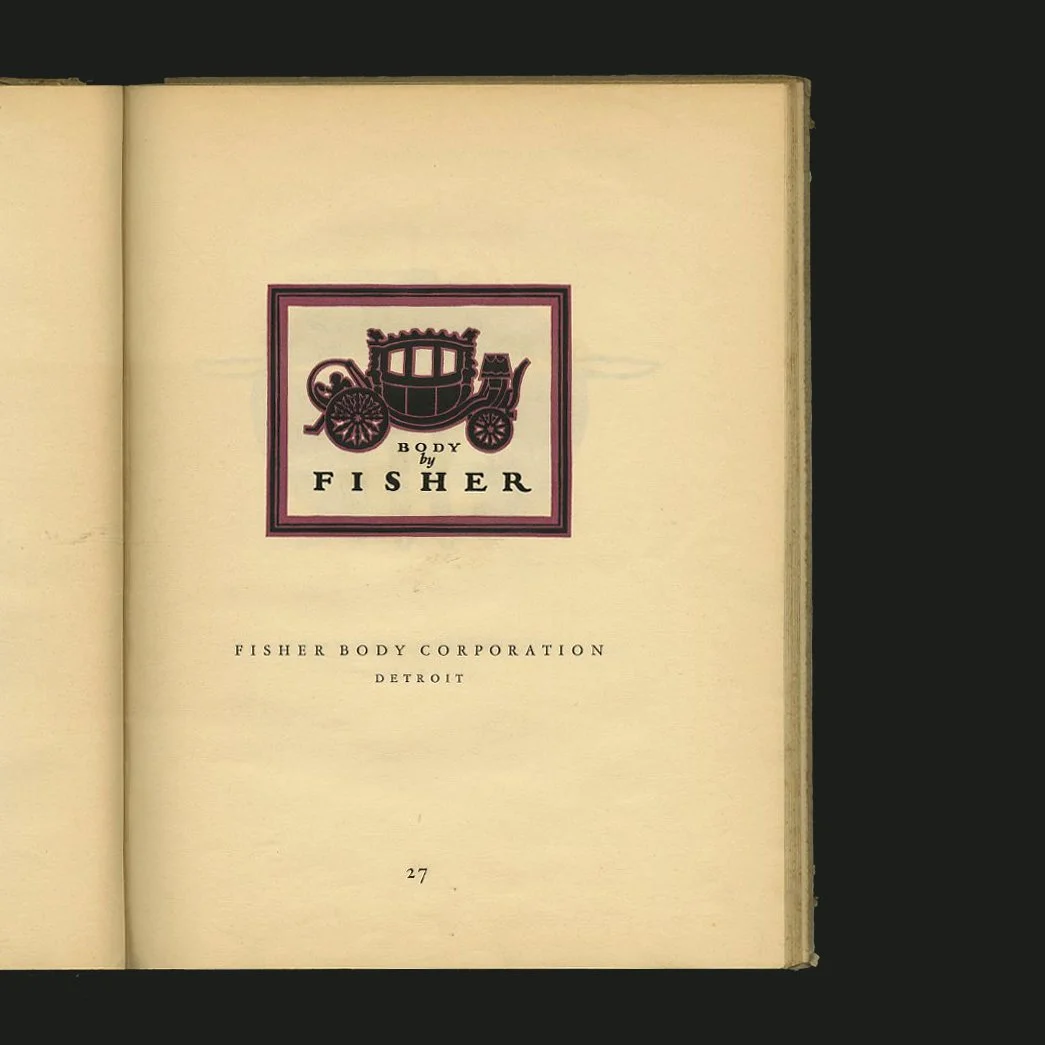 Image 8 of 11
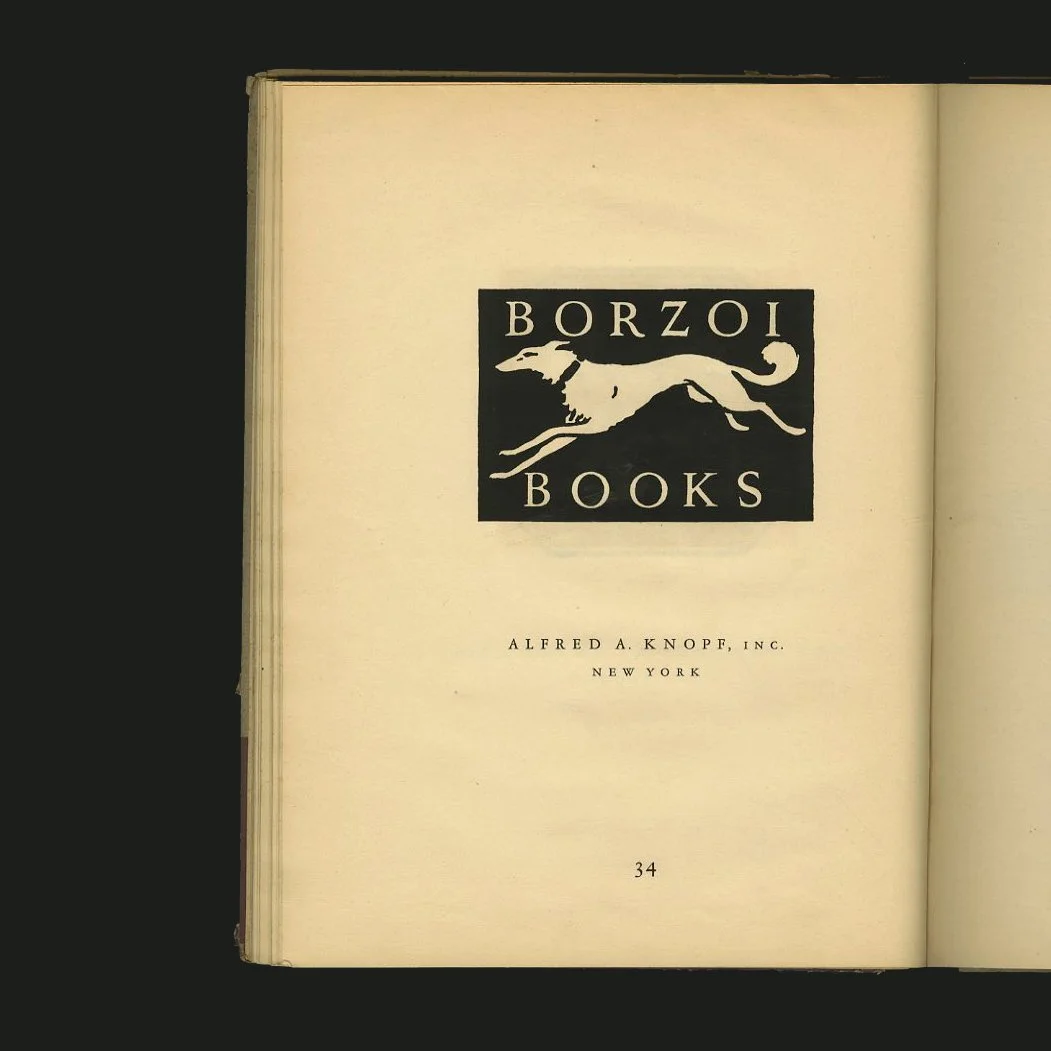 Image 9 of 11
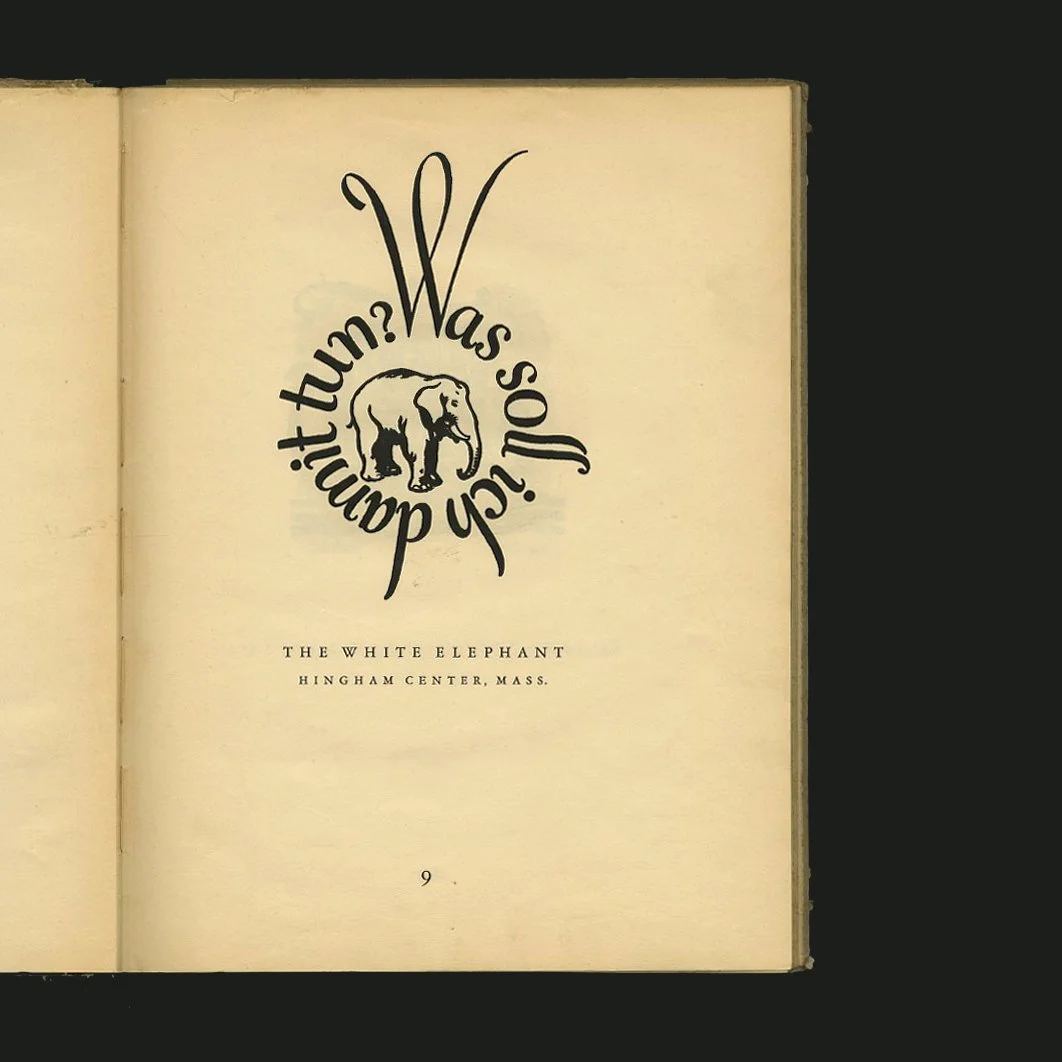 Image 10 of 11
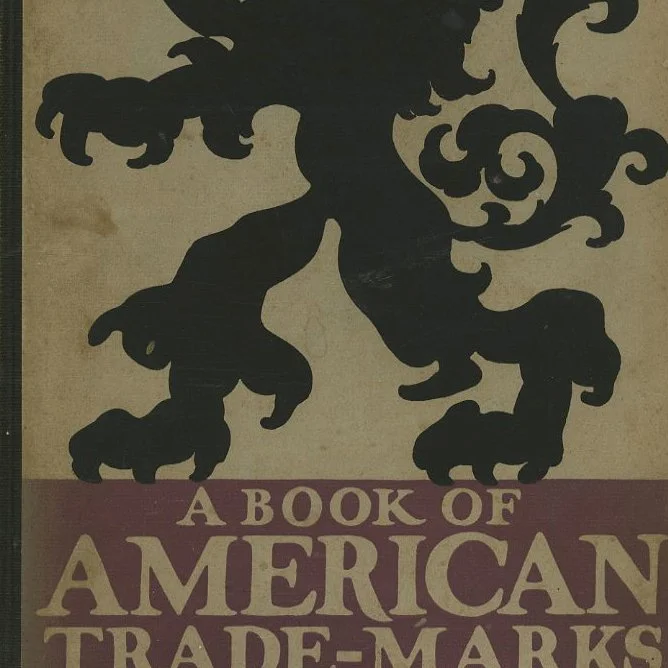 Image 11 of 11