DESIGN COORDINATION AND CORPORATE IMAGE
F. H. K. Henrion and Alan Parkin
New York and London: Reinhold Publishing/Studio Vista, 1967. First edition. Square quarto. Black cloth titled in metallic blue. Laminated aluminum foil dust jacket. Orange endpapers. 208 pp. Profusely illustrated with one-, two- and 4-color examples. Fragile foil jacket with multiple scratches and gouges to front panel with a bit of lamination lifting at spine crown. Interior unmarked and very clean. Out-of-print. A nice copy of this scarce volume: a fine copy in a nearly very good dust jacket.
9.75 x 10.5 hardcover book with 208 pages profusely illustrated with one-, two- and 4-color examples. Printed in Gouda Holland by NV Drukkerij Koch en Knuttel. "Dust jacket printed in 4-colors by letterpress using the Dufex process. The material is wax-laminated aluminum foil and it should not be subjected to high temperature."
“As a British citizen after WWII, [Henrion] designed publications, exhibitions, household products, interiors and jewellery, and in the 1960s he became the founding father of modern corporate identity in Europe.” — Unit Editions
Includes many examples of logotypes, trademark and typography, relationship between logotype and symbol, letterheads and envelopes, folders, basic packaging, wrapping paper and tape, product packaging, identification labels, shipping banners, vehicle identification, outdoor signs, major site signs, lettering on signs, nameplates, visiting cards, matchbooks, window decals, paper printing, advertising, posters, and exhibitions among others. A very desirable volume.
“His reputation was already established when he designed KLM’s identity in 1961, but it didn’t stop the Dutch airline questioning his design. Apparently, KLM accepted the design only after protracted deliberation, considering it too advanced. It is perhaps testament to KLM’s vision and courage that the symbol entered service at all, but the fact that it is still in use today — even following KLM’s merger with Air France in 2004 (to form Air France-KLM) — is testament to Henrion’s simple, bold and undeniably modern design.”
Contents include well illustrated case studies for:
Designers include Otl Aicher, Franco Albini, Alan Ball, Walter Ballmer, Saul Bass, Lester Beall, Derek Birdsall, Misha Black, Enzo Bonini, Pieter Brattinga, Marcel Breuer, Donald Brun, Erberto Carboni, Eugenio Carmi, Centro/Boggeri, Crosby Fletcher Forbes, Wim Crouwel, Design Research Unit, Charles Eames, Olle Eksell, Gerstner Gredinger And Kutter, Yusaka Kamekura, E. Mcknight Kauffer, Leo Lionni, Seymour Lipton, Fridolin Muller, Bruno Munari, George Nelson, Pierluigi Nervi, Constantino Nivola, Marcello Nizzoli, Eliot Noyes, Gio Ponti, Paul Rand, Dieter Rot, Eero Saarinen, Hans Schleger, Anton Stankowski, Otto Treumann, Massimo Vignelli, Carlo Vivarelli, Benno Wissingand many others.
From the University of Plymouth press release on a Henrion exhibit: Frederic Henri Kay Henrion OBE (German / English 1914 – 1990) was born in Nuremberg, Germany. Henrion studied at the École Paul Colin, Paris before emigrating to England in 1936, and adopted British nationality in 1946. Although possibly best remembered for his wartime posters, he was also responsible for introducing the concept of corporate identity to both Britain and indeed Europe. Beyond these areas, he worked as a highly influential exhibition designer and product designer, as well as in magazine and book design, jewelry design and painting.
During the course of over five decades of professional design work, his clients read like a Who’s Who of business: KLM Royal Dutch Airlines, BEA, Penguin Books, Shell, London Transport, Coopers & Lybrand, InterRent, Penta Hotels, Courage, Allied Breweries, Tate & Lyle, Audi, Cunard Shipping, Oxfam, Punch, USOWI, the Ministry of Information, the Central Office of Information, C&A, etc.
His firm Henrion Design Associates (1951), which became HDA International in 1972, did corporate identity projects for numerous leading international companies. He was the author/designer of AGI Annals (1990), and taught at the Royal College of Art and the London College of Printing. He was a president and frequently a board member of AGI, SIAD and Icograda. Henrion organized the annual Icograda Student Seminars in London (1974–90), an eagerly awaited event on the UK college calendar.
DESIGN COORDINATION AND CORPORATE IMAGE
F. H. K. Henrion and Alan Parkin
New York and London: Reinhold Publishing/Studio Vista, 1967. First edition. Square quarto. Black cloth titled in metallic blue. Laminated aluminum foil dust jacket. Orange endpapers. 208 pp. Profusely illustrated with one-, two- and 4-color examples. Fragile foil jacket with multiple scratches and gouges to front panel with a bit of lamination lifting at spine crown. Interior unmarked and very clean. Out-of-print. A nice copy of this scarce volume: a fine copy in a nearly very good dust jacket.
9.75 x 10.5 hardcover book with 208 pages profusely illustrated with one-, two- and 4-color examples. Printed in Gouda Holland by NV Drukkerij Koch en Knuttel. "Dust jacket printed in 4-colors by letterpress using the Dufex process. The material is wax-laminated aluminum foil and it should not be subjected to high temperature."
“As a British citizen after WWII, [Henrion] designed publications, exhibitions, household products, interiors and jewellery, and in the 1960s he became the founding father of modern corporate identity in Europe.” — Unit Editions
Includes many examples of logotypes, trademark and typography, relationship between logotype and symbol, letterheads and envelopes, folders, basic packaging, wrapping paper and tape, product packaging, identification labels, shipping banners, vehicle identification, outdoor signs, major site signs, lettering on signs, nameplates, visiting cards, matchbooks, window decals, paper printing, advertising, posters, and exhibitions among others. A very desirable volume.
“His reputation was already established when he designed KLM’s identity in 1961, but it didn’t stop the Dutch airline questioning his design. Apparently, KLM accepted the design only after protracted deliberation, considering it too advanced. It is perhaps testament to KLM’s vision and courage that the symbol entered service at all, but the fact that it is still in use today — even following KLM’s merger with Air France in 2004 (to form Air France-KLM) — is testament to Henrion’s simple, bold and undeniably modern design.”
Contents include well illustrated case studies for:
Designers include Otl Aicher, Franco Albini, Alan Ball, Walter Ballmer, Saul Bass, Lester Beall, Derek Birdsall, Misha Black, Enzo Bonini, Pieter Brattinga, Marcel Breuer, Donald Brun, Erberto Carboni, Eugenio Carmi, Centro/Boggeri, Crosby Fletcher Forbes, Wim Crouwel, Design Research Unit, Charles Eames, Olle Eksell, Gerstner Gredinger And Kutter, Yusaka Kamekura, E. Mcknight Kauffer, Leo Lionni, Seymour Lipton, Fridolin Muller, Bruno Munari, George Nelson, Pierluigi Nervi, Constantino Nivola, Marcello Nizzoli, Eliot Noyes, Gio Ponti, Paul Rand, Dieter Rot, Eero Saarinen, Hans Schleger, Anton Stankowski, Otto Treumann, Massimo Vignelli, Carlo Vivarelli, Benno Wissingand many others.
From the University of Plymouth press release on a Henrion exhibit: Frederic Henri Kay Henrion OBE (German / English 1914 – 1990) was born in Nuremberg, Germany. Henrion studied at the École Paul Colin, Paris before emigrating to England in 1936, and adopted British nationality in 1946. Although possibly best remembered for his wartime posters, he was also responsible for introducing the concept of corporate identity to both Britain and indeed Europe. Beyond these areas, he worked as a highly influential exhibition designer and product designer, as well as in magazine and book design, jewelry design and painting.
During the course of over five decades of professional design work, his clients read like a Who’s Who of business: KLM Royal Dutch Airlines, BEA, Penguin Books, Shell, London Transport, Coopers & Lybrand, InterRent, Penta Hotels, Courage, Allied Breweries, Tate & Lyle, Audi, Cunard Shipping, Oxfam, Punch, USOWI, the Ministry of Information, the Central Office of Information, C&A, etc.
His firm Henrion Design Associates (1951), which became HDA International in 1972, did corporate identity projects for numerous leading international companies. He was the author/designer of AGI Annals (1990), and taught at the Royal College of Art and the London College of Printing. He was a president and frequently a board member of AGI, SIAD and Icograda. Henrion organized the annual Icograda Student Seminars in London (1974–90), an eagerly awaited event on the UK college calendar.

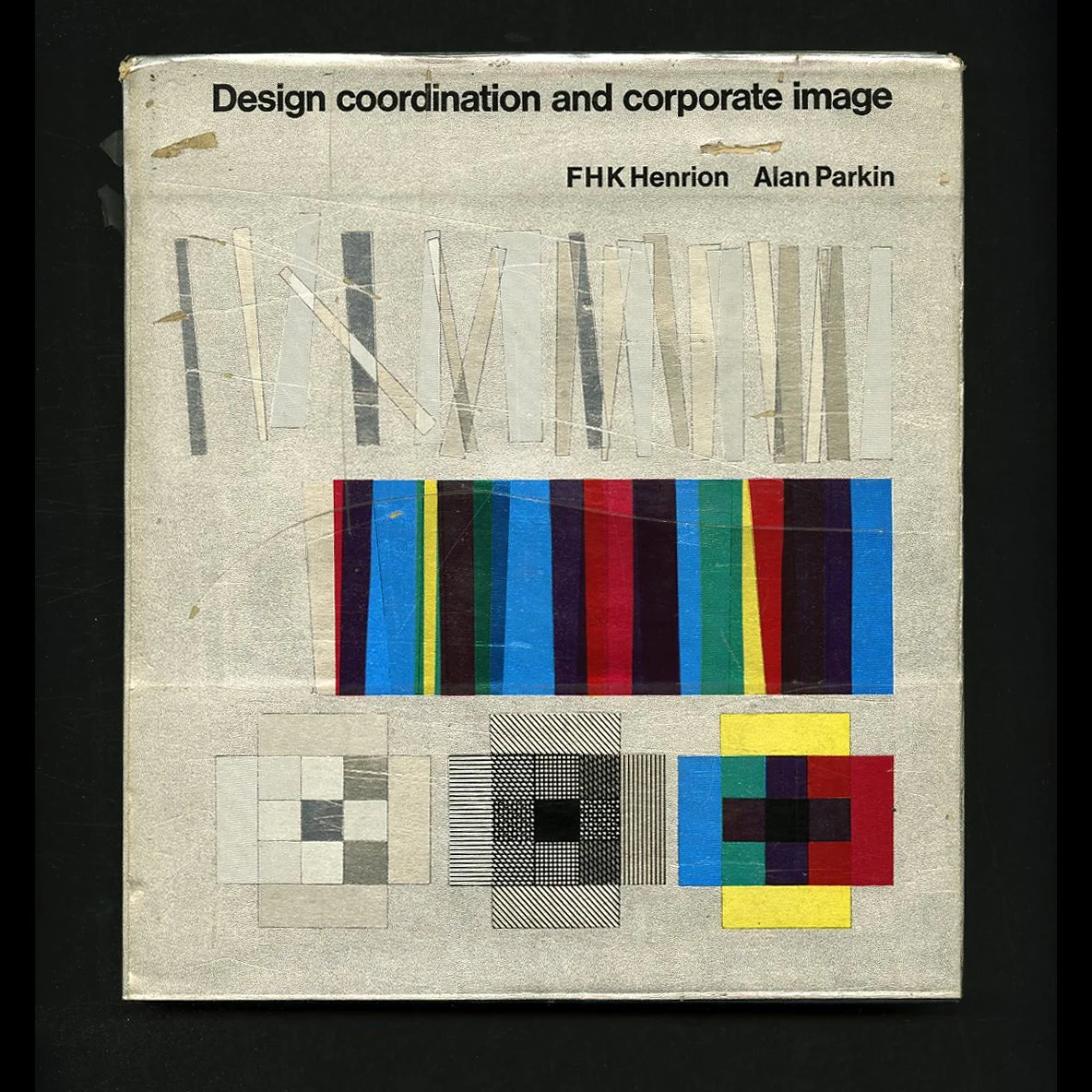 Image 1 of 14
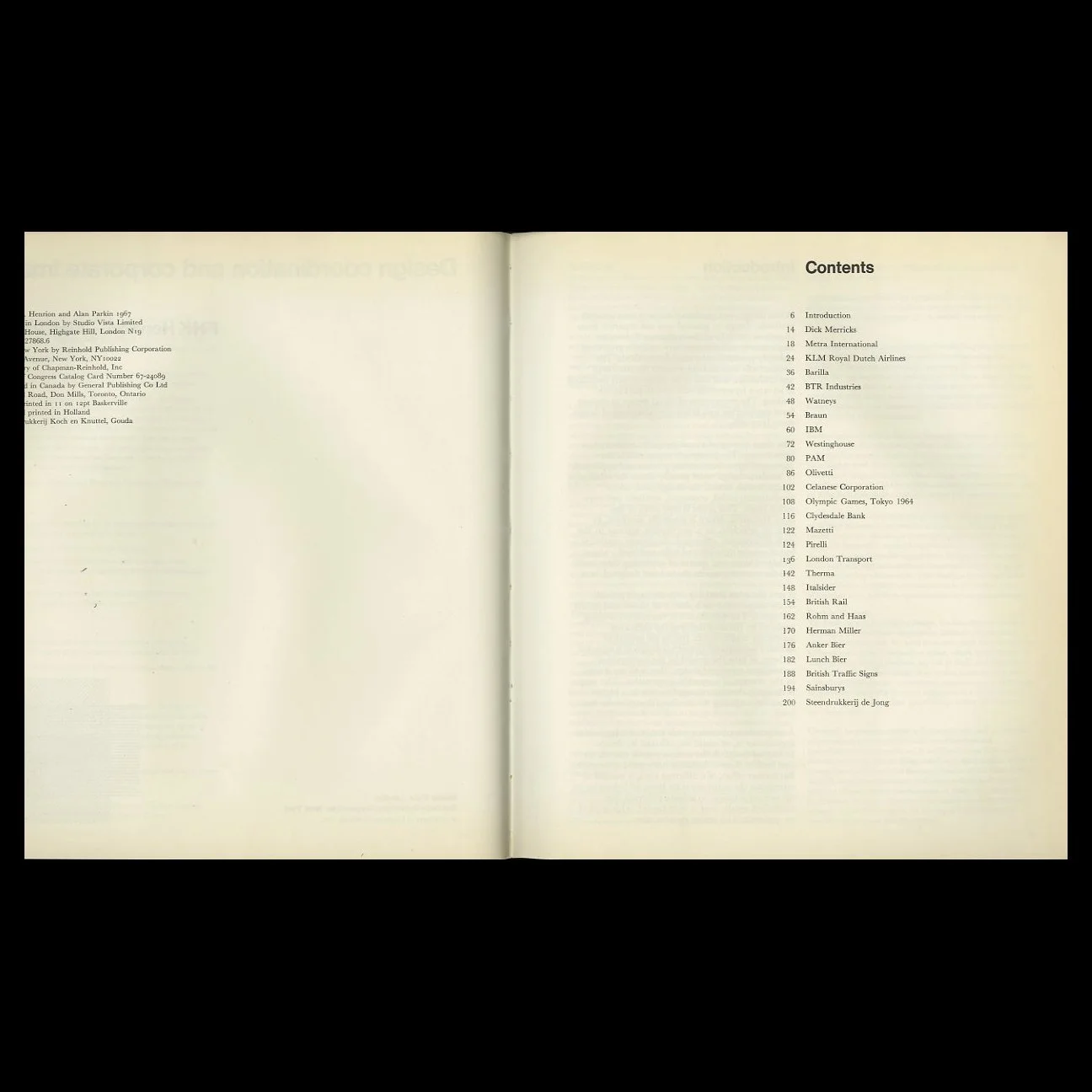 Image 2 of 14
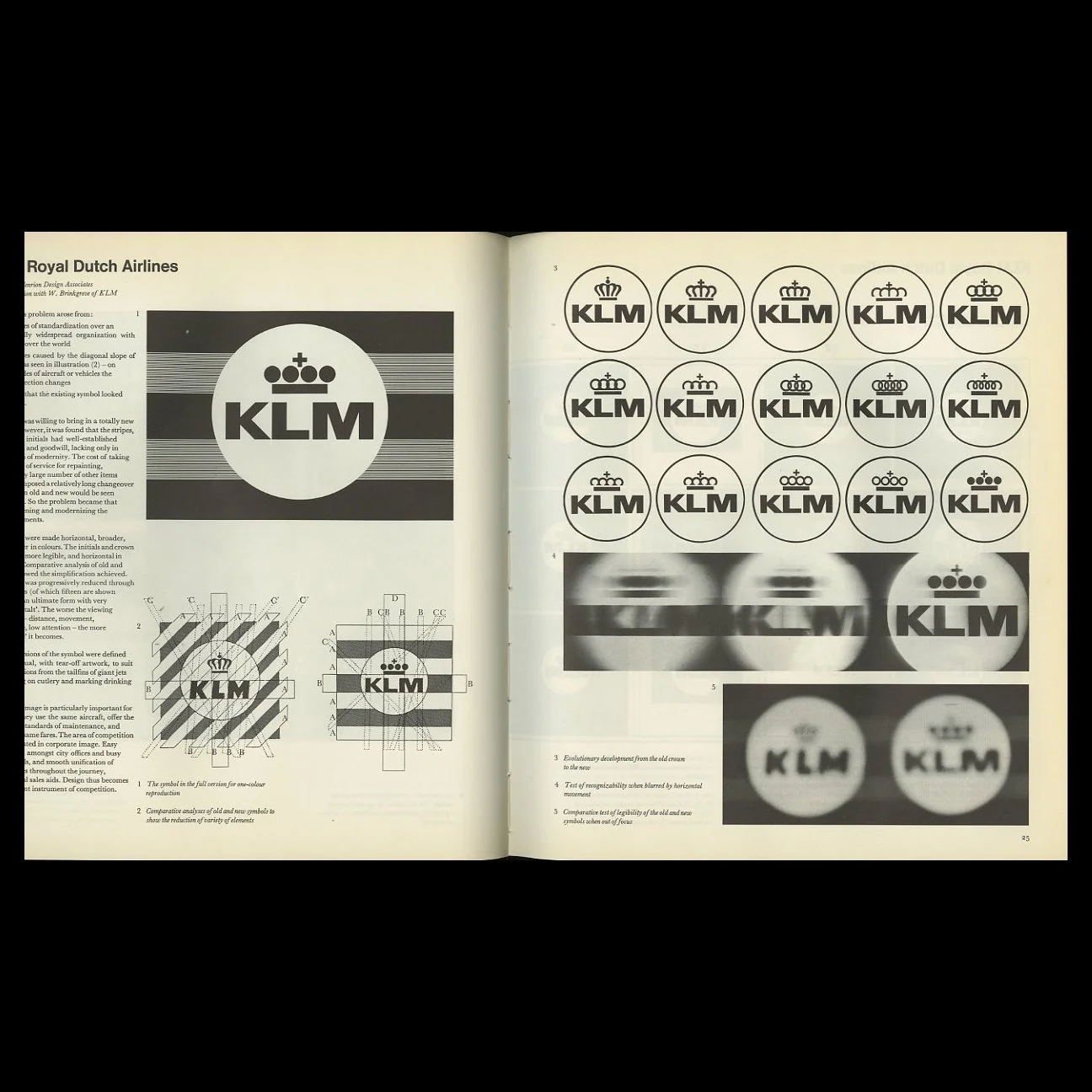 Image 3 of 14
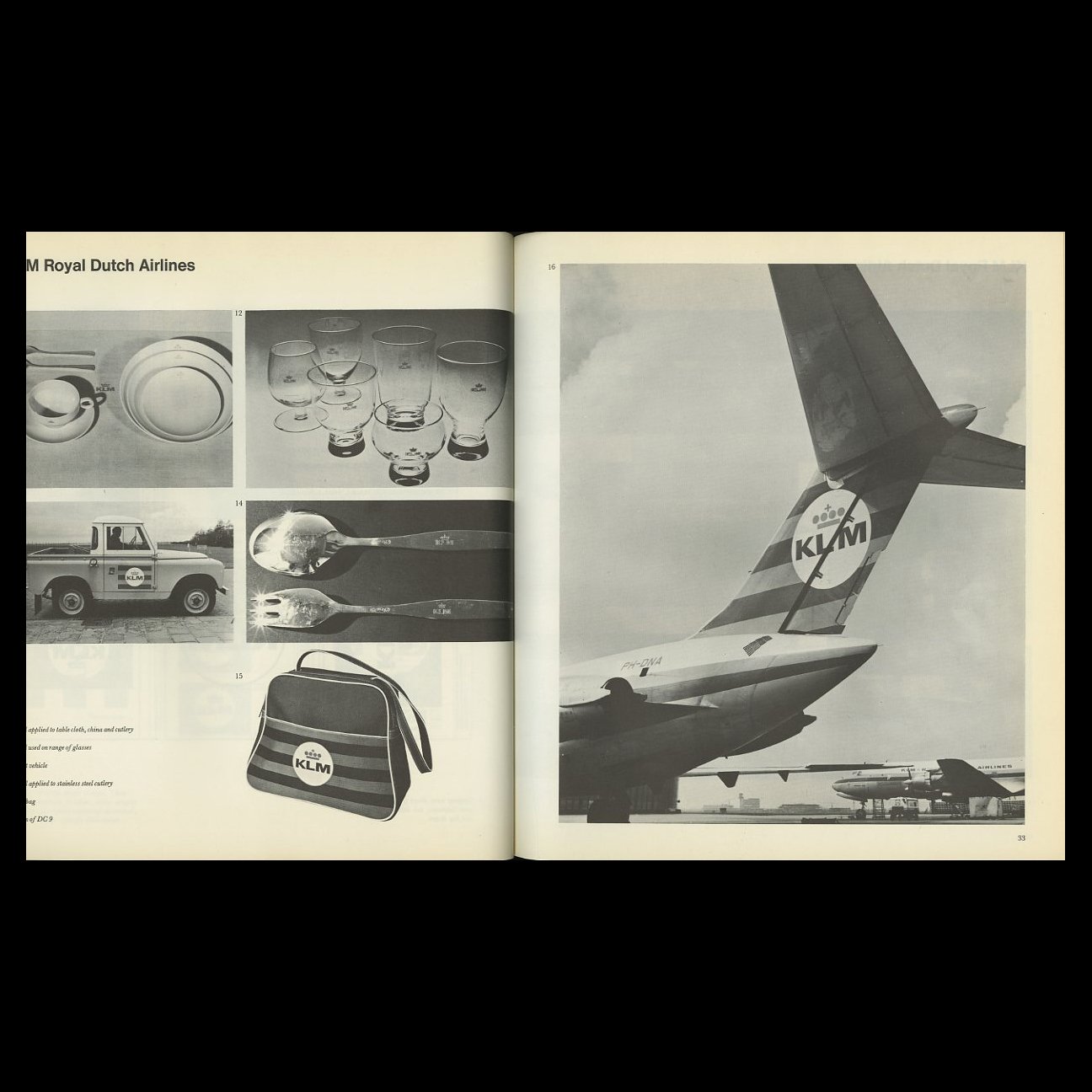 Image 4 of 14
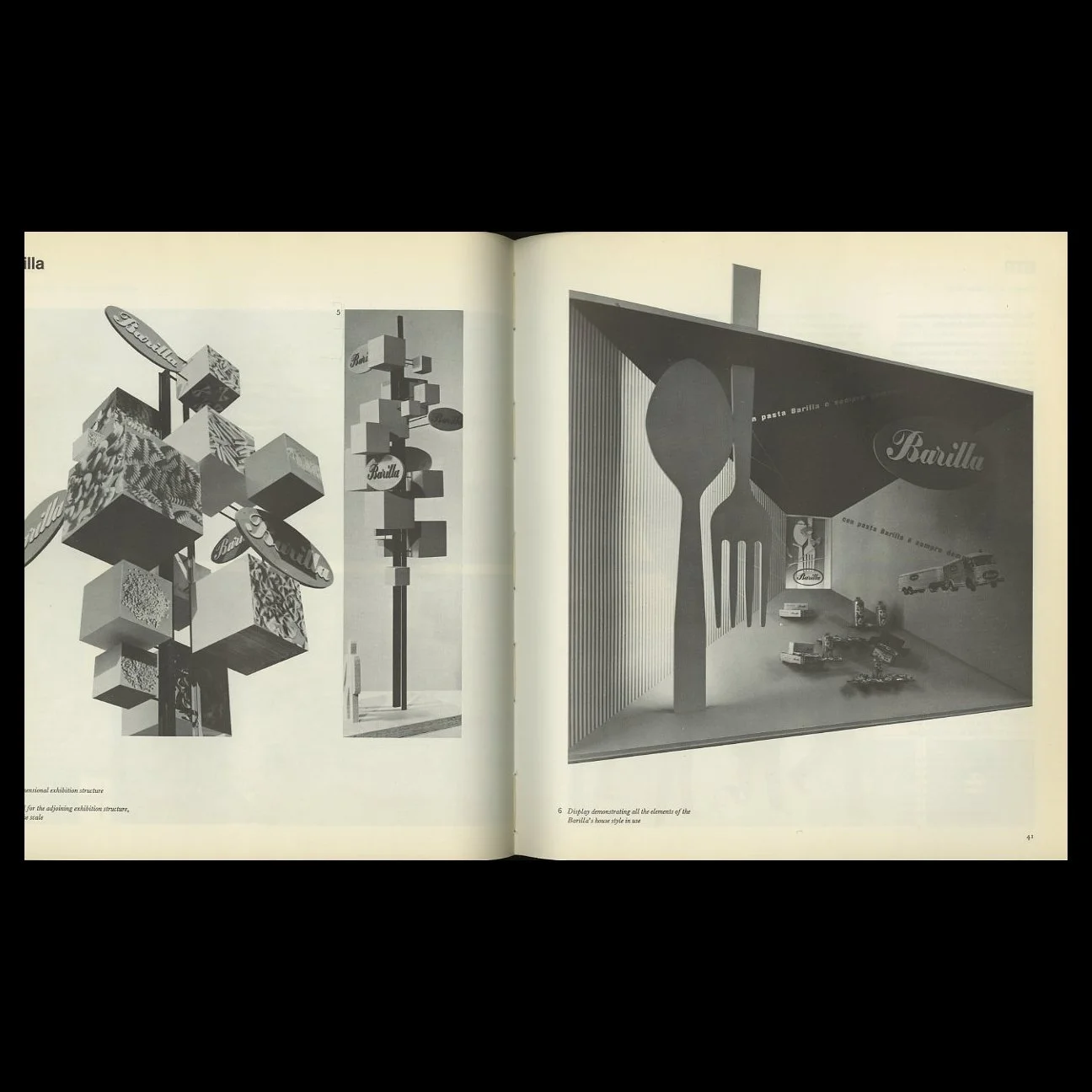 Image 5 of 14
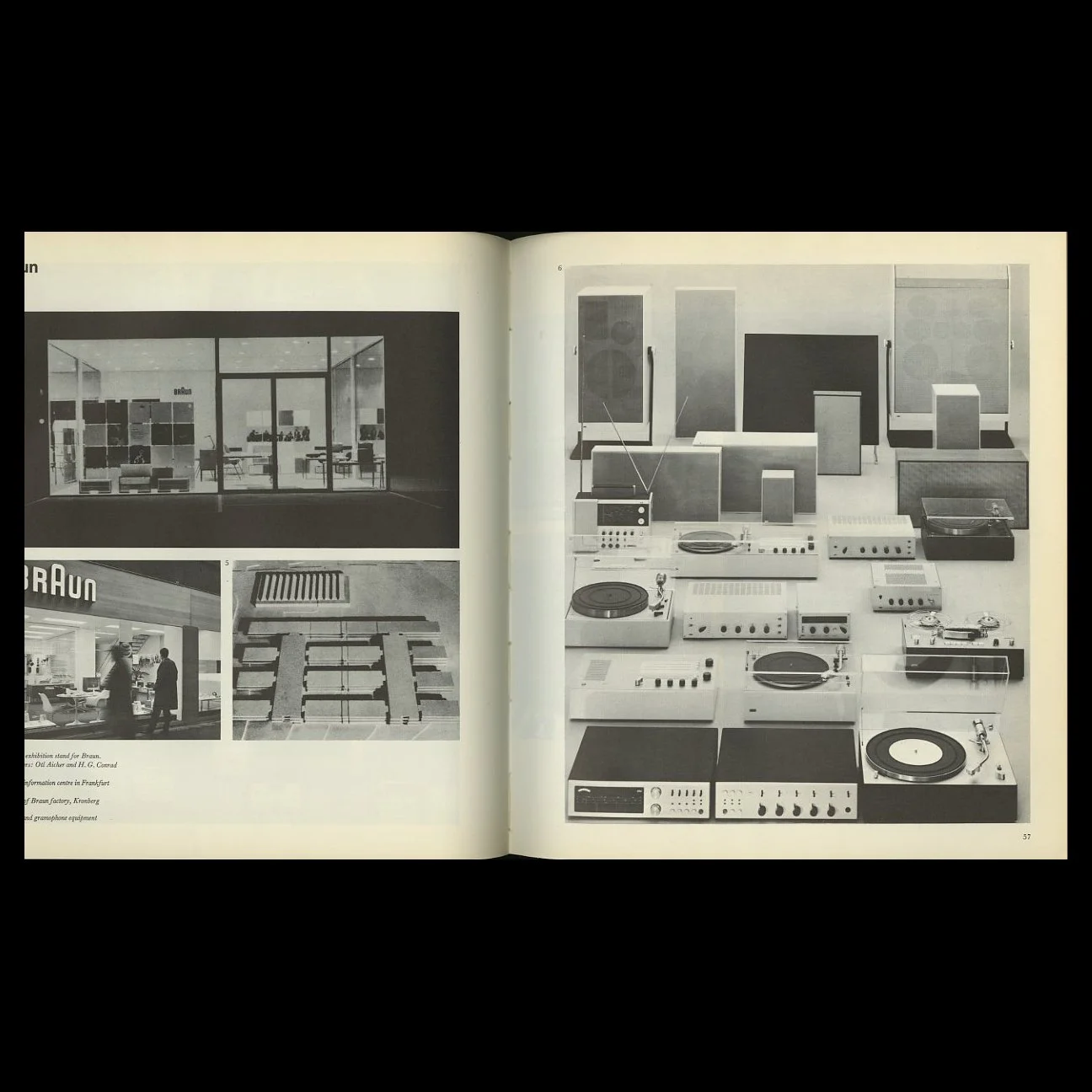 Image 6 of 14
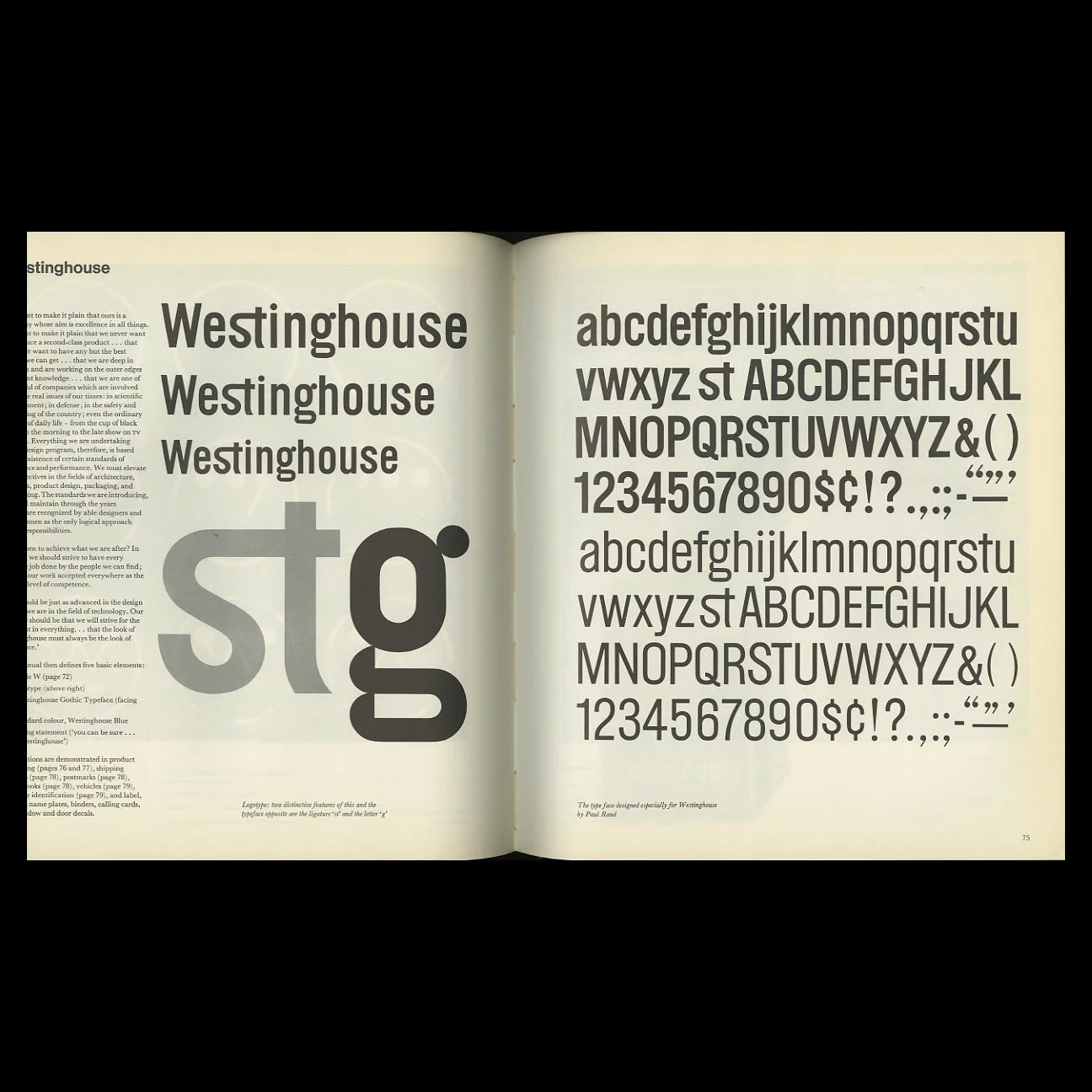 Image 7 of 14
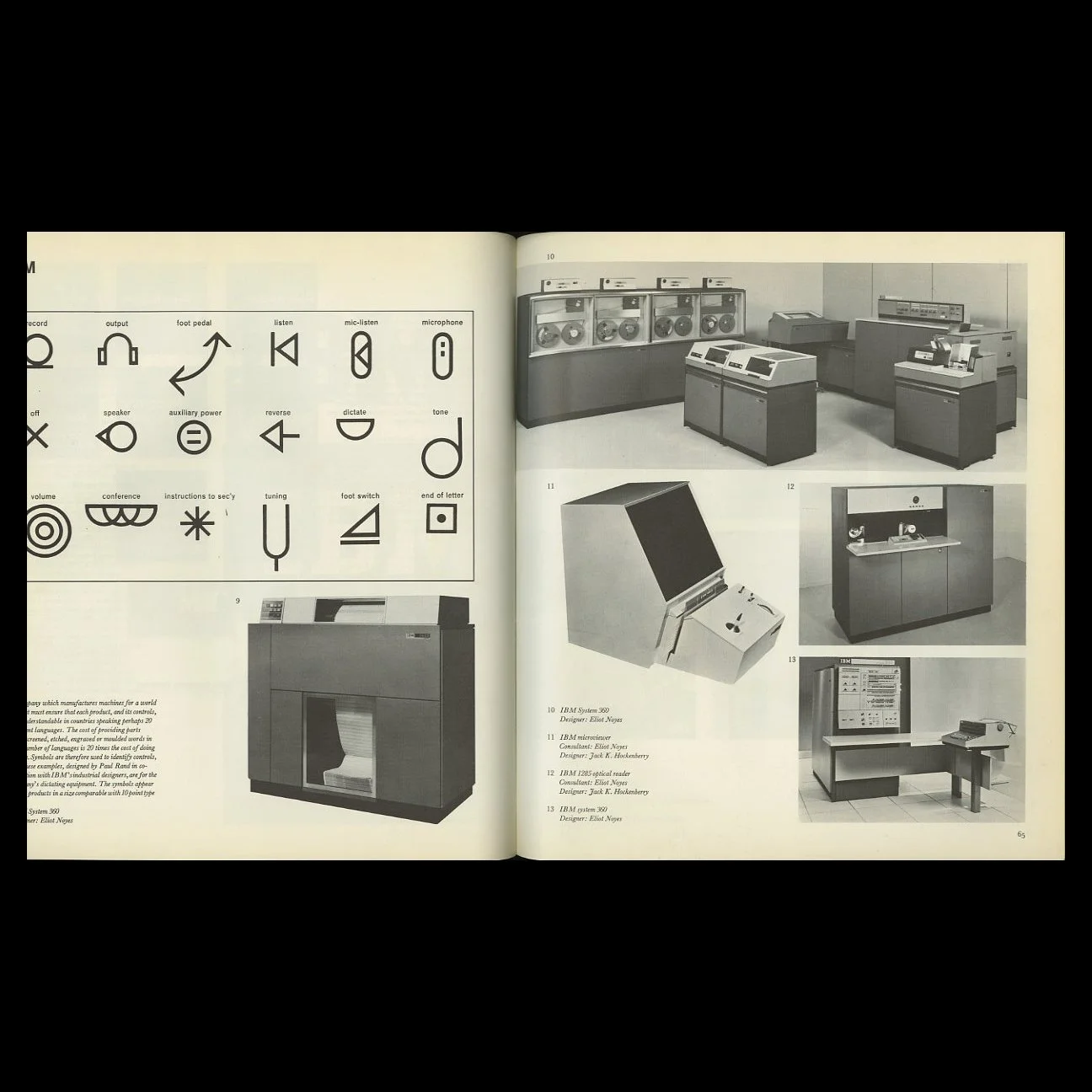 Image 8 of 14
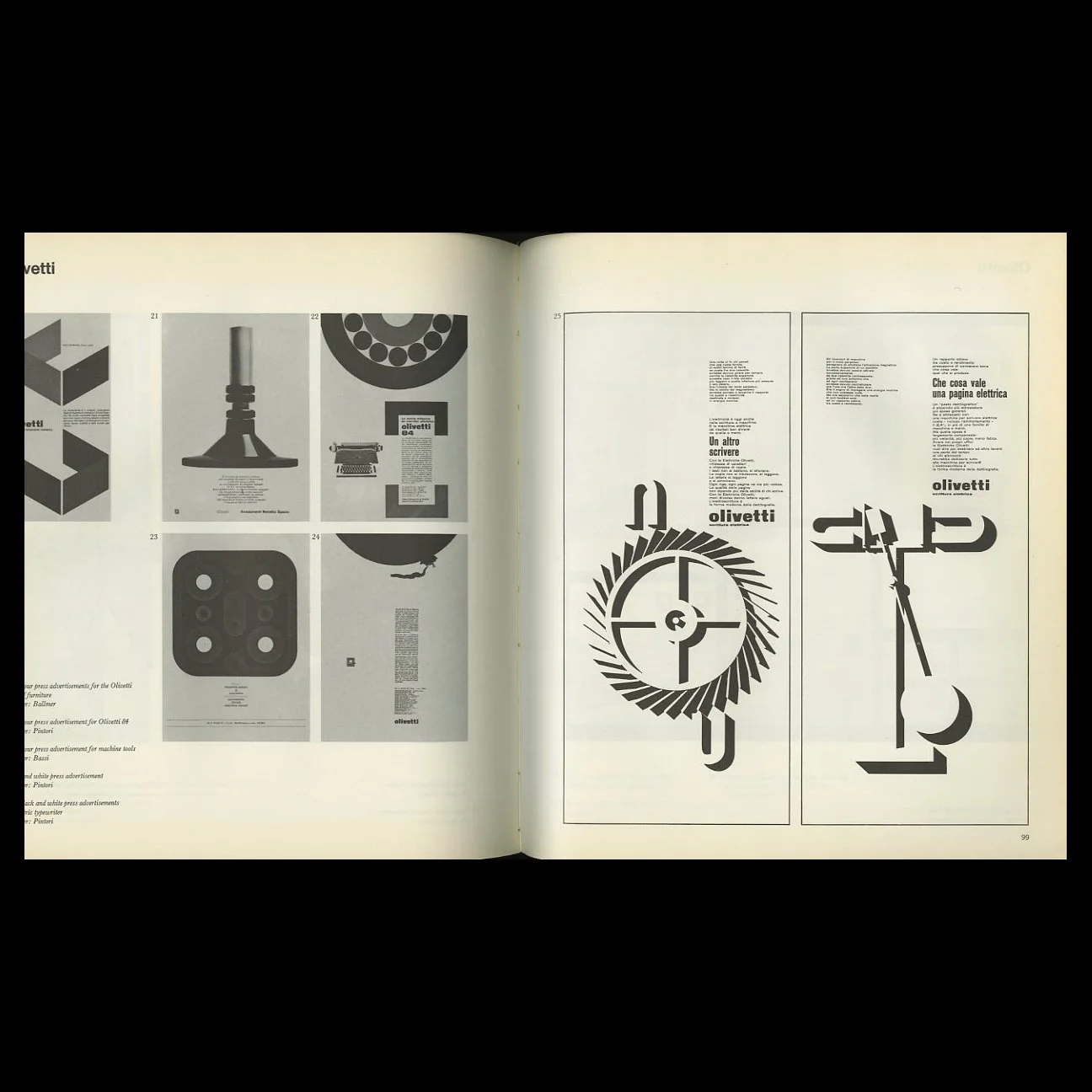 Image 9 of 14
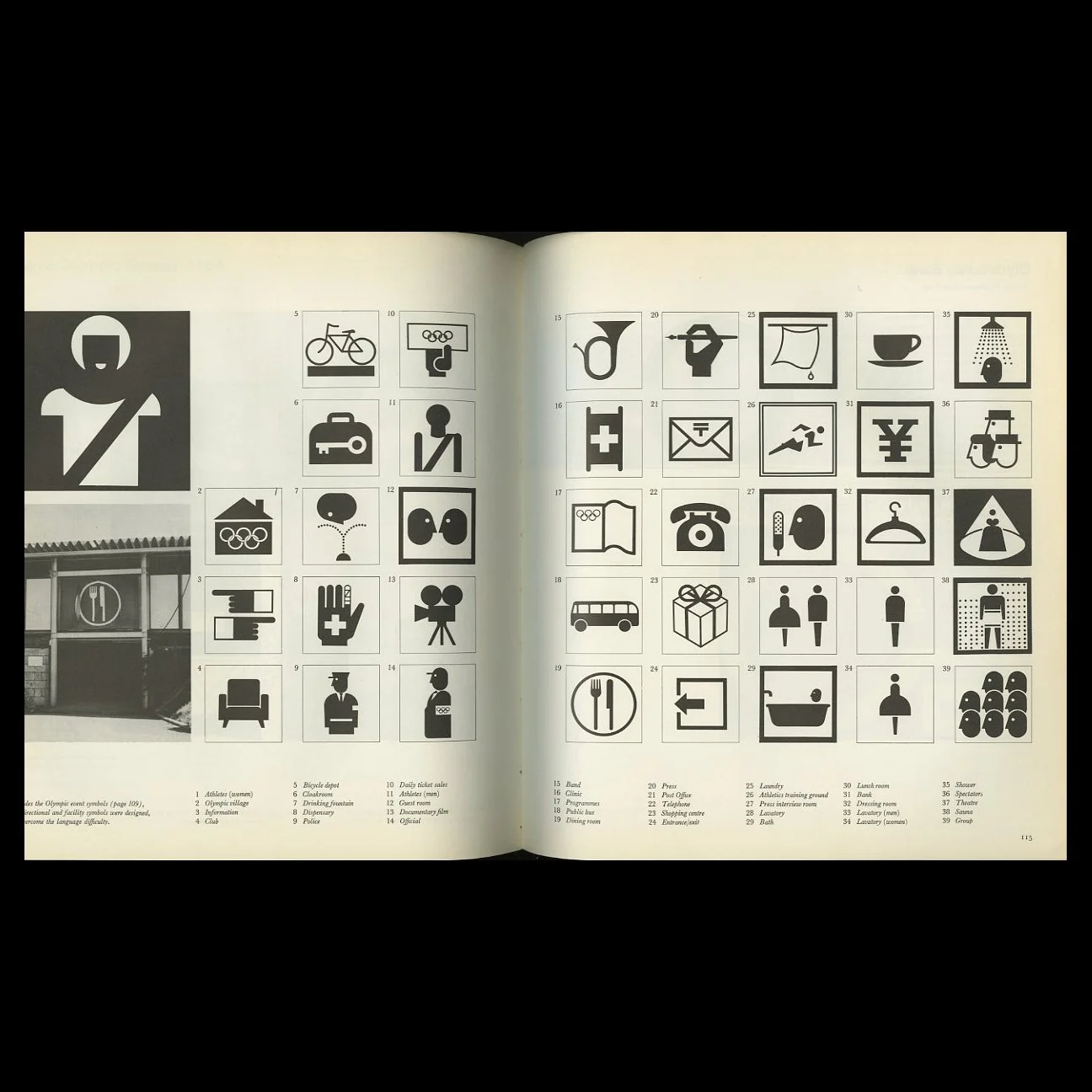 Image 10 of 14
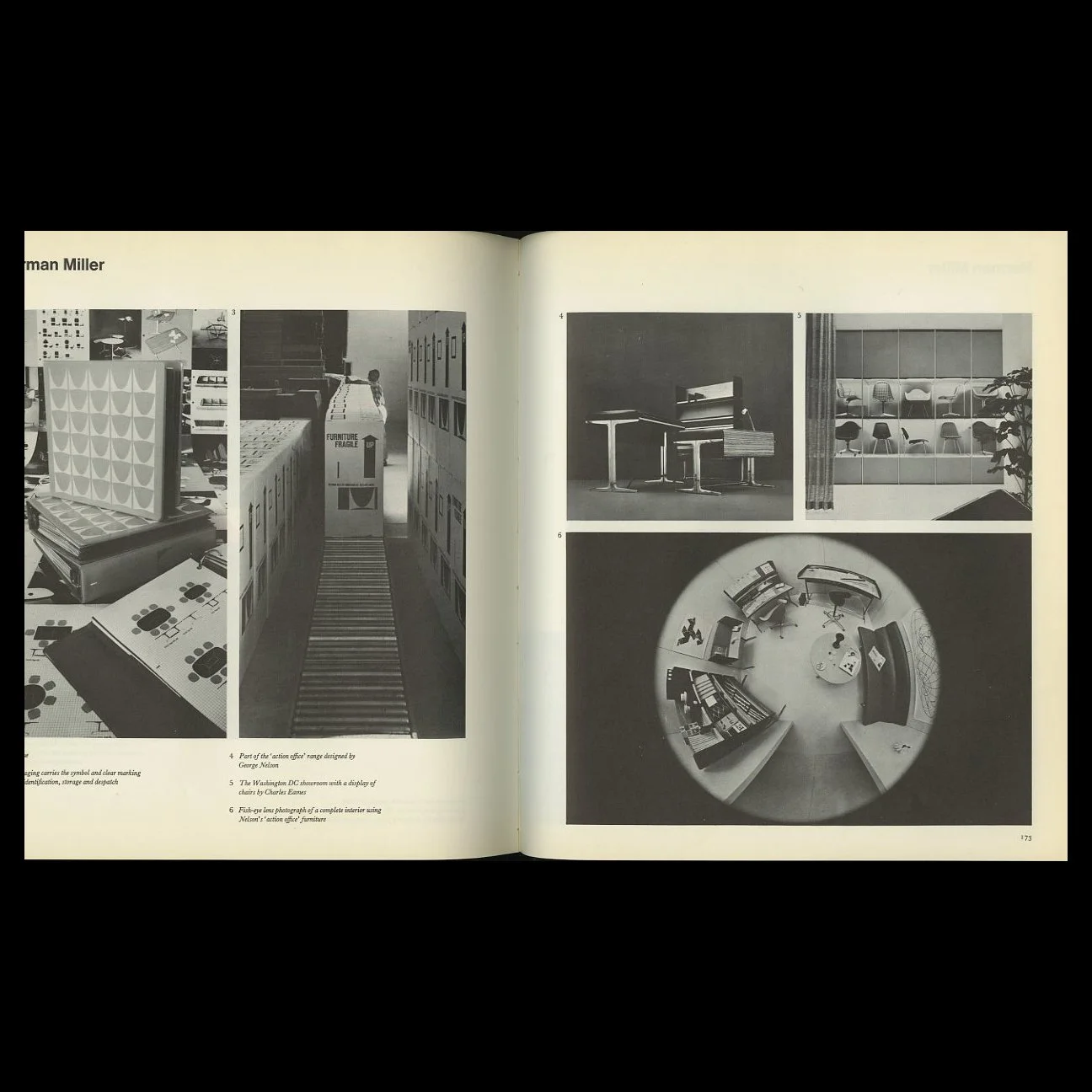 Image 11 of 14
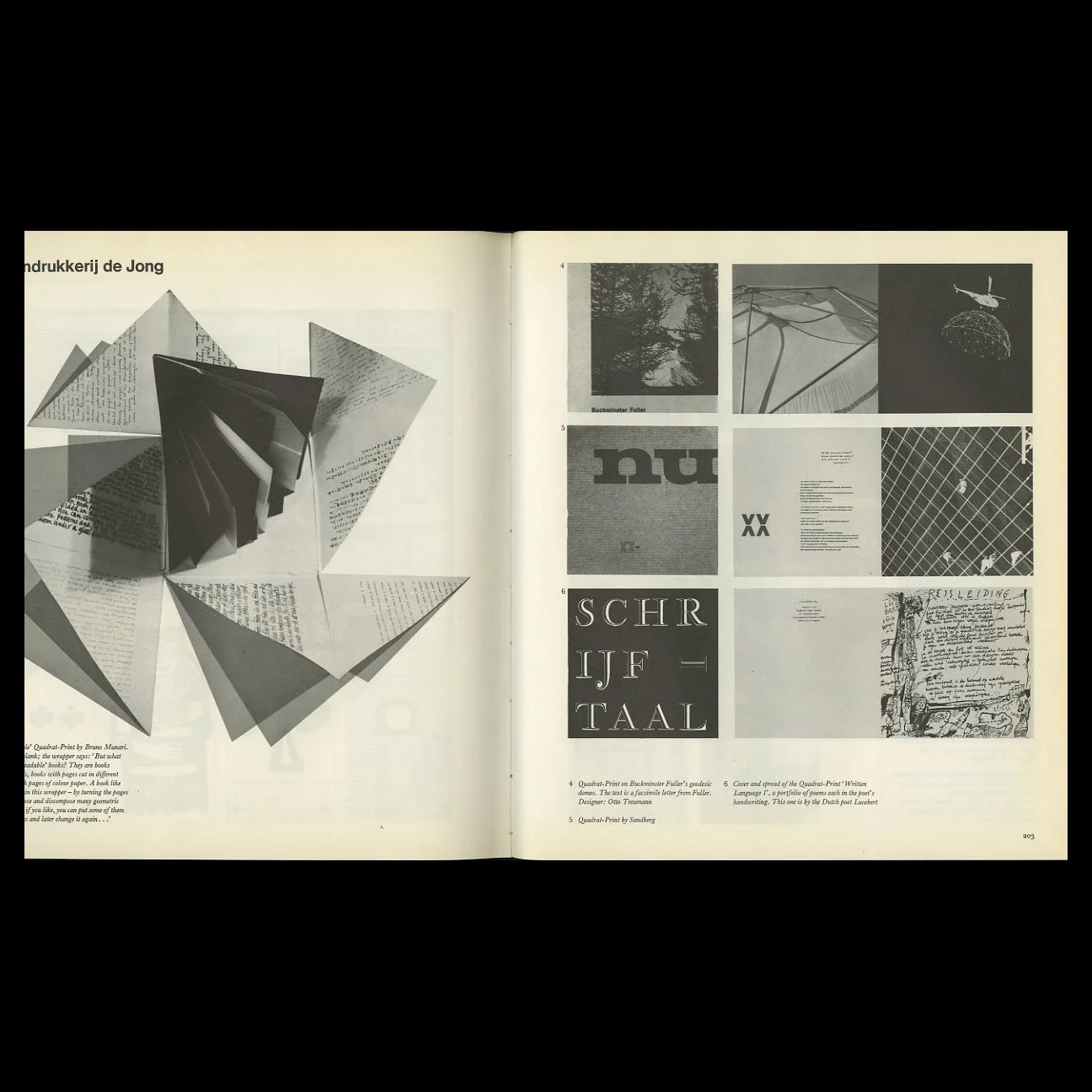 Image 12 of 14
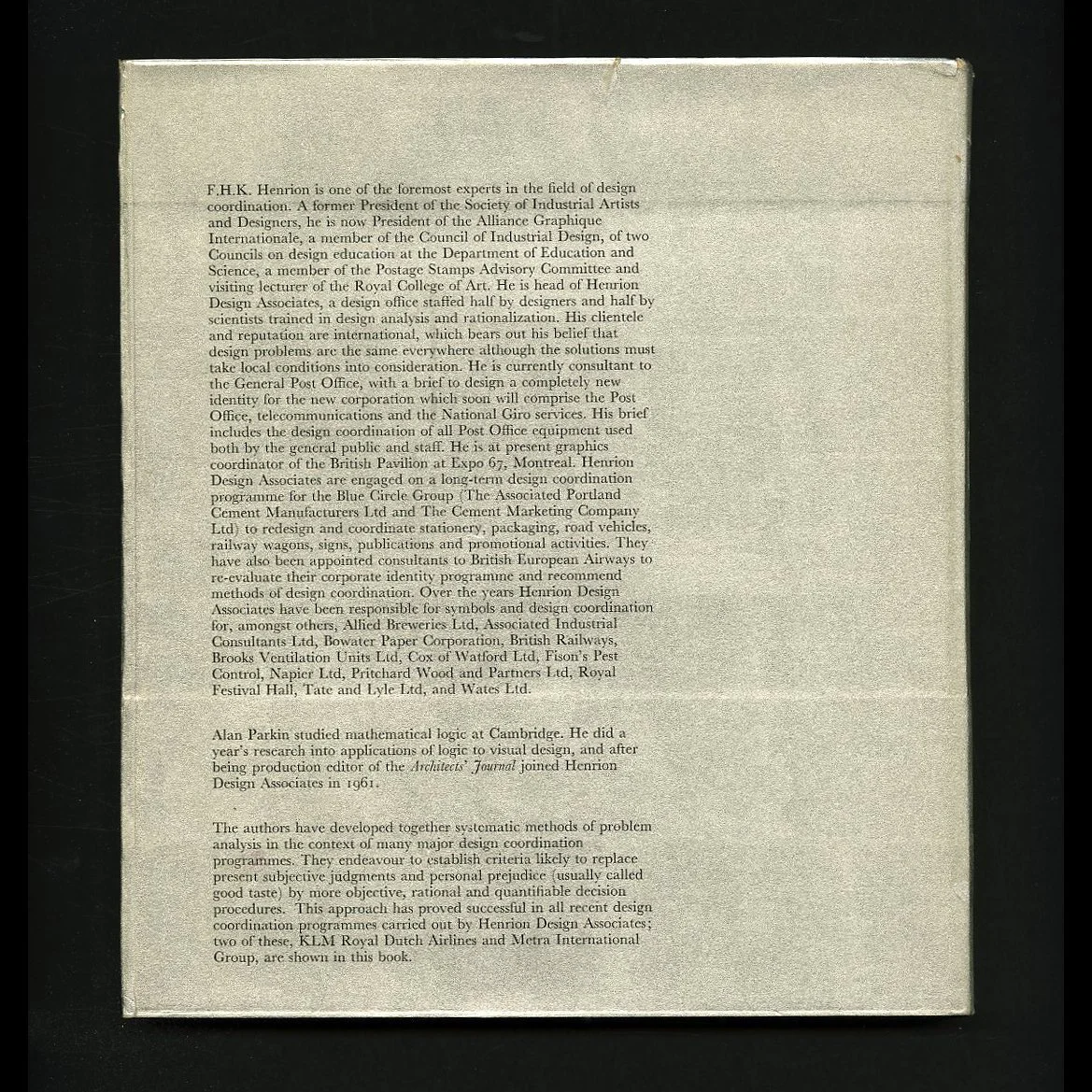 Image 13 of 14
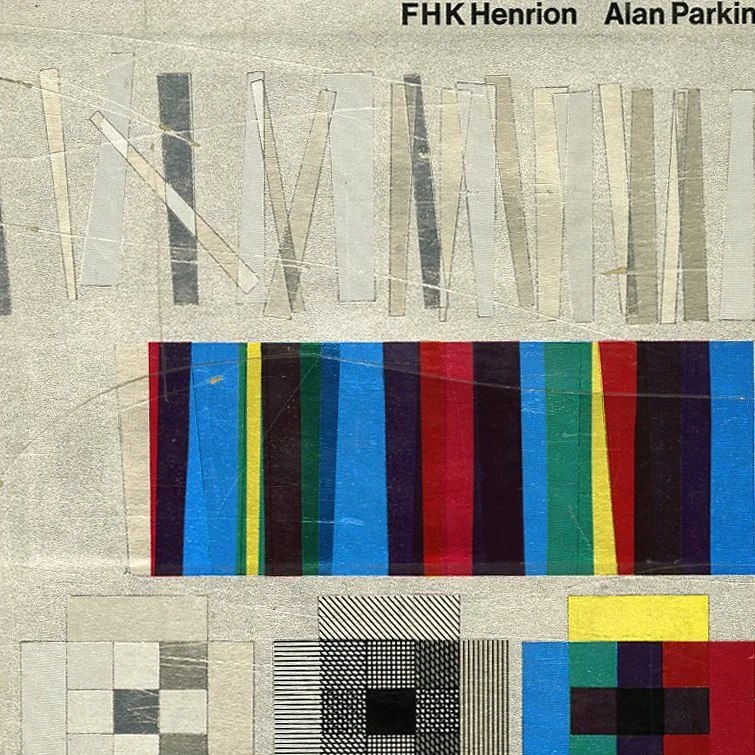 Image 14 of 14