GREAT IDEAS OF WESTERN MAN ADVERTISEMENTS FOR 1950 – 51 – 52
Herbert Bayer [Design Director]
Chicago: Container Corporation of America, 1952. Original edition. Printed cardboard portfolio folder containing 26 loose, color plates. Folder is in nearly fine condition with light wear to edges and faint rubbing to folds. All plates are in generally fine condition. Out-of-print. The first collection from the Great Ideas series, with classic images by Paul Rand, Herbert Bayer, Herbert Matter and others. One of the cleanest CCA Portfolio sets we have handled.
11.5 x 14.25 cardboard portfolio folder with 26 [11.25 x 14] color plates featuring advertisements created for the Container Corporation of America by many contemporary greats in modern graphic design, art, and photography.
Portfolio Contents:
Arthur Williams: Alexander Hamilton
Tana Hoban: Jean Jacques Rousseau
Elain Urbain: Michel de Montaigne
Edgar Miller: Aristotle
Ben Shahn: John Locke
Leo Lionni: Joseph Addison
Hans Erni: Marcus Aurelius Antoninus
Paul Rand: Herodotus
Robert Schneeberg: George Washington
Leon Karp: Hobbes on War and Peace
Herbert Bayer: Thomas Jefferson
Herbert Matter: Abraham Lincoln
Franklin Watkins: Henry George
Richard Lindner: Immanuel Kant
Dimitri Petrov: Blaise Pascal
Hans Moller: Thomas Jefferson
Honore Sharrer: Horace Mann
Leon Kelly: Goethe on Truth and Error
Edith Louise Jaffy: Montesquieu
Egbert Jacobson: John Dewey
Gyorgy Kepes: Socrates
Herbert Bayer: Emerson
Felix Topolski: Alexis De Tocqueville
Robert Brady: Goethe on Man’s Happiness
Laszlo Meitner: Spinoza
Max Bill: Immanual Kant on Citizenship
These CCA Portfolios contain absolutely the best reproductions of these pieces, many of which are rightly considered high points of American Graphic Design.
From 1950 to the mid-1970s, the CCA ran advertisements in a series called "Great Ideas of Western Man." Art Director Herbert Bayer commissioned major artists and designers to illustrate selected ideas of the greatest philosophers, writers, scientists, and cultural, religious, and political figures of history. An excellent vintage snapshot of corporate America's embrace of the European Avant-Garde, speciifically by Chairman Walter Paepcke of the CCA.
The Container Corporation of America [CCA], the largest domestic manufacturer of paperboard and packaging materials, was an early and influential patron of Modern design in the United States. Design work commissioned by the CCA reflected their progressive business approach as well as the growing consumer culture fueled by new attention being paid to the aesthetic shaping of products and advertising. In following its mission—and especially through its advertisements—CCA founded a style of institutional communication that influenced the field and prefigured contemporary socially oriented campaigns.
In 1970, responding to the first wave of American environmental concerns, CCA developed a major recycling program. The company sponsored a national competition to design the recycling symbol, which was won by a California college student, Gary Anderson.
Beginning in 1937 a seminal series of ads directed by Charles Coiner [1898–1989] used illustrations by A. M. Cassandre, Jean Carlu, Leo Lionni, Herbert Bayer, Herbert Matter, and other European vanguard artists and designers. This campaign marked a unique integration of progressive art into mainstream American promotion and advertising.
But Paepcke deepened his impact on Modernism in America when he became the friend and financial supporter of Bauhaus émigré László Moholy-Nagy, who came to Chicago in 1937 to launch the New Bauhaus. Paepcke also became the patron of Bauhaus alumnus Herbert Bayer, who profoundly aided him in his goal of bettering humanity through his commercial products and advertising.
Walter Paepcke began redeveloping the resort town of Aspen, Colorado in 1945, the same year he hired Bayer as the Design Director for CCA. Bayer moved to Aspen in 1946 where he co-designed the Aspen Institute, oversaw the restoration of the Wheeler Opera House, and designed promotional posters that identified skiing with wit, excitement, and glamour. In 1956, he was promoted to Chairman of the Department of Design, where he was responsible for the corporation’s entire aesthetic environment, including graphic design, advertising, marketing, industrial design, architecture, and interiors — his first foray into the concept of creating a total corporate environment.
As a result of his relationship with Paepcke, Bayer pioneered the concept of collaboration between the artist and a corporation. Their shared vision of a symbiotic relationship between corporate culture and an aesthetic philosophy was Bayer’s realization of the true Bauhaus credo.
With the outbreak of World War II, CCA launched its highly successful “Paperboard Goes To War” institutional campaign. Using telegraphic copy and symbolic imagery to promote the importance of paperboard packaging in the war effort, the campaign was designed to improve the competitive position of paperboard in the postwar market by touting its strength and durability, features that made it an alternative to the wooden barrels and crates then in use for most shipping.
The CCA’s influential advertising campaigns were organized under such themes as wartime service and patriotism, the United Nations, the States of the Union, and finally the influential ”Great ideas of Western Man,” that employed pioneering artists and designers to visually interpret historic quotations from philosophers to politicians.
In 1938, advertising executive David Ogilvy had denigrated CCA advertising as “an exercise in amateur pretension” and predicted that “it would soon be consigned to oblivion.” Thirty-eight years later, he declared it to be “the best . . . corporate advertising that has ever appeared in print.”
These CCA Portfolios contain absolutely the best reproductions of these pieces, many of which are rightly considered high points of American Graphic Design.
GREAT IDEAS OF WESTERN MAN ADVERTISEMENTS FOR 1950 – 51 – 52
Herbert Bayer [Design Director]
Chicago: Container Corporation of America, 1952. Original edition. Printed cardboard portfolio folder containing 26 loose, color plates. Folder is in nearly fine condition with light wear to edges and faint rubbing to folds. All plates are in generally fine condition. Out-of-print. The first collection from the Great Ideas series, with classic images by Paul Rand, Herbert Bayer, Herbert Matter and others. One of the cleanest CCA Portfolio sets we have handled.
11.5 x 14.25 cardboard portfolio folder with 26 [11.25 x 14] color plates featuring advertisements created for the Container Corporation of America by many contemporary greats in modern graphic design, art, and photography.
Portfolio Contents:
Arthur Williams: Alexander Hamilton
Tana Hoban: Jean Jacques Rousseau
Elain Urbain: Michel de Montaigne
Edgar Miller: Aristotle
Ben Shahn: John Locke
Leo Lionni: Joseph Addison
Hans Erni: Marcus Aurelius Antoninus
Paul Rand: Herodotus
Robert Schneeberg: George Washington
Leon Karp: Hobbes on War and Peace
Herbert Bayer: Thomas Jefferson
Herbert Matter: Abraham Lincoln
Franklin Watkins: Henry George
Richard Lindner: Immanuel Kant
Dimitri Petrov: Blaise Pascal
Hans Moller: Thomas Jefferson
Honore Sharrer: Horace Mann
Leon Kelly: Goethe on Truth and Error
Edith Louise Jaffy: Montesquieu
Egbert Jacobson: John Dewey
Gyorgy Kepes: Socrates
Herbert Bayer: Emerson
Felix Topolski: Alexis De Tocqueville
Robert Brady: Goethe on Man’s Happiness
Laszlo Meitner: Spinoza
Max Bill: Immanual Kant on Citizenship
These CCA Portfolios contain absolutely the best reproductions of these pieces, many of which are rightly considered high points of American Graphic Design.
From 1950 to the mid-1970s, the CCA ran advertisements in a series called "Great Ideas of Western Man." Art Director Herbert Bayer commissioned major artists and designers to illustrate selected ideas of the greatest philosophers, writers, scientists, and cultural, religious, and political figures of history. An excellent vintage snapshot of corporate America's embrace of the European Avant-Garde, speciifically by Chairman Walter Paepcke of the CCA.
The Container Corporation of America [CCA], the largest domestic manufacturer of paperboard and packaging materials, was an early and influential patron of Modern design in the United States. Design work commissioned by the CCA reflected their progressive business approach as well as the growing consumer culture fueled by new attention being paid to the aesthetic shaping of products and advertising. In following its mission—and especially through its advertisements—CCA founded a style of institutional communication that influenced the field and prefigured contemporary socially oriented campaigns.
In 1970, responding to the first wave of American environmental concerns, CCA developed a major recycling program. The company sponsored a national competition to design the recycling symbol, which was won by a California college student, Gary Anderson.
Beginning in 1937 a seminal series of ads directed by Charles Coiner [1898–1989] used illustrations by A. M. Cassandre, Jean Carlu, Leo Lionni, Herbert Bayer, Herbert Matter, and other European vanguard artists and designers. This campaign marked a unique integration of progressive art into mainstream American promotion and advertising.
But Paepcke deepened his impact on Modernism in America when he became the friend and financial supporter of Bauhaus émigré László Moholy-Nagy, who came to Chicago in 1937 to launch the New Bauhaus. Paepcke also became the patron of Bauhaus alumnus Herbert Bayer, who profoundly aided him in his goal of bettering humanity through his commercial products and advertising.
Walter Paepcke began redeveloping the resort town of Aspen, Colorado in 1945, the same year he hired Bayer as the Design Director for CCA. Bayer moved to Aspen in 1946 where he co-designed the Aspen Institute, oversaw the restoration of the Wheeler Opera House, and designed promotional posters that identified skiing with wit, excitement, and glamour. In 1956, he was promoted to Chairman of the Department of Design, where he was responsible for the corporation’s entire aesthetic environment, including graphic design, advertising, marketing, industrial design, architecture, and interiors — his first foray into the concept of creating a total corporate environment.
As a result of his relationship with Paepcke, Bayer pioneered the concept of collaboration between the artist and a corporation. Their shared vision of a symbiotic relationship between corporate culture and an aesthetic philosophy was Bayer’s realization of the true Bauhaus credo.
With the outbreak of World War II, CCA launched its highly successful “Paperboard Goes To War” institutional campaign. Using telegraphic copy and symbolic imagery to promote the importance of paperboard packaging in the war effort, the campaign was designed to improve the competitive position of paperboard in the postwar market by touting its strength and durability, features that made it an alternative to the wooden barrels and crates then in use for most shipping.
The CCA’s influential advertising campaigns were organized under such themes as wartime service and patriotism, the United Nations, the States of the Union, and finally the influential ”Great ideas of Western Man,” that employed pioneering artists and designers to visually interpret historic quotations from philosophers to politicians.
In 1938, advertising executive David Ogilvy had denigrated CCA advertising as “an exercise in amateur pretension” and predicted that “it would soon be consigned to oblivion.” Thirty-eight years later, he declared it to be “the best . . . corporate advertising that has ever appeared in print.”
These CCA Portfolios contain absolutely the best reproductions of these pieces, many of which are rightly considered high points of American Graphic Design.

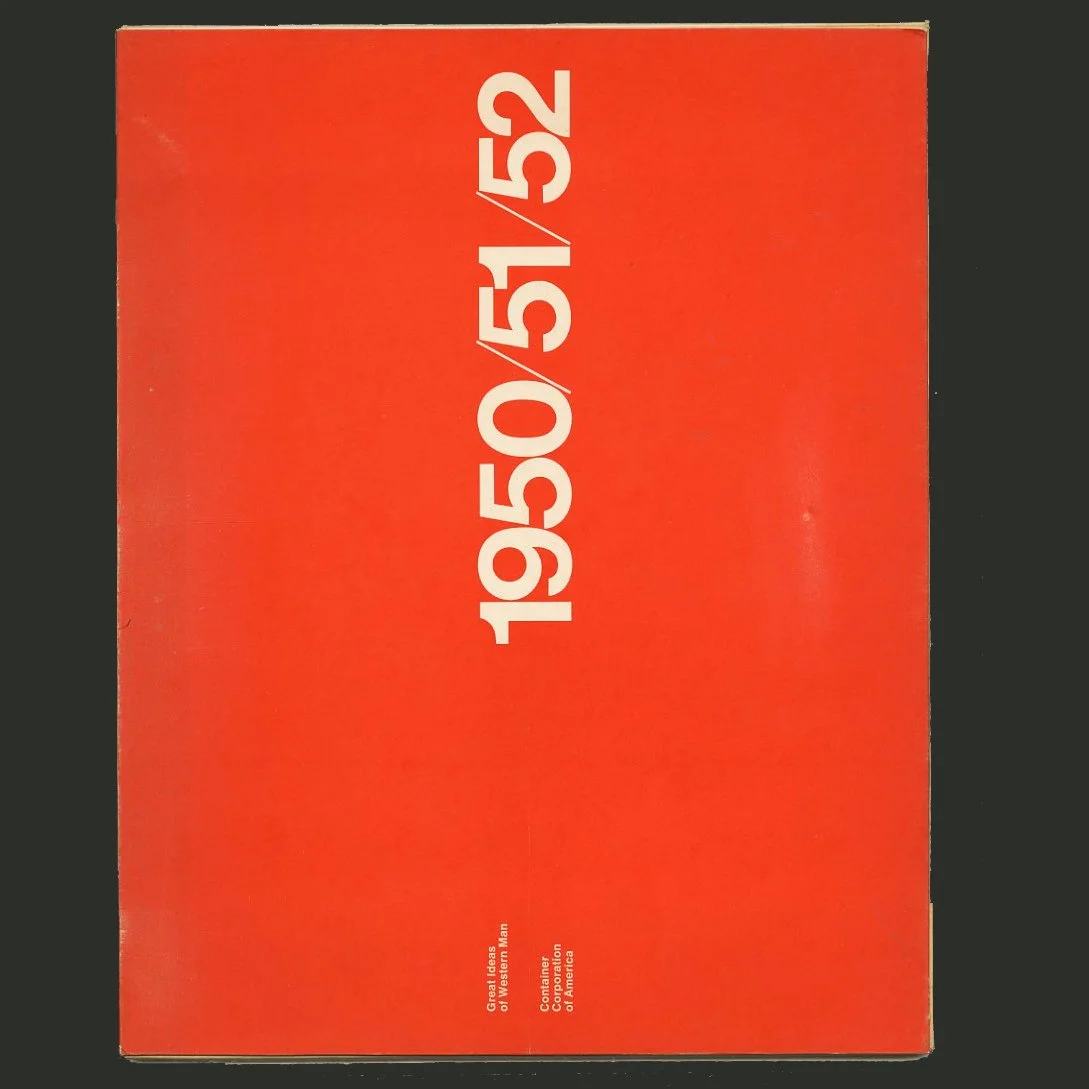 Image 1 of 25
 Image 2 of 25
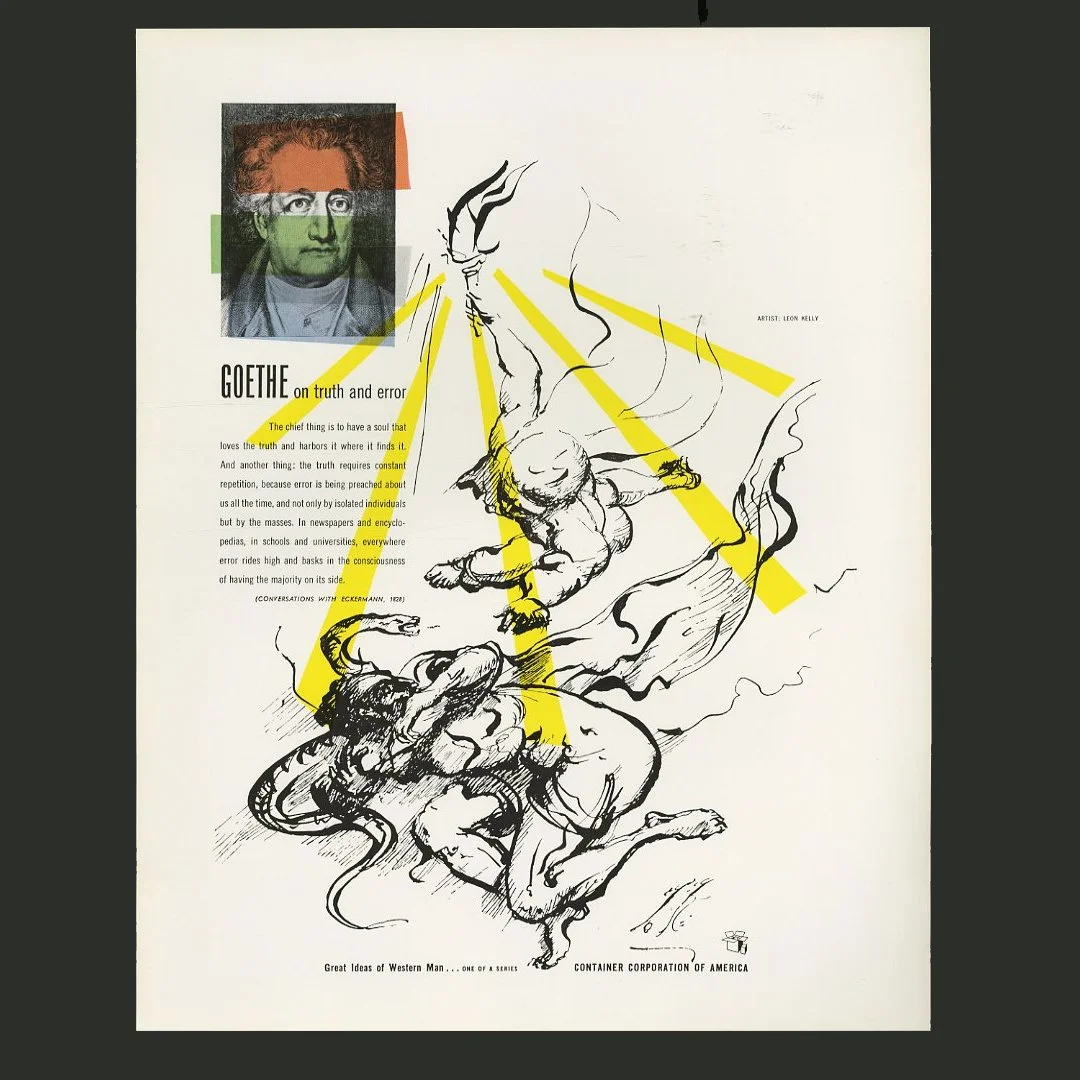 Image 3 of 25
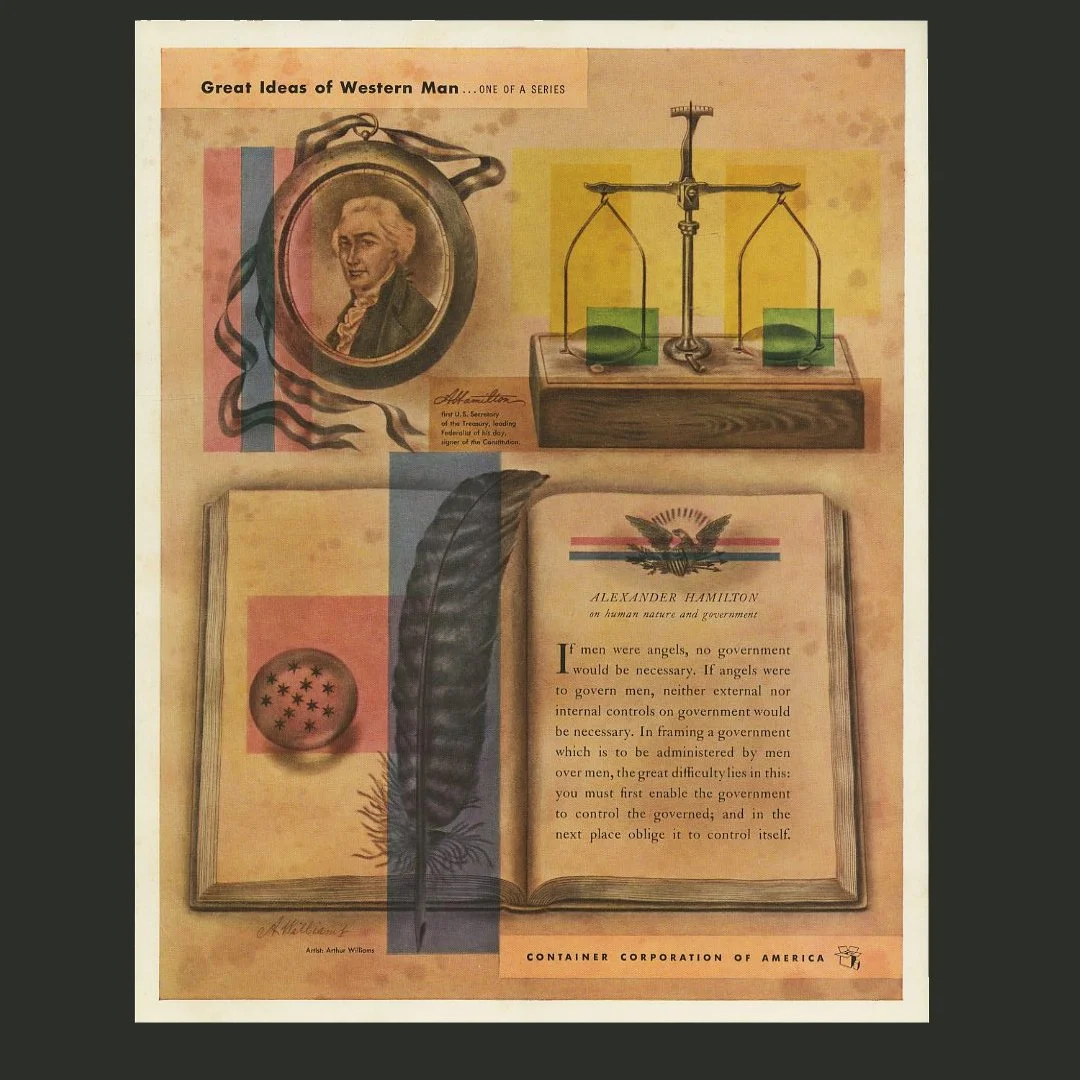 Image 4 of 25
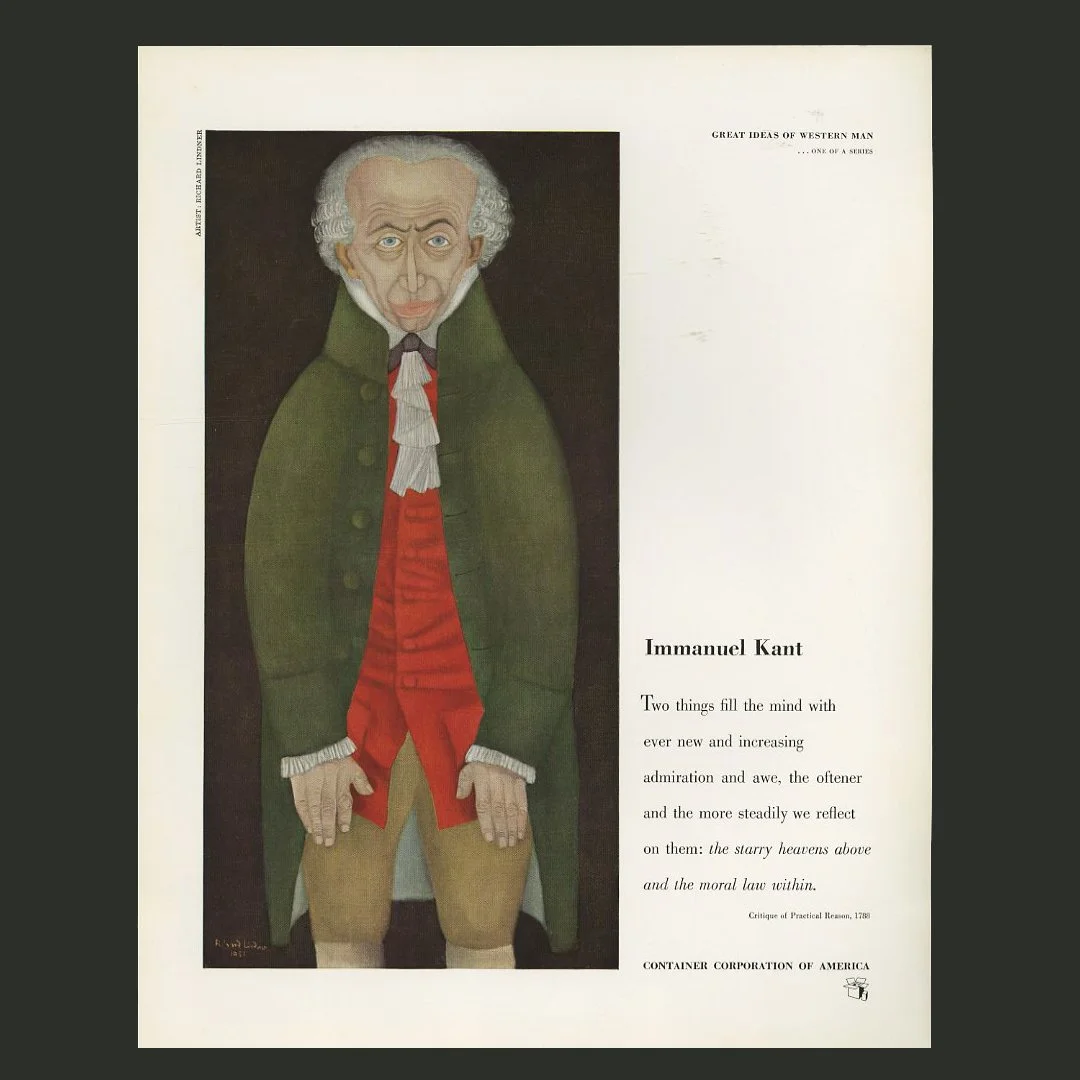 Image 5 of 25
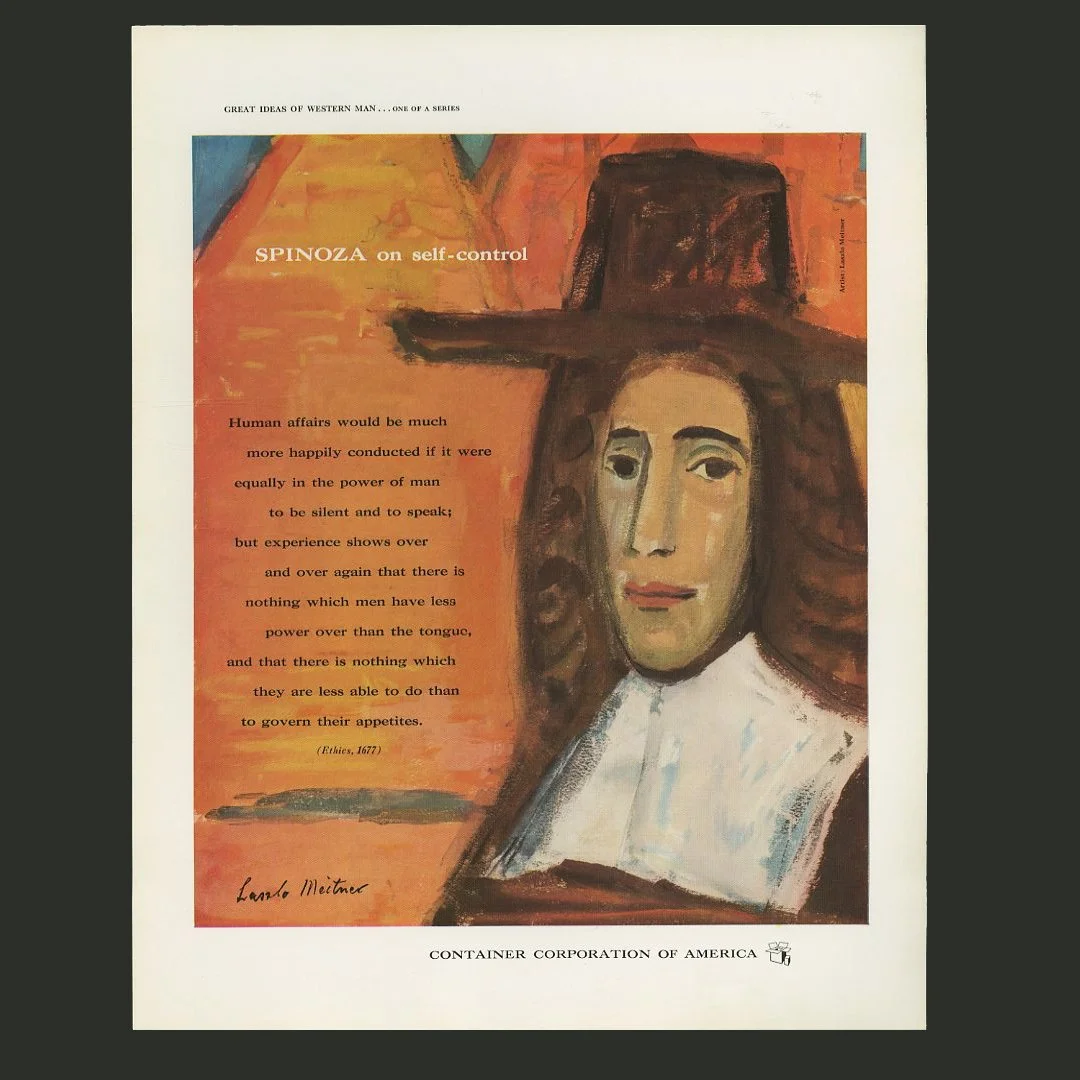 Image 6 of 25
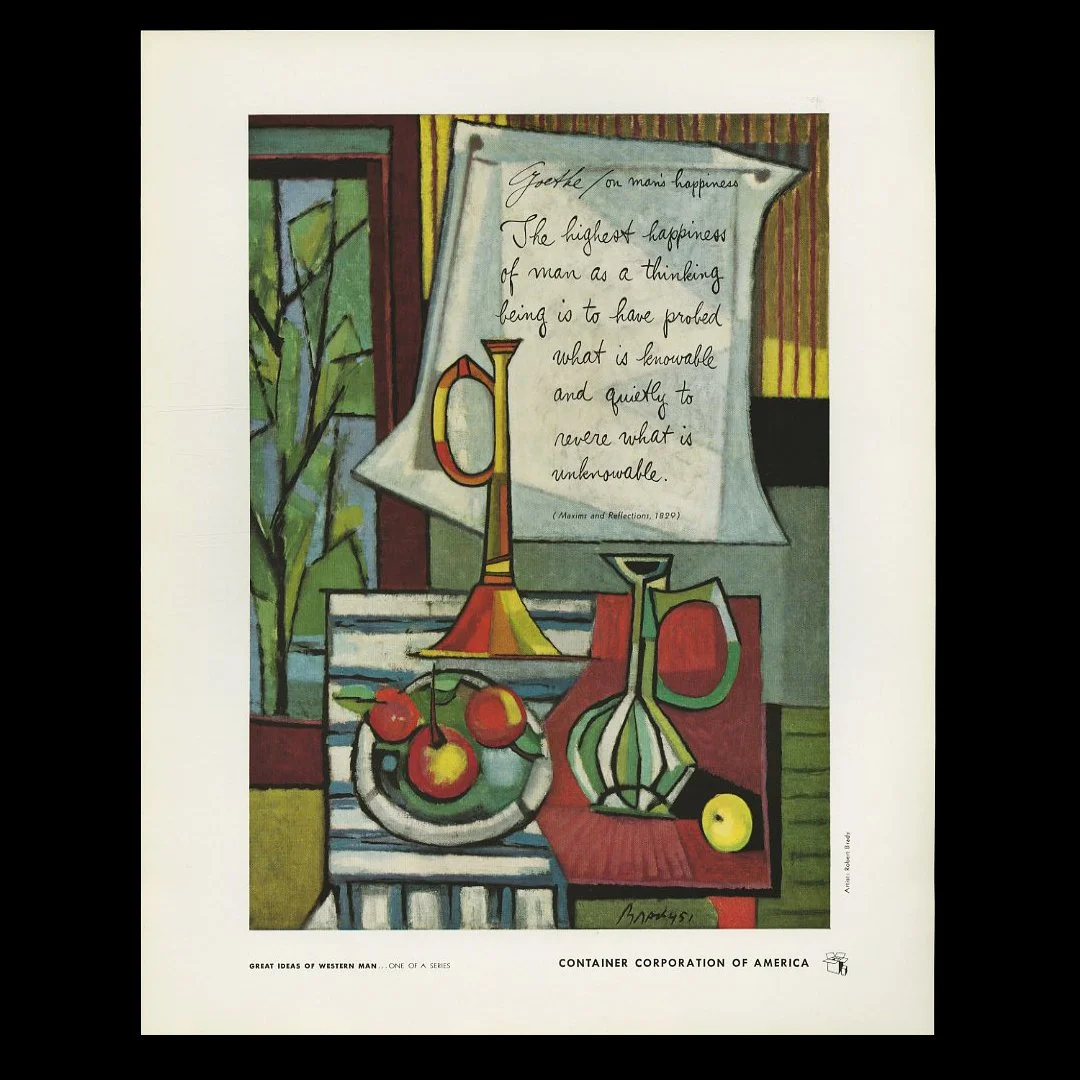 Image 7 of 25
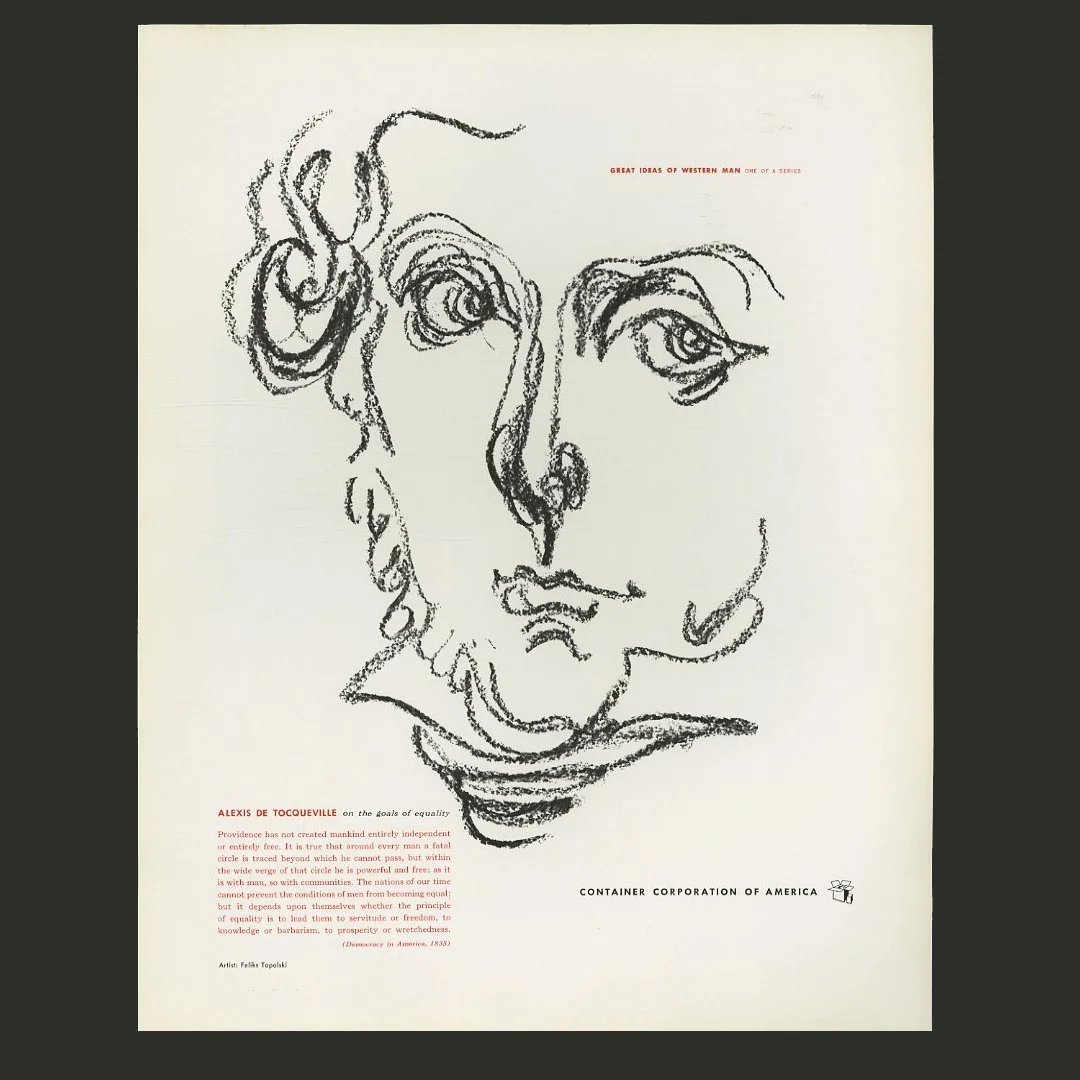 Image 8 of 25
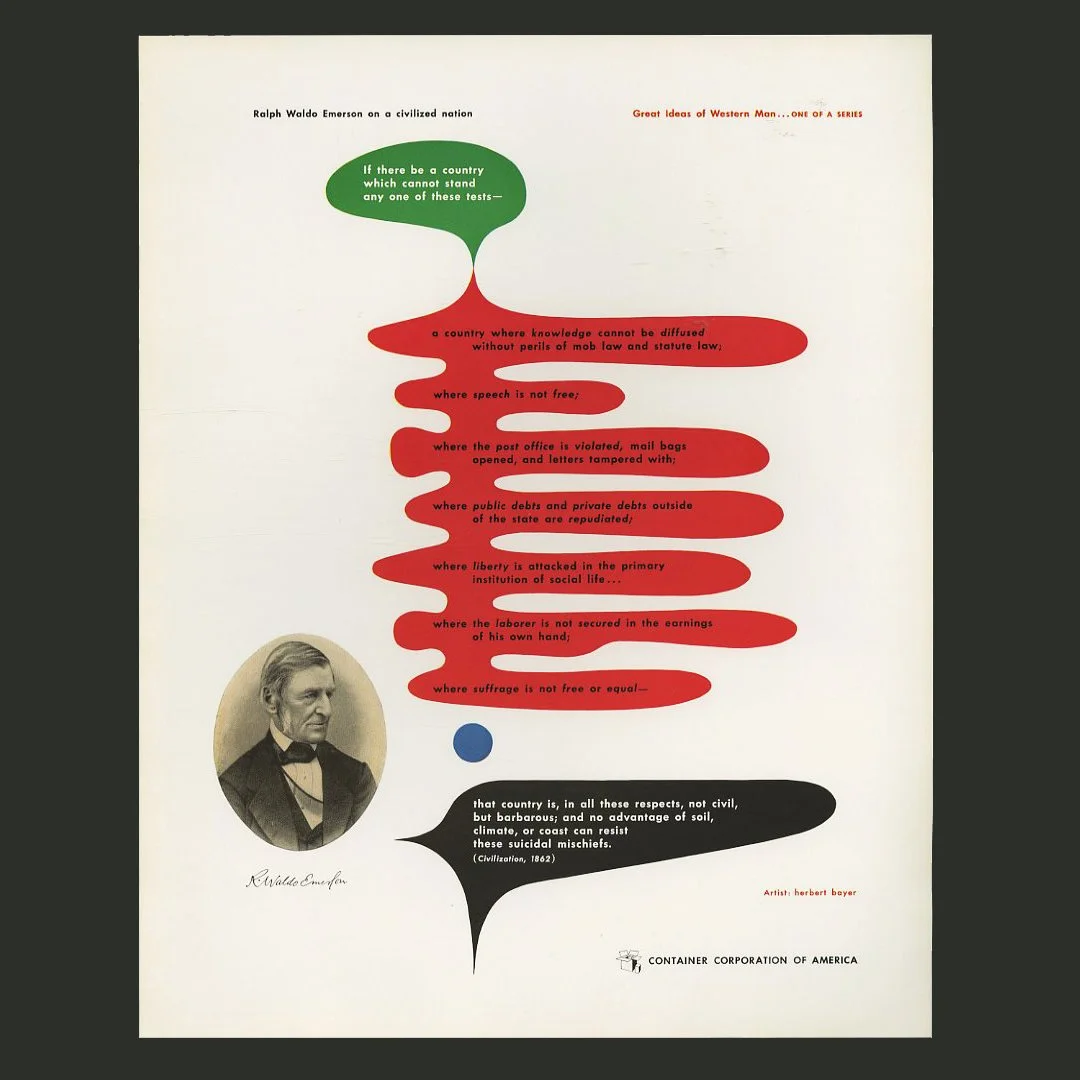 Image 9 of 25
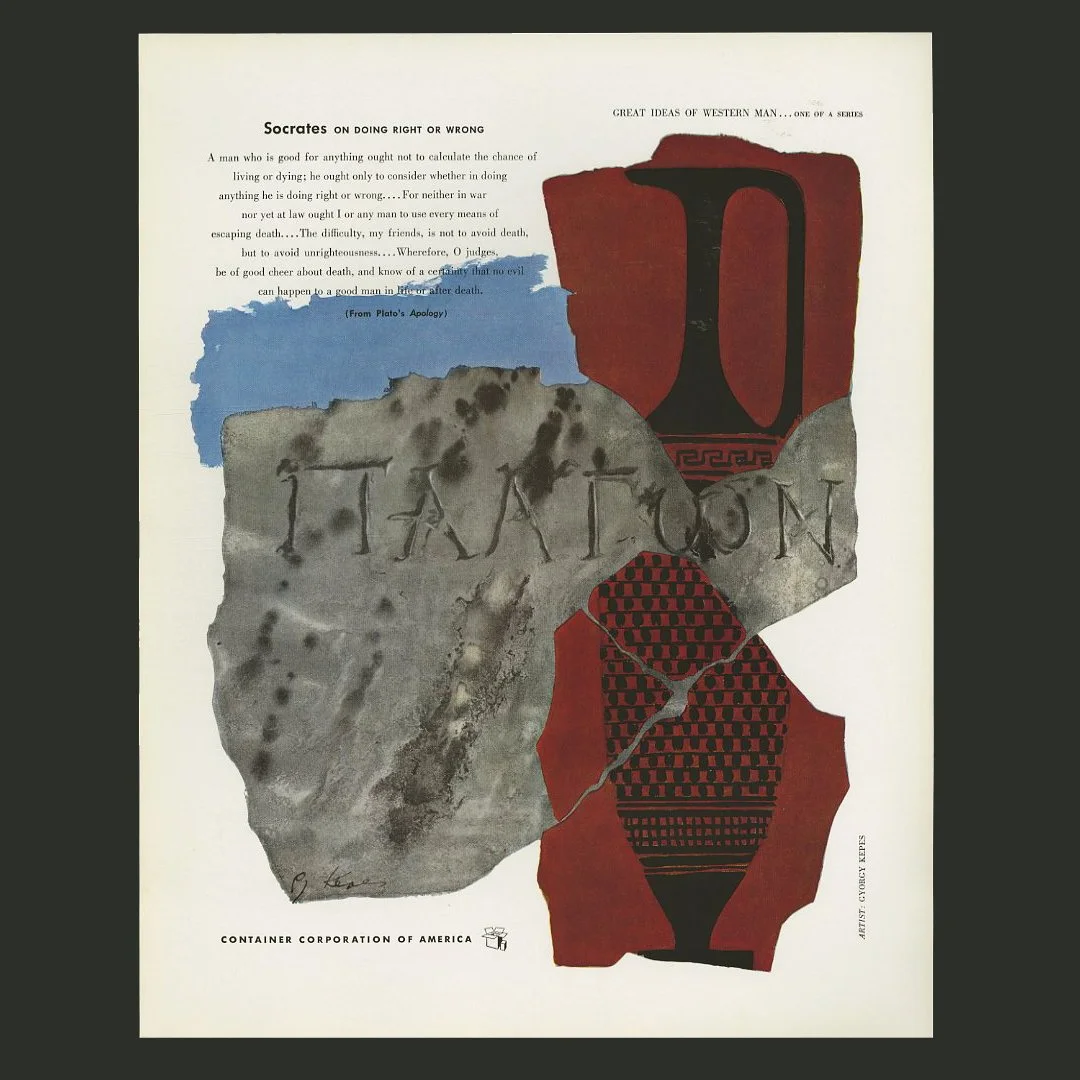 Image 10 of 25
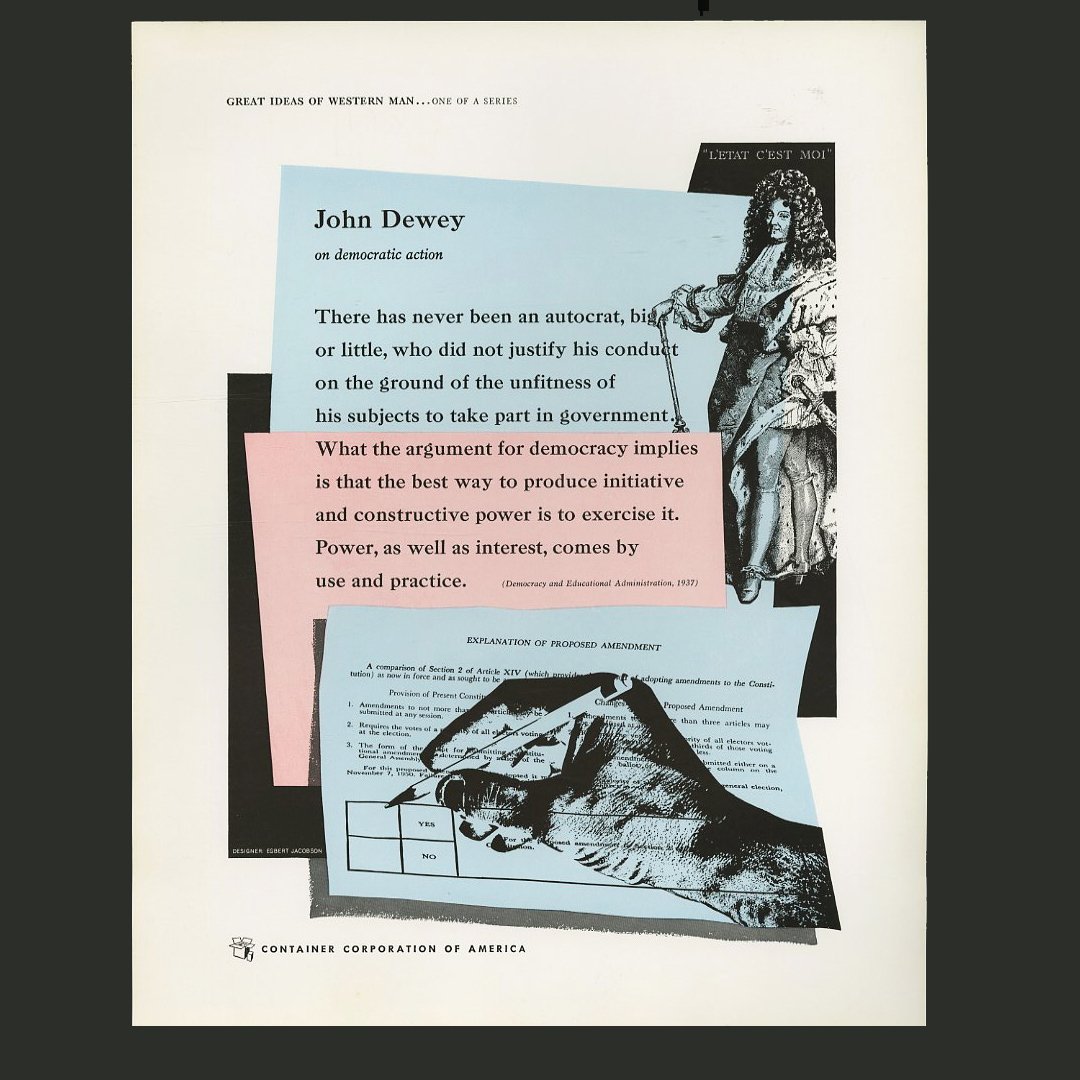 Image 11 of 25
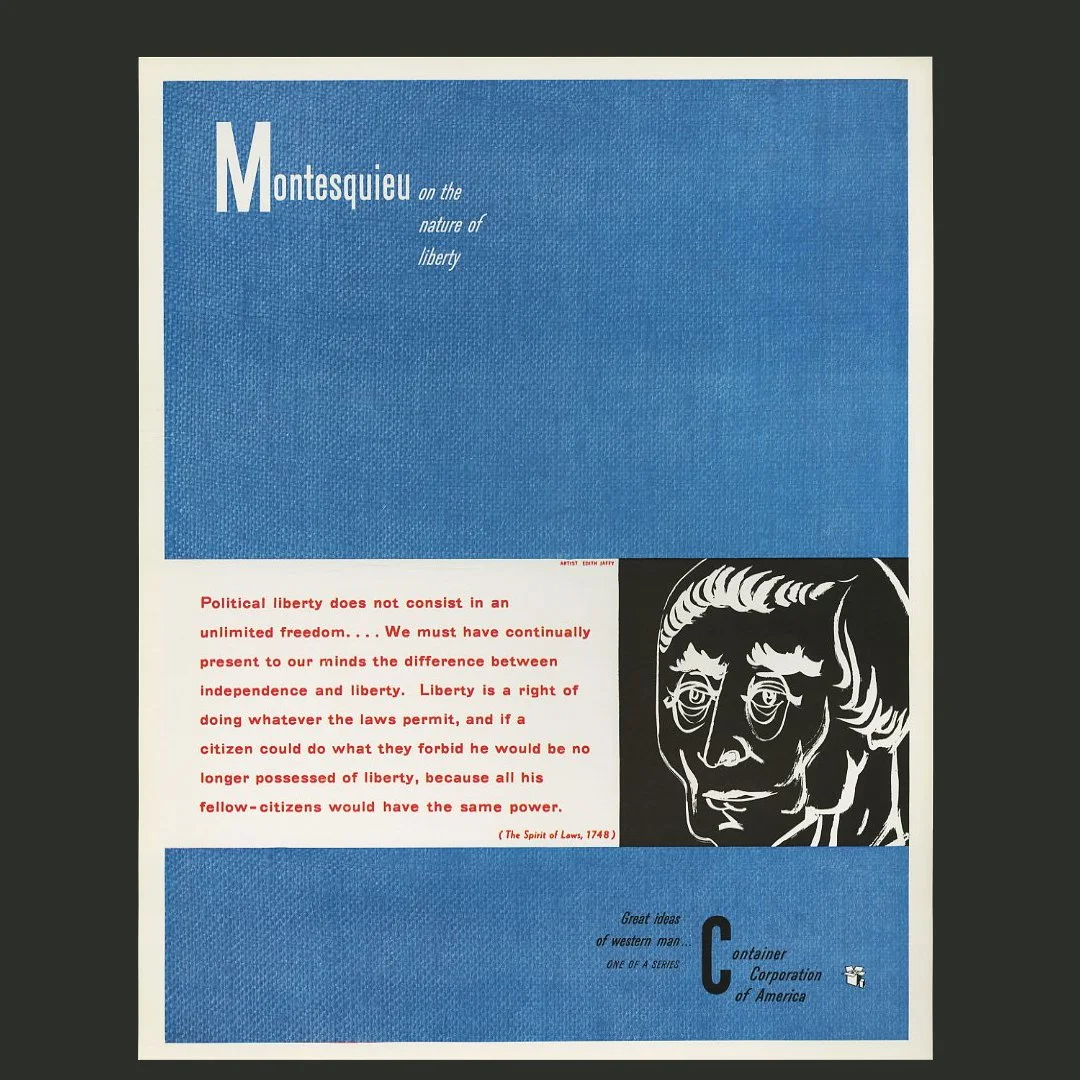 Image 12 of 25
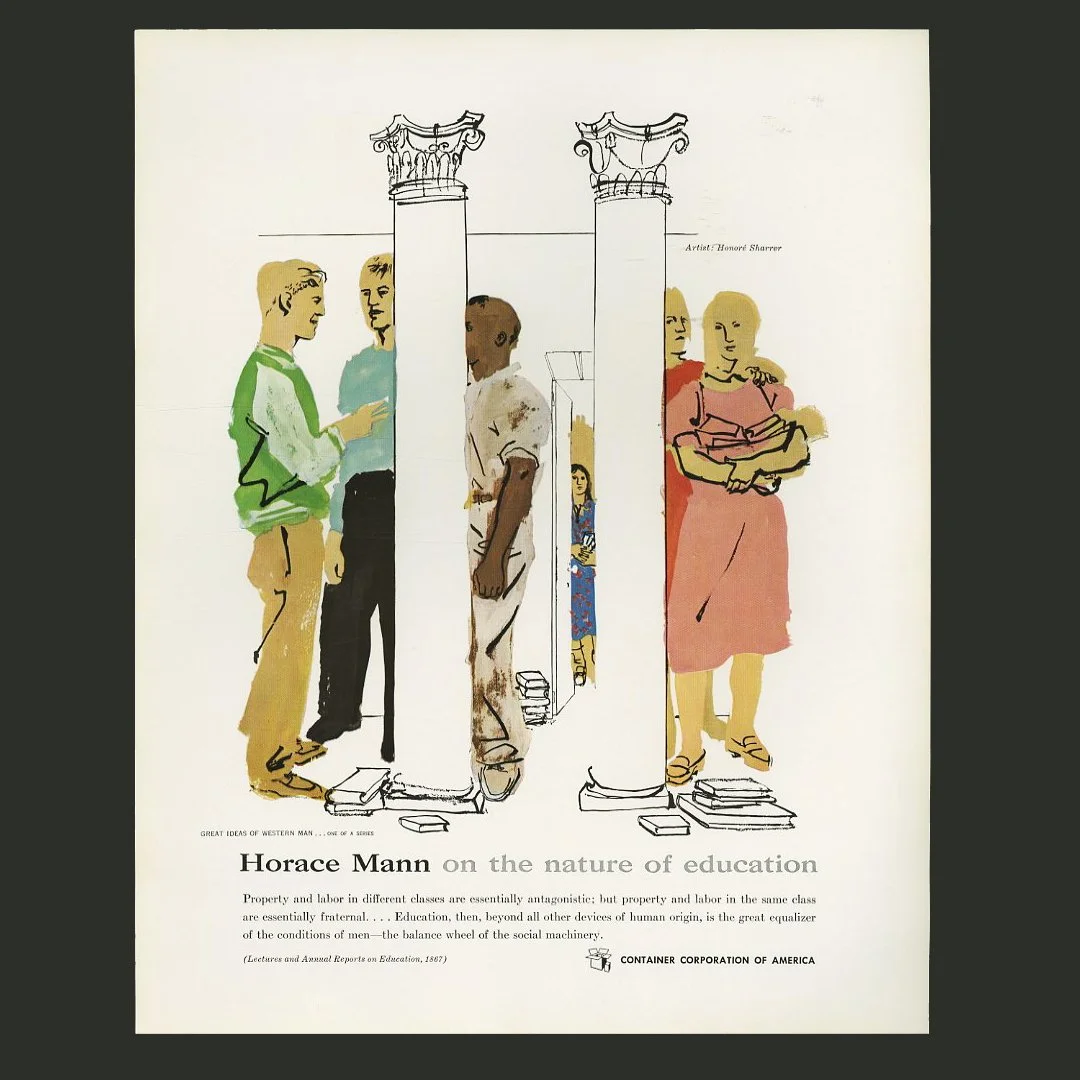 Image 13 of 25
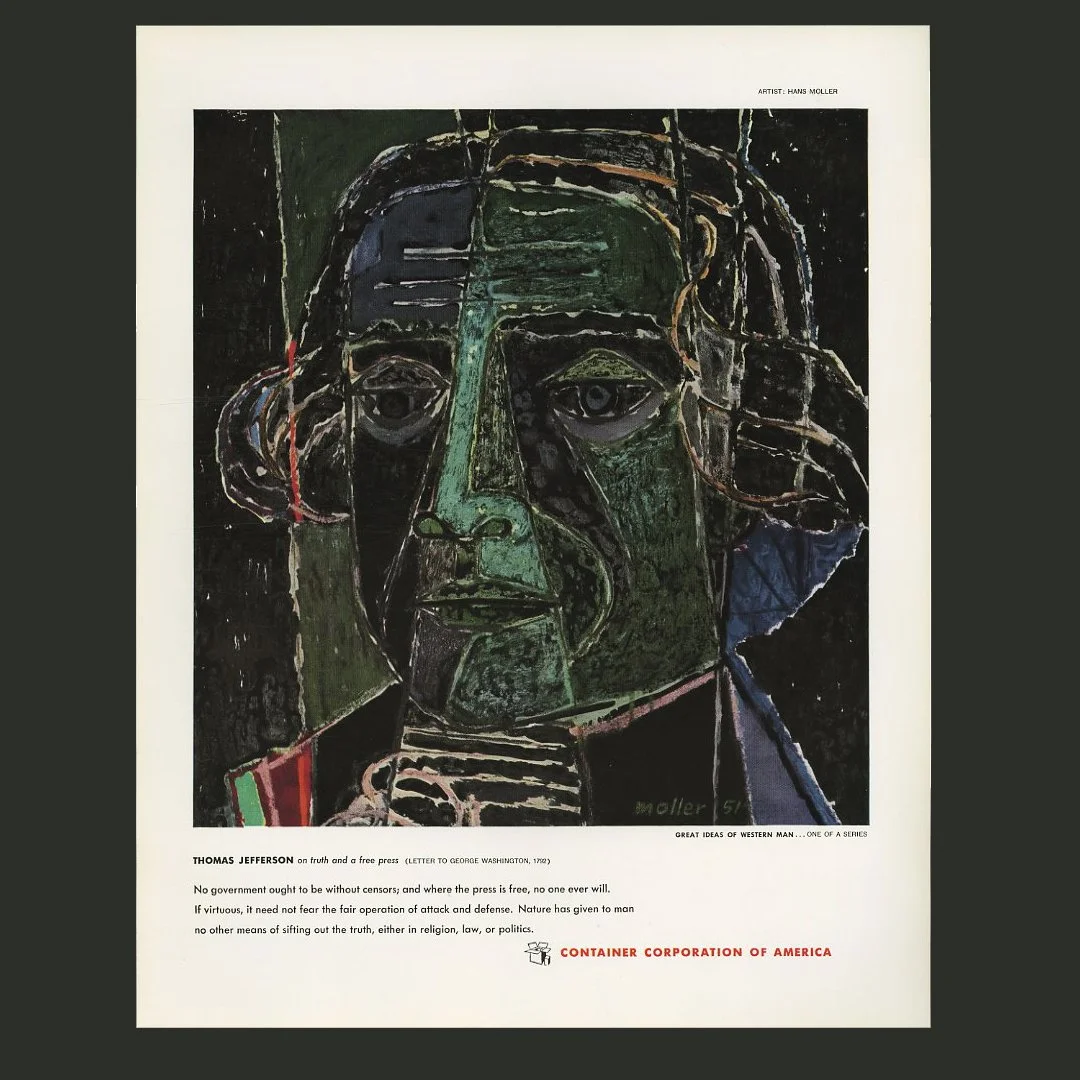 Image 14 of 25
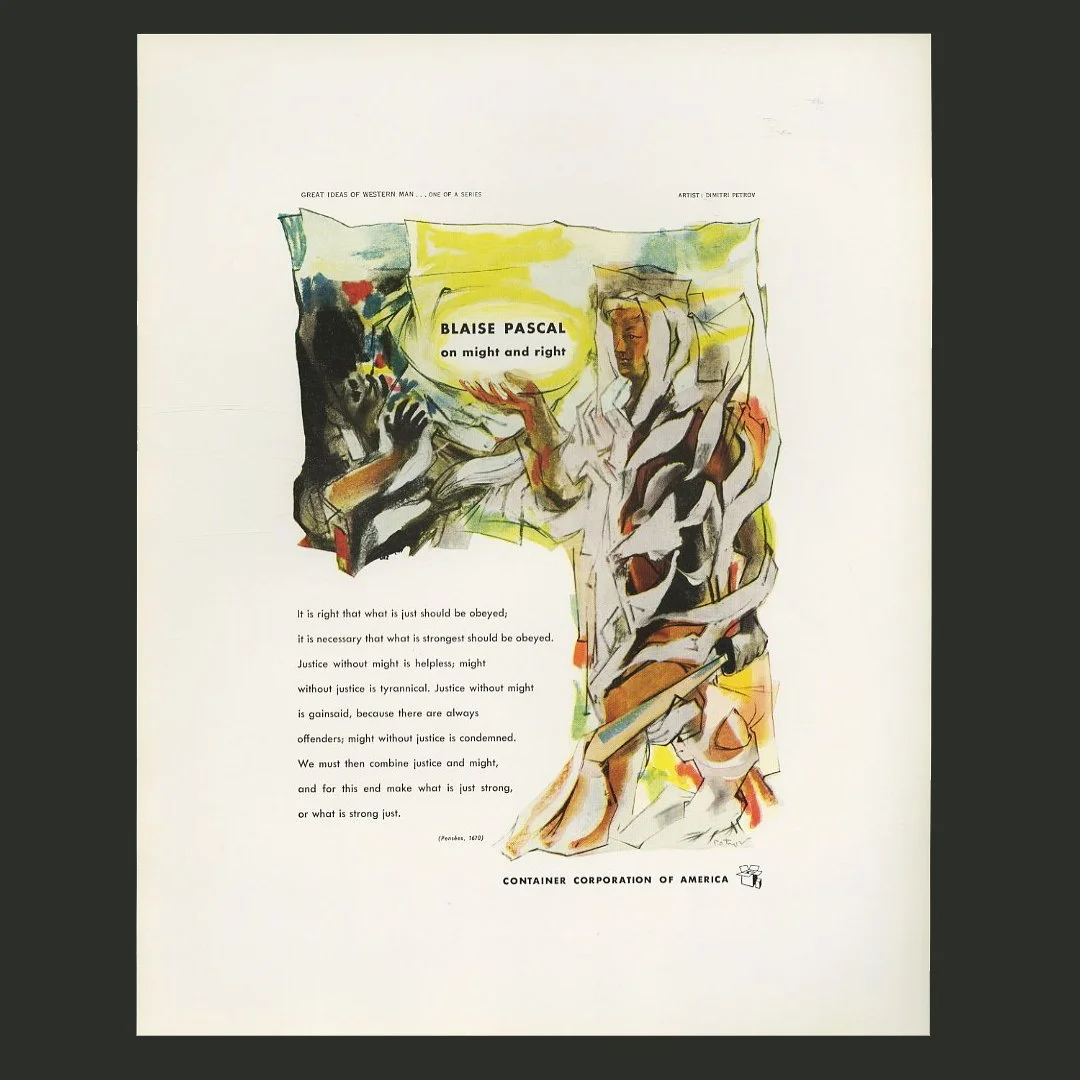 Image 15 of 25
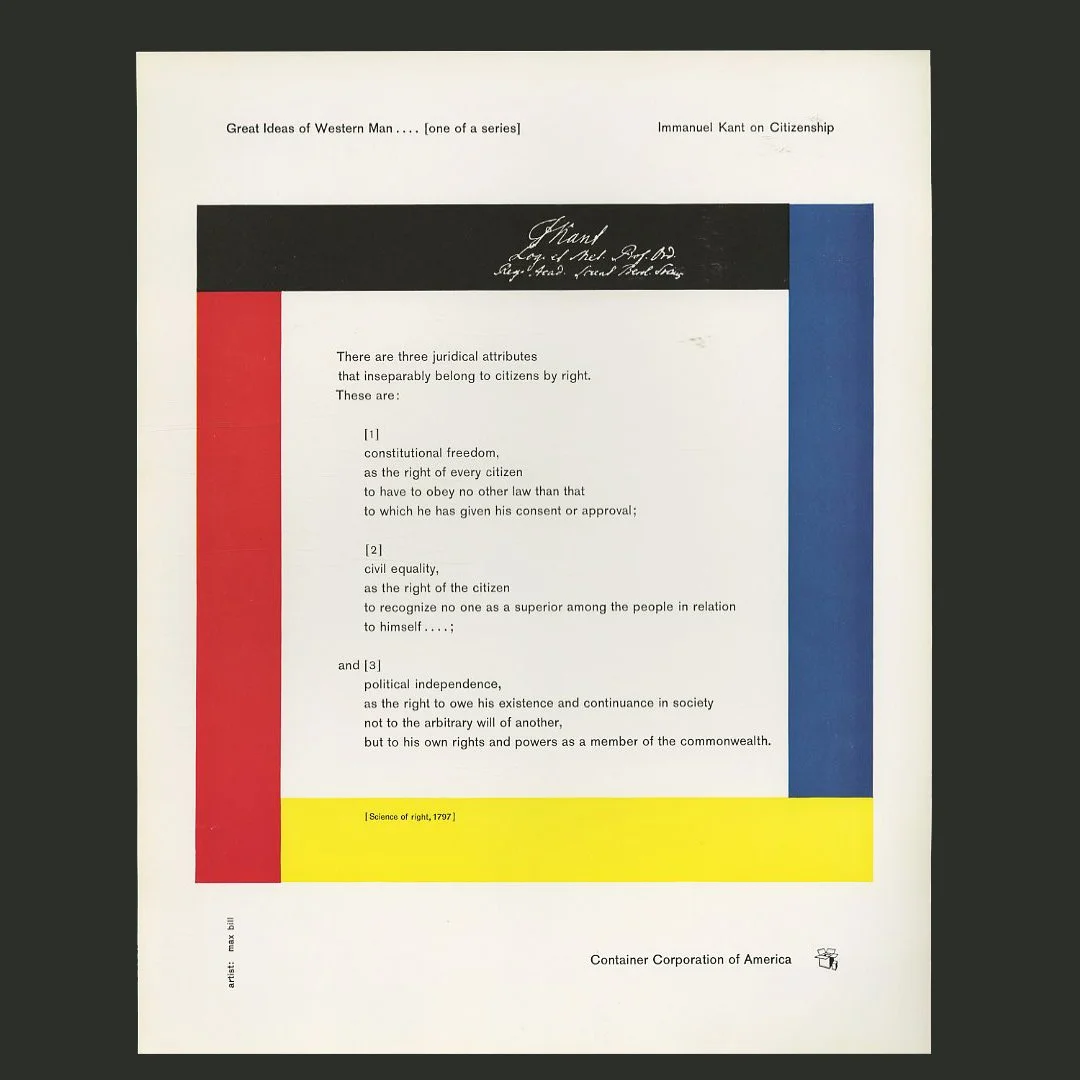 Image 16 of 25
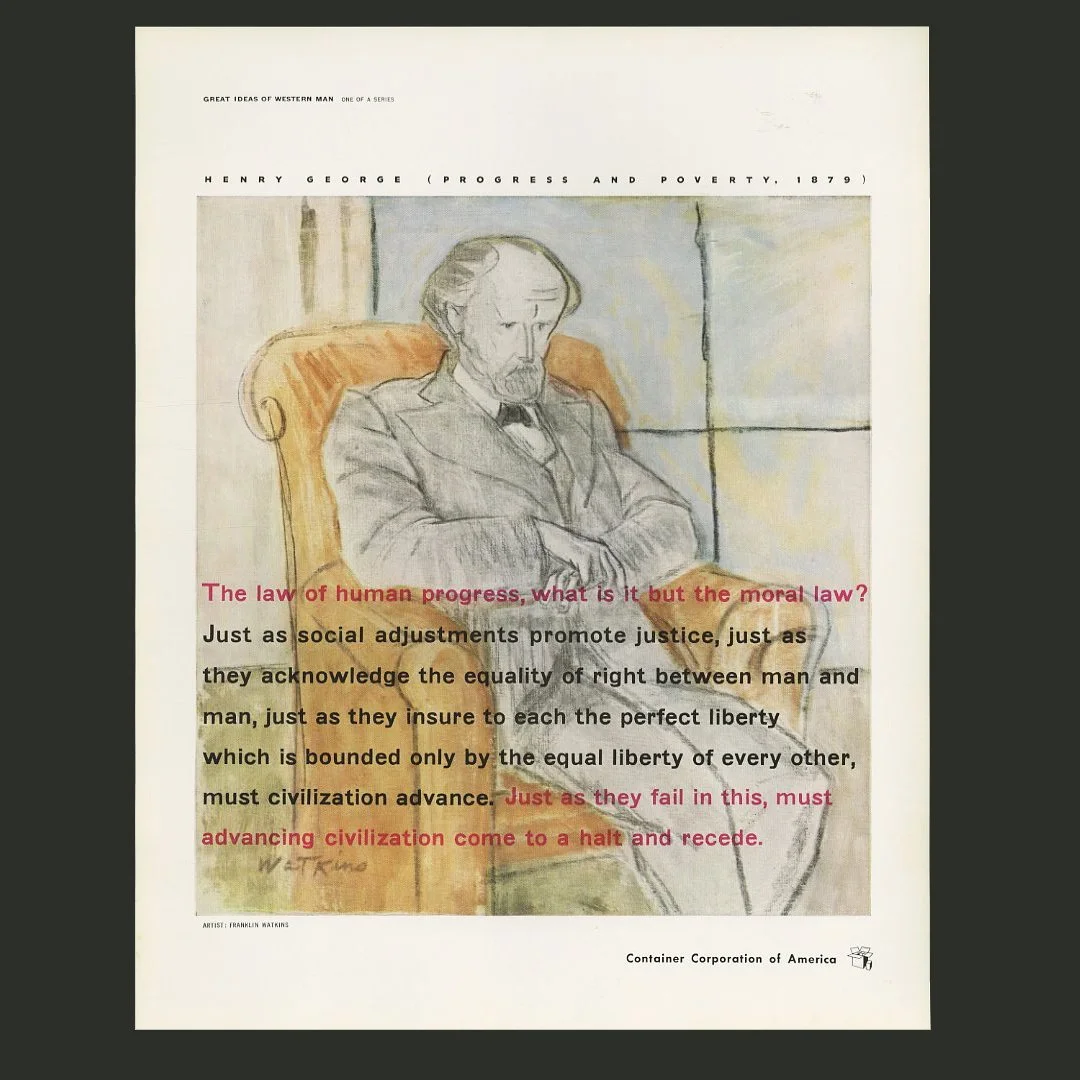 Image 17 of 25
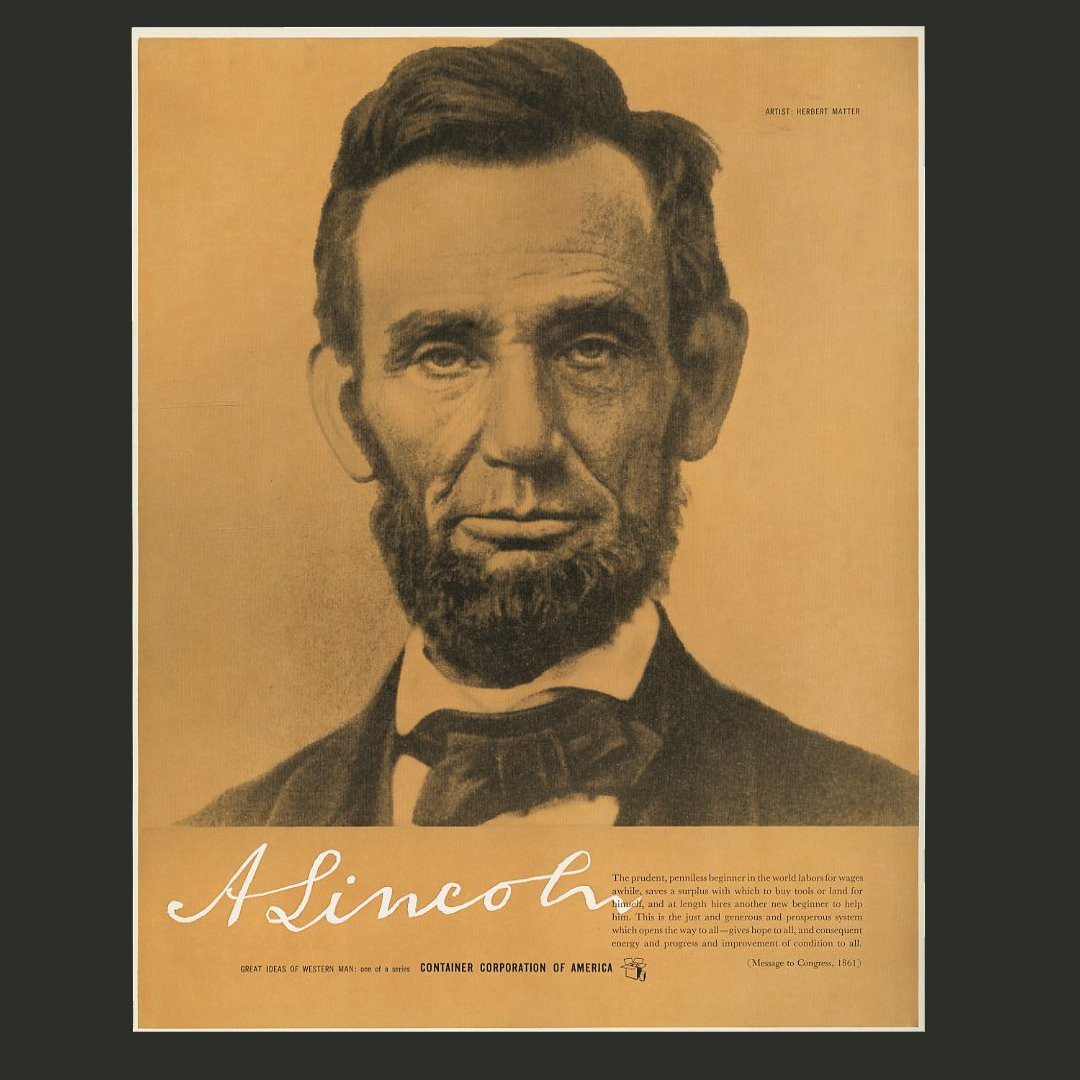 Image 18 of 25
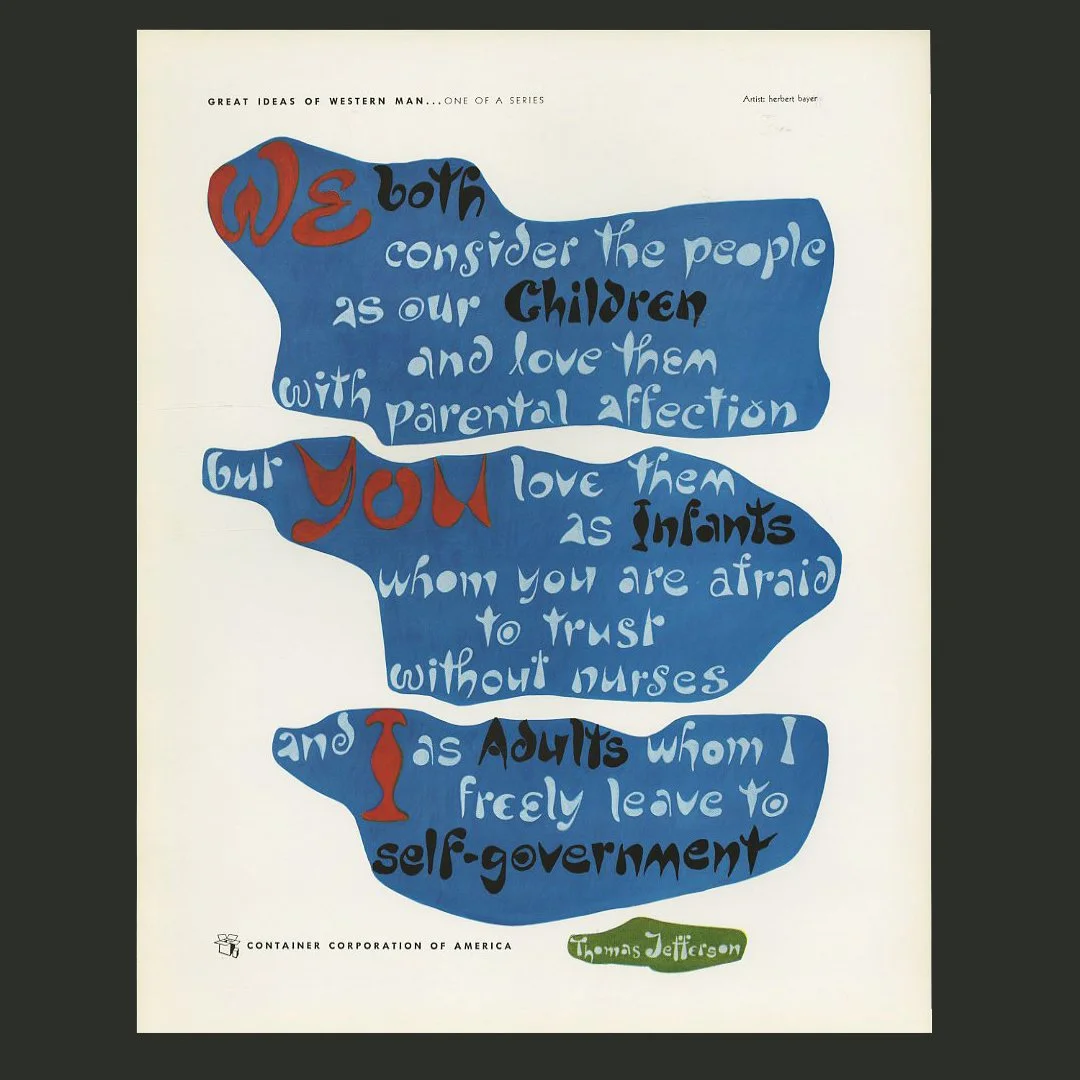 Image 19 of 25
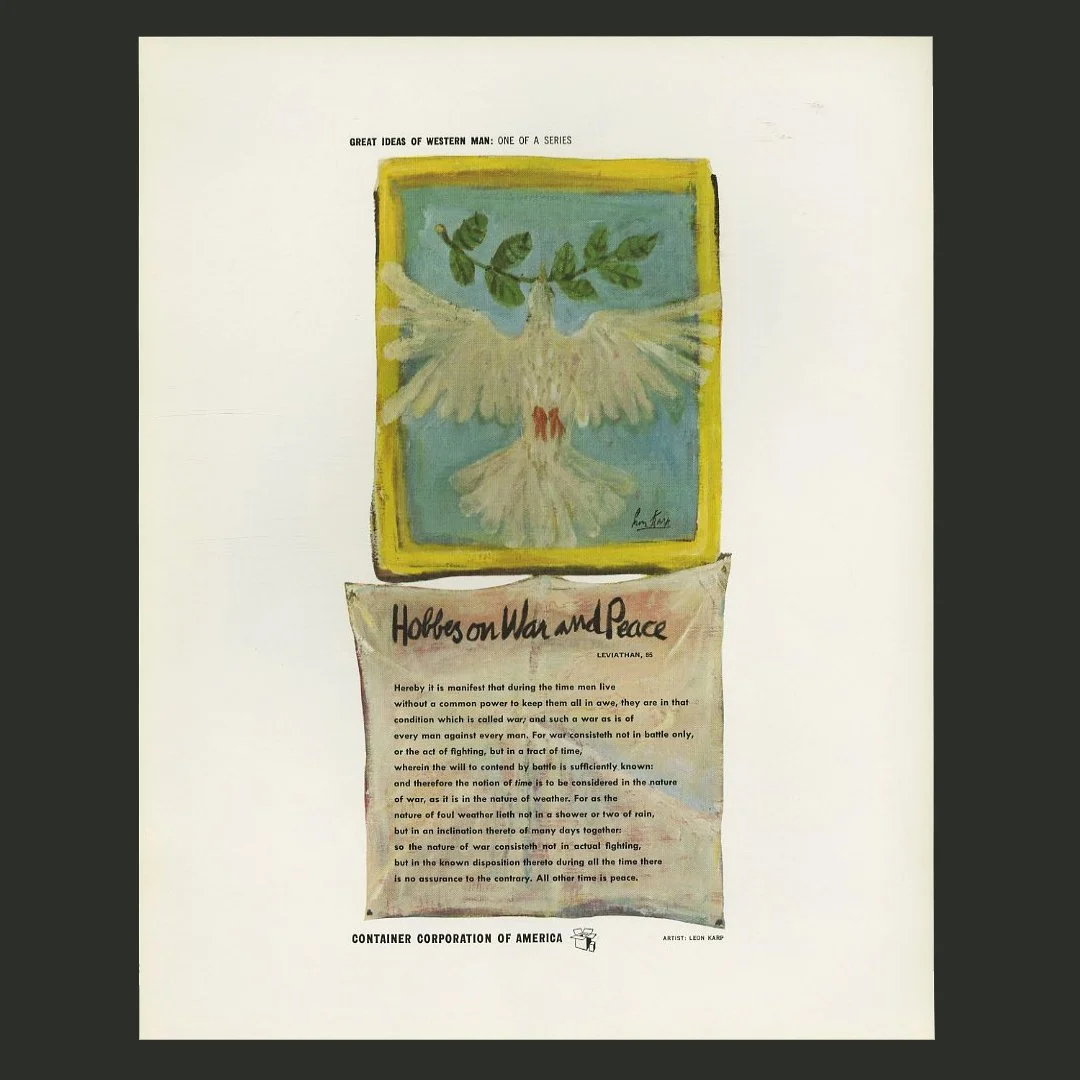 Image 20 of 25
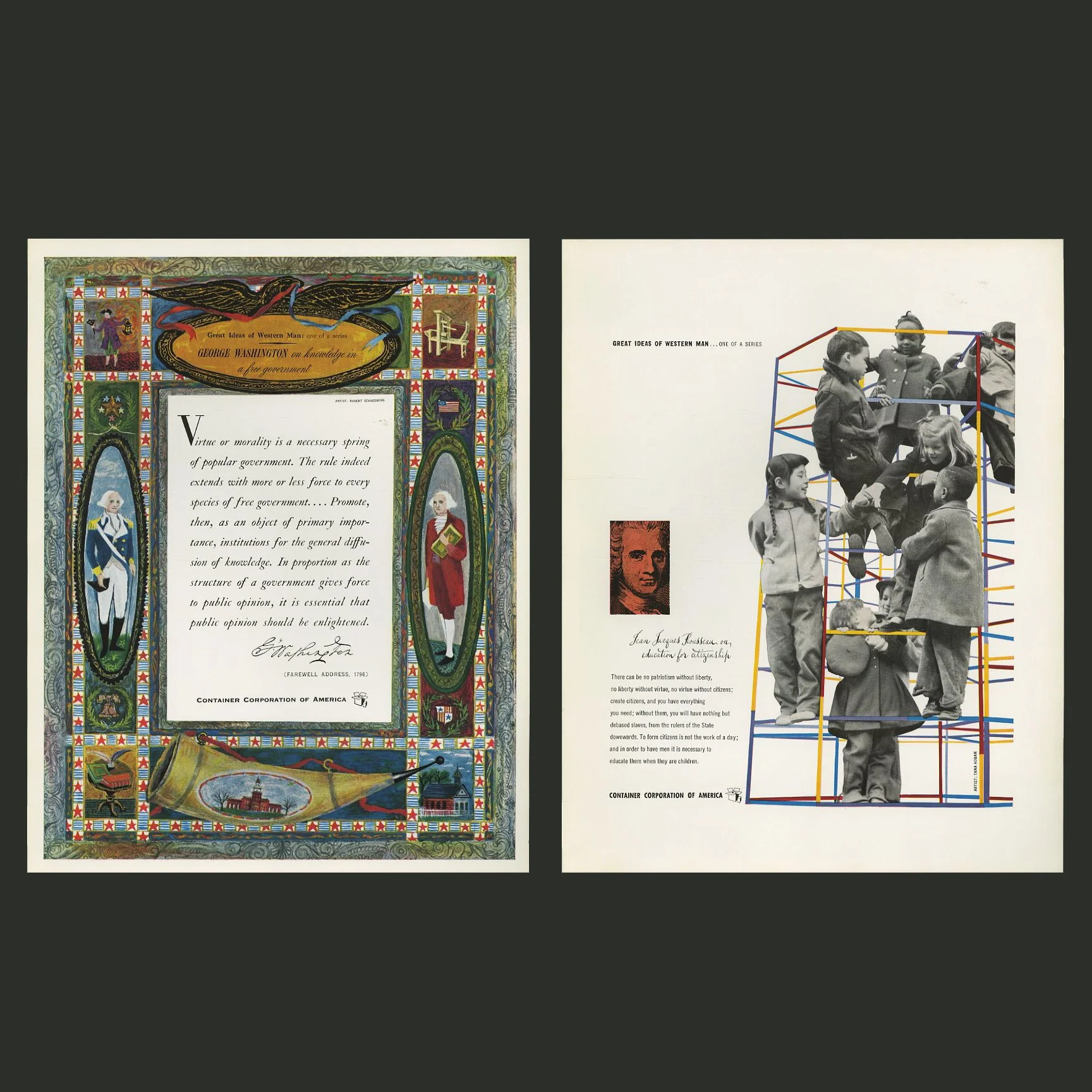 Image 21 of 25
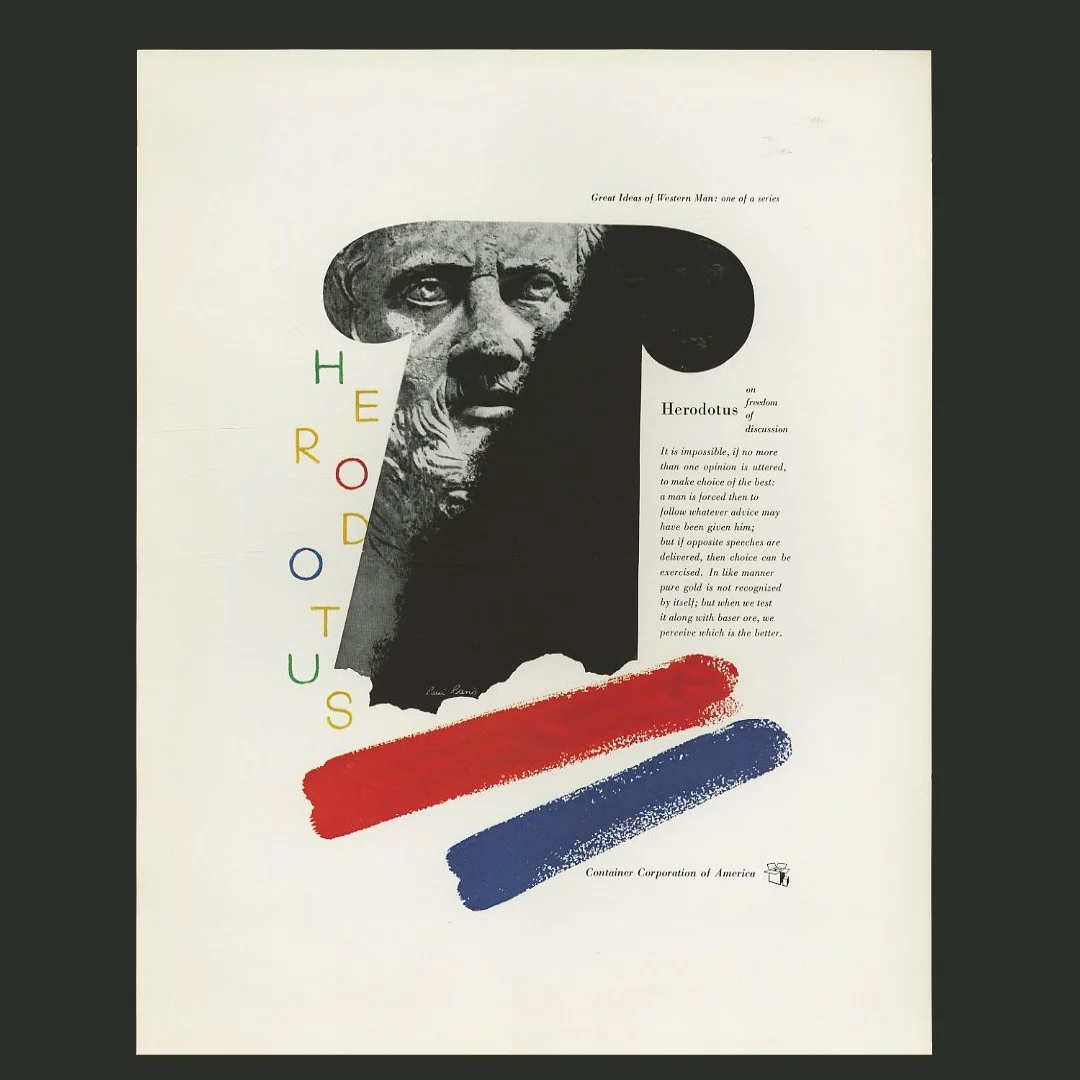 Image 22 of 25
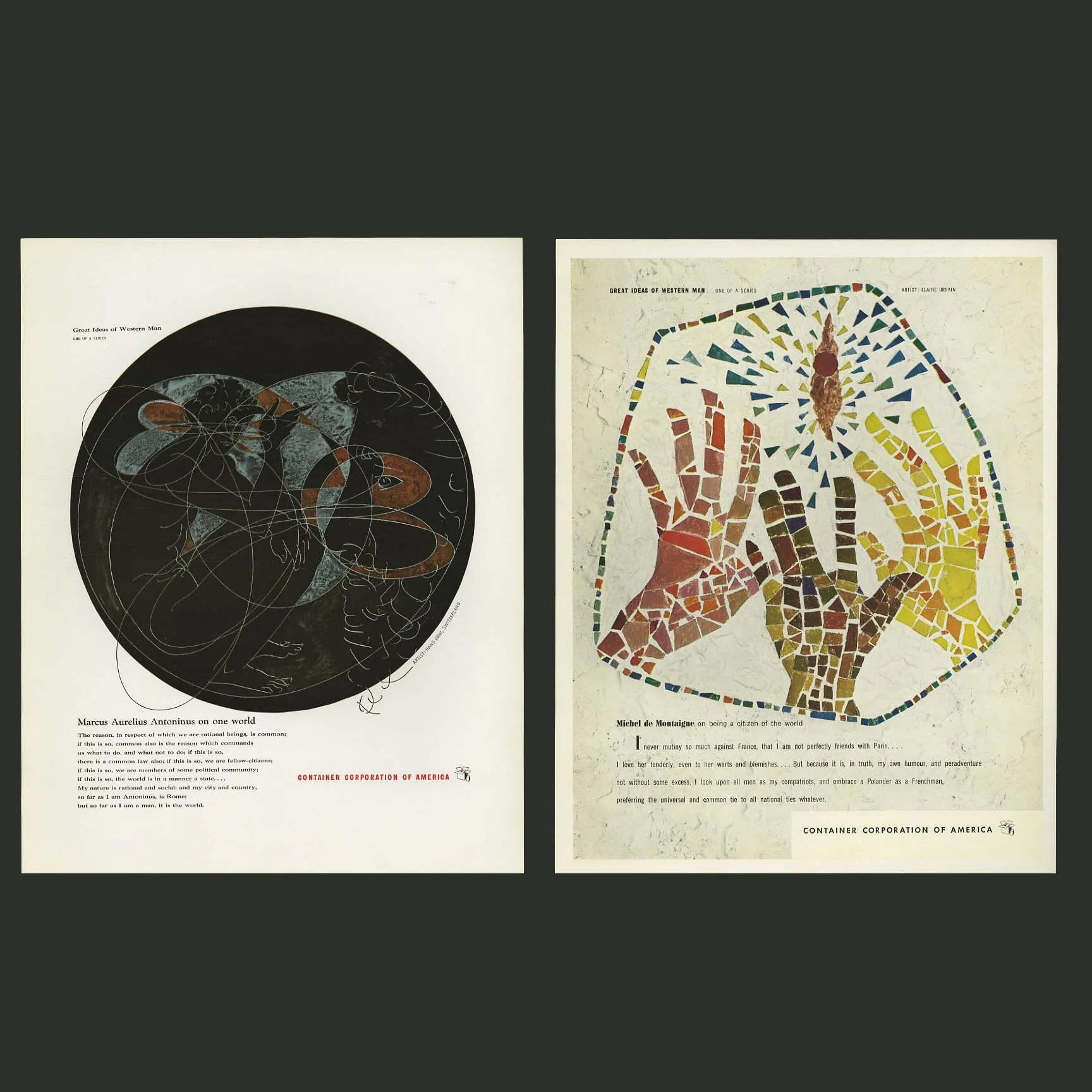 Image 23 of 25
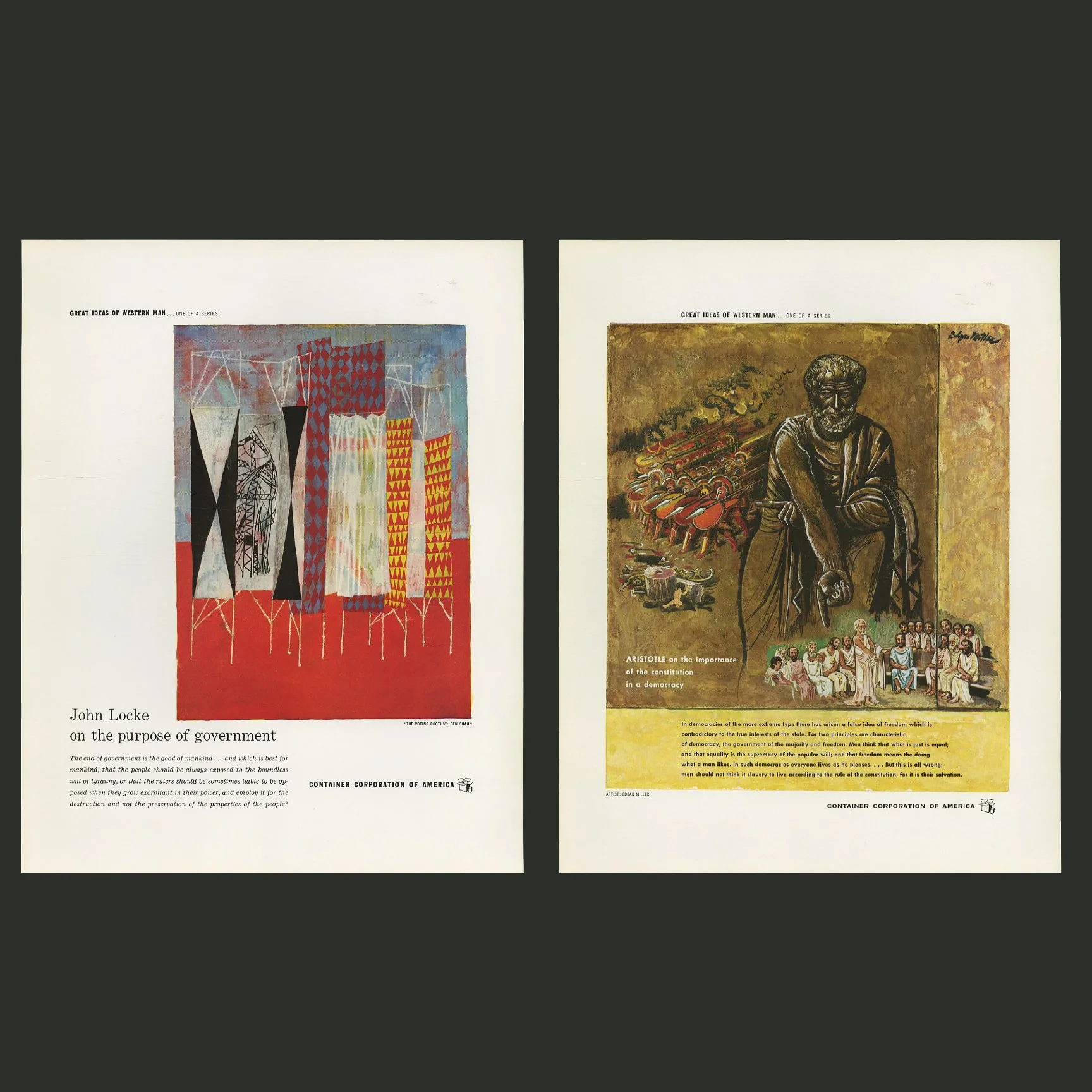 Image 24 of 25
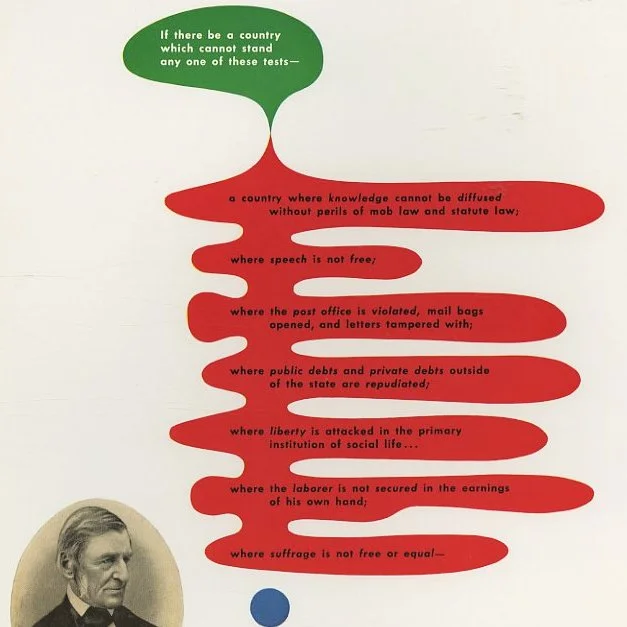 Image 25 of 25