GRAPHIC DESIGNERS IN THE USA, VOLUME 4
George Lois, John Massey, Otto Storch, Saul Bass
Gan Hosoya [Art Director], Henri Hillebrand [Series Editor]
Tokyo: Bijutsu Shuppan-sha, 1972. First edition. Text in Japanese. Quarto. Brick cloth blind embossed and stamped in black with white titling. Photographically printed dust jacket. 110 pp. 133 illustrations [45 in color]. Interiors unmarked and very clean. Out-of-print. Dust jacket with trivial wear, so a nearly fine copy in a nearly fine dust jacket
These Japanese editions of the matching GRAPHIC DESIGNERS IN THE USA [four volumes and GRAPHIC DESIGNERS IN EUROPE [three volumes] were conceived in Japan under the Art Direction of Gan Hosoya and published by Bijutsu Shuppan-sha starting in 1970. This will be on the test. In 1972 Universe Books published the English editions we all know and love so much. Except for this one. Universe Books never published Volume 4 as part of their USA and European sets. This is the sole publication of Volume 4. This will come as good news for the Saul Bass Completists out there.
7.25 x 10 book with 110 pages and 133 illustrations [45 in color]. Spotlights the work of George Lois, John Massey, Otto Storch and Saul Bass. Large groups of design samples from these four important American designers, with accompanying philosophies and biographical text in Japanese provided by the designers.
An unusual Graphic Design anthology that capture the zeitgeist of the late sixties quite nicely.
Everything begins with the word, especially with George Lois (1931–2024), an art director by craft, an advertising man by profession. He has stretched the limits of his craft and challenged the ways of his profession by using pictures as words, words as pictures, and pictures with words as no creative personality before him. He has pushed the role of art director from artisan of design to the shaper of ideas. He is probably America’s most resourceful art director and surely its most prolific. If one can agree with Marshall McLuhan that “historians and archaeologists will one day discover that the ads of our time are the richest and most faithful daily reflections any society ever made of its entire range of activities,” the work of George Lois says volumes about America of the fifties, sixties and seventies.
John Massey studied at the Chicago Academy of Fine Arts; graduated in 1954. As a student Massey was assigned to assist Armin Hofmann and Josef Müller-Brockmann at the 1953 Aspen Design Conference. He abandoned his initial plan to become a political cartoonist and became an idealistic yet pragmatic designer and design director who served for decades with ever increasing responsibilities at the Container Corporation of America and its Center for Advanced Research in Design (CARD), which he founded. He was a book designer and art director, working for Ralph Eckerström, who invited him in 1957 to become a graphic designer at CCA under Herbert Bayer (1956–65). His principle was: ‘Be classical or extraordinary; nothing else is acceptable’. He left CCA (1983) and established his design consultancy. Massey taught at the University of Illinois (1984), and became a full professor in 1986. He has won awards from NSAD, NY ADC and the Leipzig Book Fair, and received the distinguished AIGA Medal in 1994. [AGI]
In the late 1950's Otto Storch [Brooklyn, 1919 – 1999] was one of a handful of graphic designers who helped transform and modernize the visual content of American magazines. He belonged to what the graphic design historian Philip Meggs calls the New York School, a group of editorial and advertising designers who based layouts on unified visual ideas rather than merely embellishing the page with ornamentation. As art director of McCall's, the woman's magazine, for 14 years starting in 1955, Mr. Storch wed stylish typefaces and studio photography into word-pictures, so that a headline or text type was an integrated component of the illustration rather than separated from it, as was the common practice. He studied at New York University, the Art Students League and the New School for Social Research and graduated from Pratt Institute. He began his career as a photographic retoucher at Dell Publishing and eventually became its art director, designing book covers, magazines and comics. Dissatisfied with the subject matter at Dell, however, he took evening classes during the 1950's with Alexey Brodovitch, the legendary art director of Harper's Bazaar who taught a course at the New School that emphasized conceptual thinking and pictorial storytelling. Mr. Brodovitch encouraged Mr. Storch to seek a good magazine job and he was eventually hired as assistant art director for Better Living, published by the McCall Corporation. From there he moved to McCall's, which was then foundering, to work first with the editor Herbert Mayes and later with John Mack Carter. In 1962 he was the first art director to be appointed a vice president of the McCall Corporation. Around this time Mr. Storch became interested in the art direction of photography—he took his own still lifes and portraits of celebrities, including the Beatles and Julie Christie, and his work appeared in McCall's and elsewhere. After leaving McCall's in 1969 he opened his own photography studio where he worked on assignments for many commercial clients, including American Express, Celanese, Golden Books, Sunbeam and Volkswagen. [Stephen Heller, NY Times Obituary, October 11, 1999]
Saul Bass (New York, 1920 – 1996) enjoyed a storied career as a graphic designer, whose corporate identity work for companies such as AT&T, Bell Telephone, Esso, and United Airlines provided them with some of the most memorable brand recognition of the 20th century. His film titling work and poster design for Hollywood's greatest studios and directors, however, earned Bass a unique place in American graphic arts.
GRAPHIC DESIGNERS IN THE USA, VOLUME 4
George Lois, John Massey, Otto Storch, Saul Bass
Gan Hosoya [Art Director], Henri Hillebrand [Series Editor]
Tokyo: Bijutsu Shuppan-sha, 1972. First edition. Text in Japanese. Quarto. Brick cloth blind embossed and stamped in black with white titling. Photographically printed dust jacket. 110 pp. 133 illustrations [45 in color]. Interiors unmarked and very clean. Out-of-print. Dust jacket with trivial wear, so a nearly fine copy in a nearly fine dust jacket
These Japanese editions of the matching GRAPHIC DESIGNERS IN THE USA [four volumes and GRAPHIC DESIGNERS IN EUROPE [three volumes] were conceived in Japan under the Art Direction of Gan Hosoya and published by Bijutsu Shuppan-sha starting in 1970. This will be on the test. In 1972 Universe Books published the English editions we all know and love so much. Except for this one. Universe Books never published Volume 4 as part of their USA and European sets. This is the sole publication of Volume 4. This will come as good news for the Saul Bass Completists out there.
7.25 x 10 book with 110 pages and 133 illustrations [45 in color]. Spotlights the work of George Lois, John Massey, Otto Storch and Saul Bass. Large groups of design samples from these four important American designers, with accompanying philosophies and biographical text in Japanese provided by the designers.
An unusual Graphic Design anthology that capture the zeitgeist of the late sixties quite nicely.
Everything begins with the word, especially with George Lois (1931–2024), an art director by craft, an advertising man by profession. He has stretched the limits of his craft and challenged the ways of his profession by using pictures as words, words as pictures, and pictures with words as no creative personality before him. He has pushed the role of art director from artisan of design to the shaper of ideas. He is probably America’s most resourceful art director and surely its most prolific. If one can agree with Marshall McLuhan that “historians and archaeologists will one day discover that the ads of our time are the richest and most faithful daily reflections any society ever made of its entire range of activities,” the work of George Lois says volumes about America of the fifties, sixties and seventies.
John Massey studied at the Chicago Academy of Fine Arts; graduated in 1954. As a student Massey was assigned to assist Armin Hofmann and Josef Müller-Brockmann at the 1953 Aspen Design Conference. He abandoned his initial plan to become a political cartoonist and became an idealistic yet pragmatic designer and design director who served for decades with ever increasing responsibilities at the Container Corporation of America and its Center for Advanced Research in Design (CARD), which he founded. He was a book designer and art director, working for Ralph Eckerström, who invited him in 1957 to become a graphic designer at CCA under Herbert Bayer (1956–65). His principle was: ‘Be classical or extraordinary; nothing else is acceptable’. He left CCA (1983) and established his design consultancy. Massey taught at the University of Illinois (1984), and became a full professor in 1986. He has won awards from NSAD, NY ADC and the Leipzig Book Fair, and received the distinguished AIGA Medal in 1994. [AGI]
In the late 1950's Otto Storch [Brooklyn, 1919 – 1999] was one of a handful of graphic designers who helped transform and modernize the visual content of American magazines. He belonged to what the graphic design historian Philip Meggs calls the New York School, a group of editorial and advertising designers who based layouts on unified visual ideas rather than merely embellishing the page with ornamentation. As art director of McCall's, the woman's magazine, for 14 years starting in 1955, Mr. Storch wed stylish typefaces and studio photography into word-pictures, so that a headline or text type was an integrated component of the illustration rather than separated from it, as was the common practice. He studied at New York University, the Art Students League and the New School for Social Research and graduated from Pratt Institute. He began his career as a photographic retoucher at Dell Publishing and eventually became its art director, designing book covers, magazines and comics. Dissatisfied with the subject matter at Dell, however, he took evening classes during the 1950's with Alexey Brodovitch, the legendary art director of Harper's Bazaar who taught a course at the New School that emphasized conceptual thinking and pictorial storytelling. Mr. Brodovitch encouraged Mr. Storch to seek a good magazine job and he was eventually hired as assistant art director for Better Living, published by the McCall Corporation. From there he moved to McCall's, which was then foundering, to work first with the editor Herbert Mayes and later with John Mack Carter. In 1962 he was the first art director to be appointed a vice president of the McCall Corporation. Around this time Mr. Storch became interested in the art direction of photography—he took his own still lifes and portraits of celebrities, including the Beatles and Julie Christie, and his work appeared in McCall's and elsewhere. After leaving McCall's in 1969 he opened his own photography studio where he worked on assignments for many commercial clients, including American Express, Celanese, Golden Books, Sunbeam and Volkswagen. [Stephen Heller, NY Times Obituary, October 11, 1999]
Saul Bass (New York, 1920 – 1996) enjoyed a storied career as a graphic designer, whose corporate identity work for companies such as AT&T, Bell Telephone, Esso, and United Airlines provided them with some of the most memorable brand recognition of the 20th century. His film titling work and poster design for Hollywood's greatest studios and directors, however, earned Bass a unique place in American graphic arts.

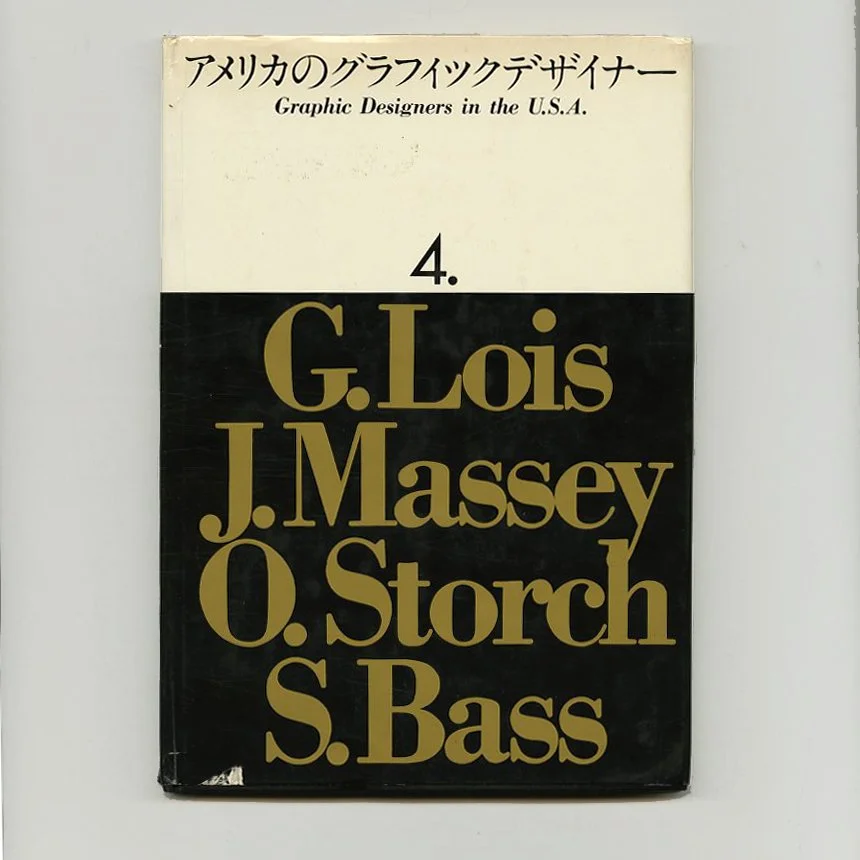 Image 1 of 13
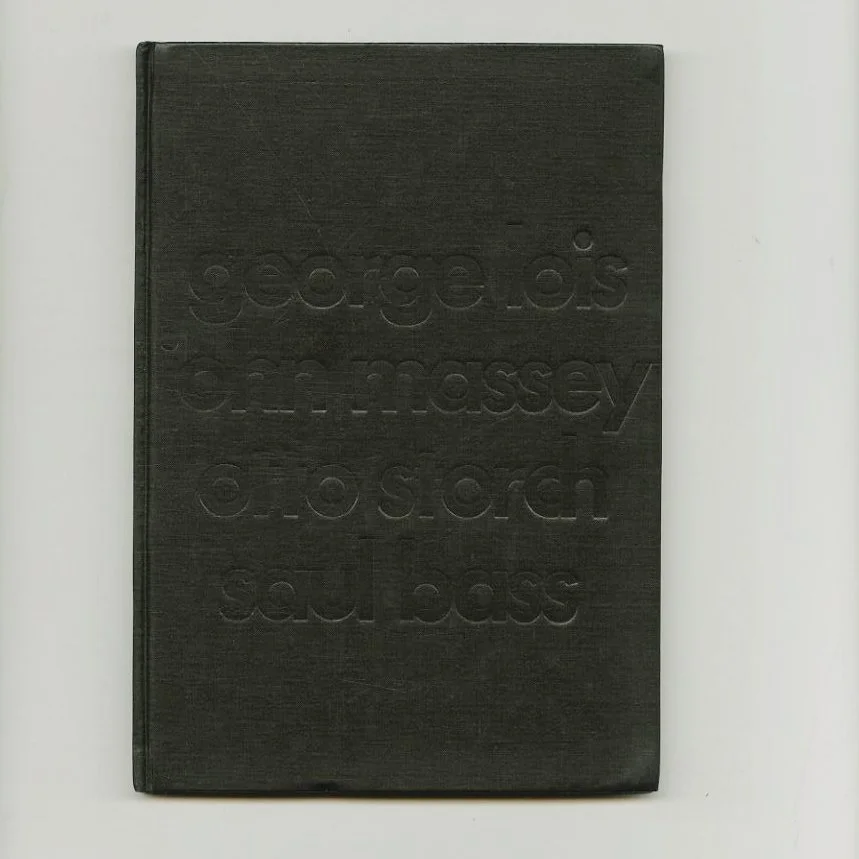 Image 2 of 13
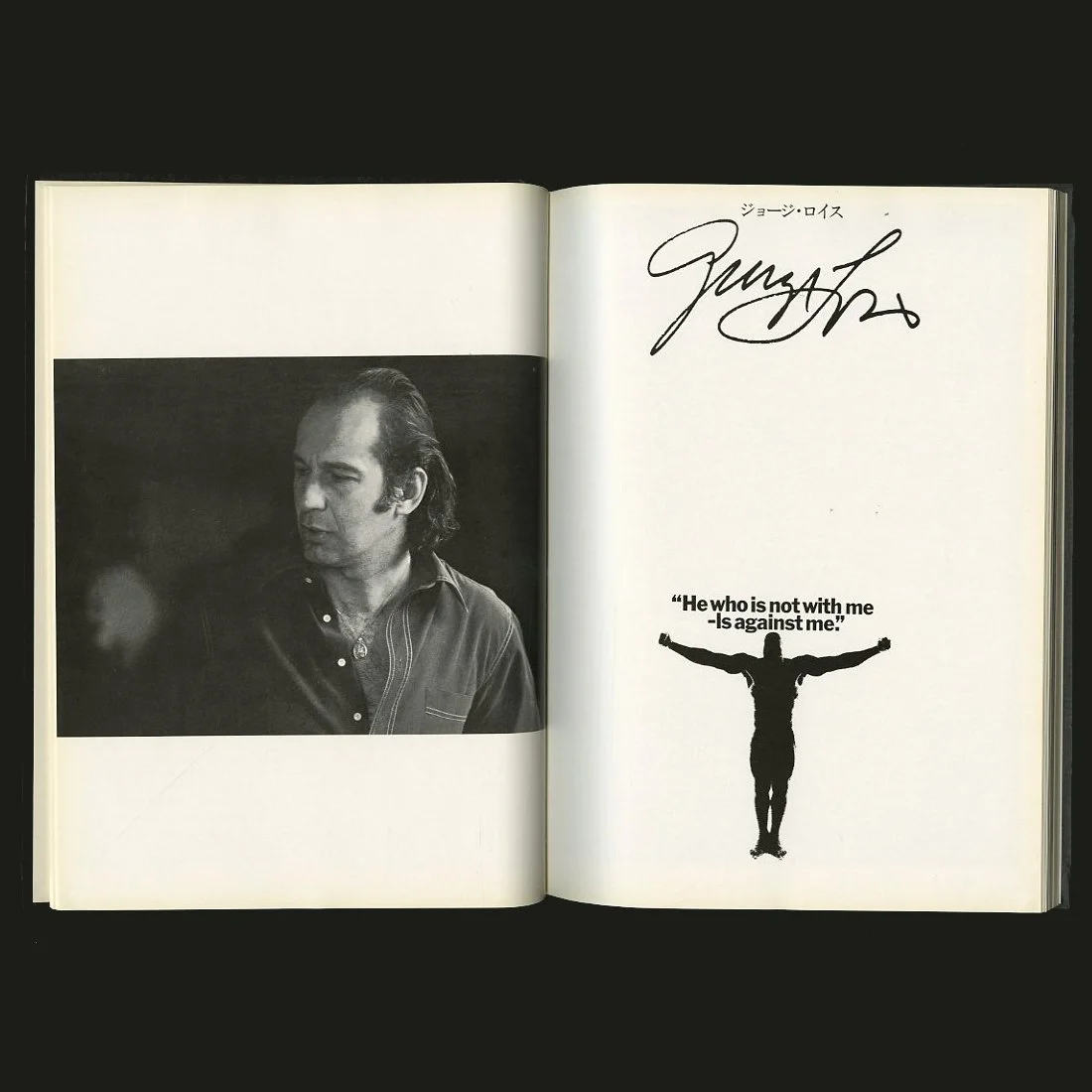 Image 3 of 13
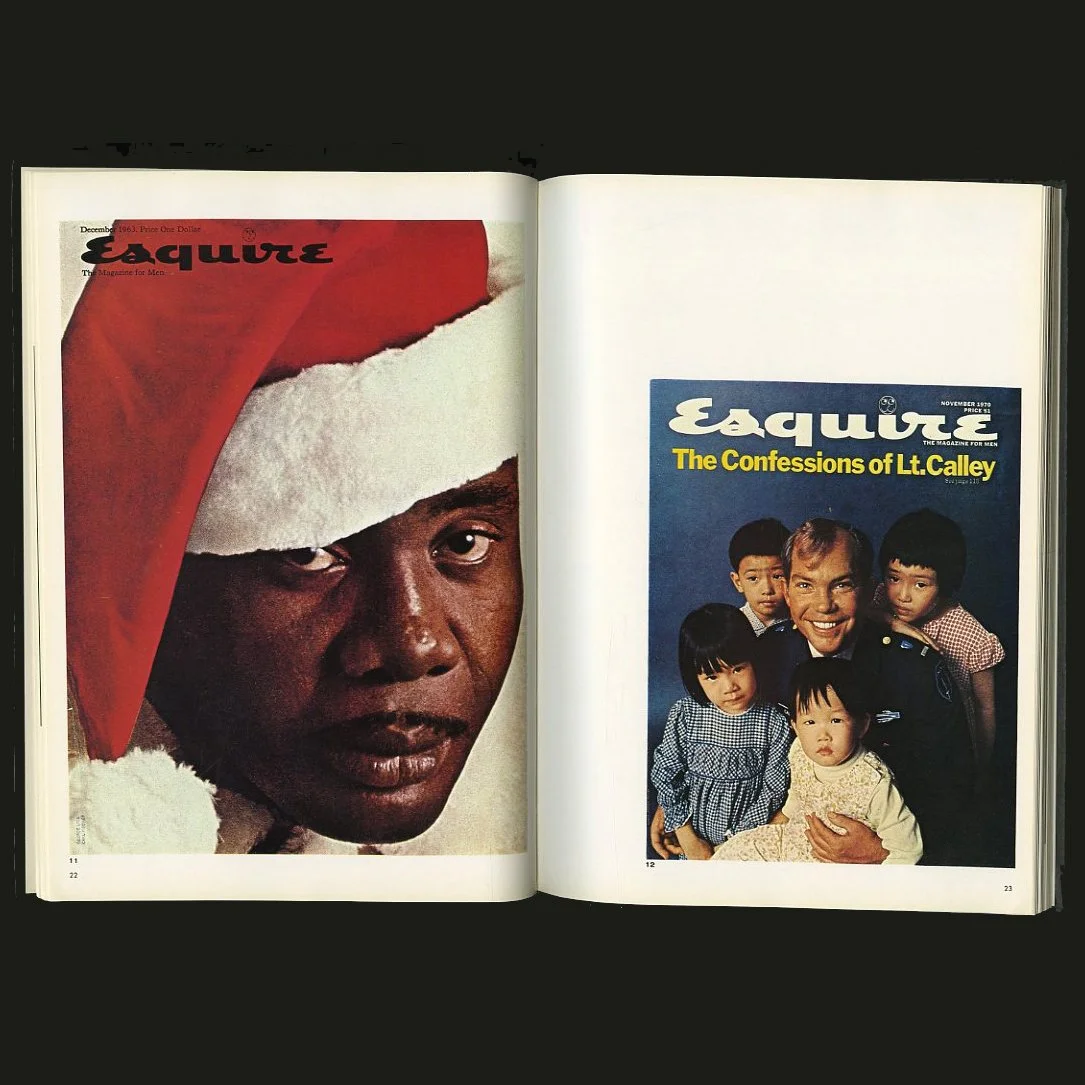 Image 4 of 13
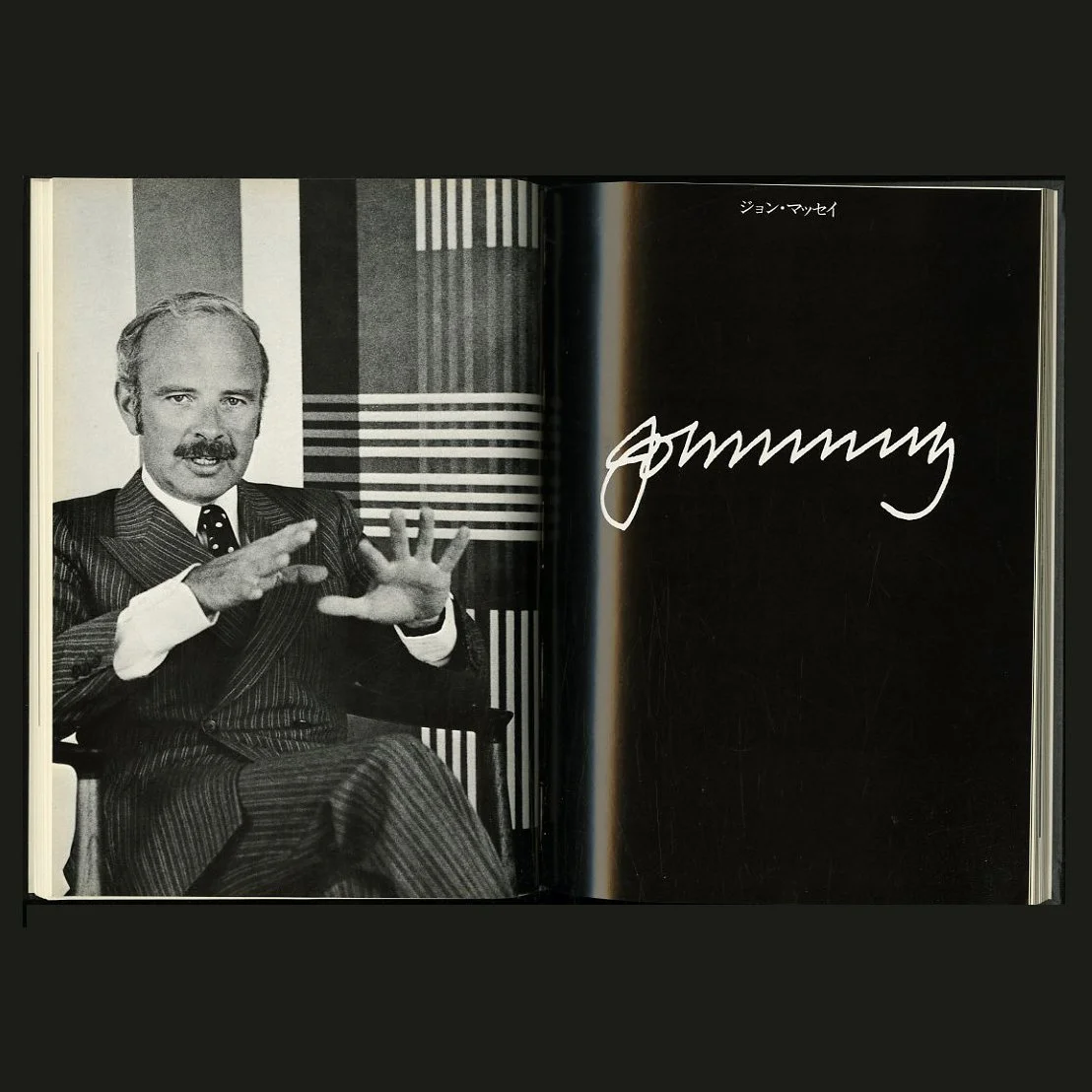 Image 5 of 13
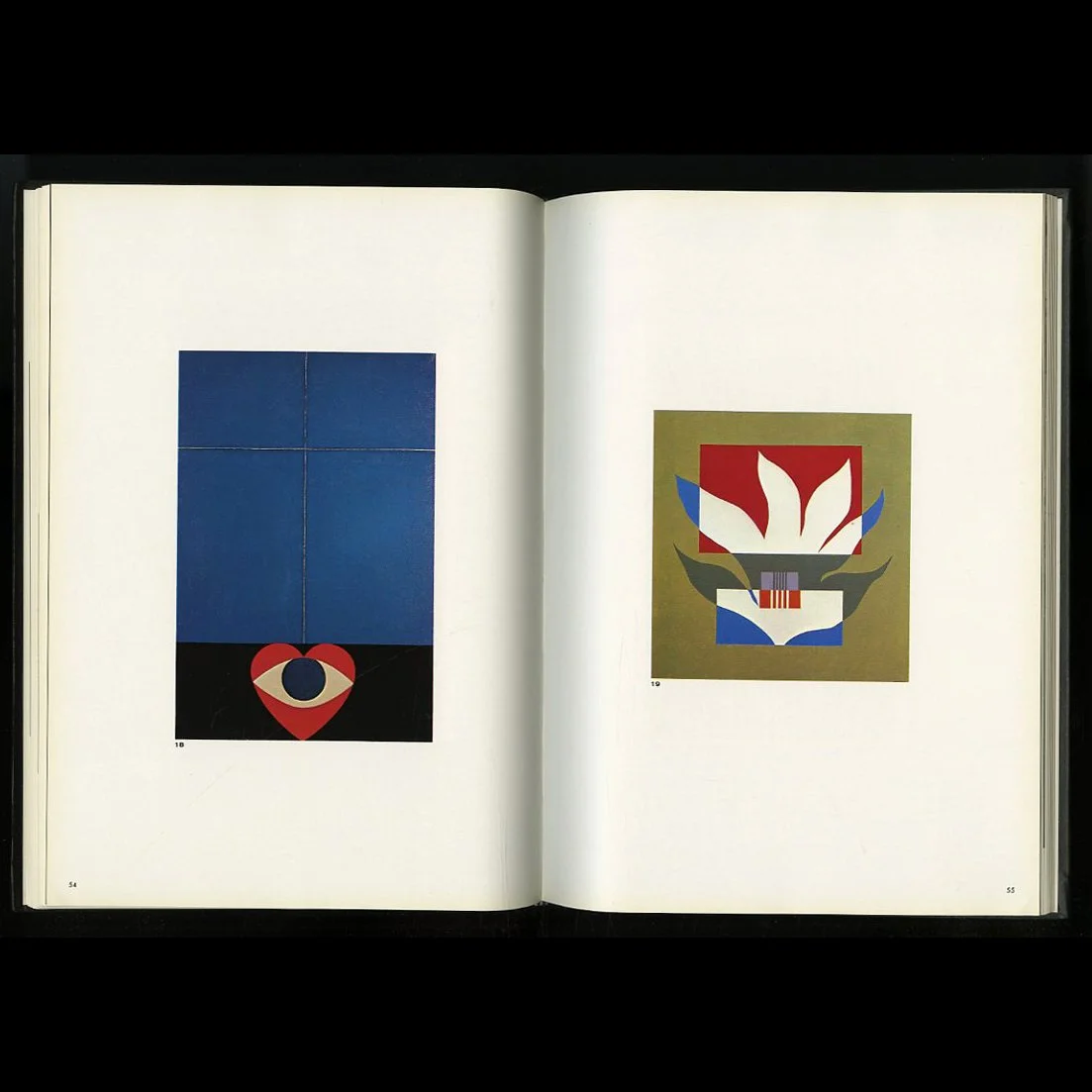 Image 6 of 13
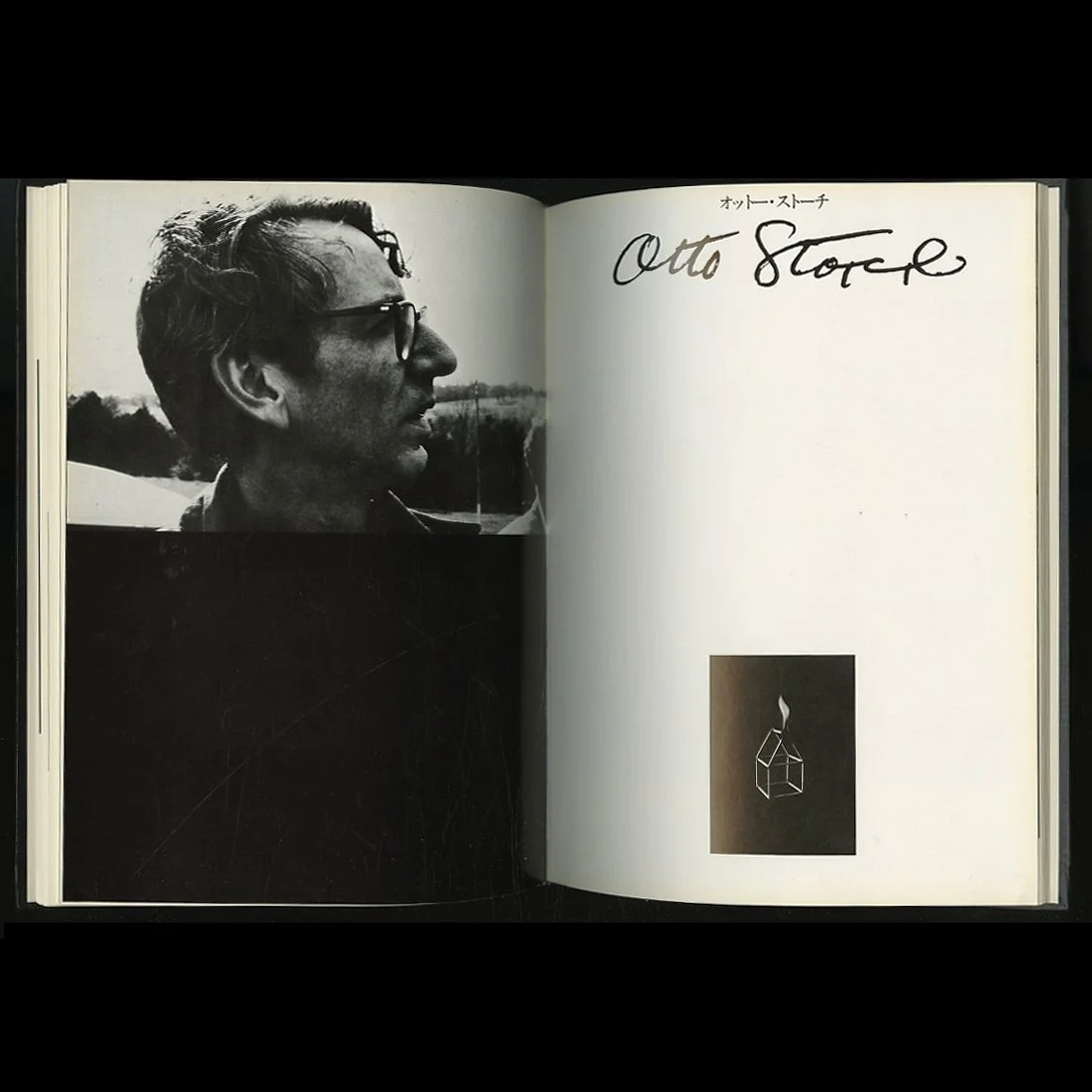 Image 7 of 13
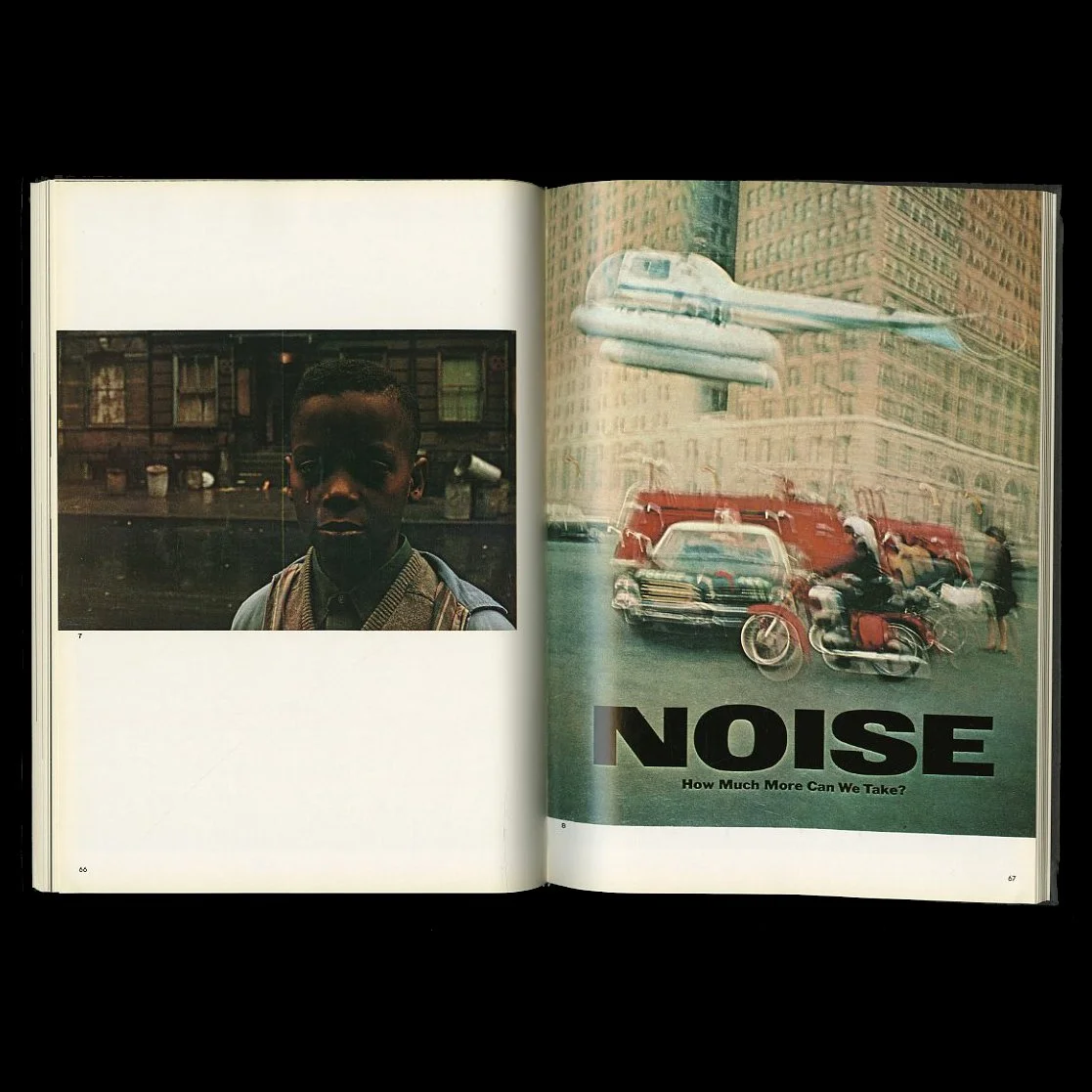 Image 8 of 13
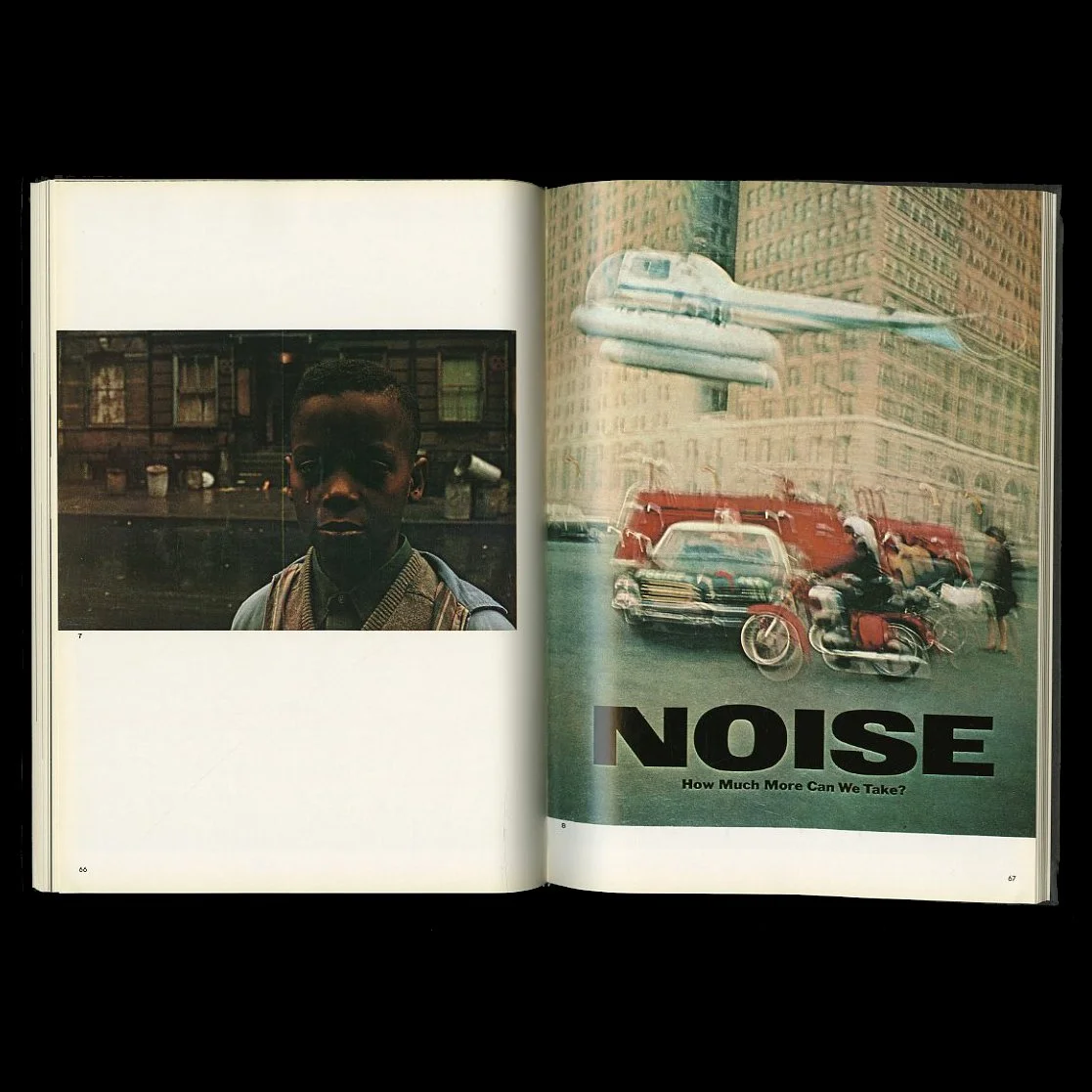 Image 9 of 13
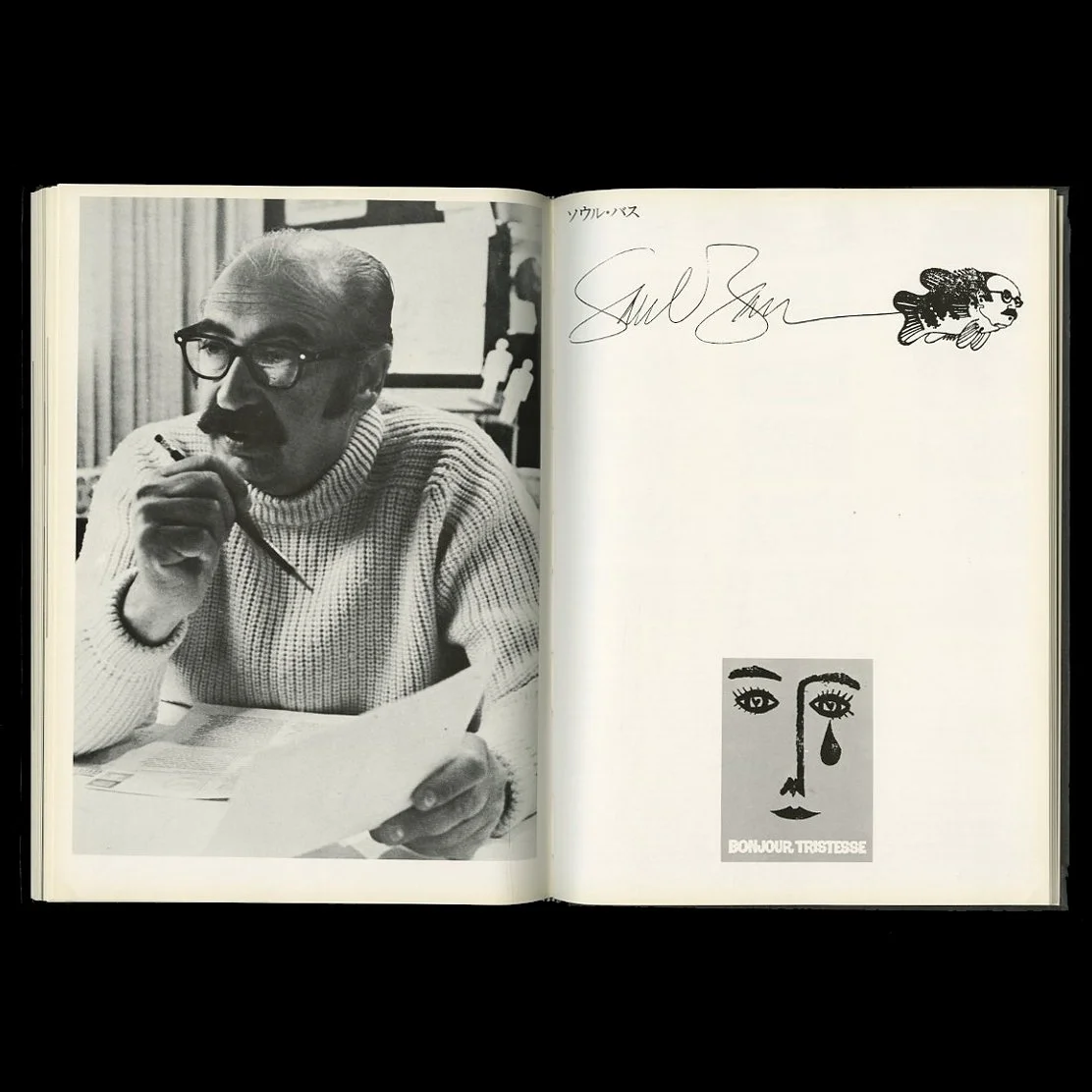 Image 10 of 13
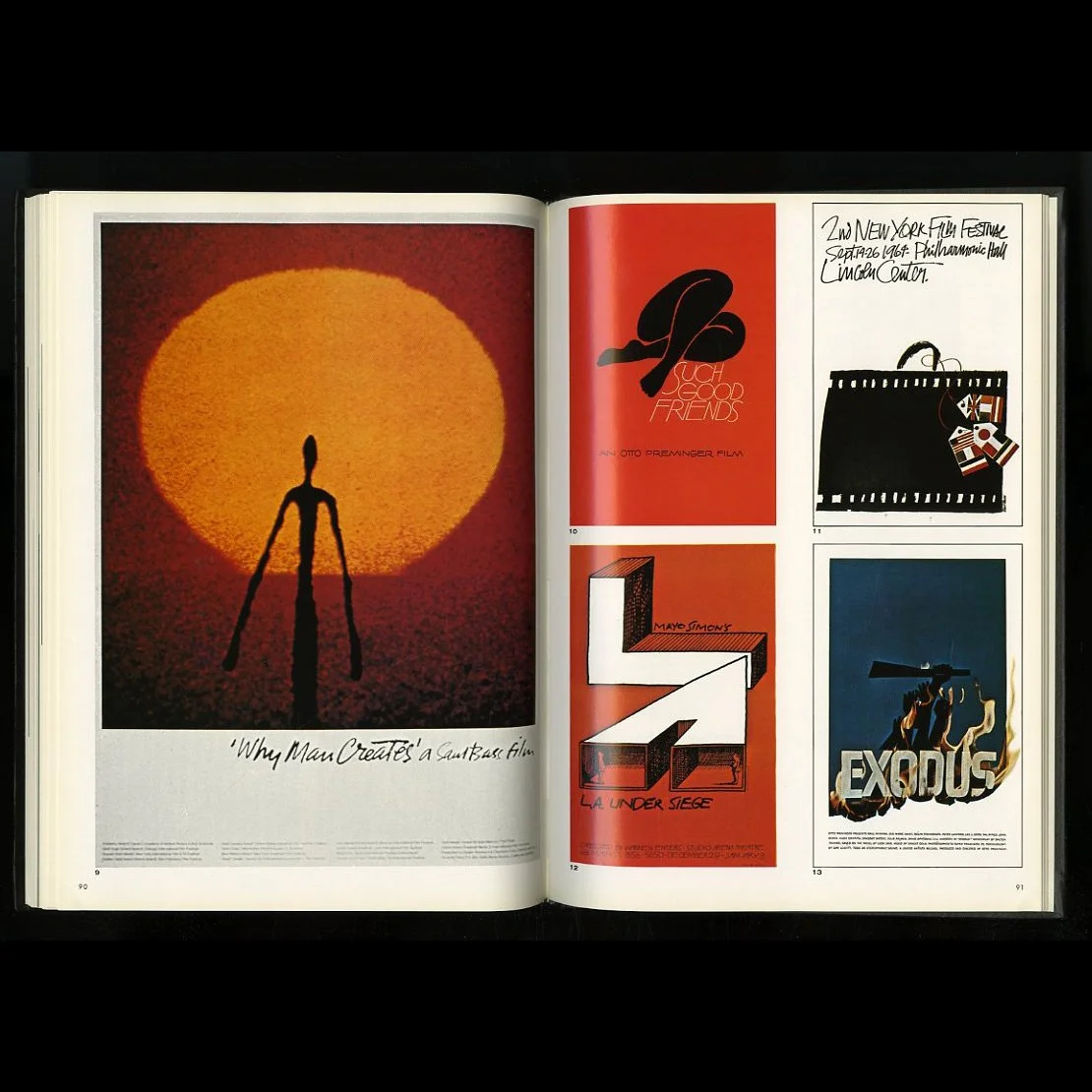 Image 11 of 13
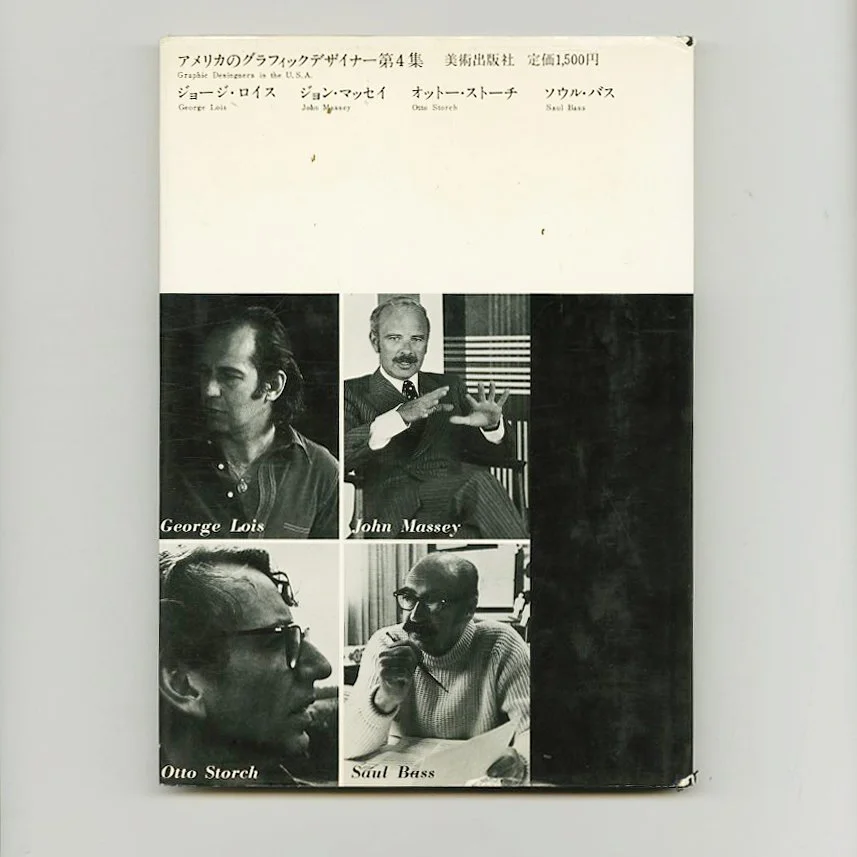 Image 12 of 13
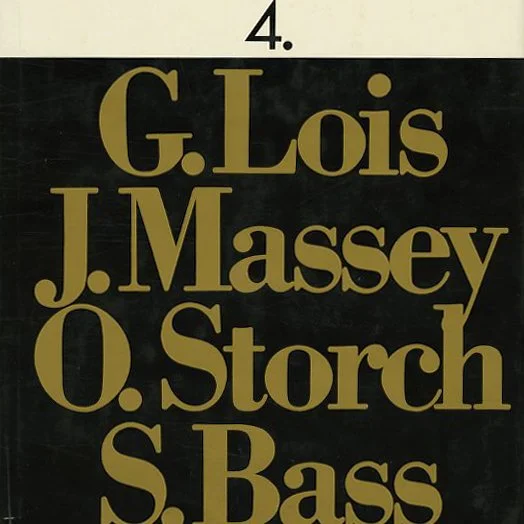 Image 13 of 13