DOMUS
L’Arte Nella Casa: Natale 1929
Gio Ponti
Milano: Editoriale Domus, Natale 1929. Original edition. Text in Italian. Slim quarto. Letterpress printed wrappers. Side stitched textblock. 125 [xxxii] pp. Introductory text followed by 125 pages with 290 furniture photographs in black and white halftone. Wrappers lightly worn and soiled with spine heels roughened. Pp. 142 – 143 with a coin sized skinned circle, otherwise interior unmarked and clean. A very good copy.
9 x 11.5-inch side stitched periodical with 168 pages and 125 pages devoted to Gio Ponti’s curated overview of modern Italian furniture design, and now seems a popular auction house reference title.
Includes interiors by Gustavo Pulitzer, Tomaso Buzzi, Mino Fiocchi, Gio Ponti, Michele Marelli, Wenter Marini, Mario Bacciocchi, Giuseppe Caponi, Giuseppi Pagano-Pogatschnig, Pippo Rizzo, Piero Bottoni, Ernesto Thayat, Mario Ridolfi, Alberto Bevilacqua, Paolo Buffa, Carlo Polli, Arturo Midana, Giannii Mantero, Emilio Lancia, Guido Frette, Enrico Grifini, Mario Fontana, Giuseppe Pizzigoni, Emilio Lancia, Carlo Enrico Rava, Gabriele Mucchi, Giuseppe De Finetti, Giuseppe Pizzigoni, Gigiotti Zanini, Giuseppe Capponi, Cesare Scoccimarro, Paolo Buffa, Tomaso Buzzi, Giuseppe Serafini, Guido Frette & Adalberto Libera, Luigi Figini, Ottorino Aloisio, Pagano, and many others.
Domus was founded by Gio Ponti in 1928. During the start of the global economic depression in 1929, Ponti agreed to let the 23-year-old publisher Gianni Mazzocchi take over Domus and established the Editorial Domus publishing house. The first issue of Domus, subtitled "Architecture and decor of the modern home in the city and in the country," was published on 15 January 1928. Its mission was to renew architecture, interiors and Italian decorative arts without overlooking topics of interest to women, like the art of homemaking, gardening and cooking. Gio Ponti delineated the magazine's goals in his editorials, insisting on the importance of aesthetics and style in the field of industrial production.
Mazzocchi and Editoriale Domus took over Casabella in 1934, entrusting its direction first to Franco Albini and Giancarlo Palanti to overhaul the editorial focus on traditional interior design. Then Giuseppe Pagano Pogatschnig teamed up with art critic Edoardo Persico and transformed Casabella into a mouthpiece for the latest art and design trends. With intuition that allowed him to see far beyond his times, Gianni Mazzocchi successfully conceived and established magazines and journals that have contributed to shape the history of Italian publishing.
Gio Ponti [Italian, 1891–1979] excelled at painting as a child and expressed a fervent interest in the arts. Feeling that a career in architecture was preferable to that of a painter, Ponti’s parents encouraged him to pursue the former and in 1914 he enrolled at the Faculty of Architecture at the Politecnico di Milano. His studies were interrupted by war, and in 1915 he was forced to postpone his education. He served as a captain in the Pontonier Corps until 1919, earning multiple military honors.
After graduating in 1921, Ponti married Giulia Vimercati, the daughter of local aristocracy and started an architecture firm. During this time, Ponti aligned himself with the neoclassical movement, Novecento and championed a revival of the arts and culture.
In the 1920s Gio Ponti revolutionized the production of Richard Ginori with ceramic pieces, as he describes “of vaguely neoclassical inspiration, with Etruscan suggestions, turned toward the modern with ironic elegance.” Finely executed, Ponti’s works for Richard Ginori were widely admired at the 1923 Biennale in Monza so much so that he was named artistic director for the company that same year. At the Exposition Internationale des Arts Décoratifs et Industriels Modernes in Paris just two years later, Richard Ginori was awarded two grand prizes, one for Ponti and his ceramic designs.
Ponti renewed artistic expression with a modern take on classical ornamentation and decoration, forms that had once been forgotten were newly found, architecture and lively figures graced his objects. Further, his works illustrated a collaboration of art and industry as his designs were increasing applied to functional forms and not just decorative objects. Under Ponti’s direction, Richard Ginori became widely acclaimed in Italy, recognized for their precision in design, study in detail and perfect execution. During his tenure at the firm and in the years following, Ponti would create more than 400 designs.
In 1928, Ponti founded Domus, a periodical tailored to artists and designers, as well as the broader public. A shift occurred in the 1930s when Ponti took up a teaching post at his alma mater, the Politecnico di Milano. In search of new methods to express Italian modernity, Ponti distanced himself from the sentiments of Novecento and sought to reconcile art and industry. Together with the engineers, Eugenio Soncini and Antonio Fornaroli, Ponti enjoyed great success in the industrial sector, securing various commissions throughout Italy. In the 1950s, he gained international fame with the design of the Pirelli Tower in Milan and he was asked to be a part of the urban renewal of Baghdad, collaborating with top architects from around the world. His 1957 book, Amate l’architettura, is considered to be a microcosm of his work —an incredible legacy spanning art, architecture, industrial design, publishing and academia.
DOMUS
L’Arte Nella Casa: Natale 1929
Gio Ponti
Milano: Editoriale Domus, Natale 1929. Original edition. Text in Italian. Slim quarto. Letterpress printed wrappers. Side stitched textblock. 125 [xxxii] pp. Introductory text followed by 125 pages with 290 furniture photographs in black and white halftone. Wrappers lightly worn and soiled with spine heels roughened. Pp. 142 – 143 with a coin sized skinned circle, otherwise interior unmarked and clean. A very good copy.
9 x 11.5-inch side stitched periodical with 168 pages and 125 pages devoted to Gio Ponti’s curated overview of modern Italian furniture design, and now seems a popular auction house reference title.
Includes interiors by Gustavo Pulitzer, Tomaso Buzzi, Mino Fiocchi, Gio Ponti, Michele Marelli, Wenter Marini, Mario Bacciocchi, Giuseppe Caponi, Giuseppi Pagano-Pogatschnig, Pippo Rizzo, Piero Bottoni, Ernesto Thayat, Mario Ridolfi, Alberto Bevilacqua, Paolo Buffa, Carlo Polli, Arturo Midana, Giannii Mantero, Emilio Lancia, Guido Frette, Enrico Grifini, Mario Fontana, Giuseppe Pizzigoni, Emilio Lancia, Carlo Enrico Rava, Gabriele Mucchi, Giuseppe De Finetti, Giuseppe Pizzigoni, Gigiotti Zanini, Giuseppe Capponi, Cesare Scoccimarro, Paolo Buffa, Tomaso Buzzi, Giuseppe Serafini, Guido Frette & Adalberto Libera, Luigi Figini, Ottorino Aloisio, Pagano, and many others.
Domus was founded by Gio Ponti in 1928. During the start of the global economic depression in 1929, Ponti agreed to let the 23-year-old publisher Gianni Mazzocchi take over Domus and established the Editorial Domus publishing house. The first issue of Domus, subtitled "Architecture and decor of the modern home in the city and in the country," was published on 15 January 1928. Its mission was to renew architecture, interiors and Italian decorative arts without overlooking topics of interest to women, like the art of homemaking, gardening and cooking. Gio Ponti delineated the magazine's goals in his editorials, insisting on the importance of aesthetics and style in the field of industrial production.
Mazzocchi and Editoriale Domus took over Casabella in 1934, entrusting its direction first to Franco Albini and Giancarlo Palanti to overhaul the editorial focus on traditional interior design. Then Giuseppe Pagano Pogatschnig teamed up with art critic Edoardo Persico and transformed Casabella into a mouthpiece for the latest art and design trends. With intuition that allowed him to see far beyond his times, Gianni Mazzocchi successfully conceived and established magazines and journals that have contributed to shape the history of Italian publishing.
Gio Ponti [Italian, 1891–1979] excelled at painting as a child and expressed a fervent interest in the arts. Feeling that a career in architecture was preferable to that of a painter, Ponti’s parents encouraged him to pursue the former and in 1914 he enrolled at the Faculty of Architecture at the Politecnico di Milano. His studies were interrupted by war, and in 1915 he was forced to postpone his education. He served as a captain in the Pontonier Corps until 1919, earning multiple military honors.
After graduating in 1921, Ponti married Giulia Vimercati, the daughter of local aristocracy and started an architecture firm. During this time, Ponti aligned himself with the neoclassical movement, Novecento and championed a revival of the arts and culture.
In the 1920s Gio Ponti revolutionized the production of Richard Ginori with ceramic pieces, as he describes “of vaguely neoclassical inspiration, with Etruscan suggestions, turned toward the modern with ironic elegance.” Finely executed, Ponti’s works for Richard Ginori were widely admired at the 1923 Biennale in Monza so much so that he was named artistic director for the company that same year. At the Exposition Internationale des Arts Décoratifs et Industriels Modernes in Paris just two years later, Richard Ginori was awarded two grand prizes, one for Ponti and his ceramic designs.
Ponti renewed artistic expression with a modern take on classical ornamentation and decoration, forms that had once been forgotten were newly found, architecture and lively figures graced his objects. Further, his works illustrated a collaboration of art and industry as his designs were increasing applied to functional forms and not just decorative objects. Under Ponti’s direction, Richard Ginori became widely acclaimed in Italy, recognized for their precision in design, study in detail and perfect execution. During his tenure at the firm and in the years following, Ponti would create more than 400 designs.
In 1928, Ponti founded Domus, a periodical tailored to artists and designers, as well as the broader public. A shift occurred in the 1930s when Ponti took up a teaching post at his alma mater, the Politecnico di Milano. In search of new methods to express Italian modernity, Ponti distanced himself from the sentiments of Novecento and sought to reconcile art and industry. Together with the engineers, Eugenio Soncini and Antonio Fornaroli, Ponti enjoyed great success in the industrial sector, securing various commissions throughout Italy. In the 1950s, he gained international fame with the design of the Pirelli Tower in Milan and he was asked to be a part of the urban renewal of Baghdad, collaborating with top architects from around the world. His 1957 book, Amate l’architettura, is considered to be a microcosm of his work —an incredible legacy spanning art, architecture, industrial design, publishing and academia.

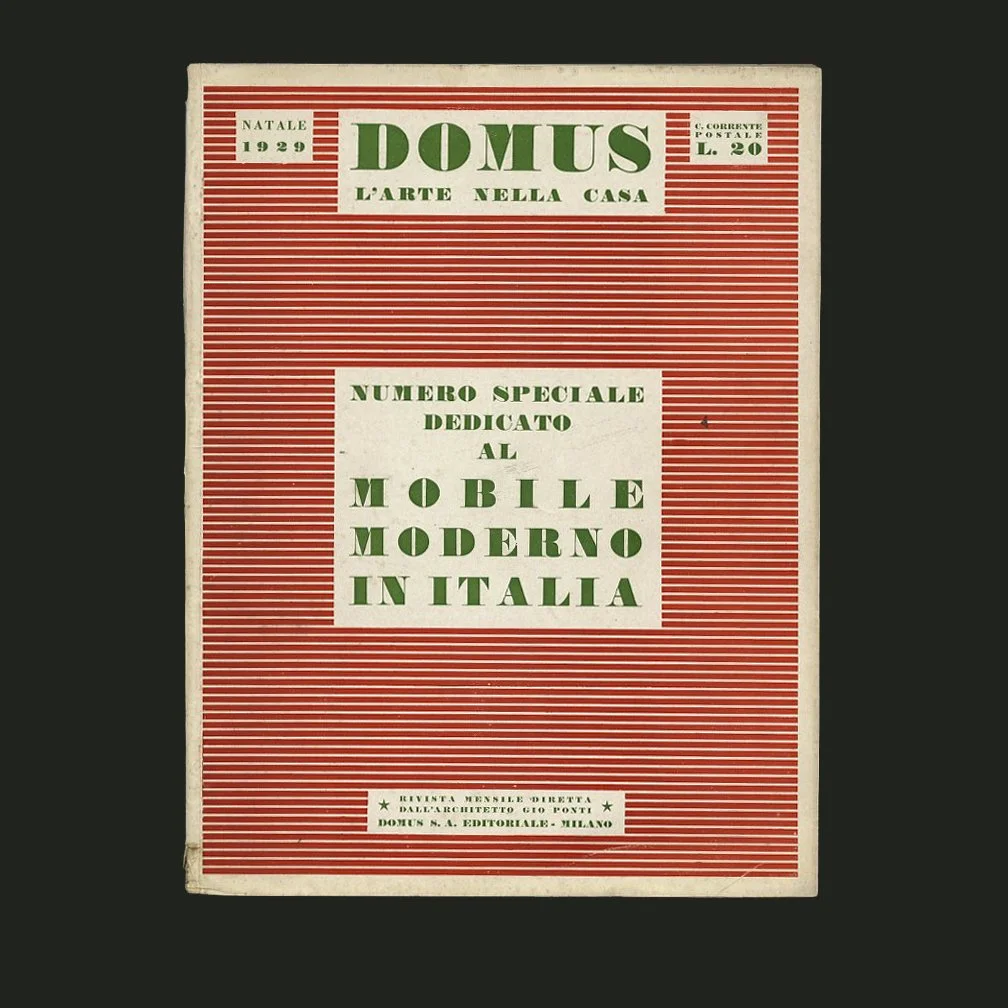 Image 1 of 10
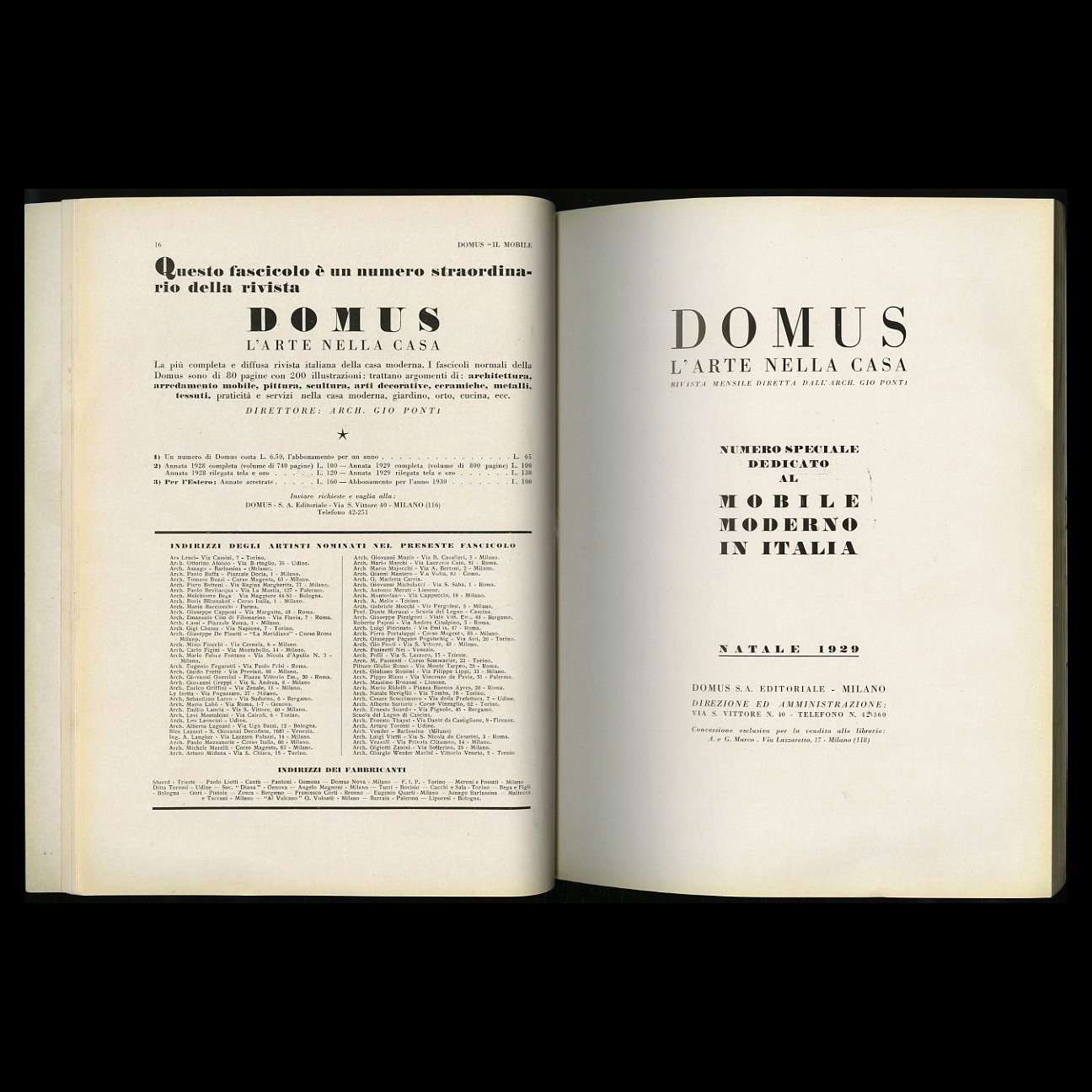 Image 2 of 10
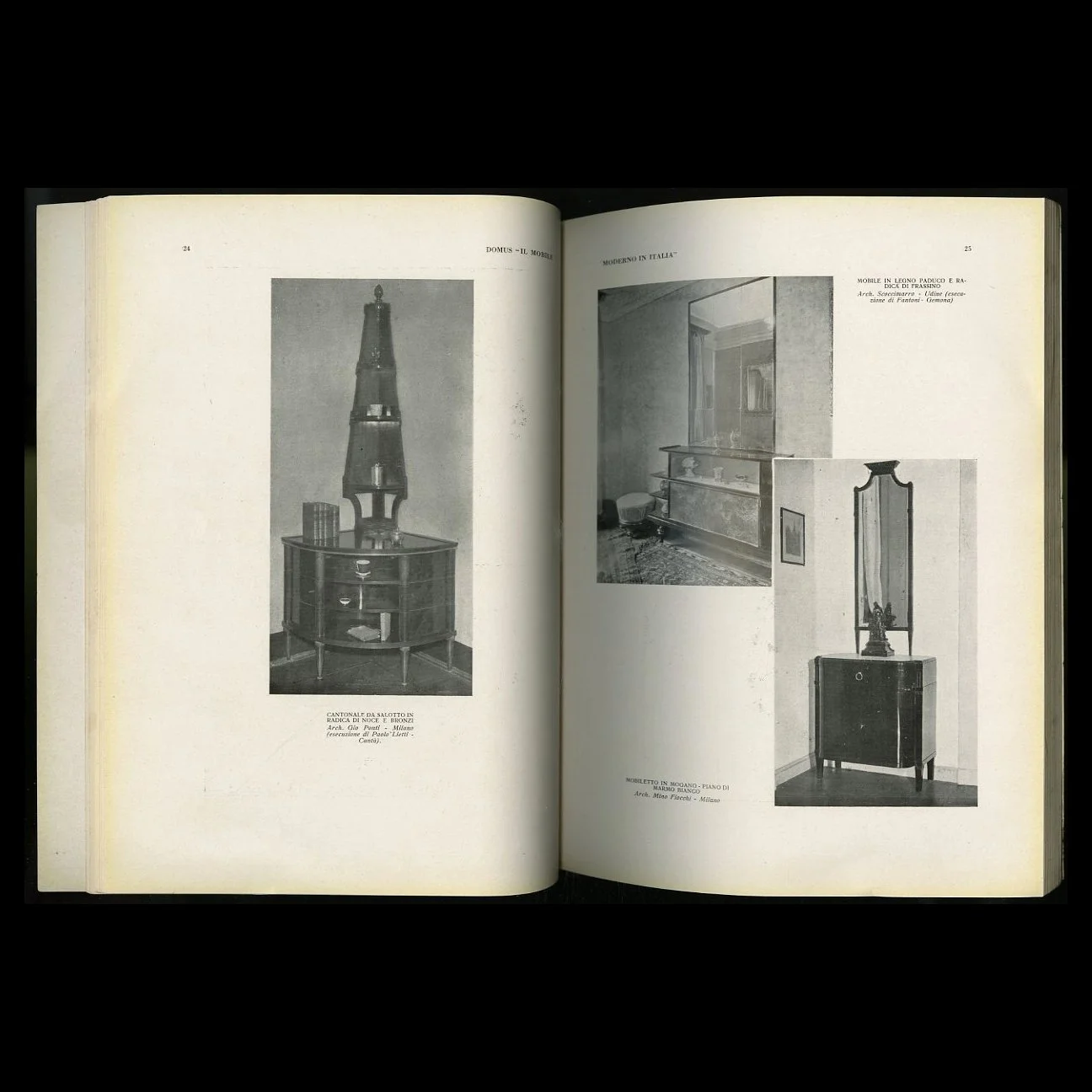 Image 3 of 10
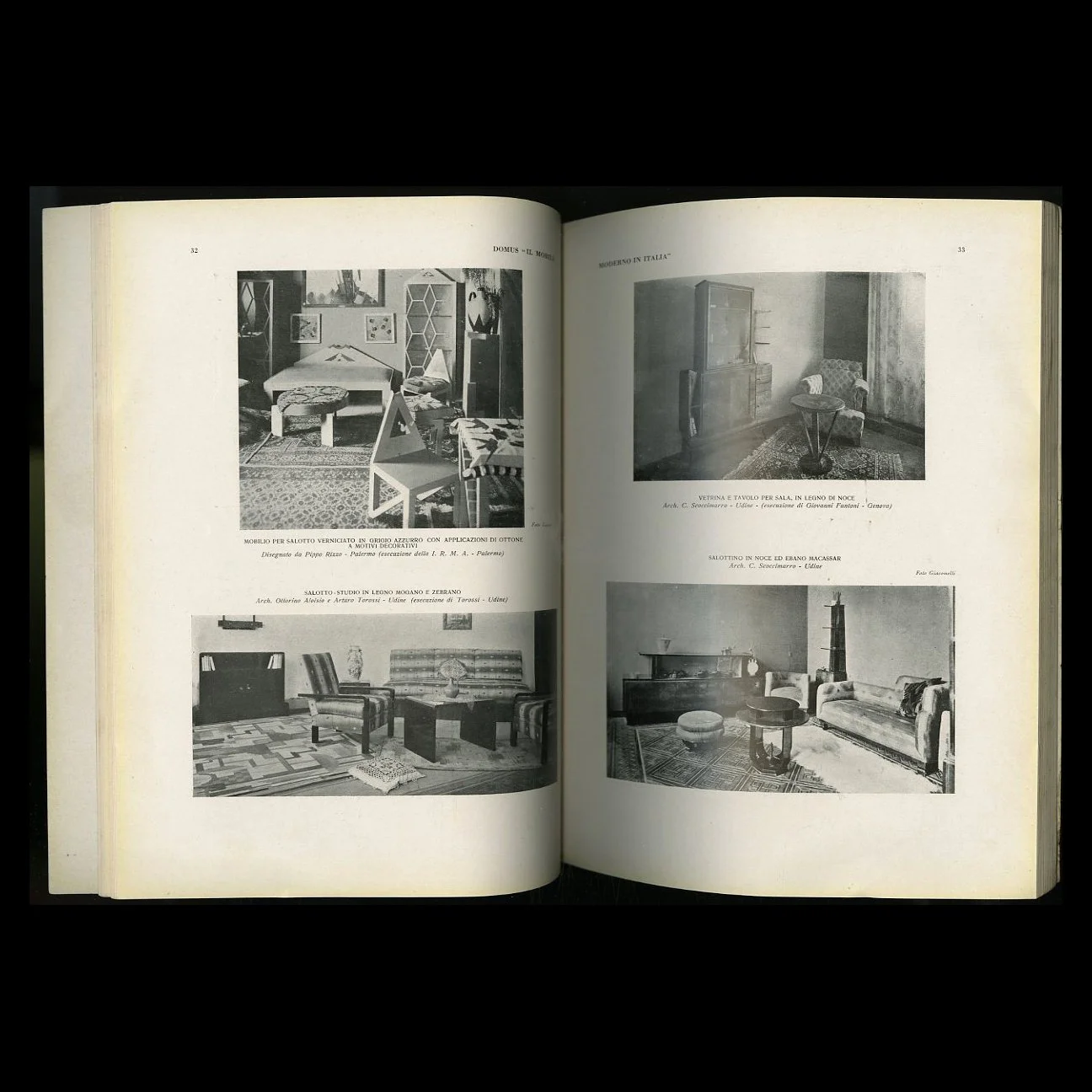 Image 4 of 10
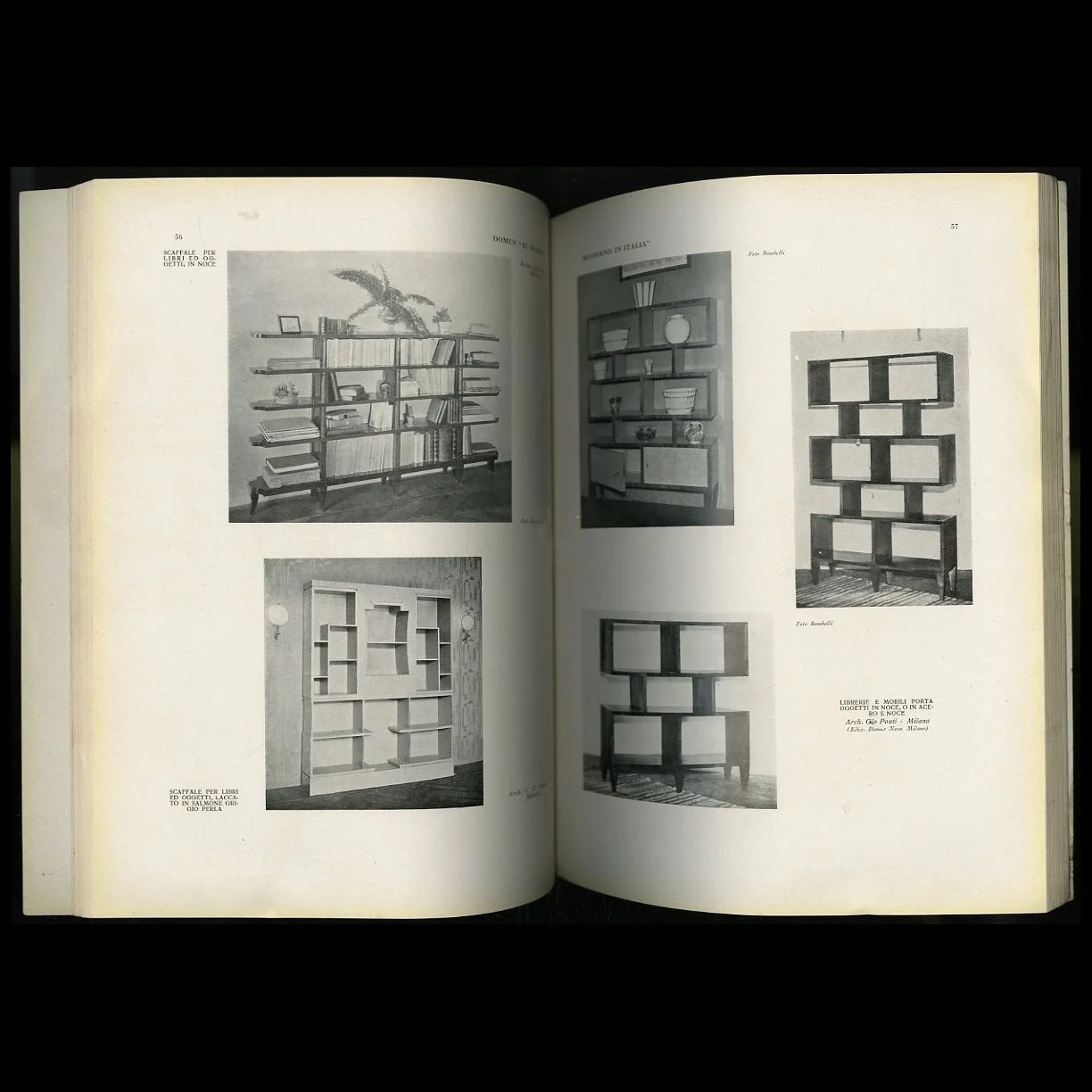 Image 5 of 10
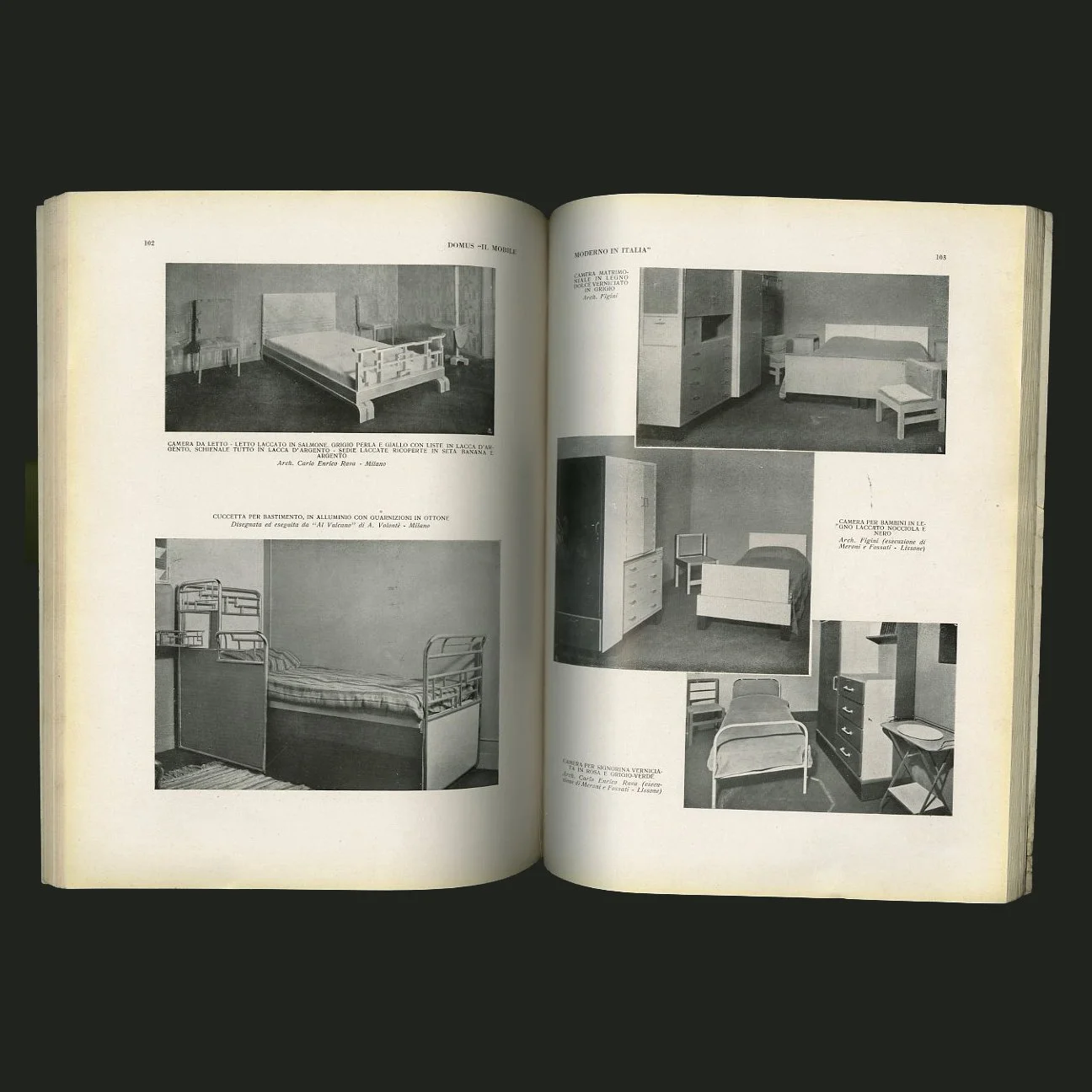 Image 6 of 10
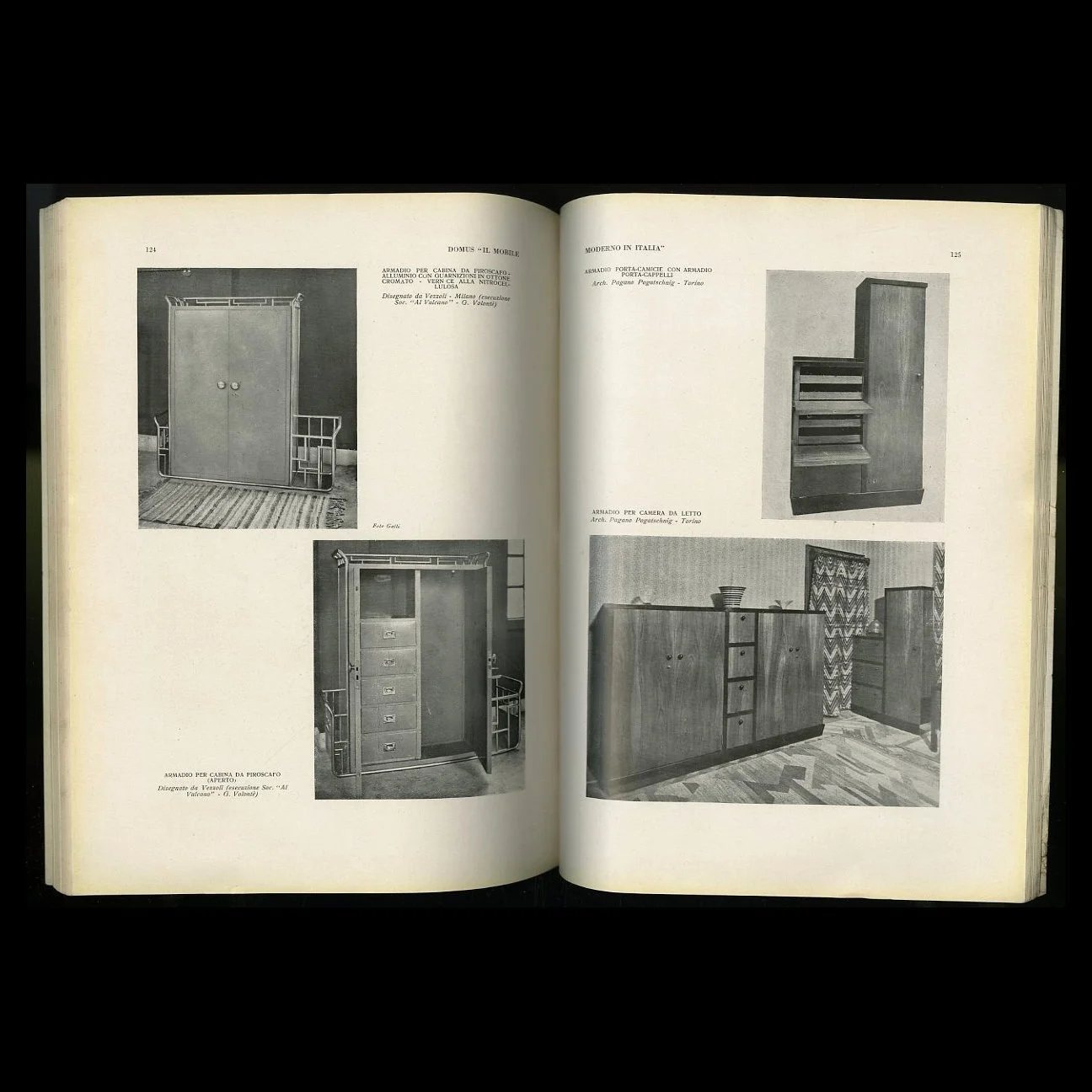 Image 7 of 10
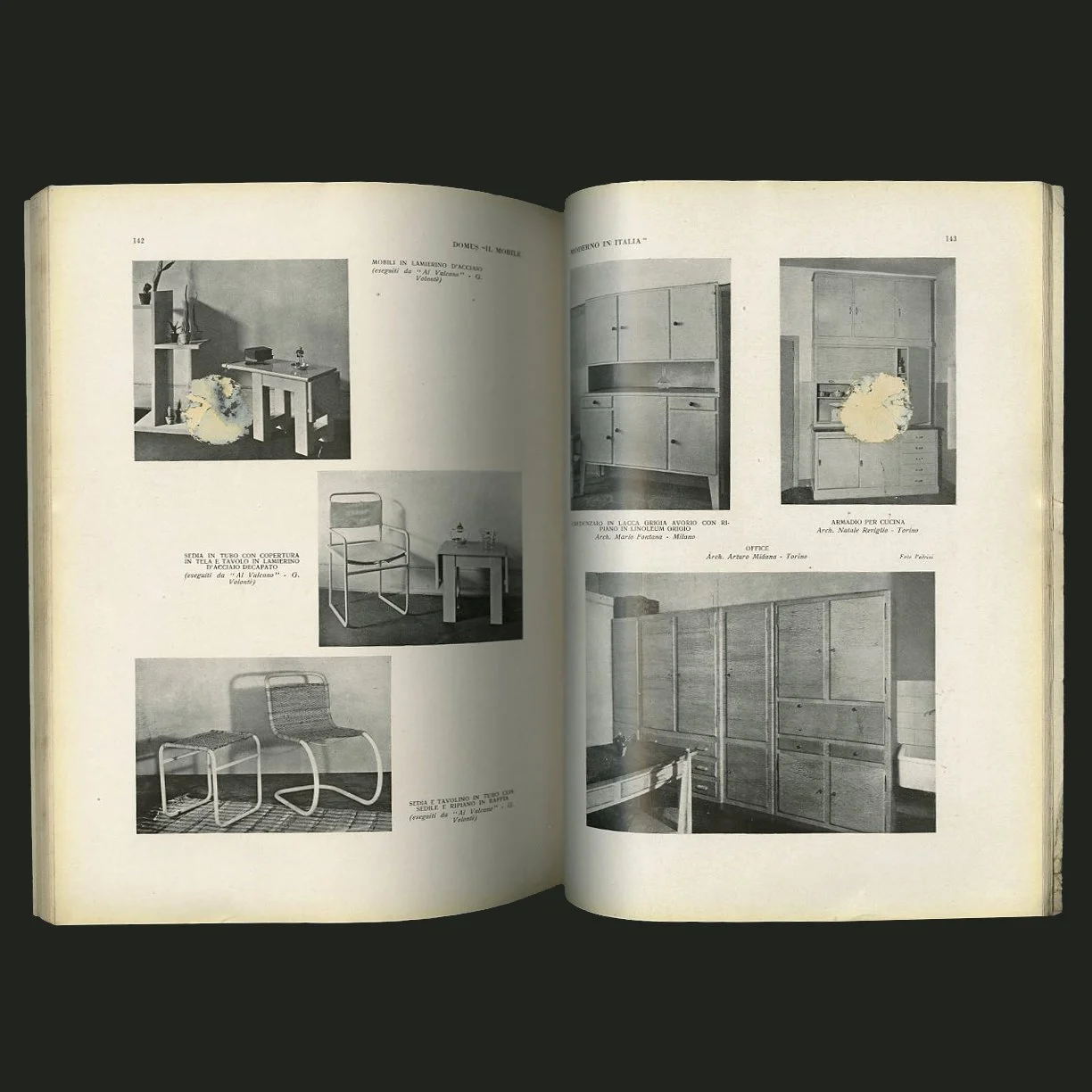 Image 8 of 10
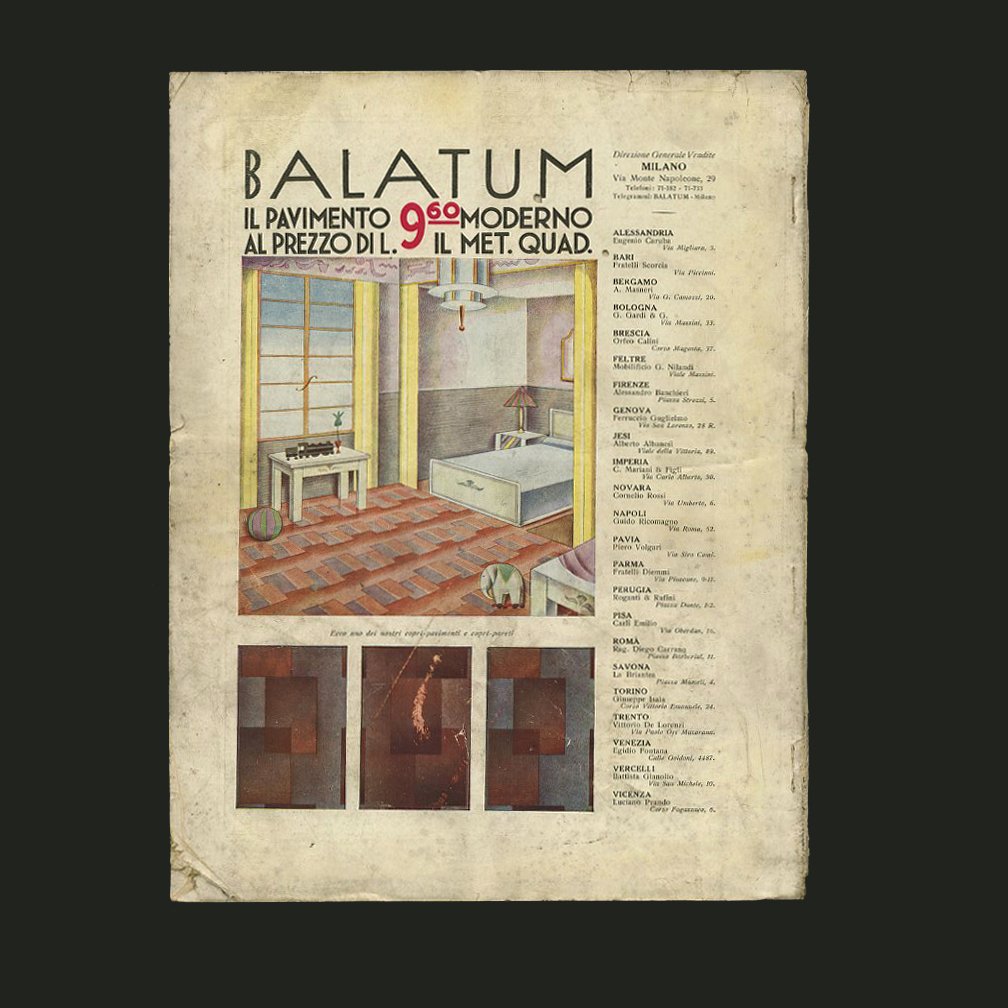 Image 9 of 10
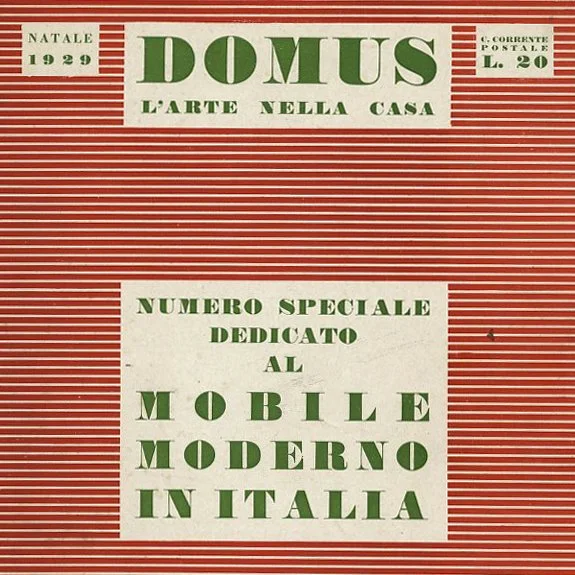 Image 10 of 10