NIELS DIFFRIENT: KNOLL SEATING
Roy Slade [introduction]
Bloomfield Hills, MI: Cranbrook Academy of Art Museum, November 1980. Slim quarto. Thich glossy printed and stapled wrappers. 16 pp. Exhibition catalog illustrated in full color throughout. Wrappers with trivial wear, but a neatly fine copy.
9 x 10 stapled catalog with 16 pages devoted to the student and professional work of Cranbrook graduate Niels Diffrient, published in conjunction with the exhibition of the same name held at the Cranbrook Academy of Art Museum from November 9 to December 7, 1980. Niels Diffrient (1928–2013) studied aeronautical engineering in high school and design at Cranbrook Academy of Art in Bloomfield Hills, Michigan. He worked with Marco Zanuso and Eero Saarinen before establishing a 25-year business partnership with Henry Dreyfuss from 1956 until 1981.
Convinced that so-called ‘modern’ furniture designers were not, in fact, exploiting technology to its fullest potential, Diffrient became one of the earliest experts of modern ergonomics. He has spent much of his career systematically researching how the user interacts with his surroundings and incorporating his findings into practical designs.
The chair collections he designed for Knoll in 1980 were early examples of seating thoroughly informed by anatomical research and quantitative studies of workplace behavior. The chairs responded to the human body ― increasing comfort and ensuring user well-being.
Diffrient has since established his own studio in Connecticut. The winner of countless design awards, he has also served as chair of the International Design Conference in Aspen, Colorado, an adjunct professor of Design at UCLA, and a visiting critic at the Yale School of Architecture.
Human beings were the ultimate subject of Niels Diffrient’s world-changing career. Calling himself an “ombudsman between the user and his circumstance,” he believed that product design should start with human needs and human experience and end with aesthetic considerations.
As a teenager he loved to draw. In his autobiography Confessions of a Generalist (2012), Diffrient remembered drawing a giant airplane on the back of an abandoned roll of wallpaper, rescued from the trash by his father. It was the 1930s. Resources were short, but ideas were big. Unknown to the young Niels Diffrient, the new field of industrial design was taking shape at that same moment in the hands of Raymond Loewy, Walter Dorwin Teague, and Henry Dreyfuss. In 1955, Diffrient went to work for Dreyfuss in Los Angeles, after studying design at Cranbrook Academy of Art and collaborating with the young Eero Saarinen.
At the Dreyfuss office, Diffrient helped found the new methodology of human factors, commonly known as ergonomics. Designers use human factors to create products that fit the needs of people. At the Dreyfuss office, Diffrient led the creation of such legendary products as the Princess phone, the Polaroid SX-70 camera, and John Deere’s adjustable tractor seats. These innovative products took into account human psychology and physiology—Diffrient looked at the science of how people work in order to create products that work for people.
Henry Dreyfuss compiled the firm’s groundbreaking human factors research in the 1960 publication The Measure of Man, featuring iconic drawings of “Joe and Josephine” by Alvin Tilley. Continuing to study human factors in depth, Diffrient co-authored the Humanscale series of books and tools beginning in 1974 (MIT Press). These essential documents allow designers of products and environments to account for a broad range of human dimensions.
The product that attracted Diffrient’s keenest attention in the second phase of his career was the office chair. A series of chairs for Humanscale created new ways to interact with task furniture. Instead of fussing with complex knobs and levers in search of a proper fit, people could now sit in a chair that responded to their own weight, adjusting spontaneously. (As Diffrient enjoyed pointing out, most people don’t bother to adjust their chairs anyway.) Cooper-Hewitt’s permanent collection includes Humanscale’s Liberty Task Chair (2007); its all-mesh back, tailored from three panels of non-stretch fabric, provides three-dimensional support for the spine. Diffrient also designed chairs for Knoll International and other manufacturers. His inventive is revealed in nearly sixty patents in the area of furniture design and mechanics. Caroline Baumann, Director of Cooper-Hewitt, National Design Museum, commented “Amongst his countless design accomplishments from the Polaroid camera to submarines, Niels rethought the most basic component of office life. He improved people’s lives through the power of his designs, adding to their health, well-being and comfort. He was also a beautiful, curious human being himself, celebrating people and design at every occasion.”
NIELS DIFFRIENT: KNOLL SEATING
Roy Slade [introduction]
Bloomfield Hills, MI: Cranbrook Academy of Art Museum, November 1980. Slim quarto. Thich glossy printed and stapled wrappers. 16 pp. Exhibition catalog illustrated in full color throughout. Wrappers with trivial wear, but a neatly fine copy.
9 x 10 stapled catalog with 16 pages devoted to the student and professional work of Cranbrook graduate Niels Diffrient, published in conjunction with the exhibition of the same name held at the Cranbrook Academy of Art Museum from November 9 to December 7, 1980. Niels Diffrient (1928–2013) studied aeronautical engineering in high school and design at Cranbrook Academy of Art in Bloomfield Hills, Michigan. He worked with Marco Zanuso and Eero Saarinen before establishing a 25-year business partnership with Henry Dreyfuss from 1956 until 1981.
Convinced that so-called ‘modern’ furniture designers were not, in fact, exploiting technology to its fullest potential, Diffrient became one of the earliest experts of modern ergonomics. He has spent much of his career systematically researching how the user interacts with his surroundings and incorporating his findings into practical designs.
The chair collections he designed for Knoll in 1980 were early examples of seating thoroughly informed by anatomical research and quantitative studies of workplace behavior. The chairs responded to the human body ― increasing comfort and ensuring user well-being.
Diffrient has since established his own studio in Connecticut. The winner of countless design awards, he has also served as chair of the International Design Conference in Aspen, Colorado, an adjunct professor of Design at UCLA, and a visiting critic at the Yale School of Architecture.
Human beings were the ultimate subject of Niels Diffrient’s world-changing career. Calling himself an “ombudsman between the user and his circumstance,” he believed that product design should start with human needs and human experience and end with aesthetic considerations.
As a teenager he loved to draw. In his autobiography Confessions of a Generalist (2012), Diffrient remembered drawing a giant airplane on the back of an abandoned roll of wallpaper, rescued from the trash by his father. It was the 1930s. Resources were short, but ideas were big. Unknown to the young Niels Diffrient, the new field of industrial design was taking shape at that same moment in the hands of Raymond Loewy, Walter Dorwin Teague, and Henry Dreyfuss. In 1955, Diffrient went to work for Dreyfuss in Los Angeles, after studying design at Cranbrook Academy of Art and collaborating with the young Eero Saarinen.
At the Dreyfuss office, Diffrient helped found the new methodology of human factors, commonly known as ergonomics. Designers use human factors to create products that fit the needs of people. At the Dreyfuss office, Diffrient led the creation of such legendary products as the Princess phone, the Polaroid SX-70 camera, and John Deere’s adjustable tractor seats. These innovative products took into account human psychology and physiology—Diffrient looked at the science of how people work in order to create products that work for people.
Henry Dreyfuss compiled the firm’s groundbreaking human factors research in the 1960 publication The Measure of Man, featuring iconic drawings of “Joe and Josephine” by Alvin Tilley. Continuing to study human factors in depth, Diffrient co-authored the Humanscale series of books and tools beginning in 1974 (MIT Press). These essential documents allow designers of products and environments to account for a broad range of human dimensions.
The product that attracted Diffrient’s keenest attention in the second phase of his career was the office chair. A series of chairs for Humanscale created new ways to interact with task furniture. Instead of fussing with complex knobs and levers in search of a proper fit, people could now sit in a chair that responded to their own weight, adjusting spontaneously. (As Diffrient enjoyed pointing out, most people don’t bother to adjust their chairs anyway.) Cooper-Hewitt’s permanent collection includes Humanscale’s Liberty Task Chair (2007); its all-mesh back, tailored from three panels of non-stretch fabric, provides three-dimensional support for the spine. Diffrient also designed chairs for Knoll International and other manufacturers. His inventive is revealed in nearly sixty patents in the area of furniture design and mechanics. Caroline Baumann, Director of Cooper-Hewitt, National Design Museum, commented “Amongst his countless design accomplishments from the Polaroid camera to submarines, Niels rethought the most basic component of office life. He improved people’s lives through the power of his designs, adding to their health, well-being and comfort. He was also a beautiful, curious human being himself, celebrating people and design at every occasion.”

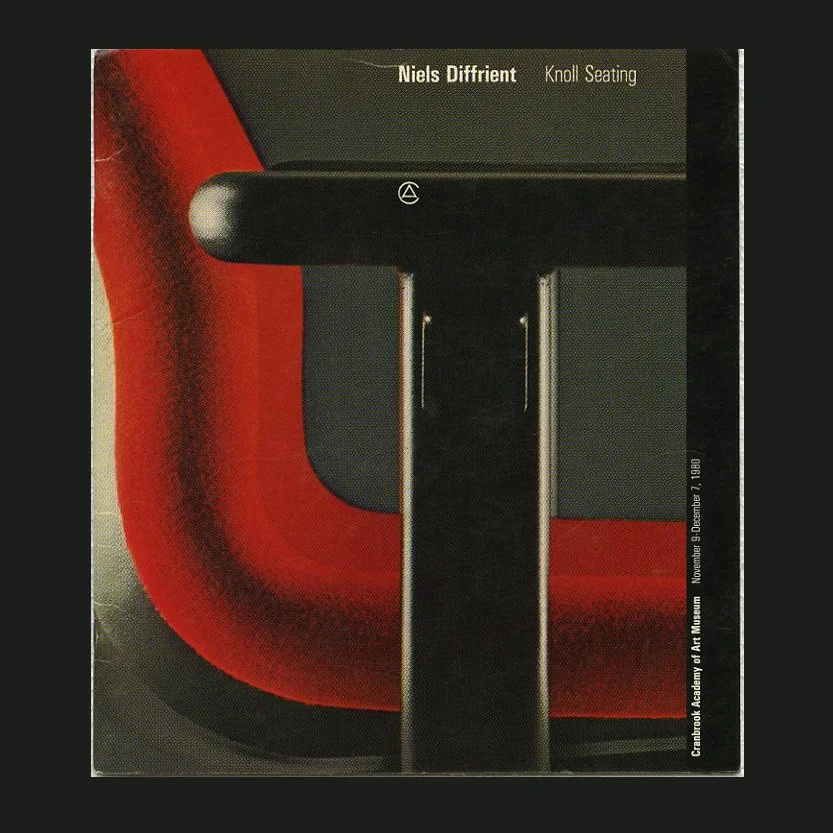 Image 1 of 6
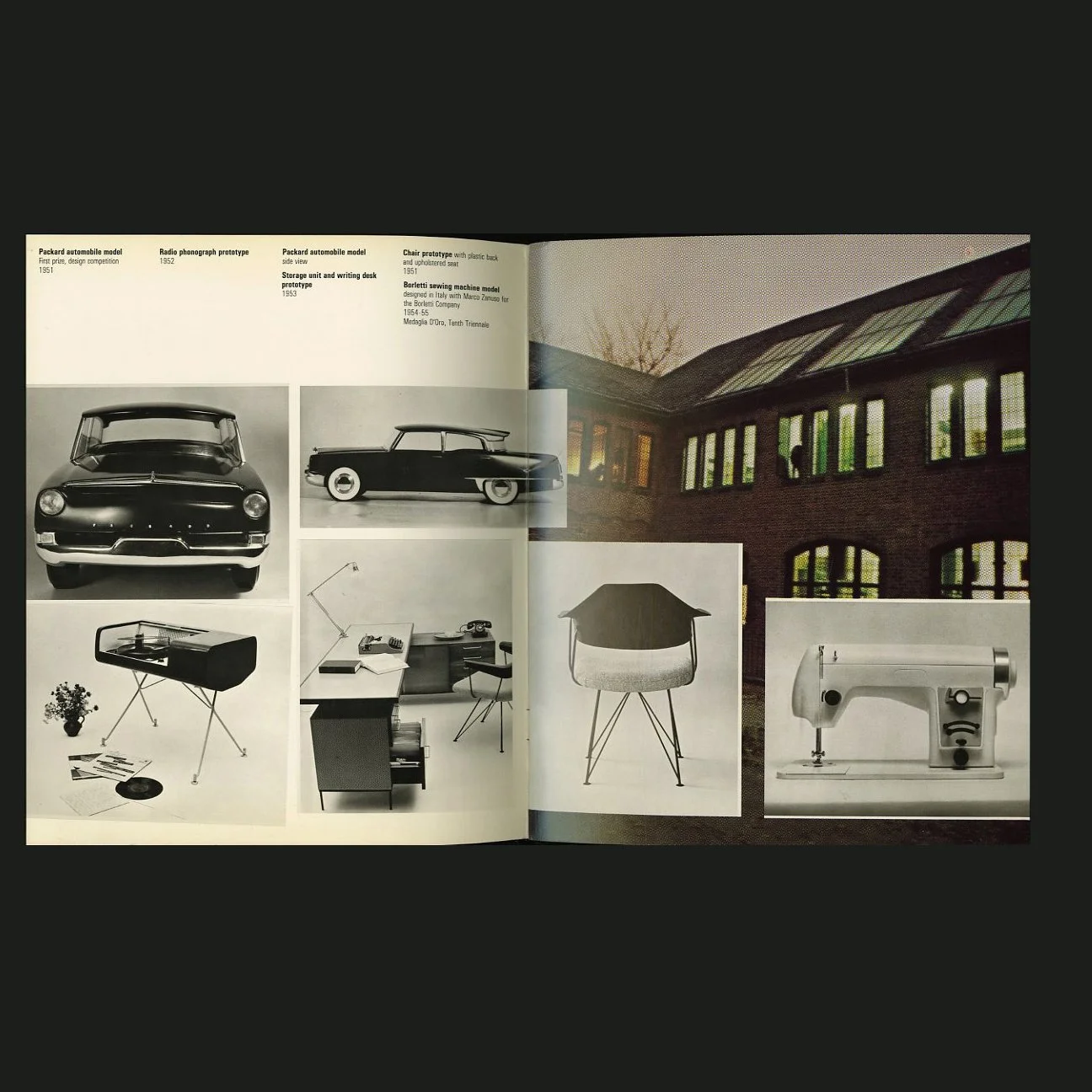 Image 2 of 6
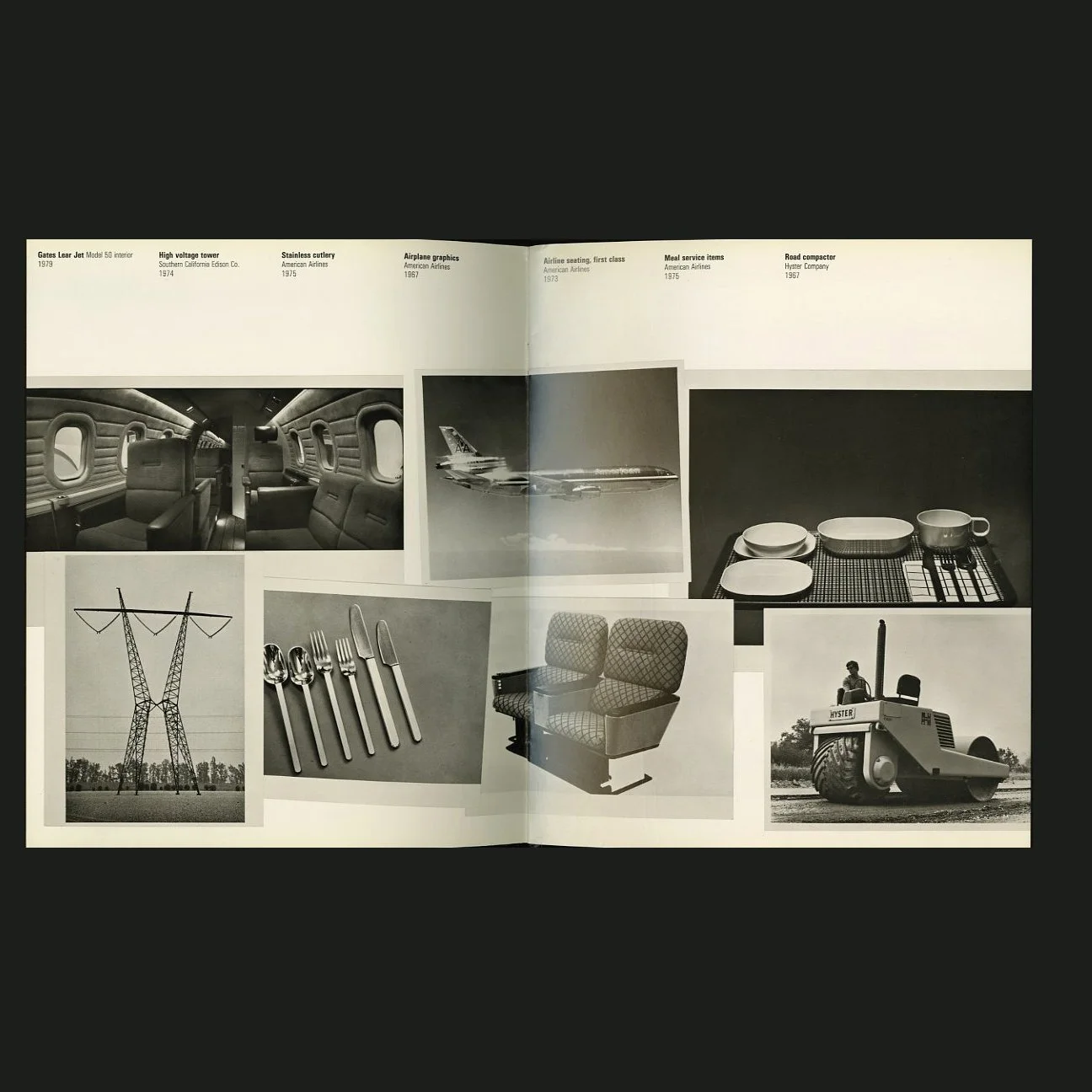 Image 3 of 6
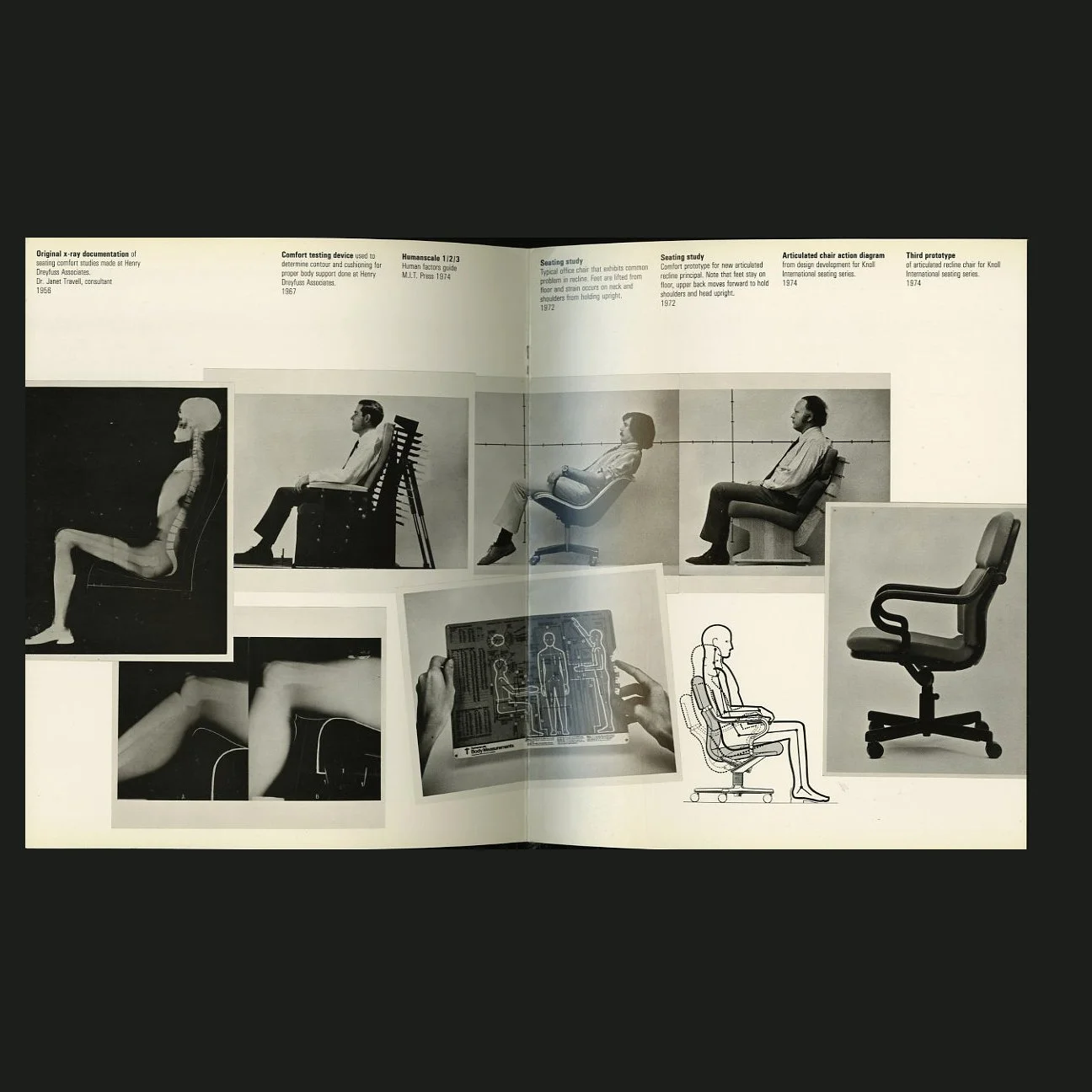 Image 4 of 6
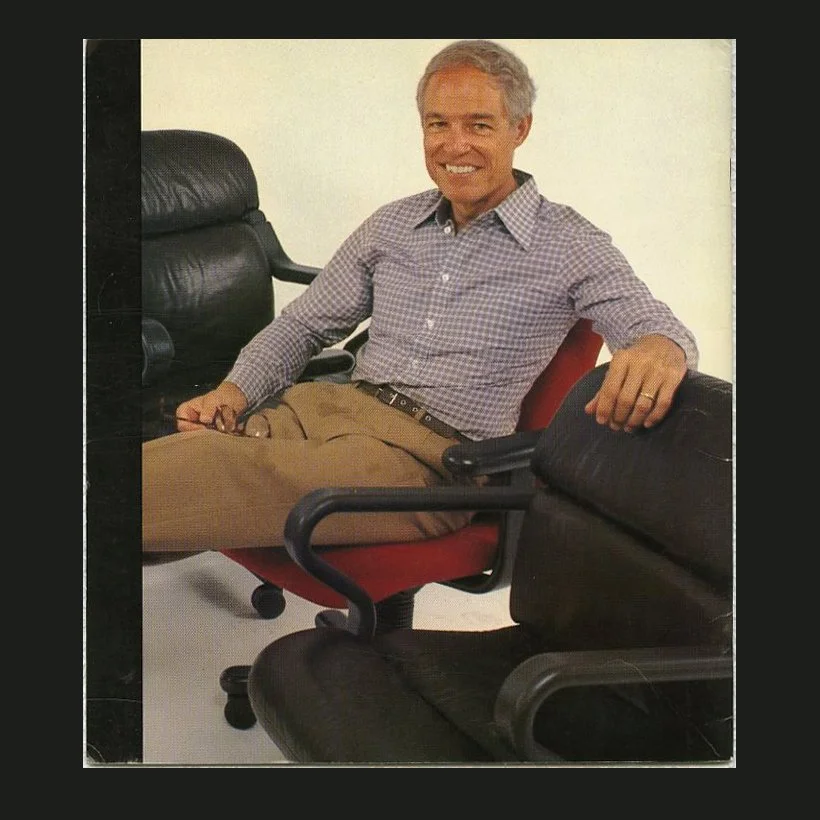 Image 5 of 6
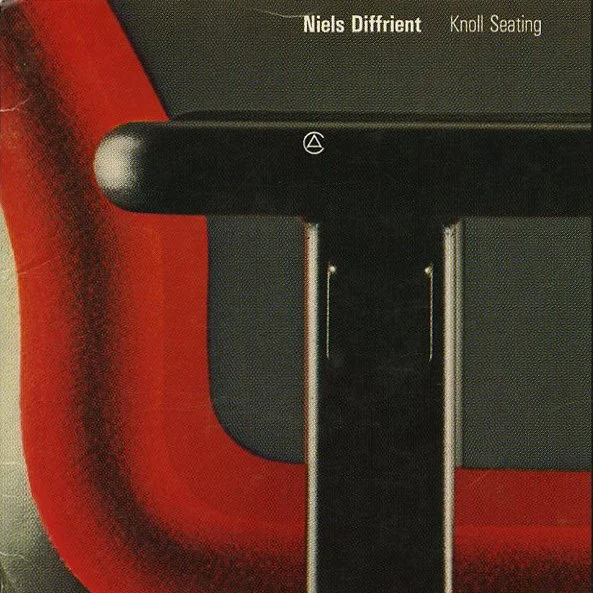 Image 6 of 6