JOSEPH BINDER -- AN ARTIST AND A LIFESTYLE
Joseph Binder
[From The Joseph Binder Collection Of Posters, Graphic And Fine Art, Notes And Records]. Vienna: Anton Scholl & Company Publishers, 1976. First edition. Square quarto. Embossed red cloth stamped in white. Printed dust jacket. 144 pp. 57 color plates and 132 illustrations. Out-of-print. Red cloth sharp and bright. Anti-theft sticker to rear endsheet concealed under jacket flap. Dust jacket with hint of wear to upper edges, now protected in a Bro-Dart sleeve, thus a fine copy in a very close to fine dust jacket. A most excellent copy
8.5 x 9.75 book with 144 pages and 132 illustrations, including 57 color plates. A first-class production-- highly recommended.
Contents:
Acknowledgment
Foreword
Preface
Evolution of the New Lifestyle: Vienna in the 1920s
How it All Began: Binder's Early Posters
Graphic Design, the New Artform, Emerging from Anonymity
Poster Art Originates Graphic Design
The First Ten Years 1924-1934
Binder Remembers
Vienna, Kitzbuhel, New York: Getting Acquainted
The Courses on "Graphic Design" in the United States, 1934/35
The Pastels from Travel in the United States
Binder's Message
The Beginning in New York
Modern Design for Government Posters
Reflections
Graphic Design Applied
Echo
Spontan
Manifesto
Silent Paintings
On Painting
Events in an Artist's Life (Biography)
Events in an Artist's Life (Publications)
List of Illustrations
Epilogue
Steven Heller wrote “. . . a short homage—for no other reason than I’m reminded of his work—to Vienna-born artist and designer Joseph Binder (1898–1972). He came of age when poster artists were stars. Or, as his wife Carla Binder recalled when I spoke to her in 1986, “Binder was alive during the age of Bernhard, Defke, Hadank. Elegant! And they were socially in contact with all their large accounts. They were acquaintances, friends. They were not just given an assignment” they were trusted with great responsibilities.
“Binder had always done posters on the side to make extra income. “Returning from the war in 1918 he was asked by Bernd Steiner, an excellent poster designer, [to work with him],” noted Carla, then in her late 90s.
”Still, Binder wanted to be a painter. He had studied painting for four years in his native Vienna at the Kunstgewerbeschule under professor Berthold Loeffler. “Loeffler gave Binder a fantastic critique for his graduation certificate,” recalled his widow. “And in 1926 the States Prize of Austria went to Binder.”
”Between 1933 and 1935 he visited the United States as a guest lecturer at the Chicago Art Institute and the Minneapolis School of Art. His work was represented in poster exhibitions in New York and Tokyo, and he was recognized by the Art Directors Club New York and the Museum of Modern Art. In 1936 Binder emigrated to New York and in 1944 became an American citizen.
”Binder had two studios in New York in the mid-1940s. One was for painting and the other for commercial work. “He had to walk a mile to go from one to the other,” noted Earnest W. Watson in American Artist (February 1944).
”The decision to have two studios—the physical separation of fine and commercial arts—wrote Watson, was typical of Binder’s relationship to his art forms. The former was “miles apart” from those of the poster designer. The poster represented a “faster tempo of modern living,” which has brought about a new streamline style. As it happens, his painting was non-representational color field work, while his posters were minimal reductions in representational form.
“Binder usually reduces naturalistic expressions to the minimum, his idea being that the greater the simplification … the quicker the recognition of the poster’s intention and the more powerful its impact.” For Joseph Binder, reduction was a shorthand way to express an idea.
“Binder’s influence upon American design has been considerable,” added Watson, “not alone through the example of his printed designs but through teaching and lecturing.” There was a time when his brand of pictorial modernism was the state of the art.”
JOSEPH BINDER -- AN ARTIST AND A LIFESTYLE
Joseph Binder
[From The Joseph Binder Collection Of Posters, Graphic And Fine Art, Notes And Records]. Vienna: Anton Scholl & Company Publishers, 1976. First edition. Square quarto. Embossed red cloth stamped in white. Printed dust jacket. 144 pp. 57 color plates and 132 illustrations. Out-of-print. Red cloth sharp and bright. Anti-theft sticker to rear endsheet concealed under jacket flap. Dust jacket with hint of wear to upper edges, now protected in a Bro-Dart sleeve, thus a fine copy in a very close to fine dust jacket. A most excellent copy
8.5 x 9.75 book with 144 pages and 132 illustrations, including 57 color plates. A first-class production-- highly recommended.
Contents:
Acknowledgment
Foreword
Preface
Evolution of the New Lifestyle: Vienna in the 1920s
How it All Began: Binder's Early Posters
Graphic Design, the New Artform, Emerging from Anonymity
Poster Art Originates Graphic Design
The First Ten Years 1924-1934
Binder Remembers
Vienna, Kitzbuhel, New York: Getting Acquainted
The Courses on "Graphic Design" in the United States, 1934/35
The Pastels from Travel in the United States
Binder's Message
The Beginning in New York
Modern Design for Government Posters
Reflections
Graphic Design Applied
Echo
Spontan
Manifesto
Silent Paintings
On Painting
Events in an Artist's Life (Biography)
Events in an Artist's Life (Publications)
List of Illustrations
Epilogue
Steven Heller wrote “. . . a short homage—for no other reason than I’m reminded of his work—to Vienna-born artist and designer Joseph Binder (1898–1972). He came of age when poster artists were stars. Or, as his wife Carla Binder recalled when I spoke to her in 1986, “Binder was alive during the age of Bernhard, Defke, Hadank. Elegant! And they were socially in contact with all their large accounts. They were acquaintances, friends. They were not just given an assignment” they were trusted with great responsibilities.
“Binder had always done posters on the side to make extra income. “Returning from the war in 1918 he was asked by Bernd Steiner, an excellent poster designer, [to work with him],” noted Carla, then in her late 90s.
”Still, Binder wanted to be a painter. He had studied painting for four years in his native Vienna at the Kunstgewerbeschule under professor Berthold Loeffler. “Loeffler gave Binder a fantastic critique for his graduation certificate,” recalled his widow. “And in 1926 the States Prize of Austria went to Binder.”
”Between 1933 and 1935 he visited the United States as a guest lecturer at the Chicago Art Institute and the Minneapolis School of Art. His work was represented in poster exhibitions in New York and Tokyo, and he was recognized by the Art Directors Club New York and the Museum of Modern Art. In 1936 Binder emigrated to New York and in 1944 became an American citizen.
”Binder had two studios in New York in the mid-1940s. One was for painting and the other for commercial work. “He had to walk a mile to go from one to the other,” noted Earnest W. Watson in American Artist (February 1944).
”The decision to have two studios—the physical separation of fine and commercial arts—wrote Watson, was typical of Binder’s relationship to his art forms. The former was “miles apart” from those of the poster designer. The poster represented a “faster tempo of modern living,” which has brought about a new streamline style. As it happens, his painting was non-representational color field work, while his posters were minimal reductions in representational form.
“Binder usually reduces naturalistic expressions to the minimum, his idea being that the greater the simplification … the quicker the recognition of the poster’s intention and the more powerful its impact.” For Joseph Binder, reduction was a shorthand way to express an idea.
“Binder’s influence upon American design has been considerable,” added Watson, “not alone through the example of his printed designs but through teaching and lecturing.” There was a time when his brand of pictorial modernism was the state of the art.”

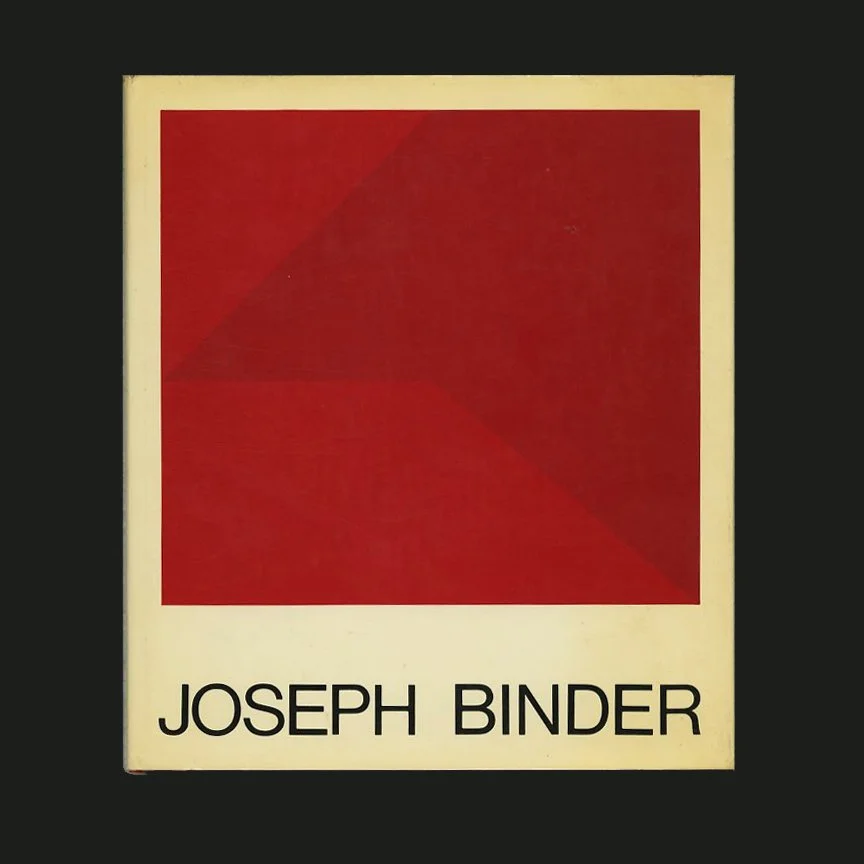 Image 1 of 13
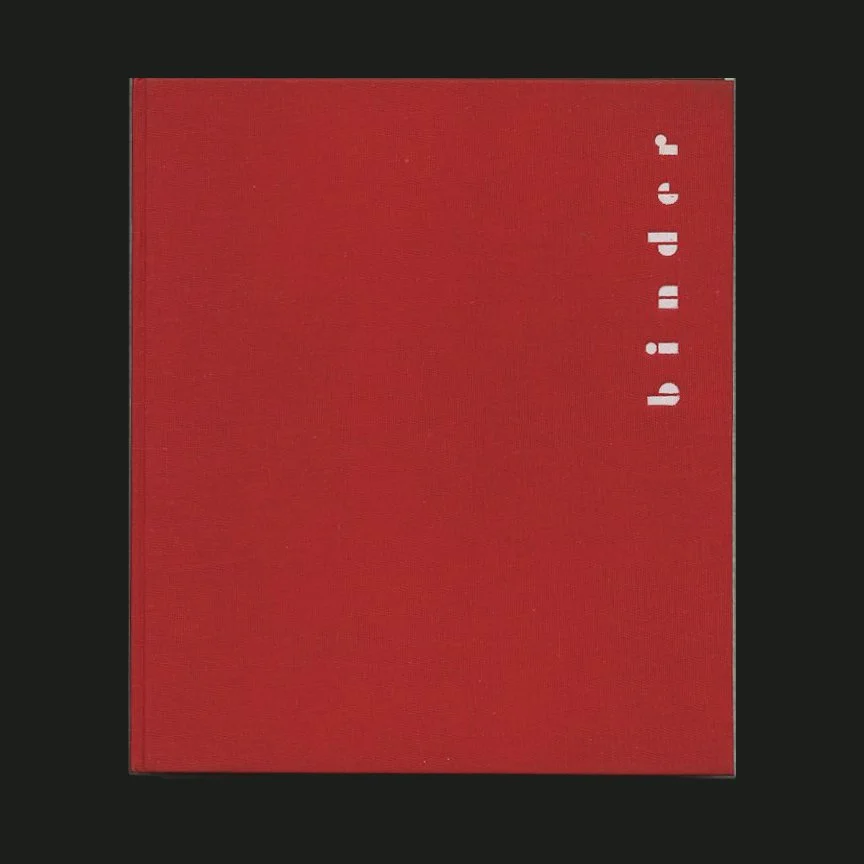 Image 2 of 13
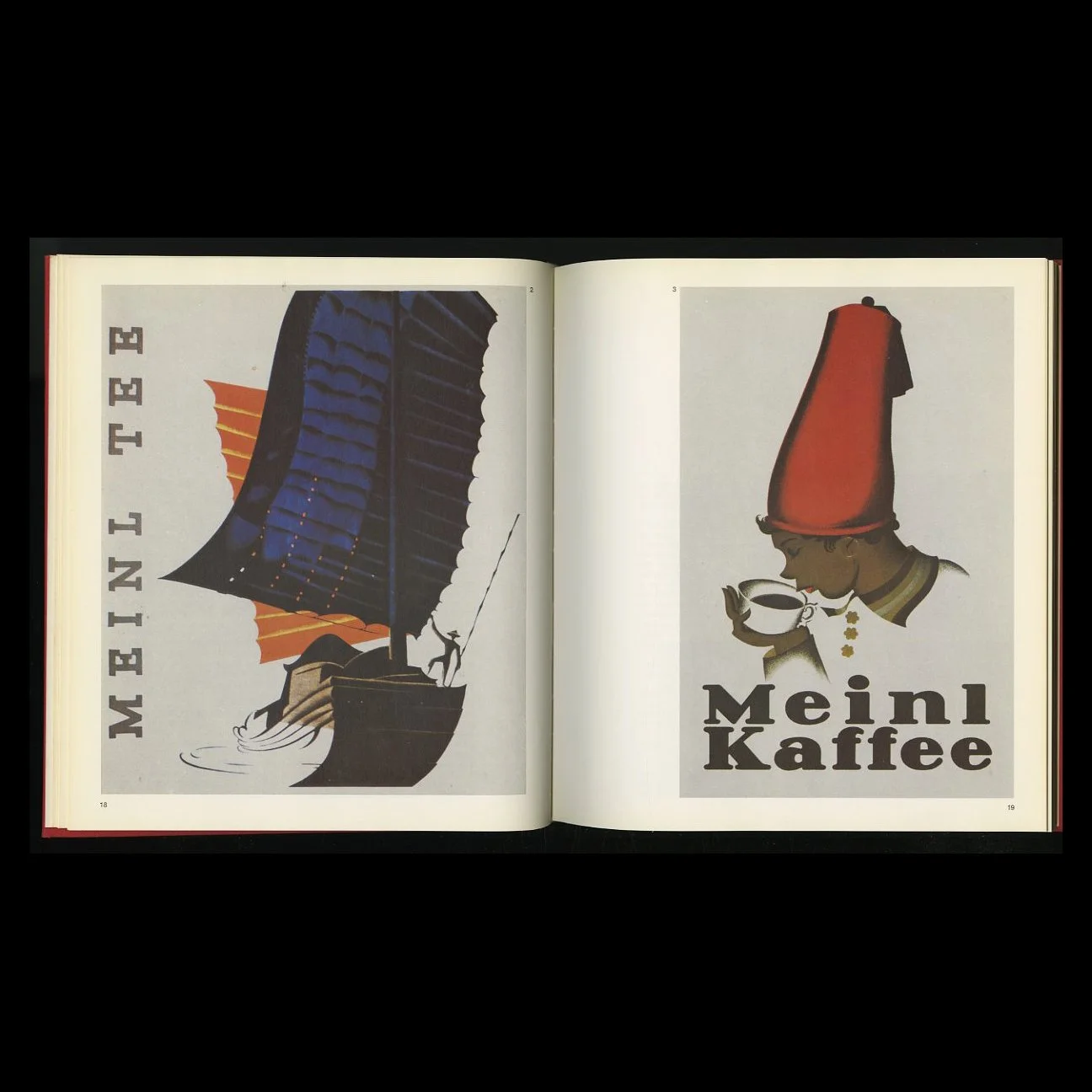 Image 3 of 13
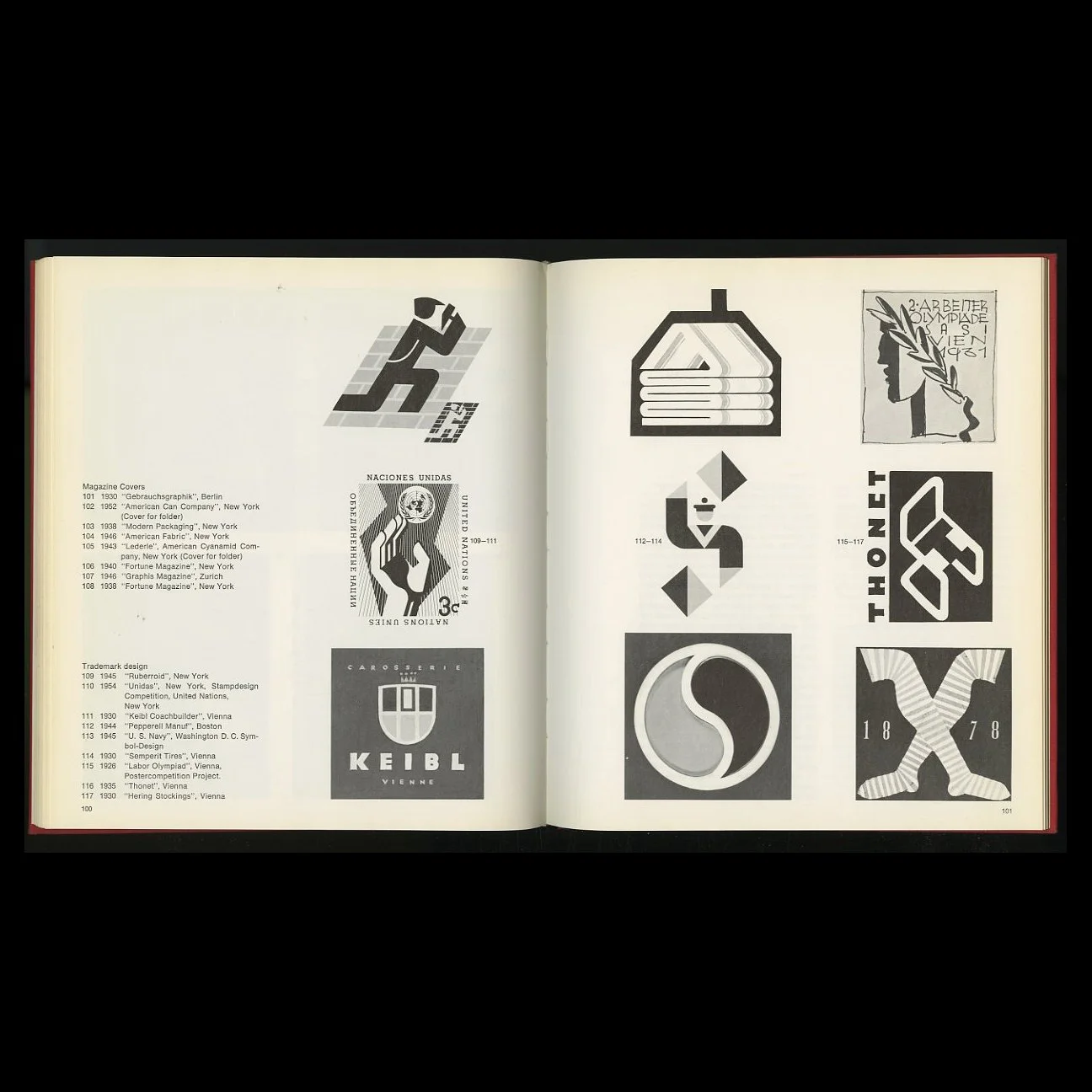 Image 4 of 13
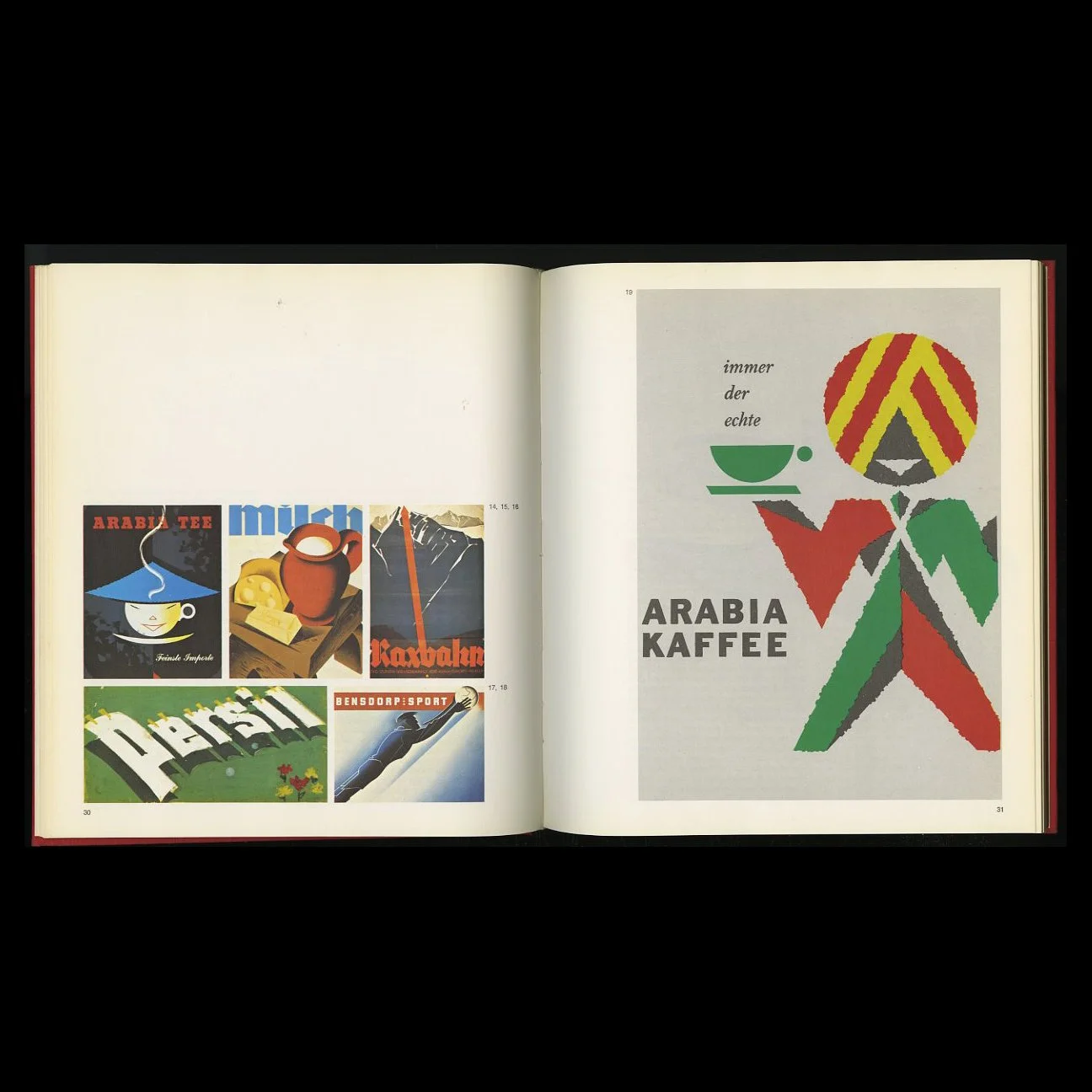 Image 5 of 13
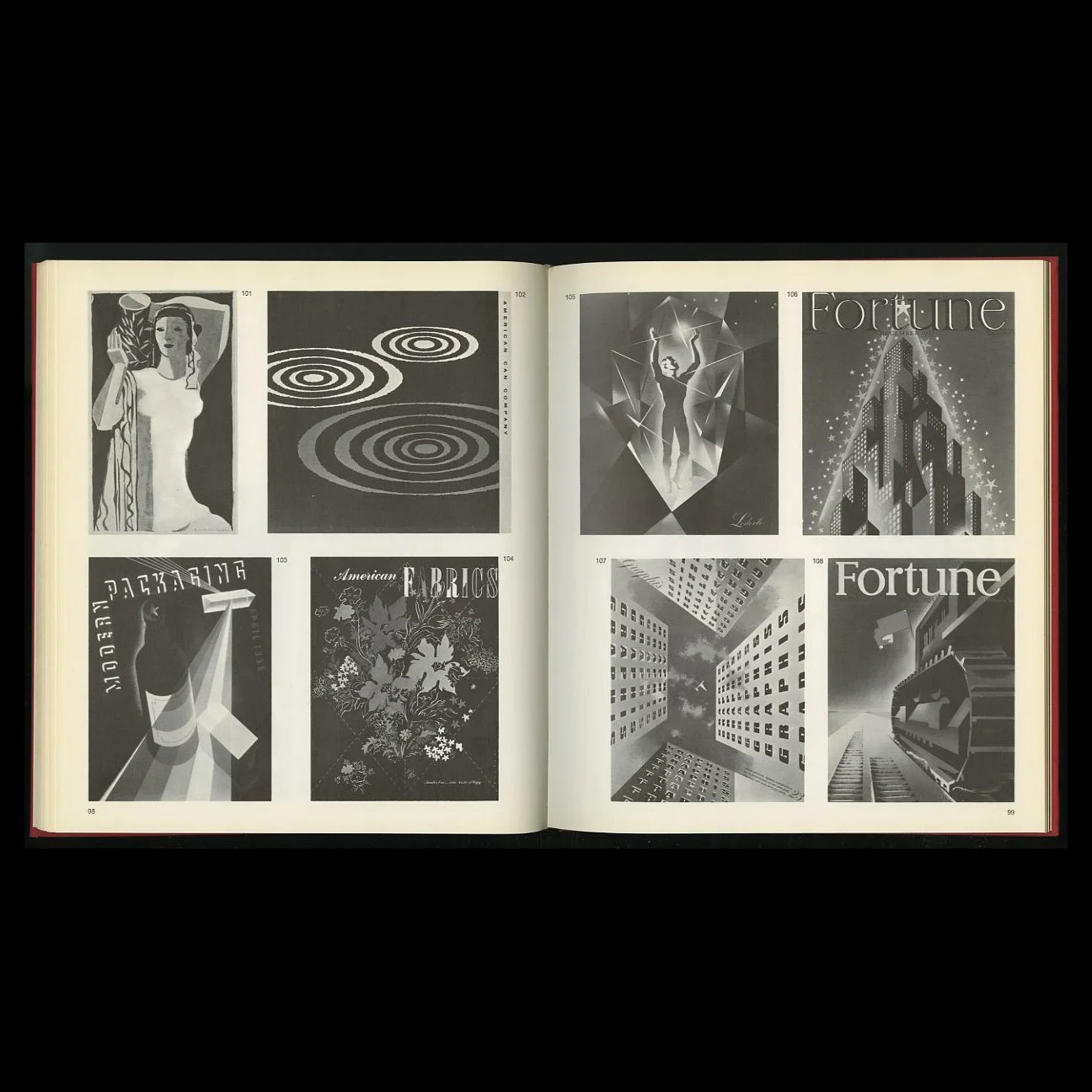 Image 6 of 13
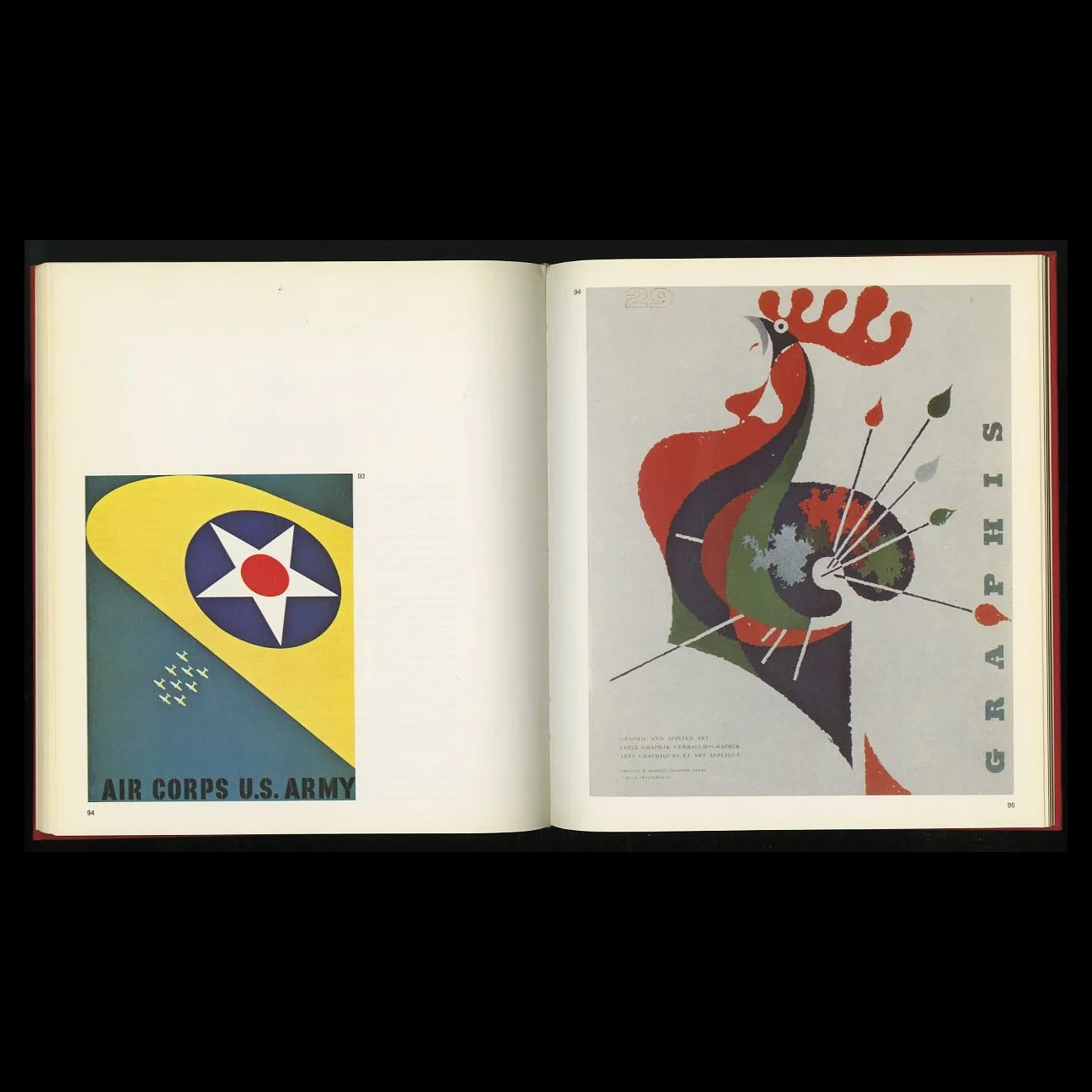 Image 7 of 13
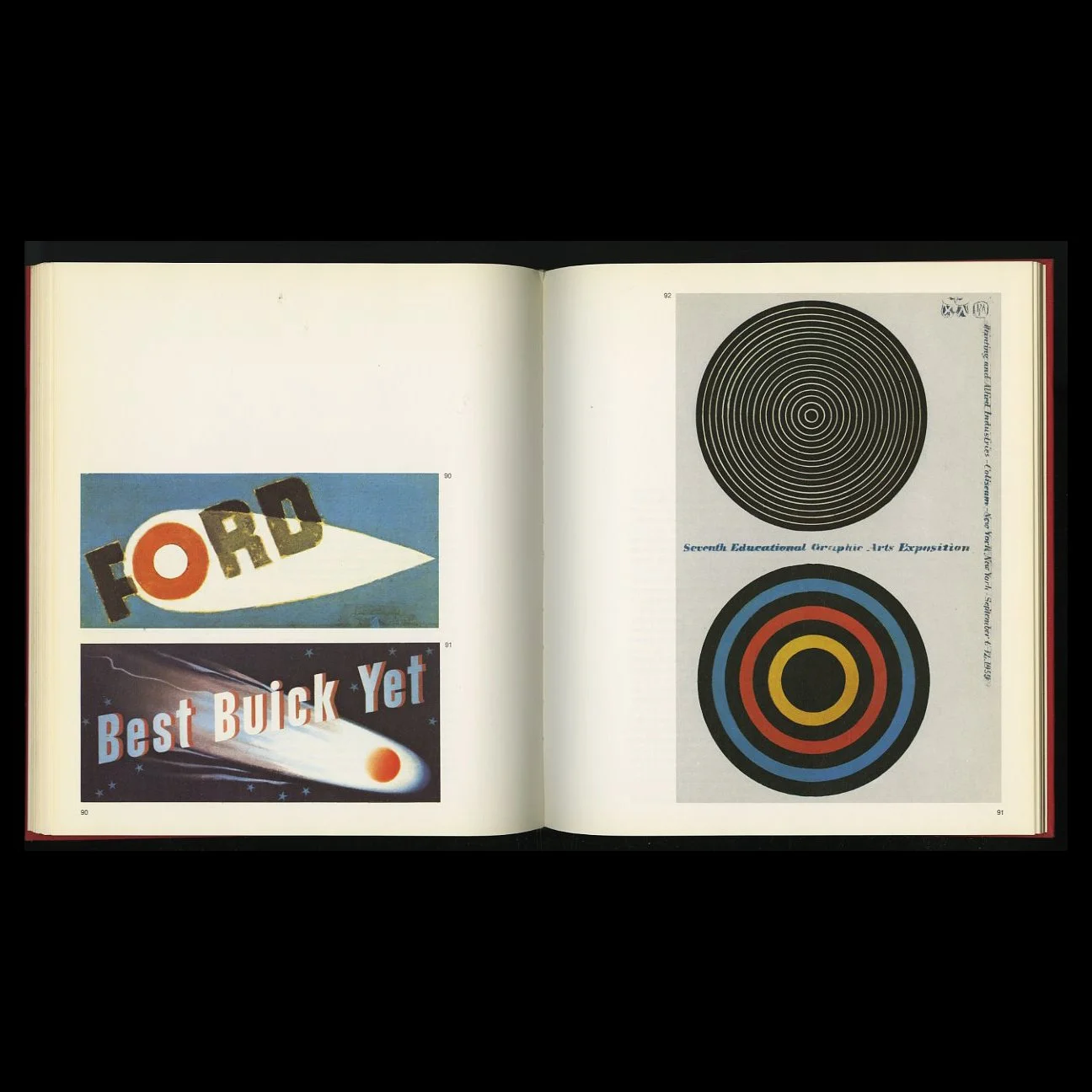 Image 8 of 13
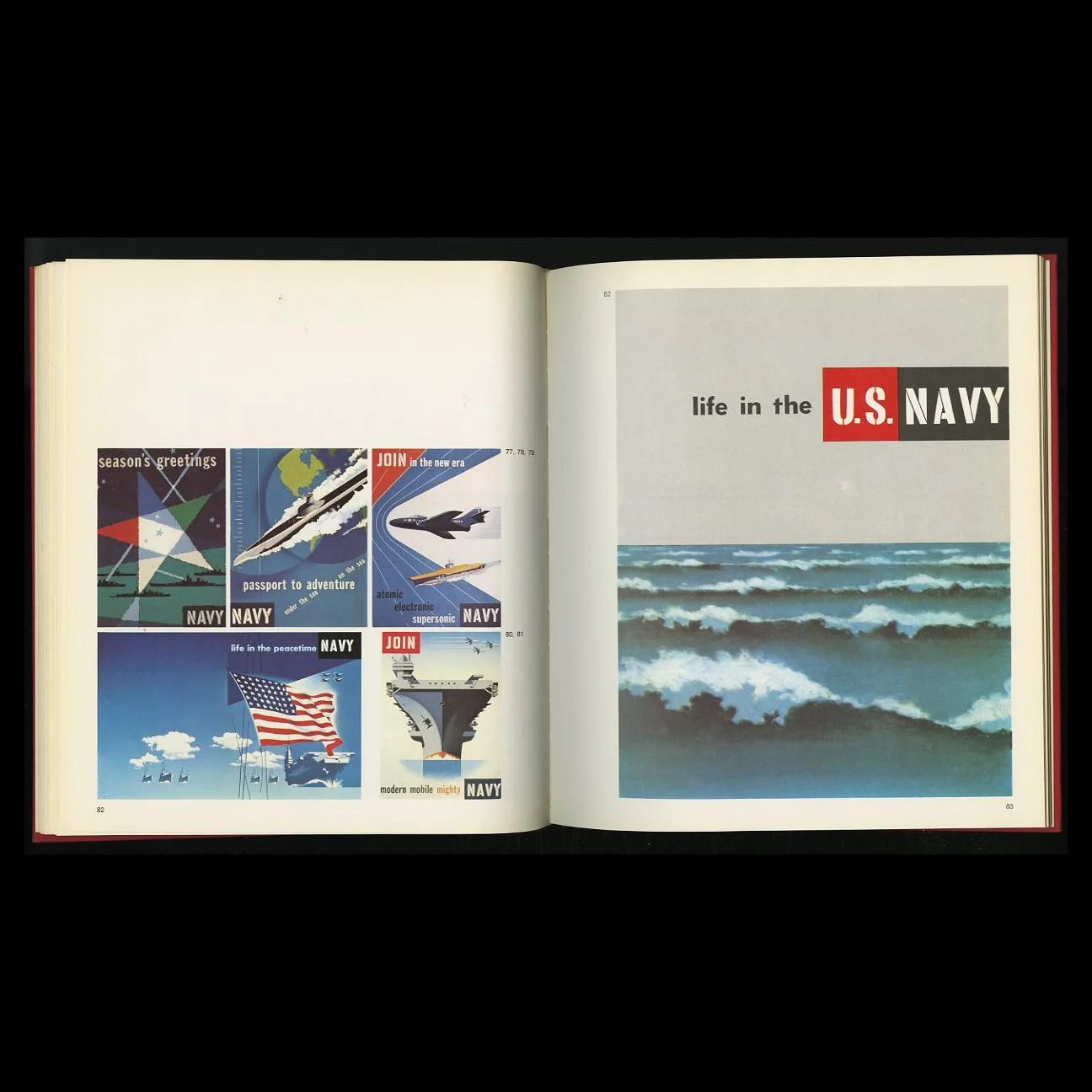 Image 9 of 13
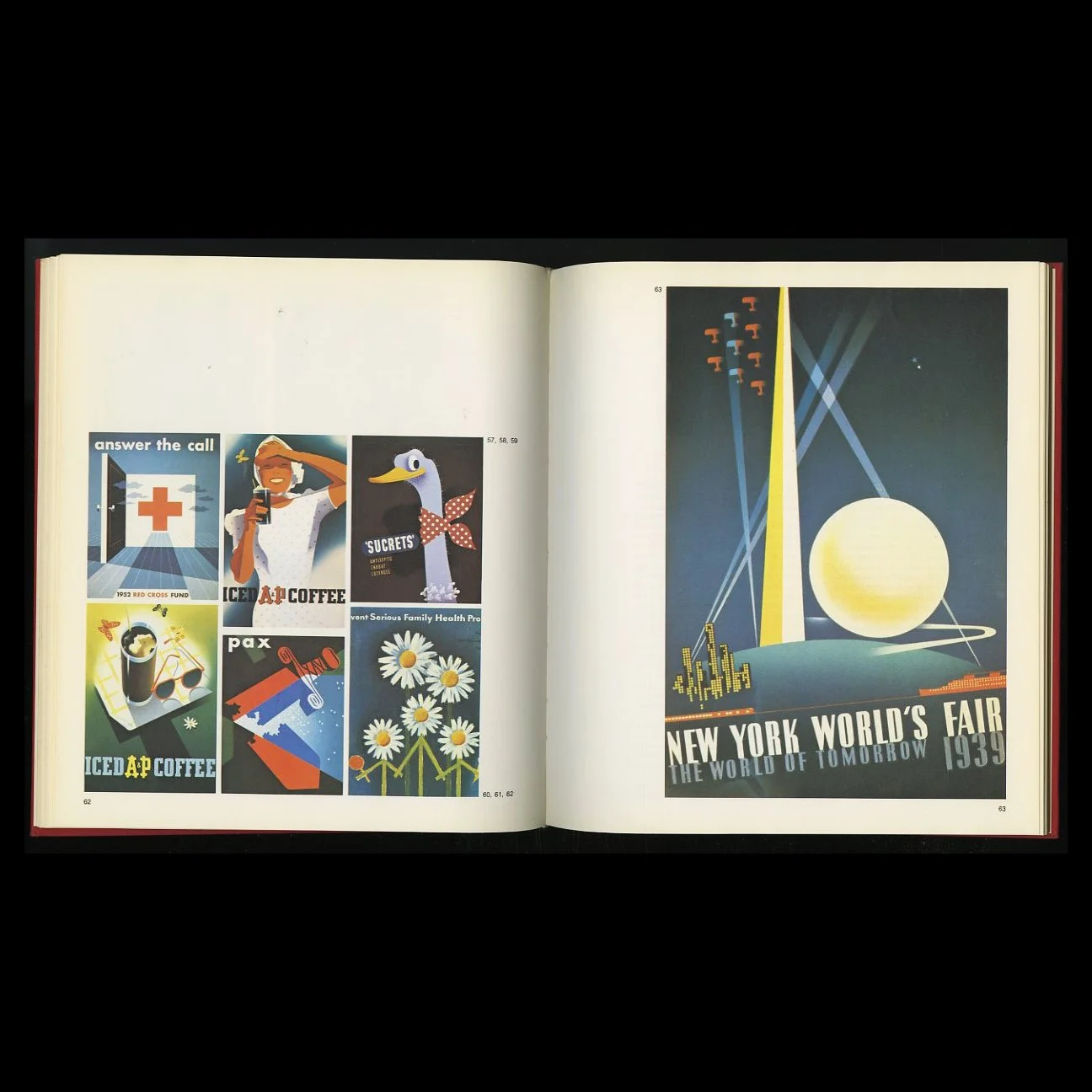 Image 10 of 13
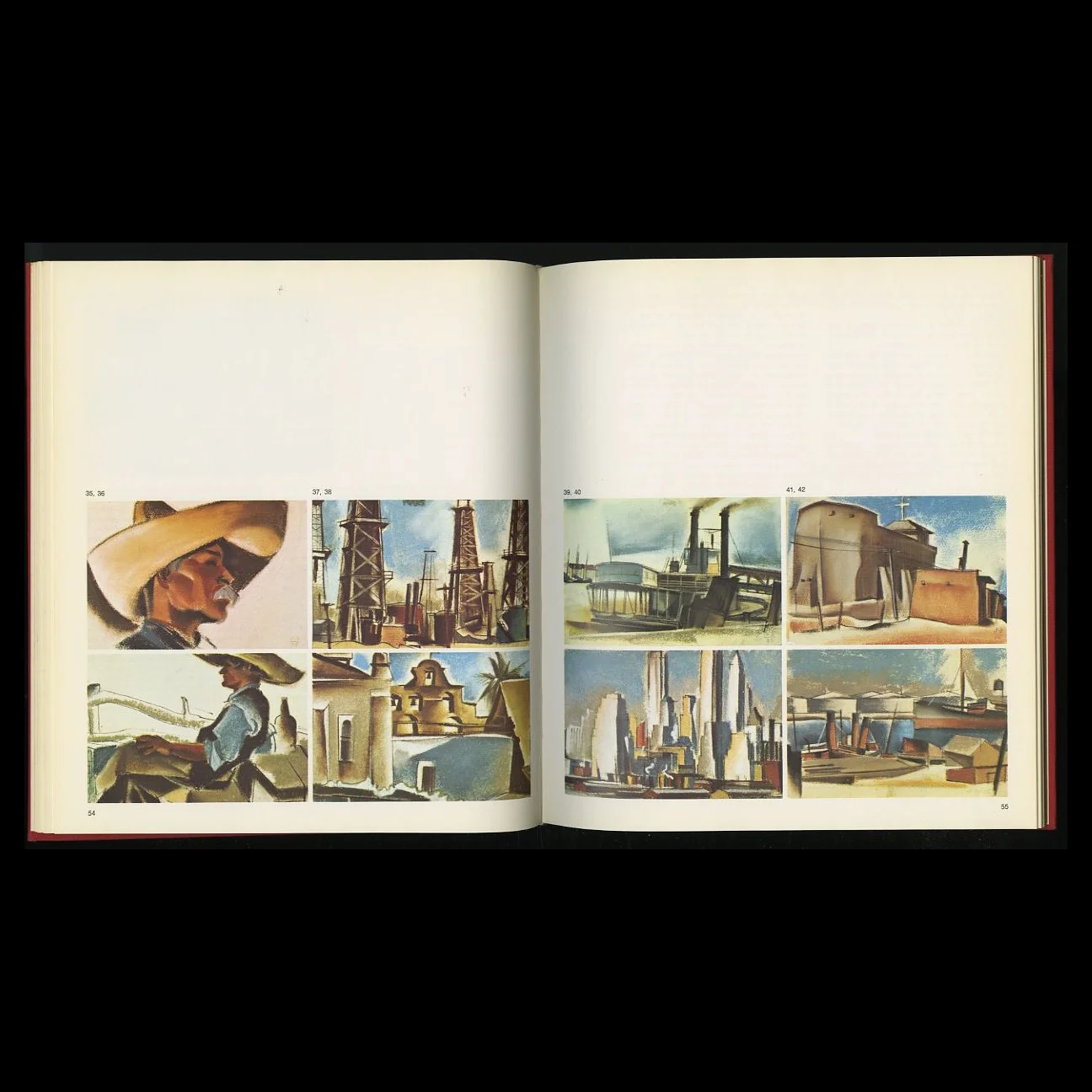 Image 11 of 13
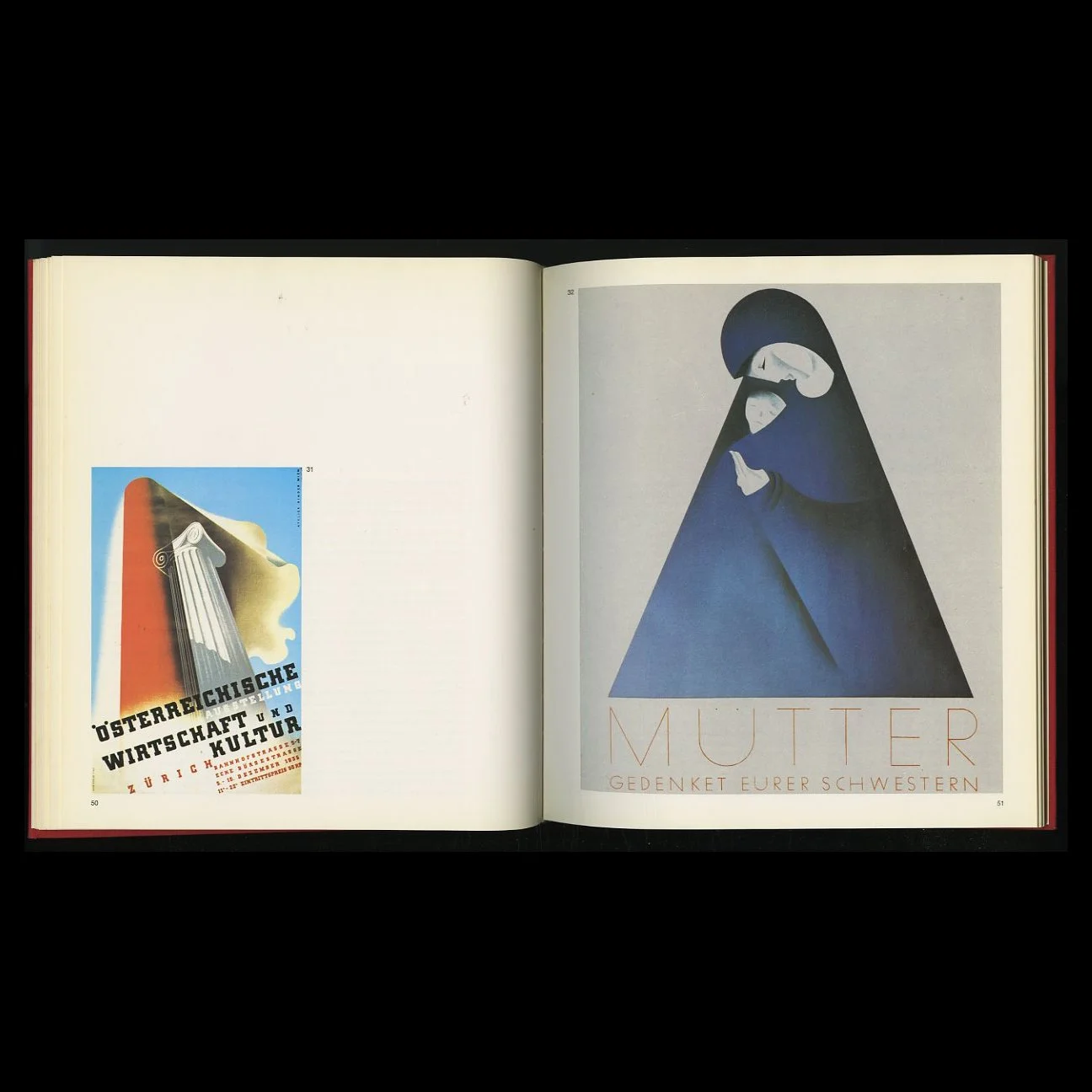 Image 12 of 13
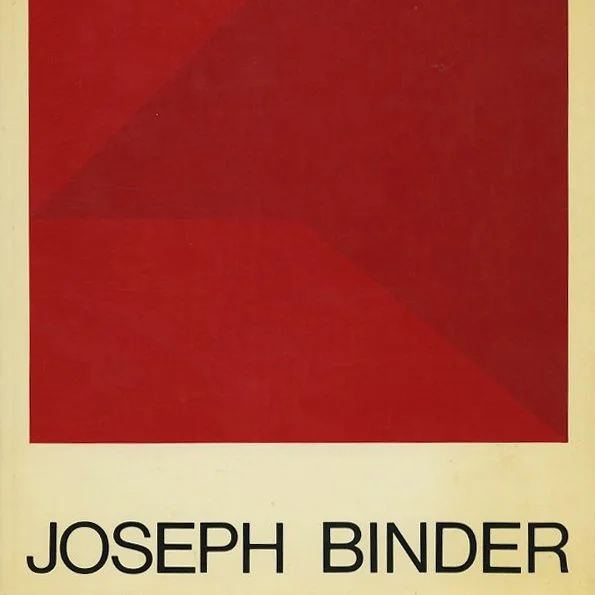 Image 13 of 13