Arts and Architecture
September 1946
John Entenza [Editor], Herbert Matter [Cover artist, feature Designer]
Los Angeles: John D. Entenza, 1946. Volume 63, number 9, September 1946. Slim folio. Stapled printed wrappers. 58 pp. Illustrated text and articles printed on multiple paper stocks. Donald E. Olsen’s copy with his mailing label to rear panel. Classic photo collage cover by Herbert Matter. Text block center spread loose from staples and laid in; lower staple loosening due to the cheap newsprint used for this issue. Cover with two shadow spots: circular quarter-size spot to lower left corner, and an inch-long erasure [?] under the ‘URE’ in masthead. Looks and presents well, so a nearly very good copy of the most desireable issue of A + A.
9.75 x 12.75 vintage magazine with 58 pages of editiorial content and advertisments from leading purveyors of West Coast midcentury modernism, circa 1946. Staff photography by Julis Shulman. A very unusual piece of original ephemera promoting the “most significant line of modern furniture ever produced” [Time magazine].
Contents:
articles
Charles Eames by Eliot Noyes; presentation and layout by Herbert Matter; photographic material courtesy of Evans Products Company. Eighteen page feature on the Eames’ molded plywood furniture for Evans brilliantly assembled by Herbert Matter, including the epic 2 color molded plywood photo collage centerfold, a two page detail of shop drawings for the LCW, LCM, and DCW, and a third two page, 2 color spread featuring a grid of case goods prototypes. Charles and Ray Eames could have paid John Entenza to off-print and bind this feature—would have been the first Eames monograph.
Art: Grace Clements, Dorothy Puccinelli Cravath
Books: Lawrence E. Mawn
Cinema: Robert Joseph
Music: Peter Yates
Notes in Passing
New Developments
Case Study House 16: Model & Floor Plan: Rodney A. Walker
and more.
Editorial Associates for Arts and Architecture included Herbert Matter and Charles Eames. Julius Shulman was the staff photographer. The Editorial Advisory Board included William Wilson Wurster,Richard Neutra, Isamu Noguchi, eero Saarinen, Gardner Dailey, Sumner Spaulding, Mario Corbett, Esther McCoy, John Funk, Gregory Ain, George Nelson, Gyorgy Kepes, marcel Breuer, Raphael Soriano, Ray Eames, Garret Eckbo, Edgar Kaufman, Jr. and others luminaries of the mid-century modern movement.
In 1938, John Entenza joined California Arts and Architecture magazine as editor. By 1943, Entenza and his art director Alvin Lustig had completely overhauled the magazine and renamed it Arts and Architecture. Arts and Architecture championed all that was new in the arts, with special emphasis on emerging modernist architecture in Southern California.
One of the pivotal figures in the growth of modernism in California, Entenza's most lasting contribution was his sponsorship of the Case Study Houses project, which featured the works of architects Thornton Abell, Conrad Buff, Calvin Straub, Donald Hensman, Charles Eames, Eero Saarinen, J. R. Davidson, A. Quincy Jones, Frederick Emmons, Don Knorr, Edward Killinsworth, Jules Brady, Waugh Smith, Pierre Koenig, Kemper Nomland, Kemper Nomland Jr., Richard Neutra, Ralph Rapson, Raphael Soriano, Whitney Smith, Sumner Spaulding, John Rex, Rodney Walker, William Wilson Wurster, Theodore Bernardi and Craig Ellwood. Arts and Architecture also ran articles and interviews on artists and designers such as Jackson Pollock, Robert Motherwell, George Nakashima, George Nelson and many other groundbreakers.
Herbert Matter (1907-1983) studied with Fernand Leger and Amande Ozenfant at the Academie Moderne in Paris in the late 1920s before returning to Switzerland to design a series of Swiss travel posters which illustrate his signature photomontage technique. When he arrived in the United States in 1936 his first clients were the Museum of Modern Art (MoMA), and the publisher Conde Nast. Other clients included the Guggenheim Museum (1958 - 1968), Knoll Furniture (1946 - 1966), and the New Haven Railroad (1954). During this time Matter became a tenured professor at Yale and helped to shape the university's photography and graphic design program (1952 - 1976). Matter's advanced techniques in graphic design and photography became part of a new visual narrative that began in the 1930s, which have since evolved into familiar design idioms such as overprinting -- where an image extends beyond the frame -- and the bold use of color, size, and placement in typography. Such techniques often characterize both pre-war European Modernism and the post-war expression of that movement in the United States.
"Herbert's background is fascinating and enviable," said Paul Rand. "He was surrounded by good graphics and learned from the best." Therefore, it is no wonder that the famed posters designed for the Swiss Tourist Office soon after his return had the beauty and intensity of Cassandre and the geometric perfection of Corbu, wed to a very distinctive personal vision.
In 1936, Matter was offered roundtrip passage to the United States as payment for his work with a Swiss ballet troupe. He spoke no English, yet traveled across the United States. When the tour was over, he decided to remain in New York. At the urging of a friend who worked at the Museum of Modern Art, Matter went to see Alexey Brodovitch, who had been collecting the Swiss travel posters (two of which were hanging on Brodovitch's studio wall). Matter soon began taking photographs for Harper's Bazaar and Saks Fifth Avenue. Later, he affiliated himself with a photographic studio, "Studio Associates," located near the Conde Nast offices, where he produced covers and inside spreads for Vogue.
During World War II, Matter made striking posters for Container Corporation of America. In 1944, he became the design consultant at Knoll, molding its graphic identity for over 12 years. As Alvin Eisenman, head of the Design Department at Yale and long-time friend, points out: "Herbert had a strong feeling for minute details, and thi
Arts and Architecture
September 1946
John Entenza [Editor], Herbert Matter [Cover artist, feature Designer]
Los Angeles: John D. Entenza, 1946. Volume 63, number 9, September 1946. Slim folio. Stapled printed wrappers. 58 pp. Illustrated text and articles printed on multiple paper stocks. Donald E. Olsen’s copy with his mailing label to rear panel. Classic photo collage cover by Herbert Matter. Text block center spread loose from staples and laid in; lower staple loosening due to the cheap newsprint used for this issue. Cover with two shadow spots: circular quarter-size spot to lower left corner, and an inch-long erasure [?] under the ‘URE’ in masthead. Looks and presents well, so a nearly very good copy of the most desireable issue of A + A.
9.75 x 12.75 vintage magazine with 58 pages of editiorial content and advertisments from leading purveyors of West Coast midcentury modernism, circa 1946. Staff photography by Julis Shulman. A very unusual piece of original ephemera promoting the “most significant line of modern furniture ever produced” [Time magazine].
Contents:
articles
Charles Eames by Eliot Noyes; presentation and layout by Herbert Matter; photographic material courtesy of Evans Products Company. Eighteen page feature on the Eames’ molded plywood furniture for Evans brilliantly assembled by Herbert Matter, including the epic 2 color molded plywood photo collage centerfold, a two page detail of shop drawings for the LCW, LCM, and DCW, and a third two page, 2 color spread featuring a grid of case goods prototypes. Charles and Ray Eames could have paid John Entenza to off-print and bind this feature—would have been the first Eames monograph.
Art: Grace Clements, Dorothy Puccinelli Cravath
Books: Lawrence E. Mawn
Cinema: Robert Joseph
Music: Peter Yates
Notes in Passing
New Developments
Case Study House 16: Model & Floor Plan: Rodney A. Walker
and more.
Editorial Associates for Arts and Architecture included Herbert Matter and Charles Eames. Julius Shulman was the staff photographer. The Editorial Advisory Board included William Wilson Wurster,Richard Neutra, Isamu Noguchi, eero Saarinen, Gardner Dailey, Sumner Spaulding, Mario Corbett, Esther McCoy, John Funk, Gregory Ain, George Nelson, Gyorgy Kepes, marcel Breuer, Raphael Soriano, Ray Eames, Garret Eckbo, Edgar Kaufman, Jr. and others luminaries of the mid-century modern movement.
In 1938, John Entenza joined California Arts and Architecture magazine as editor. By 1943, Entenza and his art director Alvin Lustig had completely overhauled the magazine and renamed it Arts and Architecture. Arts and Architecture championed all that was new in the arts, with special emphasis on emerging modernist architecture in Southern California.
One of the pivotal figures in the growth of modernism in California, Entenza's most lasting contribution was his sponsorship of the Case Study Houses project, which featured the works of architects Thornton Abell, Conrad Buff, Calvin Straub, Donald Hensman, Charles Eames, Eero Saarinen, J. R. Davidson, A. Quincy Jones, Frederick Emmons, Don Knorr, Edward Killinsworth, Jules Brady, Waugh Smith, Pierre Koenig, Kemper Nomland, Kemper Nomland Jr., Richard Neutra, Ralph Rapson, Raphael Soriano, Whitney Smith, Sumner Spaulding, John Rex, Rodney Walker, William Wilson Wurster, Theodore Bernardi and Craig Ellwood. Arts and Architecture also ran articles and interviews on artists and designers such as Jackson Pollock, Robert Motherwell, George Nakashima, George Nelson and many other groundbreakers.
Herbert Matter (1907-1983) studied with Fernand Leger and Amande Ozenfant at the Academie Moderne in Paris in the late 1920s before returning to Switzerland to design a series of Swiss travel posters which illustrate his signature photomontage technique. When he arrived in the United States in 1936 his first clients were the Museum of Modern Art (MoMA), and the publisher Conde Nast. Other clients included the Guggenheim Museum (1958 - 1968), Knoll Furniture (1946 - 1966), and the New Haven Railroad (1954). During this time Matter became a tenured professor at Yale and helped to shape the university's photography and graphic design program (1952 - 1976). Matter's advanced techniques in graphic design and photography became part of a new visual narrative that began in the 1930s, which have since evolved into familiar design idioms such as overprinting -- where an image extends beyond the frame -- and the bold use of color, size, and placement in typography. Such techniques often characterize both pre-war European Modernism and the post-war expression of that movement in the United States.
"Herbert's background is fascinating and enviable," said Paul Rand. "He was surrounded by good graphics and learned from the best." Therefore, it is no wonder that the famed posters designed for the Swiss Tourist Office soon after his return had the beauty and intensity of Cassandre and the geometric perfection of Corbu, wed to a very distinctive personal vision.
In 1936, Matter was offered roundtrip passage to the United States as payment for his work with a Swiss ballet troupe. He spoke no English, yet traveled across the United States. When the tour was over, he decided to remain in New York. At the urging of a friend who worked at the Museum of Modern Art, Matter went to see Alexey Brodovitch, who had been collecting the Swiss travel posters (two of which were hanging on Brodovitch's studio wall). Matter soon began taking photographs for Harper's Bazaar and Saks Fifth Avenue. Later, he affiliated himself with a photographic studio, "Studio Associates," located near the Conde Nast offices, where he produced covers and inside spreads for Vogue.
During World War II, Matter made striking posters for Container Corporation of America. In 1944, he became the design consultant at Knoll, molding its graphic identity for over 12 years. As Alvin Eisenman, head of the Design Department at Yale and long-time friend, points out: "Herbert had a strong feeling for minute details, and thi

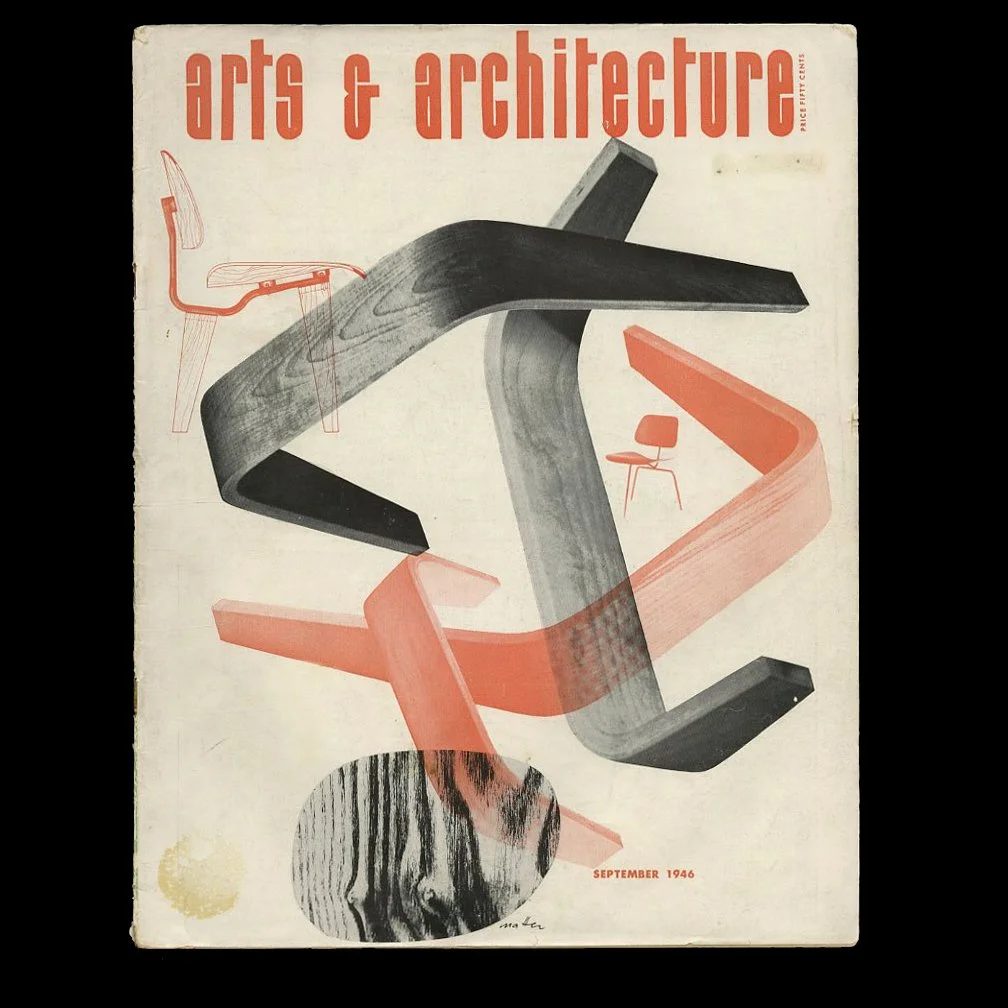 Image 1 of 13
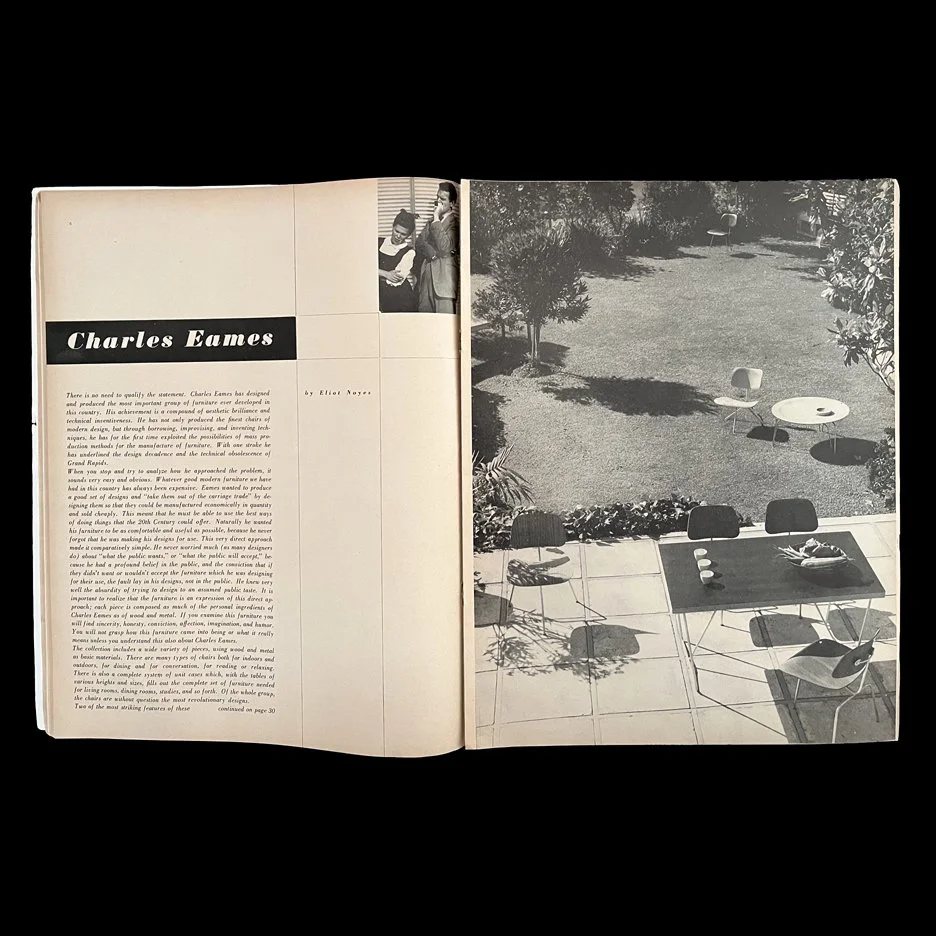 Image 2 of 13
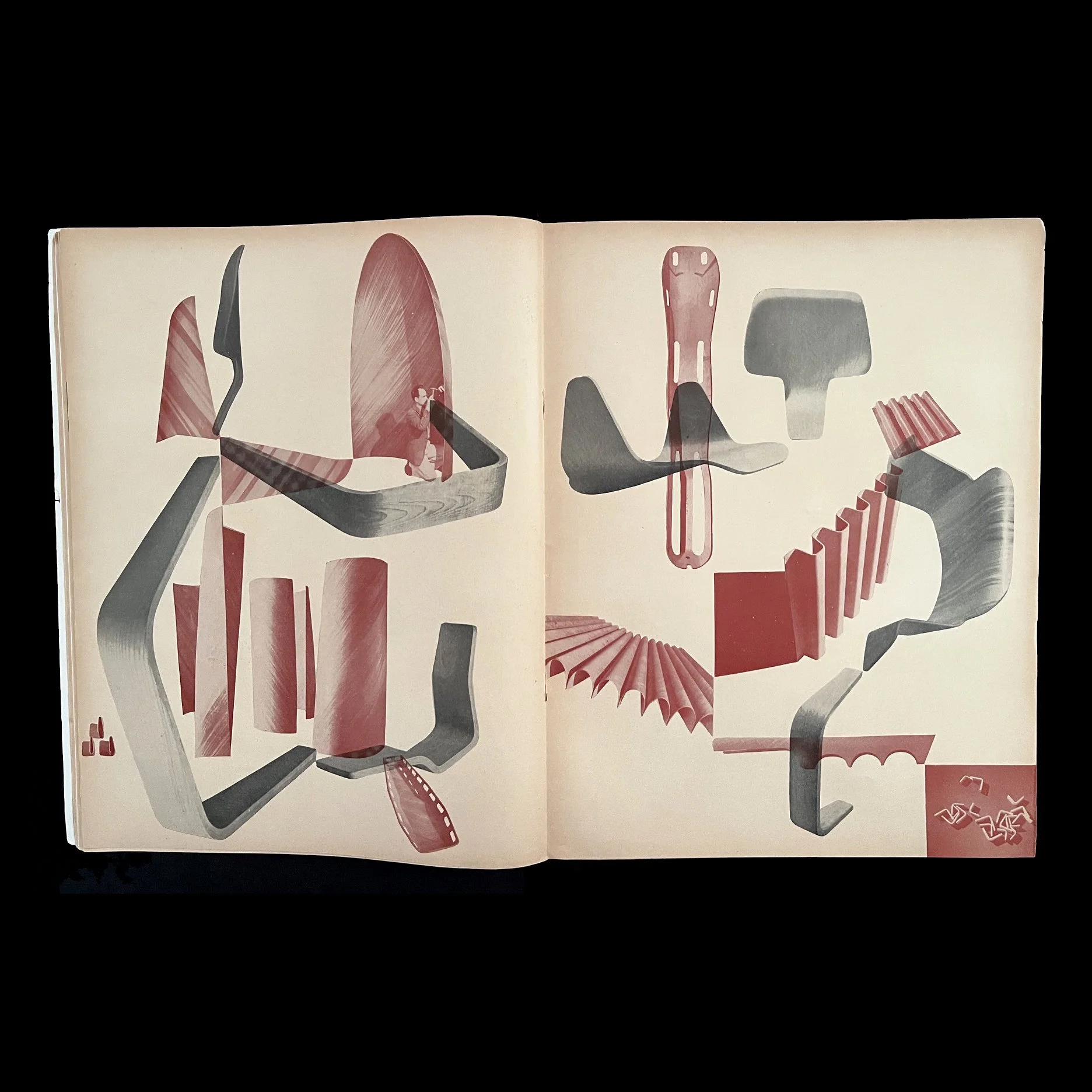 Image 3 of 13
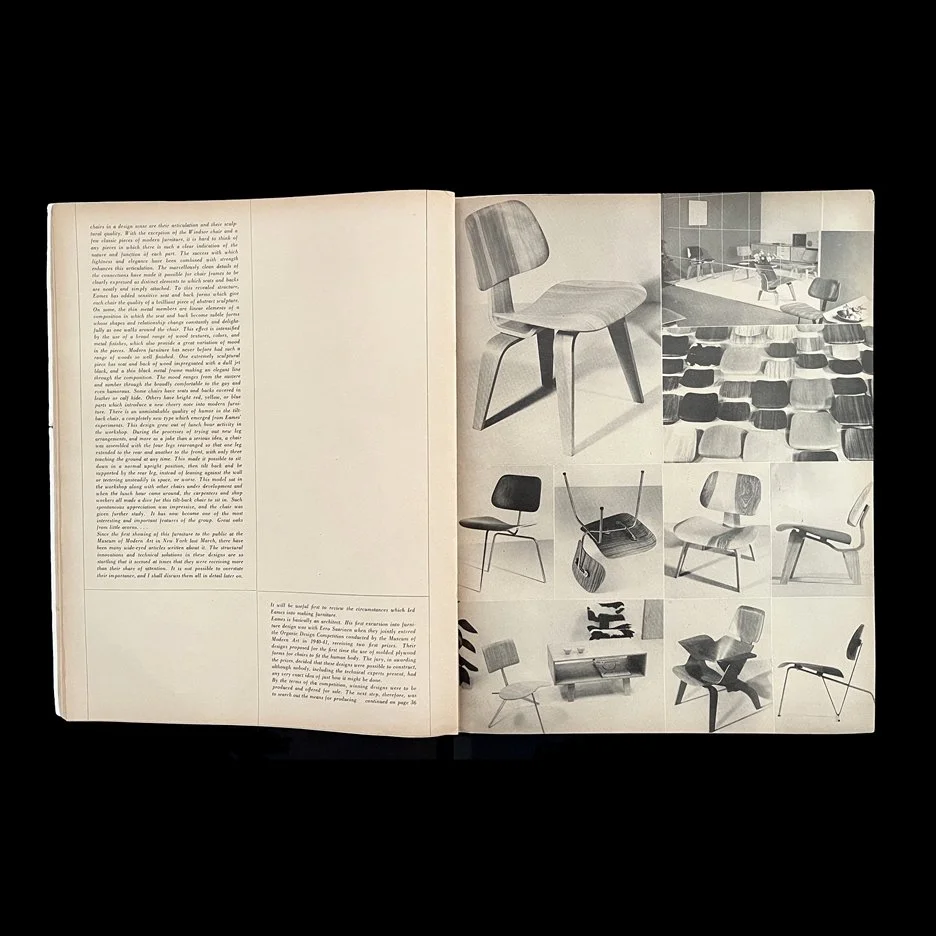 Image 4 of 13
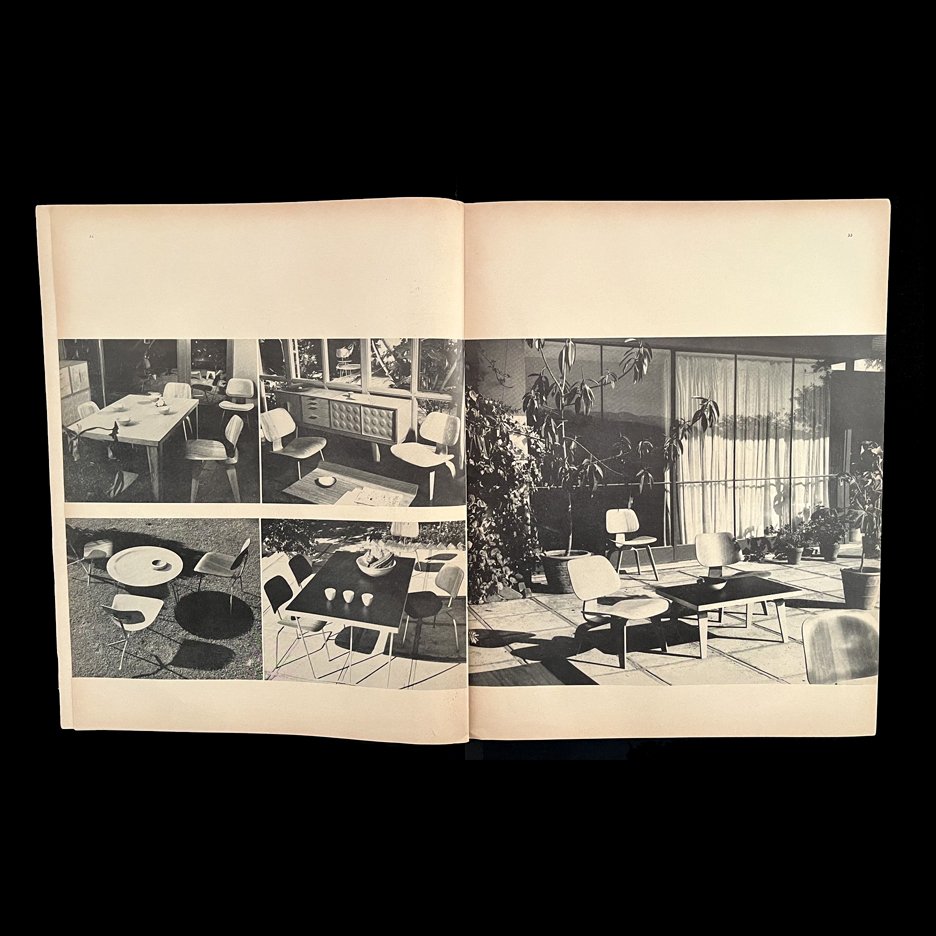 Image 5 of 13
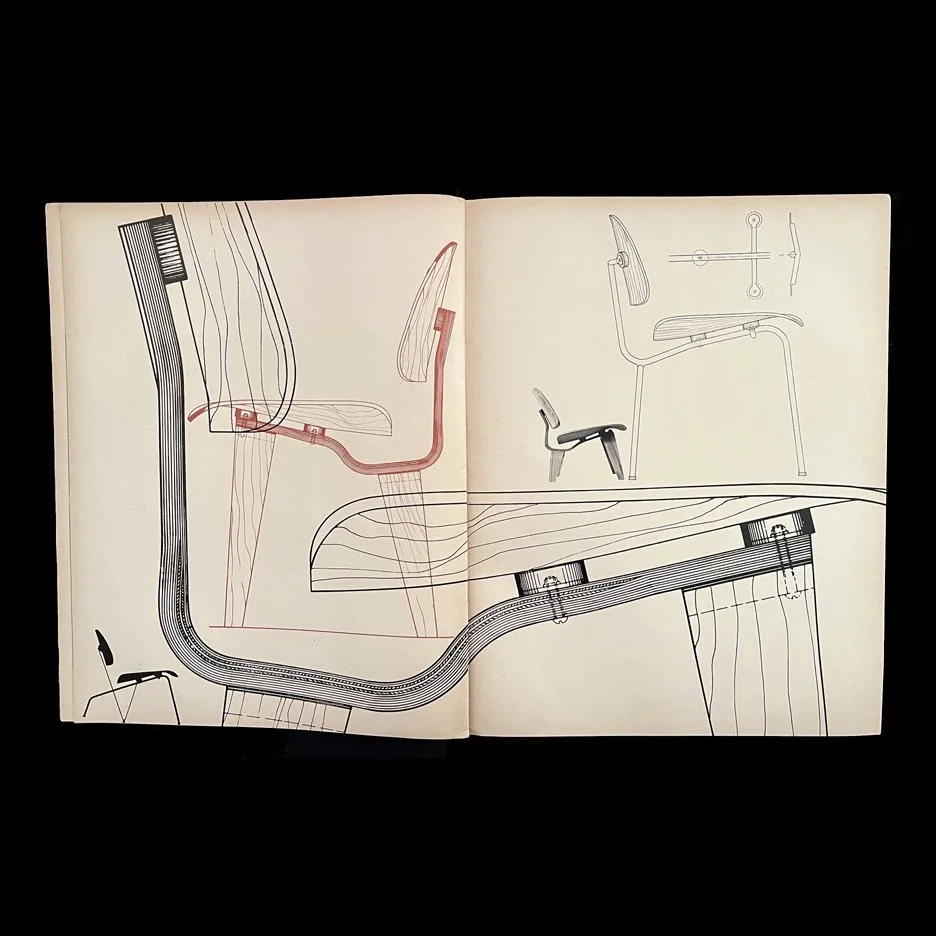 Image 6 of 13
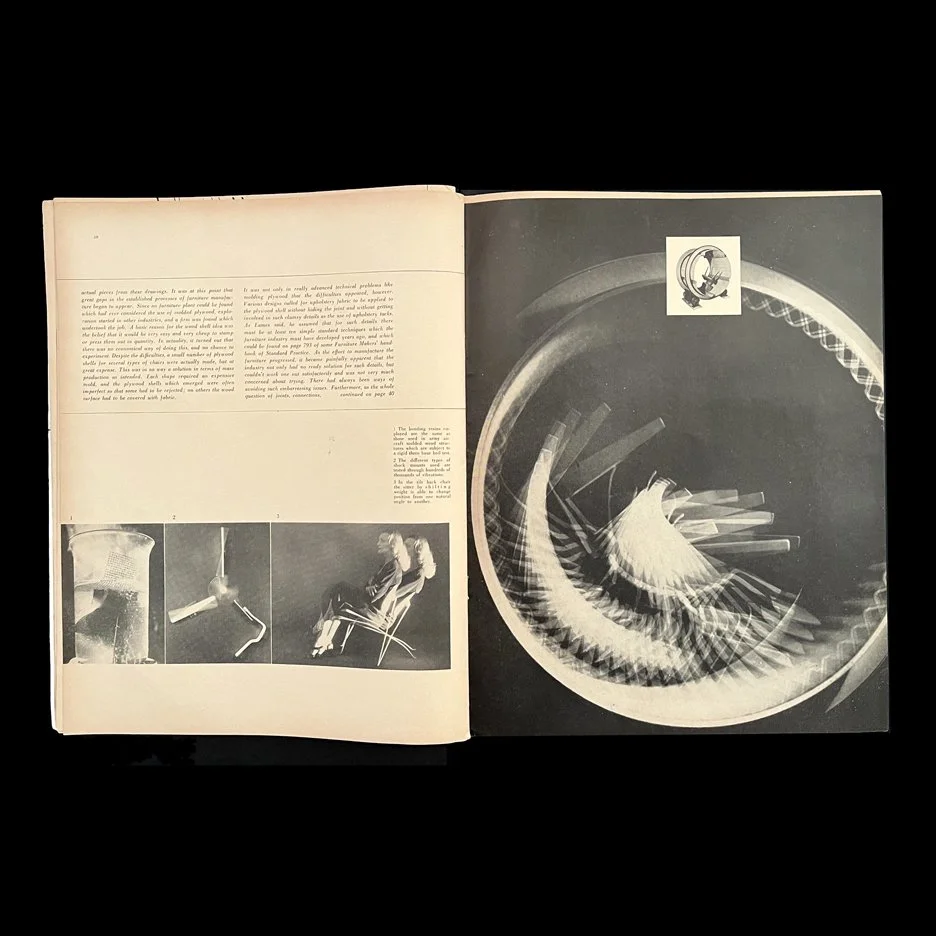 Image 7 of 13
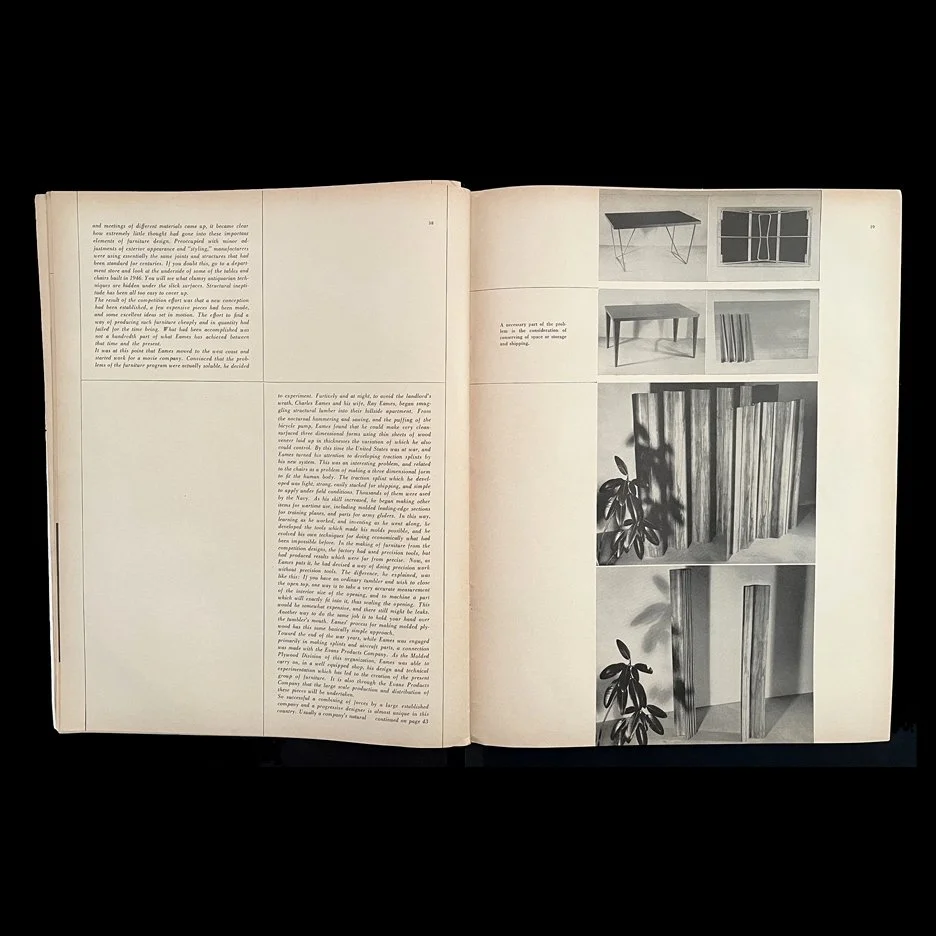 Image 8 of 13
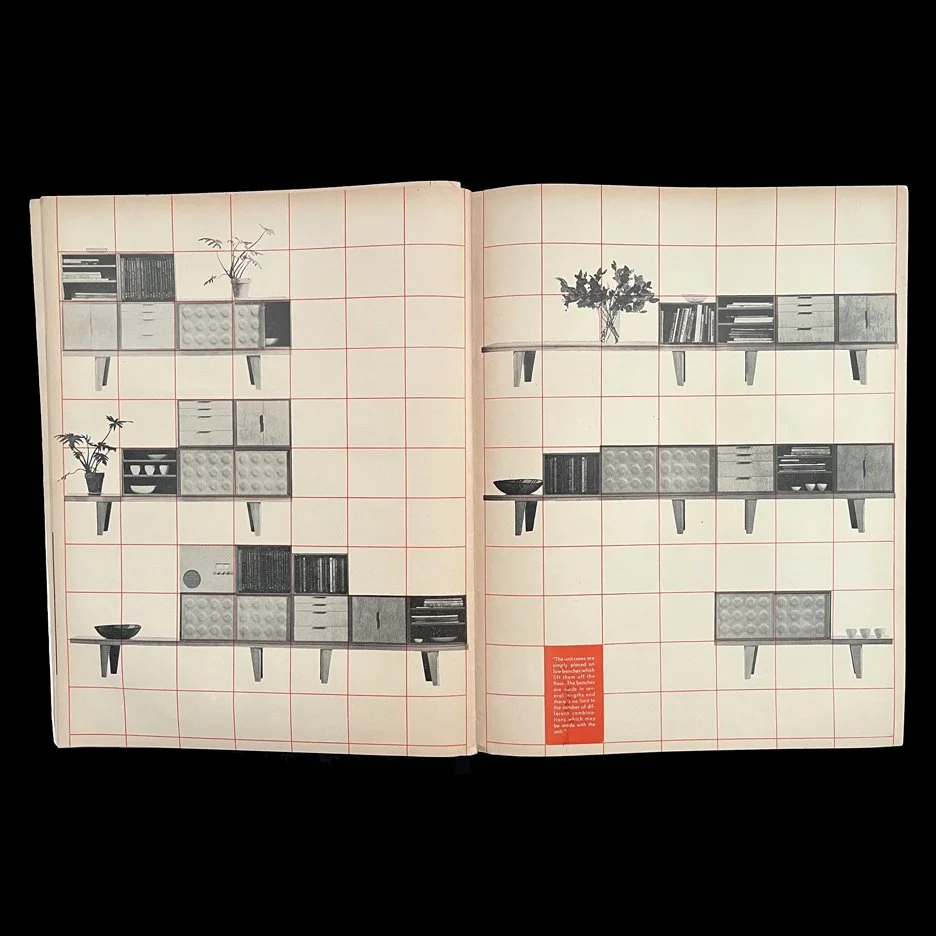 Image 9 of 13
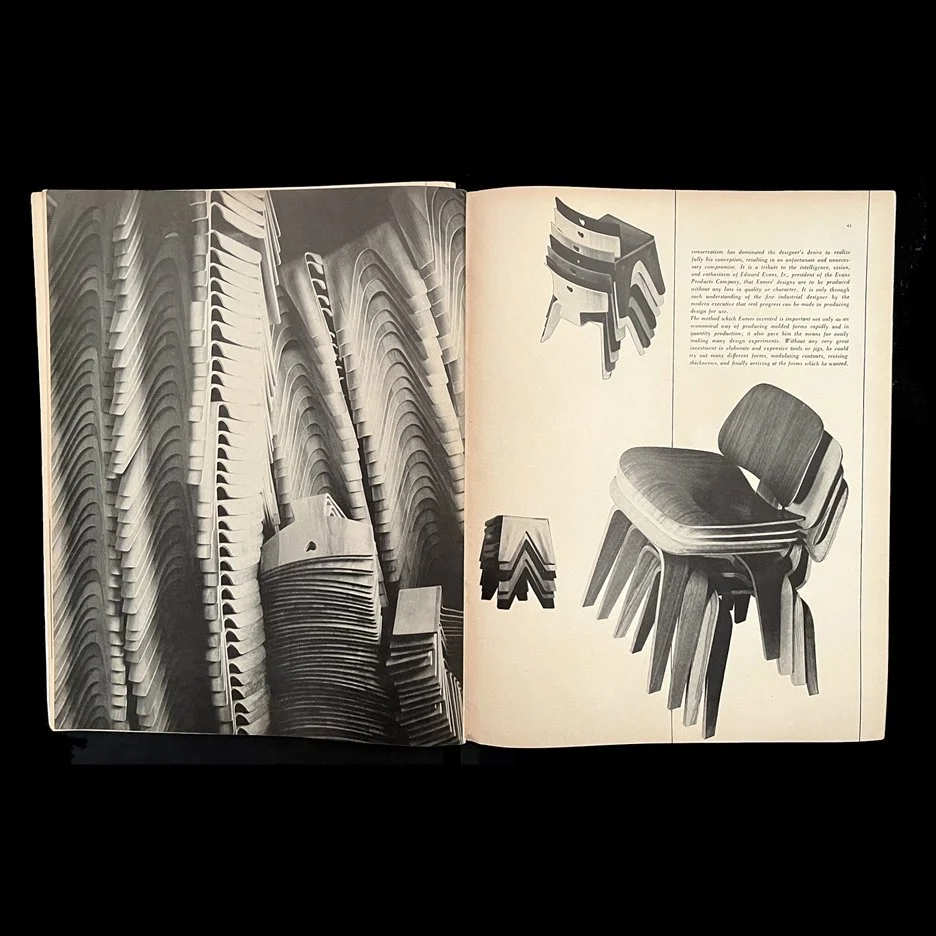 Image 10 of 13
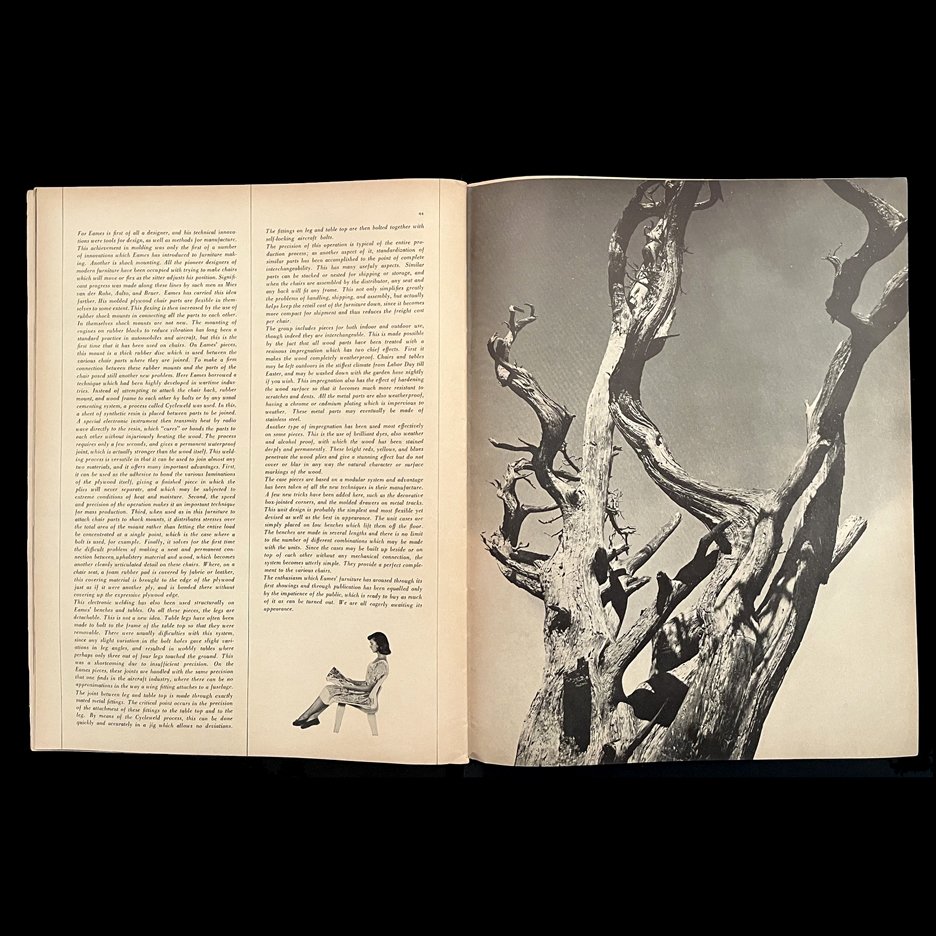 Image 11 of 13
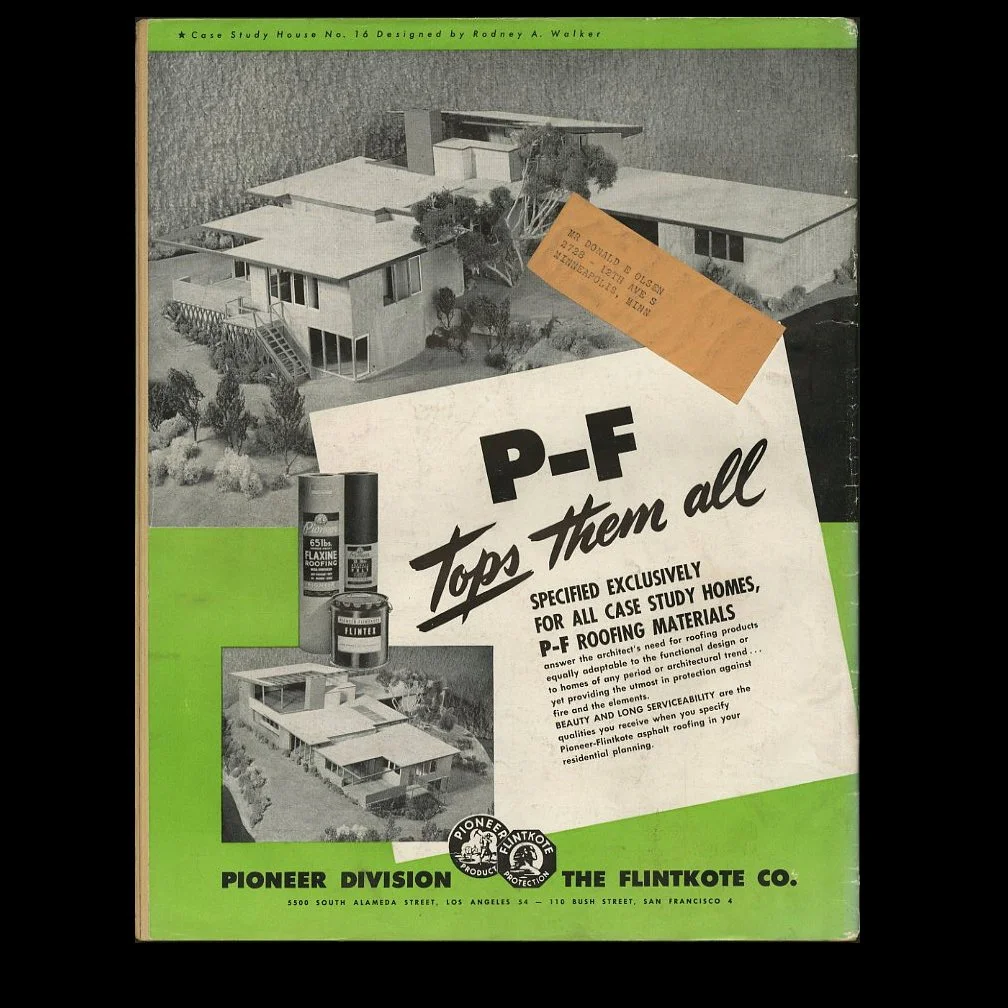 Image 12 of 13
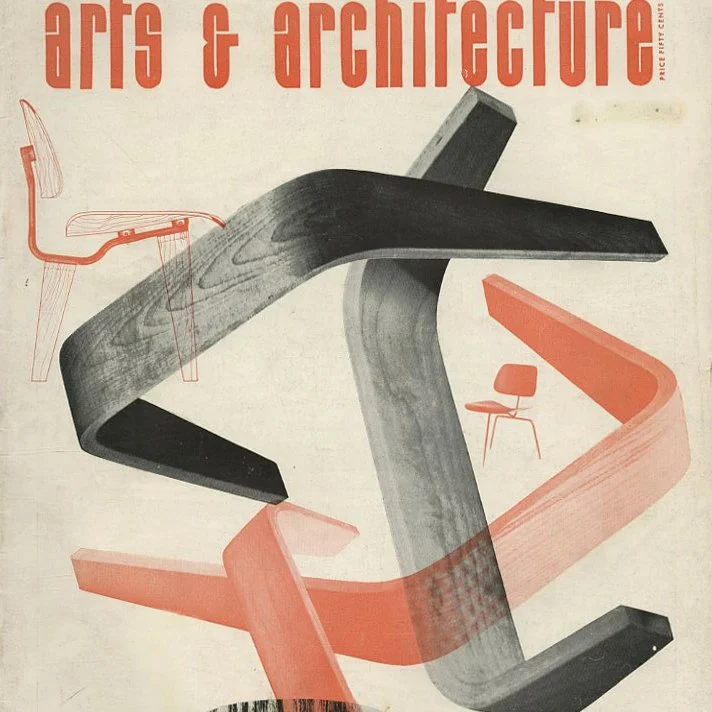 Image 13 of 13