HOW TO SKI BY THE FRENCH METHOD
Émile Allais’ Technique
Émile Allais, Pierre Boucher [Designer]
New York: New Directions, 1947. First edition. Quarto. Faux wooden wrappers over perfect bound signatures. 118 pp. Fully illustrated with photomontage diagrams, eleven full page plates and nine color plates. Authors' facsimile signature to rear matter. Photos and layout by Pierre Boucher. Spine crown and heel each with one-inch chips. Upper corner of front panel chipped [see scan]. Faux wooden wrappers rubbed and spotted. Text block lightly handled. New Directions publishing label glued to title page as issued for this export edition. A very good copy of this cultural oddity.
9 x 11-inch softcover book with 118 pages printed in rich gravure by Braun and Company in the fourth quarter of 1947. Exceptional design and typography by Pierre Boucher throughout, including elegant French typesetting and instructional photomontages that recall the classic Swiss skiing posters produced by Herbert Matter in the 1930s.
Here is a book review published by the New York Times on March 6, 1949: "THE dearth of snow on Eastern slopes this winter also finds a low in the production of ski books. Instead of the usual heavy flow of literature, covering every phase of the fast-growing ski sport, new books are few. Here are three. Techniques of all sorts have cropped up, confusing not only those who have been inveterate followers of skiing but adding to the woes and problems of the newcomer. A one-time world champion, and still a peer among the downhill-slalom racers today, Emile Allais has done a grand job in presenting his “French Techniques,” in his “How To Ski” book. Whether one agrees or disagrees with the congenial Frenchman, whether or not his method can be used universally, one can't help but feel that this graphic book is the best to have been written in a decade. Pierre Boucher took three winters to photograph the system and his knowledge of the camera and skiing has resulted in coherent and breath-taking illustrations.
Designer Boucher worked closely with Émile Allais (France, 1912 –2012), the legendary French alpine ski racer and pioneer known as a "father of modern skiing," to translate his methods into instructions for basic skiing techniques including downhill, side slipping, the snowplough, jumping, etc.
His New York Times obituary published on October 20, 2012: "Émile Allais, a daring champion French skier who helped shape his sport by developing and popularizing a new style of skiing in the 1930s — keeping the skis parallel — as well as by coaching Olympic teams and designing ski equipment, died on Wednesday in Sallanches, in the French Alps. He was 100.
“The French Skiing Federation announced his death, prompting Jean-Claude Killy, the French skier who dominated the sport in the late 1960s, to hail Allais as “the father of modern skiing.”
“For all his many victories on the slopes, Allais failed in perhaps his final challenge: his bet that on his 100th birthday he would beat his cardiologist down Valle Blanche in Chamonix, one of the great Alps ski runs. He stopped skiing a few years ago.
“In 1934, Allais became the first French skier to win a major event, placing first in the combined event — a downhill run and two slalom runs — at Hahnenkamm at Kitzbühel in the Austrian Alps.
“In the 1937 world championships, he won gold medals in the downhill, slalom and combined, becoming the first man to win both downhill and slalom races in a major championship. That year and the next, he was the world’s all-around champion skier, the first man to hold the title in successive years.
“His daring, almost reckless-seeming style of skiing was legend. He once did a somersault in an event and landed on his skis without losing time. The New York Times once described him as “a congenital candidate for the suicide club” and marveled at how he often seemed out of control before miraculously recovering.
“He awed competitors. A German skier was quoted by The Times in 1937 calling Allais “the greatest all-around skier the world has ever known.” Killy said Allais had taught him to take risks.
“His most far-reaching contribution to the sport came in the late 1930s, when he helped develop and popularize the new method of skiing with skis parallel to each other rather than angled inward in a V shape. The French Skiing Federation soon adopted that as its official style.
“In 1936, at the Olympics in Germany, Allais won a bronze medal in the slalom with a dramatic run that provoked clamorous cheering. Hitler went to congratulate him personally. “He looked harmless enough,” Allais recalled years later.
"World War II and a broken ankle ended his ski racing career.
“At 90, Allais broke his shoulder in a collision with a snowboarder. But he returned to the slopes after recovering, and kept skiing into his late 90s.“
Recognized as a pioneer of photomontage, Pierre Boucher (France, 1908 – 2000) studied at the School of Applied Arts in Paris, where he developed his darkroom skills and eventually mastered the art of solarization, photograms, and photo-collages. Boucher met Herbert Matter at the Deberny et Peignot type foundry, where Charles Peignot encouraged his employees to experiment with the mechanical liberation offered by the new graphic arts. During the late twenties Boucher founded Arts et Métiers Graphiques, the legendary interwar French design magazine. In 1935, Boucher and like-minded friends established the Alliance Photo cöoperative as an outlet and promotional platform for their photographic and technical experiments. Commissions for large murals in France and Great Britain helped Boucher develop a signature technique of combining color graphics and photomontage.
In 1925, the critic, poet, and one of the founders of Surrealism, Andre Breton, posed the question: when would 'all the books that are worth anything stop being illustrated with drawings and appear only with photographs?’ A few short years after this statement, the photographic image had established itself as one of the most provocative, poetic, and radical forms of representation in modern society. A plethora of groundbreaking exhibitions, books and publicity, the work of some of the most influential figures in history of photography, ushered in the creative flowering of the medium across Europe. Unquestionably the increasingly effective presence of photography was tied to the emergence of these new recruits and their passionate conviction regarding its creative worth. It was out of this hotbed of revolution in the photographic form, that one of the most influential photographic annuals of the 20th century was published in Paris on the 15 March 1930. Photographie began life as a one off special issue of the graphic arts bimonthly magazine Arts et Métiers Graphiques (No 16). [Kerry William Purcell]
With these facts and connections in mind I submit How to Ski for inclusion into the ever expanding pantheon of Great Photo Books.
HOW TO SKI BY THE FRENCH METHOD
Émile Allais’ Technique
Émile Allais, Pierre Boucher [Designer]
New York: New Directions, 1947. First edition. Quarto. Faux wooden wrappers over perfect bound signatures. 118 pp. Fully illustrated with photomontage diagrams, eleven full page plates and nine color plates. Authors' facsimile signature to rear matter. Photos and layout by Pierre Boucher. Spine crown and heel each with one-inch chips. Upper corner of front panel chipped [see scan]. Faux wooden wrappers rubbed and spotted. Text block lightly handled. New Directions publishing label glued to title page as issued for this export edition. A very good copy of this cultural oddity.
9 x 11-inch softcover book with 118 pages printed in rich gravure by Braun and Company in the fourth quarter of 1947. Exceptional design and typography by Pierre Boucher throughout, including elegant French typesetting and instructional photomontages that recall the classic Swiss skiing posters produced by Herbert Matter in the 1930s.
Here is a book review published by the New York Times on March 6, 1949: "THE dearth of snow on Eastern slopes this winter also finds a low in the production of ski books. Instead of the usual heavy flow of literature, covering every phase of the fast-growing ski sport, new books are few. Here are three. Techniques of all sorts have cropped up, confusing not only those who have been inveterate followers of skiing but adding to the woes and problems of the newcomer. A one-time world champion, and still a peer among the downhill-slalom racers today, Emile Allais has done a grand job in presenting his “French Techniques,” in his “How To Ski” book. Whether one agrees or disagrees with the congenial Frenchman, whether or not his method can be used universally, one can't help but feel that this graphic book is the best to have been written in a decade. Pierre Boucher took three winters to photograph the system and his knowledge of the camera and skiing has resulted in coherent and breath-taking illustrations.
Designer Boucher worked closely with Émile Allais (France, 1912 –2012), the legendary French alpine ski racer and pioneer known as a "father of modern skiing," to translate his methods into instructions for basic skiing techniques including downhill, side slipping, the snowplough, jumping, etc.
His New York Times obituary published on October 20, 2012: "Émile Allais, a daring champion French skier who helped shape his sport by developing and popularizing a new style of skiing in the 1930s — keeping the skis parallel — as well as by coaching Olympic teams and designing ski equipment, died on Wednesday in Sallanches, in the French Alps. He was 100.
“The French Skiing Federation announced his death, prompting Jean-Claude Killy, the French skier who dominated the sport in the late 1960s, to hail Allais as “the father of modern skiing.”
“For all his many victories on the slopes, Allais failed in perhaps his final challenge: his bet that on his 100th birthday he would beat his cardiologist down Valle Blanche in Chamonix, one of the great Alps ski runs. He stopped skiing a few years ago.
“In 1934, Allais became the first French skier to win a major event, placing first in the combined event — a downhill run and two slalom runs — at Hahnenkamm at Kitzbühel in the Austrian Alps.
“In the 1937 world championships, he won gold medals in the downhill, slalom and combined, becoming the first man to win both downhill and slalom races in a major championship. That year and the next, he was the world’s all-around champion skier, the first man to hold the title in successive years.
“His daring, almost reckless-seeming style of skiing was legend. He once did a somersault in an event and landed on his skis without losing time. The New York Times once described him as “a congenital candidate for the suicide club” and marveled at how he often seemed out of control before miraculously recovering.
“He awed competitors. A German skier was quoted by The Times in 1937 calling Allais “the greatest all-around skier the world has ever known.” Killy said Allais had taught him to take risks.
“His most far-reaching contribution to the sport came in the late 1930s, when he helped develop and popularize the new method of skiing with skis parallel to each other rather than angled inward in a V shape. The French Skiing Federation soon adopted that as its official style.
“In 1936, at the Olympics in Germany, Allais won a bronze medal in the slalom with a dramatic run that provoked clamorous cheering. Hitler went to congratulate him personally. “He looked harmless enough,” Allais recalled years later.
"World War II and a broken ankle ended his ski racing career.
“At 90, Allais broke his shoulder in a collision with a snowboarder. But he returned to the slopes after recovering, and kept skiing into his late 90s.“
Recognized as a pioneer of photomontage, Pierre Boucher (France, 1908 – 2000) studied at the School of Applied Arts in Paris, where he developed his darkroom skills and eventually mastered the art of solarization, photograms, and photo-collages. Boucher met Herbert Matter at the Deberny et Peignot type foundry, where Charles Peignot encouraged his employees to experiment with the mechanical liberation offered by the new graphic arts. During the late twenties Boucher founded Arts et Métiers Graphiques, the legendary interwar French design magazine. In 1935, Boucher and like-minded friends established the Alliance Photo cöoperative as an outlet and promotional platform for their photographic and technical experiments. Commissions for large murals in France and Great Britain helped Boucher develop a signature technique of combining color graphics and photomontage.
In 1925, the critic, poet, and one of the founders of Surrealism, Andre Breton, posed the question: when would 'all the books that are worth anything stop being illustrated with drawings and appear only with photographs?’ A few short years after this statement, the photographic image had established itself as one of the most provocative, poetic, and radical forms of representation in modern society. A plethora of groundbreaking exhibitions, books and publicity, the work of some of the most influential figures in history of photography, ushered in the creative flowering of the medium across Europe. Unquestionably the increasingly effective presence of photography was tied to the emergence of these new recruits and their passionate conviction regarding its creative worth. It was out of this hotbed of revolution in the photographic form, that one of the most influential photographic annuals of the 20th century was published in Paris on the 15 March 1930. Photographie began life as a one off special issue of the graphic arts bimonthly magazine Arts et Métiers Graphiques (No 16). [Kerry William Purcell]
With these facts and connections in mind I submit How to Ski for inclusion into the ever expanding pantheon of Great Photo Books.

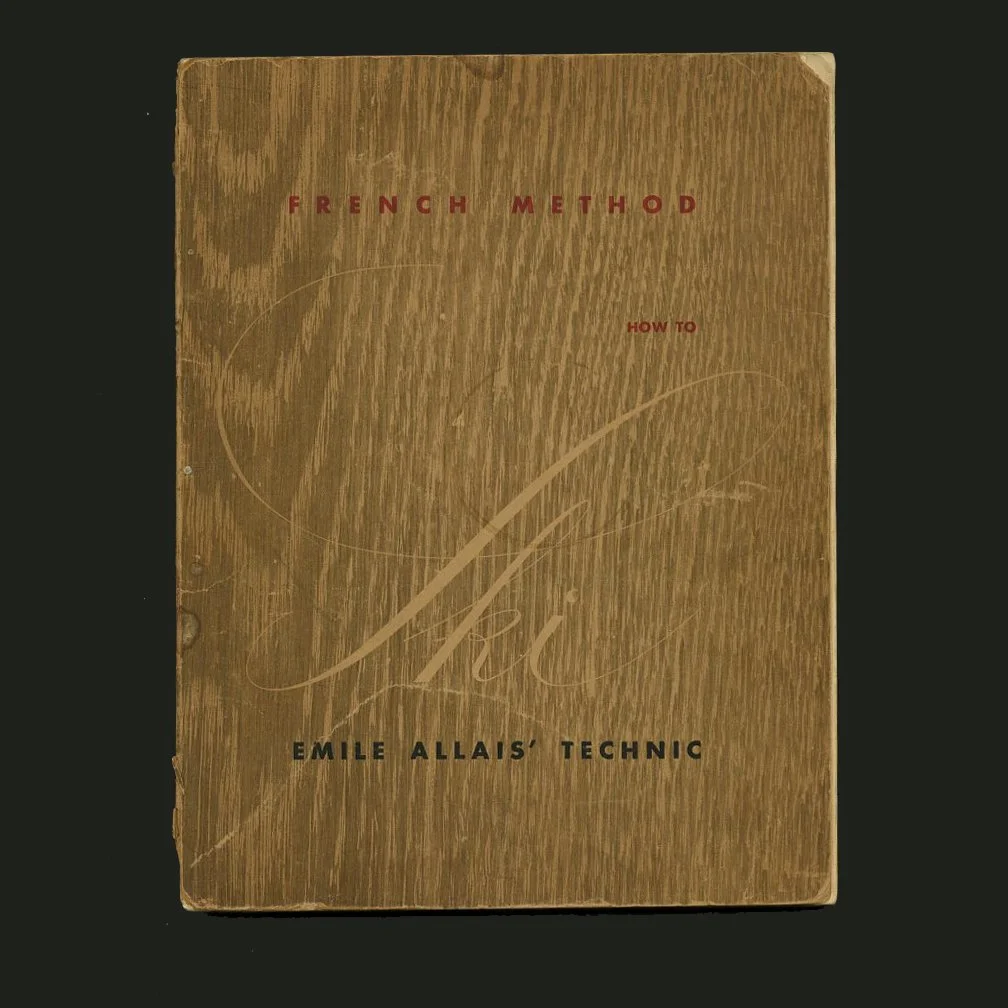 Image 1 of 13
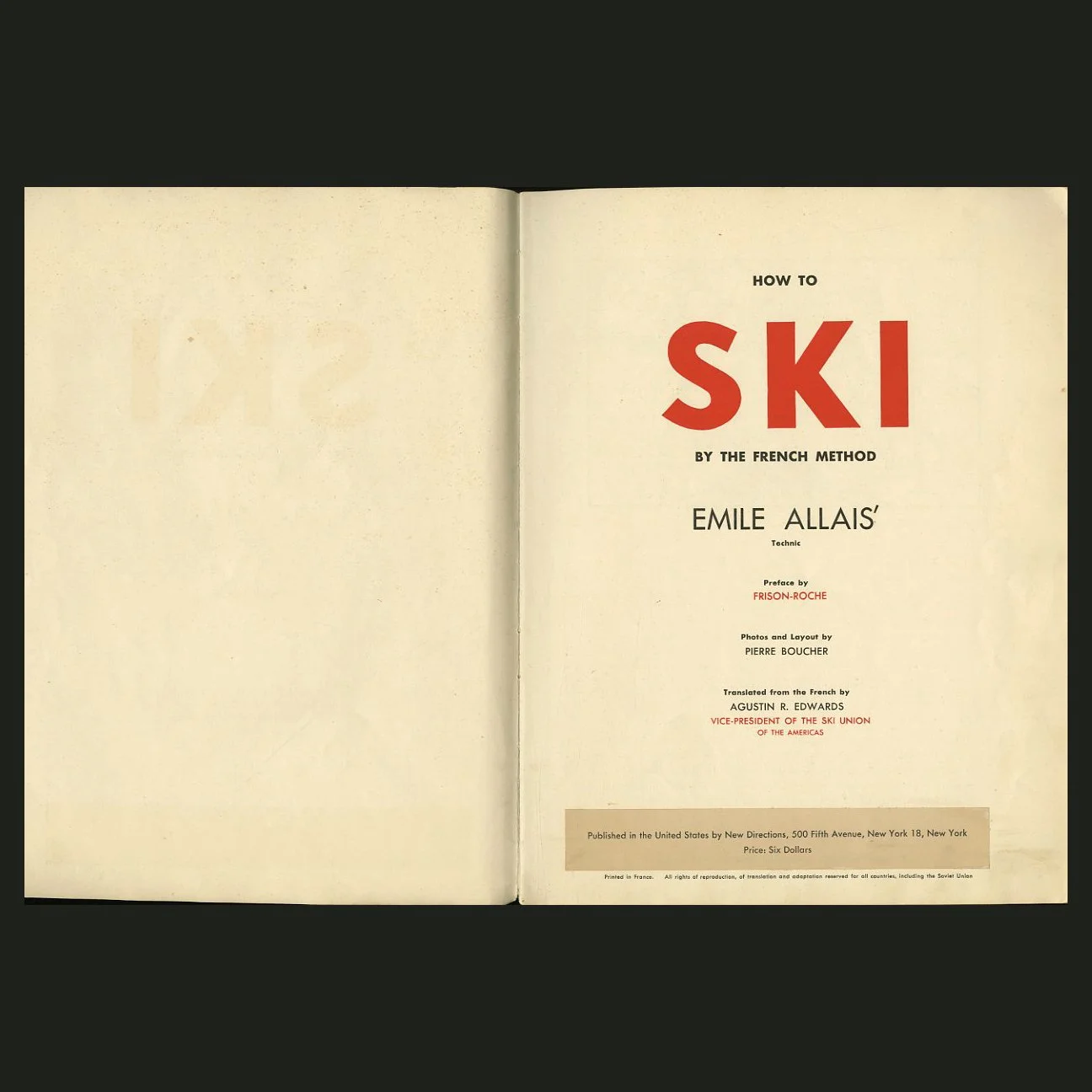 Image 2 of 13
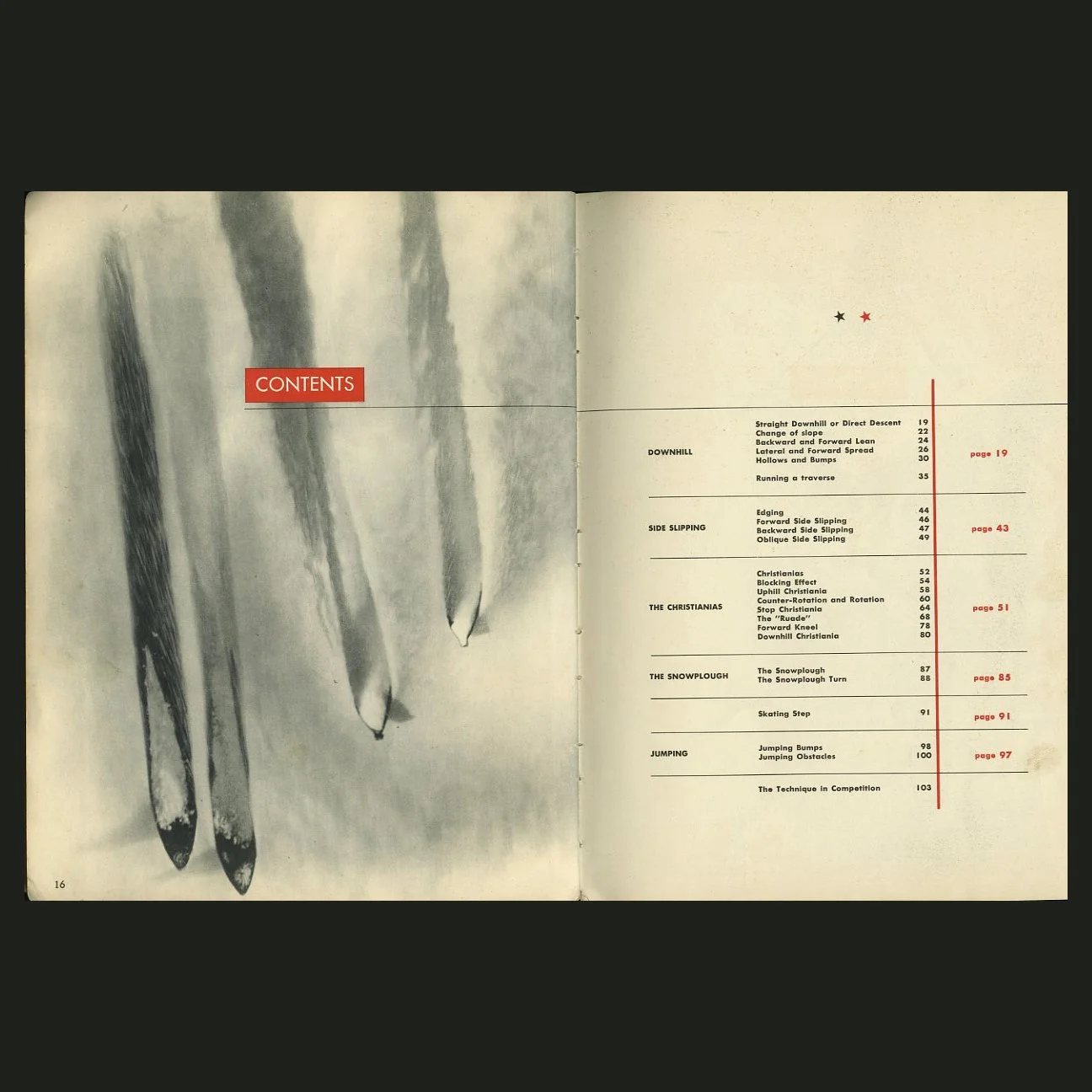 Image 3 of 13
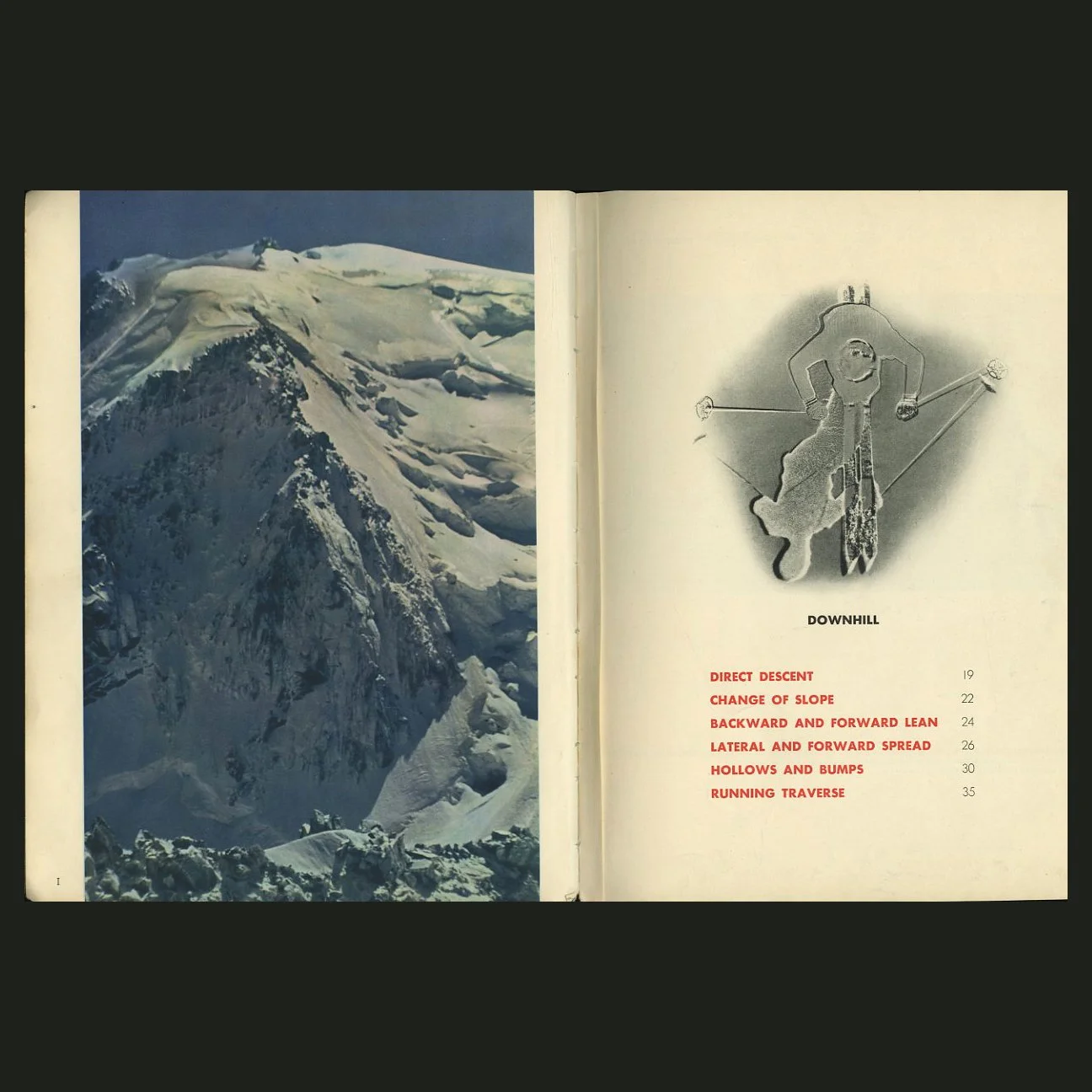 Image 4 of 13
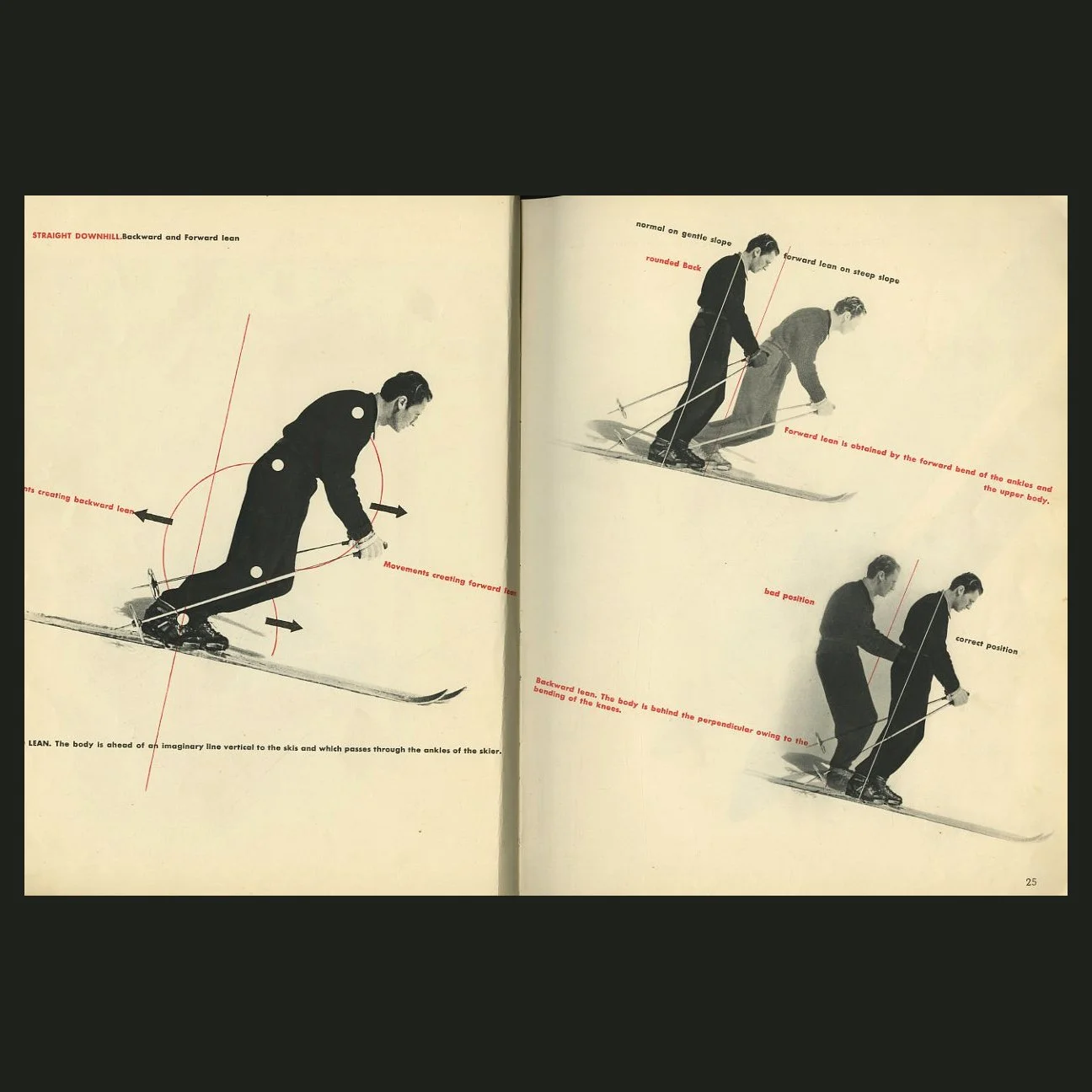 Image 5 of 13
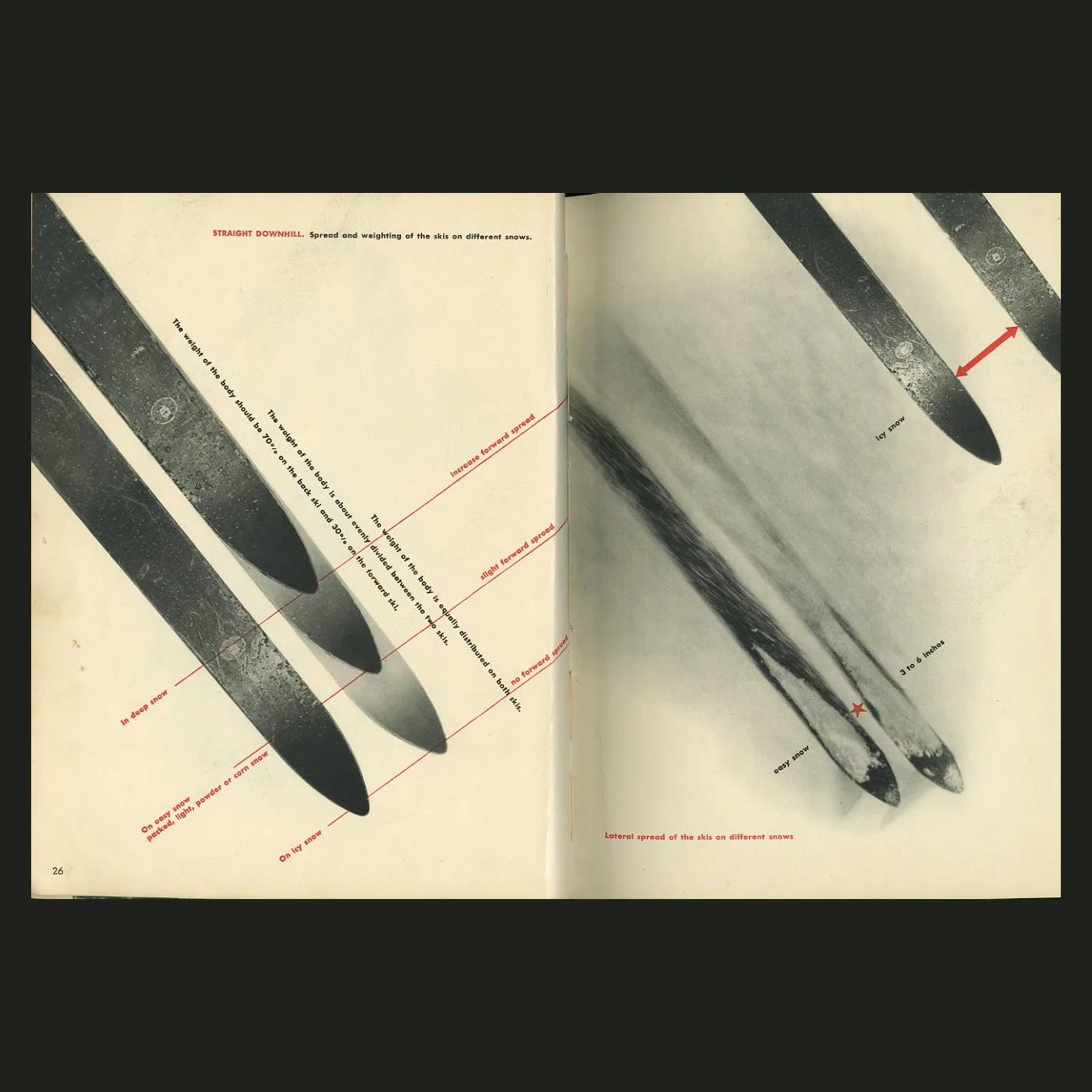 Image 6 of 13
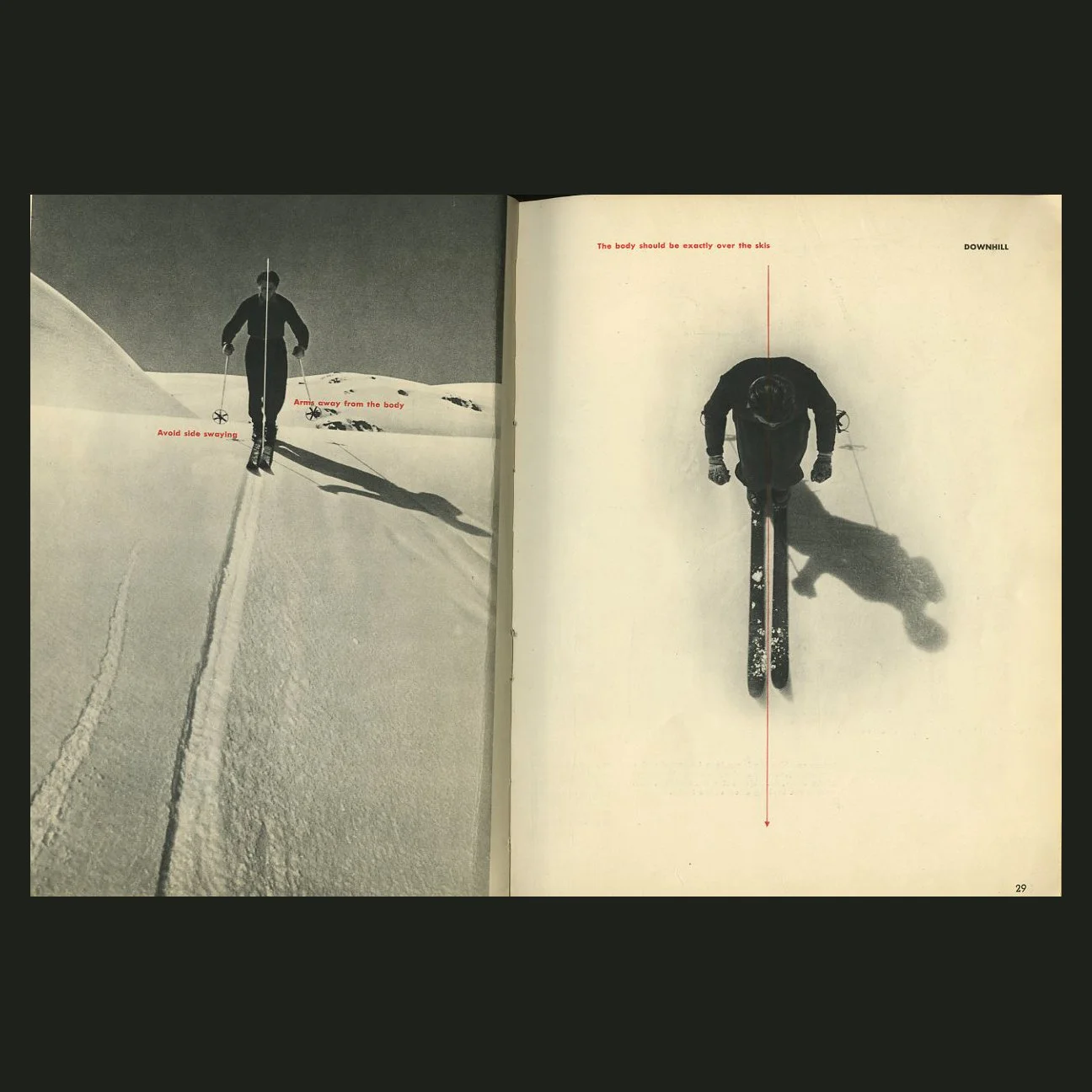 Image 7 of 13
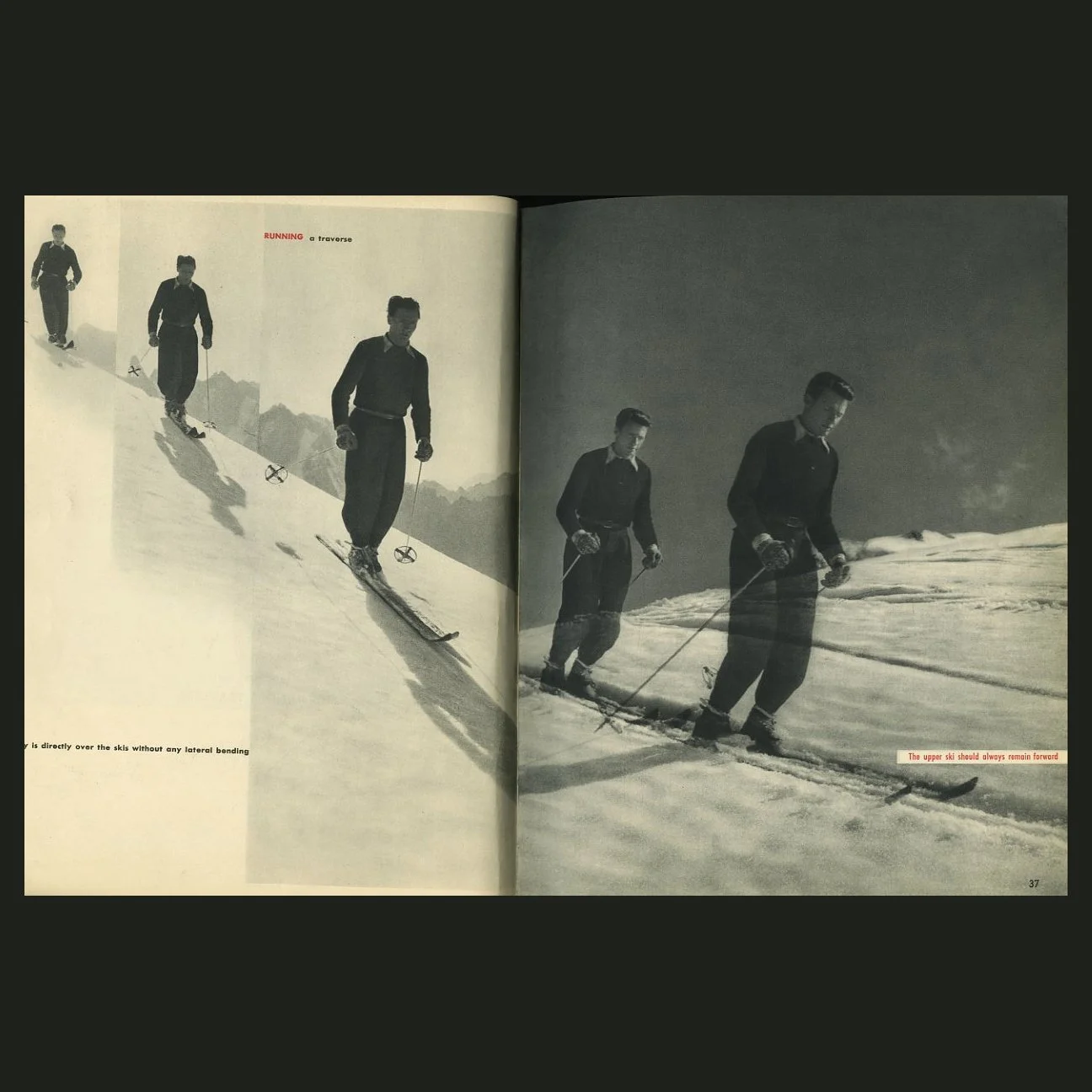 Image 8 of 13
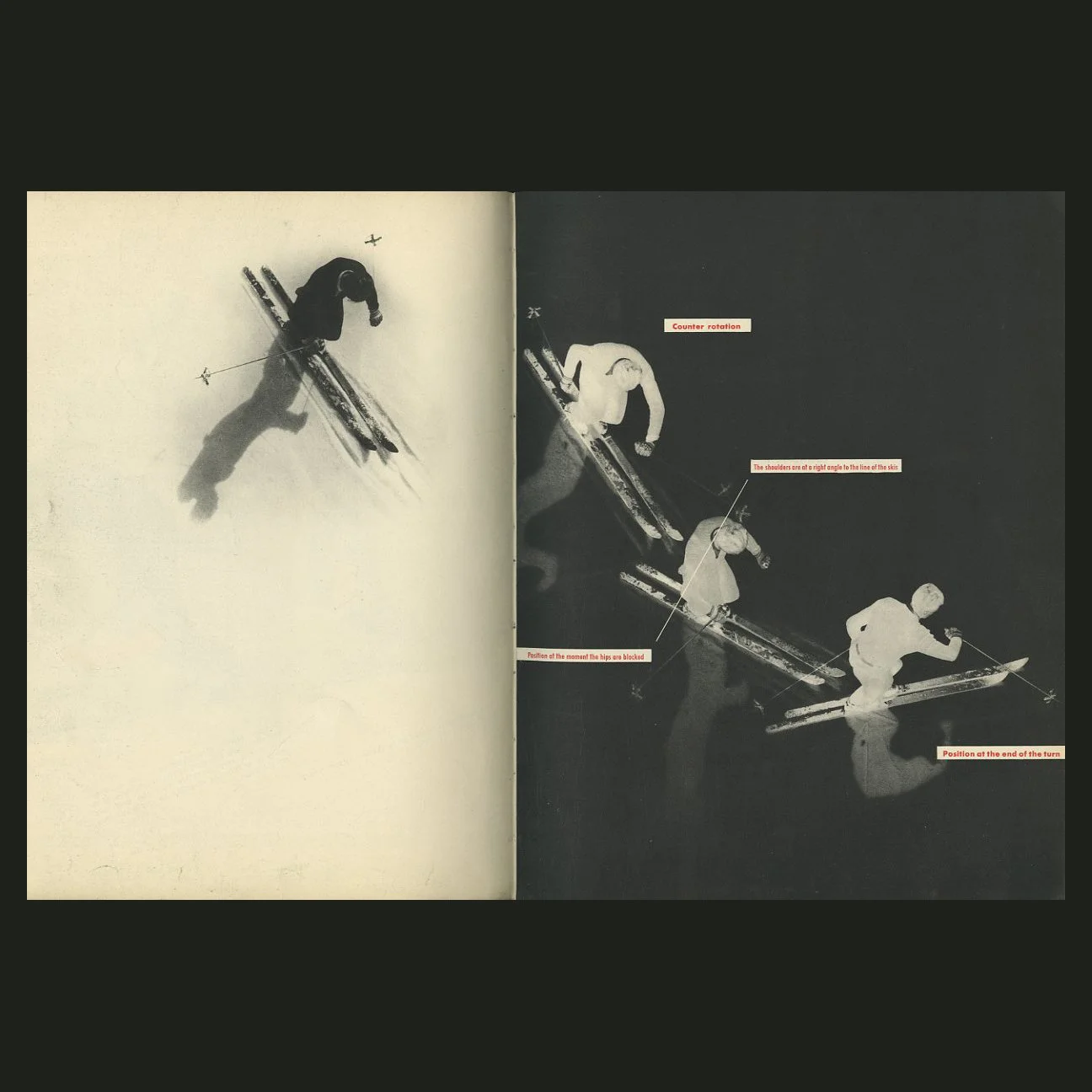 Image 9 of 13
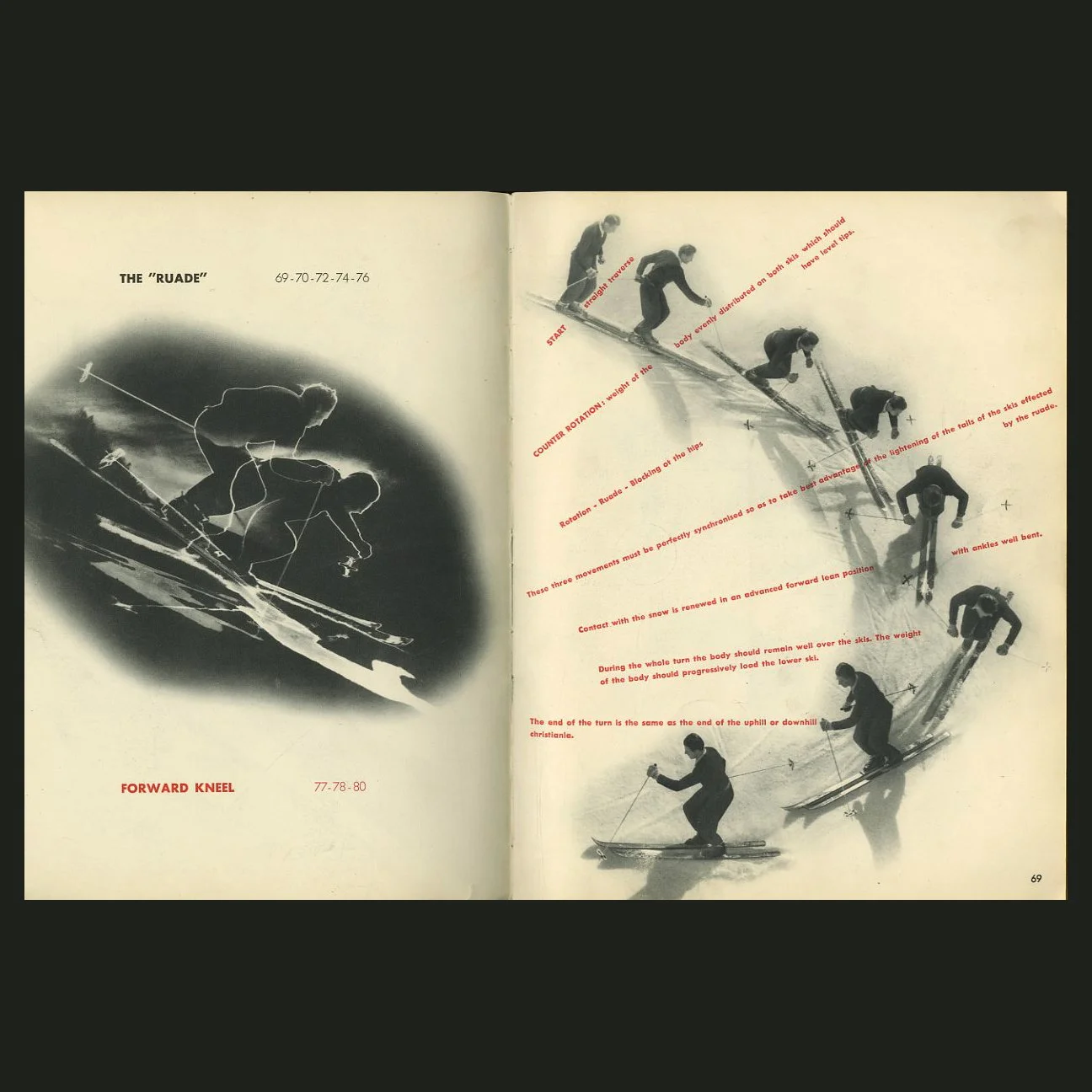 Image 10 of 13
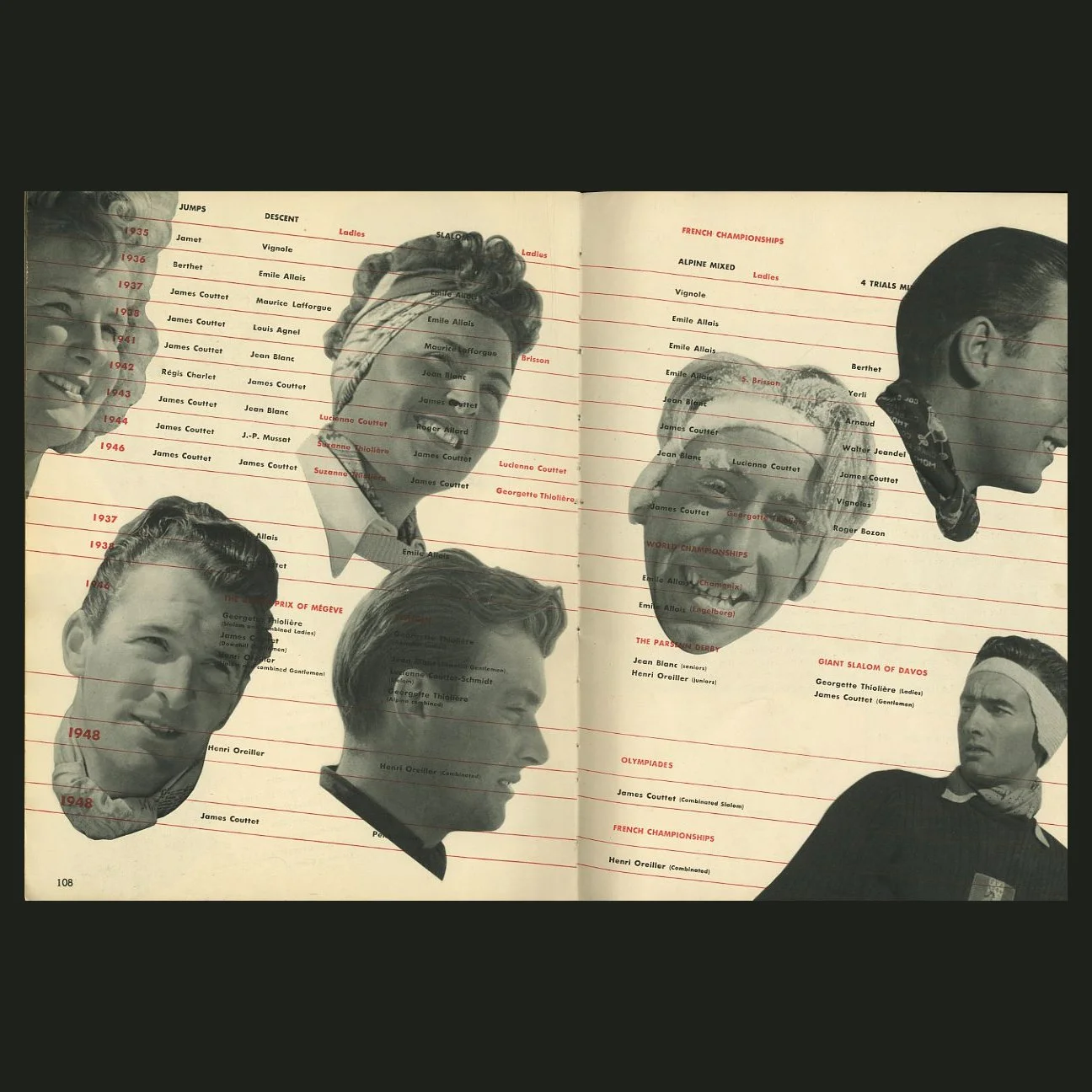 Image 11 of 13
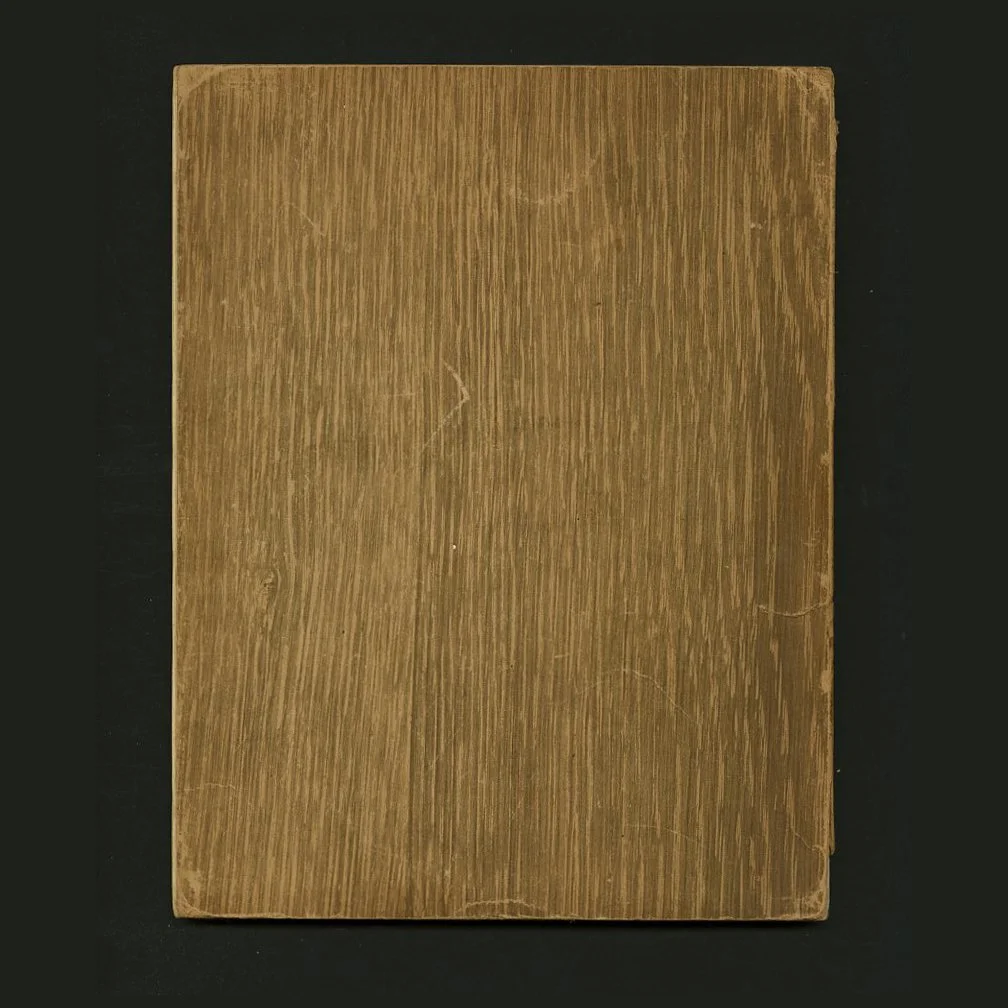 Image 12 of 13
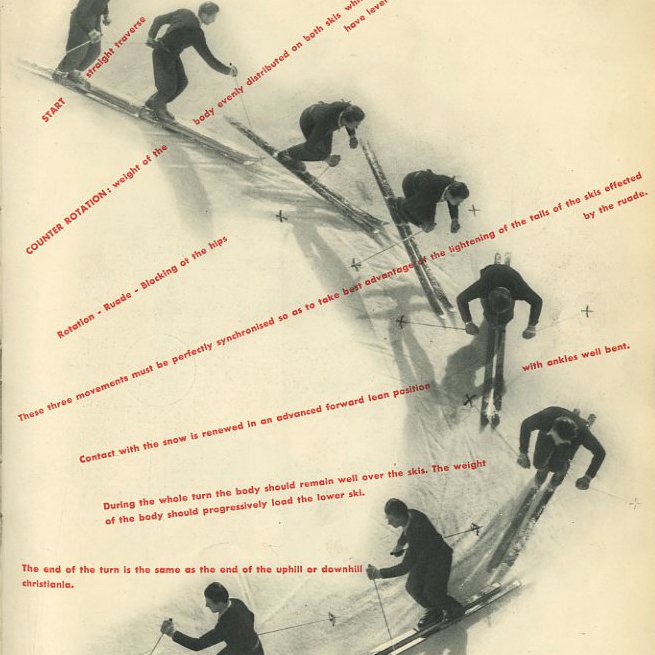 Image 13 of 13